-
ABOUT US
-
ACADEMICS
Curriculum Program
Departments
- English
- High School Chinese
- Primary and Junior School Chinese.
- High School Mathematics
- Middle School Mathematics
- Primary School Mathematics
- Music and Fine Arts
- Physical Education
- Physics
- Chemistry
- History and Geography
- Physical Science and Optional courses Department
- Middle School Biology
- High School Biology
- Social Sciences
- Computer Science
- Courses in Primary School
Achievements and Matriculations
College Counseling
Science & Technology Innovation Contest
Subject Competition
-
ARTS
-
ATHLETICS
-
AT SHSID
SHSID ∣ TIMES
PTSA
Club Exhibition
- 龙吟社
- Live 2 Drama
- Choir
- Hip-pop Dance Club
- The Primary School Dance Troupe
- Symposiums Club
- Biology Workshop
- You Shan
- VEX Robotic
- Peking Opera Club
- Baseball Club
- Model United Nations
- The World Scholar’s Cup
- Future Problem Solving Club
- OM Club
- AMC Club
- Music for Patients
- Smile Charity
- Stem Doge Alliance
- Chinese Debate Club
- IAA
- Mock Trial Club
- Zhengming Club
- Furry Friends
- GT-Racing
- Village Radio
- IMMC Club
- Creative Design and Intelligent Fabrication
- Future City Research Project
- ECOCAP
- AdvocaSEA
- SPDC
- Floorball Club
- Animusic MTC
- Wings Up
- Cyano
- Birding Community
Health and Wellness
Campus Safety
Cafeteria Service
-
ADMINISTRATION
-
ADMISSIONS
-
ALUMNI
Alumni Information
Honors Students
- Class of 2026
- Class of 2025
- Class of 2024
- Class of 2023
- Class of 2022
- Class of 2021
- Class of 2020
- Class of 2019
- Class of 2018
- Class of 2017
- Class of 2016
- Class of 2015
- Class of 2014
- Class of 2013
- Class of 2012
- Class of 2011
- Class of 2010
- Class of 2009
- Class of 2008
- Class of 2007
- Class of 2006
Who Studied at SHSID
SHS Foundation
-
DOCUMENTS
Fengxian Campus G1: Working Together to Support Every Child's Growth
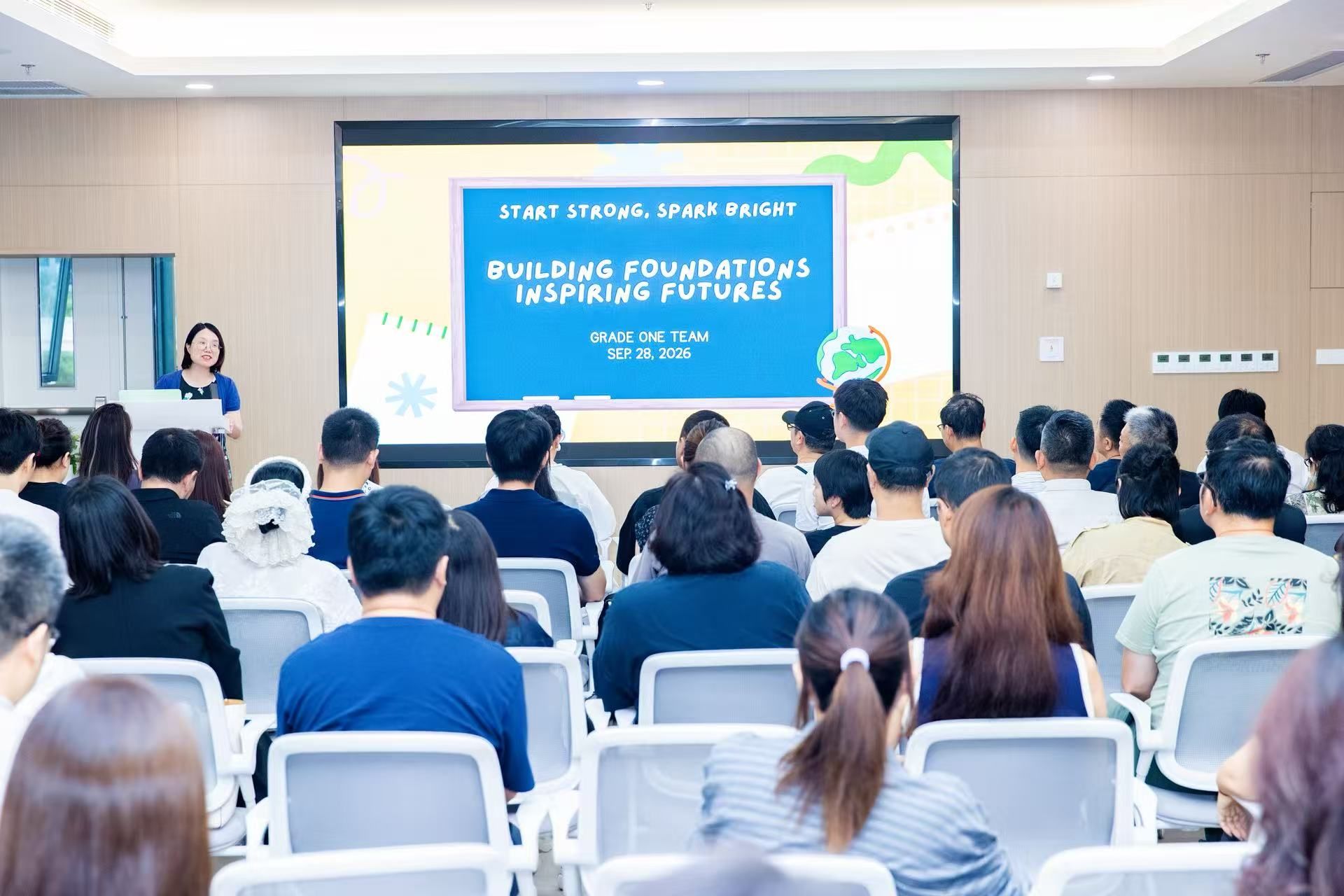
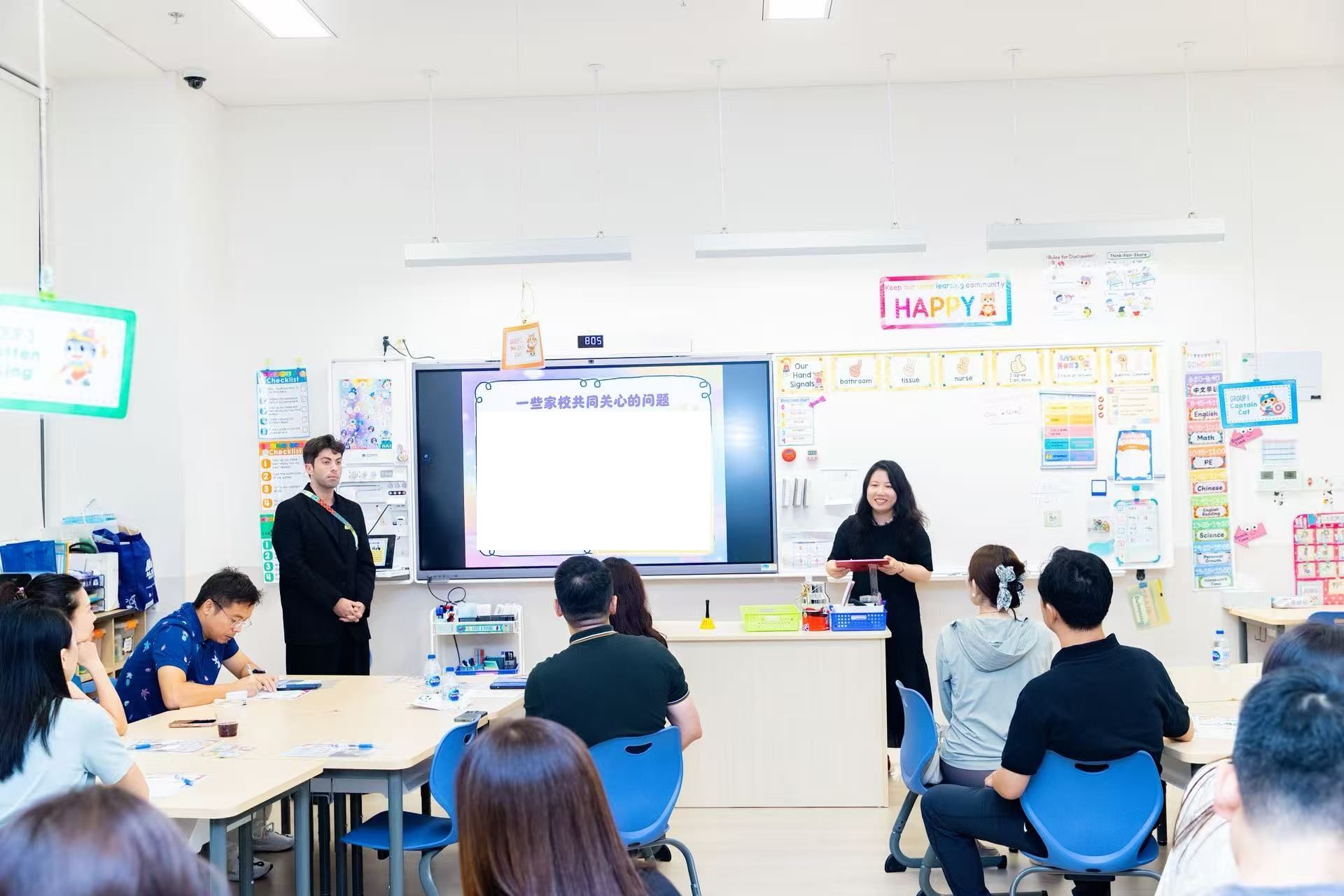
On September 28, the G1 Parent Meeting at SHSID Fengxian Campus was held as scheduled. After four weeks of school, the children are gradually adjusting to the rhythm of primary school and becoming more familiar with their new school life. The parent meeting brought together the school leadership team, the Grade 1 team, and parents for face-to-face communication. Together, they discussed student development, curriculum and learning, habit building, class management, and home-school collaboration. They also reflected on the children’s progress since the start of the school year and shared the goals for the months ahead.
Building Strong Foundations for Growth
The parent meeting consisted of two parts: a whole-grade meeting and class meetings. From academic learning to everyday classroom life, the meeting gave parents a closer look at what their children are experiencing at school and helped build a shared understanding of how home and school can work together.
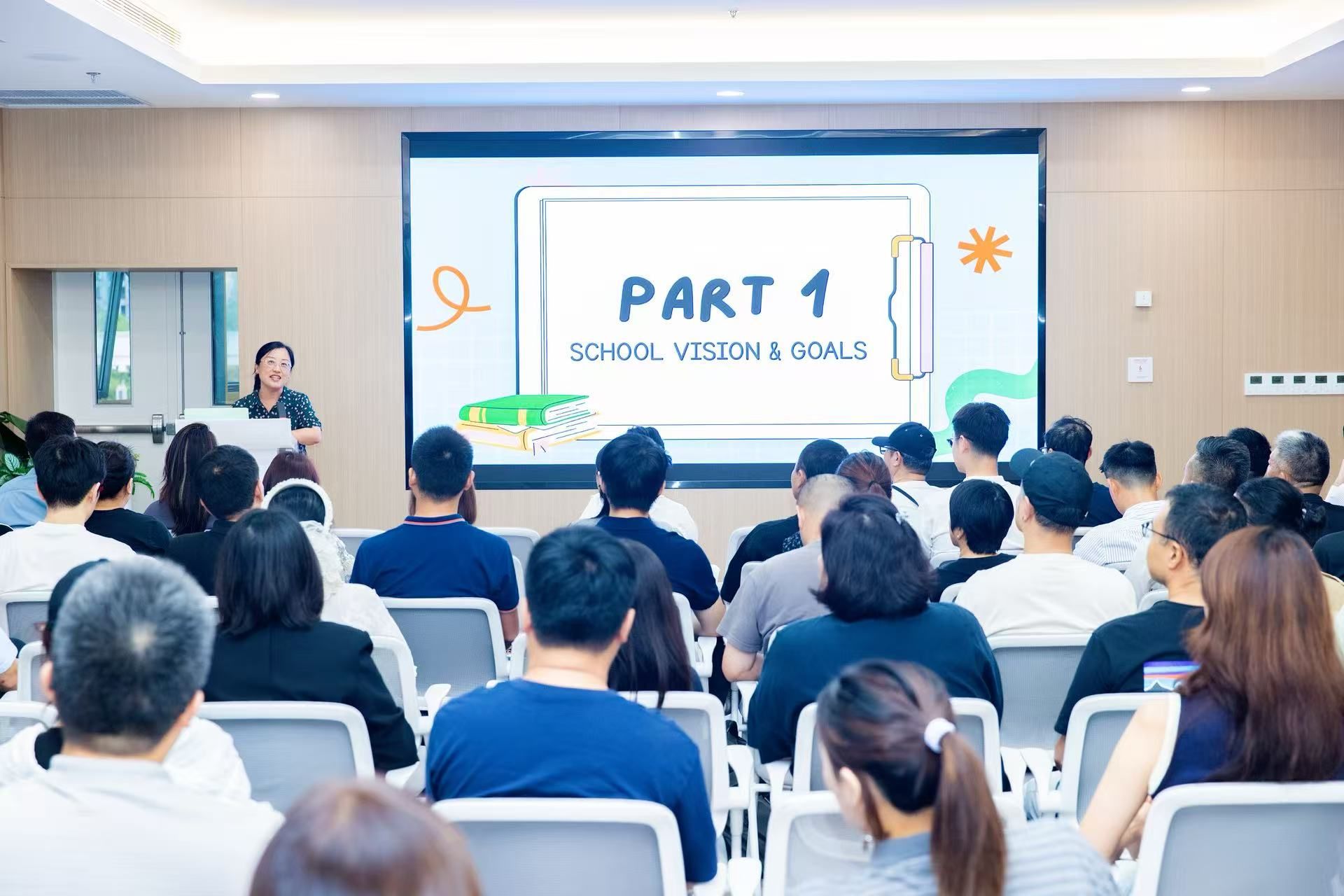
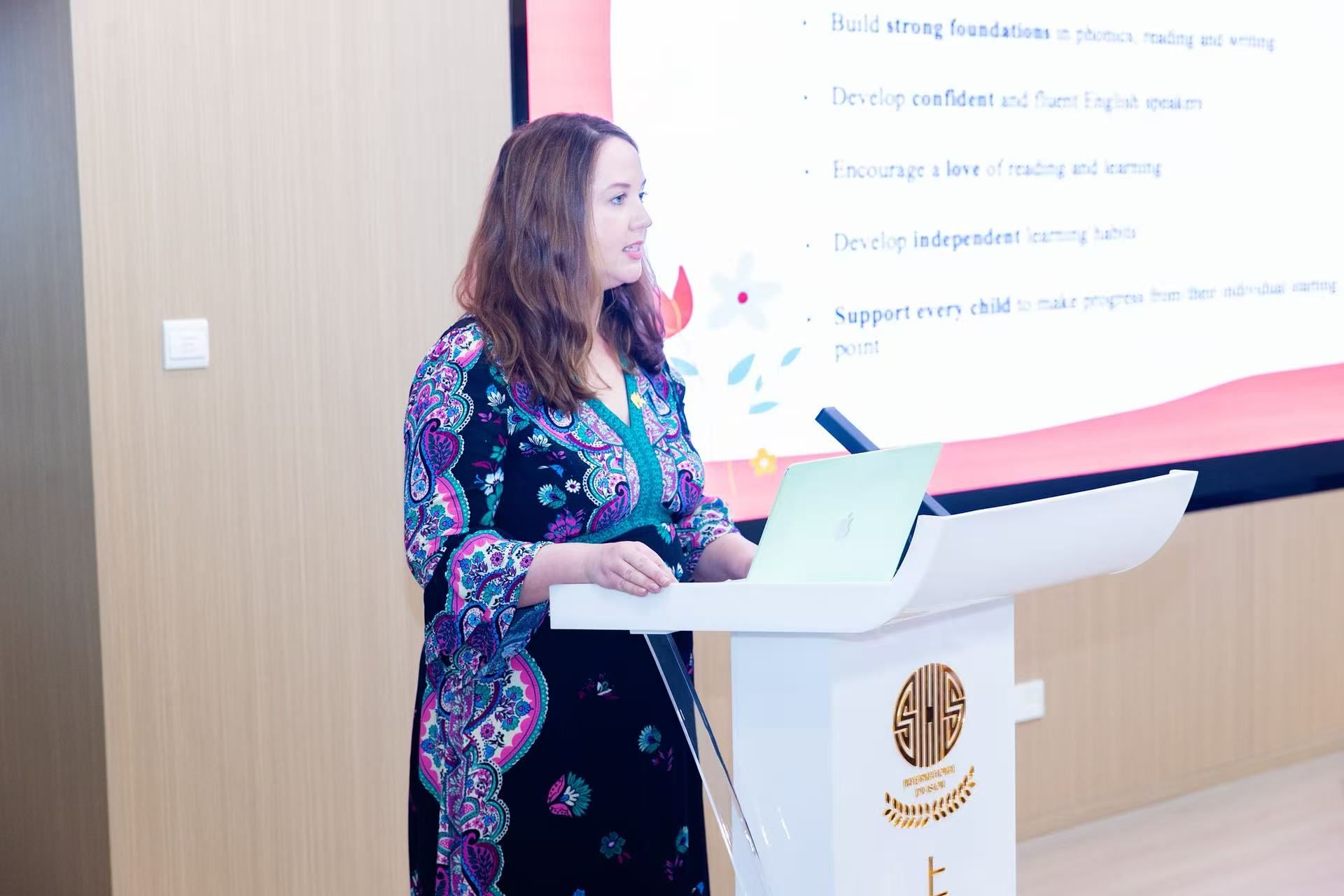
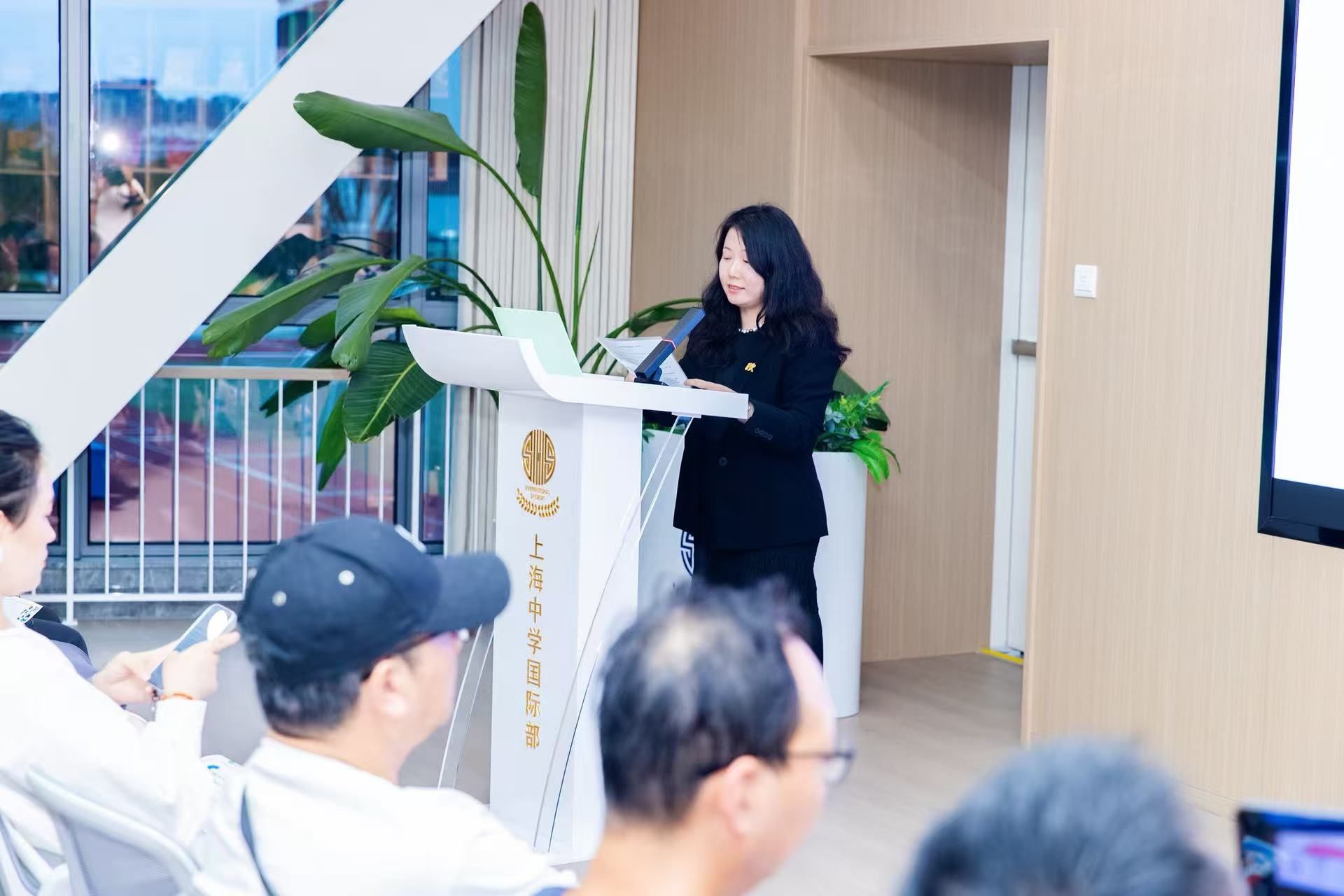
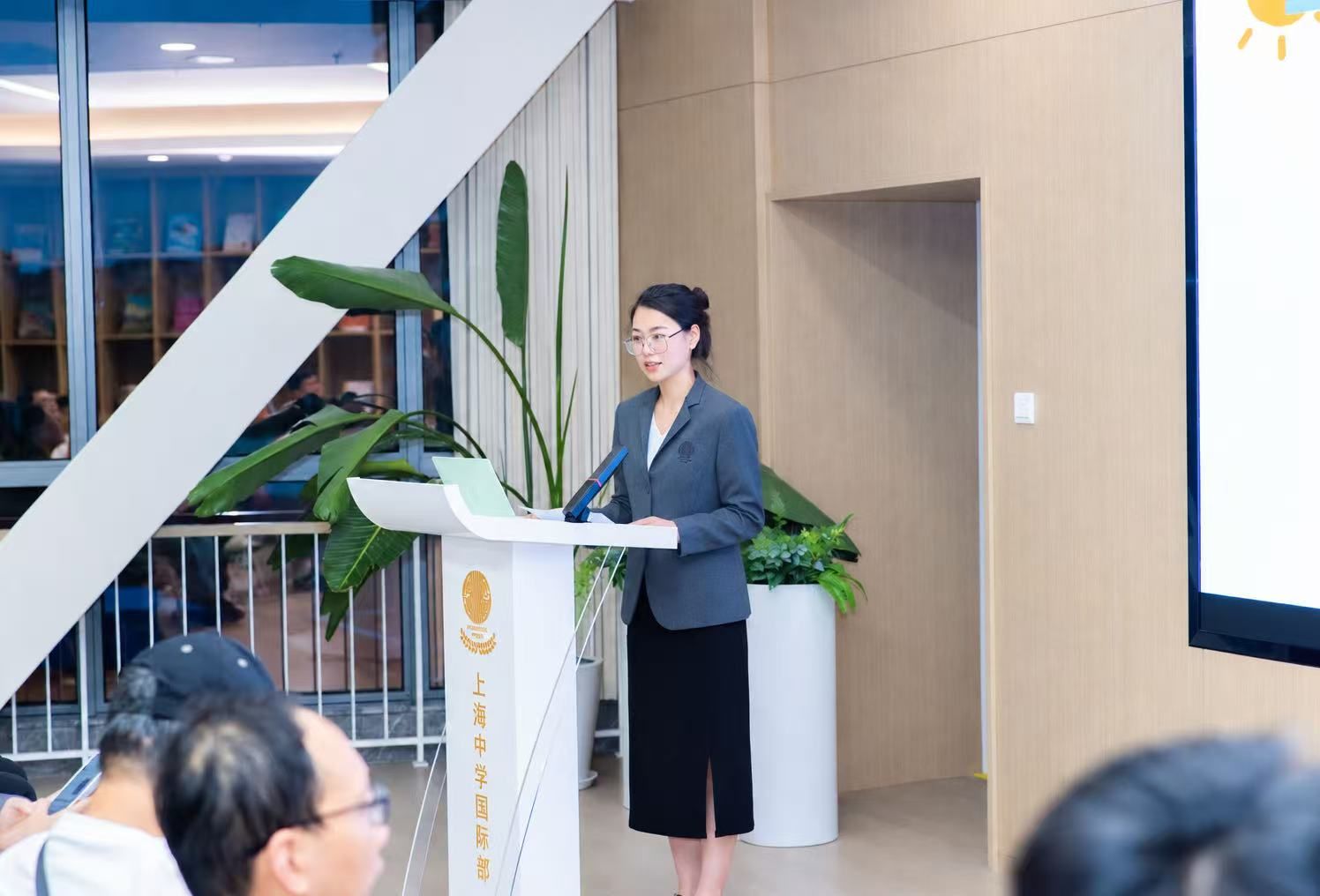
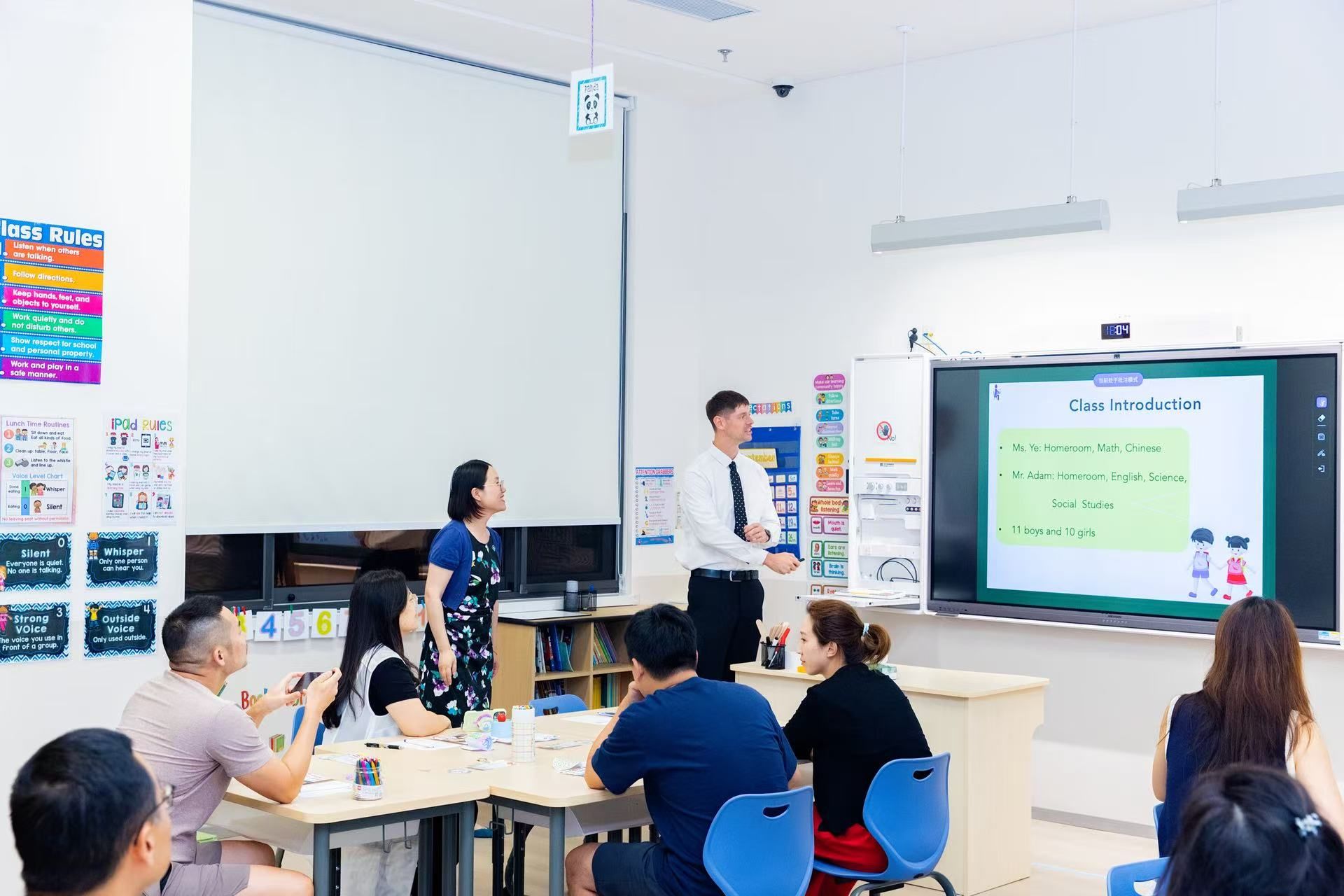
The whole-grade meeting was hosted by Ms. Ye Xing, Grade 1 Supervisor. She welcomed the parents and introduced the agenda for the meeting. Ms. Fu Bing, Assistant Principal of SHSID Fengxian Campus, then introduced the school’s educational vision and shared the school’s expectations for its students. A modern learning environment, a professional teaching team, and a curriculum designed to support students’ overall development form the foundation of education at Fengxian Campus.
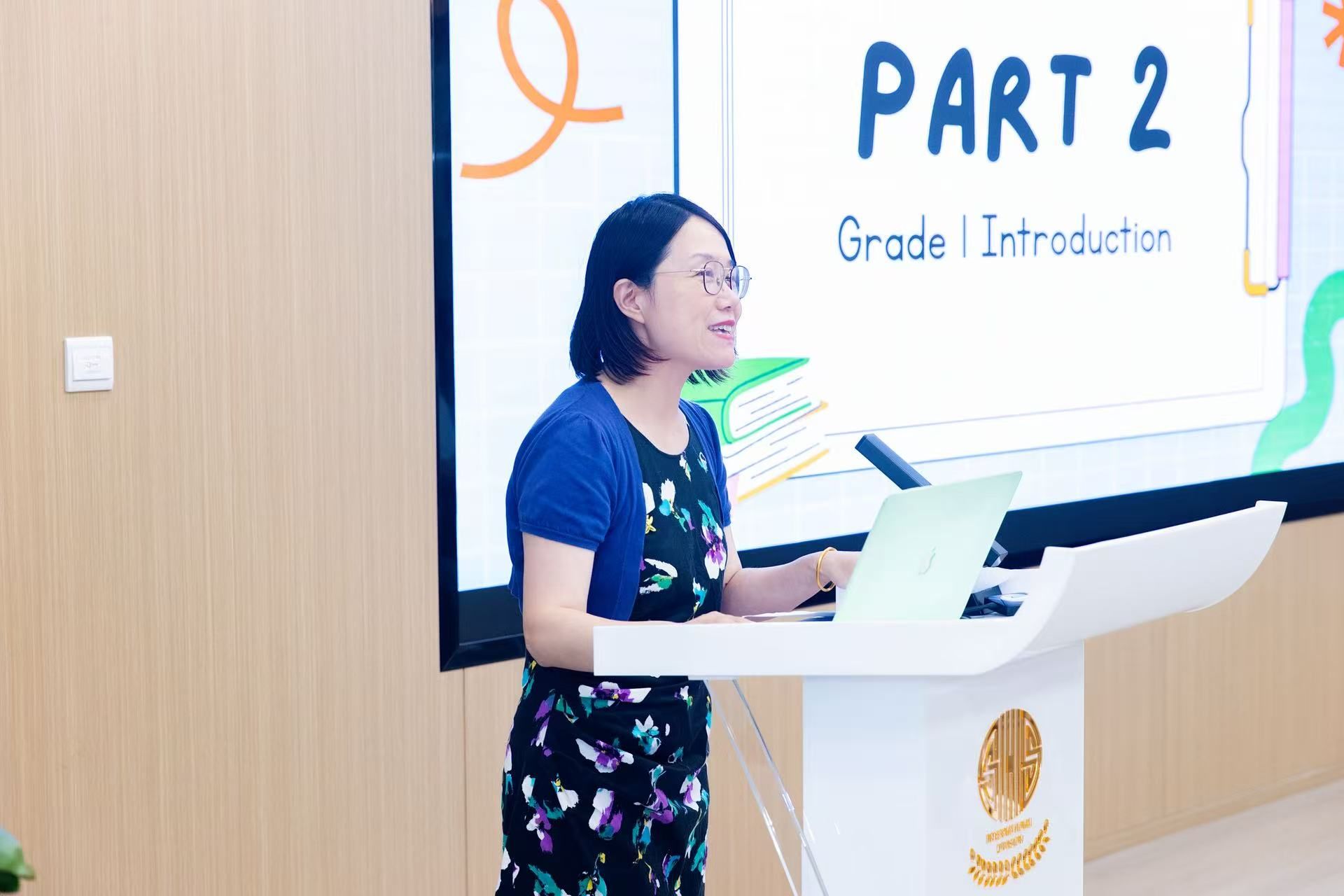
Building on the school’s overall vision, Ms. Ye Xing introduced the Grade 1 development plan. Grade 1 focuses not only on academic learning, but also on developing learning habits, positive behavior, and self-management skills. With Bright Journey as a guiding framework, the Grade 1 team integrates habit building into students’ daily learning and school life, while using Padlet to extend learning and communication between home and school. The team also incorporates the monthly themes of CME character education, with continued attention to rules, responsibility, and emotional management. Through everyday practice, students are encouraged to develop these skills step by step.
Every Subject Has Its Own Way of Learning
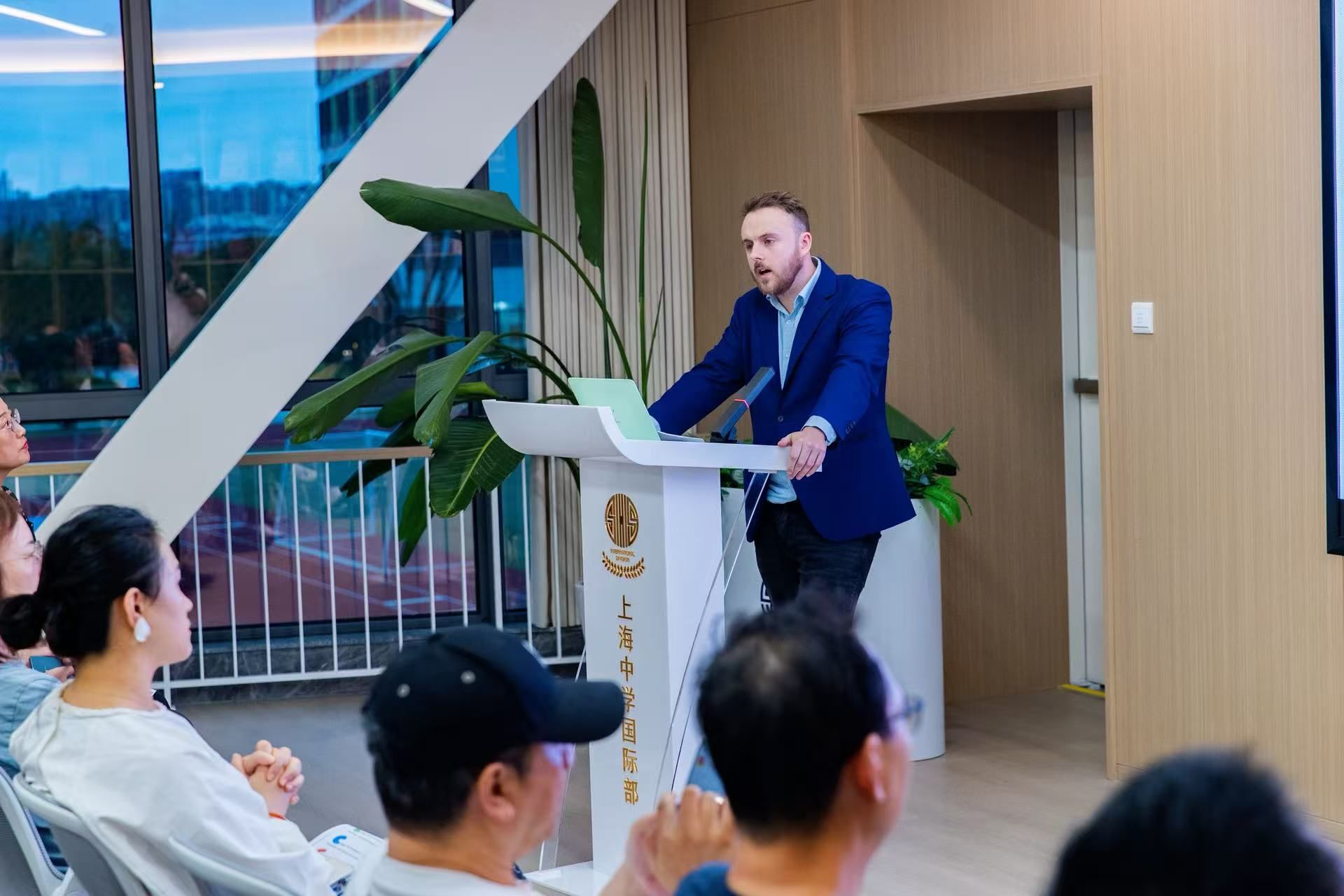
Ms. Ye Xing, Ms. Cox, Ms. Pu Xiaoying, Mr. Steve, Ms. Wei Jiali, Mr. Callum, and Ms. Wu Shuang then introduced the Grade 1 curriculum and key learning goals. They also shared how students learn in different subjects and the skills they develop through classroom learning.
Mathematics focuses on building strong foundations and developing mathematical thinking. Through hands-on activities, games, and learning in different contexts, students develop an understanding of mathematical concepts and gradually learn to read and understand questions, analyze problems, and solve them in flexible ways.
English focuses on language foundations and practical communication. Through phonics, reading, writing, and classroom interaction, students build their language skills, develop confidence, and gradually become more comfortable using English.
Chinese supports the integrated development of listening, speaking, reading, and writing. Students develop their skills through reading aloud, character recognition and writing, reading practice, and language activities, while building positive learning habits in Chinese.
SSS combines science inquiry and social learning to encourage students to observe, ask questions, and think. In Science, students explore experiments, observation, nature, and technology. In Social Studies, they learn about communities, rules, rights, and responsibilities, helping them understand their connection with the world around them.
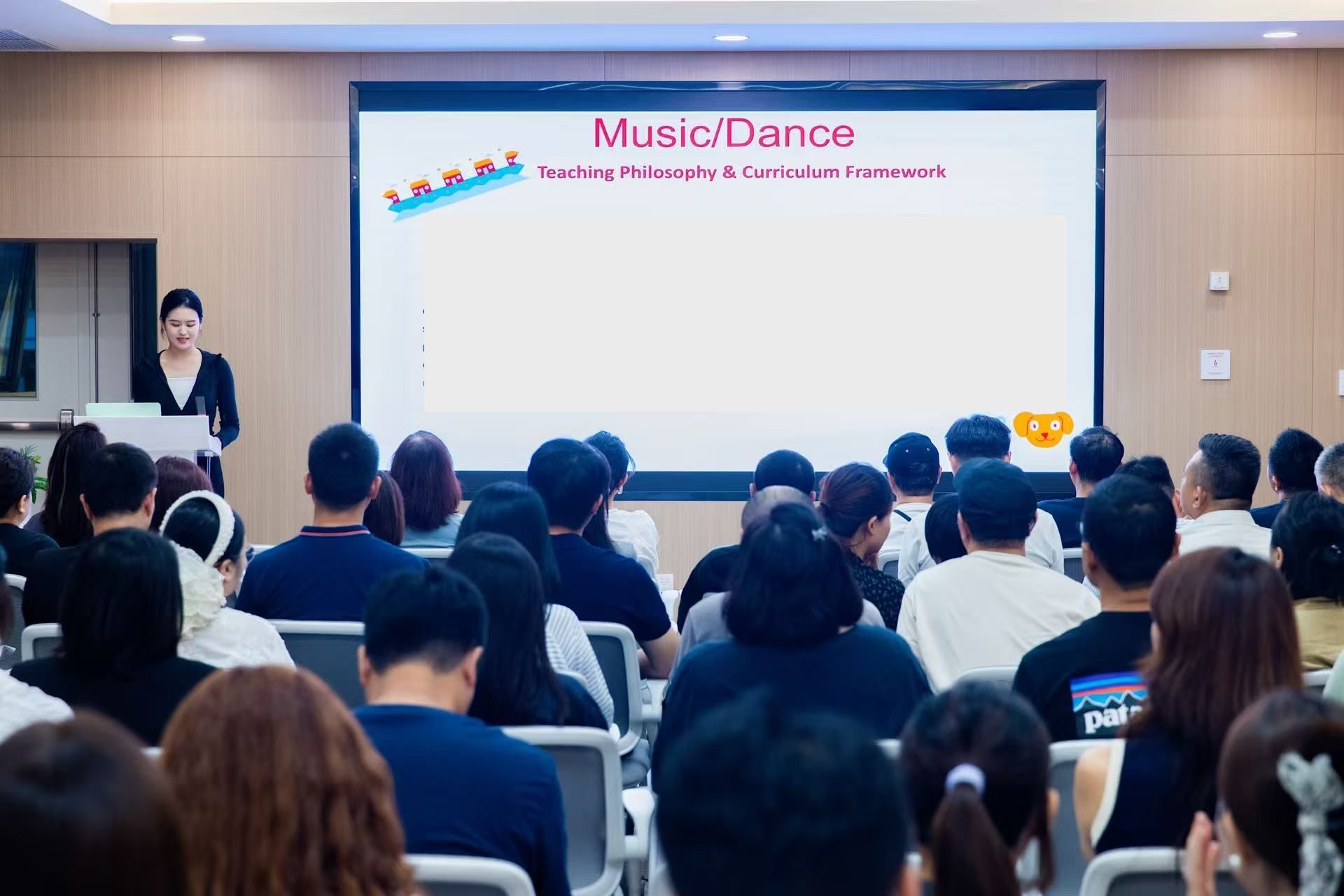
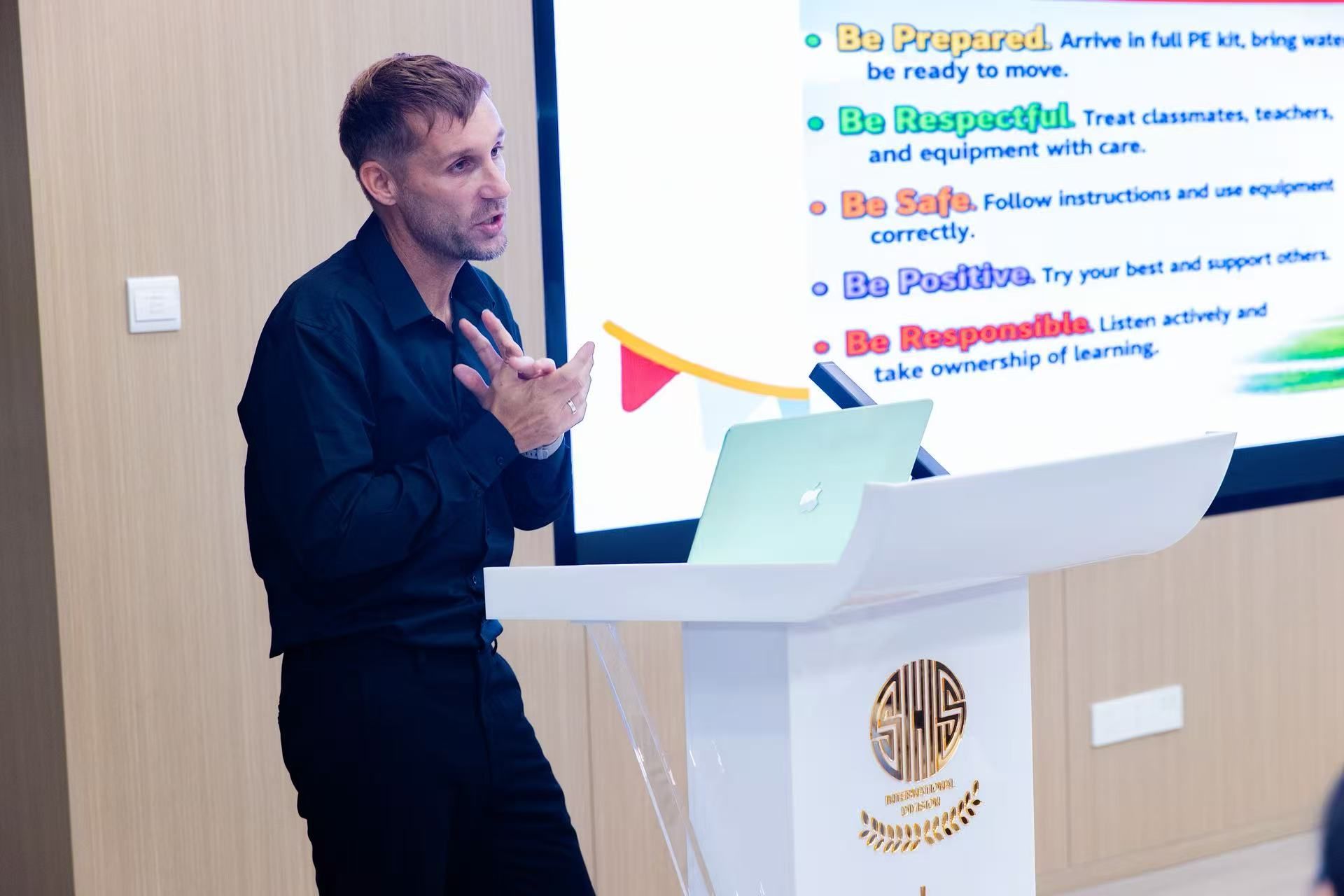
Music, PE, and Art bring additional dimensions to students’ school experience. Music uses music appreciation and movement as key ways of learning. Through activities involving beat, rhythm, listening, and coordinated movement, students develop musical awareness, self-expression, and collaboration. PE focuses on fundamental physical skills such as movement, balance, spatial awareness, and body control. Art gives students opportunities to explore drawing, crafts, and other hands-on activities. They become familiar with artistic materials and learn about lines, shapes, colors, and composition while developing their creativity and visual expression.
Although each subject has its own approach to learning, they all share a focus on developing students’ ability to observe, think, communicate, collaborate, and solve problems. In this way, knowledge and skills develop together through everyday learning.
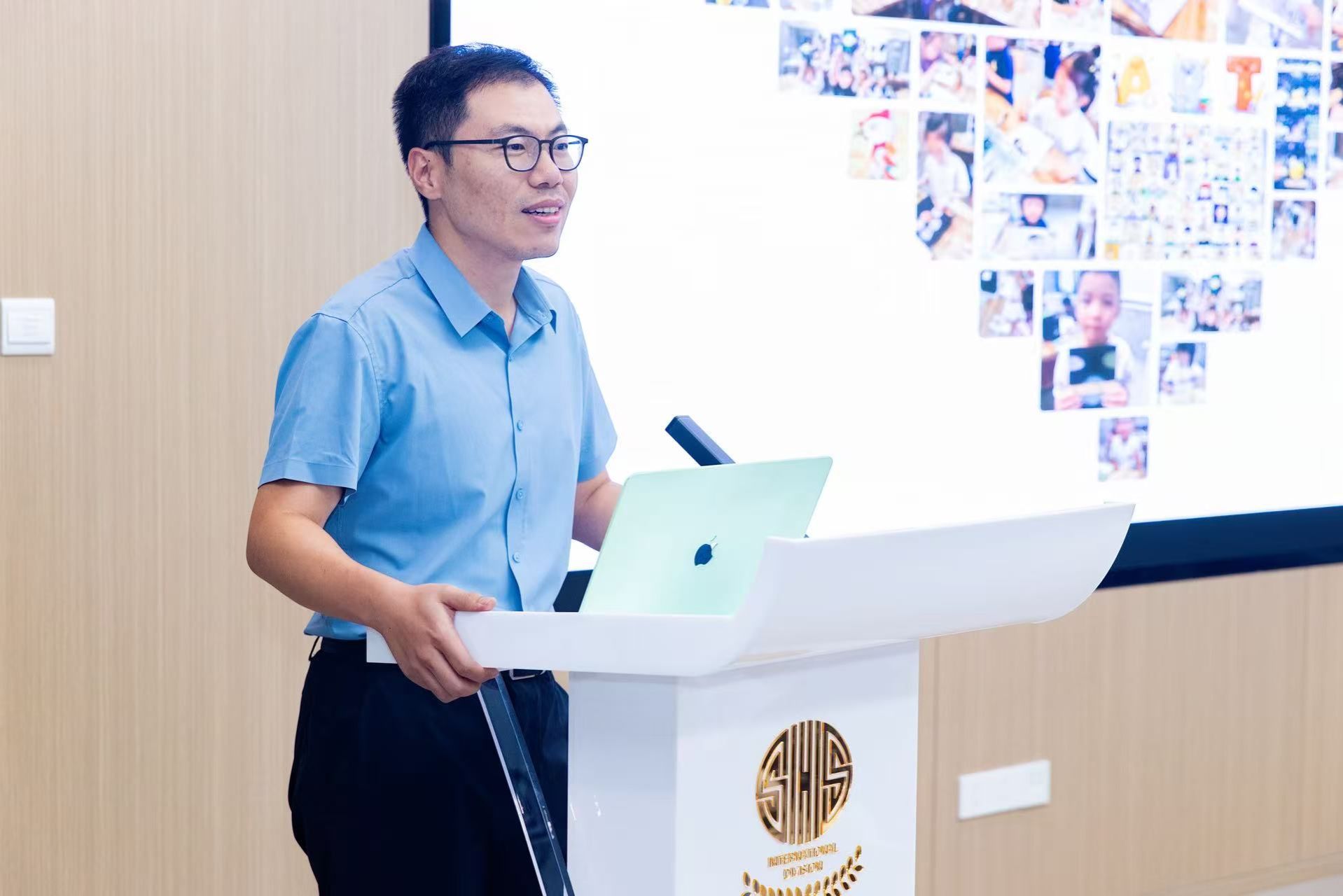
After the subject presentations, Mr. Shen Tianyuan, Vice Principal of SHSID Middle and Primary School and Principal of SHSID Fengxian Campus, delivered the closing remarks for the whole-grade meeting. For the first group of Grade 1 students at Fengxian Campus, this is the beginning of a new journey. The school hopes to provide a safe, open, and supportive learning environment through a well-structured curriculum, a professional teaching team, and a clear approach to student development. None of this would be possible without the understanding, trust, and support of families.
Supporting Children as They Grow
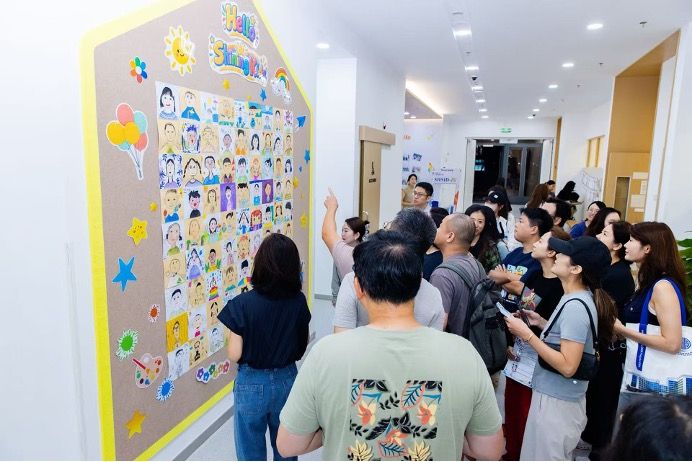
After the whole-grade meeting, parents visited the displays of students’ work outside the classrooms. From subject assignments to classroom projects, the work on display captured moments of the children’s growth during their first weeks of school. Parents stopped to look, talk, and share stories about their children’s recent experiences, bringing the little stories they had heard at home to life.
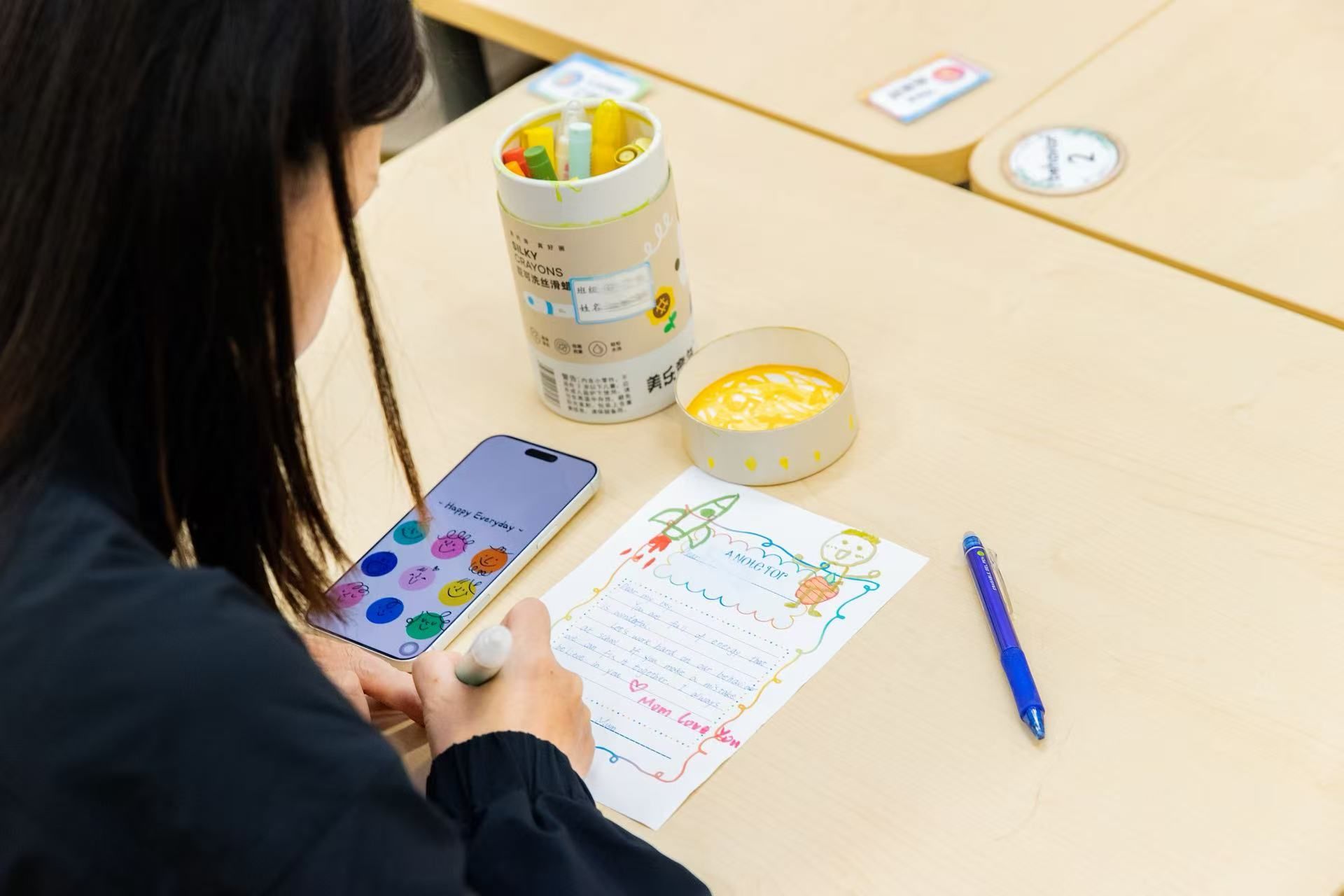
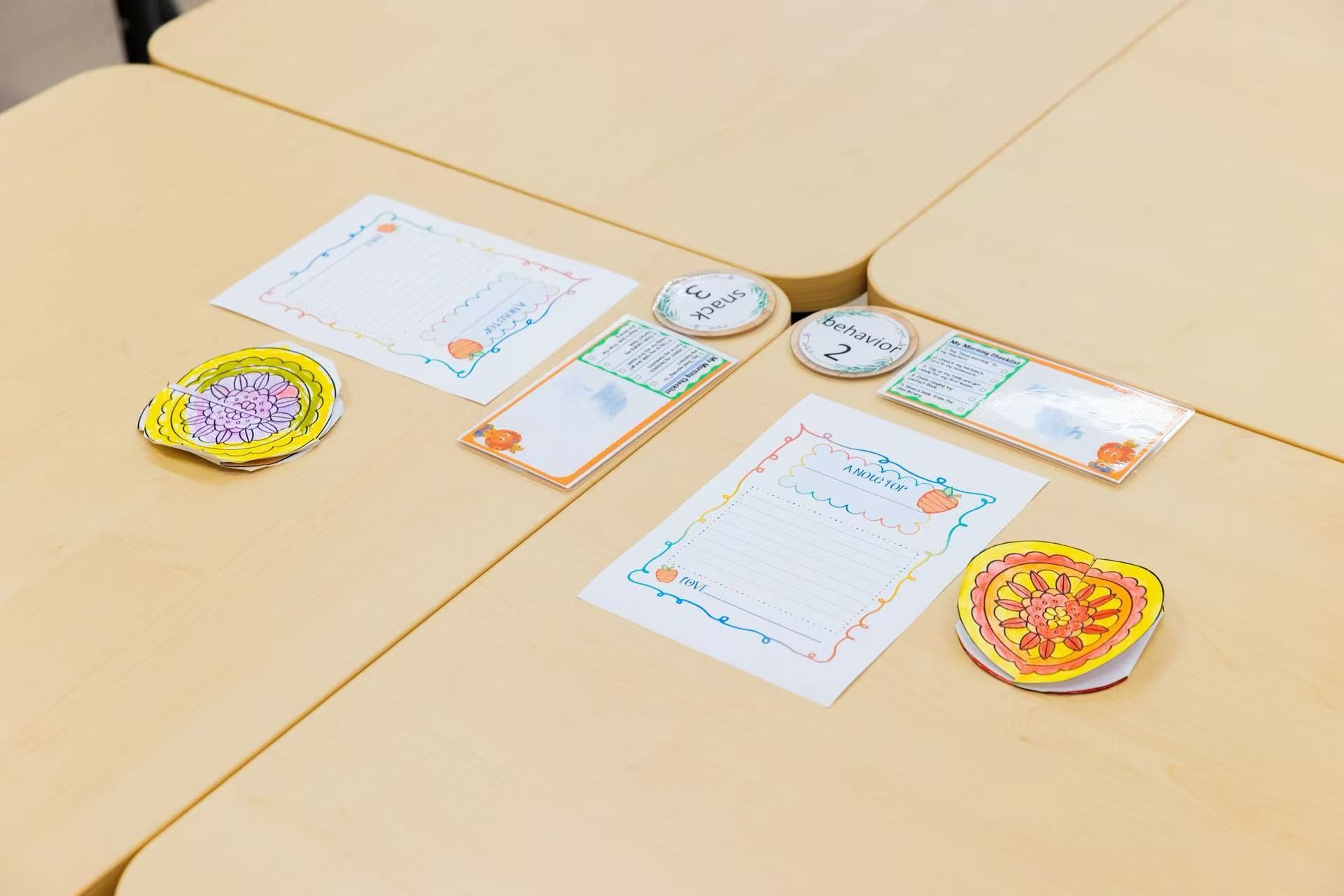
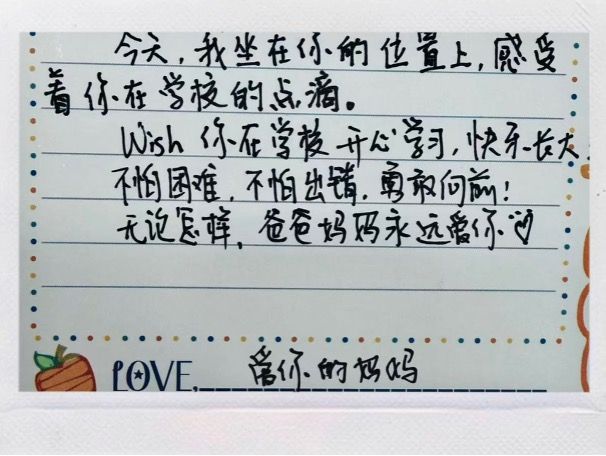
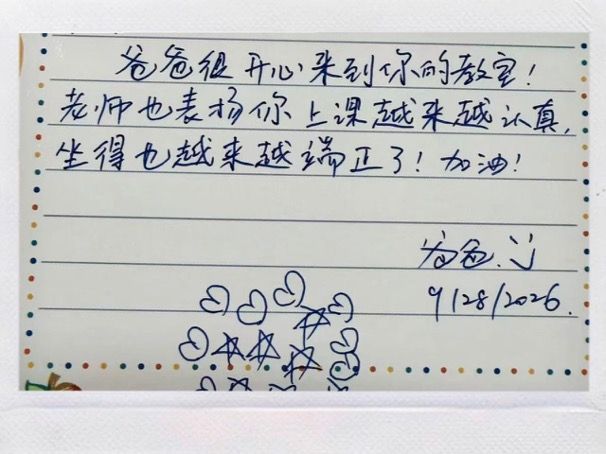
Parents then entered the classrooms, where notes had been prepared on the children’s desks for them to write messages to their children. Beside each note was a drawing of a mooncake made by the children themselves. The parents’ messages and the children’s artwork brought an extra touch of warmth to the gathering.
During the class meetings, both homeroom teachers introduced daily classroom routines, learning and life at school, and class management. They also shared the class incentive system and practical ways families can support their children at home.
For home-school collaboration, teachers encouraged parents to gradually step back and give children more opportunities to take responsibility for themselves. Simple daily tasks, such as organizing their folders, packing their school bags, and checking their homework, can help children become more independent and responsible for their own learning and daily lives. Teachers also introduced the 5C Homework Guidance Method, which helps children develop consistent study habits at home and creates a stronger connection between learning at school and support at home.
In the days ahead, we hope that school and families will continue to communicate openly and build trust with one another. Together, we can find the right ways to support children as they try something new, make progress, and face challenges.
Let us walk alongside our children as they take each step of their primary school journey—steadily, confidently, and at their own pace. There is no need to rush or compare. With daily care, patience, and support, we look forward to seeing each child grow in their own time.
(Written by Jingyao Lin
Pictures by Haijie Gong
Reviewed by Xing Ye, Shiyu Wu, Ciara Cox)