-
ABOUT US
-
ACADEMICS
Curriculum Program
Departments
- English
- High School Chinese
- Primary and Junior School Chinese.
- High School Mathematics
- Middle School Mathematics
- Primary School Mathematics
- Music and Fine Arts
- Physical Education
- Physics
- Chemistry
- History and Geography
- Physical Science and Optional courses Department
- Middle School Biology
- High School Biology
- Social Sciences
- Computer Science
- Courses in Primary School
Achievements and Matriculations
College Counseling
Science & Technology Innovation Contest
Subject Competition
-
ARTS
-
ATHLETICS
-
AT SHSID
SHSID ∣ TIMES
PTSA
Club Exhibition
- 龙吟社
- Live 2 Drama
- Choir
- Hip-pop Dance Club
- The Primary School Dance Troupe
- Symposiums Club
- Biology Workshop
- You Shan
- VEX Robotic
- Peking Opera Club
- Baseball Club
- Model United Nations
- The World Scholar’s Cup
- Future Problem Solving Club
- OM Club
- AMC Club
- Music for Patients
- Smile Charity
- Stem Doge Alliance
- Chinese Debate Club
- IAA
- Mock Trial Club
- Zhengming Club
- Furry Friends
- GT-Racing
- Village Radio
- IMMC Club
- Creative Design and Intelligent Fabrication
- Future City Research Project
- ECOCAP
- AdvocaSEA
- SPDC
- Floorball Club
- Animusic MTC
- Wings Up
- Cyano
- Birding Community
Health and Wellness
Campus Safety
Cafeteria Service
-
ADMINISTRATION
-
ADMISSIONS
-
ALUMNI
Alumni Information
Honors Students
- Class of 2026
- Class of 2025
- Class of 2024
- Class of 2023
- Class of 2022
- Class of 2021
- Class of 2020
- Class of 2019
- Class of 2018
- Class of 2017
- Class of 2016
- Class of 2015
- Class of 2014
- Class of 2013
- Class of 2012
- Class of 2011
- Class of 2010
- Class of 2009
- Class of 2008
- Class of 2007
- Class of 2006
Who Studied at SHSID
SHS Foundation
-
DOCUMENTS
Puxi Campus G8: Parent's Meeting
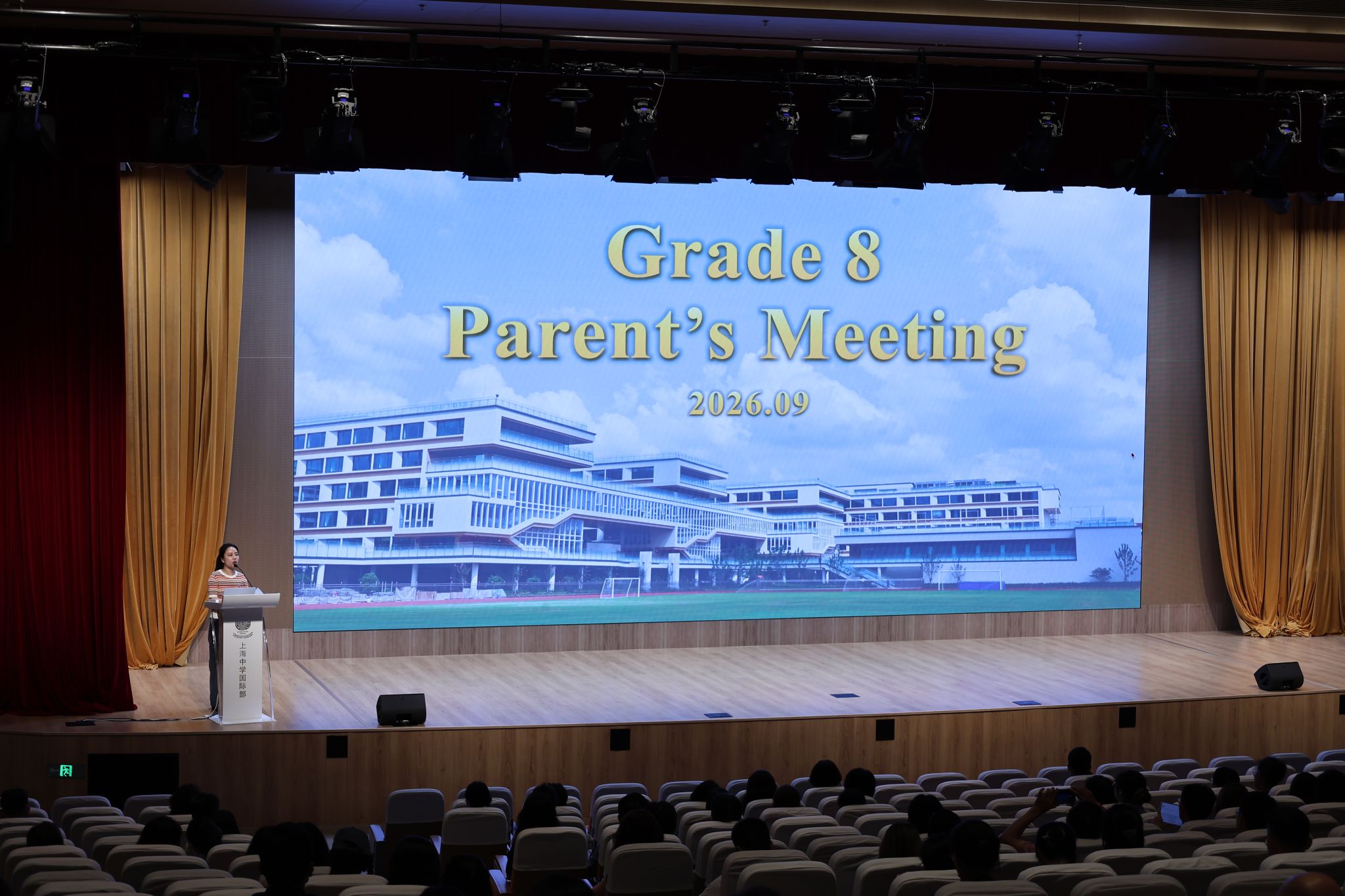
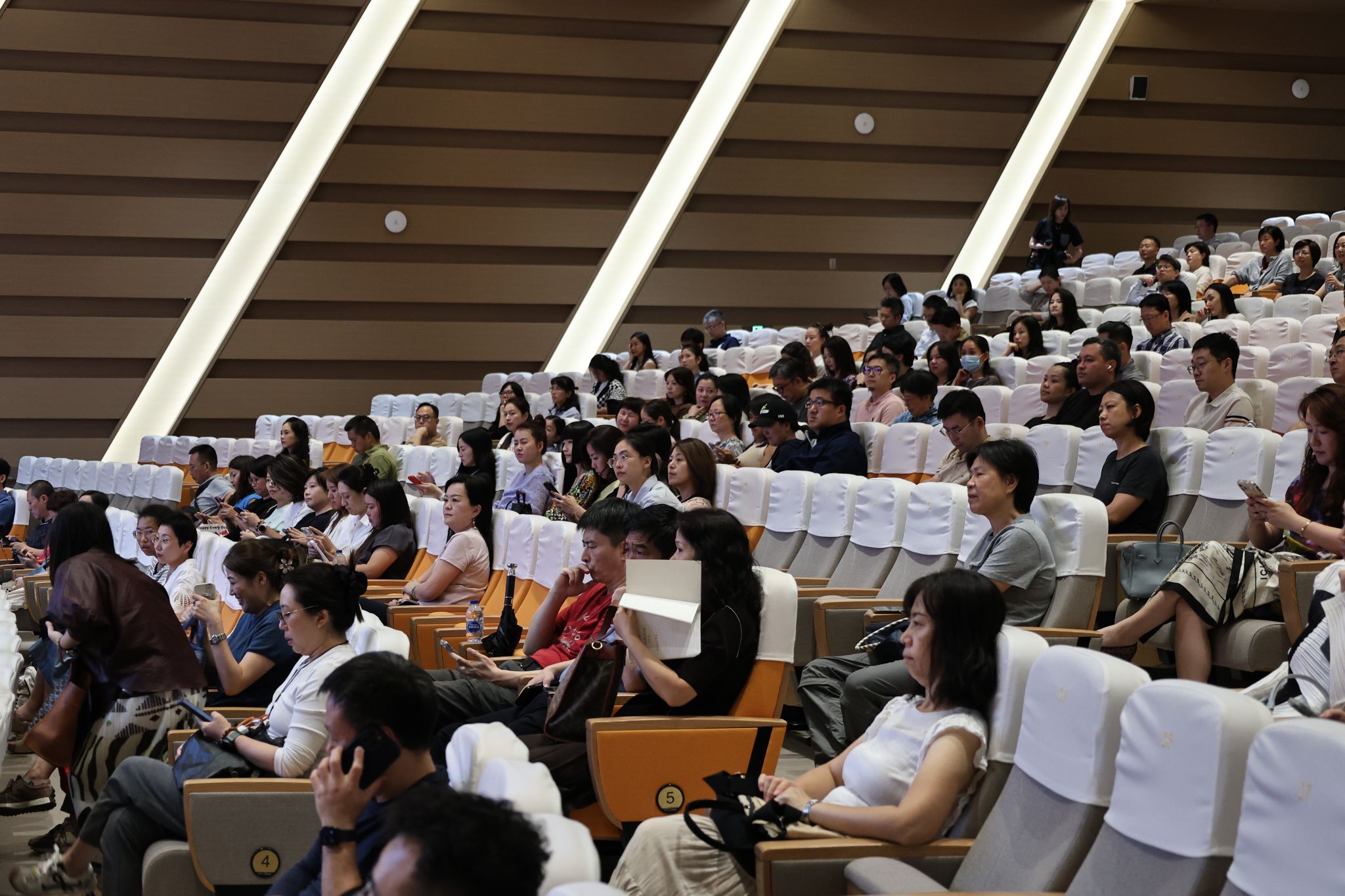
Recently, the SHSID 8th-grade parent-teacher conference was held as scheduled in the Hsi Building Auditorium. The parents gathered on campus to engage in in-depth discussions with teachers regarding the curriculum, graduation requirements, and support for student development. As the final year of middle school, collaboration between home and school is particularly crucial for 8th graders. This conference aimed to build consensus through home-school cooperation and to safeguard the growth of every student through collaborative education.
I. Focusing on Long-Term Development and Addressing Growth Concerns
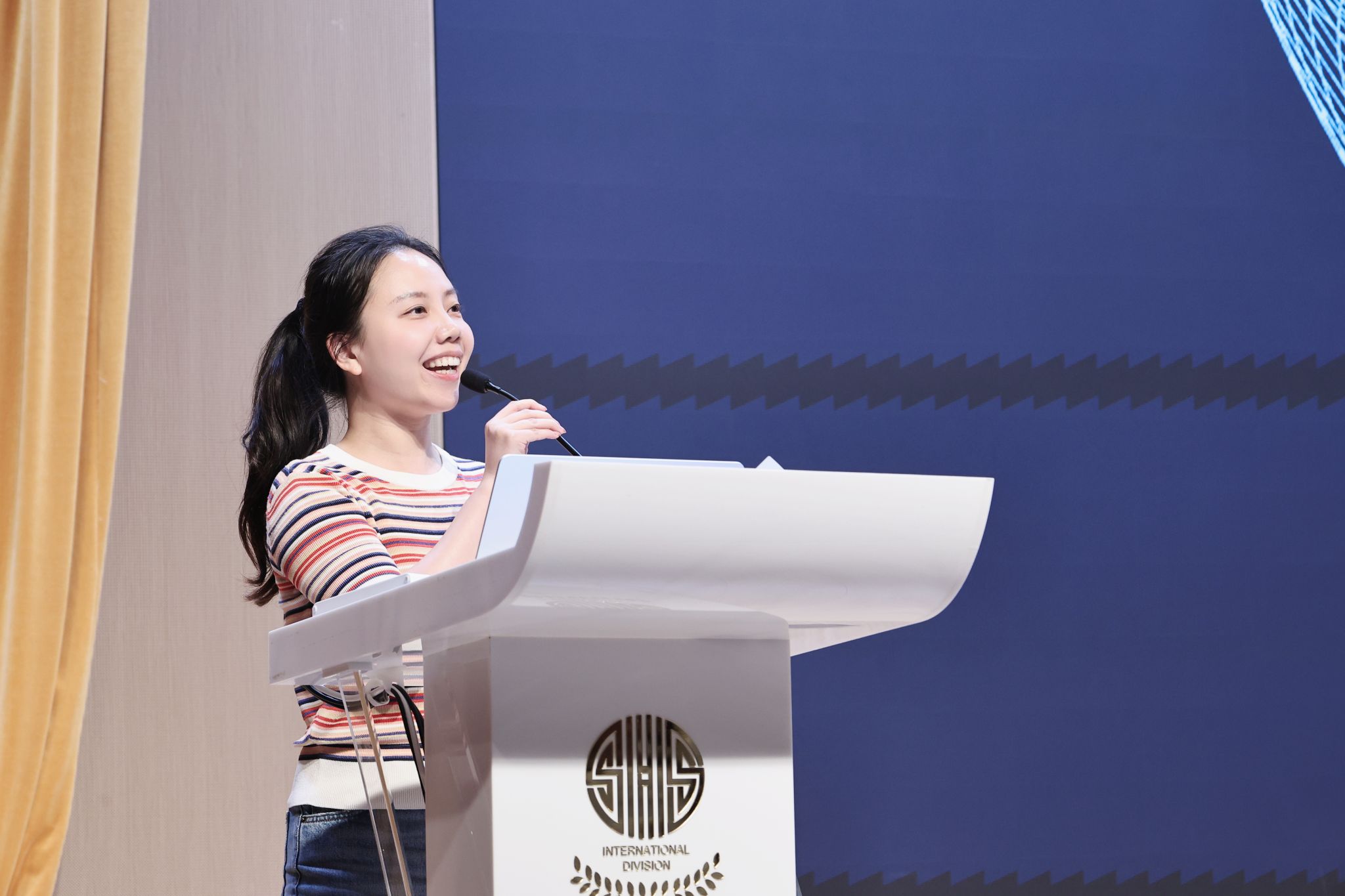
Ms. Shen Ying, Director of SHSID Puxi Campus Grades 6-8, opened the meeting by addressing the new challenges students face upon entering Grade 8. She urged parents to pay close attention to their children's resilience and ability to persevere in the face of setbacks, noting that education is a marathon-the outcome is determined not by who runs the fastest at any given moment, but by who can keep running for the longest time.
II. Focusing on Core Competencies, Clarifying Academic Pathways
Next, the leaders of the core academic subjects introduced the curriculum features and learning requirements for each subject to the parents. While the six subjects follow distinct pathways, they all aim to cultivate core competencies and independent learning skills, with each supported by real-world contexts, hands-on inquiry, and diverse assessment methods to foster student growth.
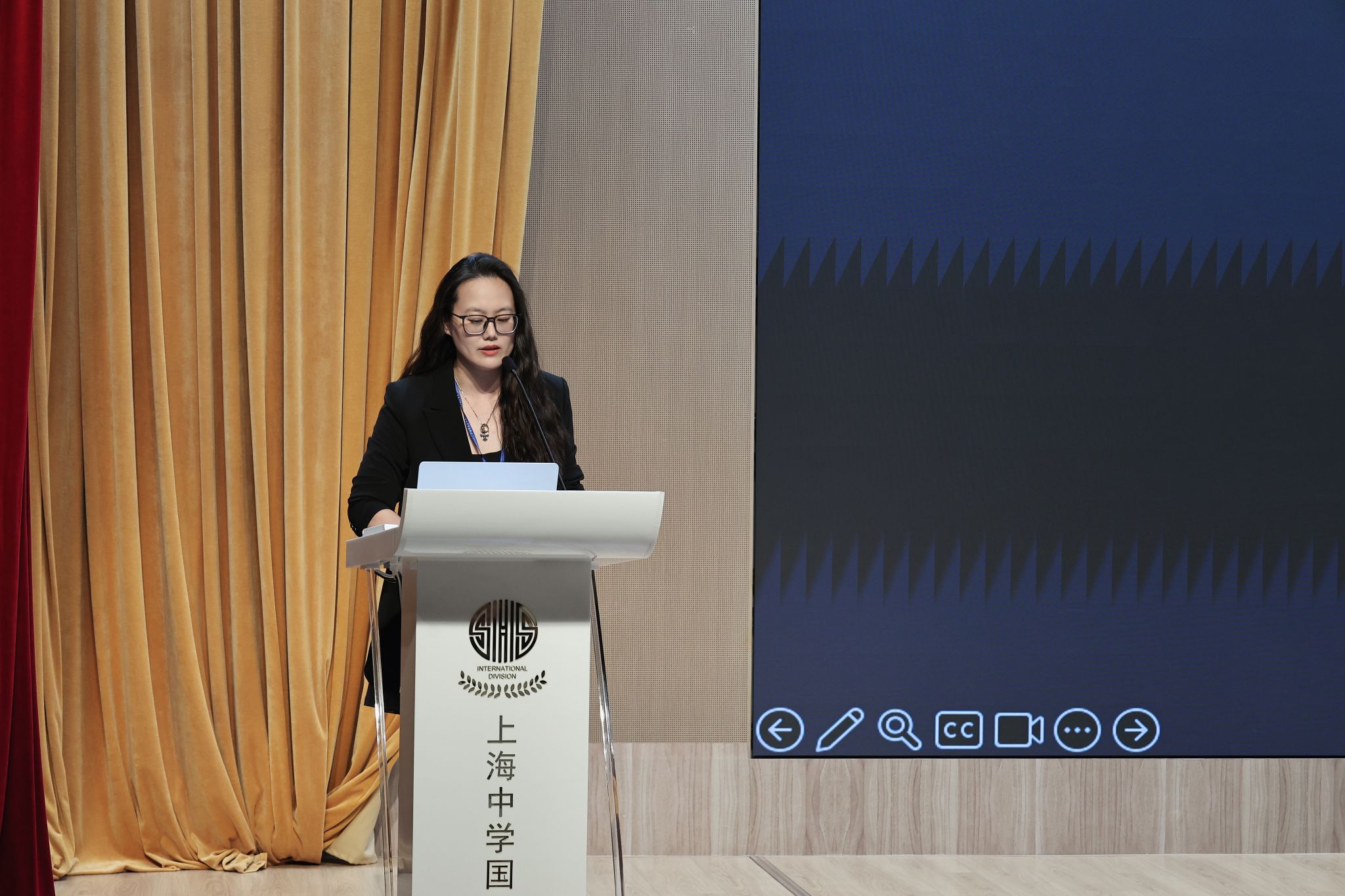
Mr. Guo Lei, Head of the Physics, emphasized that physics instruction revolves around "Understanding-Inquiry-Application." Through conceptual inquiry, tiered experiments, and engineering challenges, the curriculum cultivates students' ability to understand the essence of phenomena, analyze experimental data, and evaluate the validity of evidence. It also meets the developmental needs of students with varying foundational knowledge through tiered courses and after-school Q&A sessions. Mr. Charlie Su, Head of Geography, explained that the geography curriculum centers on the relationship between humans and the environment, as well as spatial analysis. Through map interpretation, data analysis, and regional comparisons, the program cultivates students' spatial and scale awareness as well as their comprehensive communication skills, while guiding them to understand the interdependence between humans and the environment. Mr. Jason Brigham, Head of English, outlined the department's instructional approach. Through thematic unit learning, extended reading, and project-based assessments, the program cultivates students' critical thinking, multimodal literacy, and collaborative leadership skills.
Ms. Zheng Wenyin, Head of Mathematics, pointed out that through real-world modeling, symbolic operations, and graphical analysis, students can effectively develop abstract thinking, logical reasoning, and mathematical modeling skills. She also expressed hope that parents would cooperate by encouraging students to think independently, correct their work promptly, and review daily. Ms. Chen Fan, Head of Chinese, focused on language proficiency and cultural understanding. She explained in detail how the Chinese curriculum-through a dual-track, level-based system, literary appreciation, and cultural practices-enhances non-native students' comprehensive proficiency in listening, speaking, reading, and writing, while also improving native students' reading comprehension, critical thinking, and written expression skills. Ms. Du Jiani, Head of Science, noted that the science curriculum designs learning tasks around two aspects: conceptual understanding and scientific inquiry. Through routine experiments, inquiry-based experiments, and thematic projects, the curriculum focuses on cultivating students' abilities in literature search, experimental design, data analysis, and scientific writing, while leveraging open laboratories to support personalized research.
III. Clarifying Standard Procedures and Fostering Collaborative Education
Ms. Wu Wenyi, Grade 8 supervisor, provided an overview of the grade level's overall situation, covering five areas: service-learning, junior high school graduation requirements, graduation ceremony awards, behavioral guidelines, and mental health support. She clarified the academic pathways, assessment criteria, and behavioral standards for the current school year. Ms. Wu called on parents and the school to act in concert based on a shared understanding, urging them to pay close attention to their children's well-being and the process of their efforts-to listen first and offer advice later-and to ensure their children have time for sleep, exercise, and personal interests outside of their studies. From curriculum requirements to daily norms, and from academic support to emotional well-being, the school looks forward to establishing a consistent educational rhythm in partnership with families.
Eighth grade is a pivotal year marking the transition from middle school to high school, and the school's foremost concern is whether every student can gain a firm footing and make steady progress during this year. The school will continue to address every parent's concerns with clear expectations, consistent support, and open communication, and looks forward to working in unison with families to accompany students as they successfully complete the final leg of their middle school journey.
(Written by Xinyu Ma
Pictures by Shuting Yu
Reviewed by Wenyi Wu, Shiyu Wu, Grace Gilmore)