-
ABOUT US
-
ACADEMICS
Curriculum Program
Departments
- English
- High School Chinese
- Primary and Junior School Chinese.
- High School Mathematics
- Middle School Mathematics
- Primary School Mathematics
- Music and Fine Arts
- Physical Education
- Physics
- Chemistry
- History and Geography
- Physical Science and Optional courses Department
- Middle School Biology
- High School Biology
- Social Sciences
- Computer Science
- Courses in Primary School
Achievements and Matriculations
College Counseling
Science & Technology Innovation Contest
Subject Competition
-
ARTS
-
ATHLETICS
-
AT SHSID
SHSID ∣ TIMES
PTSA
Club Exhibition
- 龙吟社
- Live 2 Drama
- Choir
- Hip-pop Dance Club
- The Primary School Dance Troupe
- Symposiums Club
- Biology Workshop
- You Shan
- VEX Robotic
- Peking Opera Club
- Baseball Club
- Model United Nations
- The World Scholar’s Cup
- Future Problem Solving Club
- OM Club
- AMC Club
- Music for Patients
- Smile Charity
- Stem Doge Alliance
- Chinese Debate Club
- IAA
- Mock Trial Club
- Zhengming Club
- Furry Friends
- GT-Racing
- Village Radio
- IMMC Club
- Creative Design and Intelligent Fabrication
- Future City Research Project
- ECOCAP
- AdvocaSEA
- SPDC
- Floorball Club
- Animusic MTC
- Wings Up
- Cyano
- Birding Community
Health and Wellness
Campus Safety
Cafeteria Service
-
ADMINISTRATION
-
ADMISSIONS
-
ALUMNI
Alumni Information
Honors Students
- Class of 2026
- Class of 2025
- Class of 2024
- Class of 2023
- Class of 2022
- Class of 2021
- Class of 2020
- Class of 2019
- Class of 2018
- Class of 2017
- Class of 2016
- Class of 2015
- Class of 2014
- Class of 2013
- Class of 2012
- Class of 2011
- Class of 2010
- Class of 2009
- Class of 2008
- Class of 2007
- Class of 2006
Who Studied at SHSID
SHS Foundation
-
DOCUMENTS
From AI Discussions to Classroom Practice: PD Day Empowers Teachers
As the key professional-development event of the 2026-2027 academic year for the SHSID High School, the AI-Empowered Project-Based Teaching & Research Workshop took place successfully on October 16. SHSID has long been dedicated to integrating artificial intelligence into teaching and learning. Multiple rounds of AI-themed professional sessions have been organized to encourage teachers to experiment with AI in real-world classrooms. Building on these prior efforts, both local and expatriate faculty have built solid understanding of AI-enabled pedagogy and demonstrated strong motivation for hands-on practice, laying a firm foundation for this immersive, practice-oriented workshop.
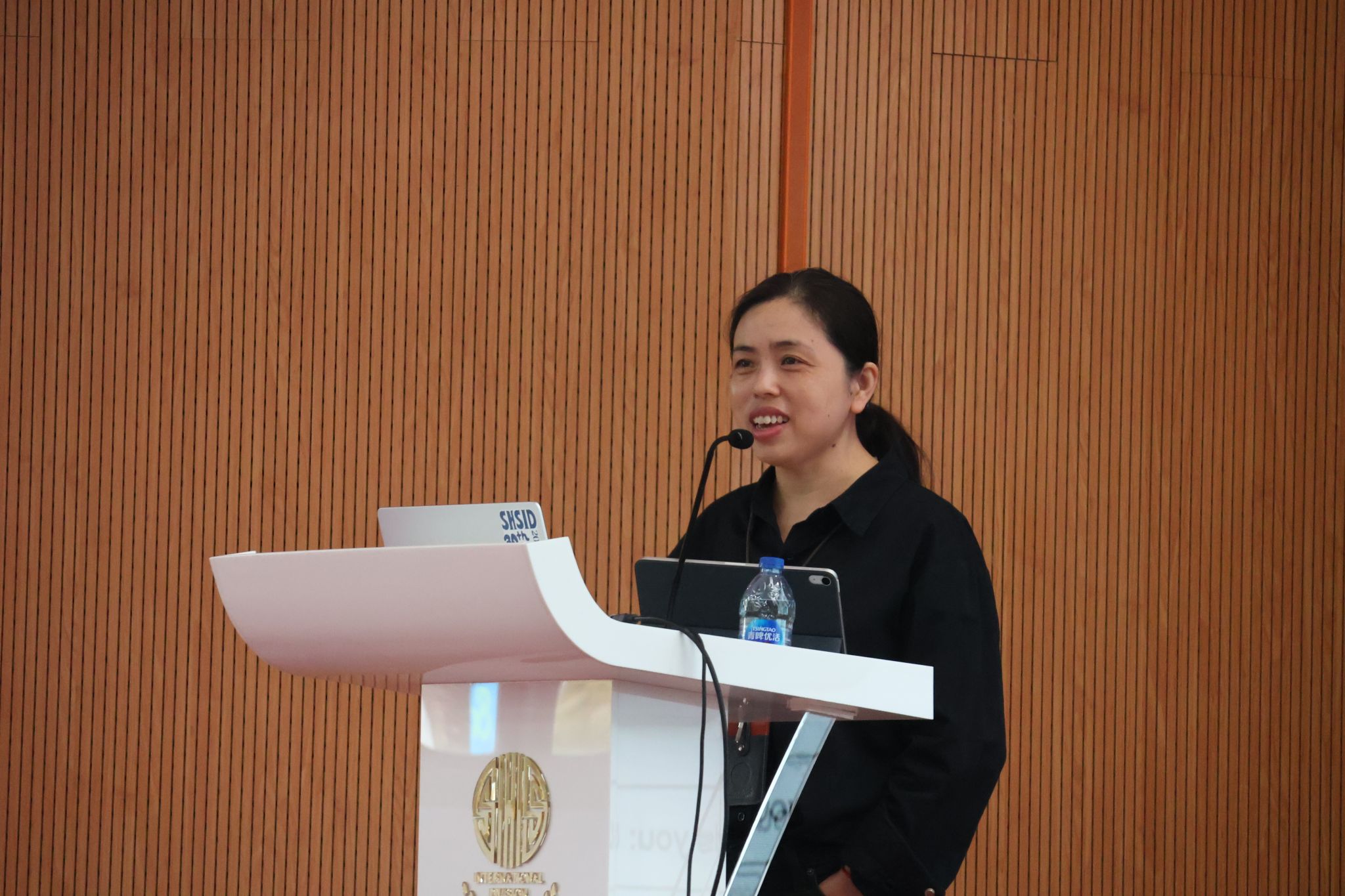
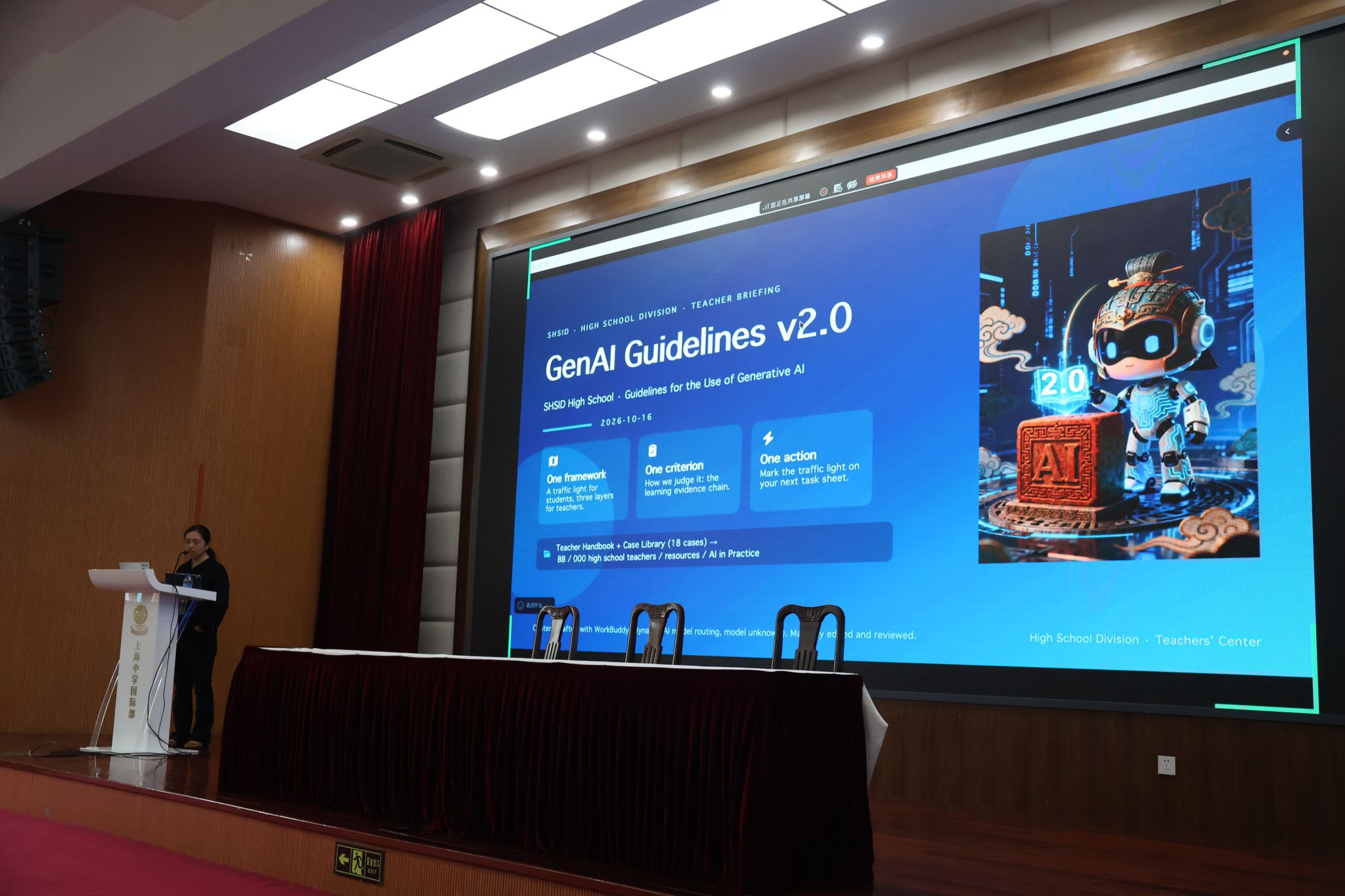
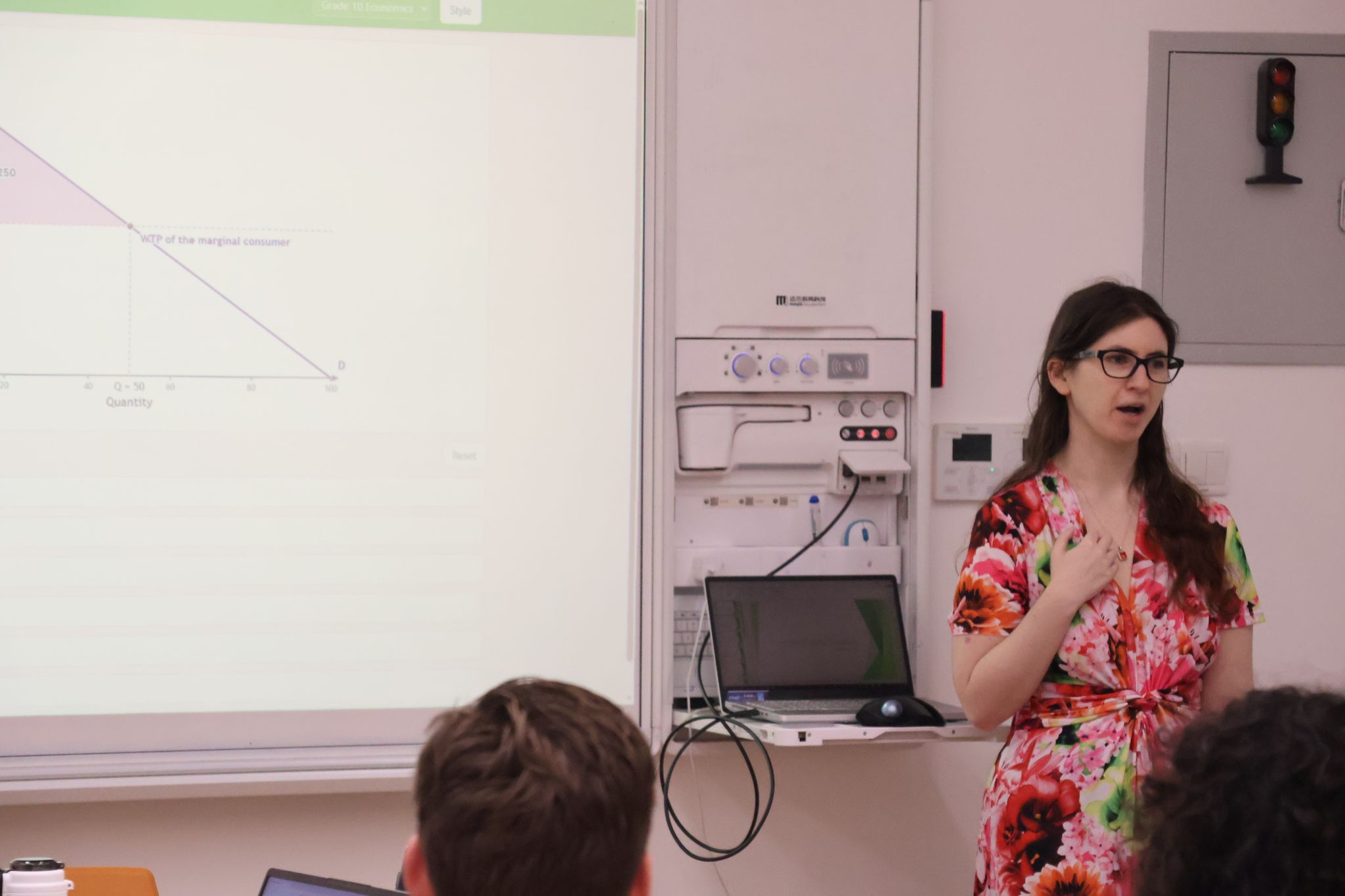
The PD Day commenced at 9:00 a.m. in the Xianmian Annex Auditorium. Grounded in the fundamental mission of nurturing students, the opening session clarified the core positioning of AI in education and established the principle that “technology serves teaching”. Special emphasis was placed on standards for teaching-related data security. The revised AI Guidelines (Teacher Handbook) Version 2.0 was officially released and reviewed. At 10:00 a.m., all teachers moved to classrooms in Zhongxing Building for immersive hands-on collaborative sessions.
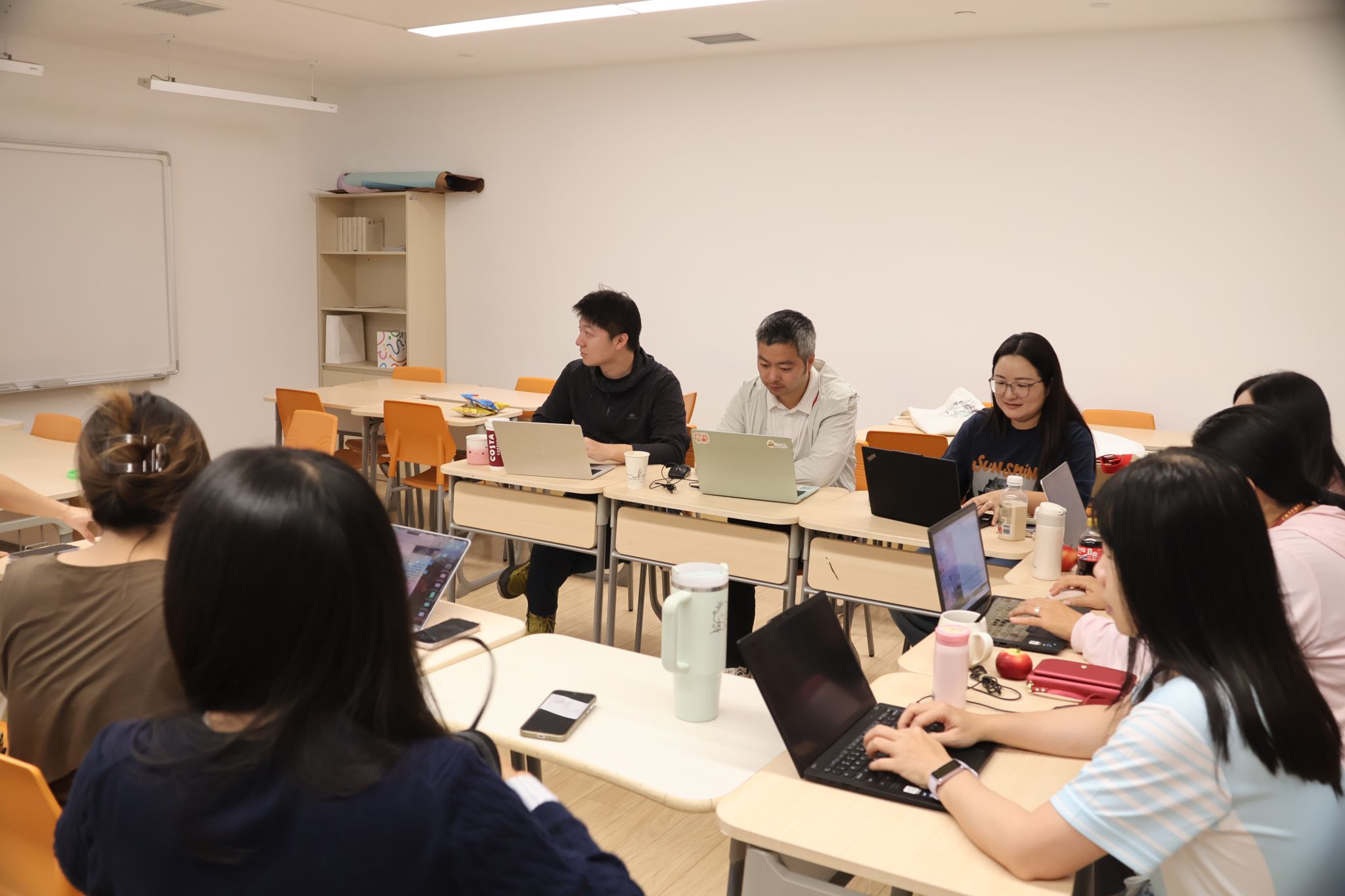
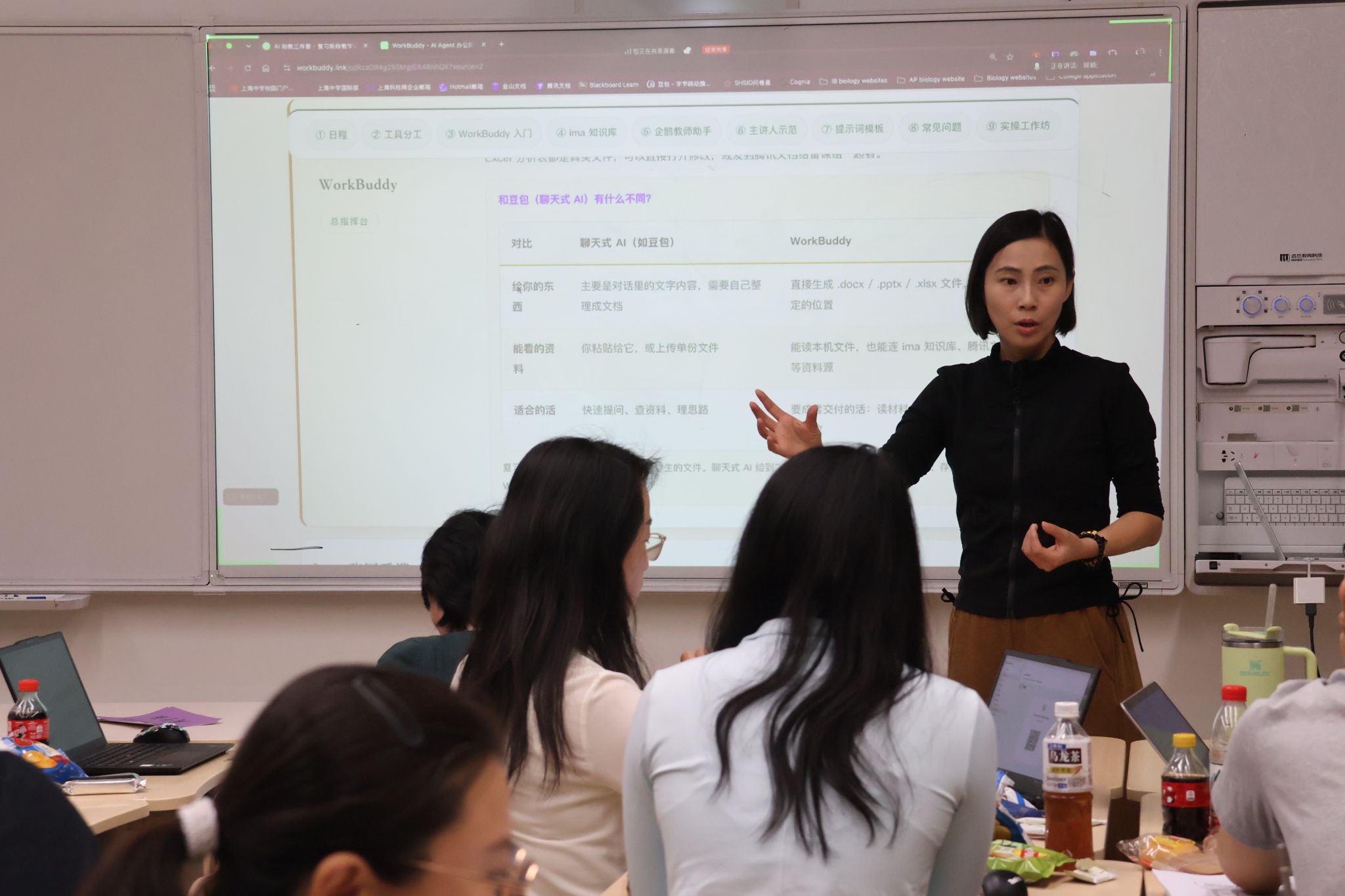
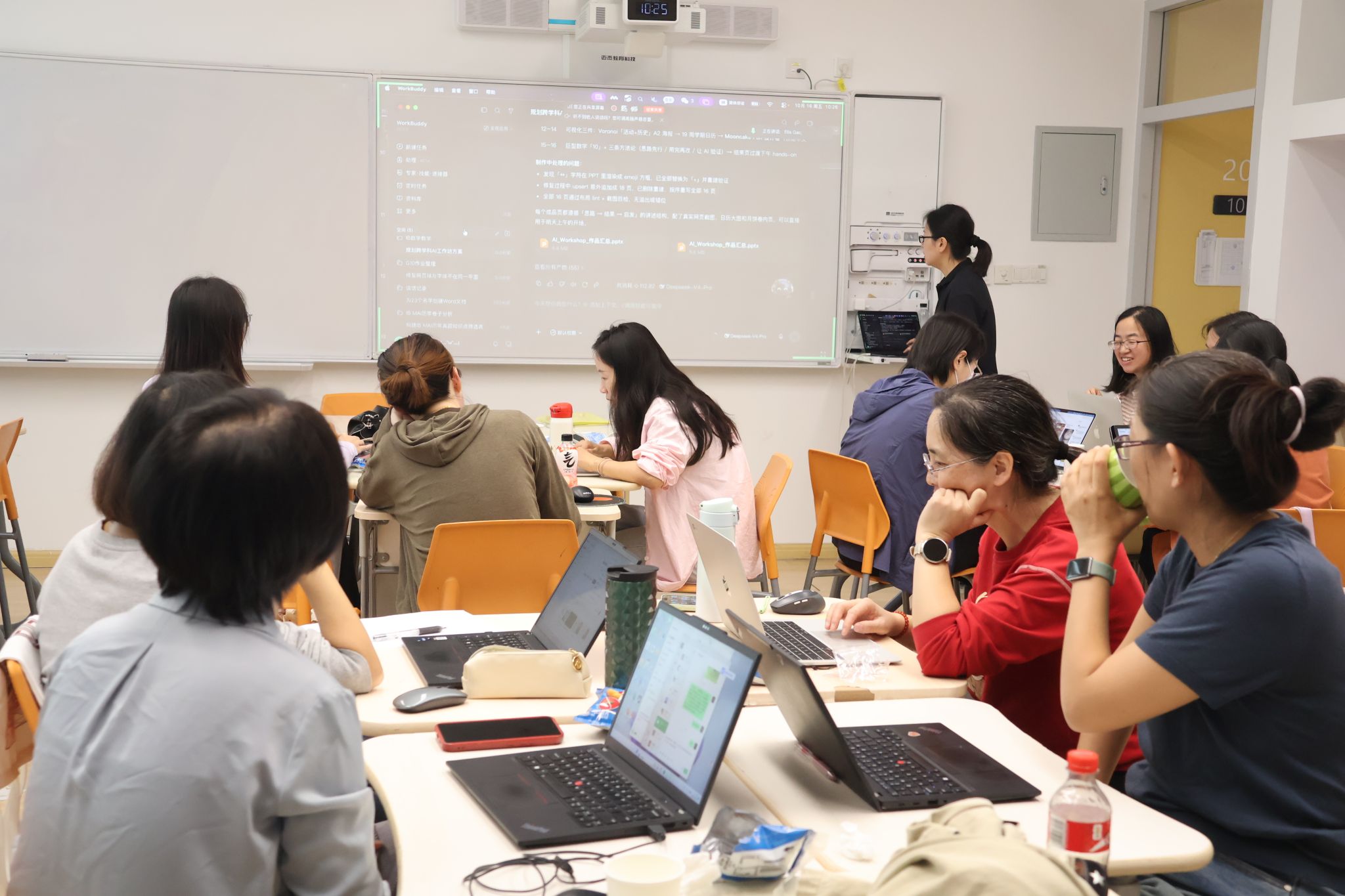
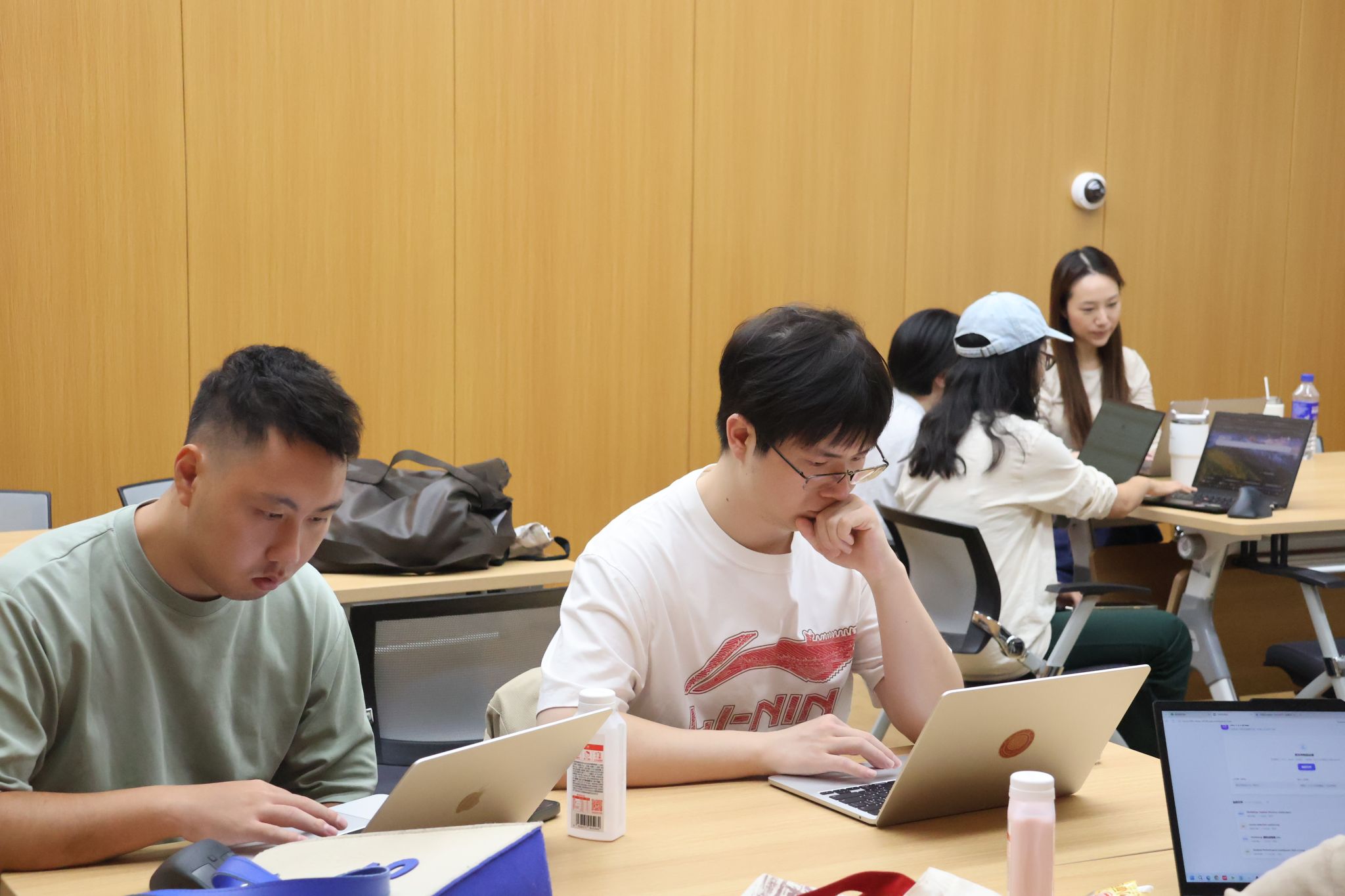
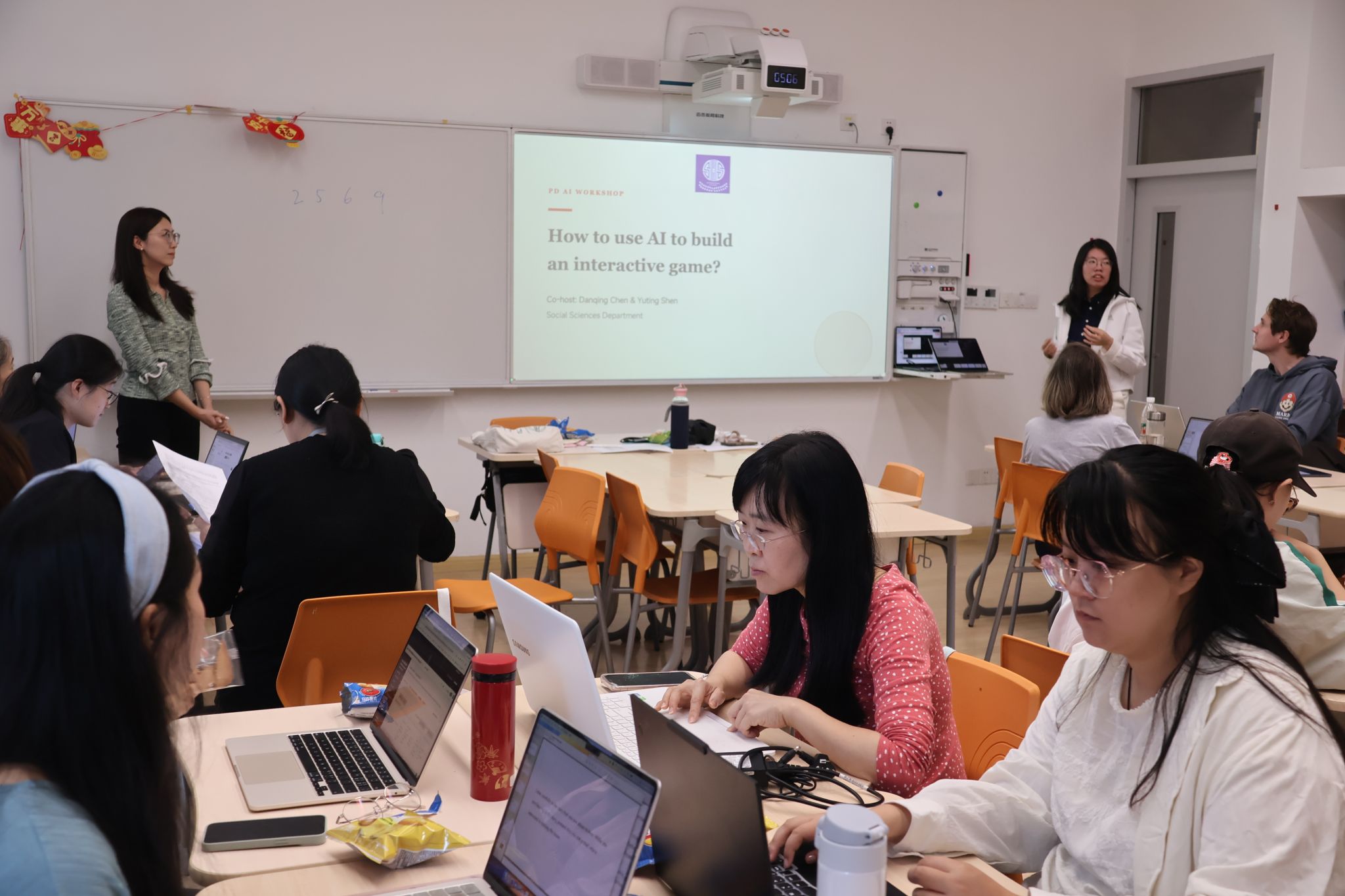
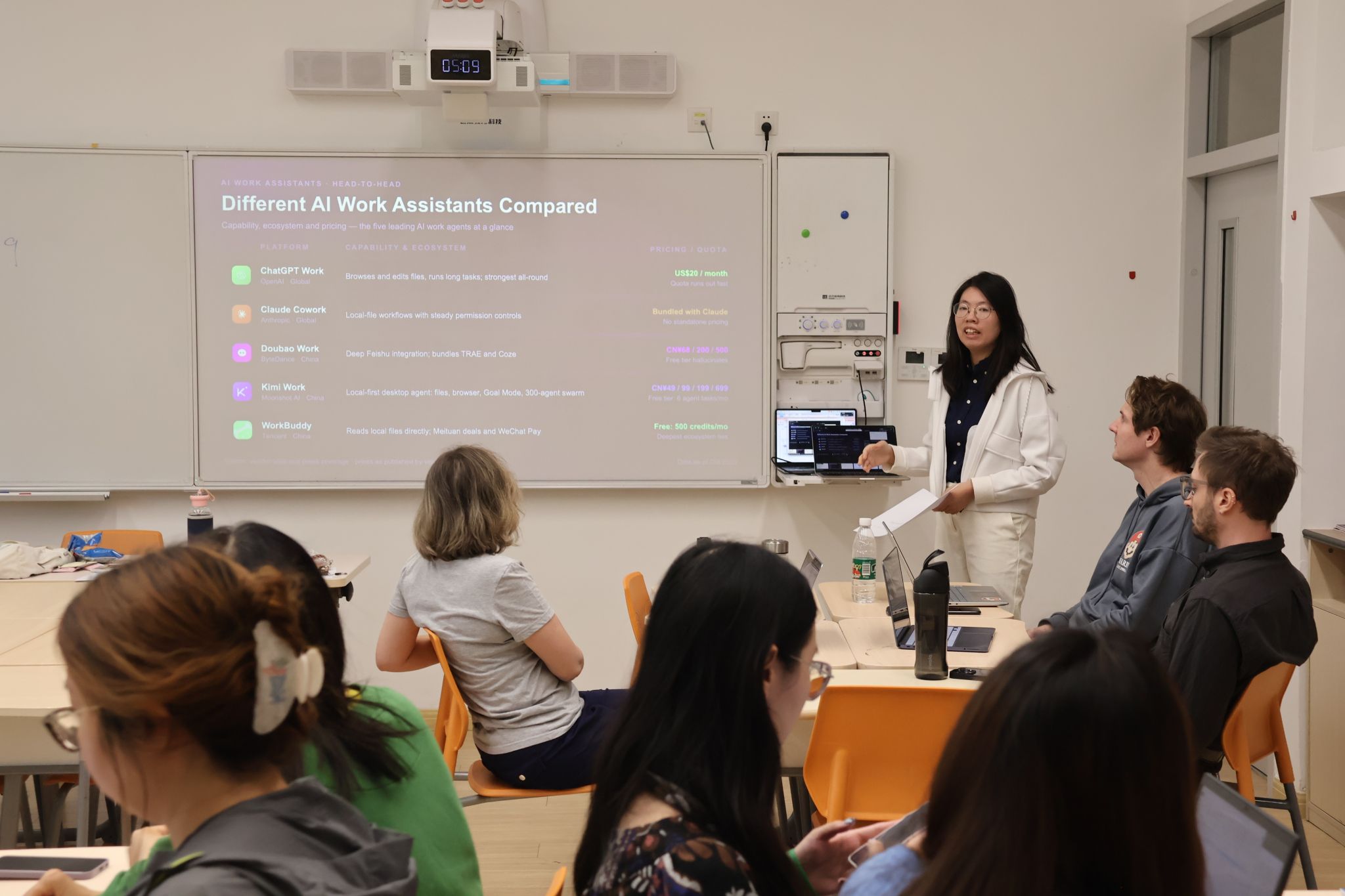
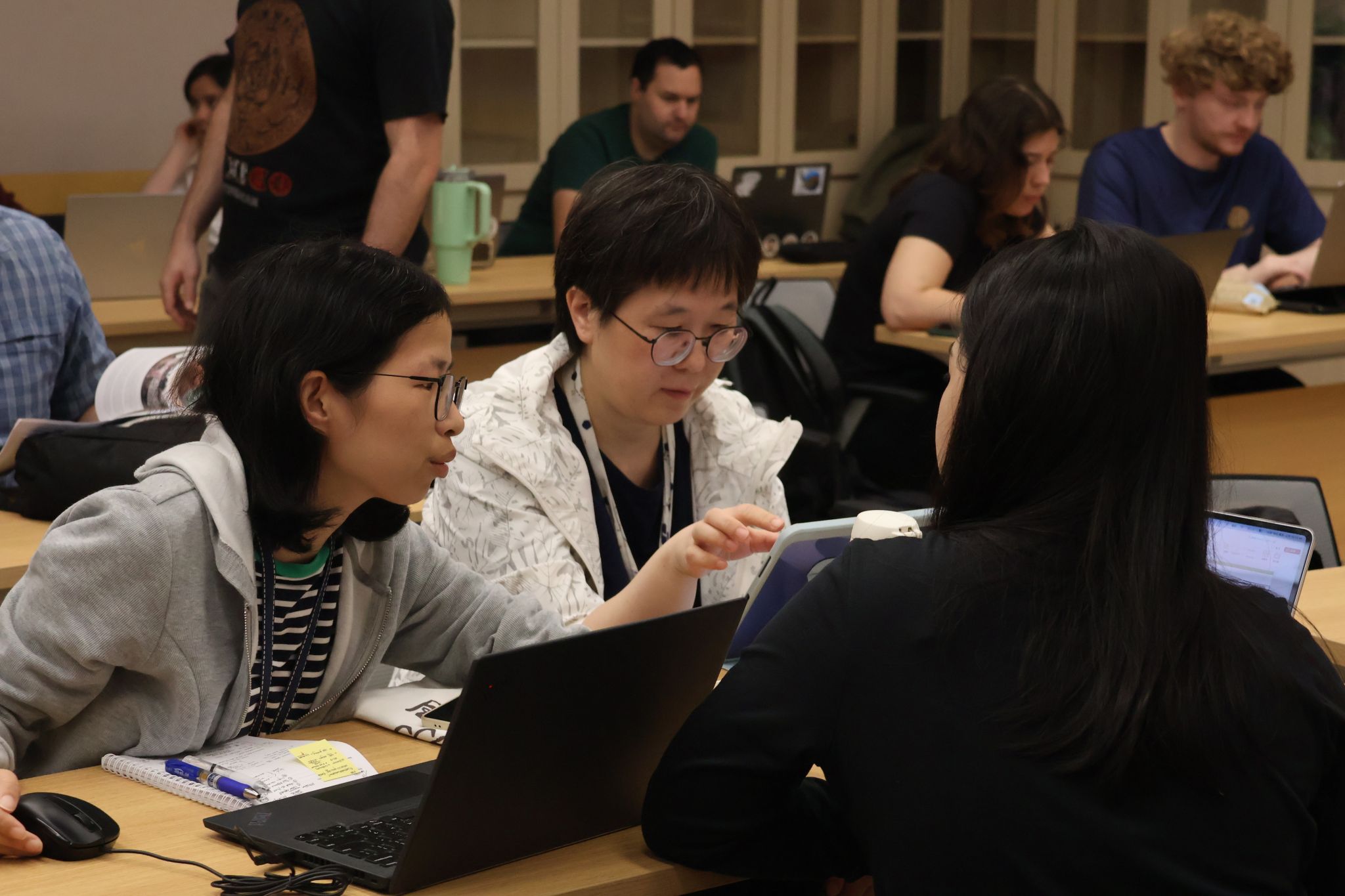
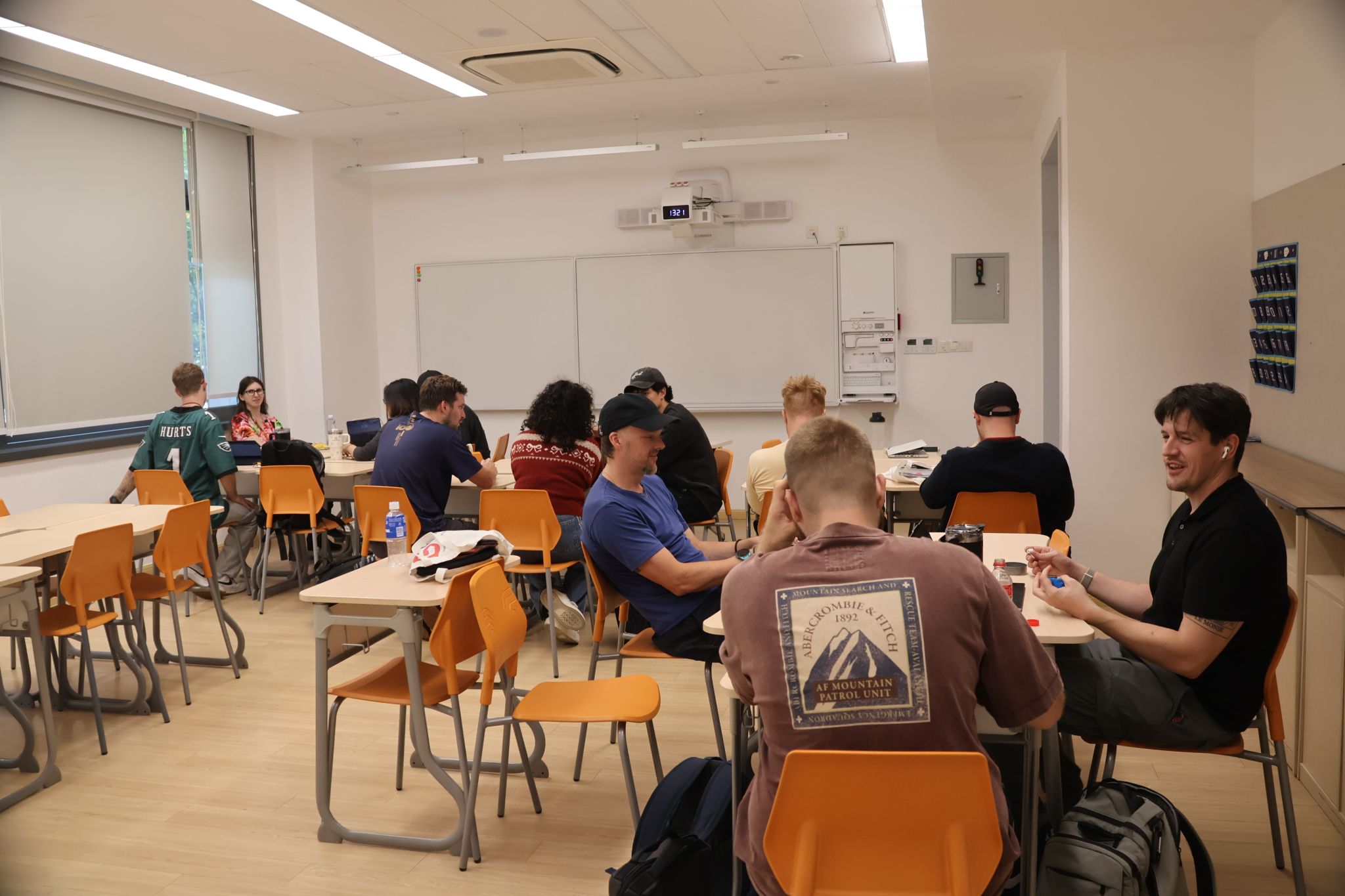
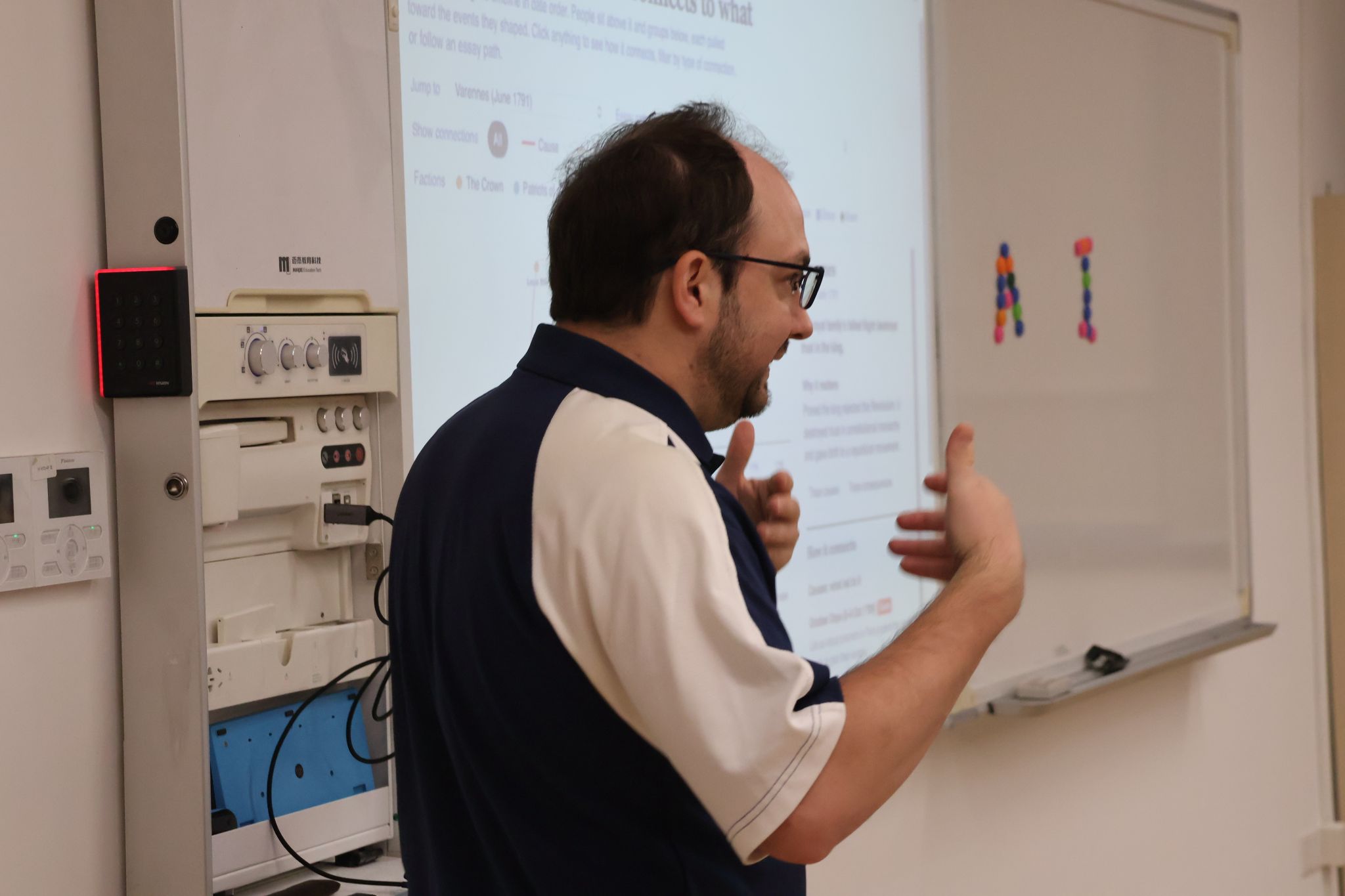
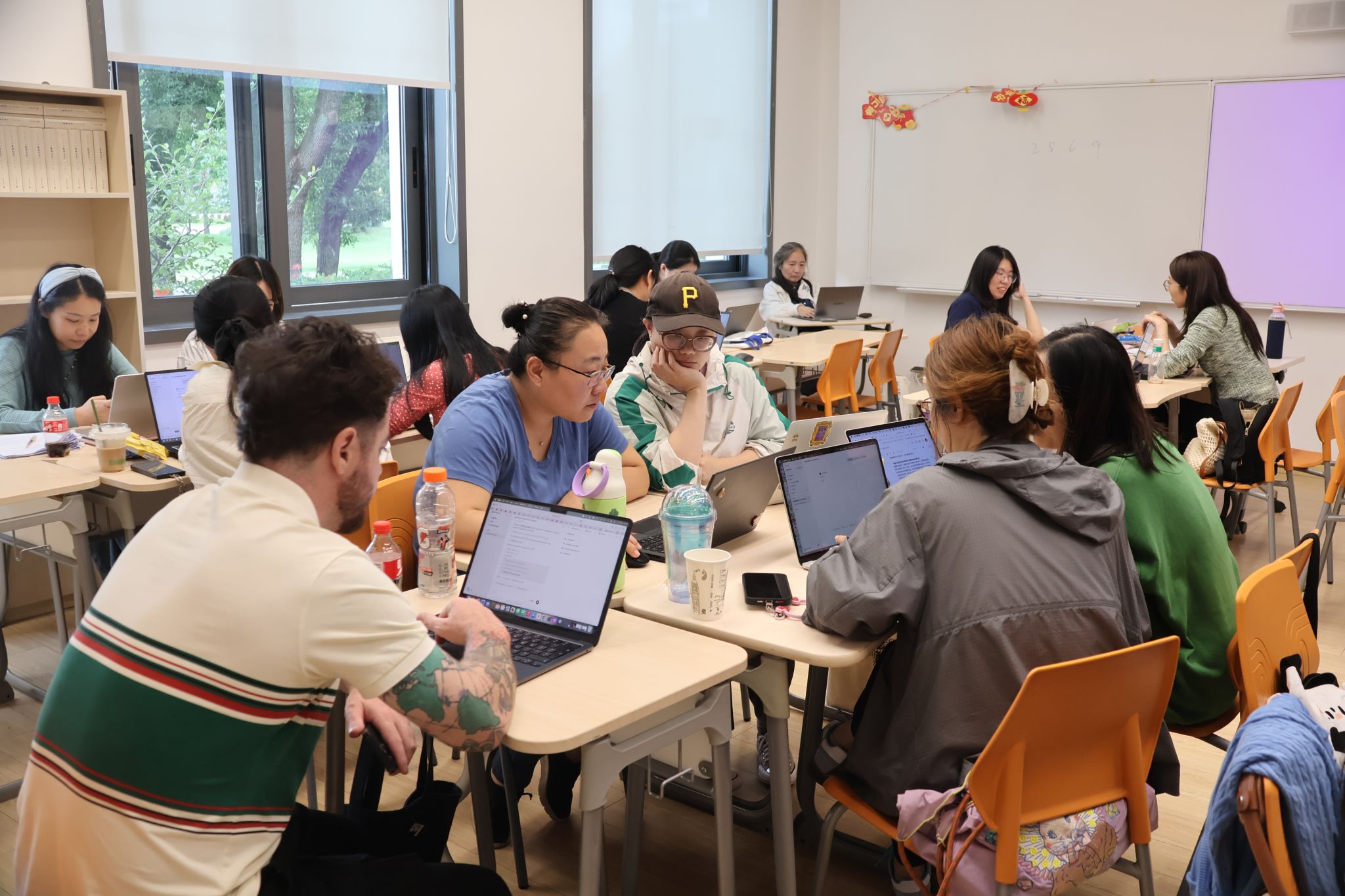
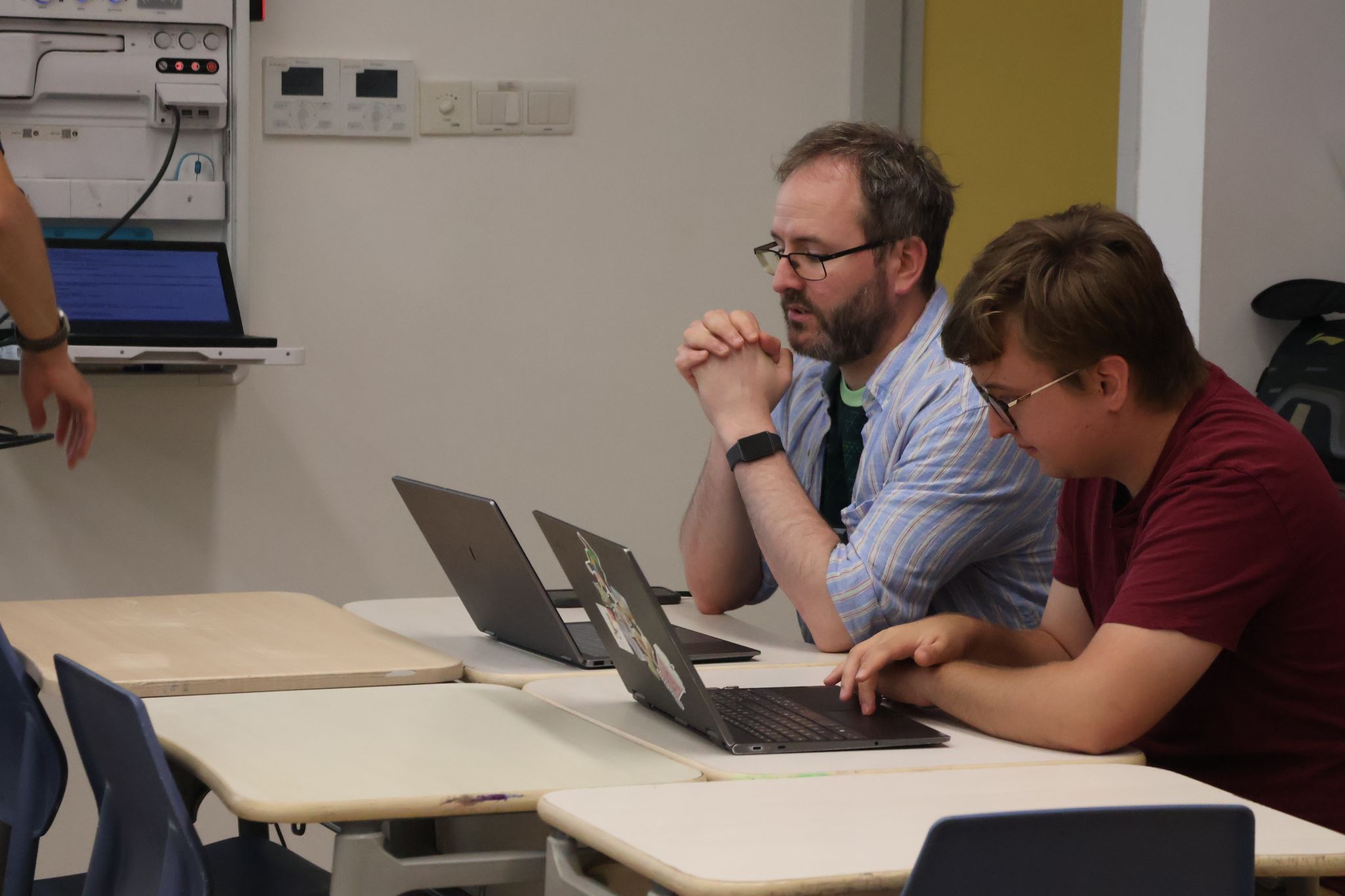
Unlike conventional training sessions focused primarily on theoretical lectures, this PD Day’s highlight lies in the practical shift from “learning about AI” to “mastering and leveraging AI”. Five key practice tracks were designed, branching out into 13 breakout workshops facilitated by in-house AI pioneers from different teaching departments. The tracks cover the development of interactive classroom mini-tools, building iterable teaching-resource libraries, AI-powered student-learning data analysis and diagnostics, redesign of curriculum unit materials, and building intelligent workflows for teaching-related administrative tasks.
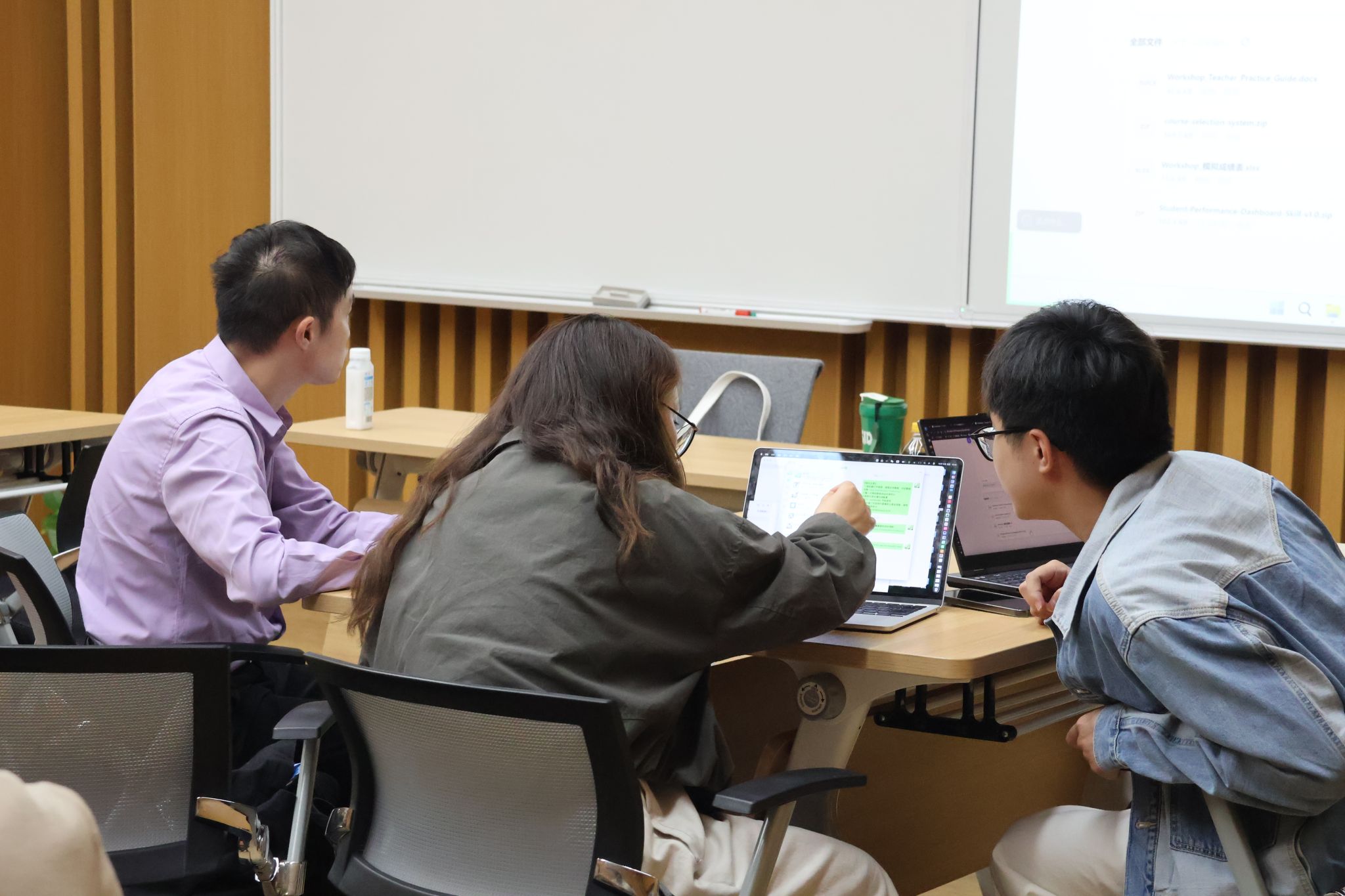
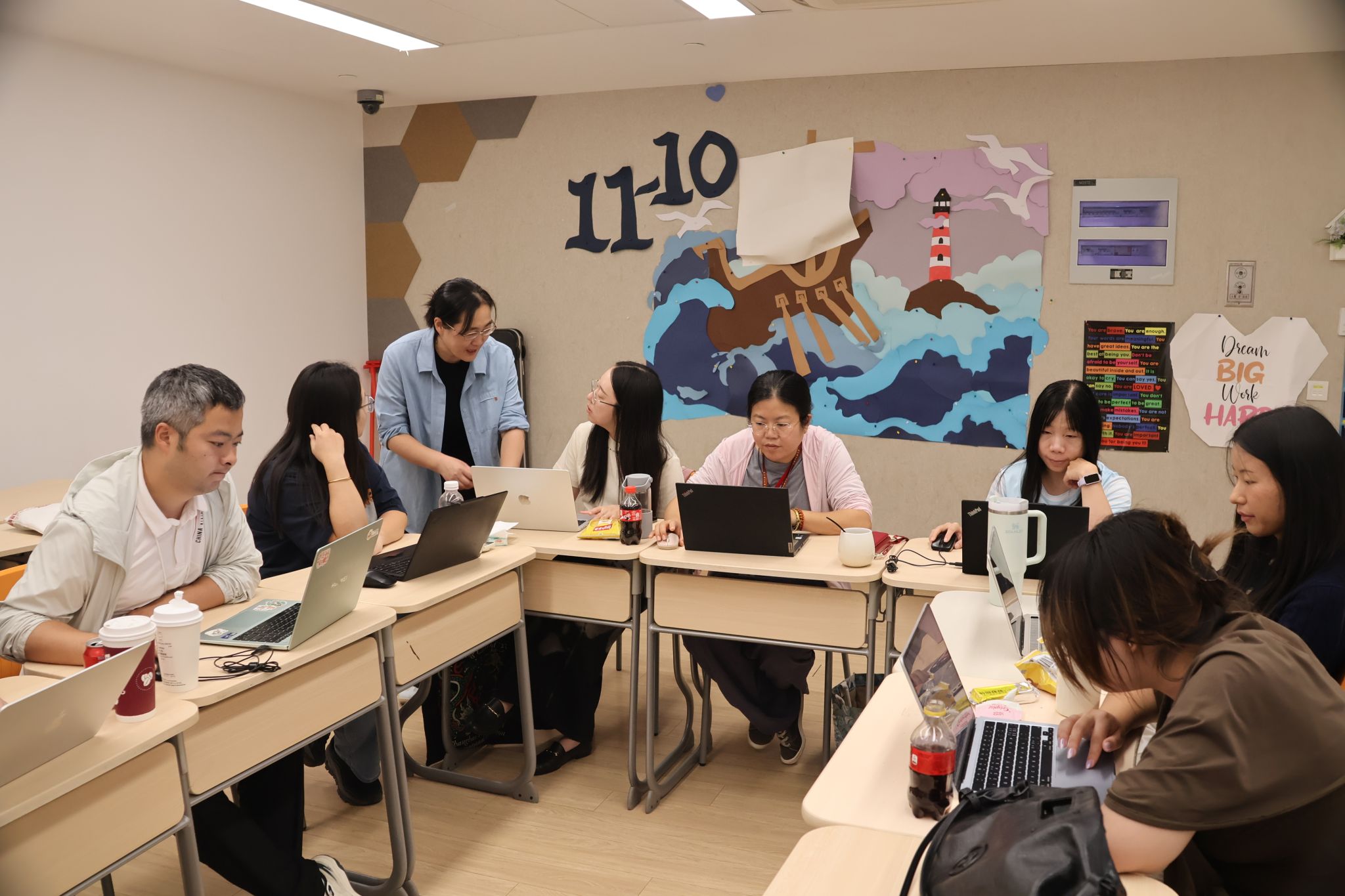
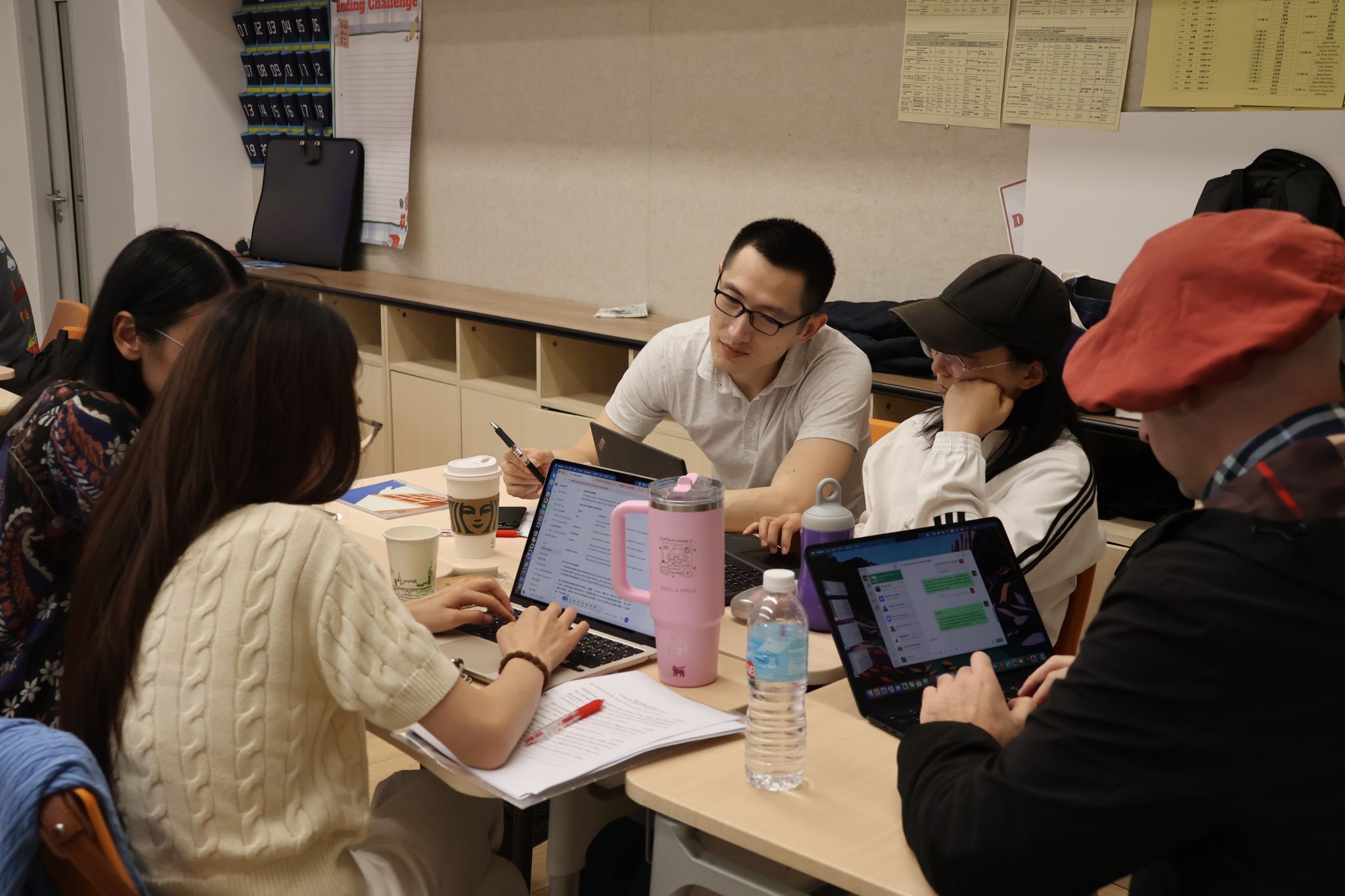
Avoiding repetitive themes, the 13 breakout workshops catered to the differences between arts and sciences disciplines, translating generic AI capabilities into authentic classroom scenarios:
l STEM disciplines: Demonstration of dynamic web-based teaching models and exploration of discipline-specific question-bank development with formula-parsing capabilities;
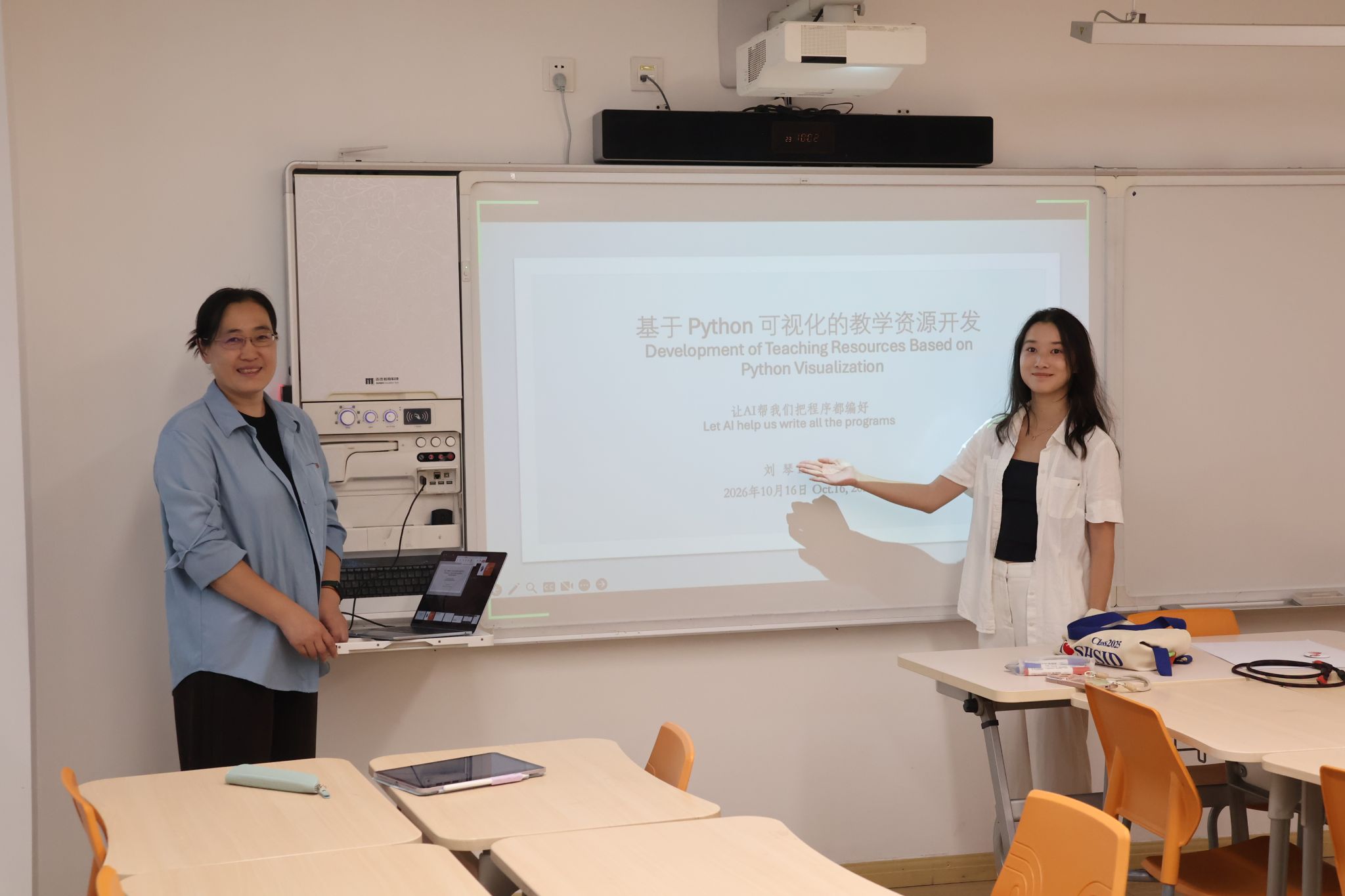
l Humanities disciplines: Refinement of AI-enhanced immersive situational tasks and creation of differentiated exam-preparation resources;
l General administrative workflows: Leveraging low-code intelligent tools to resolve frequent pain points in lesson planning, homeroom management and school administration, and reduce the burden of repetitive work.
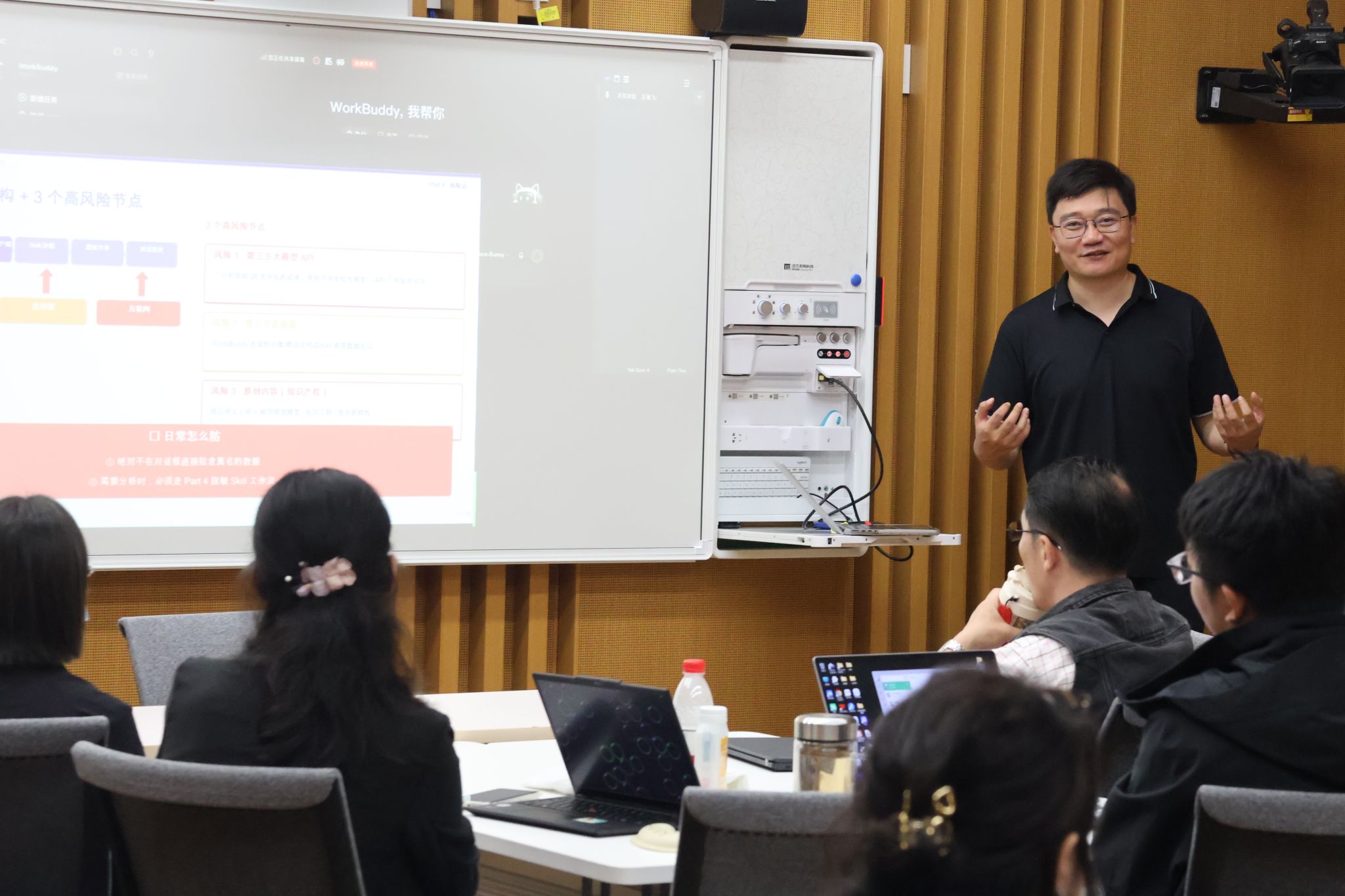
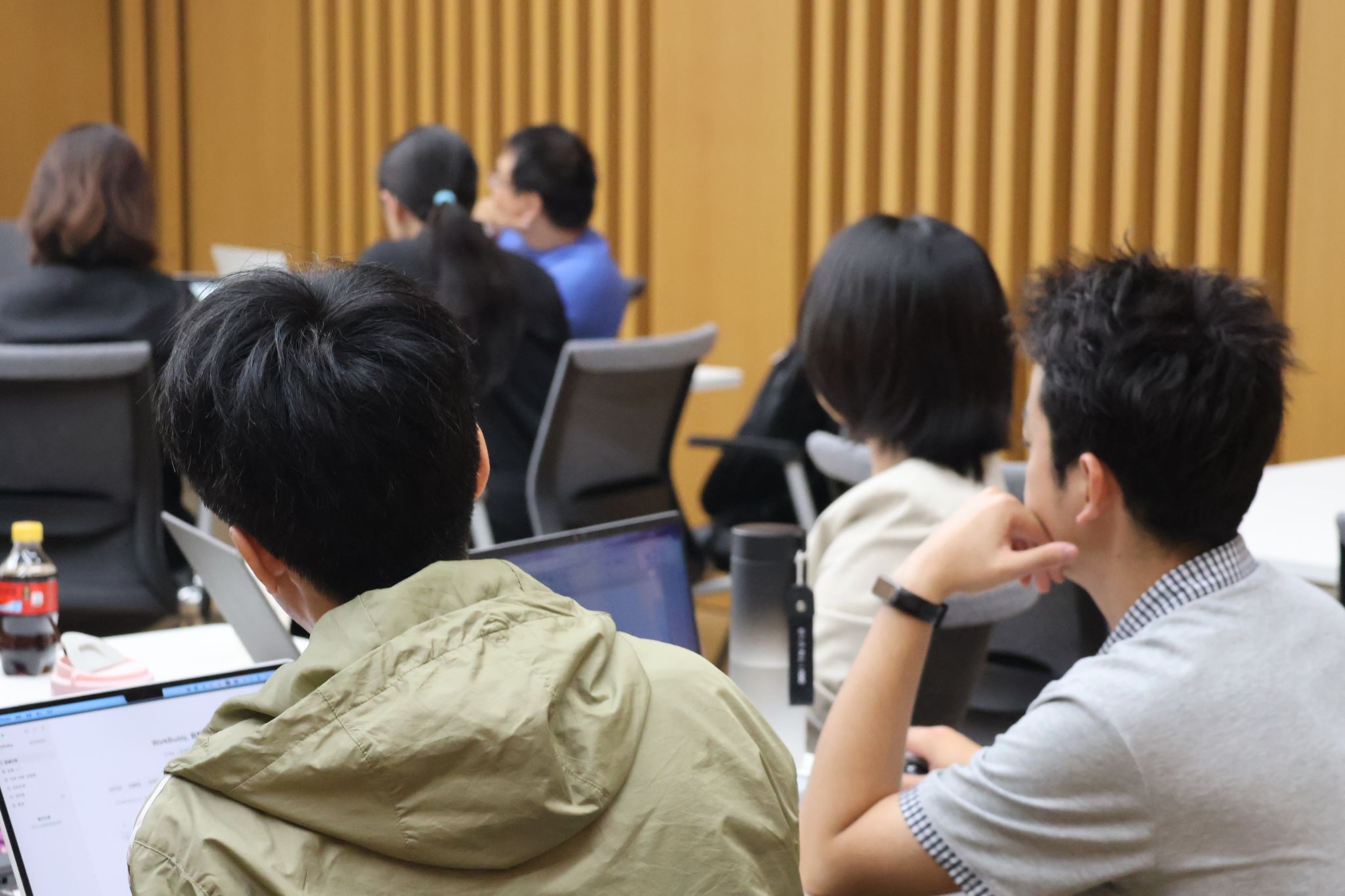
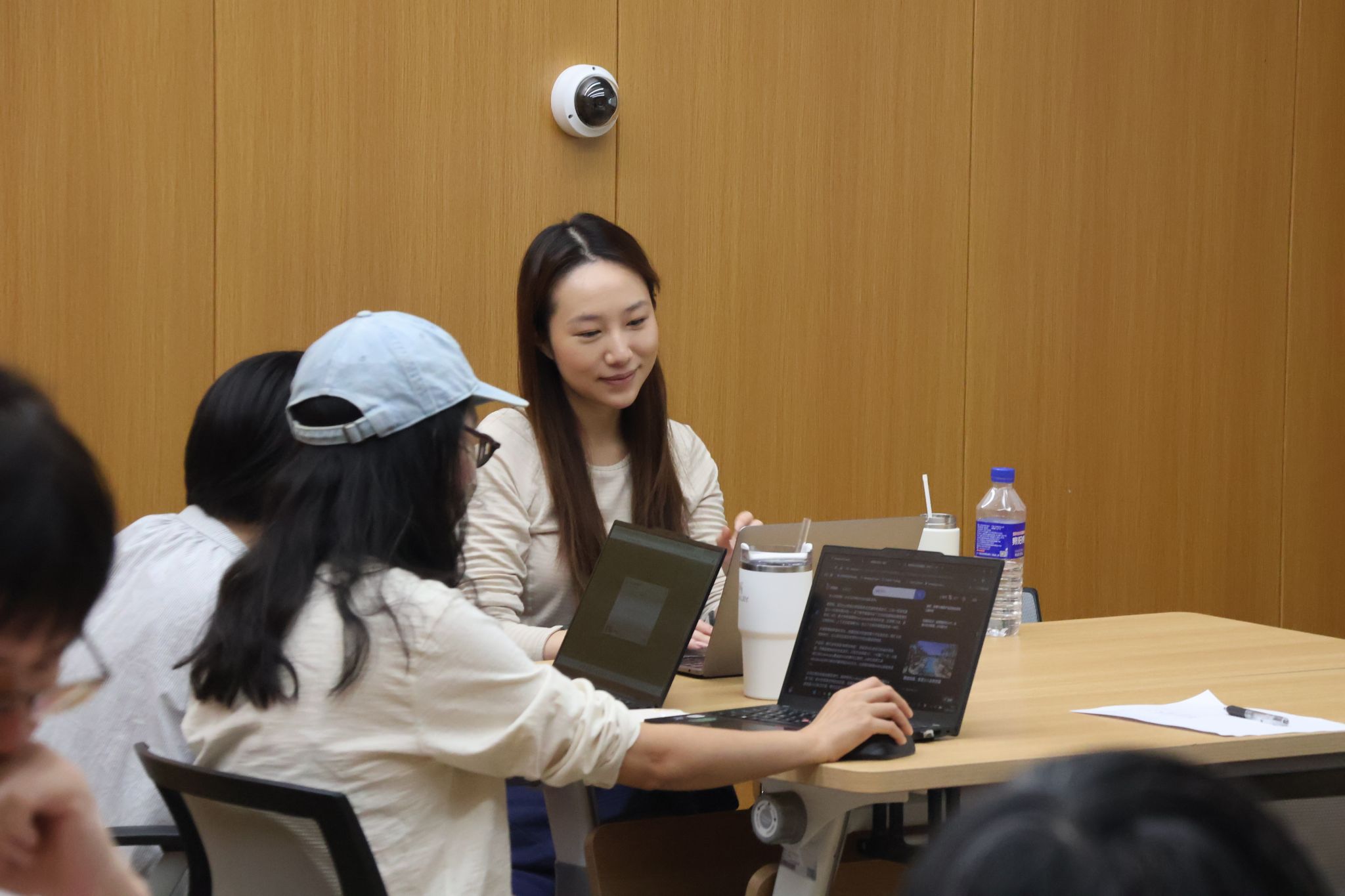
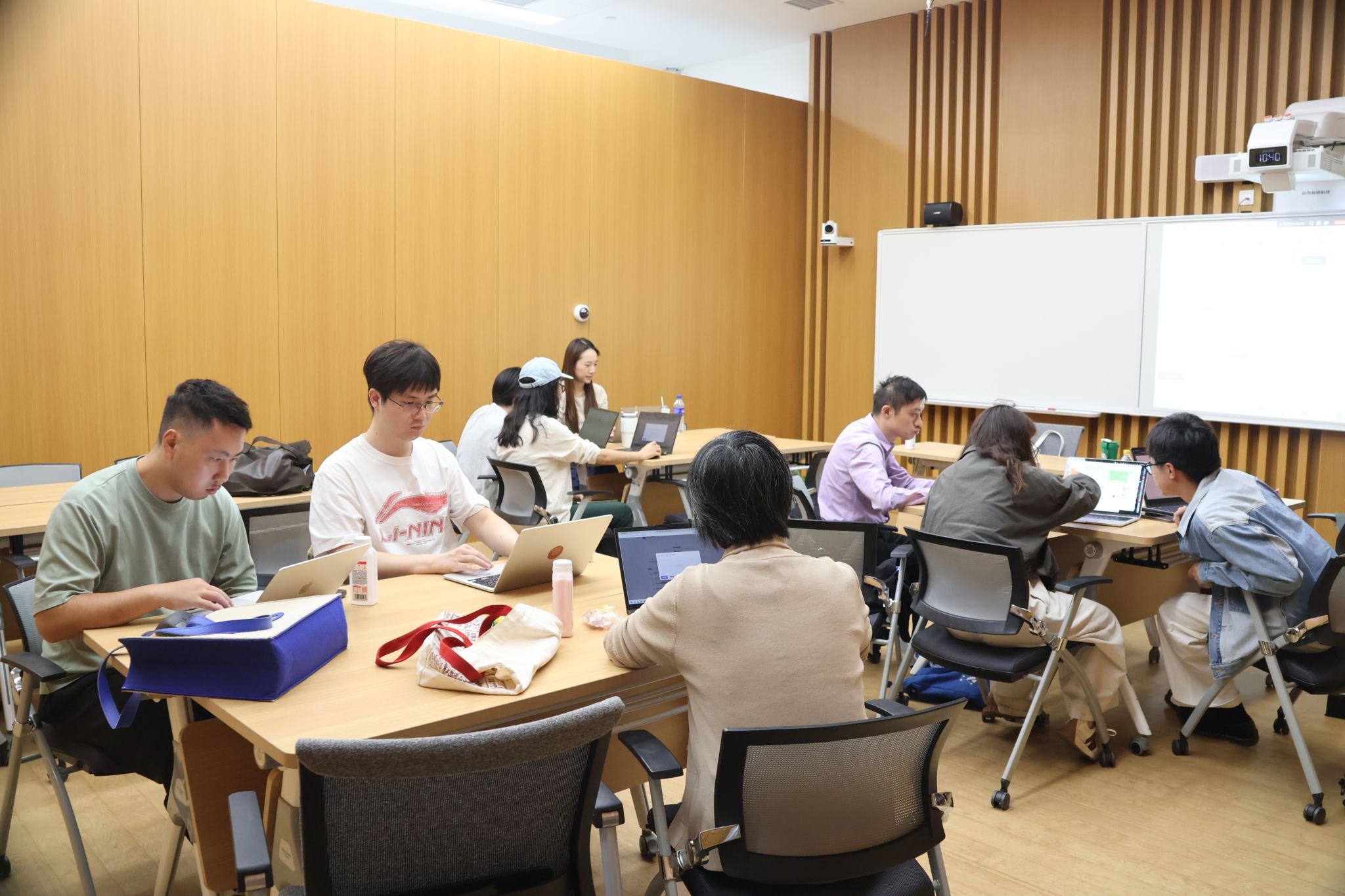
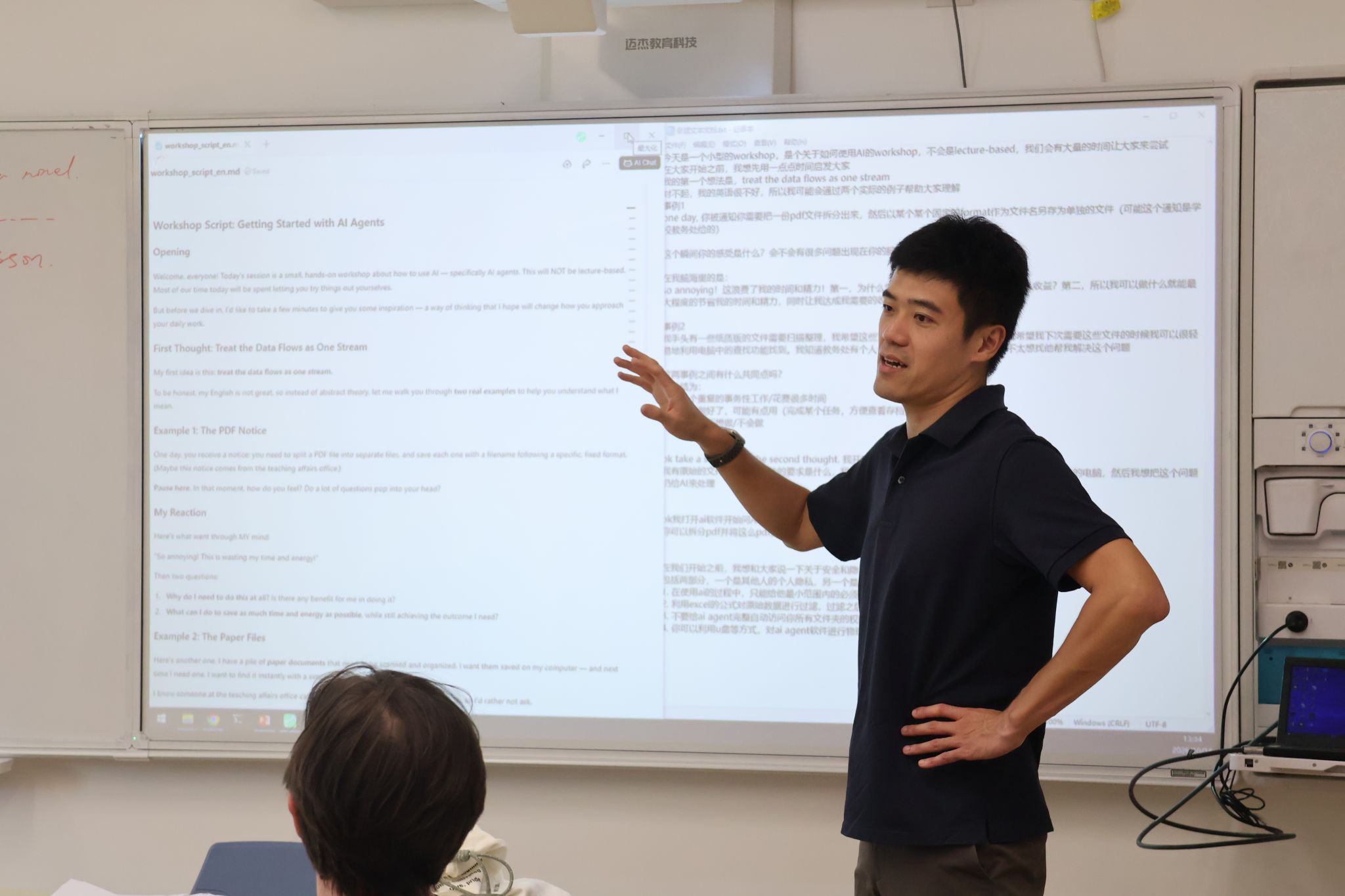
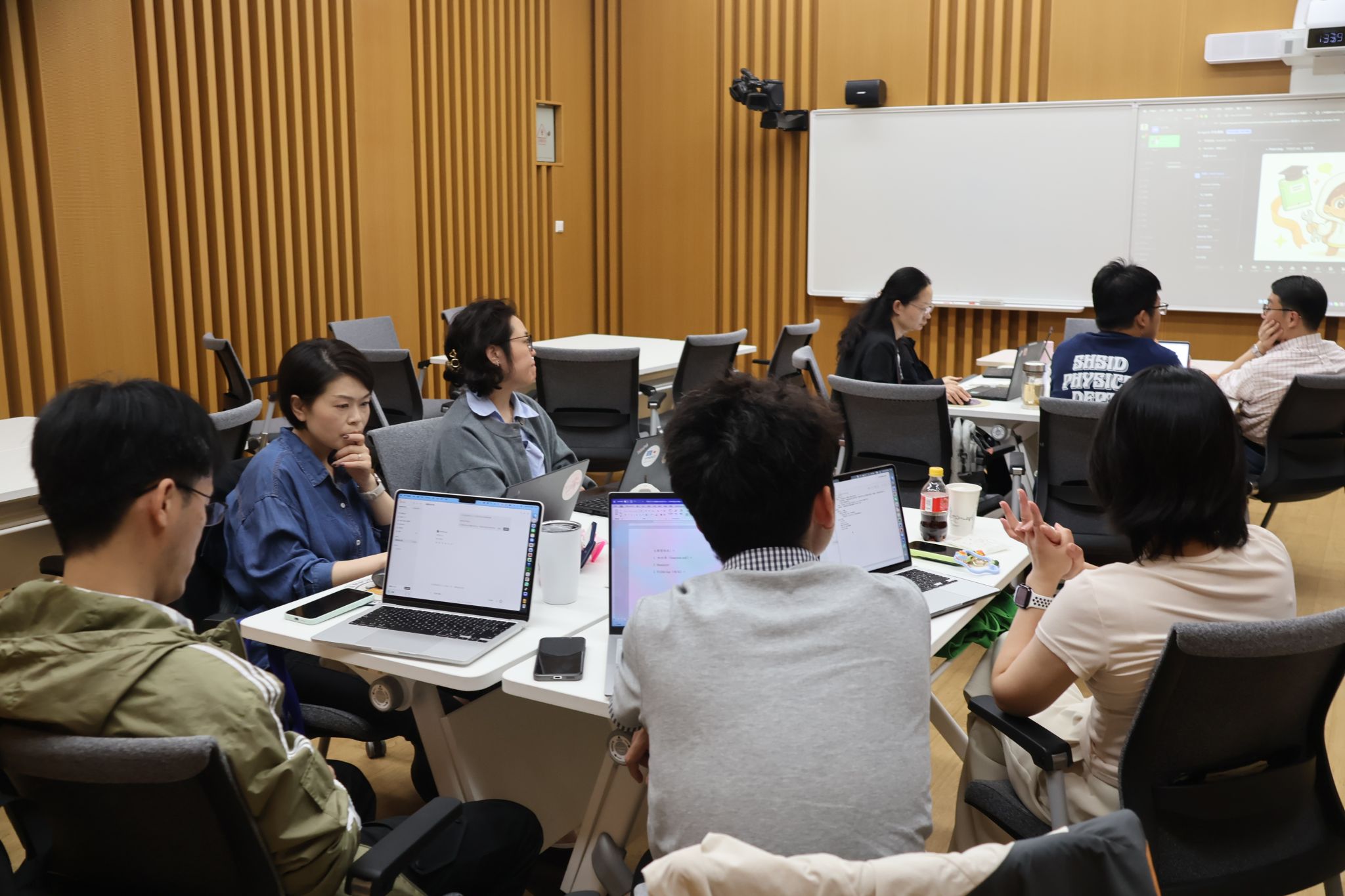
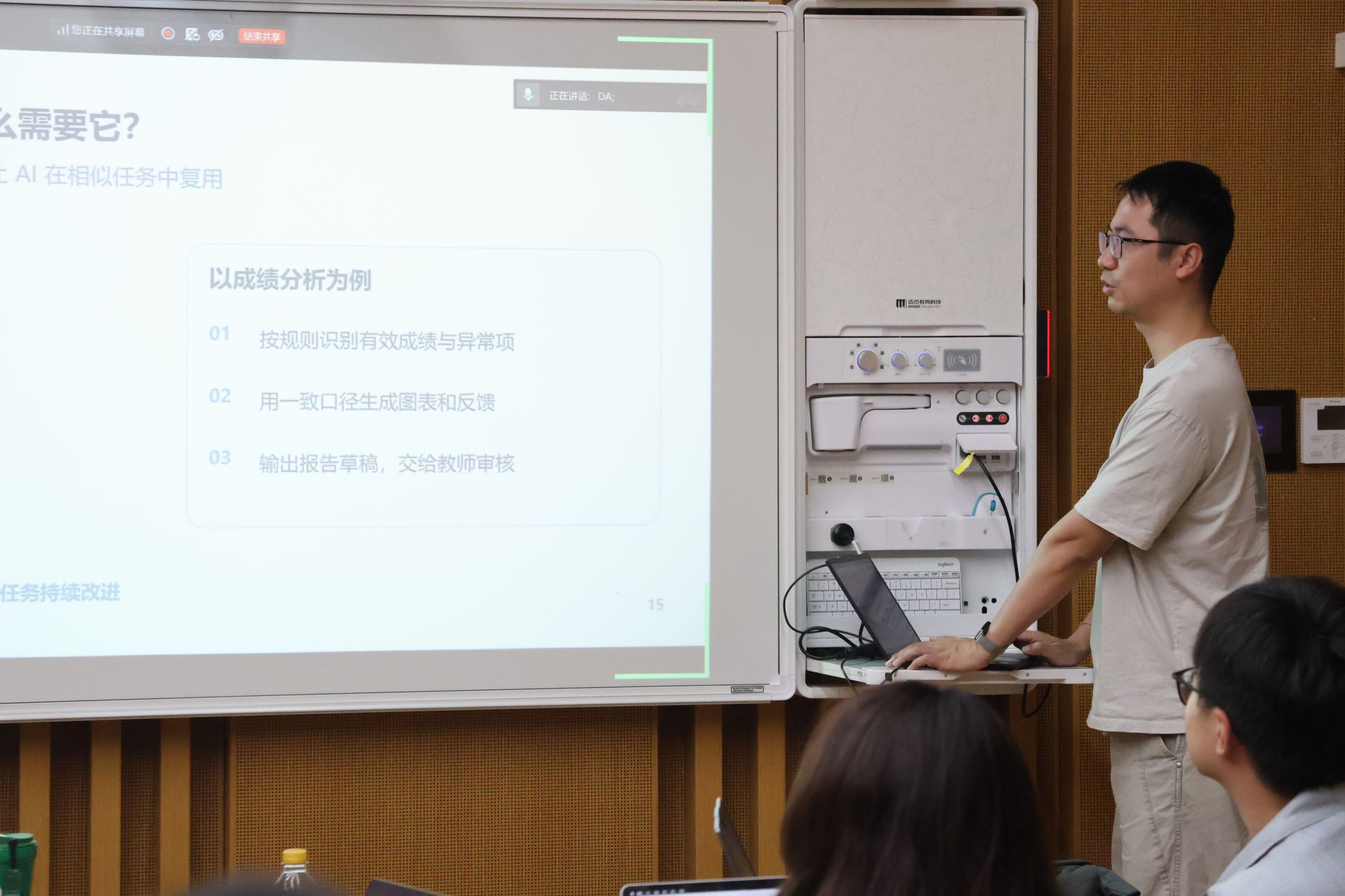
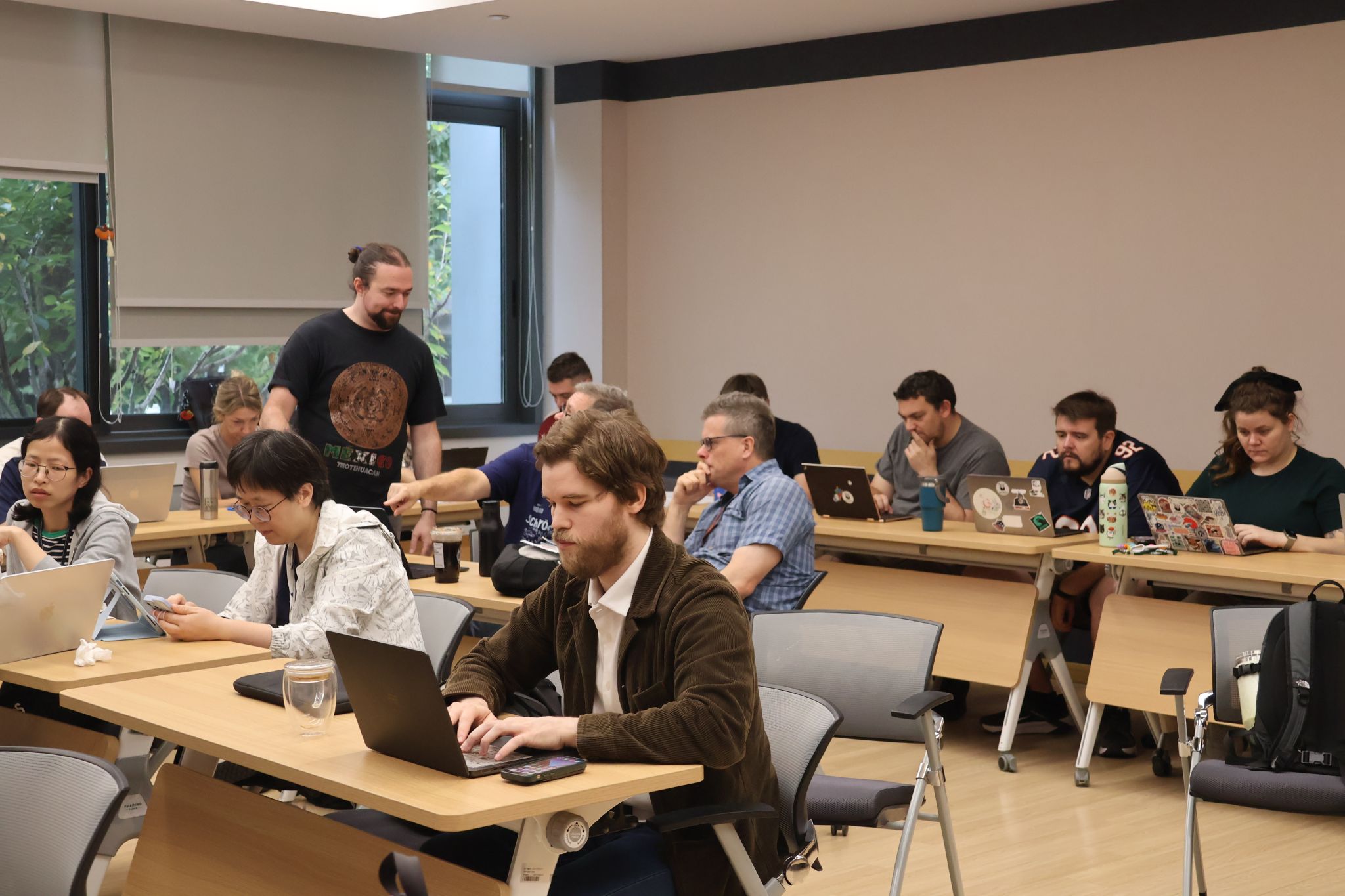
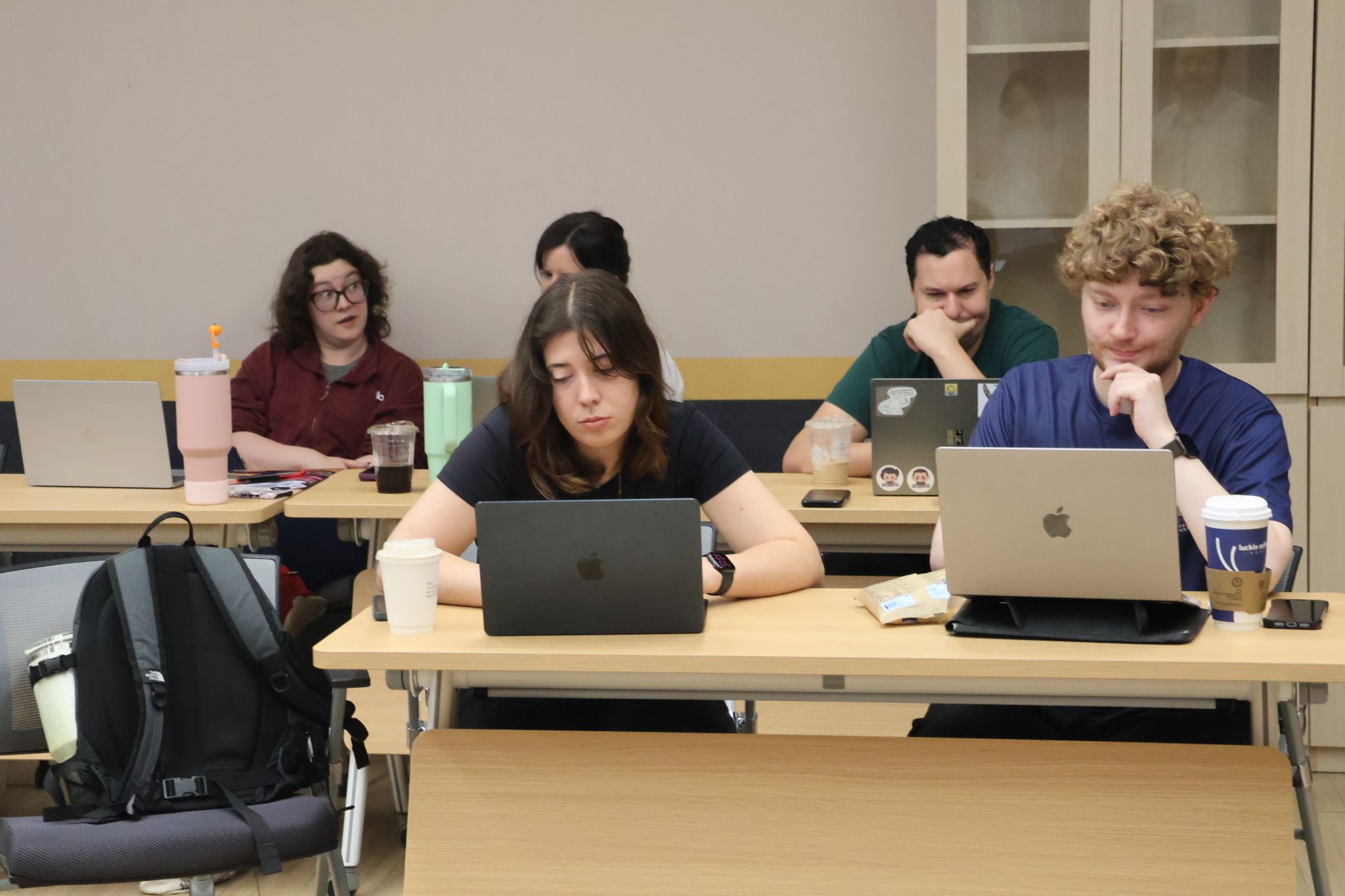
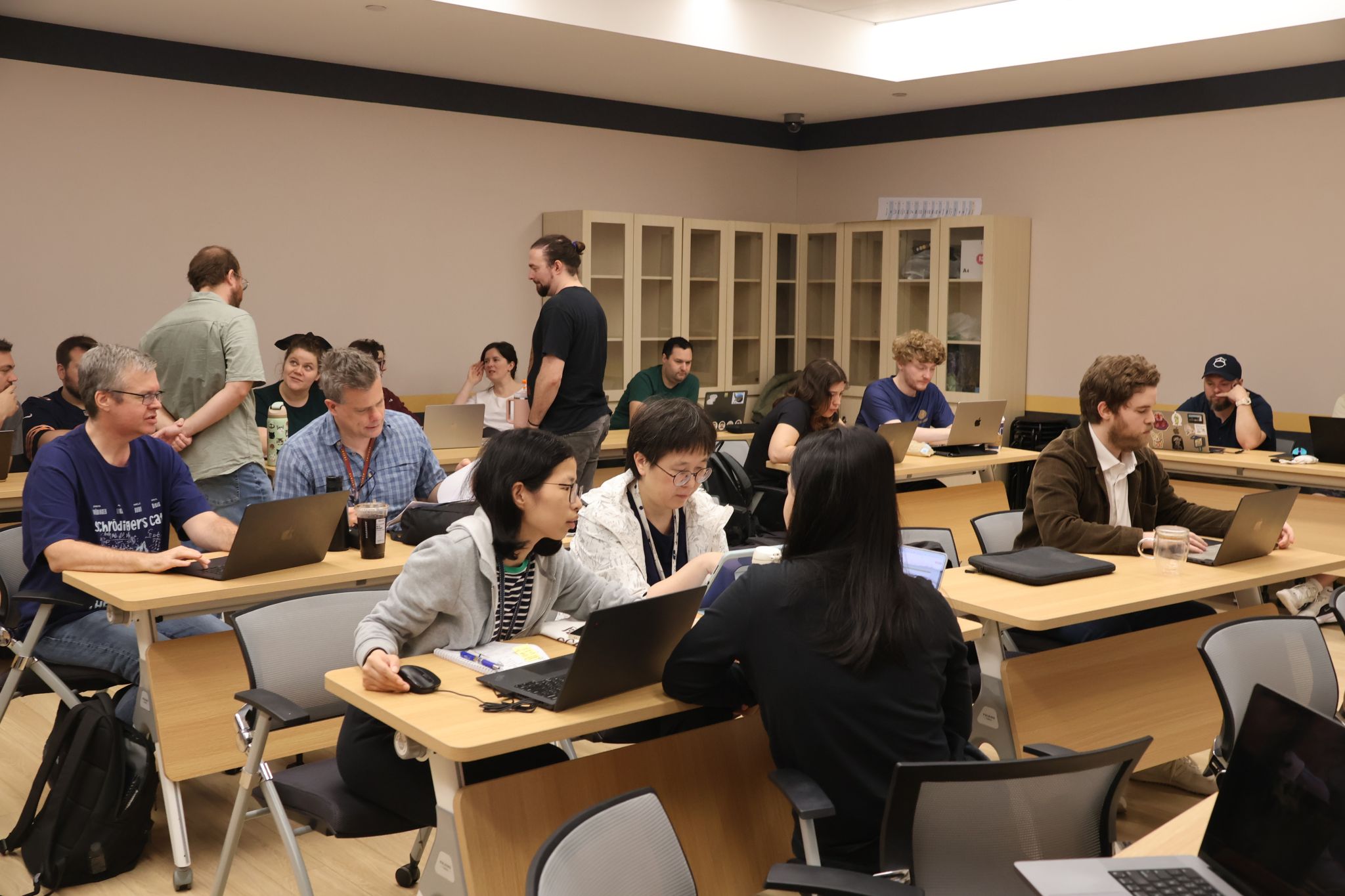
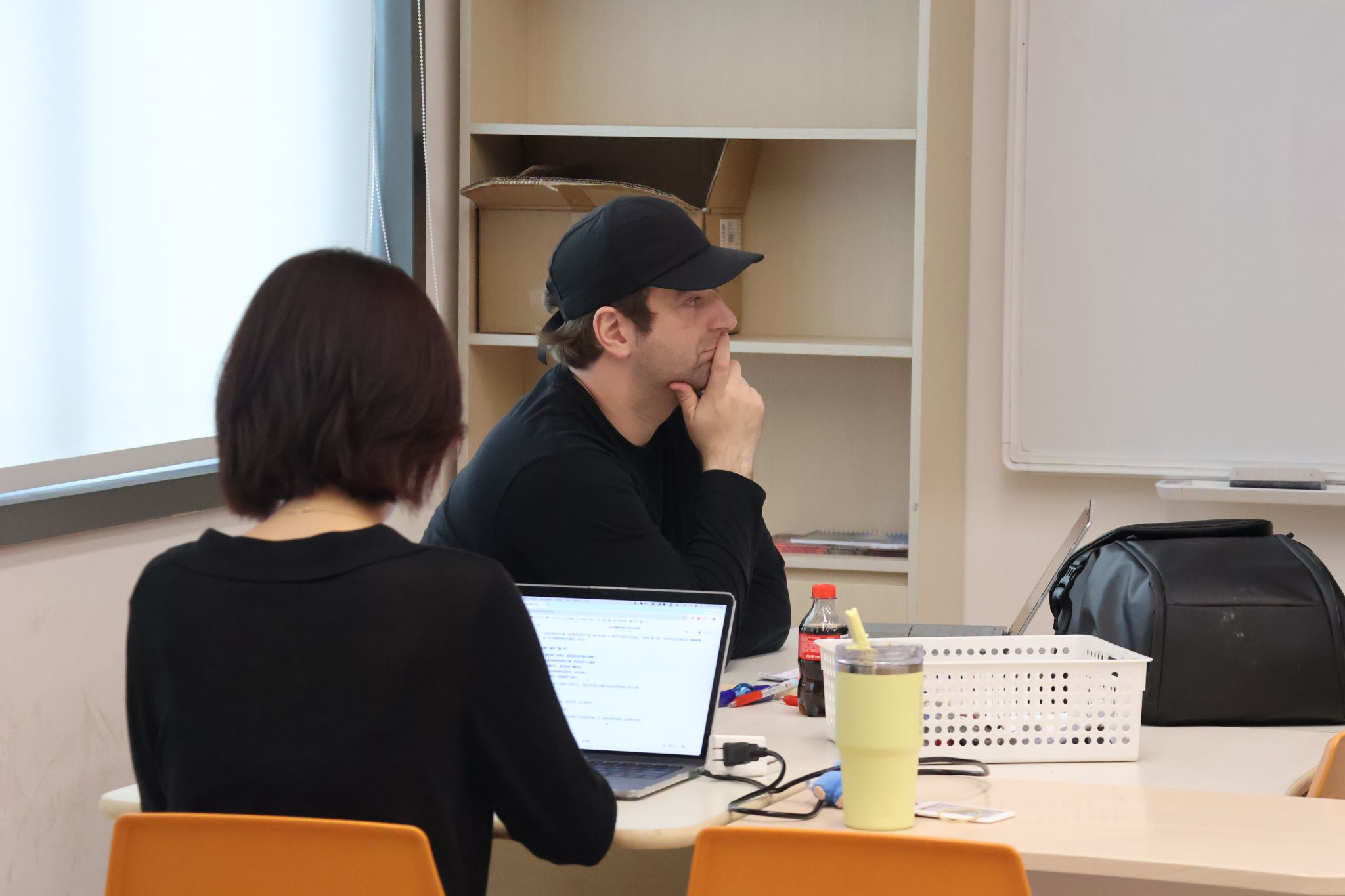
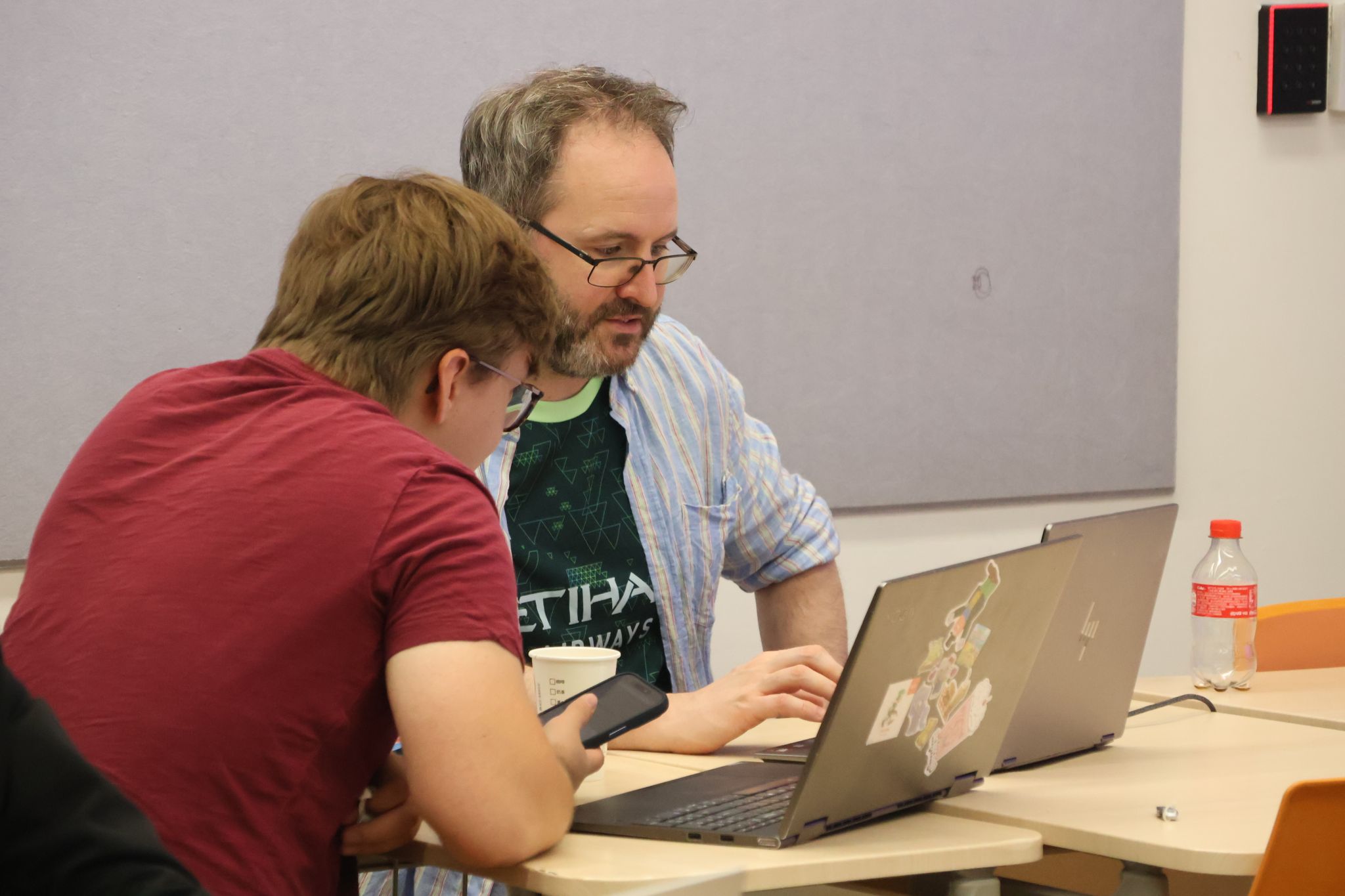
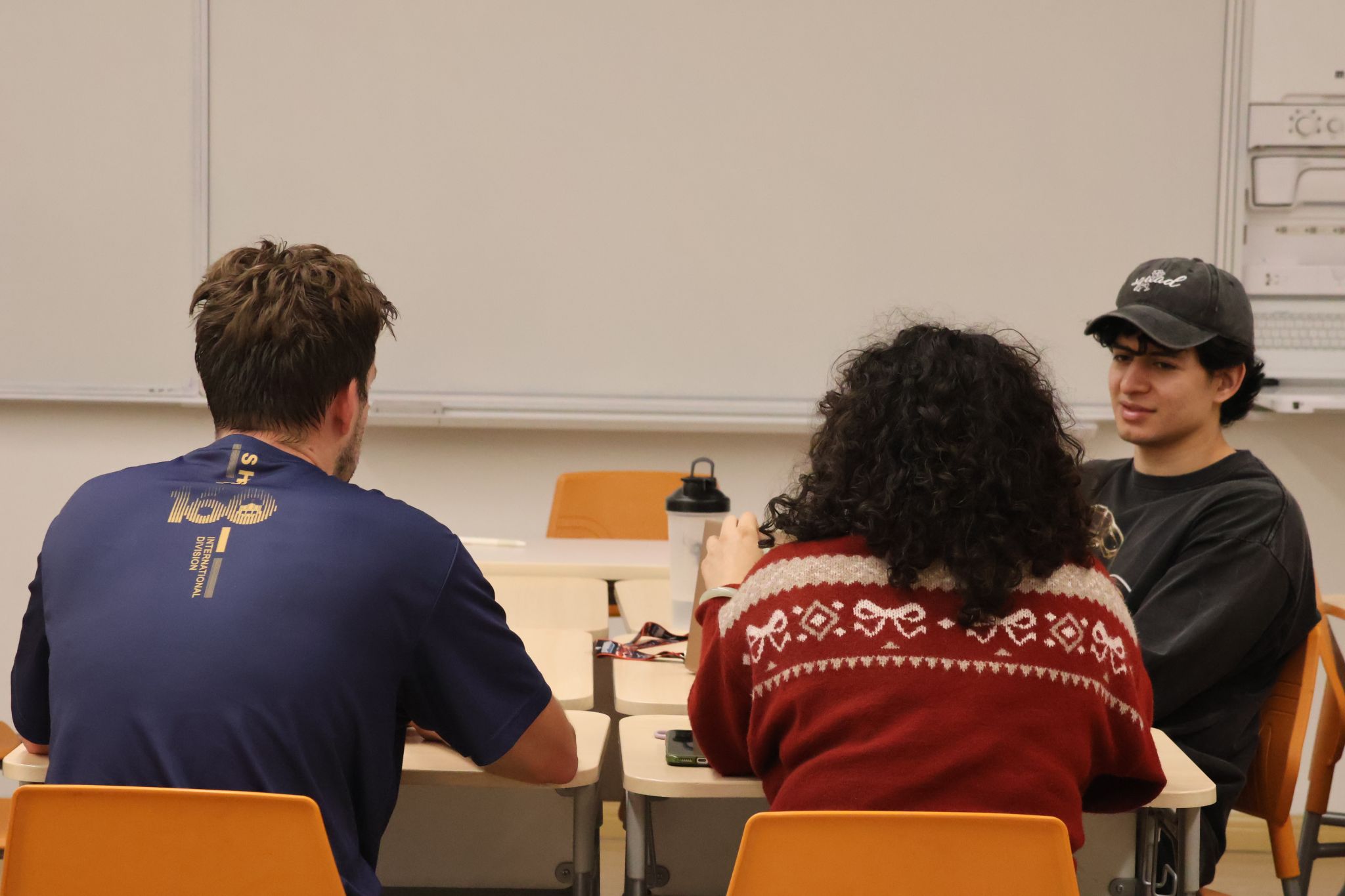
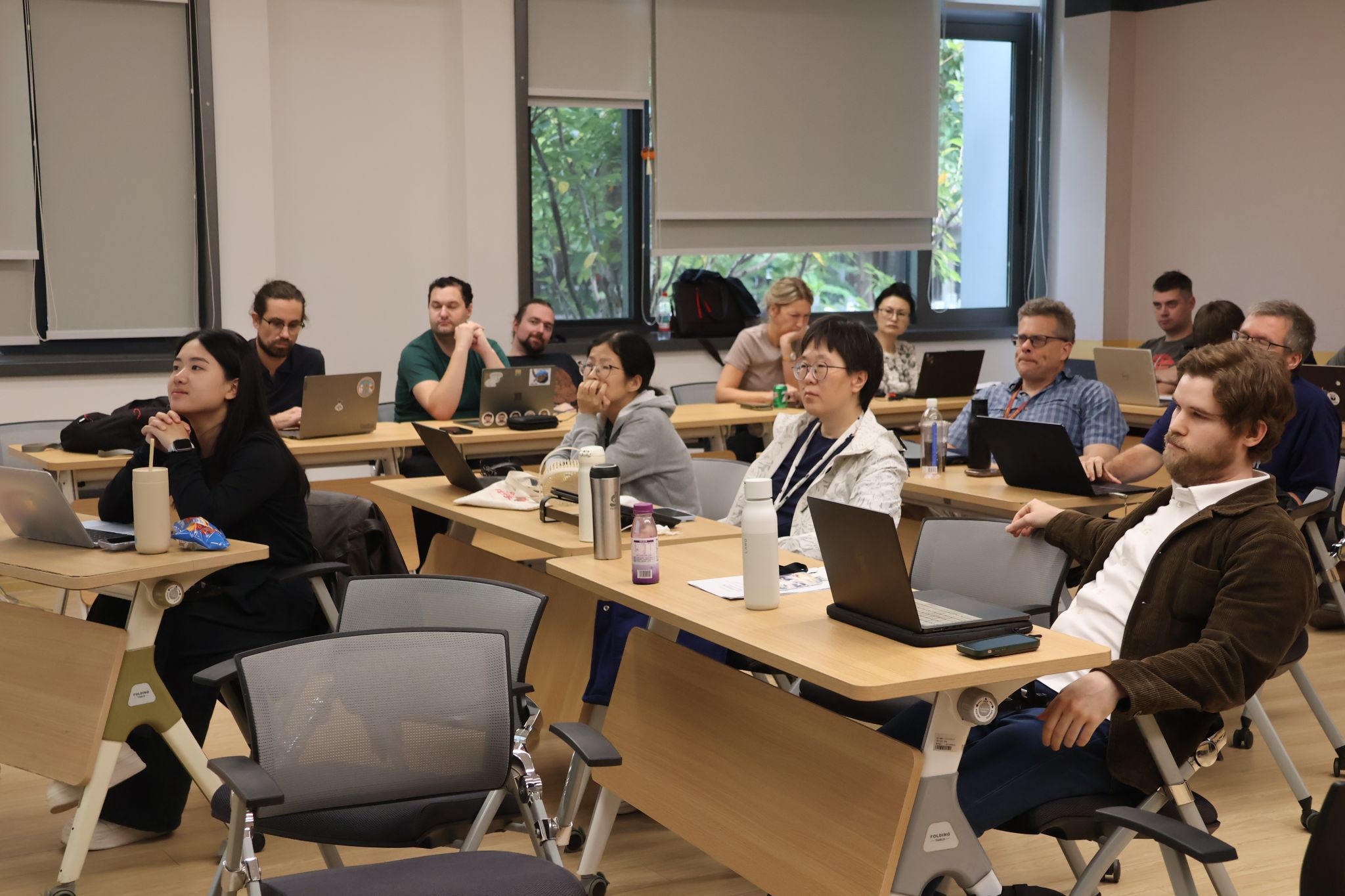
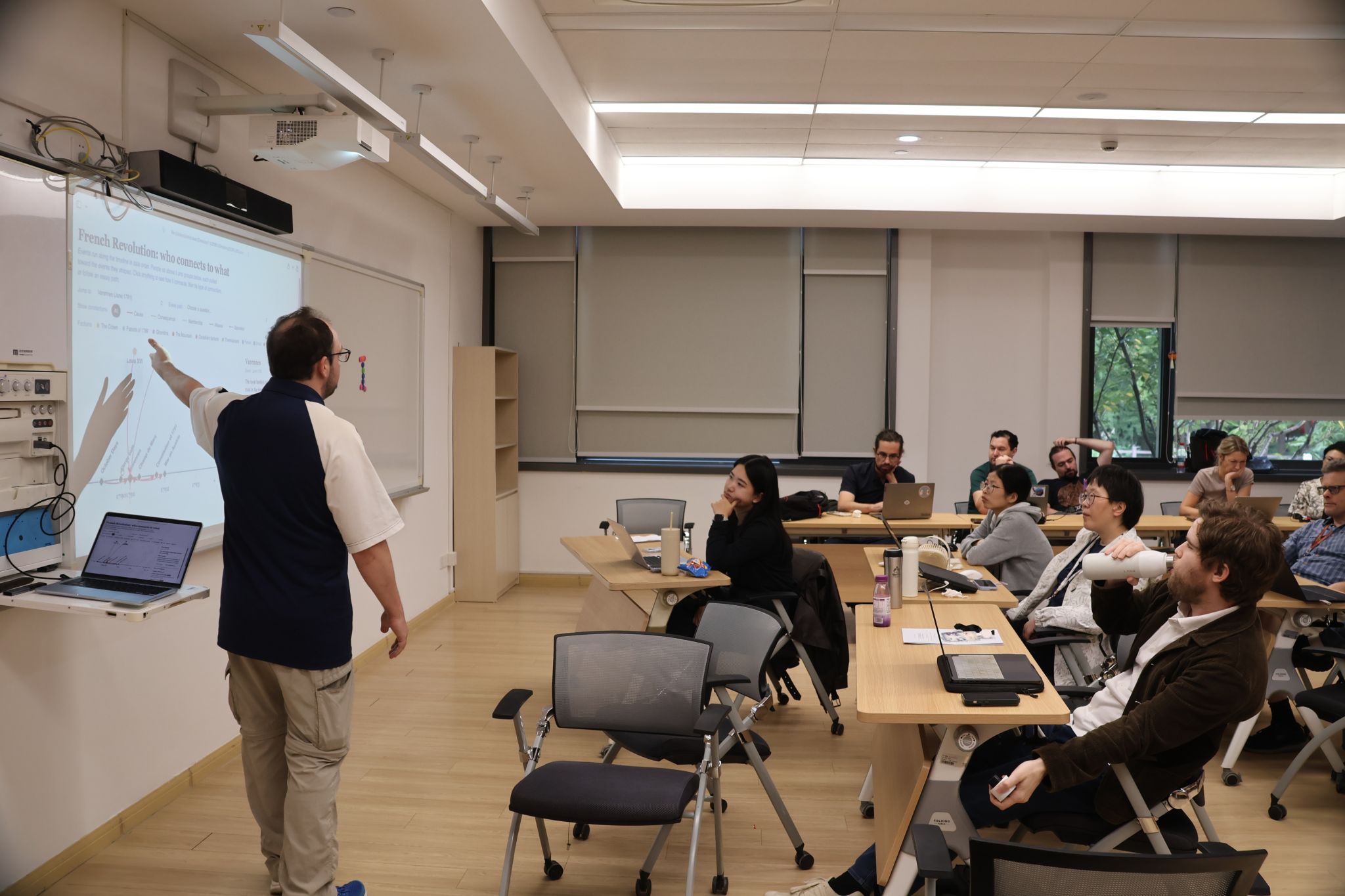
Workshop facilitators shared real-world cases that had already been tested in classrooms. Through live demonstrations, group co-creation and outcome debriefs, they addressed practical challenges encountered in day-to-day teaching. Discussions were lively throughout the sessions, with groups producing multiple unit teaching designs and prototypes of classroom mini-tools.
By lowering barriers to technical adoption, AI enabled teachers to go beyond merely learning tool operations. The hands-on practice prompted educators to reflect deeply on their daily work: identifying workflow bottlenecks that drain time and energy, developing practical solutions through collaborative creation, reshaping personal teaching routines, and exploring AI workflows aligned with individual teaching styles. A portfolio of ready-to-use teaching deliverables was generated in the process.
The four-hour immersive practicum moved AI beyond superficial tool trials, embedding it as a regular working model for lesson planning, teaching research and school administration.
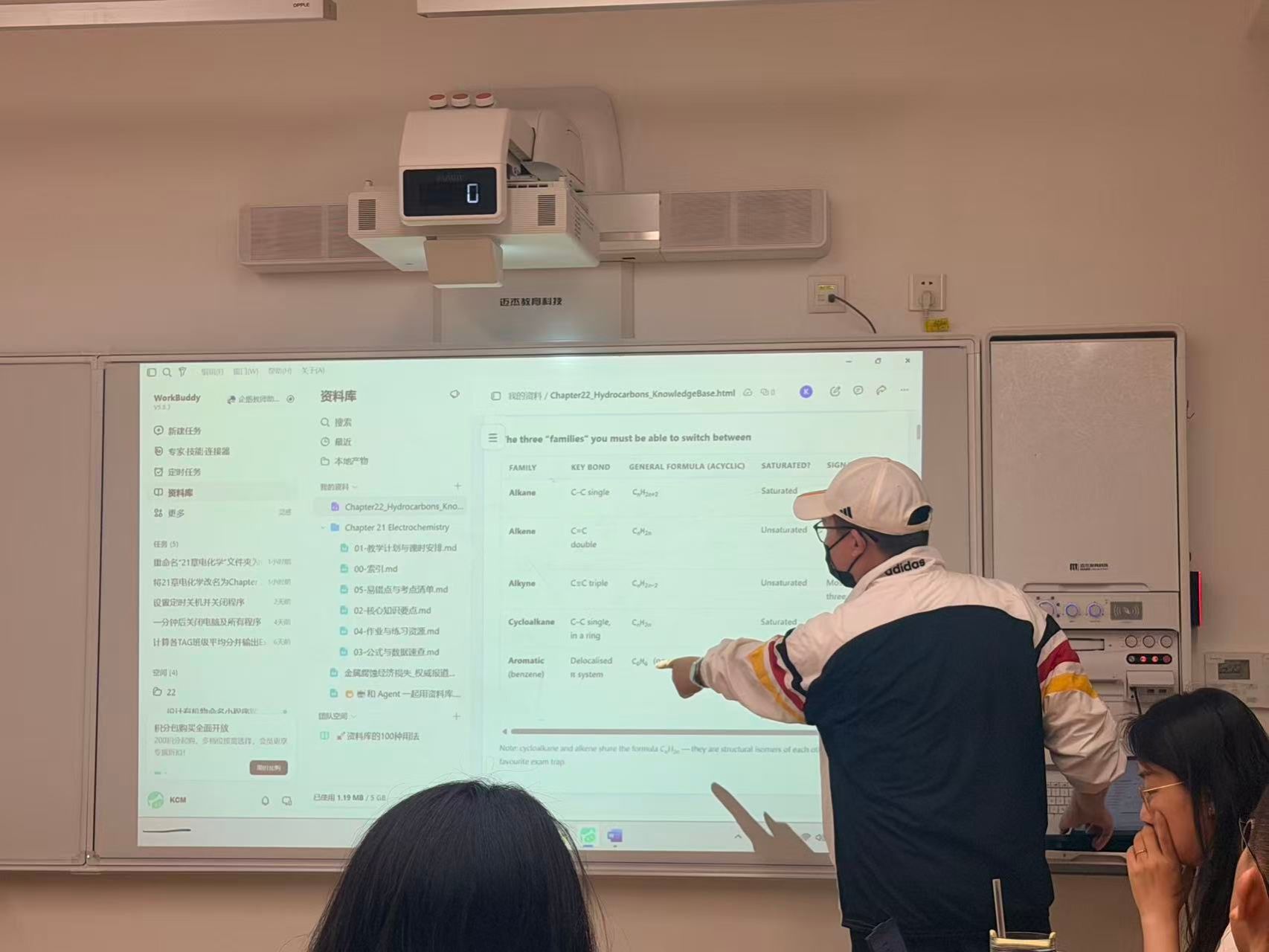
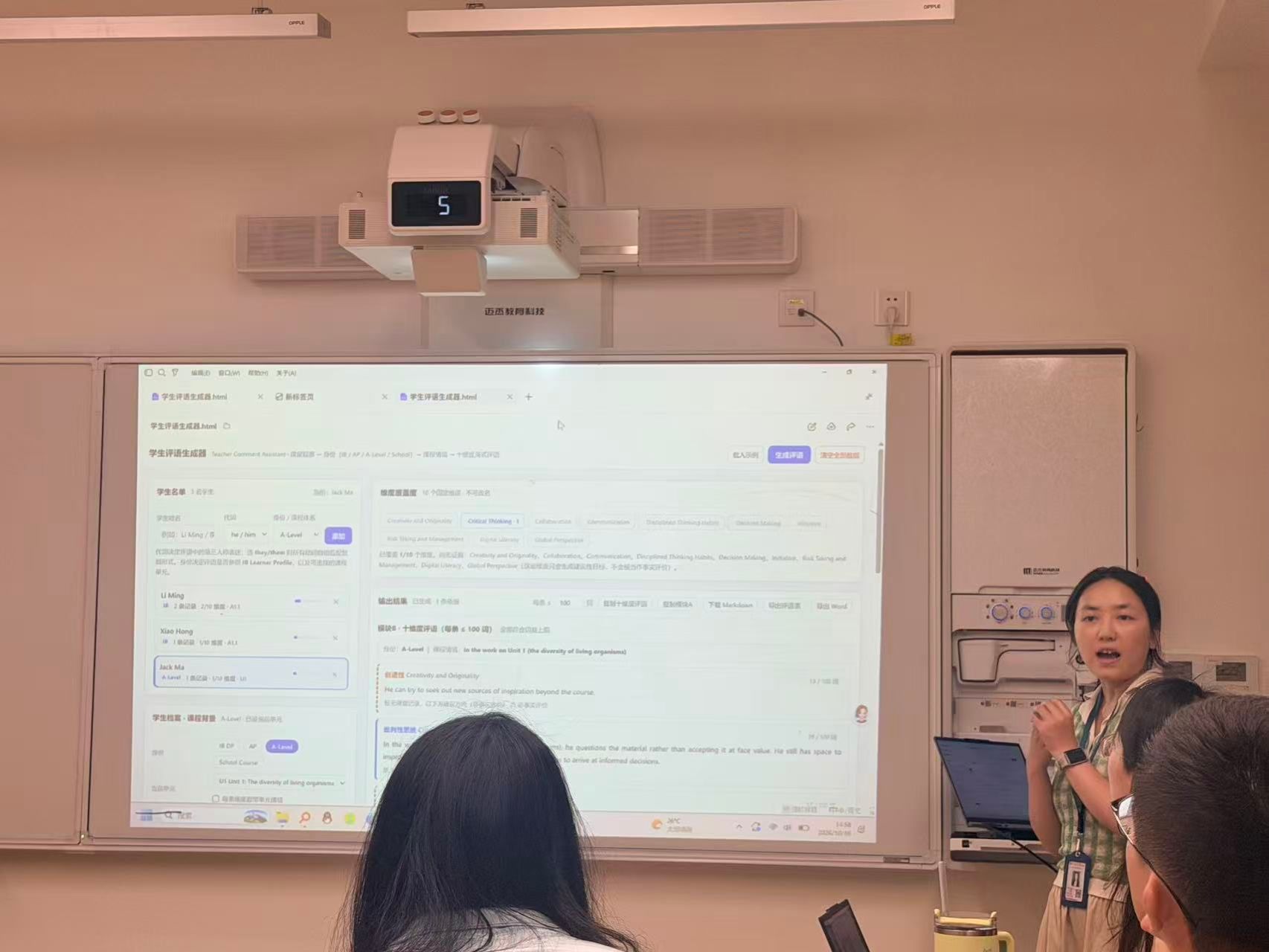
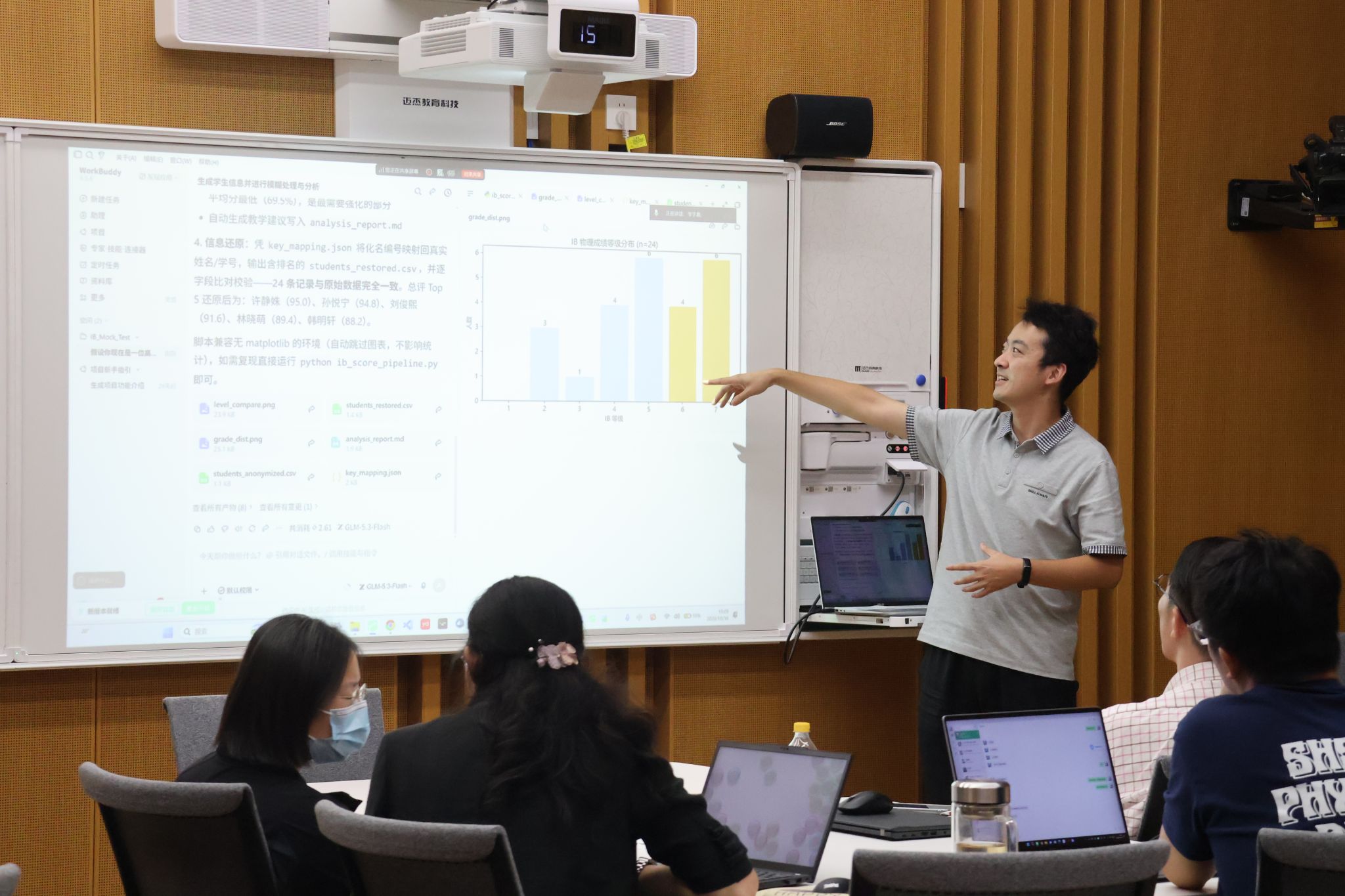
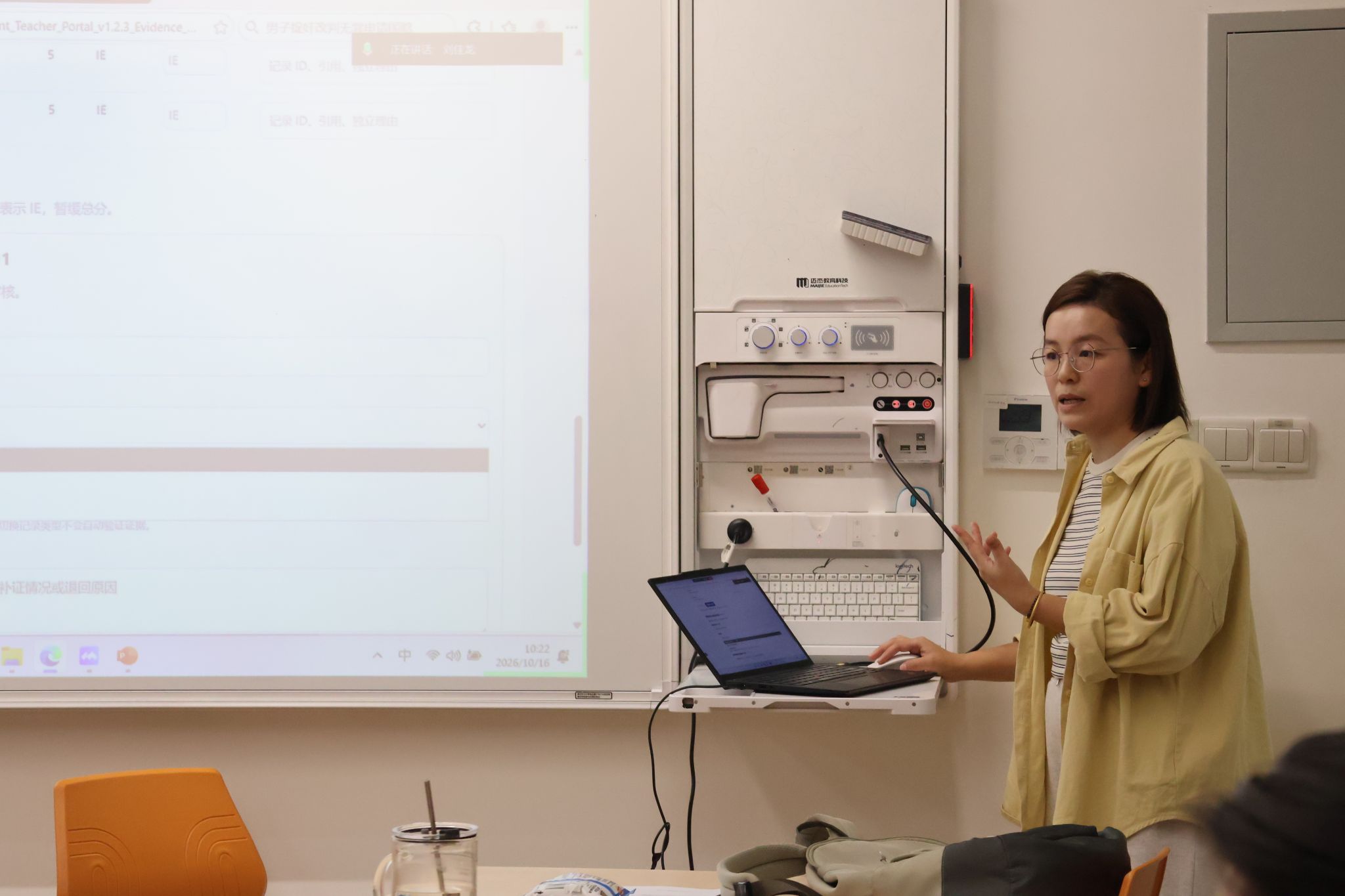
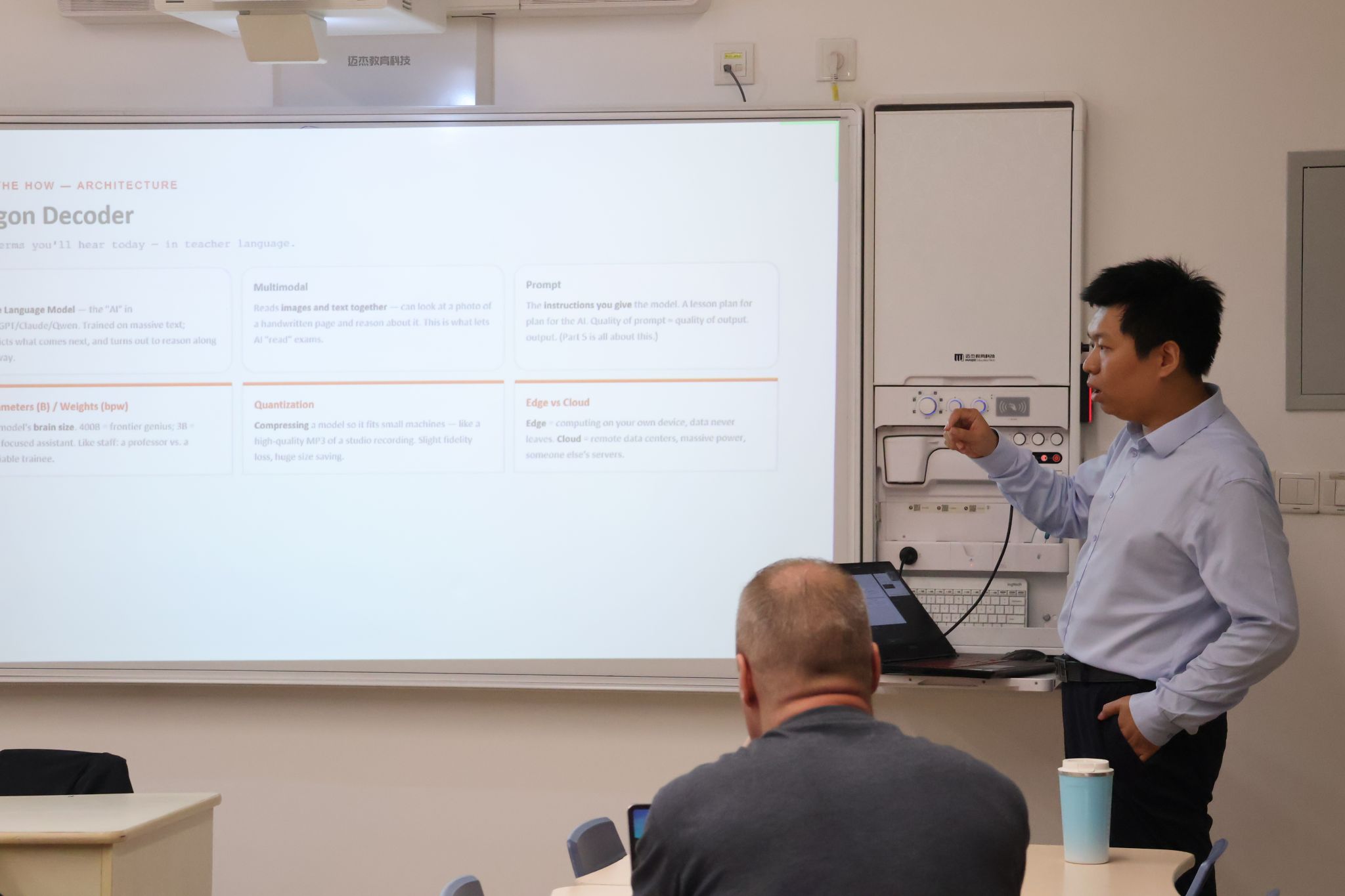
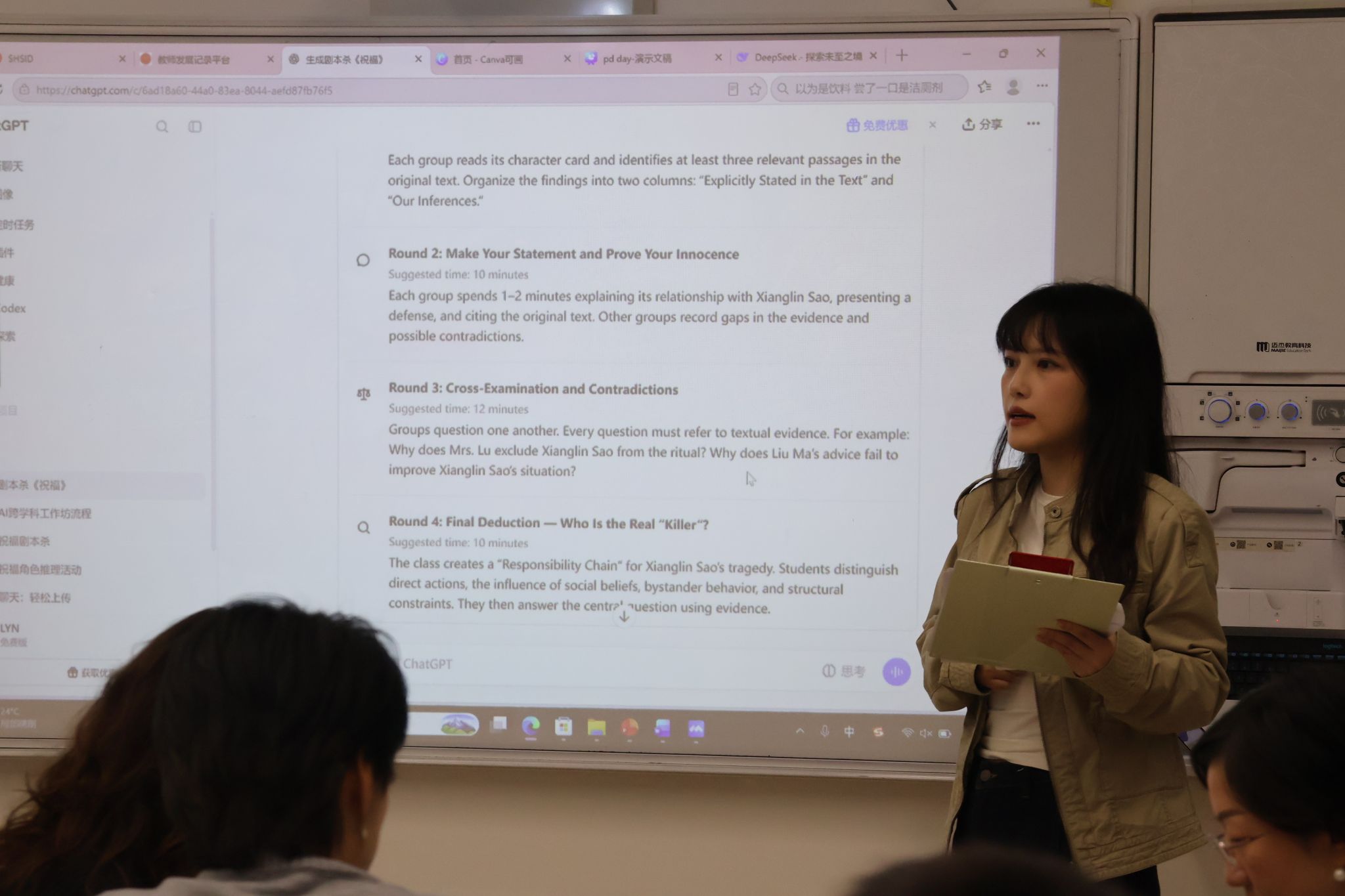
This professional-development event drew enthusiastic participation from High School faculty. Upholding the core tenet that technology exists to support student growth, the workshop moves AI past abstract concepts and embeds it within real-classroom practice. It further builds teachers’ digital teaching competencies and generates sustained internal momentum for the school’s digital education transformation. Moving forward, the school will consolidate outputs from this PD Day and roll out validated practices across grade levels and teaching departments.
(Written by Teachers’ Center Pictures by Ms. Quan Yuan Edited by Ms. Kong Yuting Reviewed by Ms. Shen Chenli, Ms. Gu Ying, Ms. Liu Shan)
