-
ABOUT US
-
ACADEMICS
Curriculum Program
Departments
- English
- High School Chinese
- Primary and Junior School Chinese.
- High School Mathematics
- Middle School Mathematics
- Primary School Mathematics
- Music and Fine Arts
- Physical Education
- Physics
- Chemistry
- History and Geography
- Physical Science and Optional courses Department
- Middle School Biology
- High School Biology
- Social Sciences
- Computer Science
- Courses in Primary School
Achievements and Matriculations
College Counseling
Science & Technology Innovation Contest
Subject Competition
-
ARTS
-
ATHLETICS
-
AT SHSID
SHSID ∣ TIMES
PTSA
Club Exhibition
- 龙吟社
- Live 2 Drama
- Choir
- Hip-pop Dance Club
- The Primary School Dance Troupe
- Symposiums Club
- Biology Workshop
- You Shan
- VEX Robotic
- Peking Opera Club
- Baseball Club
- Model United Nations
- The World Scholar’s Cup
- Future Problem Solving Club
- OM Club
- AMC Club
- Music for Patients
- Smile Charity
- Stem Doge Alliance
- Chinese Debate Club
- IAA
- Mock Trial Club
- Zhengming Club
- Furry Friends
- GT-Racing
- Village Radio
- IMMC Club
- Creative Design and Intelligent Fabrication
- Future City Research Project
- ECOCAP
- AdvocaSEA
- SPDC
- Floorball Club
- Animusic MTC
- Wings Up
- Cyano
- Birding Community
Health and Wellness
Campus Safety
Cafeteria Service
-
ADMINISTRATION
-
ADMISSIONS
-
ALUMNI
Alumni Information
Honors Students
- Class of 2026
- Class of 2025
- Class of 2024
- Class of 2023
- Class of 2022
- Class of 2021
- Class of 2020
- Class of 2019
- Class of 2018
- Class of 2017
- Class of 2016
- Class of 2015
- Class of 2014
- Class of 2013
- Class of 2012
- Class of 2011
- Class of 2010
- Class of 2009
- Class of 2008
- Class of 2007
- Class of 2006
Who Studied at SHSID
SHS Foundation
-
DOCUMENTS
From Ideas to Action: YSS · Roots of Impact Brings Students Together Across Schools
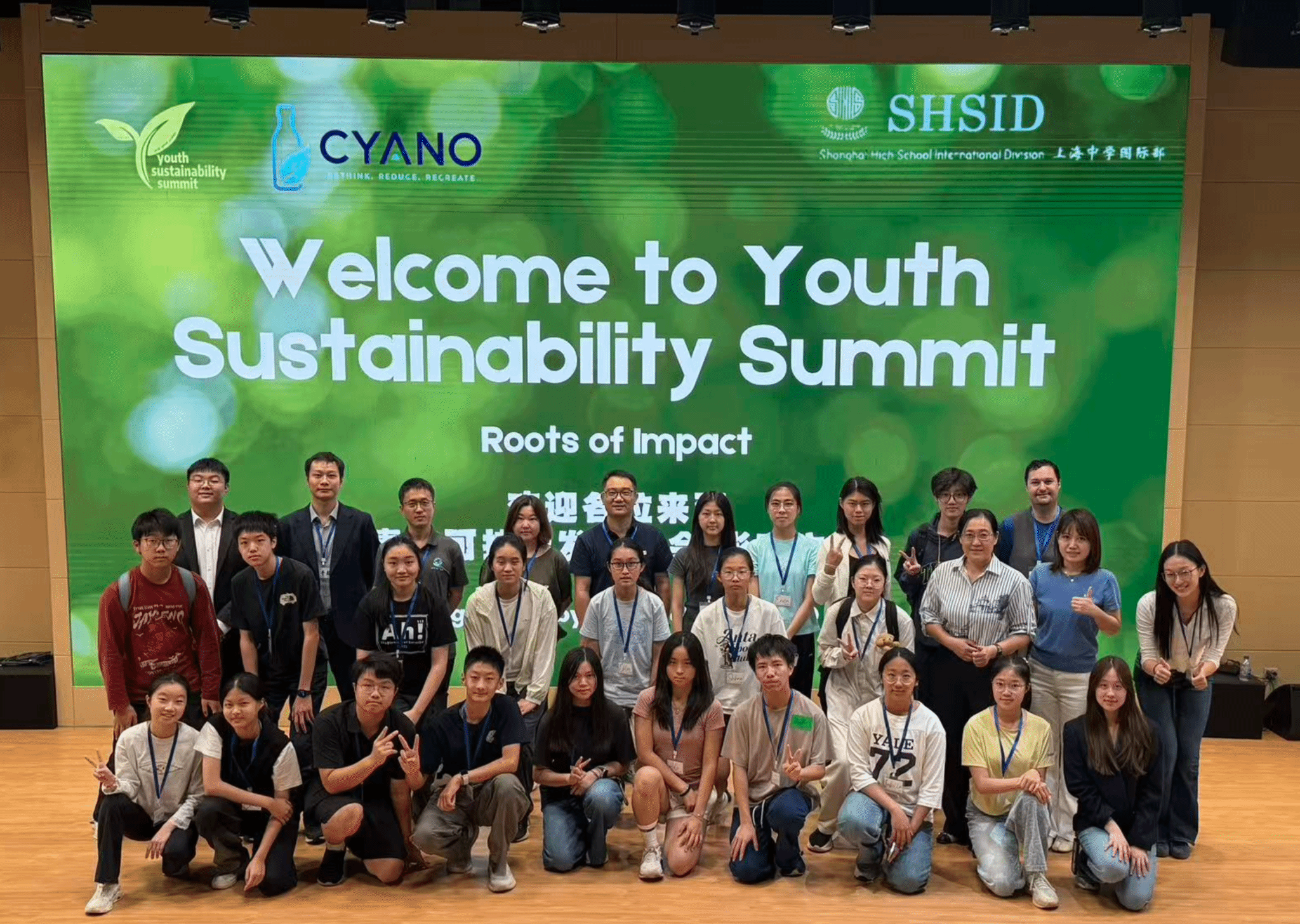
On October 17, 2026, students from across Shanghai gathered at Shanghai High School International Division for YSS · Roots of Impact, an event in the Youth Sustainability Summit series initiated by members of the CYANO Environmental Club.
Planned and organized by SHSID high school students, the nonprofit event created a space where young people interested in sustainability could engage directly with professionals. The program also encouraged participants to develop their early ideas into projects with practical value.
The event welcomed approximately 50 participants, with registered students representing more than ten schools across Shanghai. It received support from Rong Zou, Co-Chair of the Shanghai Climate Week Executive Committee, and Wei Rao, Executive Secretary-General of the Secretariat of the Prosperity Alliance Shanghai Center.
Professor Peng Zhang, a researcher at the Center for Excellence in Molecular Plant Sciences of the Chinese Academy of Sciences, joined the event as a professional mentor. Other invited guests included Beier Zhou, Founding Partner and CEO of ESGenable; Lina Wang, Deputy Director of the Global Climate One Lesson Working Committee; Liang Yu, a committee member of Shanghai Climate Week; and Qianchao Zhao, an Environmental Science and Biology teacher at SHSID.
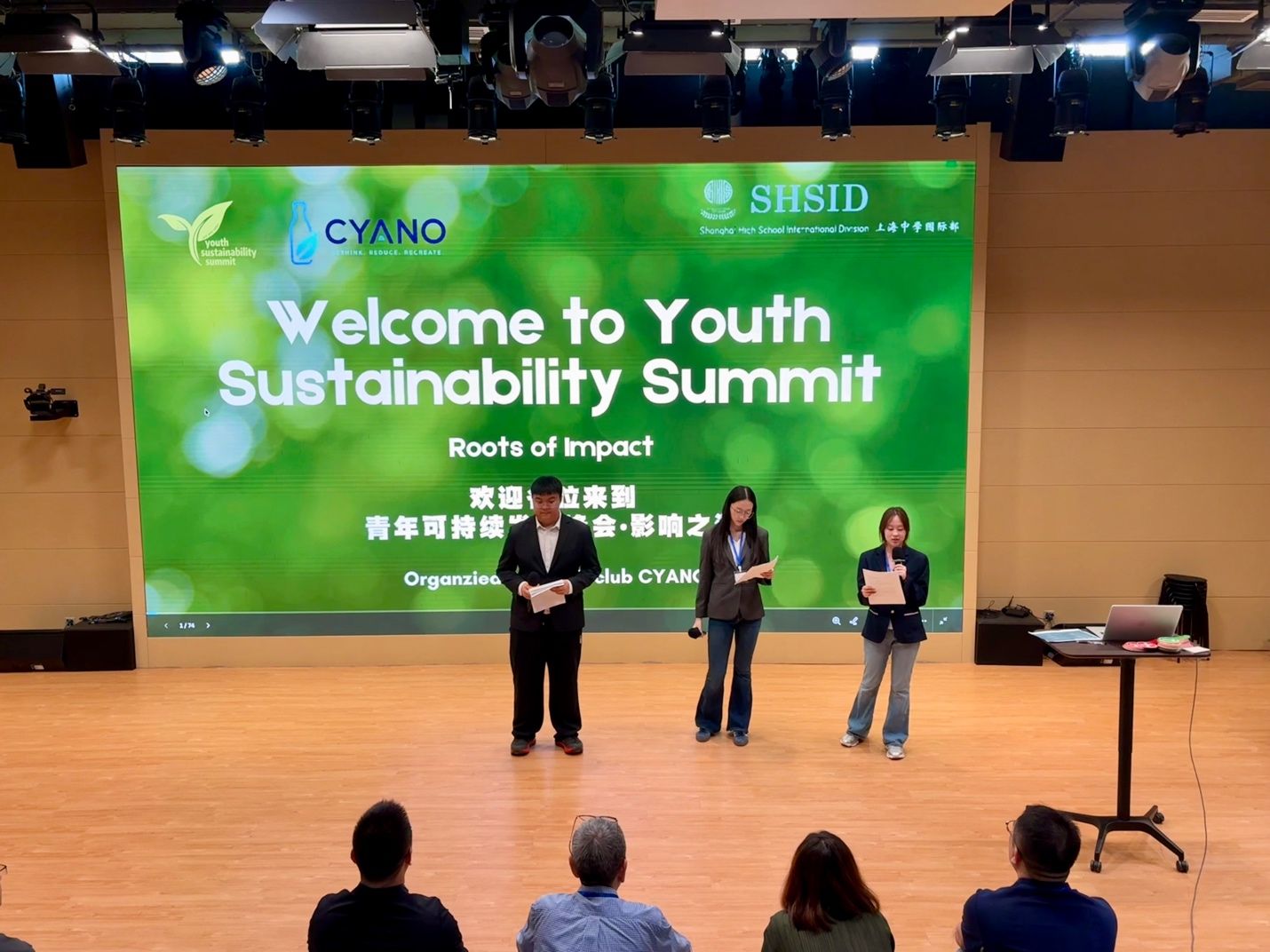
During the opening ceremony, three student organizers from the CYANO Environmental Club—Milly, Alice, and Ryan—introduced the development of YSS and explained the purpose behind the event. SHS Vice Principal and SHSID High School Principal Mr. Ma Feng then delivered an opening address. He encouraged students to remain curious, begin with changes in their daily lives, and use the event as an opportunity to deepen their understanding of sustainability.
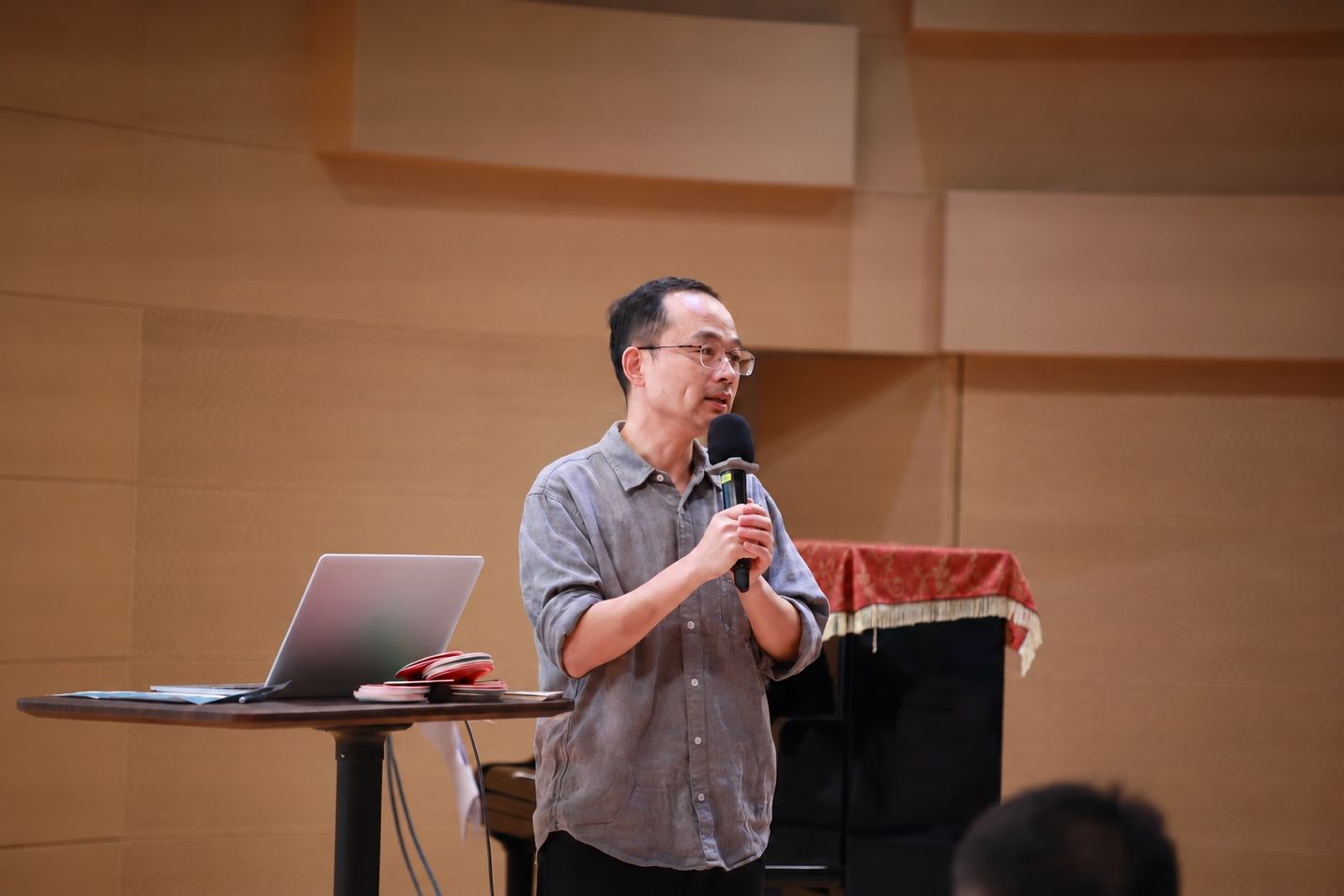
The program began with an interactive "Myth or Reality" activity. Students voted on a series of environmental statements before learning about the scientific evidence and real-world considerations behind each answer. The discussion addressed circular fashion and material choices, while later questions examined solar energy and climate justice. Through the activity, students learned that sustainability issues often involve competing interests and cannot be evaluated from a single perspective.
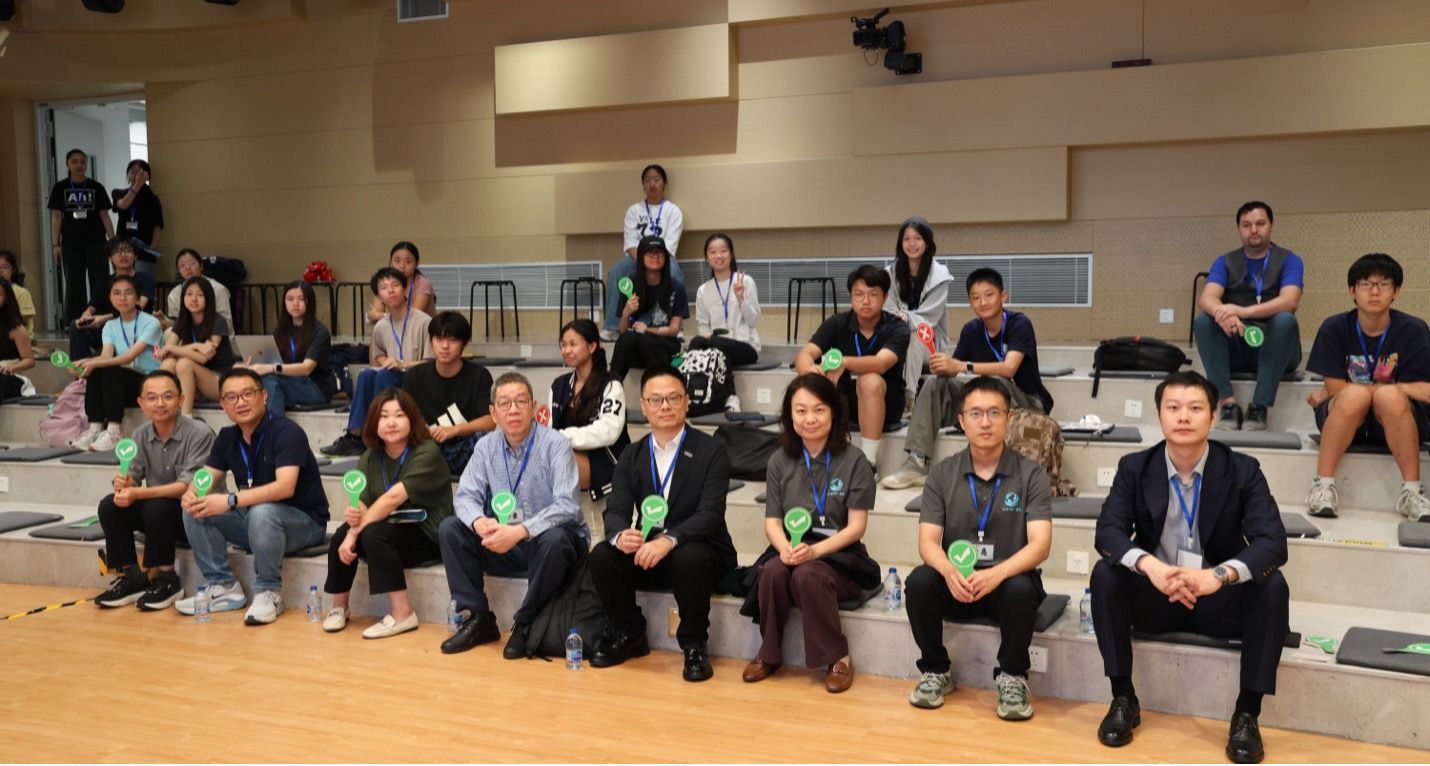
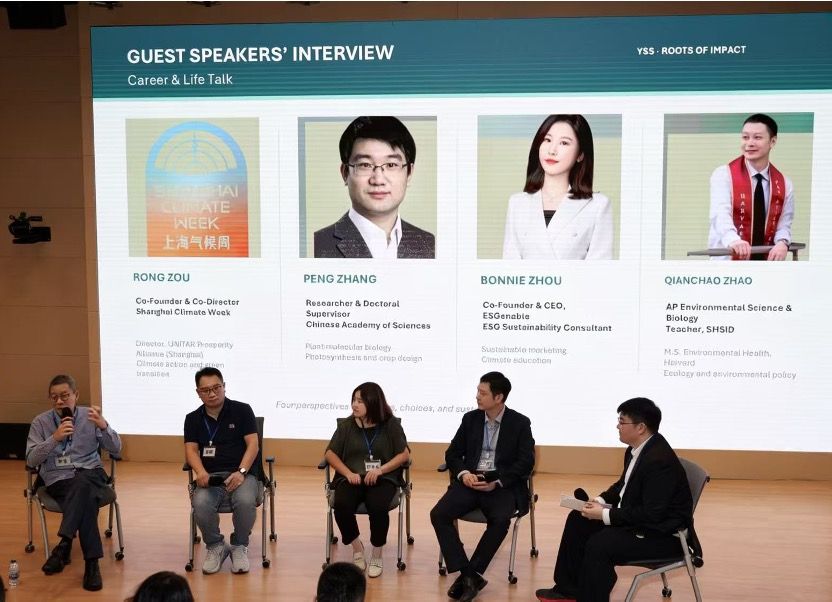
During the "Career & Life Talk," Rong Zou, Professor Peng Zhang, Beier Zhou, and Qianchao Zhao reflected on their professional and personal experiences. They discussed how their career interests developed over time and how exploration shaped their choices. The speakers also shared lessons from their own student years and explained how they approached important decisions at different stages of life. After the interview, many students used the break to continue their conversations with the speakers and seek advice about their academic interests or future plans.
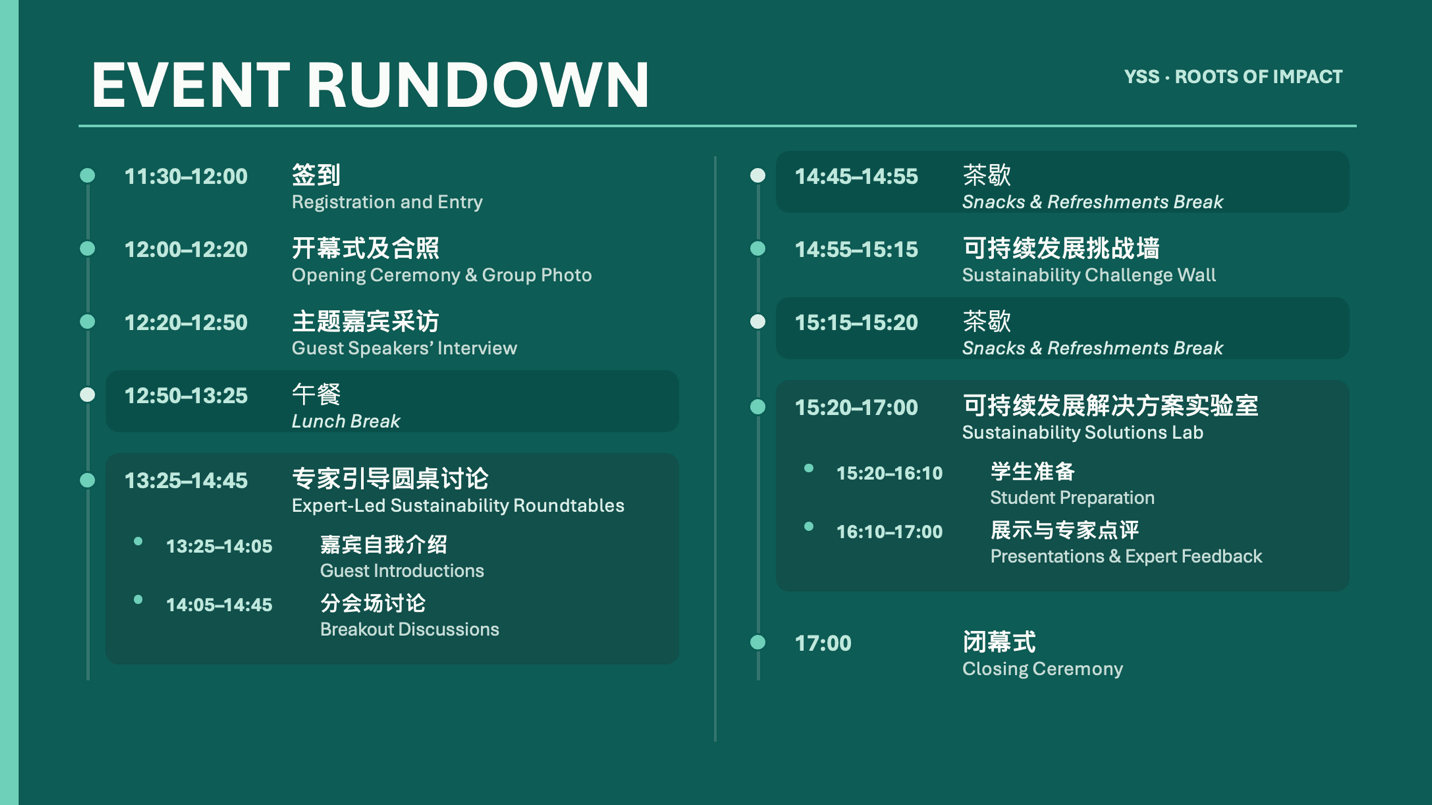
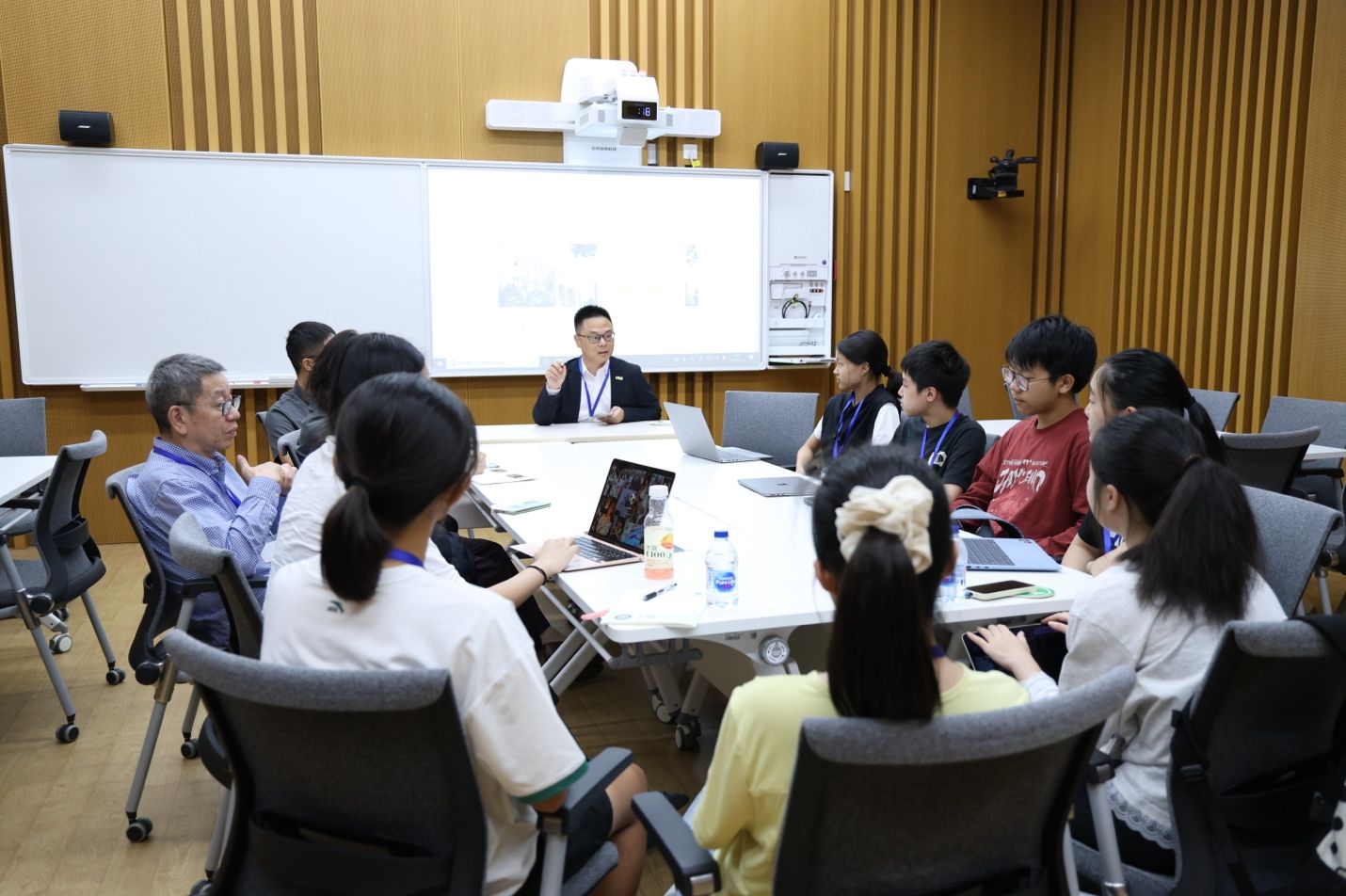
The afternoon began with one of the central parts of the program, the "Sustainability Roundtables." Each professional first gave a short introduction to their background and area of expertise. Students then selected a breakout room according to their interests. Each room brought together approximately ten students for a 50-minute conversation with the professionals.
In the Shanghai Climate Week breakout room, Rong Zou, Lina Wang, and Wei Rao responded to students' concerns about climate issues, encouraged them to turn a sense of urgency into sustained action, and explained from an interdisciplinary perspective why environmental problems require collaboration across different fields.
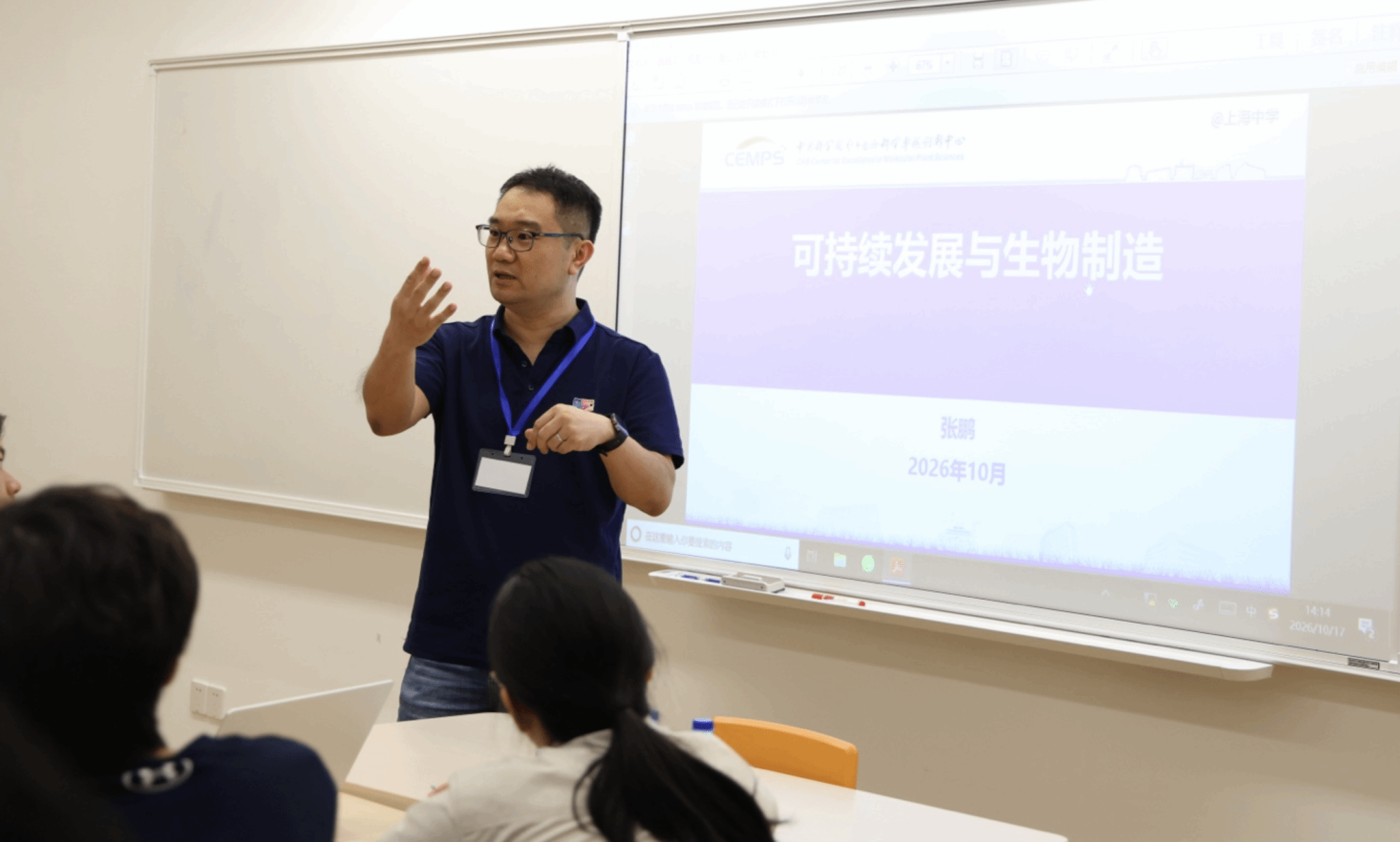
In the biomanufacturing breakout room, Professor Peng Zhang explained how biomass conversion and cell factories can reduce dependence on fossil-based materials, and introduced research directions for improving photosynthetic carbon fixation and carbon-use efficiency.
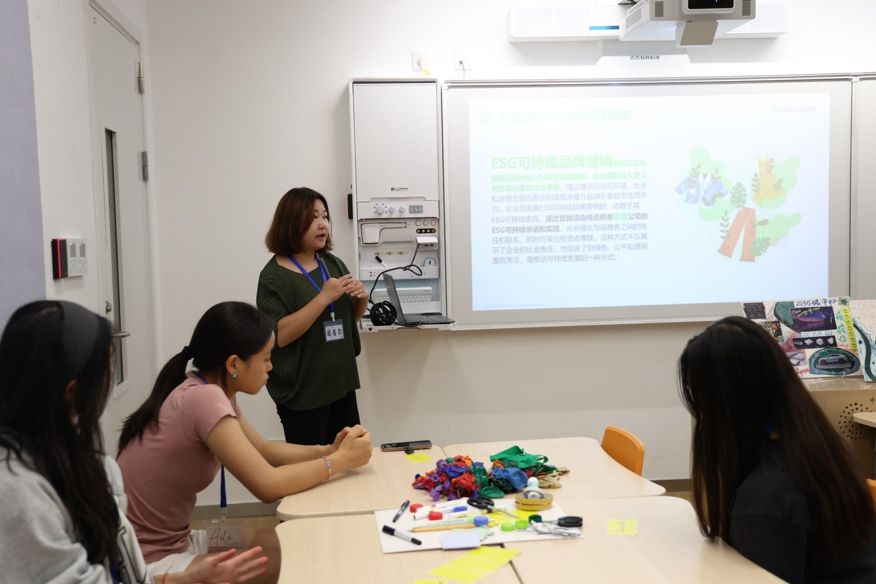
In the ESG breakout room, Beier Zhou introduced knowledge about the industry and then led a hands-on session in which students used discarded materials to create collage boards that expressed their understanding of sustainability in a visual way.
In the environmental health breakout room, Qianchao Zhao started from health considerations in the planning and construction of modern factories, and drew on his own experience to answer students' questions about studying abroad and choosing a field of study.
These cross-school conversations allowed students with different interests to learn from one another. They also helped participants examine sustainability through perspectives beyond their own academic backgrounds.
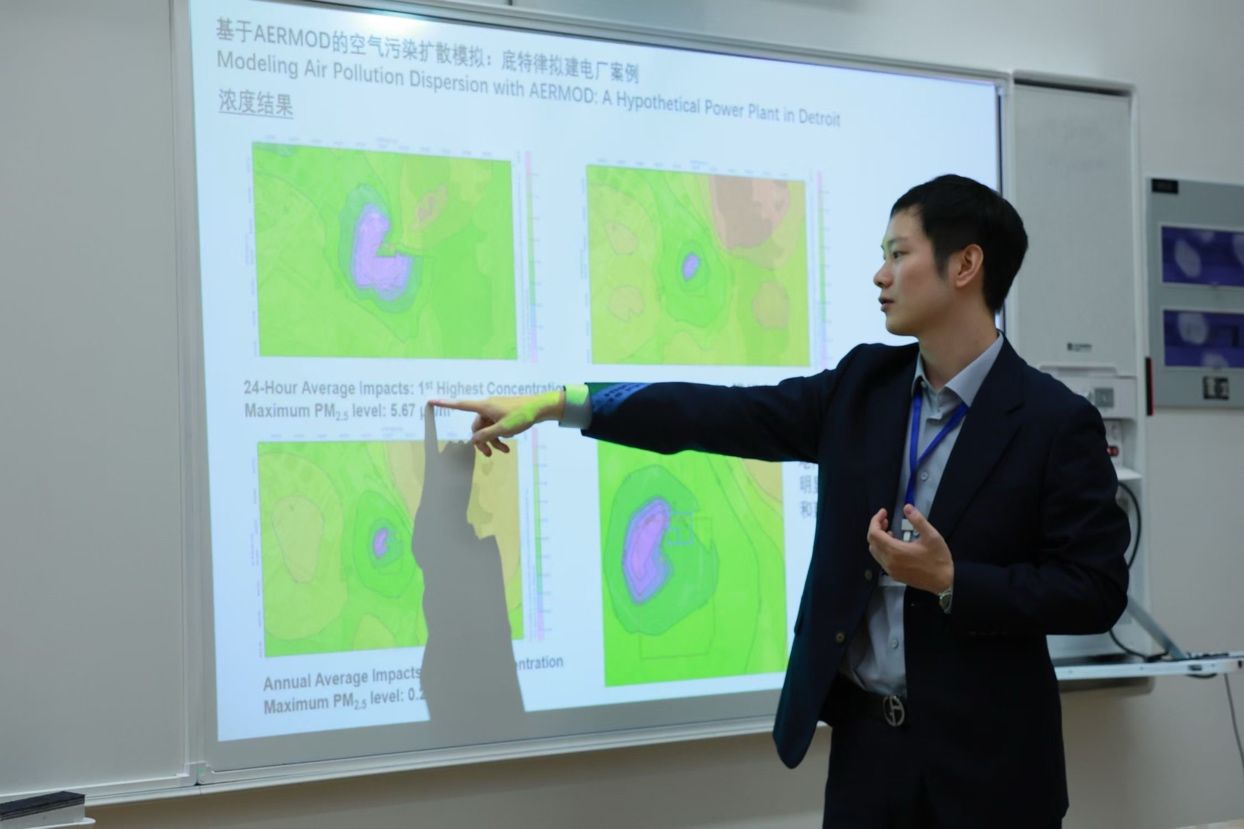
After the roundtables, students took part in the "Sustainability Challenge Wall," where they wrote on a shared display the real problems they had observed around them and, drawing on the earlier discussions, put forward project ideas they hoped to explore with others. The host then selected several of these contributions for an open discussion with the guests and students. Many participants noted that sustainability has not yet become part of everyday life, and suggested using creative cultural products or student-led campus activities to help more people pay attention to environmental issues.
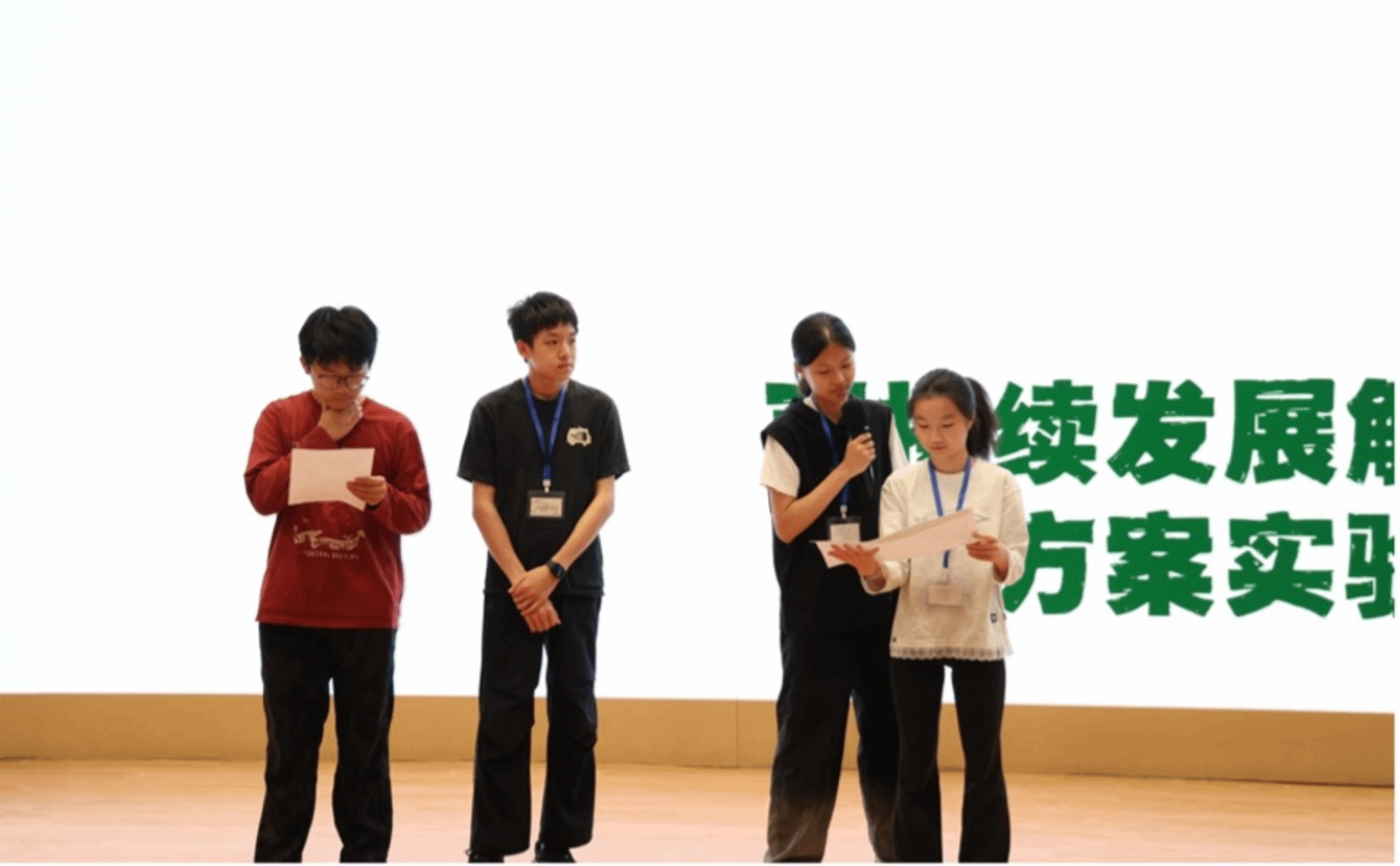
The event concluded with the "Sustainability Solutions Lab." Participants formed teams around real-world cases and received 40 minutes to complete a one-page proposal. Each proposal explained the problem and identified the people affected. Teams then developed an interdisciplinary response and defined a realistic first step. Each group delivered a short presentation and received feedback from the professionals. The activity did not require students to produce a complete solution within a limited period. Its purpose was to help them understand a problem more carefully, work with new teammates, and turn an abstract idea into a plan that could be further developed.
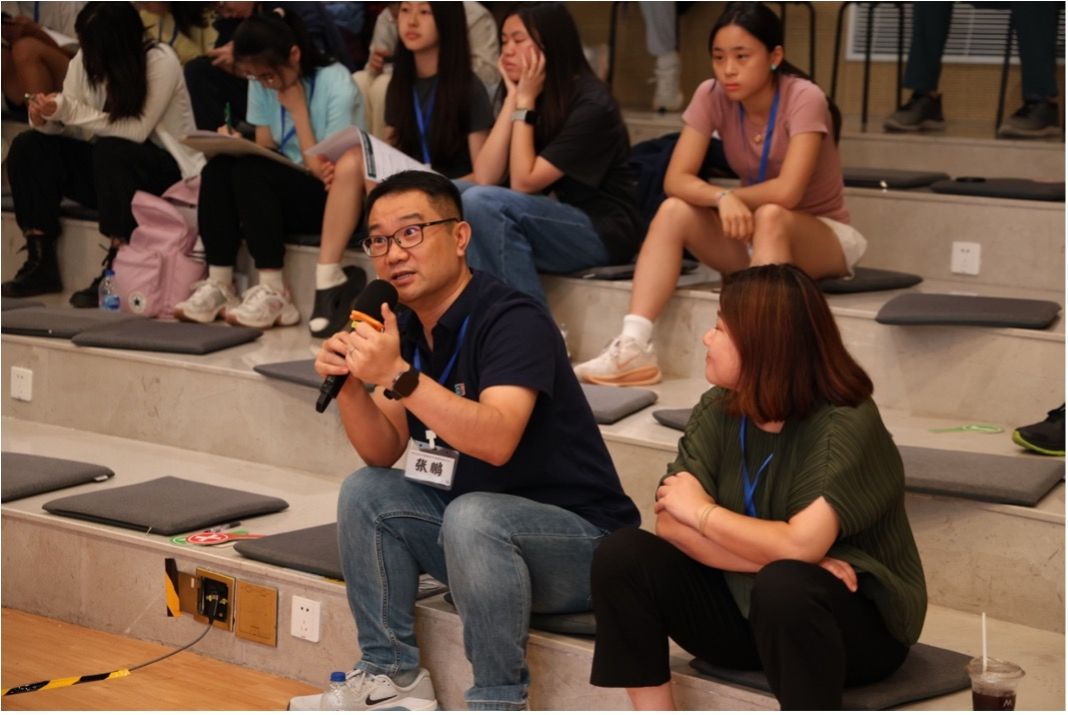
YSS · Roots of Impact encouraged young people to move from exchanging ideas to practical exploration, helping students see, through their interactions with professionals and peers, how they might take part in change. The event has come to an end, but the connections made and the ideas that emerged that day are still growing, and will serve as a starting point for future cross-school collaboration and follow-up projects.
(Written by 12(10) Milly Pictures by Media Group Supervised by Ms. Ma, Yan Bo Edited by Ms. Kong Yuting Reviewed by Ms. Gu Ying, Ms. Shen Chenli)