-
ABOUT US
-
ACADEMICS
Curriculum Program
Departments
- English
- High School Chinese
- Primary and Junior School Chinese.
- High School Mathematics
- Middle School Mathematics
- Primary School Mathematics
- Music and Fine Arts
- Physical Education
- Physics
- Chemistry
- History and Geography
- Physical Science and Optional courses Department
- Middle School Biology
- High School Biology
- Social Sciences
- Computer Science
- Courses in Primary School
Achievements and Matriculations
College Counseling
Science & Technology Innovation Contest
Subject Competition
-
ARTS
-
ATHLETICS
-
AT SHSID
SHSID ∣ TIMES
PTSA
Club Exhibition
- 龙吟社
- Live 2 Drama
- Choir
- Hip-pop Dance Club
- The Primary School Dance Troupe
- Symposiums Club
- Biology Workshop
- You Shan
- VEX Robotic
- Peking Opera Club
- Baseball Club
- Model United Nations
- The World Scholar’s Cup
- Future Problem Solving Club
- OM Club
- AMC Club
- Music for Patients
- Smile Charity
- Stem Doge Alliance
- Chinese Debate Club
- IAA
- Mock Trial Club
- Zhengming Club
- Furry Friends
- GT-Racing
- Village Radio
- IMMC Club
- Creative Design and Intelligent Fabrication
- Future City Research Project
- ECOCAP
- AdvocaSEA
- SPDC
- Floorball Club
- Animusic MTC
- Wings Up
- Cyano
- Birding Community
Health and Wellness
Campus Safety
Cafeteria Service
-
ADMINISTRATION
-
ADMISSIONS
-
ALUMNI
Alumni Information
Honors Students
- Class of 2026
- Class of 2025
- Class of 2024
- Class of 2023
- Class of 2022
- Class of 2021
- Class of 2020
- Class of 2019
- Class of 2018
- Class of 2017
- Class of 2016
- Class of 2015
- Class of 2014
- Class of 2013
- Class of 2012
- Class of 2011
- Class of 2010
- Class of 2009
- Class of 2008
- Class of 2007
- Class of 2006
Who Studied at SHSID
SHS Foundation
-
DOCUMENTS
Refining Teaching Practice, Inspiring Professional Growth
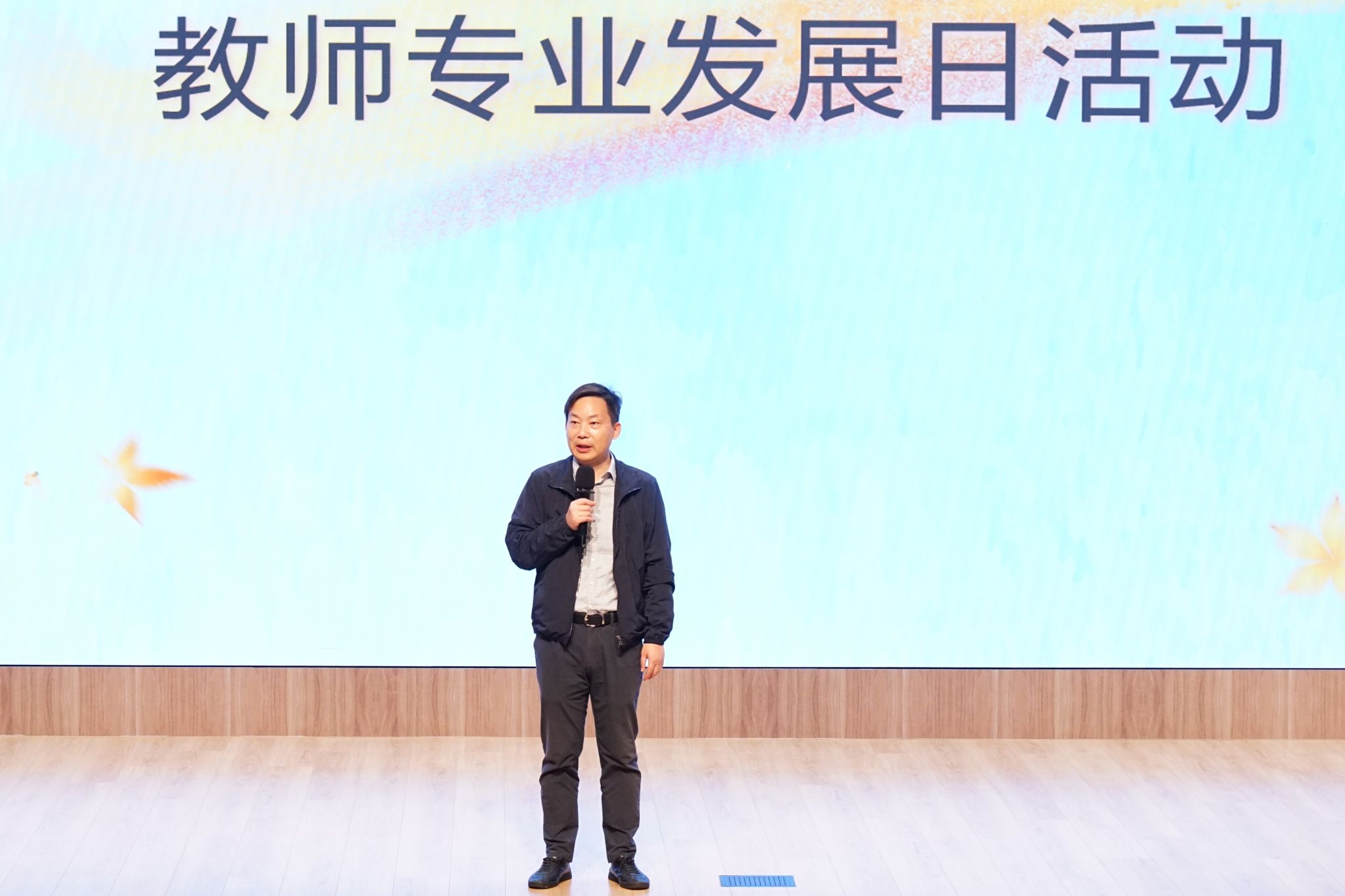
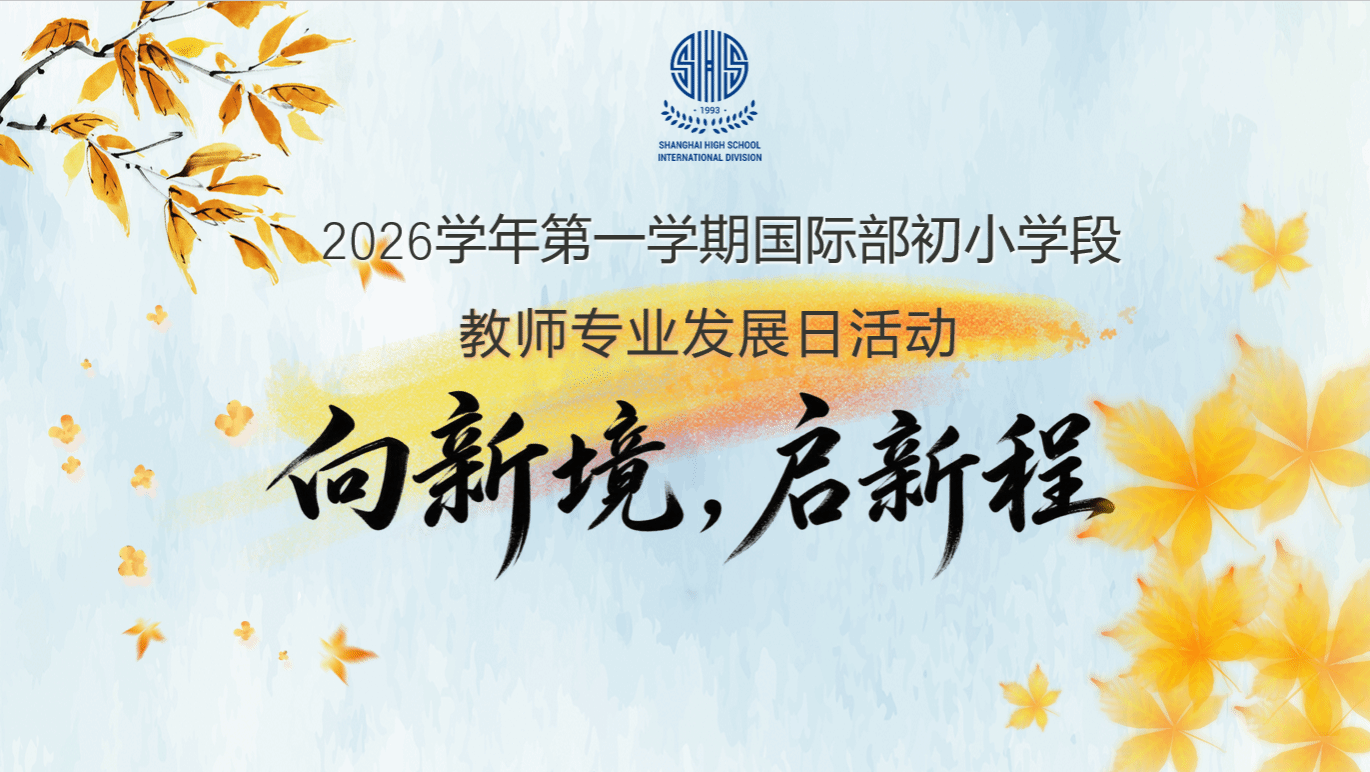
To consolidate teachers' professional foundations, build a platform for peer exchange and foster the development of the teaching workforce, the Primary and Middle School Section Professional Development Day themed "Toward New Horizons, Embarking on a New Journey" was successfully held in the Hsi Building on October 16th. The event consisted of two major sessions: the Mentorship Completion Ceremony and subject-based research seminars. New and veteran teachers gathered to draw strength from heritage and make progress through reflective research, jointly embarking on a new journey of professional growth.
I. Toward New Horizons, Embarking on a New Journey — Young Teachers' Mentorship Completion Ceremony
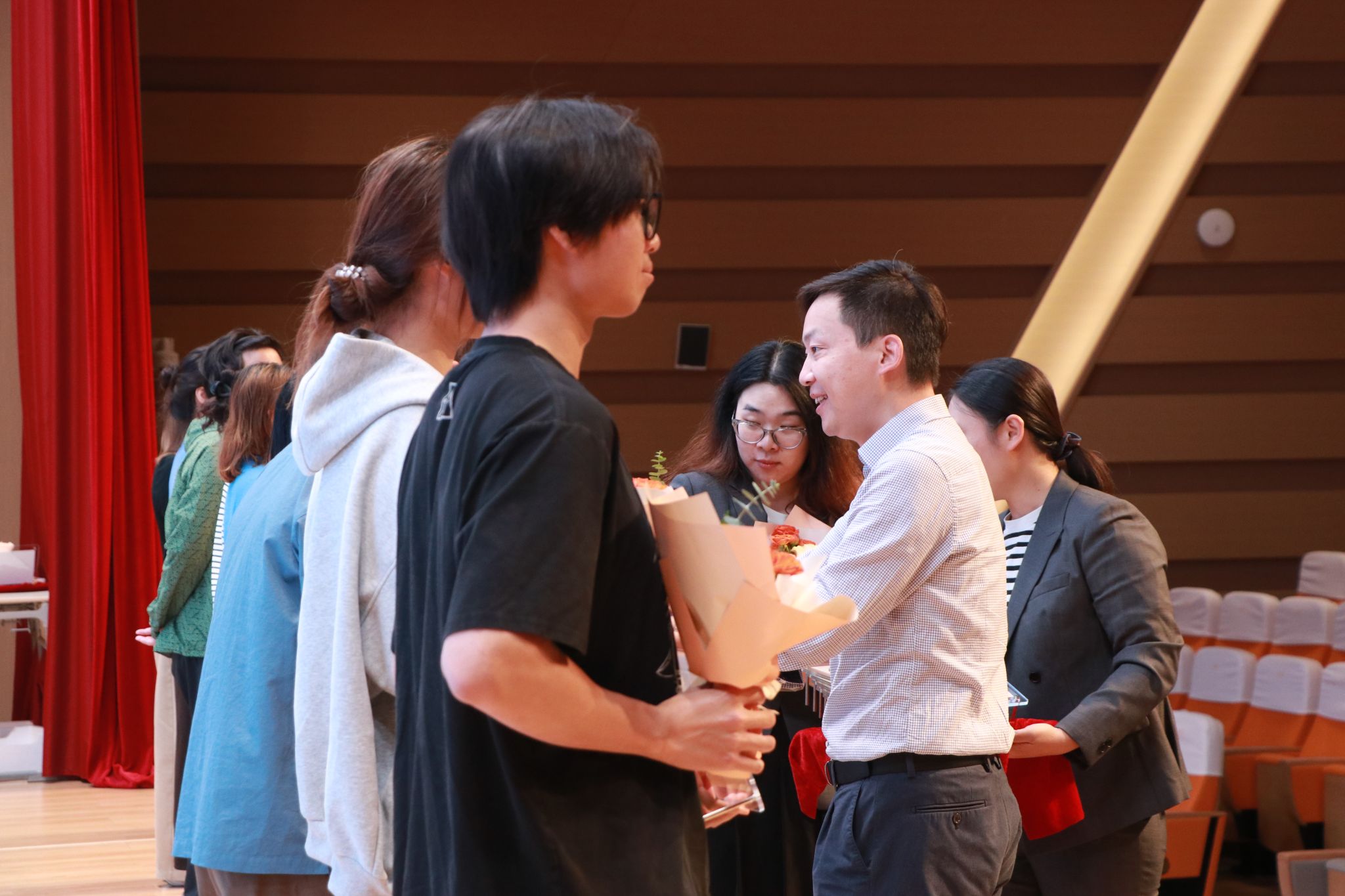
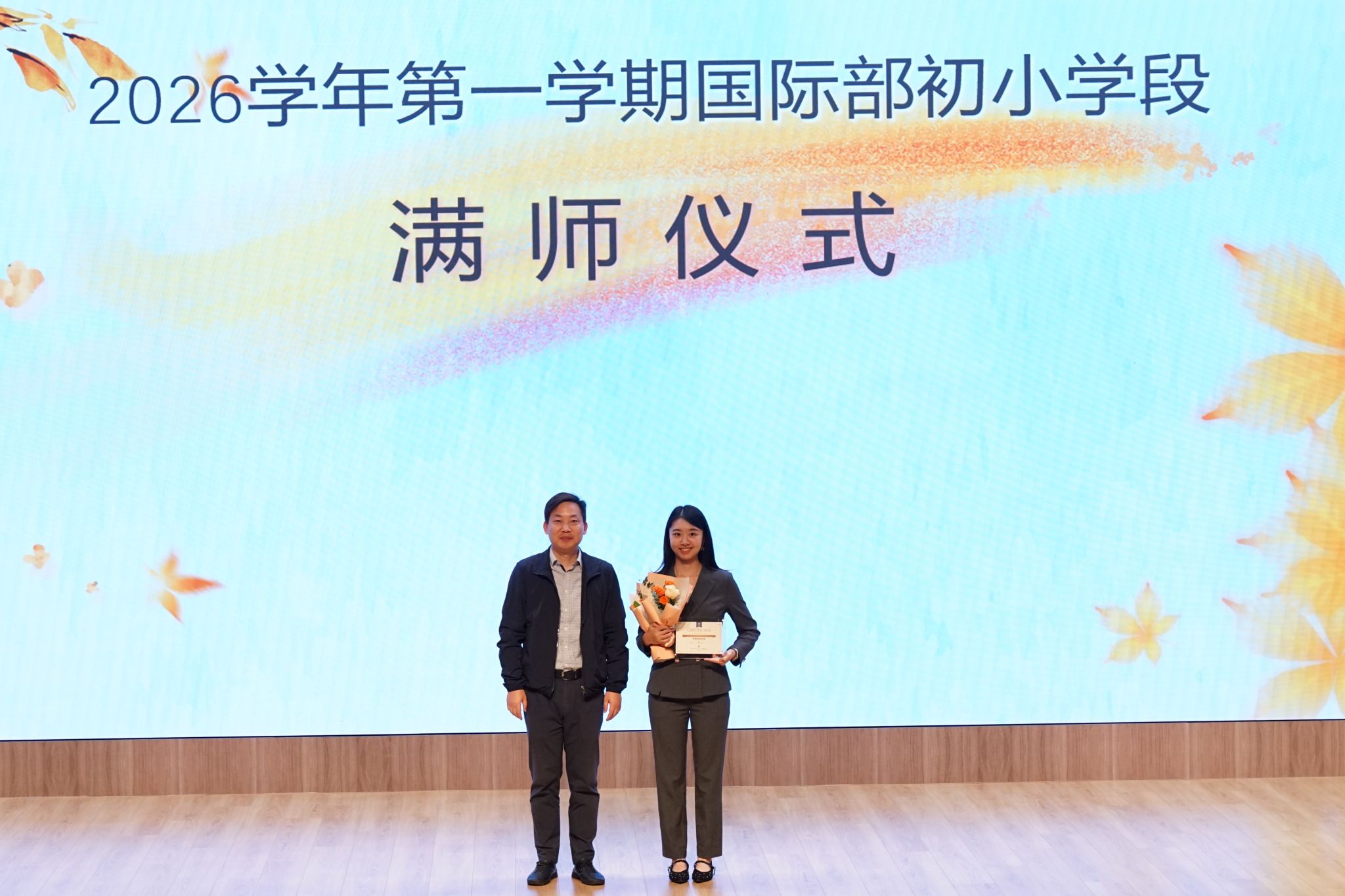
The event opened with the Mentorship Completion Ceremony. After two years of mentorship pairing, a group of young teachers fulfilled their phased growth requirements and celebrated their mentorship completion. Principal Liu Lian presented certificates and bouquets to the newly graduated teachers, congratulating the 2024 cohort of new teachers on completing their mentorship programme. The new teachers presented flowers to their mentors to express gratitude. Mentor-teacher representatives Zhao Jing, Kang Nina, Chen Xiaolei and Wu Shuang took the stage to revisit their mentorship commitments, share reflections on growth and pass on the original aspiration for nurturing students.
Principal Liu also awarded certificates and flowers to Zhou Hong from the 2025 cohort, who completed her mentorship ahead of schedule. Zhou Hong posed for photos with her mentors Du Jiani and Tian Lijiao. Mentor representative Du Jiani and Zhou Hong shared insights on mentorship and growth over the past two years.
Principal Liu delivered a concluding speech at the ceremony, encouraging all teachers to centre their work around the keyword "reflection and deliberation". He noted that teachers ought to deliberate on "what has not yet happened", "what has already happened" and "other people's situations". With a reflective mindset, teachers can refine their craft through constant polishing, achieve self-fulfilment through dedicated education, forge educational dedication with sincere aspirations, and steadily advance toward new educational horizons. Director of MPTC Zheng Wenyin closed the ceremony under the theme "Toward New Horizons", encouraging young teachers to keep forging ahead in their professional practice.
II. Uniting Insights through Research, Deepening Classroom Practice — Thematic Research Seminars for Teaching Groups
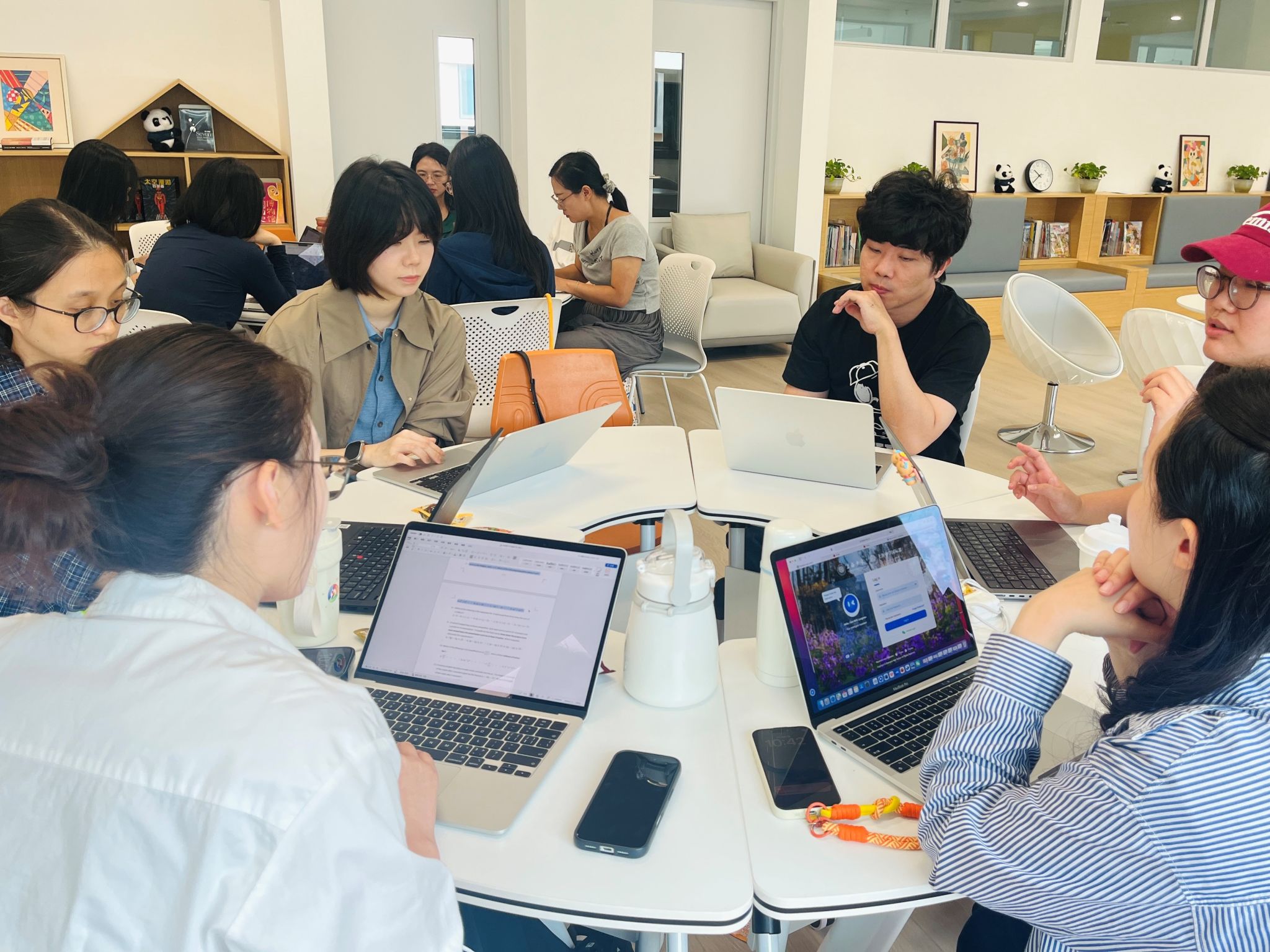
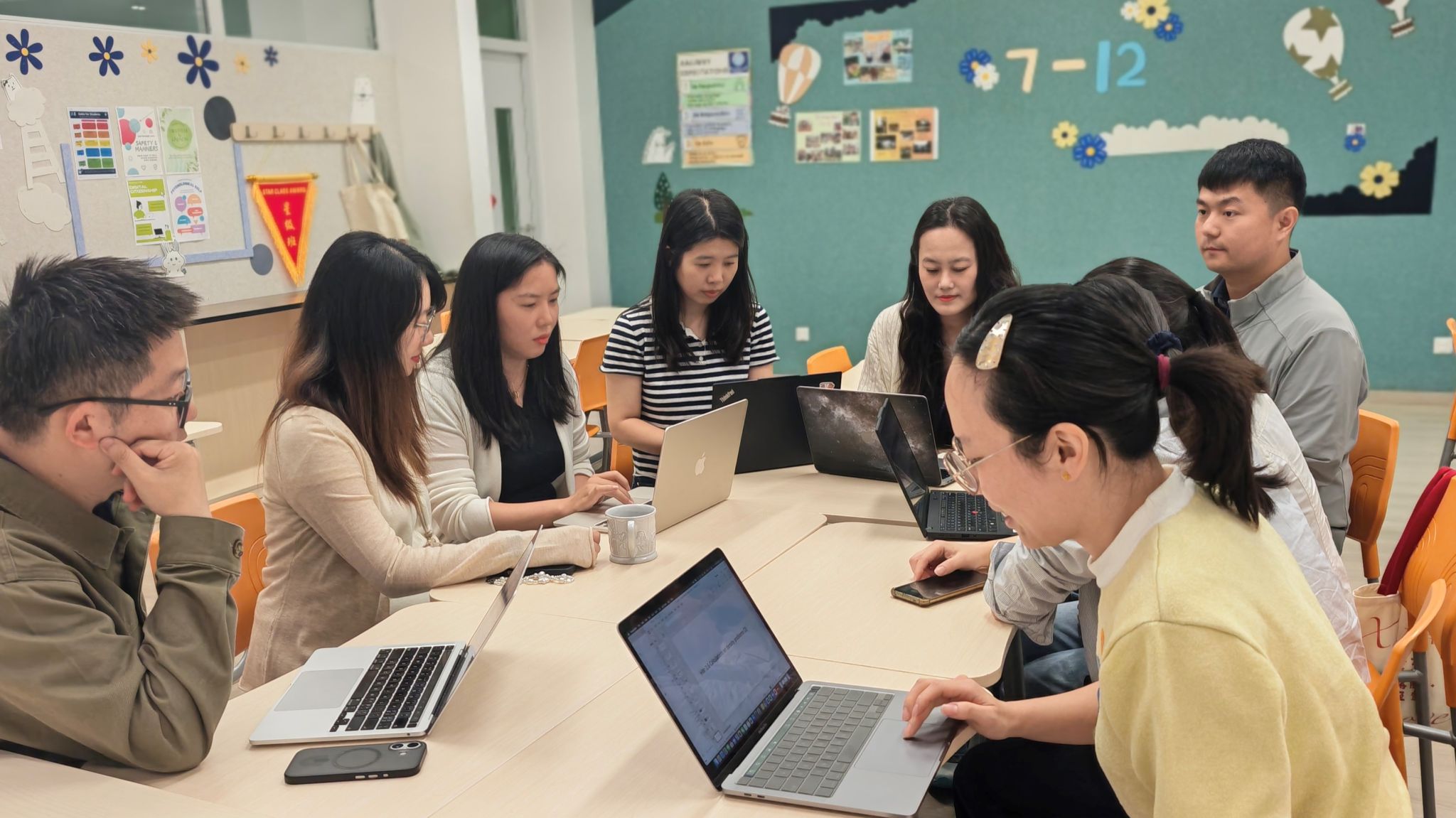
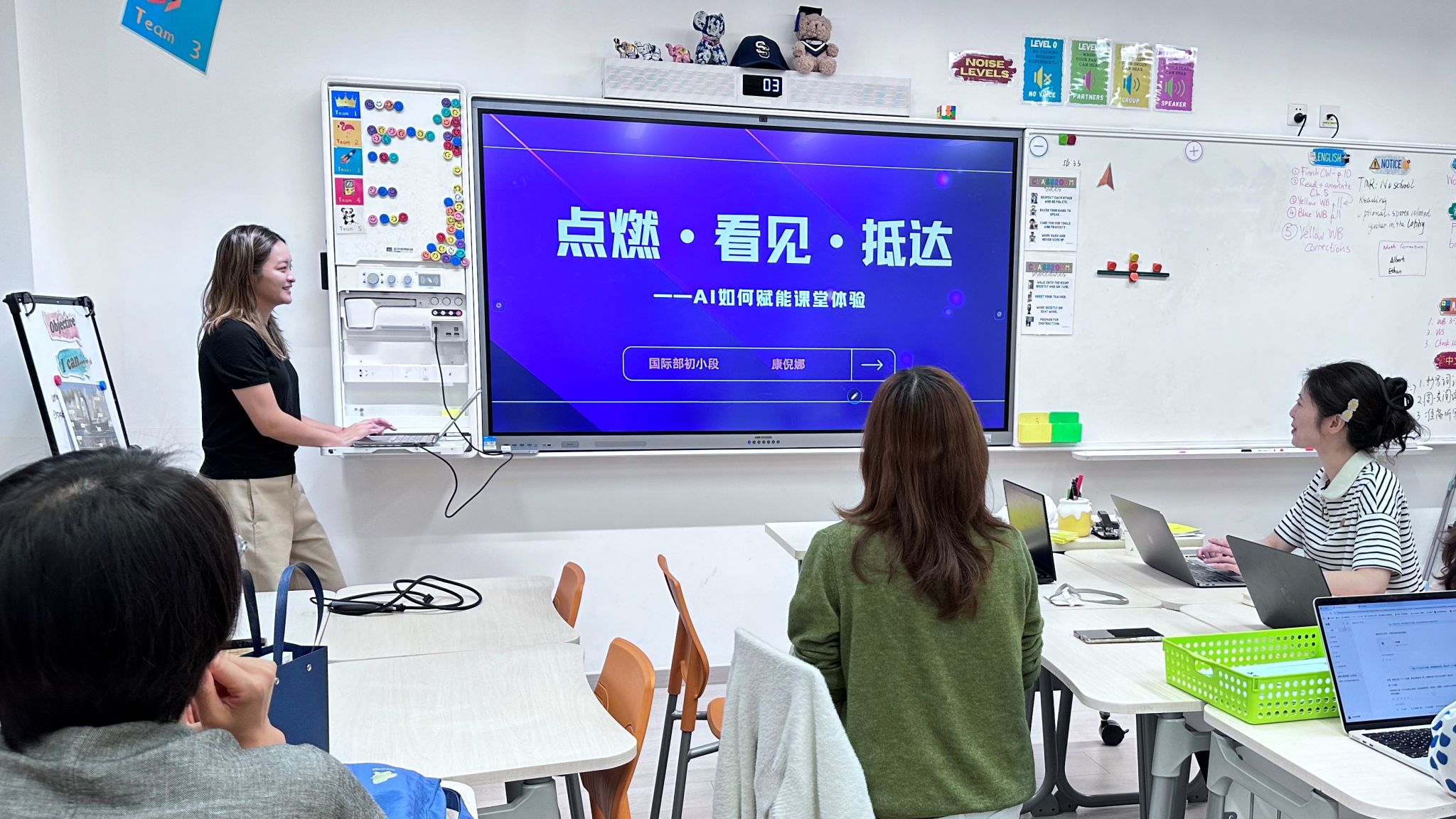
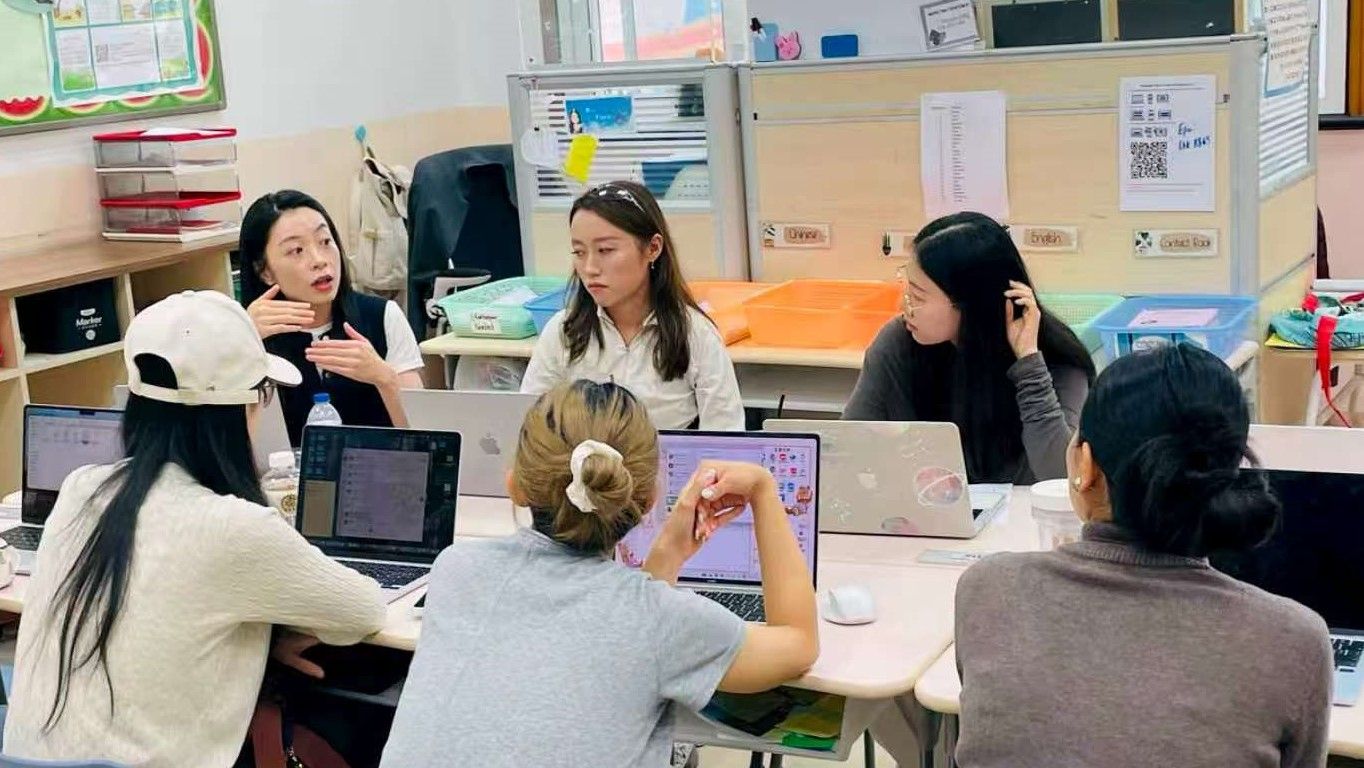
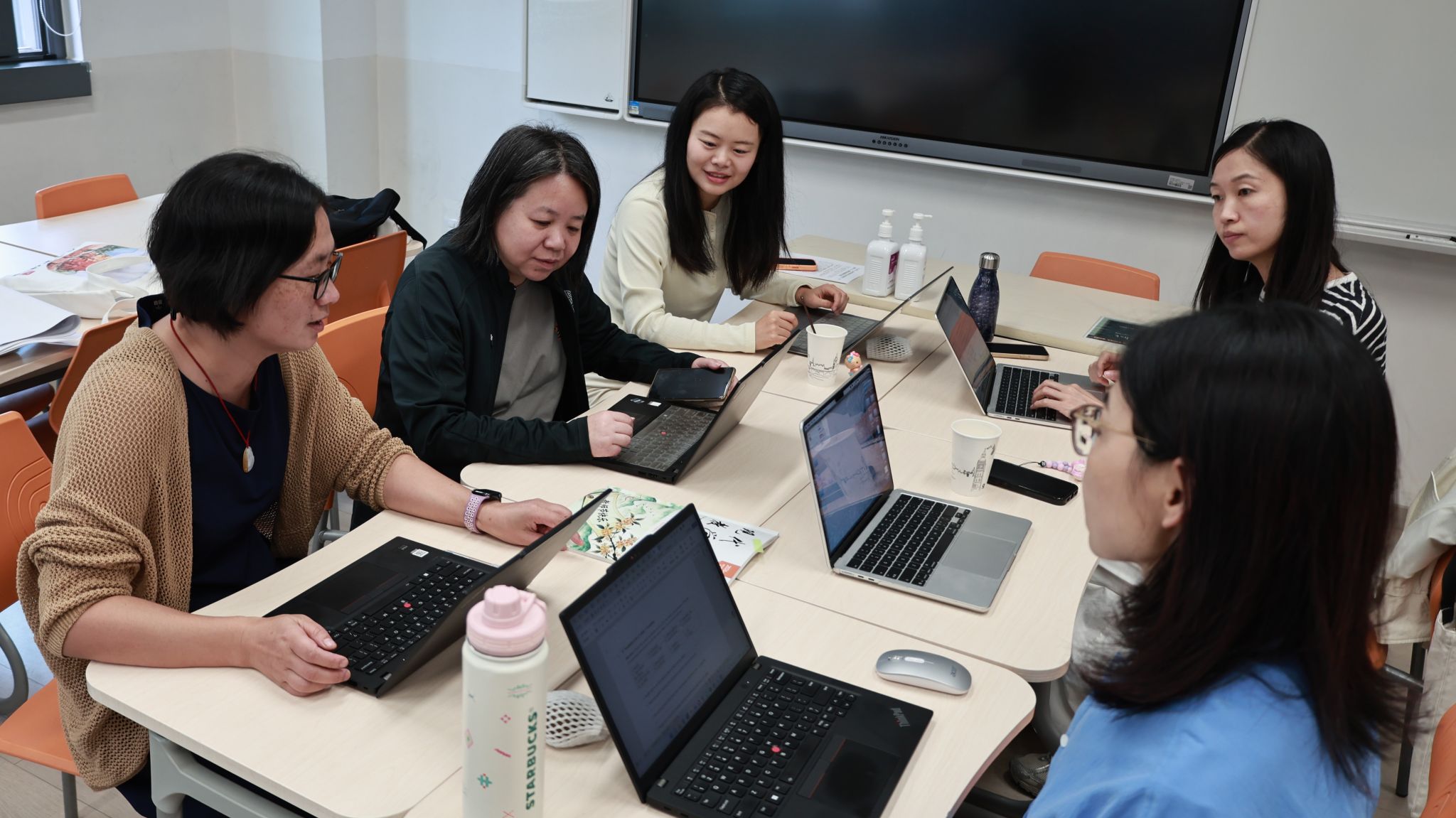
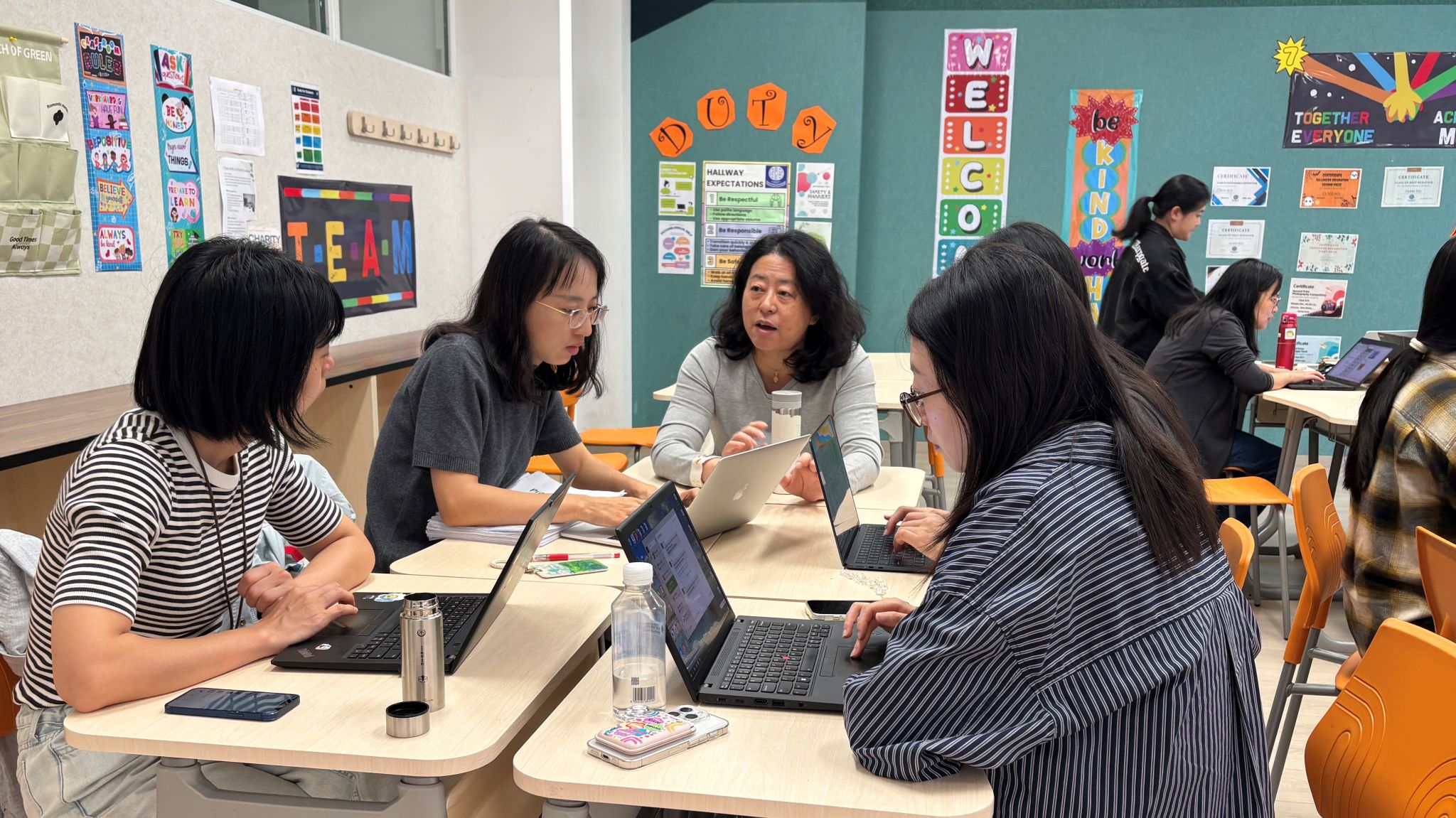
Following the ceremony, each teaching group held parallel special seminars, deepening the collaborative research atmosphere of the Professional Development Day. Centring on the core topic "How to Cultivate Students' Thinking Skills in the AI Era", each subject leveraged its disciplinary characteristics to explore practical pathways for empowering teaching with AI and fostering students' independent critical thinking.
The Primary School Chinese Group conducted discussions from three dimensions: textbook units, classroom instruction and project-based research. In the AI era, teachers should shift from "knowledge deliverers" to "thinking facilitators". They should harness the strengths of AI while exposing its limitations, so that students can develop thinking capacities that surpass AI through raising questions, inquiry and critical analysis.
The Primary School Mathematics Group carried out in-depth discussions covering textbooks, teaching units, classroom practice, project-based experiments and assessment, aiming to build a progressive thinking-training system aligned with grade levels. Participants proposed tapping into reflective materials in textbooks, and constructing growth ladders spanning expression, conjecture-verification and critical thinking for different grade bands. Classroom teaching should prioritise reasoning. Authentic inquiry tasks should be designed via project-based experiments. Assessment should place greater emphasis on thinking processes and encourage students to question conclusions, even those generated by AI. A consensus was reached: teaching should shift focus from "giving answers" to "posing questions, verifying answers and making judgements".
The Middle School Mathematics Group explored new AI-empowered lesson-evaluation models based on demonstration classes. Teacher Zhang Yiwen presented instructional design, key and difficult points and post-lesson reflections of her lesson. Teams discussed student thinking, questioning, inquiry and creativity. They sorted viewpoints and exchanged outcomes with audio recordings and AI tools, deepening understandings of classroom teaching through intellectual exchanges. Teacher Tan Siyi shared practical experience of AI-assisted instructional design based on lesson cases. Teacher Zhou Shengyuan demonstrated supporting web-based resources developed with AI for unit-level teaching. The seminar summarised classroom strengths and clarified areas for improvement including students' active questioning, in-depth reasoning and creative problem-solving. It further explored pathways for deep integration between AI and mathematics teaching research to boost students' thinking abilities.
The Middle School Physics Group focused on fostering students' autonomous learning empowered by AI. Teacher Guo Lei demonstrated a complete workflow: students complete online assessments on the LC platform → the AI platform automatically conducts analysis → personalised reports and consolidation exercises are generated → materials are automatically sent to students' registered email accounts. Group teachers put forward detailed suggestions for revising the content and format of personalised reports after trials. Consensus was formed: AI serves as a diagnostic tool and learning scaffold rather than an answer generator; students should think independently before seeking technological support; personalised exercises shall promote deep understanding and knowledge transfer; reports can be transformed into resources for whole-class collaborative research; teachers shall adjust instruction based on data and strictly uphold boundaries for data security.
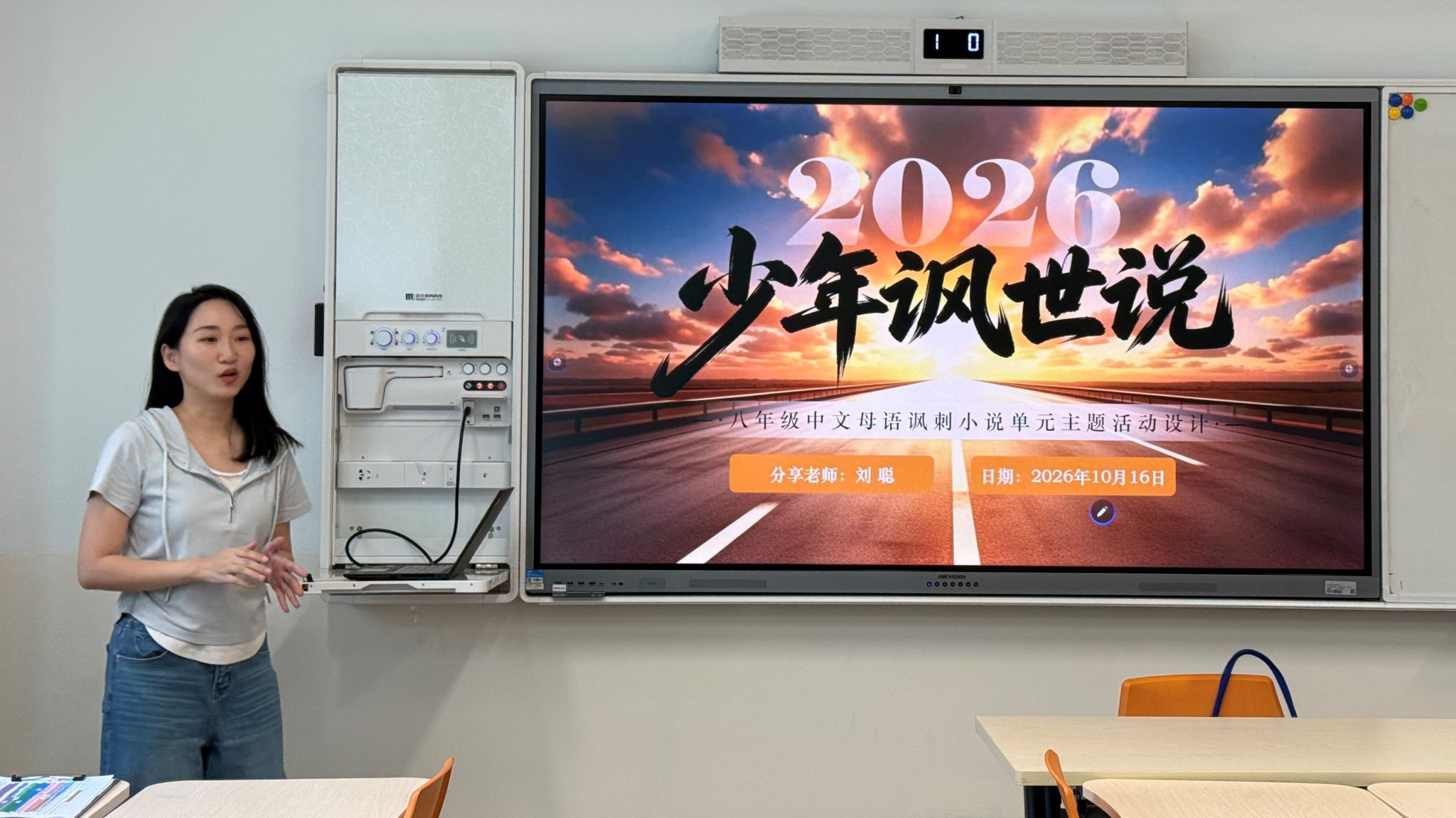
The Middle School Chinese Group held case-sharing and group discussions. Teacher Liu Cong focused on unit activity design. Taking the satirical fiction unit "Adolescent Perspectives on Social Satire" as an example, she illustrated how to guide students to deepen comprehension and develop thinking through reading, critical reflection, creation, evaluation and performance in the AI era. Teacher Qiu Linyu shared progress in constructing a cross-campus online database supported by AI, demonstrating the application of artificial intelligence and digital tools in teaching collaboration, resource integration and learning support. The Professional Development Day strengthened teaching consensus: AI can act as a learning assistant, yet students' thinking must never be replaced. Moving forward, the Junior High Chinese Group will take unit-based activities as the main thread and "Three-Document Design" as a key measure. By combining technological empowerment with deep thinking, the group will promote students' development of thinking competence through real-world problems and creative expression, realising the educational vision of "AI + HI = SI".
The Primary-Middle School Science Group engaged in thorough exchanges on classroom teaching, assignment design, experimental inquiry, project-based learning and assessment feedback based on daily teaching practice. Participants explored effective approaches to enhancing students' thinking quality and scientific literacy. They also discussed the appropriate application of AI tools in instructional design, resource development and interactive learning, reflecting on how technology can transform abstract knowledge into vivid, intuitive learning experiences. Afterwards, teachers attended special training on scientific research instruments at the Imaging Centre. The seminar integrated teaching-strategy discussions with hands-on training on research equipment, broadening teachers' instructional perspectives through communication, practice and reflection. The Primary-Junior High Biology Group will further advance teaching practice, guiding students from knowledge comprehension toward practical application and innovative thinking, and nurturing learners with independent learning abilities, scientific inquiry spirits and innovative awareness.
The Middle School History-Geography Group exchanged ideas on AI-enabled teaching practices, digital-resource development and norms for student AI usage, exploring innovations and transformations of pedagogy in the age of artificial intelligence. Drawing on concrete teaching cases, teachers shared practical experience of AI in instructional design and resource development. They further explored diverse pathways for integrating AI into teaching, while addressing risks such as oversimplified content, biased information and factual fabrication in AI-generated outputs. Accuracy of information, reliability of evidence and rationality of conclusions carry particular weight in history and geography disciplines. Teachers should guide students to verify information and analyse evidence instead of blindly relying on AI. Discussions deepened teachers' understanding of AI applications in education. The History-Geography Group will keep exploring the organic integration of technological empowerment and disciplinary education. While improving teaching efficiency, the group aims to cultivate students' information literacy, critical thinking and independent judgement, so that AI can truly serve as an effective tool for learning and reflection.
The Professional Development Day carried forward educational dedication through the Mentorship Completion Ceremony and pooled teaching-research strength through seminars. All teachers gained fresh motivation for professional growth. Teachers from the Primary-Middle School division will uphold their original educational mission, pursue continuous refinement in practice, advance toward new educational horizons and jointly embark on a new journey of student-centred education.
(Written by MPTC
Pictures by Ginger Xu, Minxuan Cao
Reviewed by Wenying Zheng, Chenli Shen, Shiyu Wu)