-
ABOUT US
-
ACADEMICS
Curriculum Program
Departments
- English
- High School Chinese
- Primary and Junior School Chinese.
- High School Mathematics
- Middle School Mathematics
- Primary School Mathematics
- Music and Fine Arts
- Physical Education
- Physics
- Chemistry
- History and Geography
- Physical Science and Optional courses Department
- Middle School Biology
- High School Biology
- Social Sciences
- Computer Science
- Courses in Primary School
Achievements and Matriculations
College Counseling
Science & Technology Innovation Contest
Subject Competition
-
ARTS
-
ATHLETICS
-
AT SHSID
SHSID ∣ TIMES
PTSA
Club Exhibition
- 龙吟社
- Live 2 Drama
- Choir
- Hip-pop Dance Club
- The Primary School Dance Troupe
- Symposiums Club
- Biology Workshop
- You Shan
- VEX Robotic
- Peking Opera Club
- Baseball Club
- Model United Nations
- The World Scholar’s Cup
- Future Problem Solving Club
- OM Club
- AMC Club
- Music for Patients
- Smile Charity
- Stem Doge Alliance
- Chinese Debate Club
- IAA
- Mock Trial Club
- Zhengming Club
- Furry Friends
- GT-Racing
- Village Radio
- IMMC Club
- Creative Design and Intelligent Fabrication
- Future City Research Project
- ECOCAP
- AdvocaSEA
- SPDC
- Floorball Club
- Animusic MTC
- Wings Up
- Cyano
- Birding Community
Health and Wellness
Campus Safety
Cafeteria Service
-
ADMINISTRATION
-
ADMISSIONS
-
ALUMNI
Alumni Information
Honors Students
- Class of 2026
- Class of 2025
- Class of 2024
- Class of 2023
- Class of 2022
- Class of 2021
- Class of 2020
- Class of 2019
- Class of 2018
- Class of 2017
- Class of 2016
- Class of 2015
- Class of 2014
- Class of 2013
- Class of 2012
- Class of 2011
- Class of 2010
- Class of 2009
- Class of 2008
- Class of 2007
- Class of 2006
Who Studied at SHSID
SHS Foundation
-
DOCUMENTS
Hongkou Campus: Growing Independence Together—Grades 2–4 Parent Nights
Introduction
In October, the Hongkou Campus hosted the Parent Nights for Grades 2 to 4. Centering on the theme of "Growing Independence Together", the series was tailored to the developmental needs of each grade. Through diverse sessions including grade-level presentations, subject sharing, class updates, and parent workshops, the school and families engaged in in-depth dialogues. From habit formation in the lower grades and deepened thinking in the middle grades to proactive planning in the upper grades, the three meetings progressively built upon one another. Together, they outlined the children's growth trajectory from "growing independence" to "proactive exploration", building a solid bridge for collaborative home-school education.
Grade 2
The Grade 2 Parents' Evening was successfully held on October 29. Centering on second-grade developmental progression and home-school partnership, the event helped parents gain a clear understanding of their children's developmental needs as second graders, so that we may jointly build a growth bridge for children to thrive in the future.
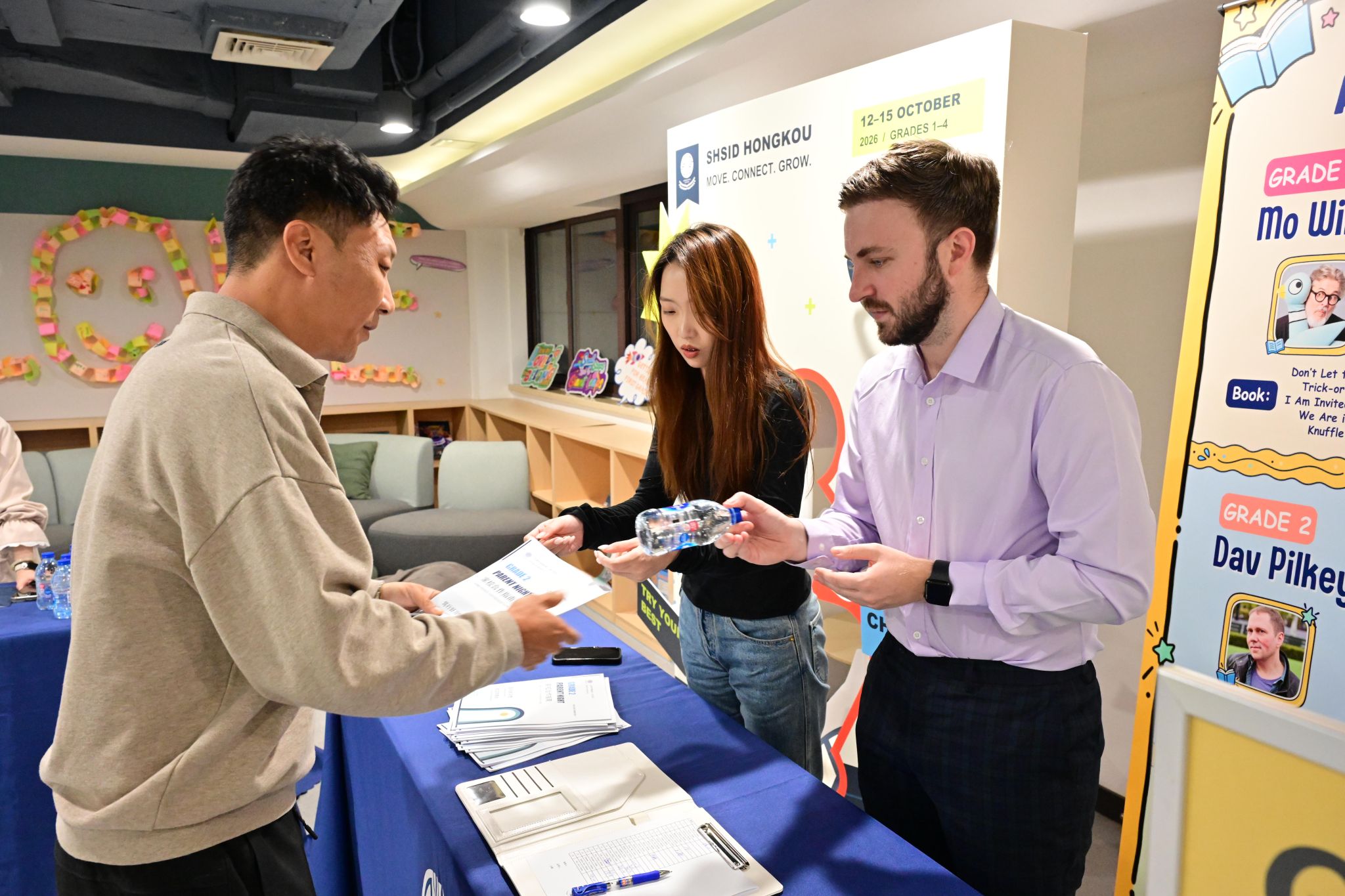
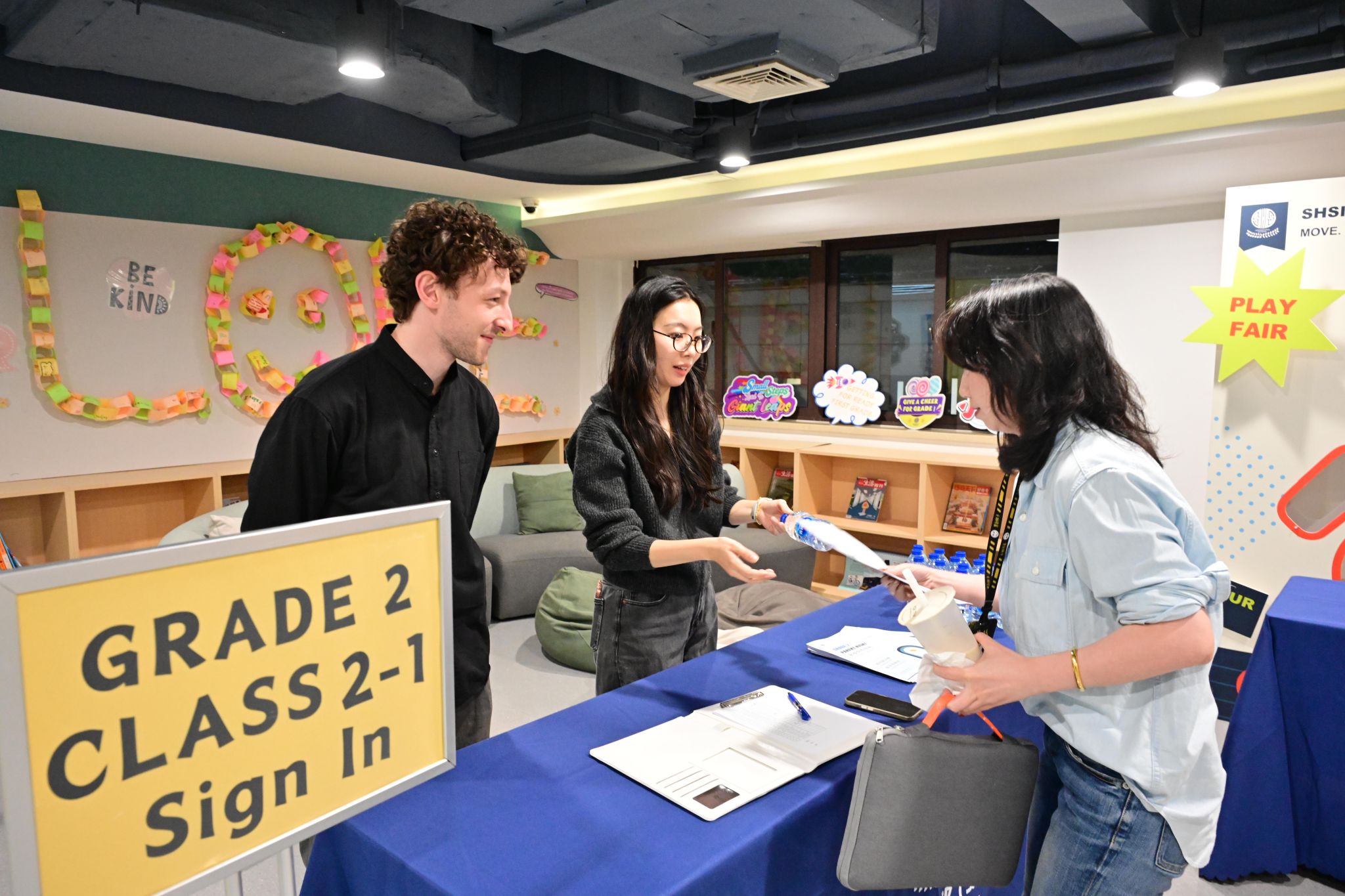
At the start of the event, parents checked in in an orderly manner and received information kits containing the core handout for the evening, which offered practical references for home-school collaboration. Footage of students' in-class interactions and club activities played on screen, creating a warm atmosphere that immersed parents in this "conversation on growth".
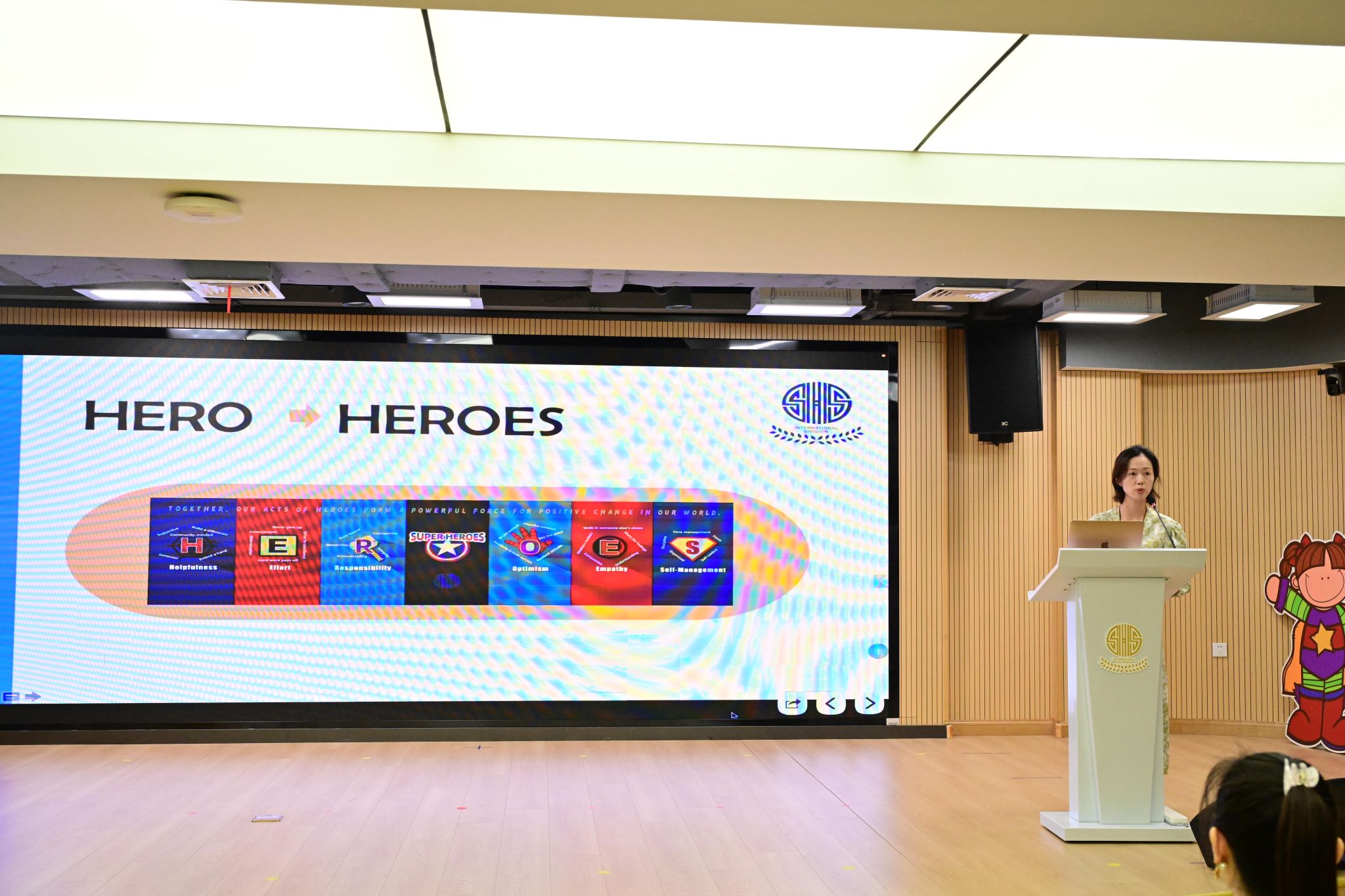
Once the parents' evening officially commenced, Ms. Zhao, Supervisor for Grade 2, delivered the first presentation focusing on "Key Developmental Shifts and Growth Expectations for Second-Grade Students". At the start of the semester, students were guided through Goal Setting. They documented their growth plans via "My Smart Goals" and were encouraged to share their self-set goals during Assembly. Character education was carried out with a monthly thematic focus. Parallel social-emotional learning focused on self-awareness and self-management, equipping students to regulate emotions and adapt to group settings.
When talking about fostering independent learning, Ms. Zhao pointed out the key differences between Grade 1 and Grade 2. While Grade 1 emphasizes foundational habits such as stationery organization and following homework routines, Grade 2 moves forward to goal-setting, progress-tracking and critical-thinking practice. Students are guided to plan after-school time through the task "Create your own after-school routines". She shared practical scheduling examples from students, which demonstrated their progressively improved time-management skills.
Subject teachers then took the floor one after another. They interpreted teaching plans, key learning challenges and featured activities for Grade 2 subjects. Practical, actionable advice was provided for parent concerns, highlighting the significance of family support as children tackle academic challenges.
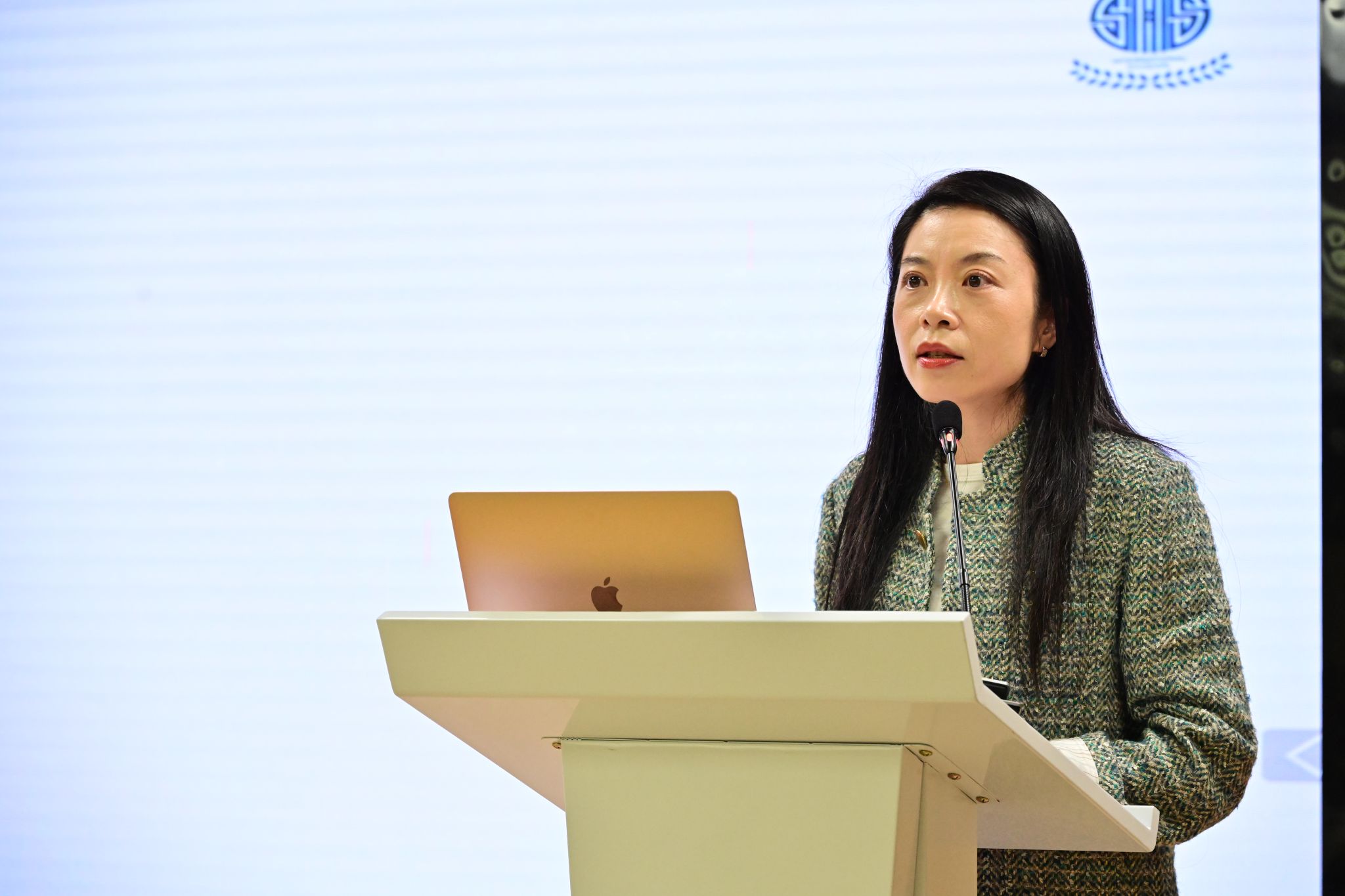
Ms. Chris, Director of the Hongkou Campus, presented under the theme Empowering Grade 2: Practicing Good Habits, Growing through Independence. She stated that education empowers children to understand the world, evaluate issues and make informed choices. Grade 2 falls at the "Taking Ownership" phase on the progression toward becoming an independent learner. Three home-based practices were recommended for families: observing and practicing focus, giving children ownership of learning tasks, and sustaining shared reading and conversations at home. Families are encouraged to draw up home action plans together with their children. Schools and families can exchange concrete observations, set small actionable goals and conduct regular reviews of children's progress, while giving children plenty of room to "have a go".
The session moved to class-level discussions, where parents engaged in in-depth conversations with form teachers. Teachers reviewed class performance over the opening month, outlining strengths and areas for improvement in habit-building and introducing class incentive schemes. Discussions unfolded in a lively, interactive manner.
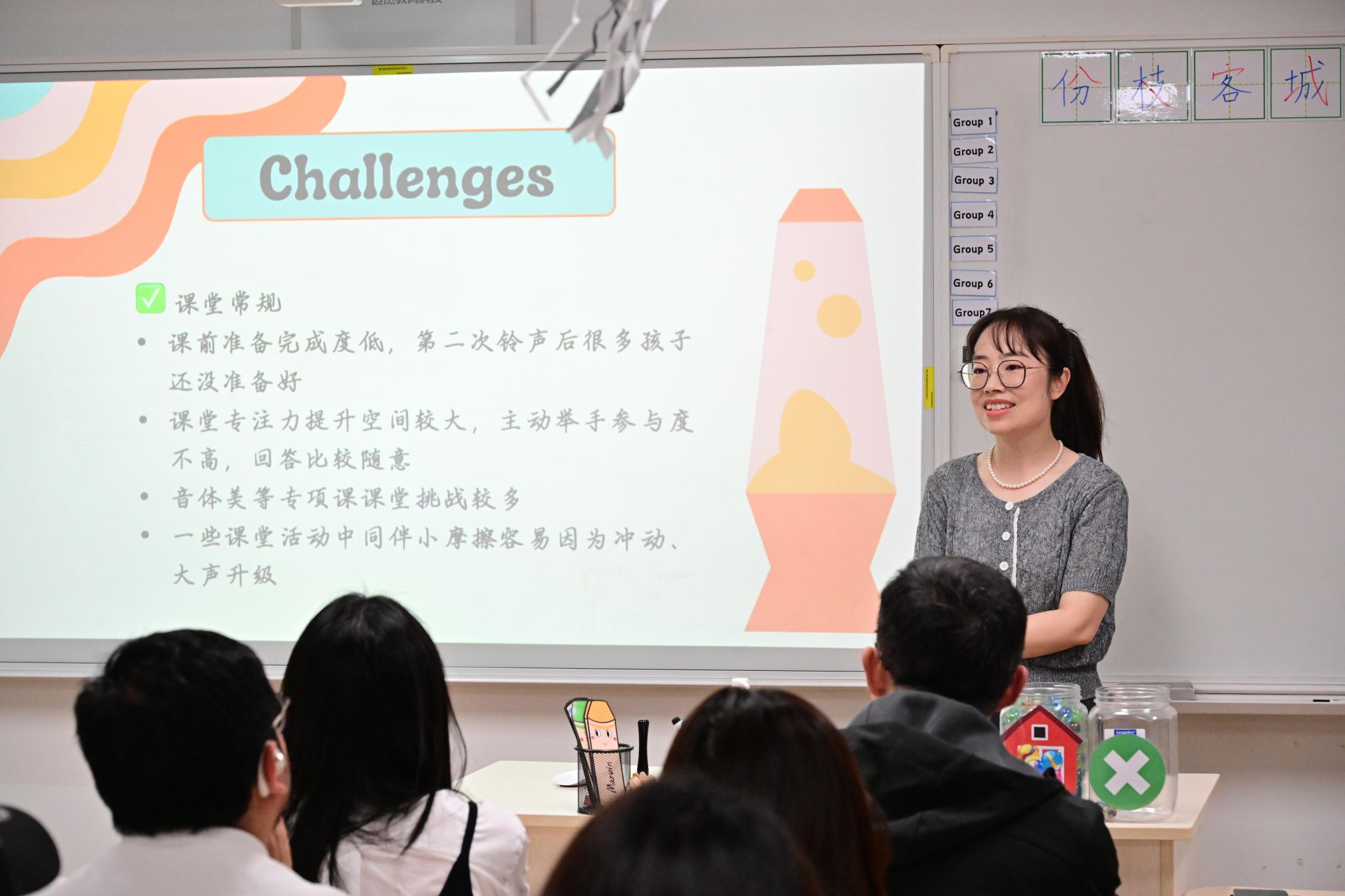
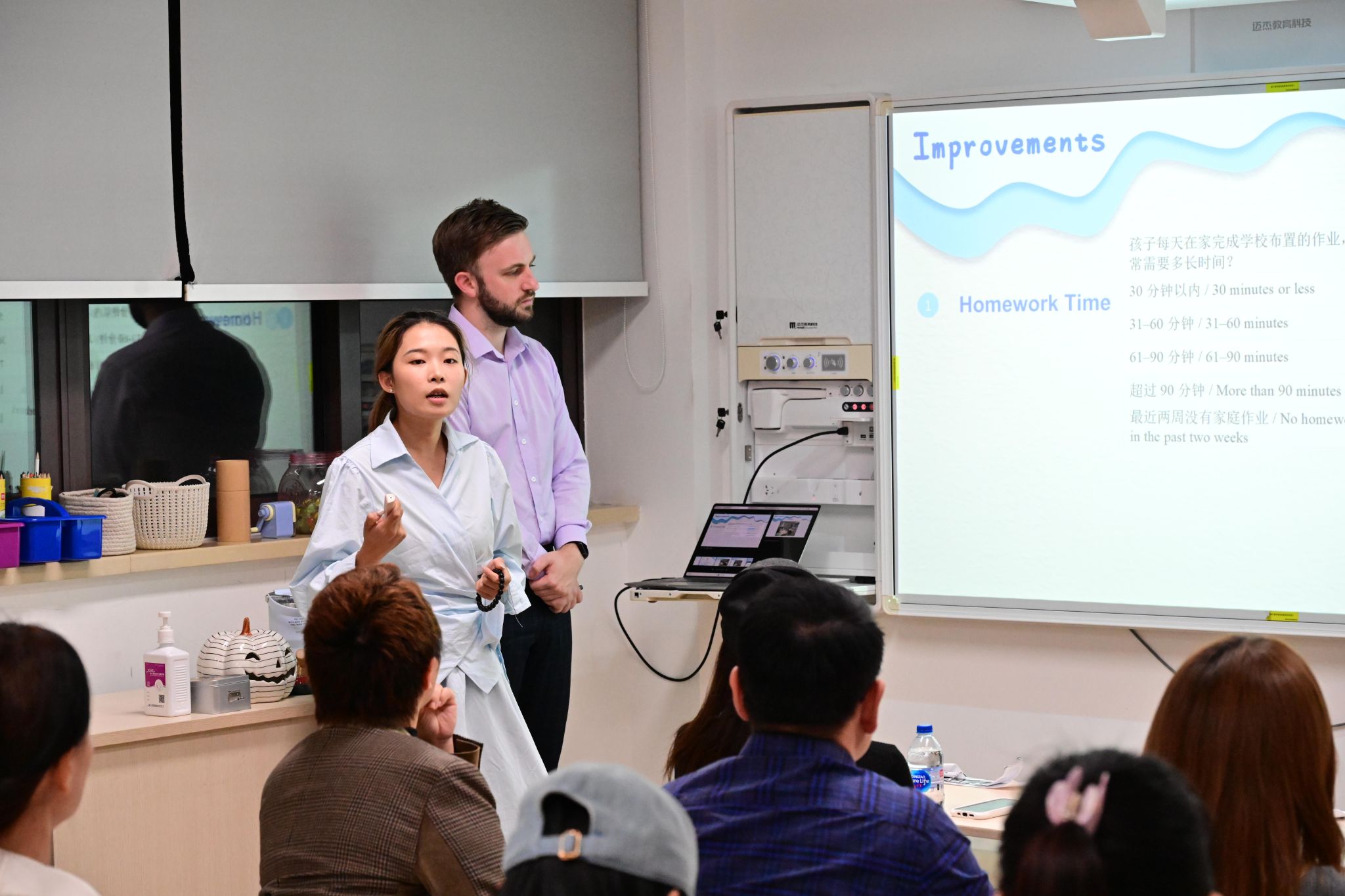
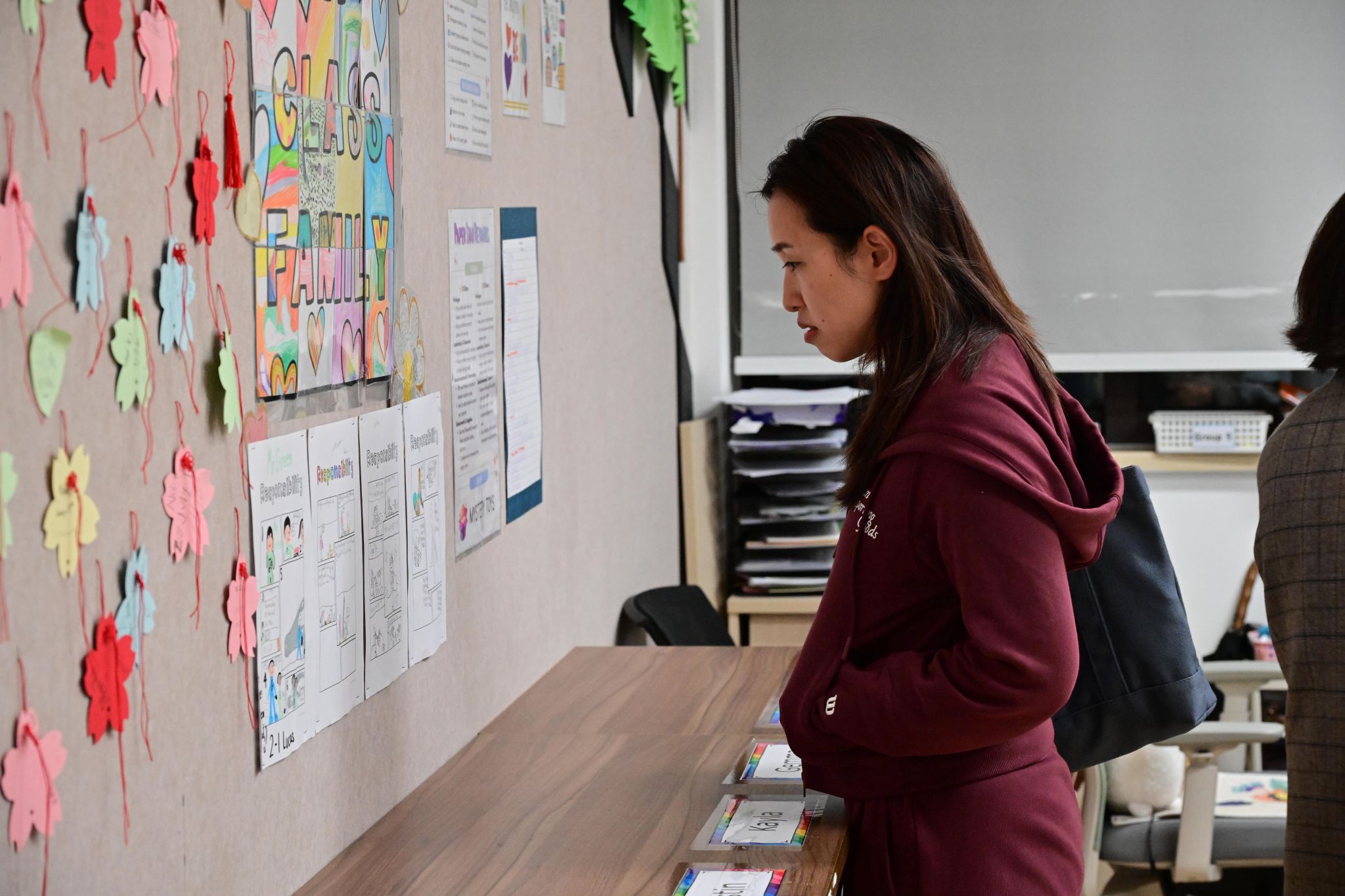
Following class-level discussions, special class-based sessions took place. Class 2-1 hosted a parent-school Q&A to address parents' questions on-site. Class 2-2 invited two parent representatives to share experiences on children's emotion management and independent learning competence. Participants exchanged views and generated educational insights tailored to second-grade children.
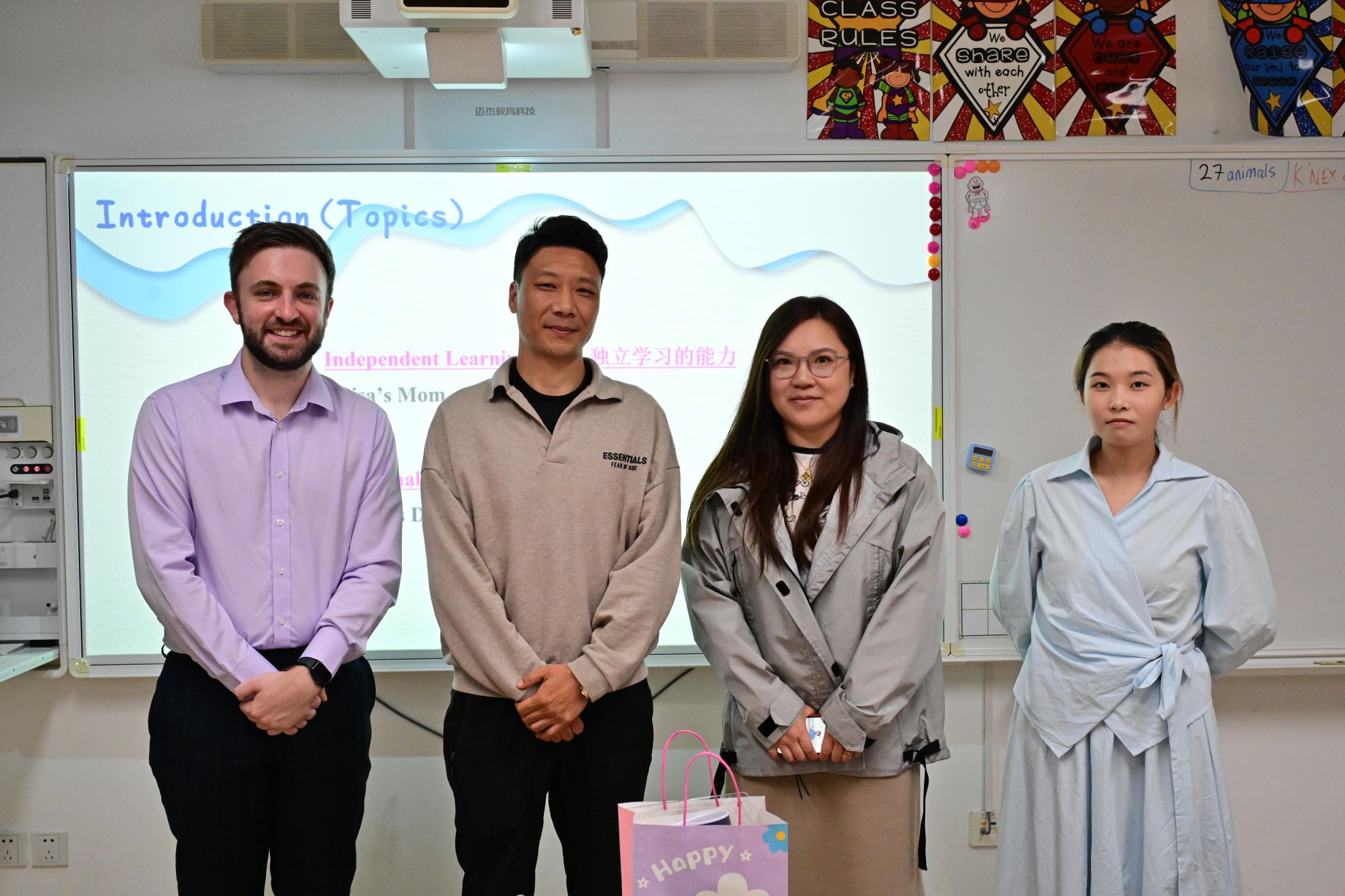
The parents' evening concluded on a positive and productive note. Parents commented that they had gained clear insights into their children's school life together with tangible strategies for family-based support. They look forward to further home-school communication to jointly empower children's growth.
Grade 3
On 22 October, Grade 3 parents gathered at the Hongkou Campus of Shanghai High School International Division for the semester's parent meeting. The meeting featured two sessions: a grade-level presentation followed by class-based discussions. Its aim was to deepen parents' understanding of the school's educational philosophy and priorities, explore the developmental needs of Grade 3 students, and discuss how schools and families can work together to prepare children for an increasingly AI-driven world. Through presentations on grade-level development, subject learning, and classroom life, the meeting fostered a shared understanding of how best to support students' academic progress and personal growth.
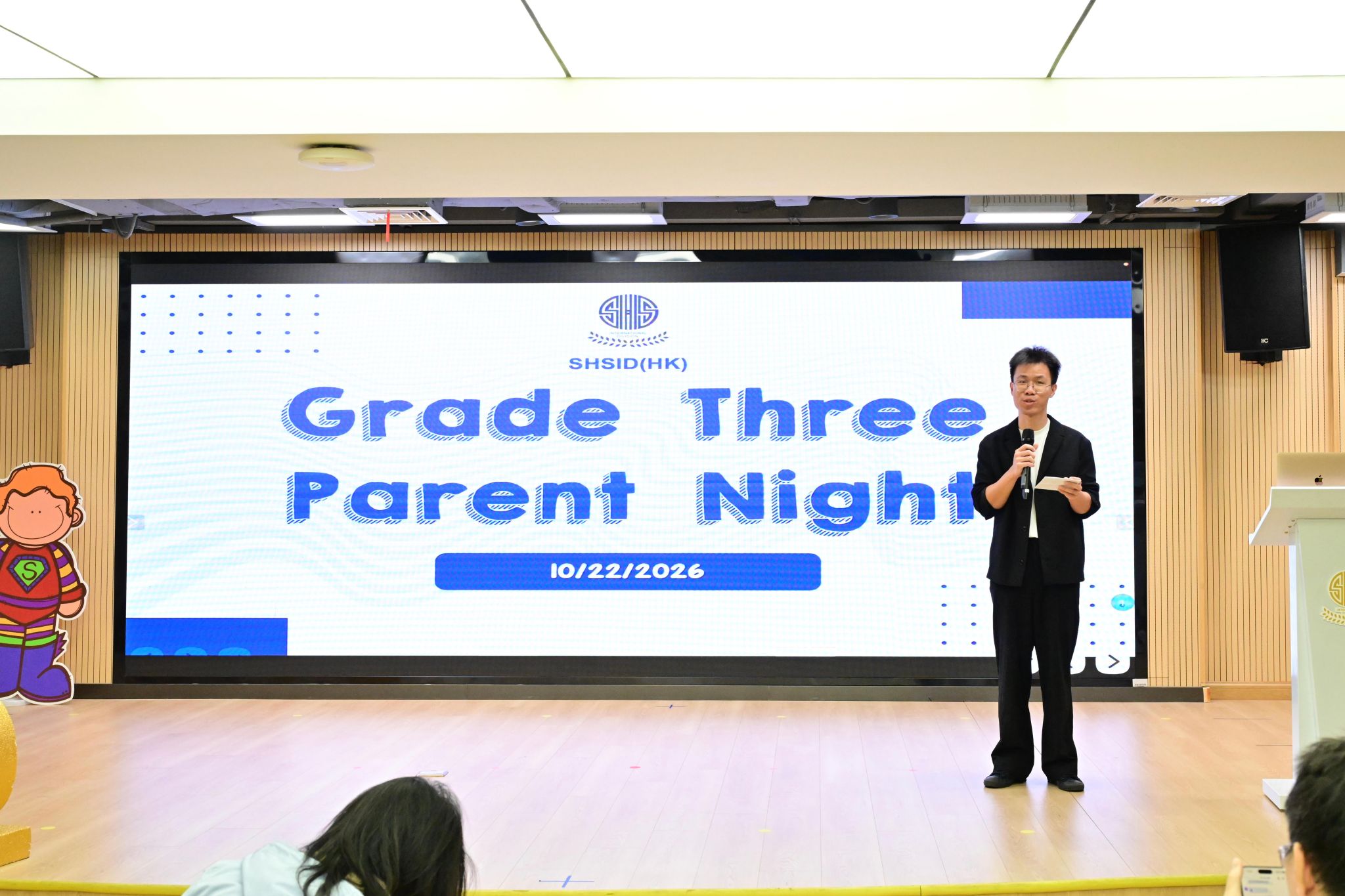
The meeting opened with an overview from Ms. Zhao, Grade Supervisor, who outlined the grade's priorities for the semester. Grade 3 marks an important stage in students' development, as they deepen their subject knowledge, strengthen essential skills, and begin to take greater ownership of their learning. The grade team's approach therefore focuses not only on academic achievement, but also on positive habits, personal responsibility, and character development. Students are encouraged to think independently, take responsibility for their daily tasks, and learn to cooperate with and understand others. By introducing the semester's key activities and plans, Ms. Zhao helped parents understand the grade team's educational goals and the important role families can play in supporting them.
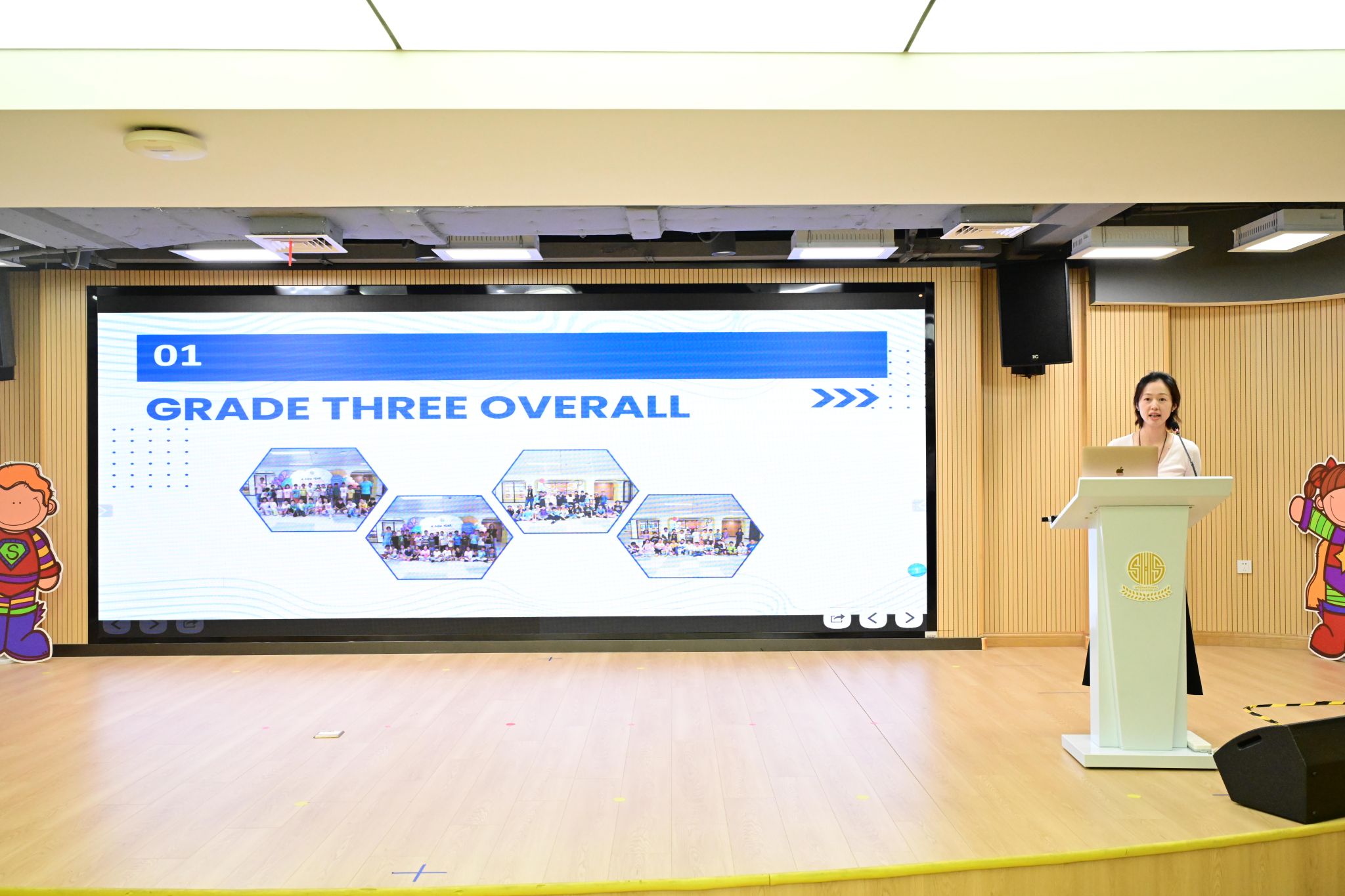
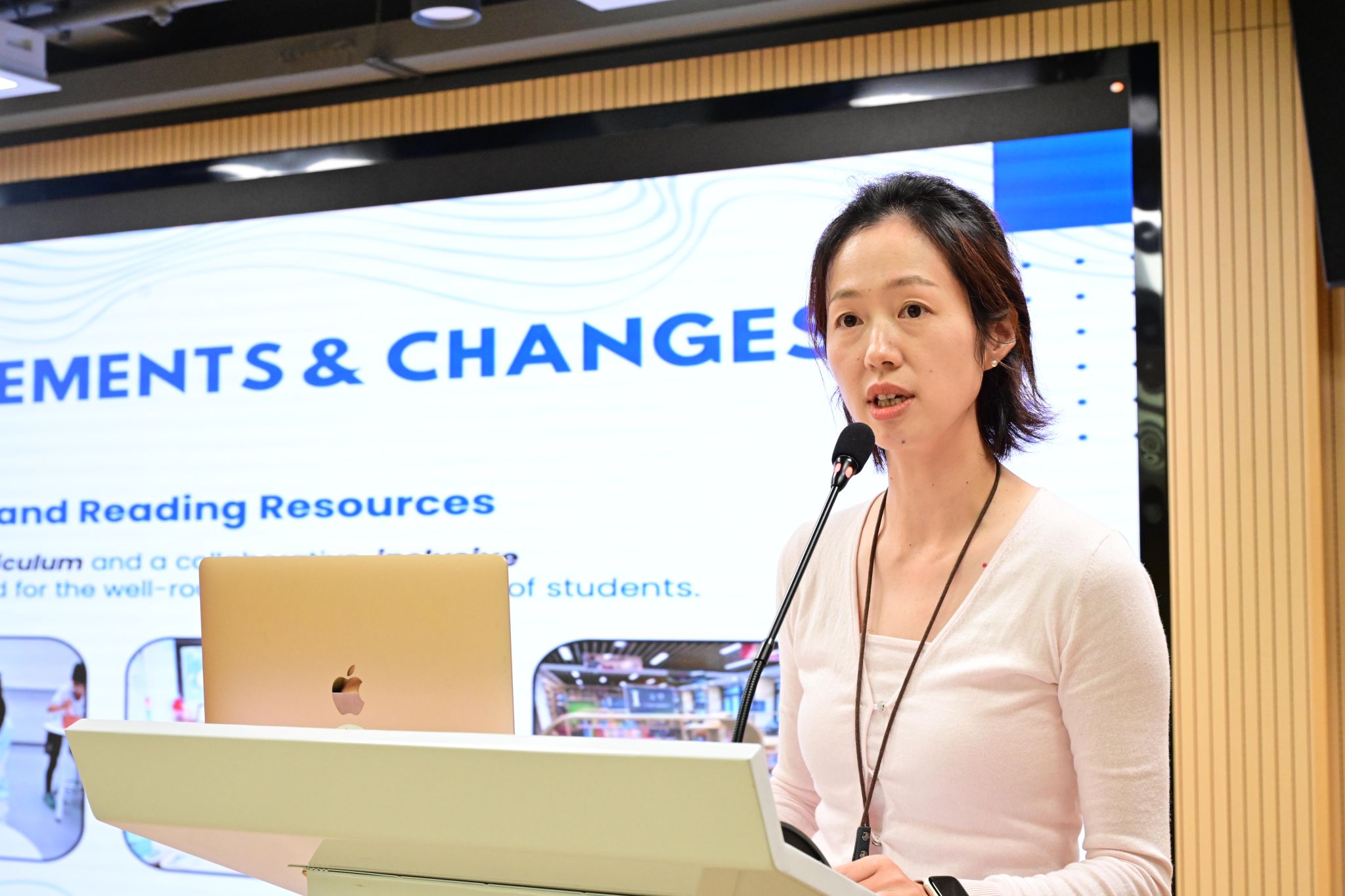
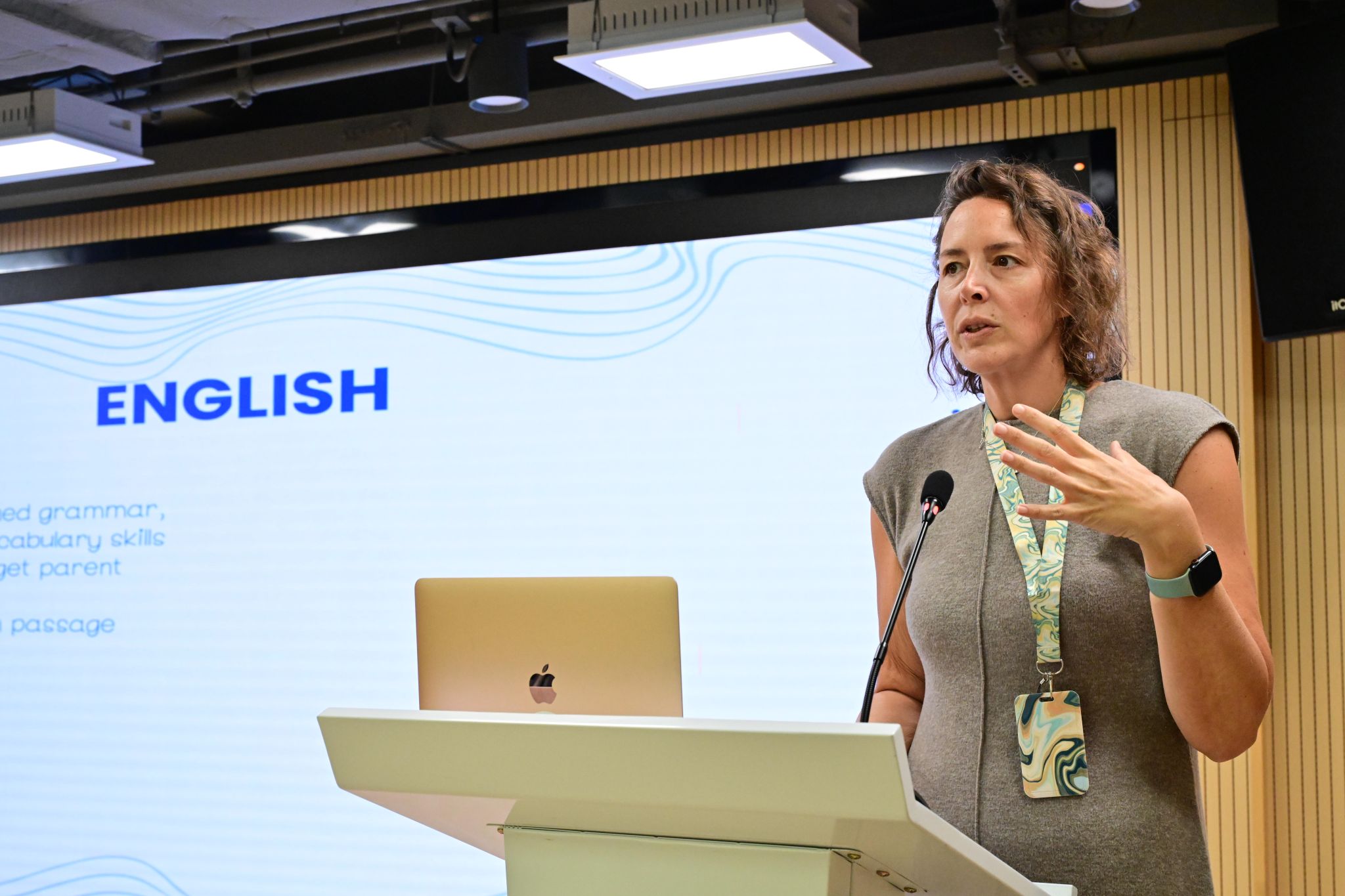
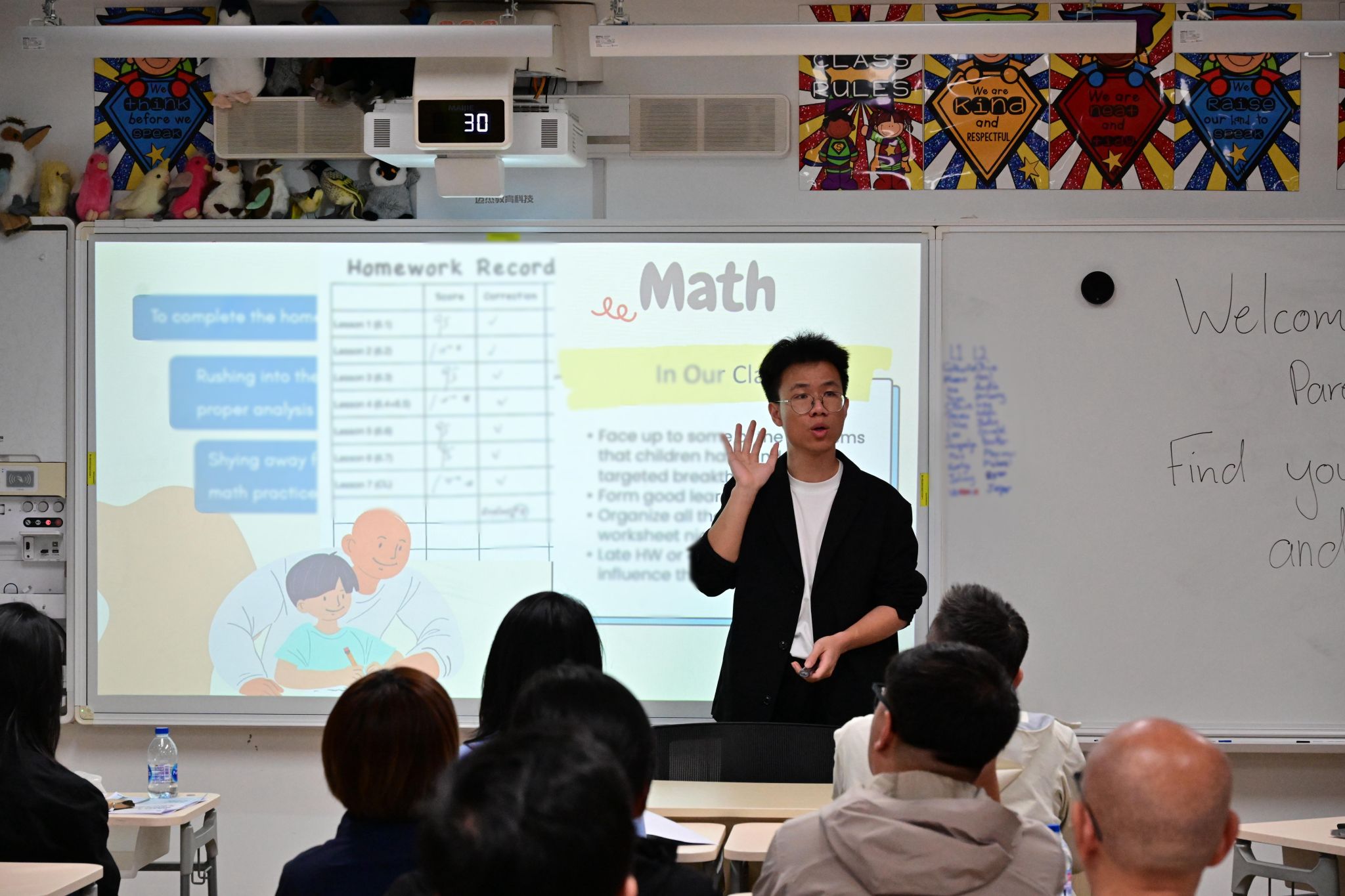
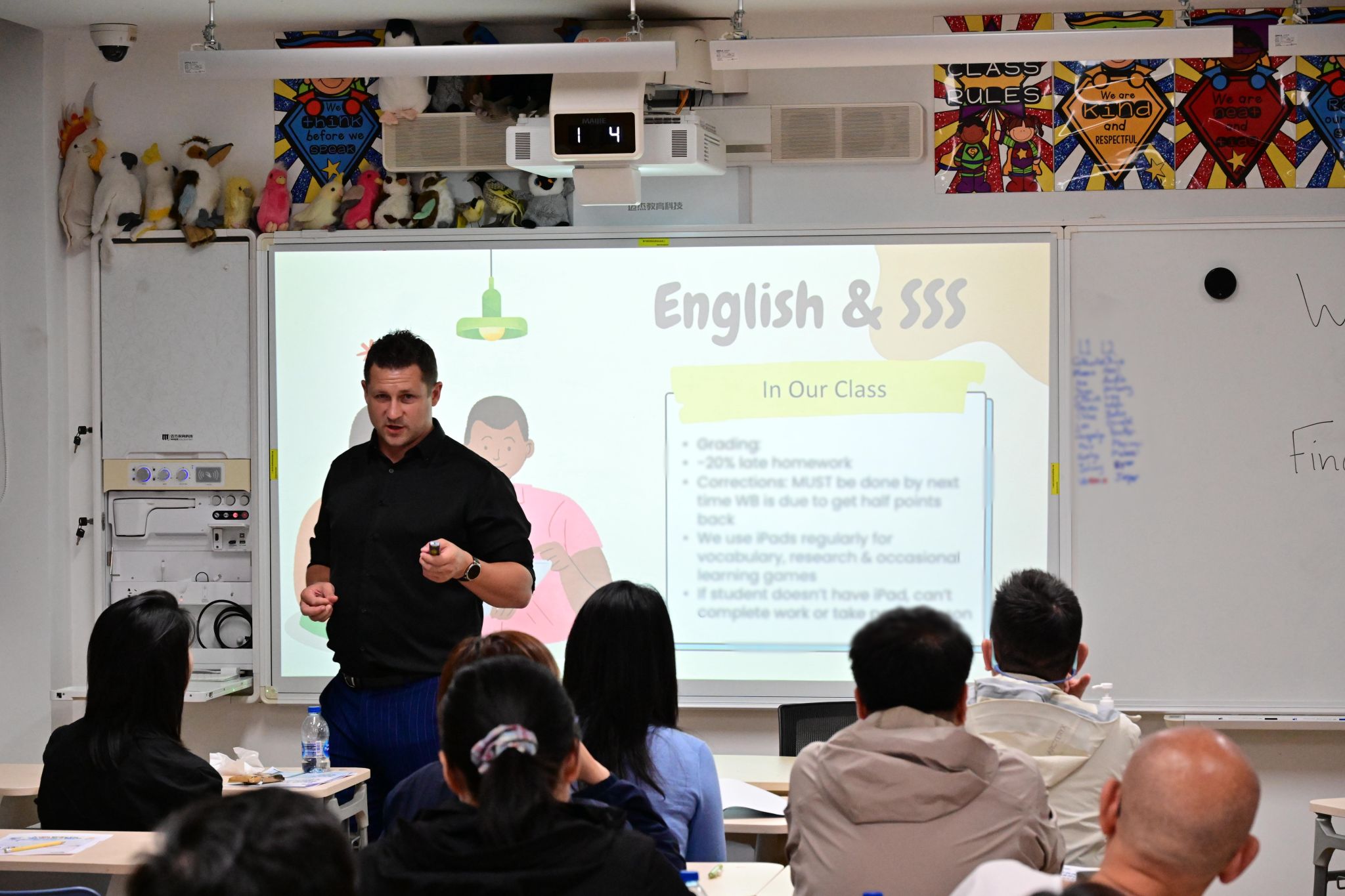
Subject teachers then shared an overview of their respective curricula, teaching priorities, and learning expectations. Drawing on the characteristics of Grade 3 learners, they explained how subject learning goes hand in hand with the development of critical thinking, communication skills, and effective study habits. They also offered practical advice on how parents can support learning at home. The presentations gave parents a clearer picture of classroom expectations and highlighted ways to help children manage their time, complete tasks independently, and approach problems with curiosity and initiative.
The focus then turned to education in the age of artificial intelligence, as Ms. Zhu Dan, Director of the Hongkou Campus, shared her perspectives on preparing students for a changing world. As AI reshapes how people access information and solve problems, she noted, critical thinking, creativity, communication, and collaboration are becoming increasingly important. At school, project-based learning, opportunities to explore AI tools, and a structured character education program give students opportunities to investigate ideas, put their learning into practice, and reflect on their experiences. Ms. Zhu also encouraged parents to nurture children's curiosity, welcome their questions, and give them the space to try things for themselves and make age-appropriate choices. Referring to findings from a survey on Grade 3 students' homework routines at home, she emphasized that this stage is an important bridge between the learning habits children have already developed and the greater independence expected in the years ahead. Consistent communication between home and school, she stressed, is essential to helping students become confident, resilient, and self-directed learners who are ready to continue learning throughout their lives.
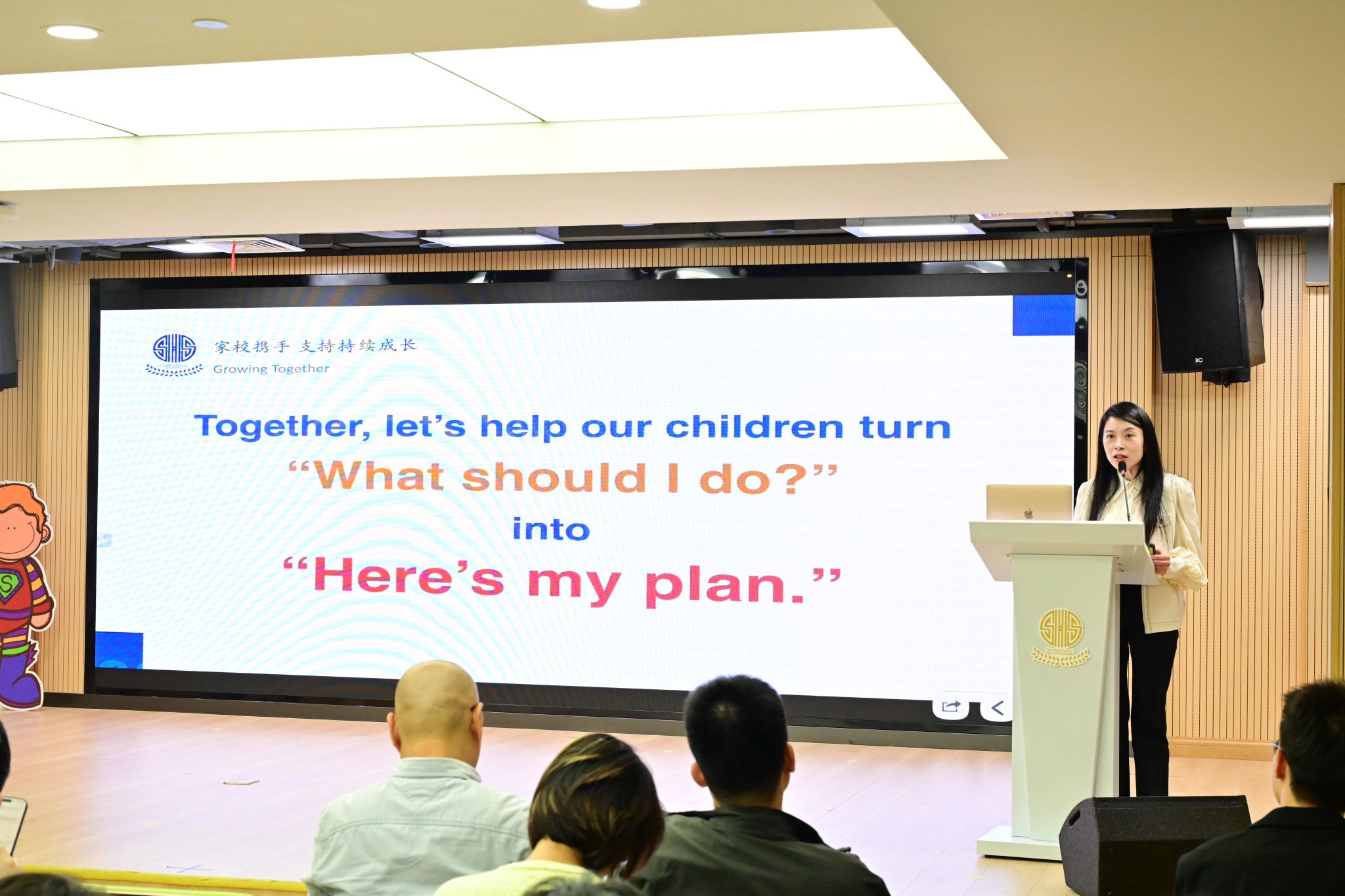
Following the grade-level session, parents joined their children's homeroom teachers for more focused discussions about classroom life and individual development. The teachers reviewed students' progress across subjects and shared observations on classroom participation, learning habits, peer relationships, and their growing sense of responsibility. By discussing specific examples from daily school life, teachers helped parents gain a fuller picture of their children's experiences, while identifying areas where continued encouragement and support would be beneficial.
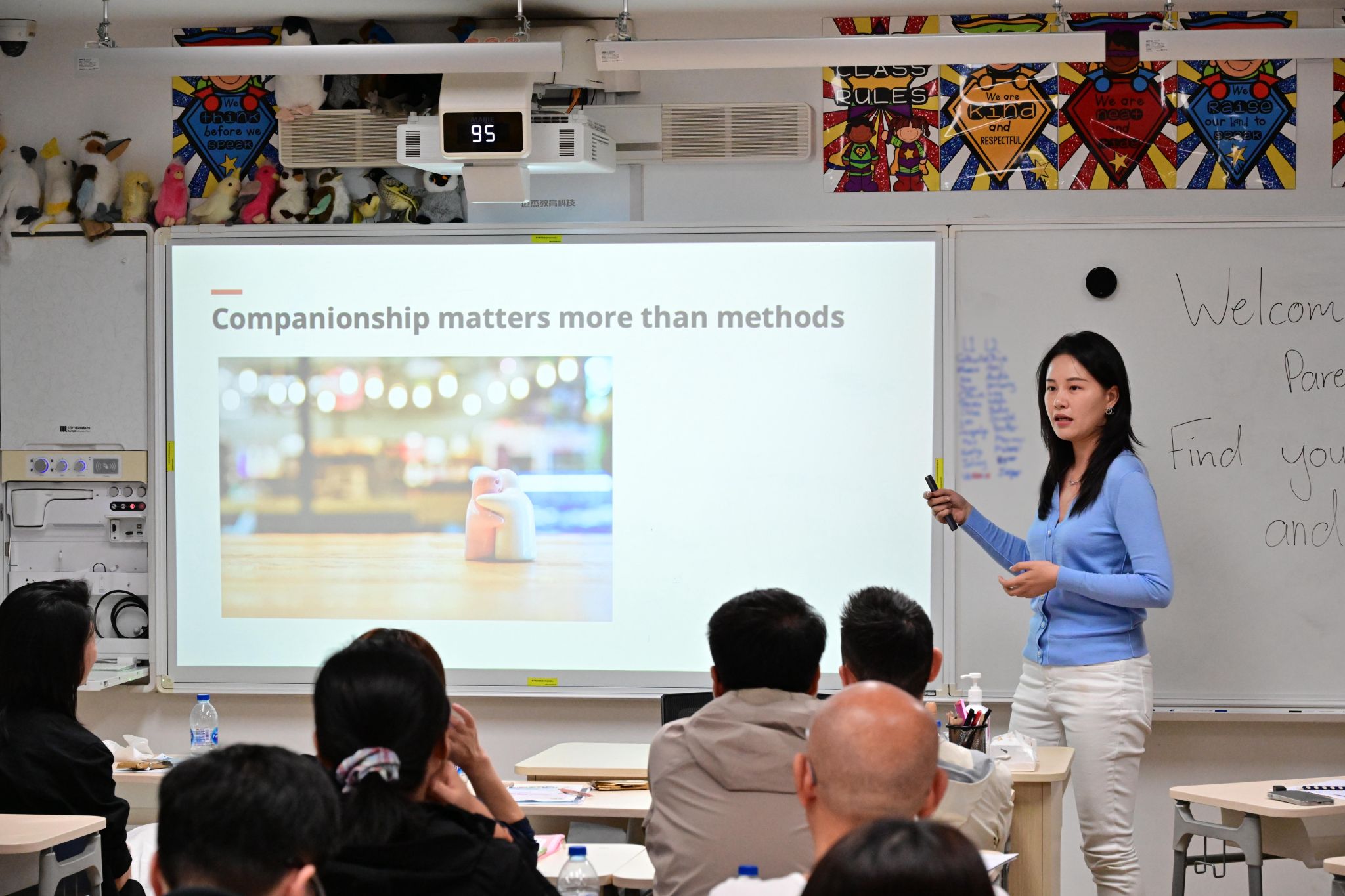
Parent volunteers also contributed valuable perspectives drawn from their own family experiences. In Class 3-1, parents discussed how to build children's self-confidence and foster resilience. Their reflections explored how everyday encouragement can help children develop a positive sense of self, persevere through setbacks, and learn to understand others. In Class 3-2, the discussions focused on moving from parental reminders to self-motivated learning, as well as raising children who are smart, honest, and equipped to navigate a changing world. Parents exchanged ideas on how everyday family routines and interactions can foster initiative, responsibility, and strong character. These conversations offered practical insights into the different challenges children may face and the ways families can support their development.
Children's growth is best supported when school and home work towards shared goals. By bringing together grade-level guidance, subject-specific insights, classroom observations, and parent experiences, the meeting strengthened the partnership between teachers and families. As artificial intelligence continues to reshape the world in which children will learn and live, both school and home remain committed to nurturing not only academic knowledge, but also the thinking skills, character, and independence students need to thrive. Through continued communication and shared support, they will help students approach new challenges with confidence, resilience, and an open mind.
Grade 4
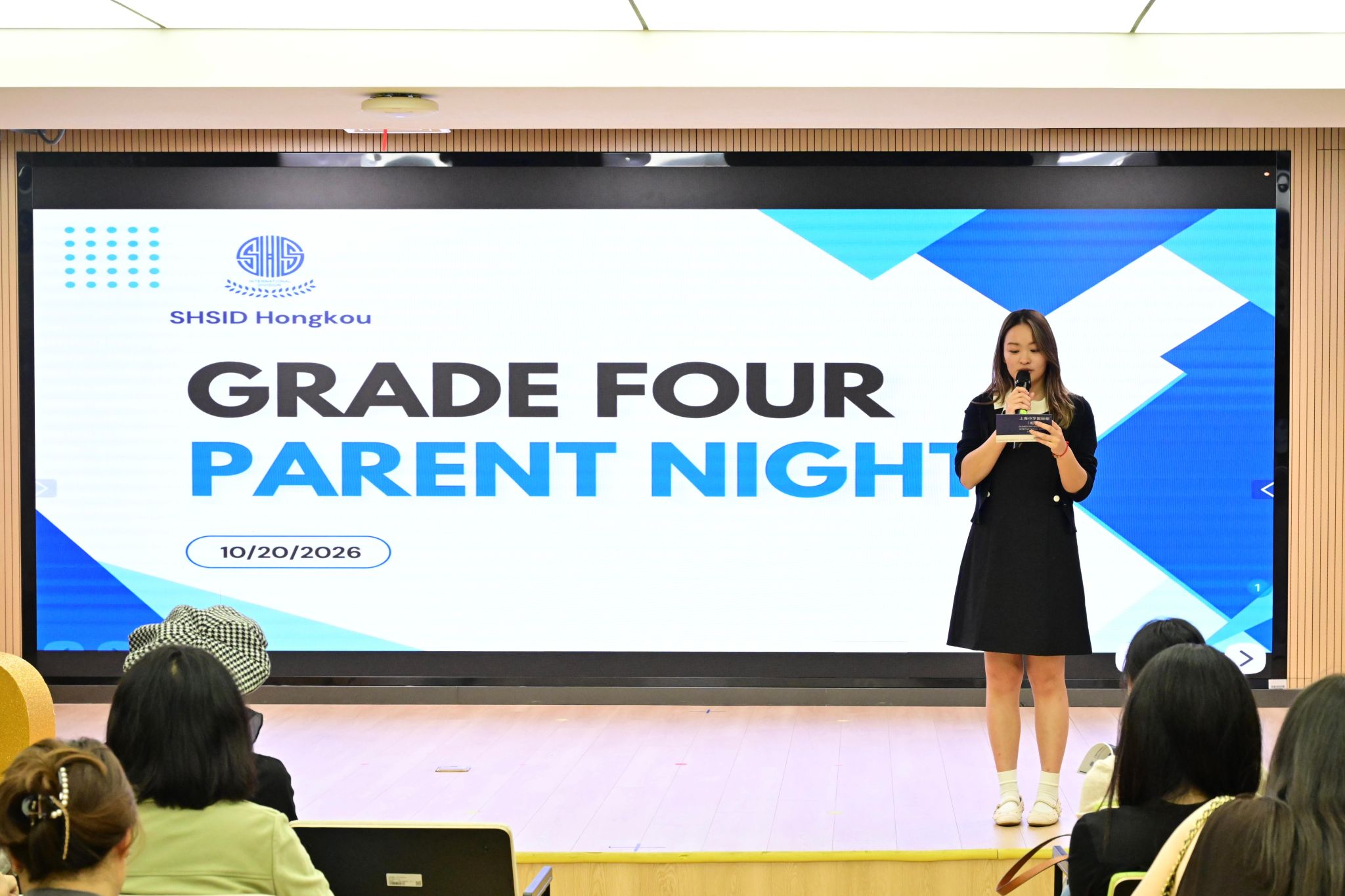
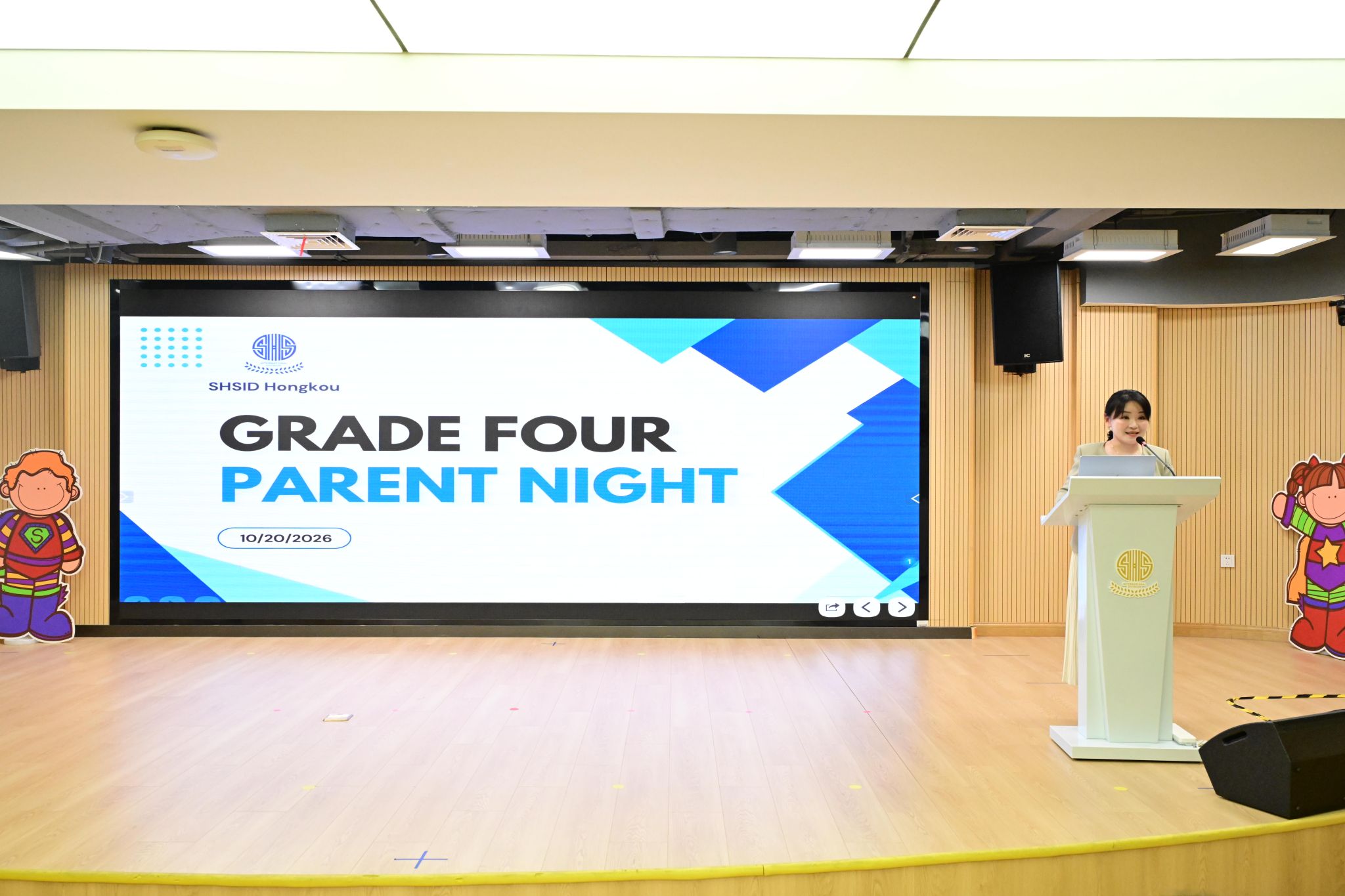
On October 20, the Grade 4 Parents' Night was held at the Hongkou Campus. Focusing on the theme of "Proactive Planning and Responsibility", the event featured two main segments: grade-level presentations and class-based workshops. It aimed to help parents gain a clear understanding of their children's developmental needs as they enter upper primary, and to jointly explore how to prepare them for a wider campus environment.
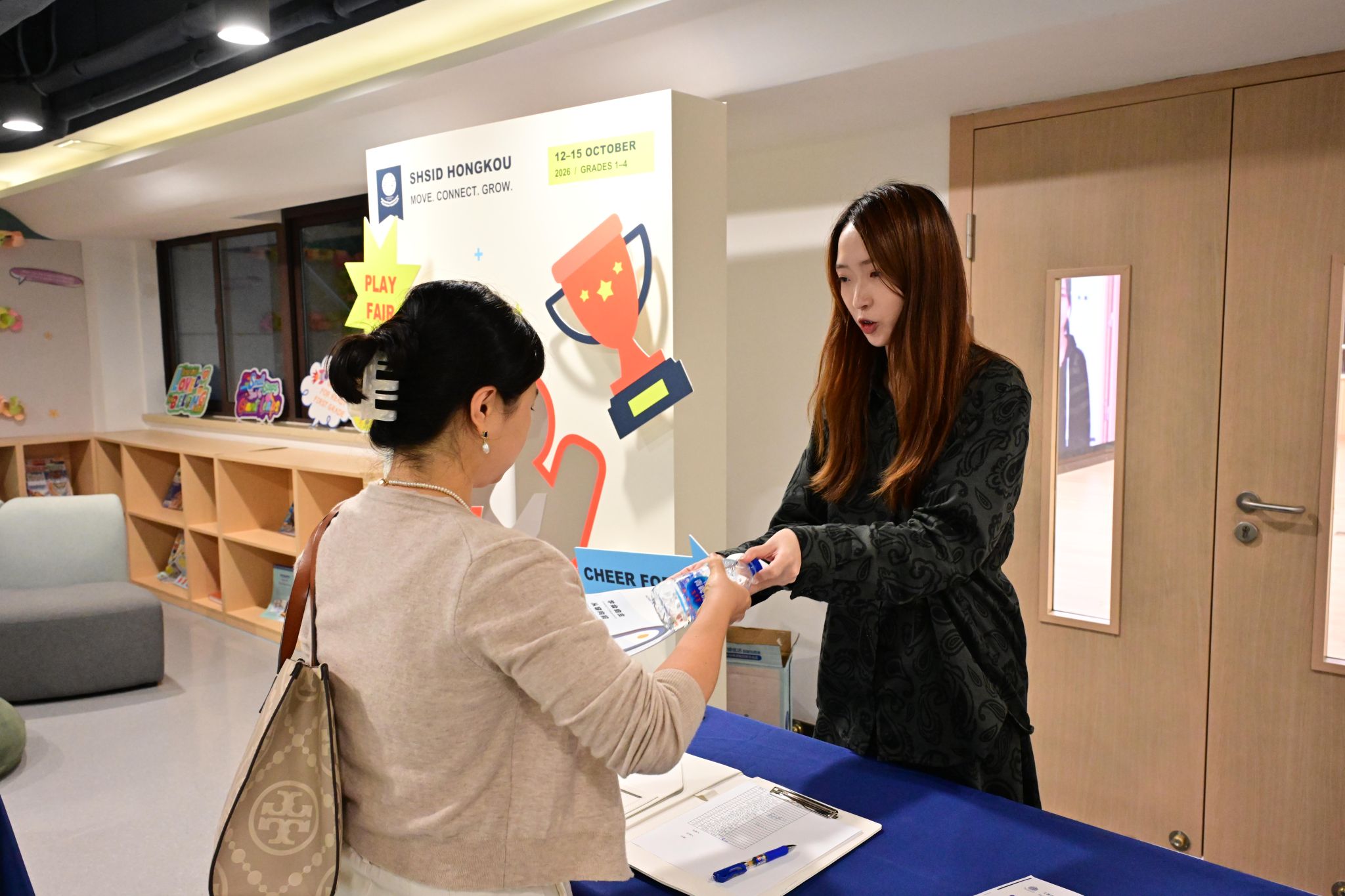
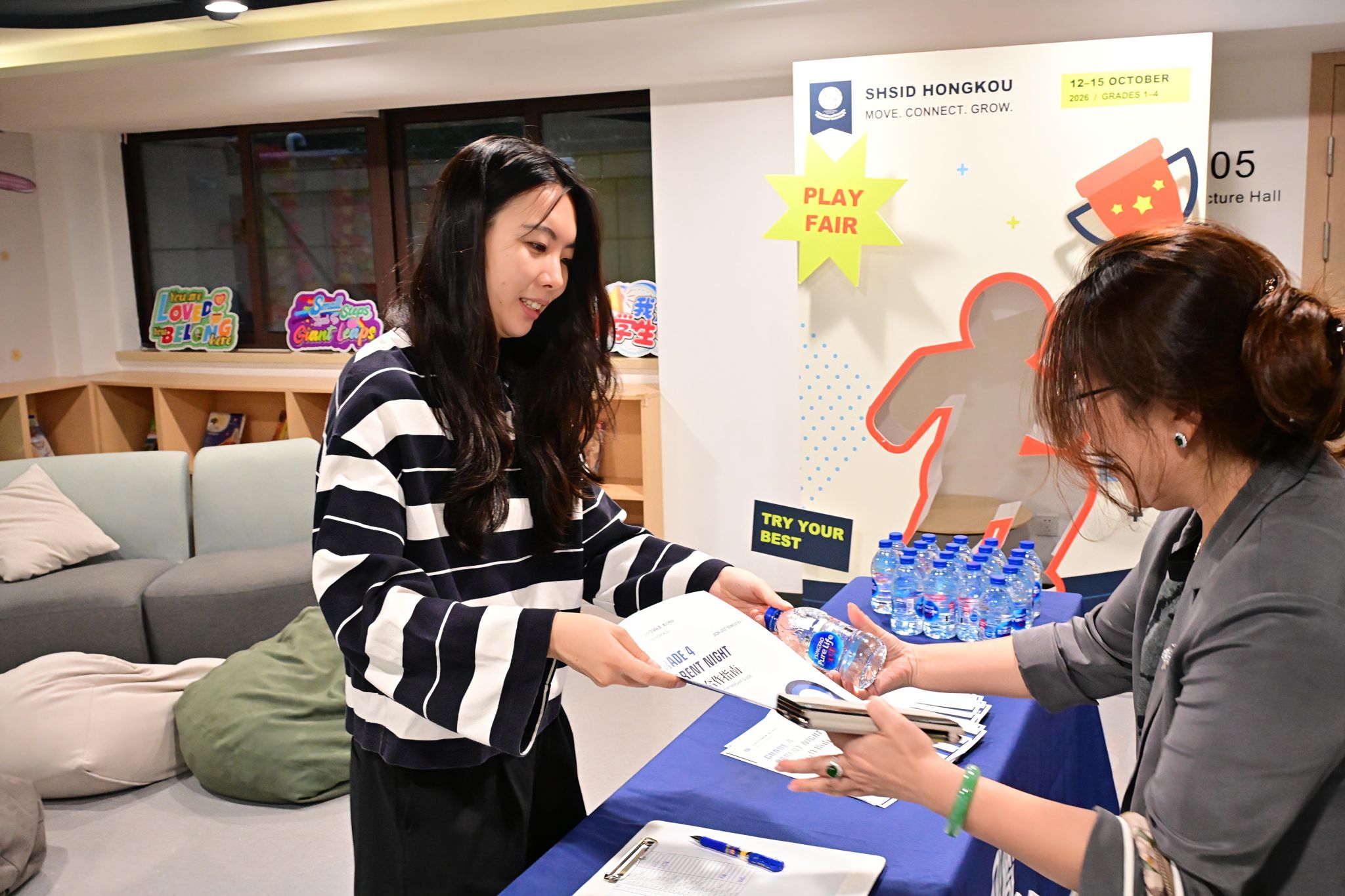
Upon entering the venue, parents received handouts. The main screen displayed a loop of recent classroom highlights, event moments, and videos from Music, PE, and Art classes. These vibrant scenes helped parents quickly immerse themselves in the warm atmosphere of the evening.
During the grade-level session, Ms. Mo, the Grade 4 Supervisor, outlined the grade's educational goals and key arrangements for the semester. She noted that Grade 4 is a pivotal transition period as children move from "passive reception" to "self-management". Facing deeper subject content and longer-term tasks, the grade team will focus on cultivating students' self-planning and responsibility, guiding them to plan proactively right after school. She emphasized that in the AI era, it is crucial to develop the habit of "independent thinking first, tool use second". She advised parents to gradually shift from "supervisors" to "supporters" at home, returning time management to their children and helping them confidently embrace the new stage.
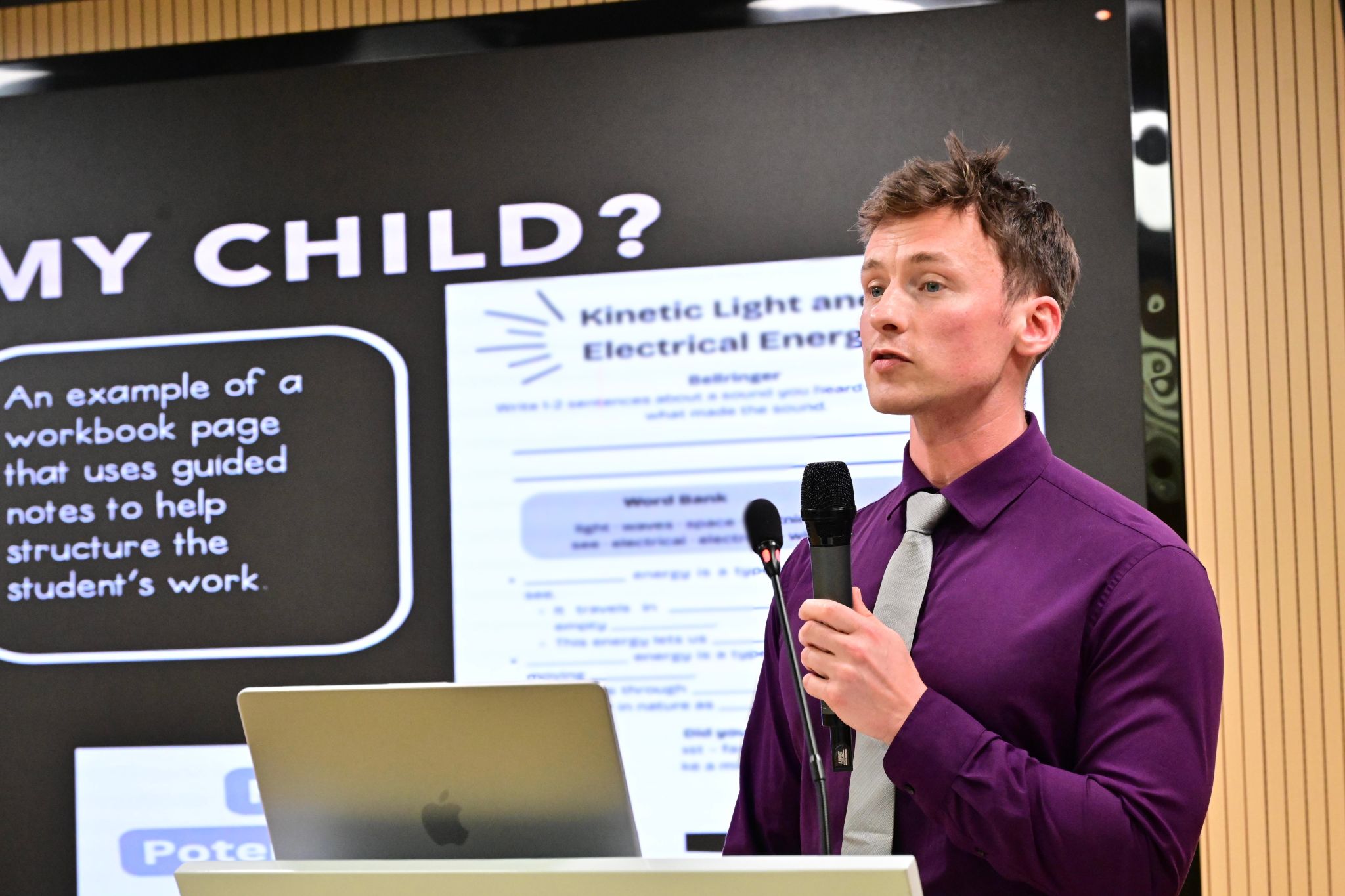
Subsequently, the four subject teachers took the stage for subject presentations. To address the academic progression in Grade 4, they moved away from one-way lectures and adopted a clear structure of "Plan, Goal, Learning Sample, and Home Action", vividly demonstrating what children's actual learning looks like in class and homework. The teachers emphasized that Grade 4 requires students not only to "understand requirements and articulate their thinking", but also to "support viewpoints with evidence and deepen their reading". Through concrete learning samples, parents gained intuitive insights into how to help their children break down goals at home, gradually transitioning from "frequent prompting" to "periodic reviews" and returning the initiative of learning planning to the children.
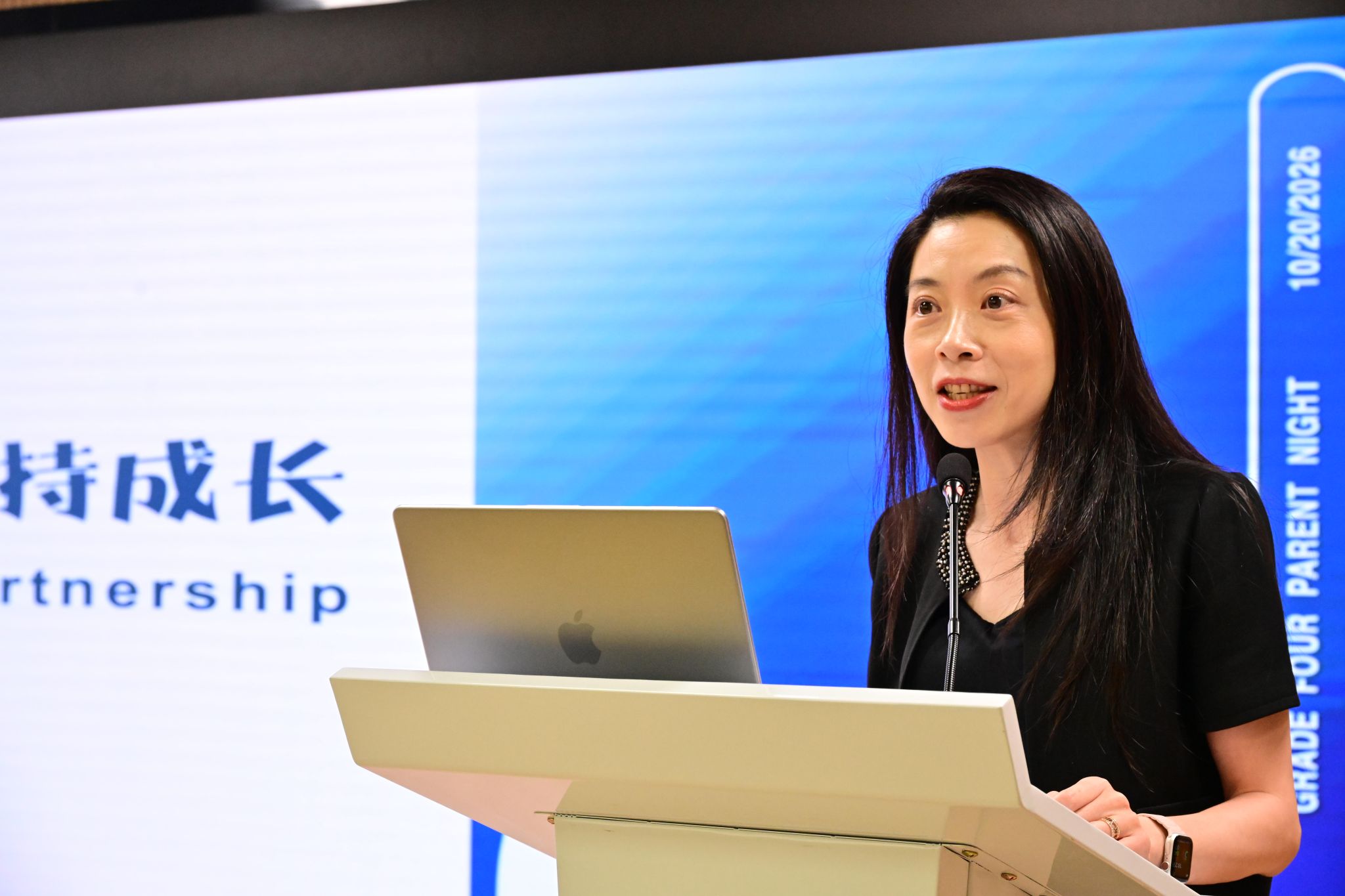
The focus then turned to school-home partnership as Ms. Chris, Director of Hongkou Campus, shared her perspectives. She began by thanking the founding families for their trust and partnership over the past three years, reviewing the students' impressive achievements in both academics and holistic development. She acknowledged that a larger campus brings richer resources but also fiercer competition. When facing changes such as leveled teaching, she advised parents to manage their expectations and avoid letting "a single test score define a child's future". In the AI era and within the context of holistic education, the school will continue to help students build a growth mindset through student self-governance and CME courses. Ms. Chris urged parents "not to grow up for their children" and proposed five practical actions: adjusting how grades are discussed, allocating weekly time for self-directed planning, returning the opportunity to think to the children, maintaining a sustainable daily rhythm, and involving children in preparations for the campus transition.
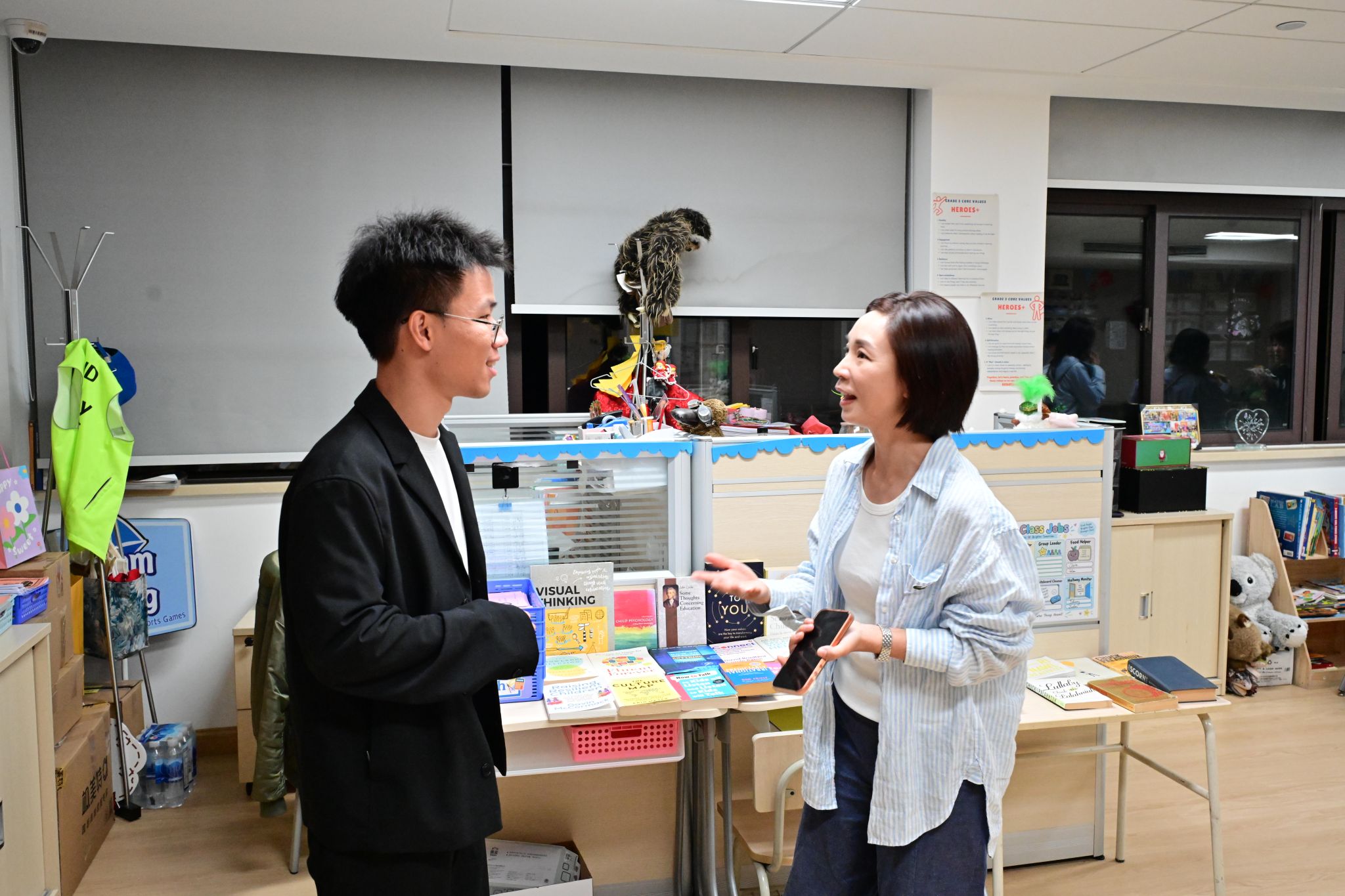
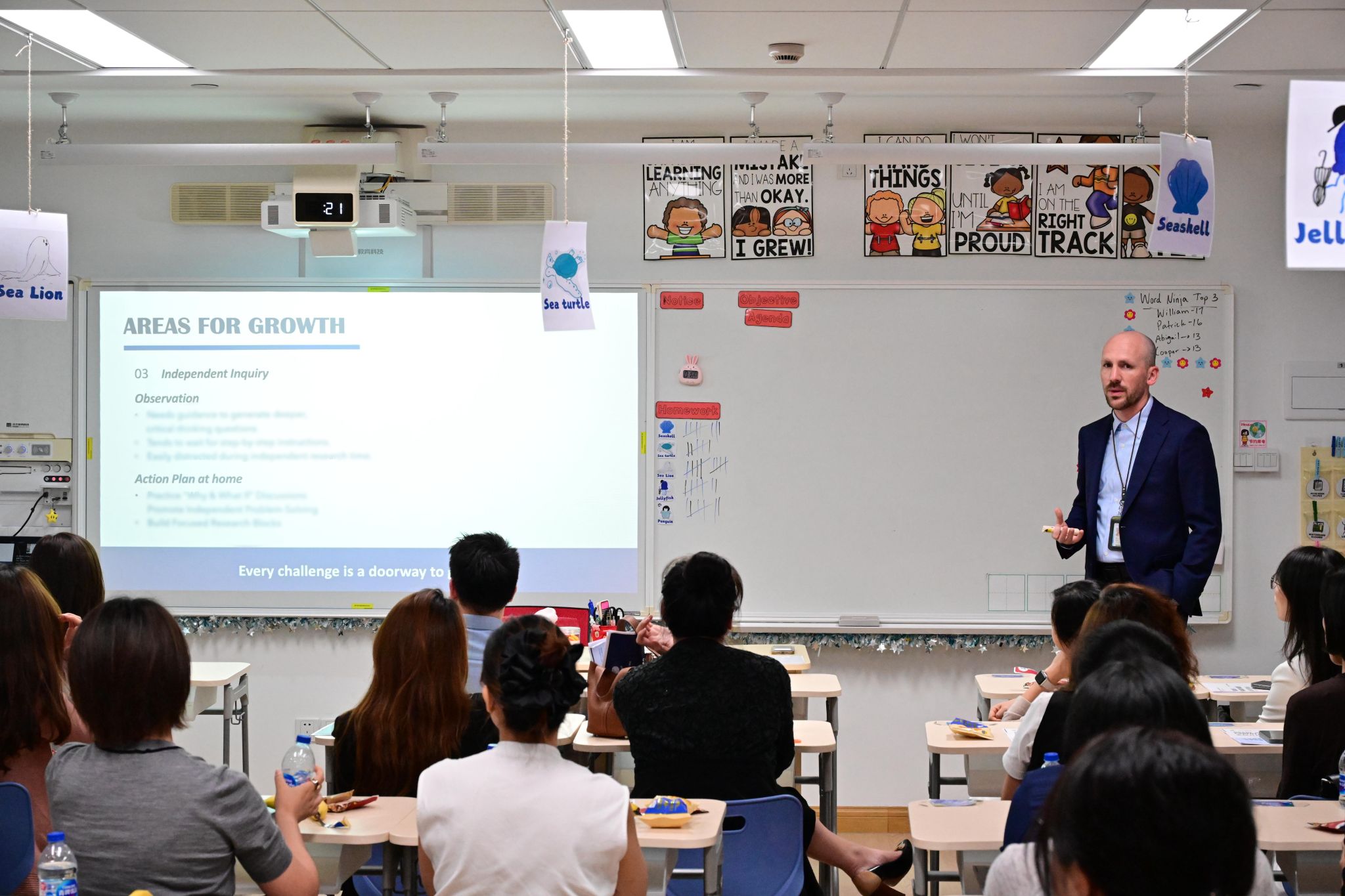
Following the grade-level session, parents moved to their respective classrooms for class updates with the homeroom teachers, who tailored the conversations to the specific situations of their classes. The teachers reviewed the students' overall performance and developmental characteristics across subjects since the start of the semester. They highlighted the students' progress and areas for growth in classroom participation, self-management, peer relationships, and sense of responsibility. In light of the upcoming transition to the Main Campus, the homeroom teachers also proposed targeted support strategies for the next phase, guiding parents on how to collaborate with the school to ensure a smooth and confident transition for the children.
The evening culminated in a dynamic parent sharing and Q&A session. The four discussion topics were drawn from common concerns shared by Grade 4 parents in a pre-event survey. To make the experience sharing more relatable, the grade team invited several parent representatives to share their personal insights, allowing parents to attend sessions based on their specific needs. Parent representatives from Class 4-1 shared practical tips on topics such as "Awakening the 'Little Master': Cultivating Focus and Intrinsic Motivation" and "Building a High-Quality Family Support System." Meanwhile, parent representatives from Class 4-2 discussed balancing "the seesaw between interests and academics" and "fostering resilience". Notably, each topic was accompanied by a one-page "Action Guide", offering parents specific, practical suggestions for family engagement. Through authentic case studies and interactive Q&A sessions, parents benefited greatly from the exchange of ideas.
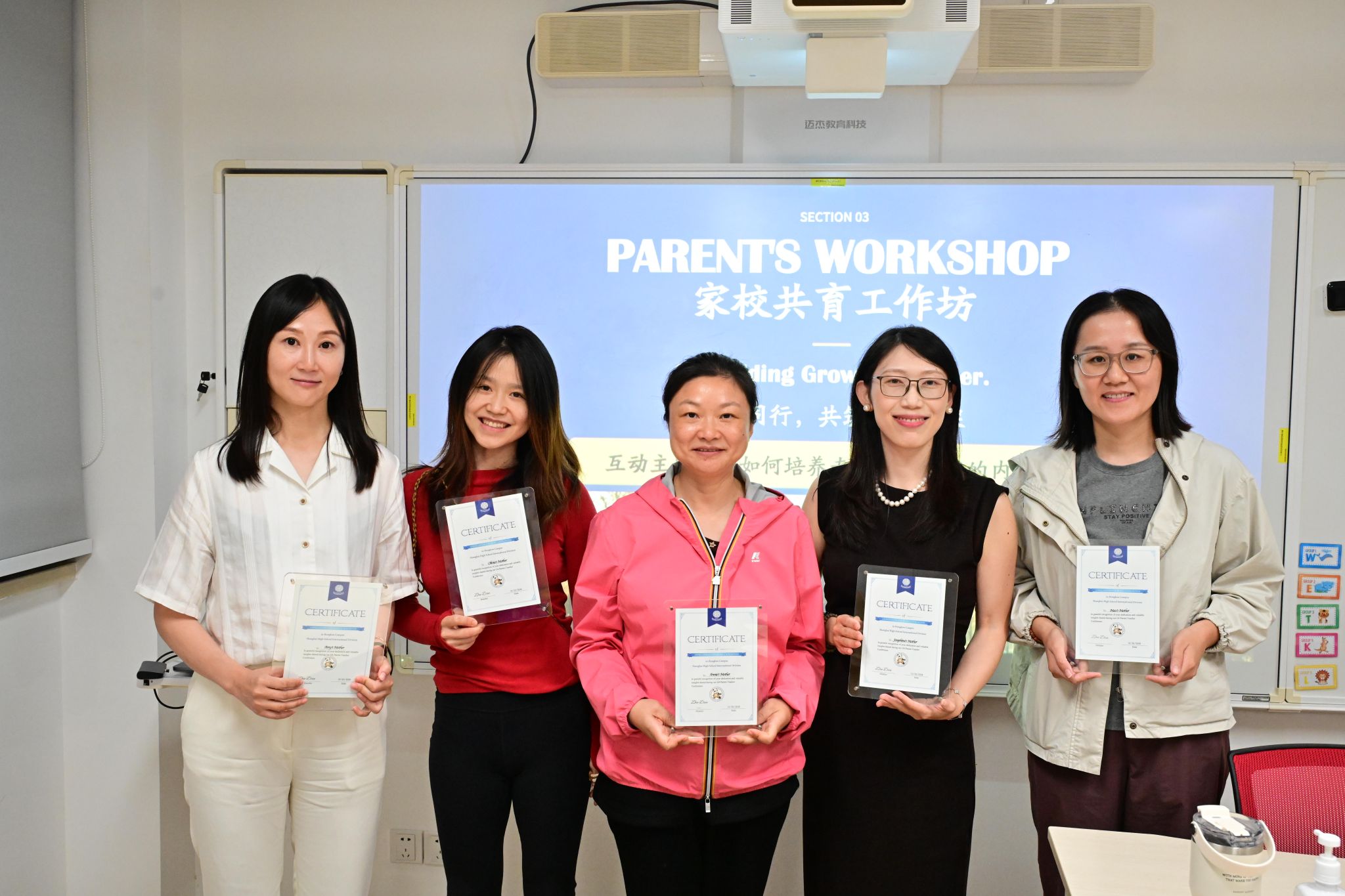
As Ms. Chris noted, education goes beyond academic scores; it is a long-distance run of growth shared by parents and children alike. The Grade 4 Parents' Night concluded with a strong sense of resonance. Parents left not only with a clear understanding of the transition path to the Main Campus but also with concrete strategies to empower their children's independent growth.
Conclusion
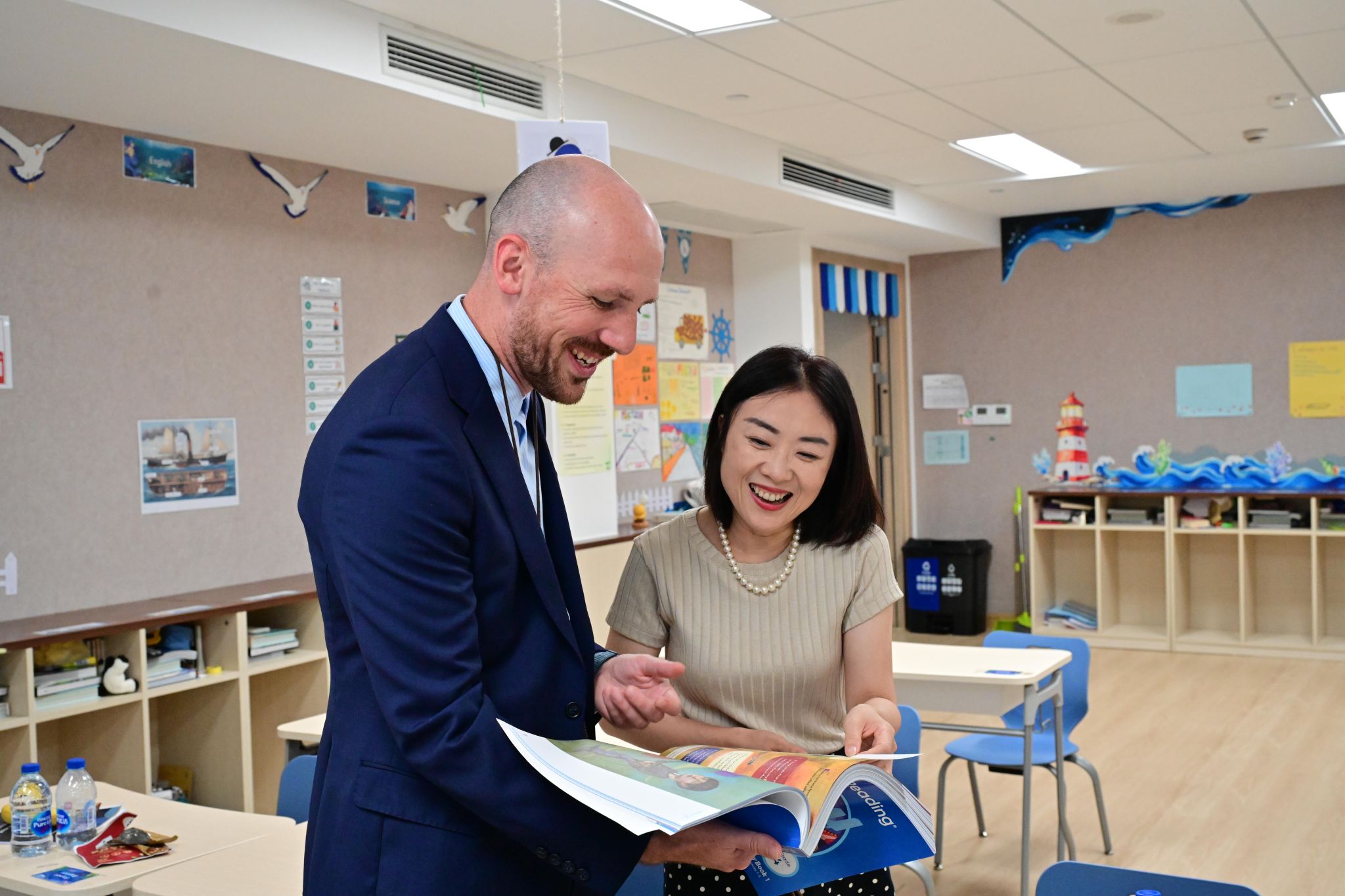
From growing independence to proactive exploration, the three Parent Nights witnessed the children's step-by-step developmental journey. Education is a shared journey between school and family, and this series of events further consolidated the consensus on home-school collaboration. Looking ahead to a constantly changing future, the school and families will continue to move forward hand in hand. Through ongoing communication and mutual support, we will empower every child to step confidently and calmly into the next stage of life, equipped with solid knowledge, problem-solving skills, and a passion for exploration.
(Written by Claire Jia, Teng Chen, Nina Kang
Pictures by Elaine Zhu, Rachel Wu
Reviewed by Dan Zhu, Chenli Shen, Shiyu Wu)