-
ABOUT US
-
ACADEMICS
Curriculum Program
Departments
- English
- High School Chinese
- Primary and Junior School Chinese.
- High School Mathematics
- Middle School Mathematics
- Primary School Mathematics
- Music and Fine Arts
- Physical Education
- Physics
- Chemistry
- History and Geography
- Physical Science and Optional courses Department
- Middle School Biology
- High School Biology
- Social Sciences
- Computer Science
- Courses in Primary School
Achievements and Matriculations
College Counseling
Science & Technology Innovation Contest
Subject Competition
-
ARTS
-
ATHLETICS
-
AT SHSID
SHSID ∣ TIMES
PTSA
Club Exhibition
- 龙吟社
- Live 2 Drama
- Choir
- Hip-pop Dance Club
- The Primary School Dance Troupe
- Symposiums Club
- Biology Workshop
- You Shan
- VEX Robotic
- Peking Opera Club
- Baseball Club
- Model United Nations
- The World Scholar’s Cup
- Future Problem Solving Club
- OM Club
- AMC Club
- Music for Patients
- Smile Charity
- Stem Doge Alliance
- Chinese Debate Club
- IAA
- Mock Trial Club
- Zhengming Club
- Furry Friends
- GT-Racing
- Village Radio
- IMMC Club
- Creative Design and Intelligent Fabrication
- Future City Research Project
- ECOCAP
- AdvocaSEA
- SPDC
- Floorball Club
- Animusic MTC
- Wings Up
- Cyano
- Birding Community
Health and Wellness
Campus Safety
Cafeteria Service
-
ADMINISTRATION
-
ADMISSIONS
-
ALUMNI
Alumni Information
Honors Students
- Class of 2026
- Class of 2025
- Class of 2024
- Class of 2023
- Class of 2022
- Class of 2021
- Class of 2020
- Class of 2019
- Class of 2018
- Class of 2017
- Class of 2016
- Class of 2015
- Class of 2014
- Class of 2013
- Class of 2012
- Class of 2011
- Class of 2010
- Class of 2009
- Class of 2008
- Class of 2007
- Class of 2006
Who Studied at SHSID
SHS Foundation
-
DOCUMENTS
2026 Bit Day
From October 26 to 30, SHSID held its 2026 Bit Day, one of the school's flagship computer science events. Jointly organized by the Computer Science Department and several STEM-related student clubs, this year's event centered on the theme "Bringing Ideas to Life." It featured a hackathon, an online computer science trivia competition, and a series of on-campus interactive challenges. Through these activities, students experienced the process of transforming their ideas into working solutions. The event aimed to spark students' interest in computer science and encourage them to reflect on the relationship between people and technology in the age of artificial intelligence.
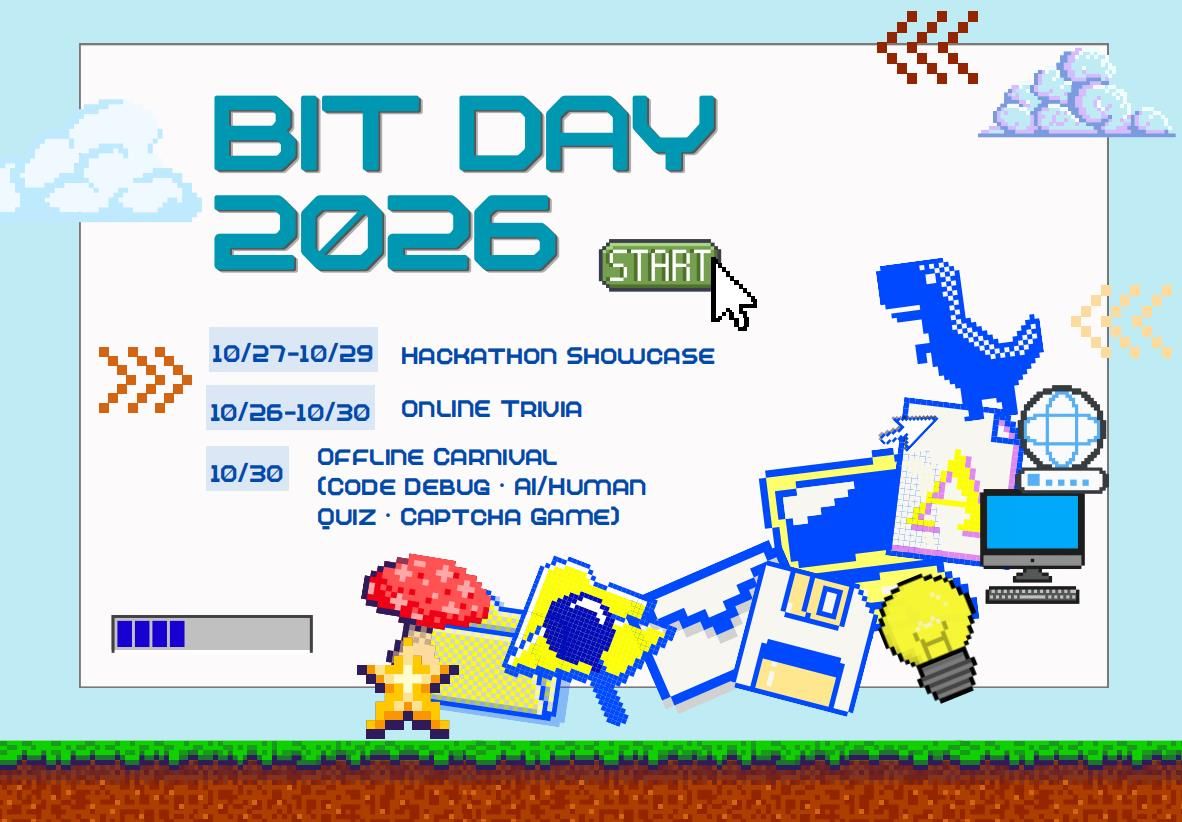
Hackathon: HackSHSID 2026
A hackathon is an event in which participants work within a limited time to turn ideas into functional solutions through programming, creative problem-solving, and teamwork. As the centerpiece of this year's Bit Day, HackSHSID 2026, the second edition of SHSID's hackathon, was jointly organized by the Data Science Club, the OI Club, and STEMDoge. Students participated individually or in teams of up to three, choosing one of three tracks: School Life, Operations Research, or Sustainability.
Unlike traditional programming competitions, all three tracks focused on real-world needs, encouraging participants to solve real problems and develop practical solutions.
In the School Life track, the challenge was to design a school scheduling system. Drawing on their own school experiences, students need to consider multiple constraints involving teachers, classrooms, courses, and student course selections. They were tasked with addressing common scheduling difficulties, such as timetable conflicts and the complexity of making adjustments, and developing a tool capable of generating feasible schedules while allowing for flexible modifications. The other two tracks were also inspired by real-world industry scenarios. The Sustainability track focused on coordinating electricity supply and computing resources in AI data centers. Meanwhile, the Operations Research track challenged participants to develop an AI assistant for a fictional airline.
The detailed challenges for each track were officially announced on October 17, marking the beginning of a week-long development period. Teams submitted their projects on October 24, after which shortlisted teams advanced to the final showcase.
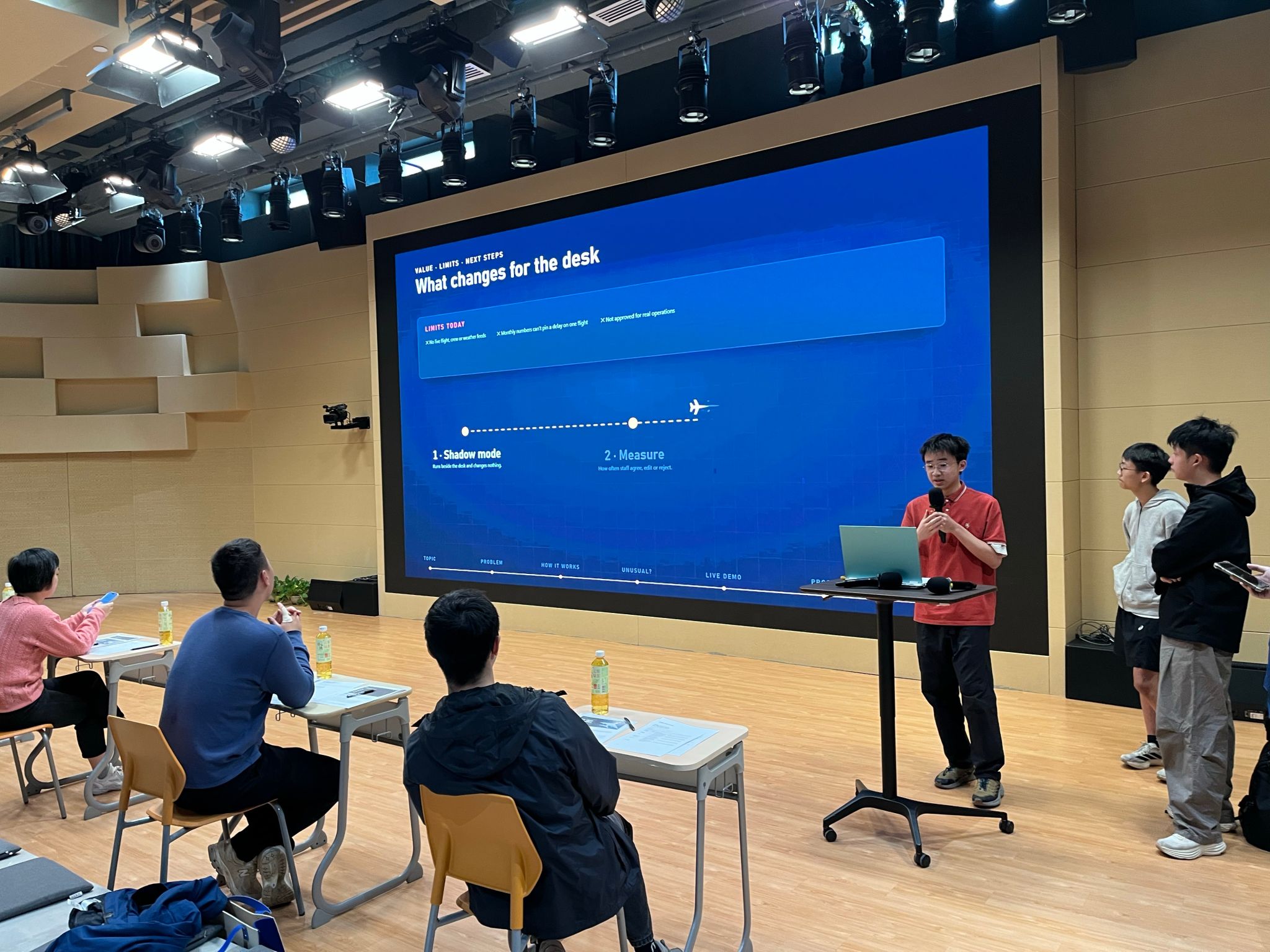
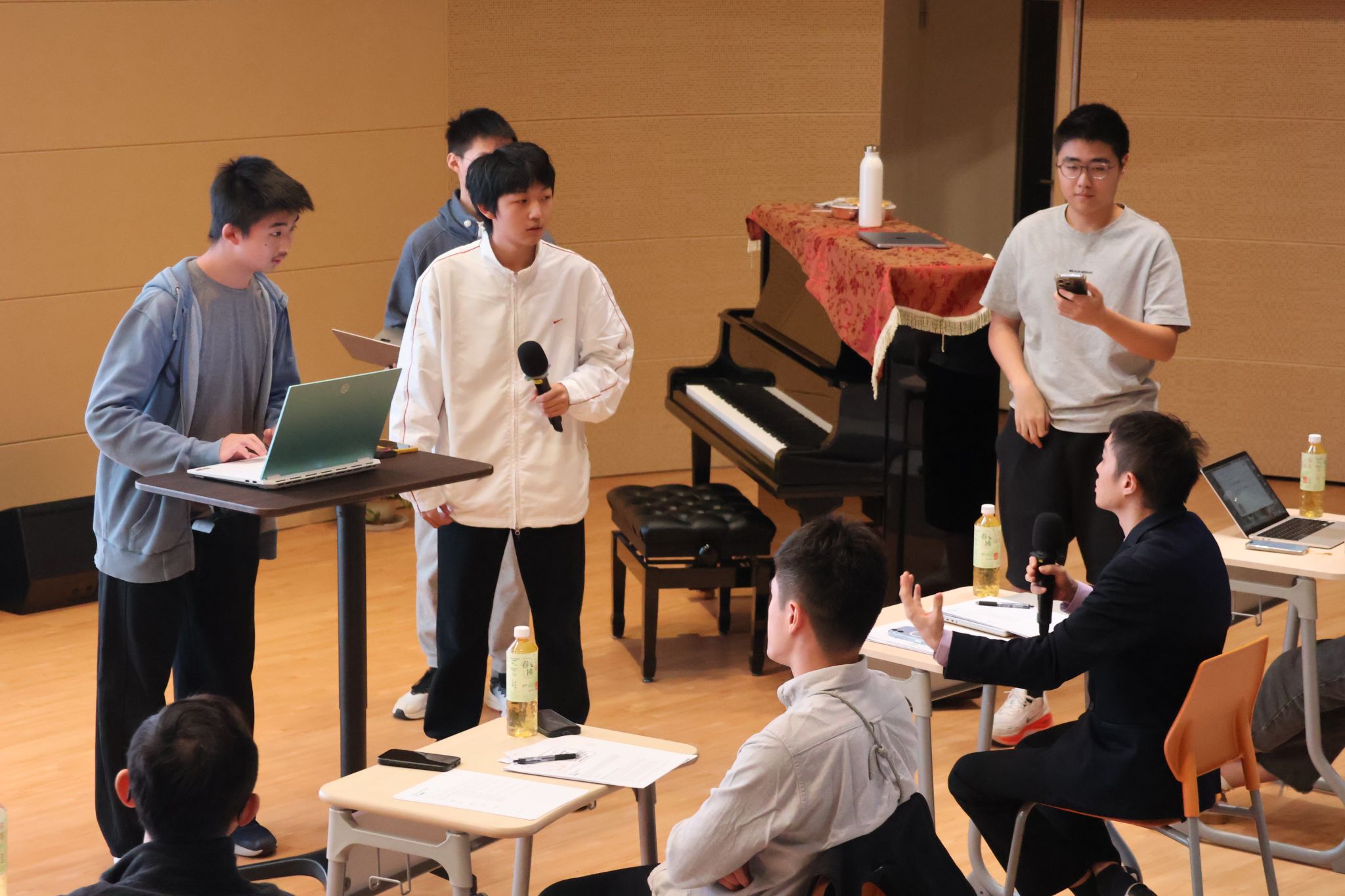
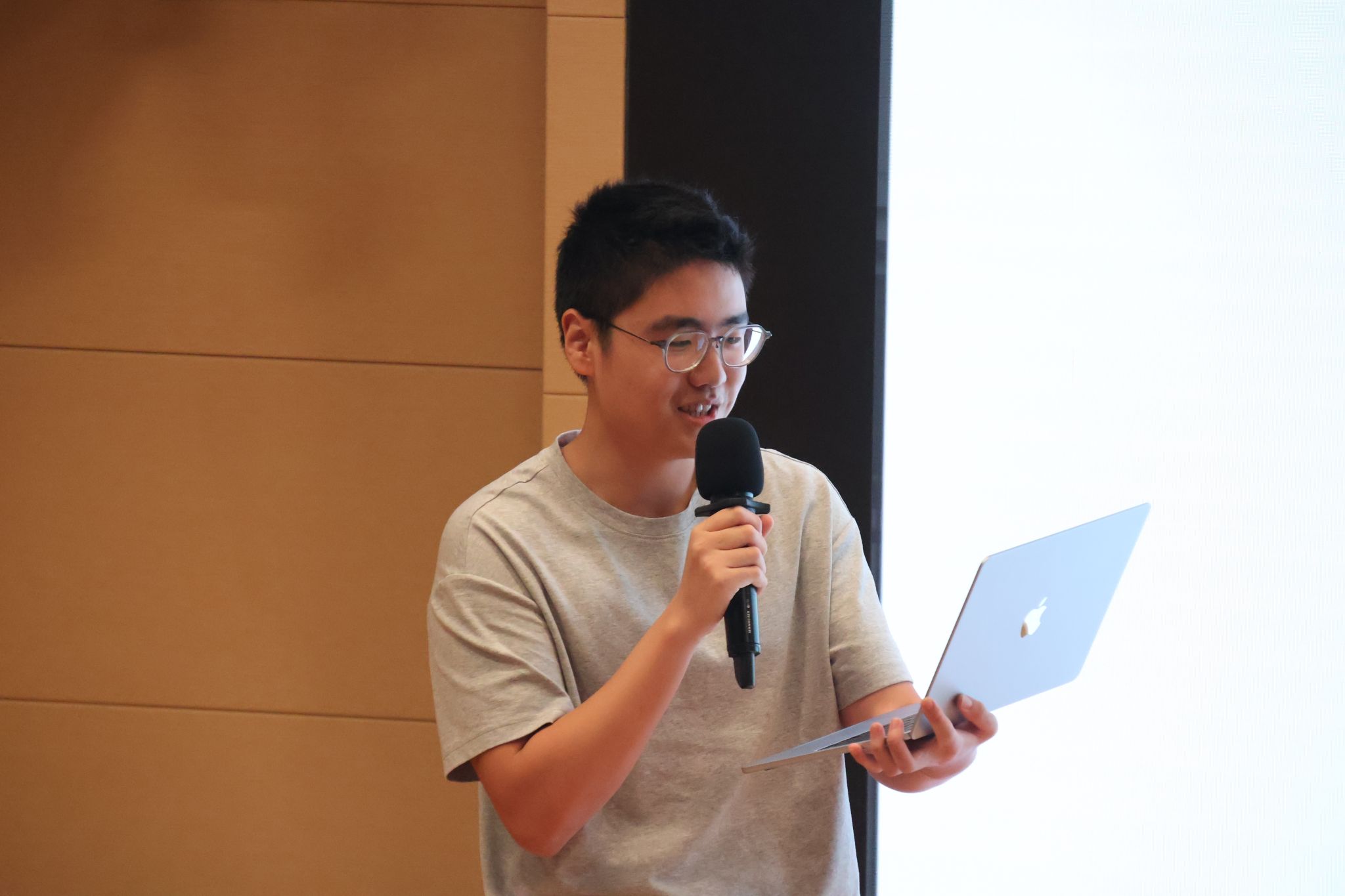
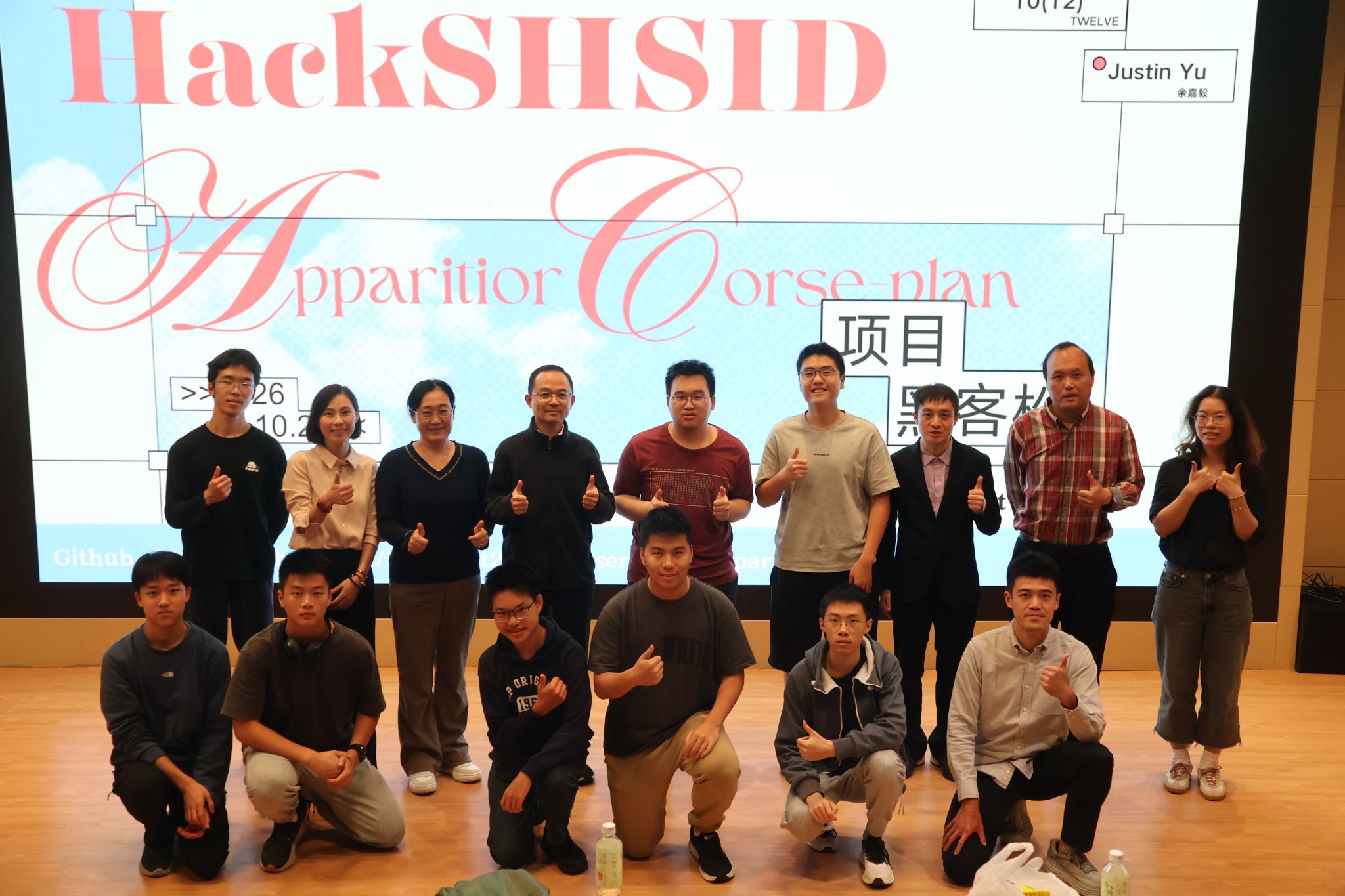
From October 27 to 29, the shortlisted teams presented their projects during lunchtime at the B1 Theatre of the Zhongxing Building. Each team delivered a five-minute presentation and live demonstration, followed by a three-minute Q&A session. Teachers from various academic disciplines served as judges, asking questions about the significance of the problems addressed, the technical implementation, and the feasibility of the proposed solutions.
During the School Life track showcase, Principal Ma and teachers from several school departments also attended the Q&A session, engaging in discussions with participants about the practical requirements of a school scheduling system.
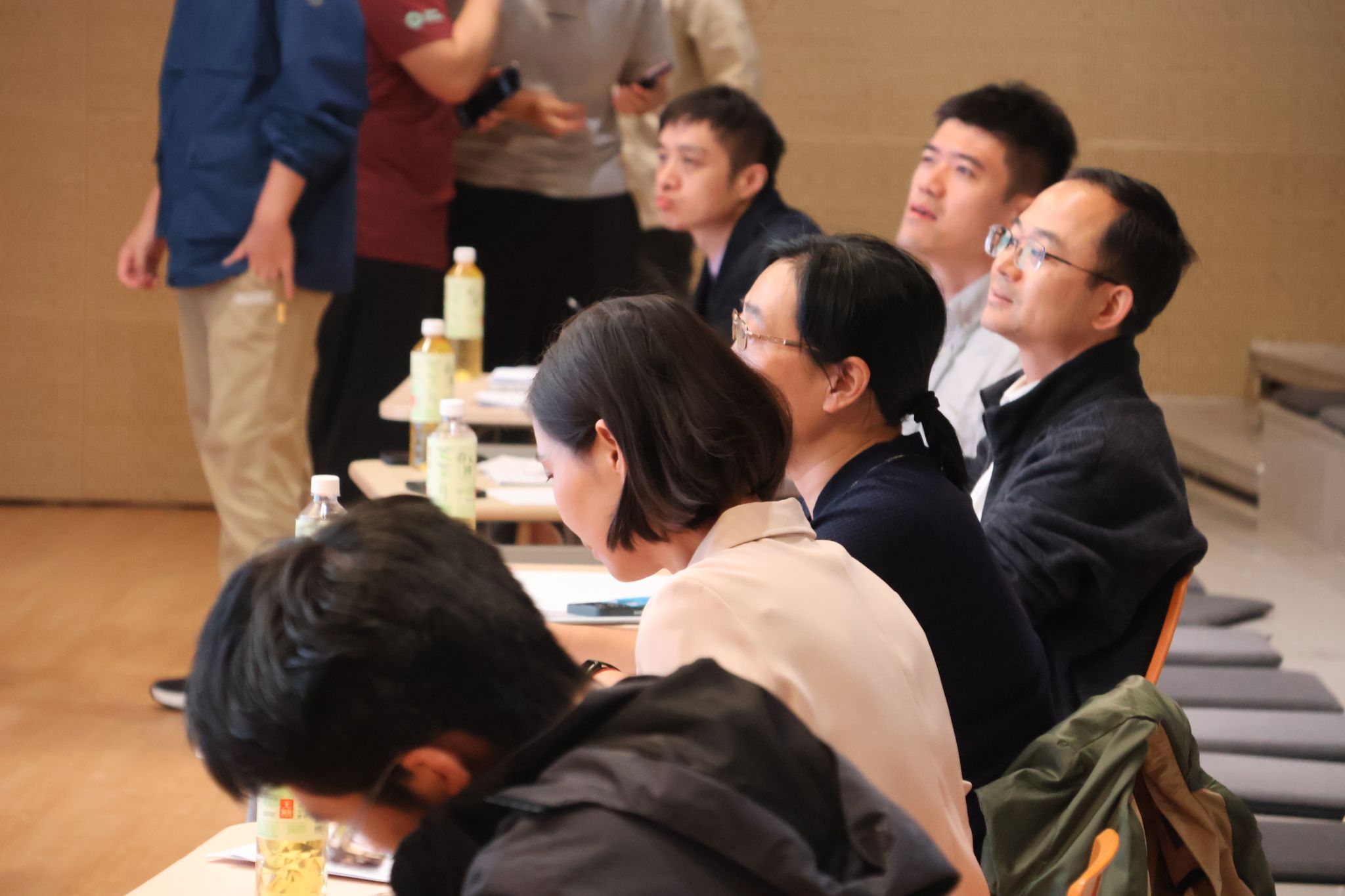
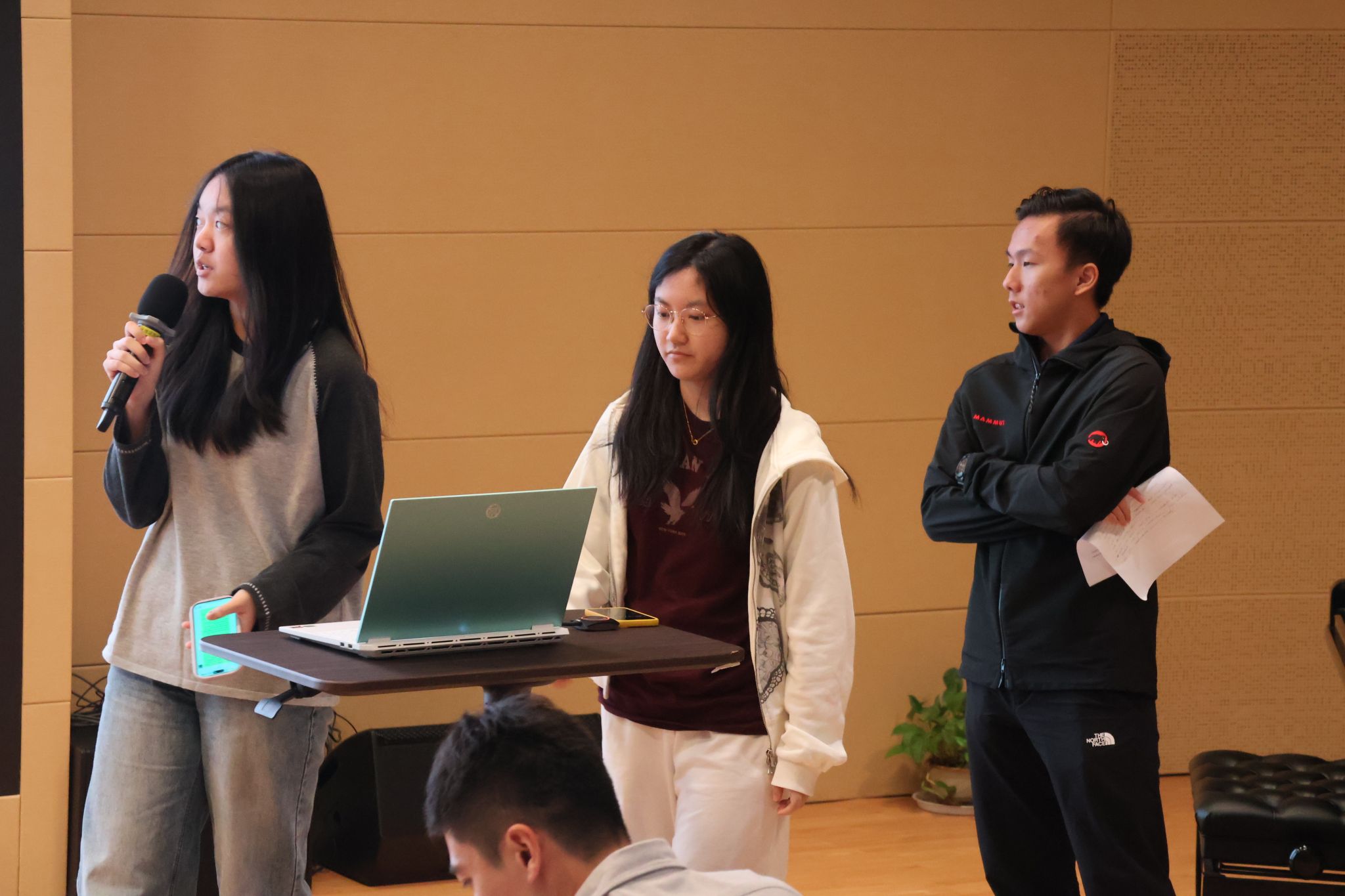
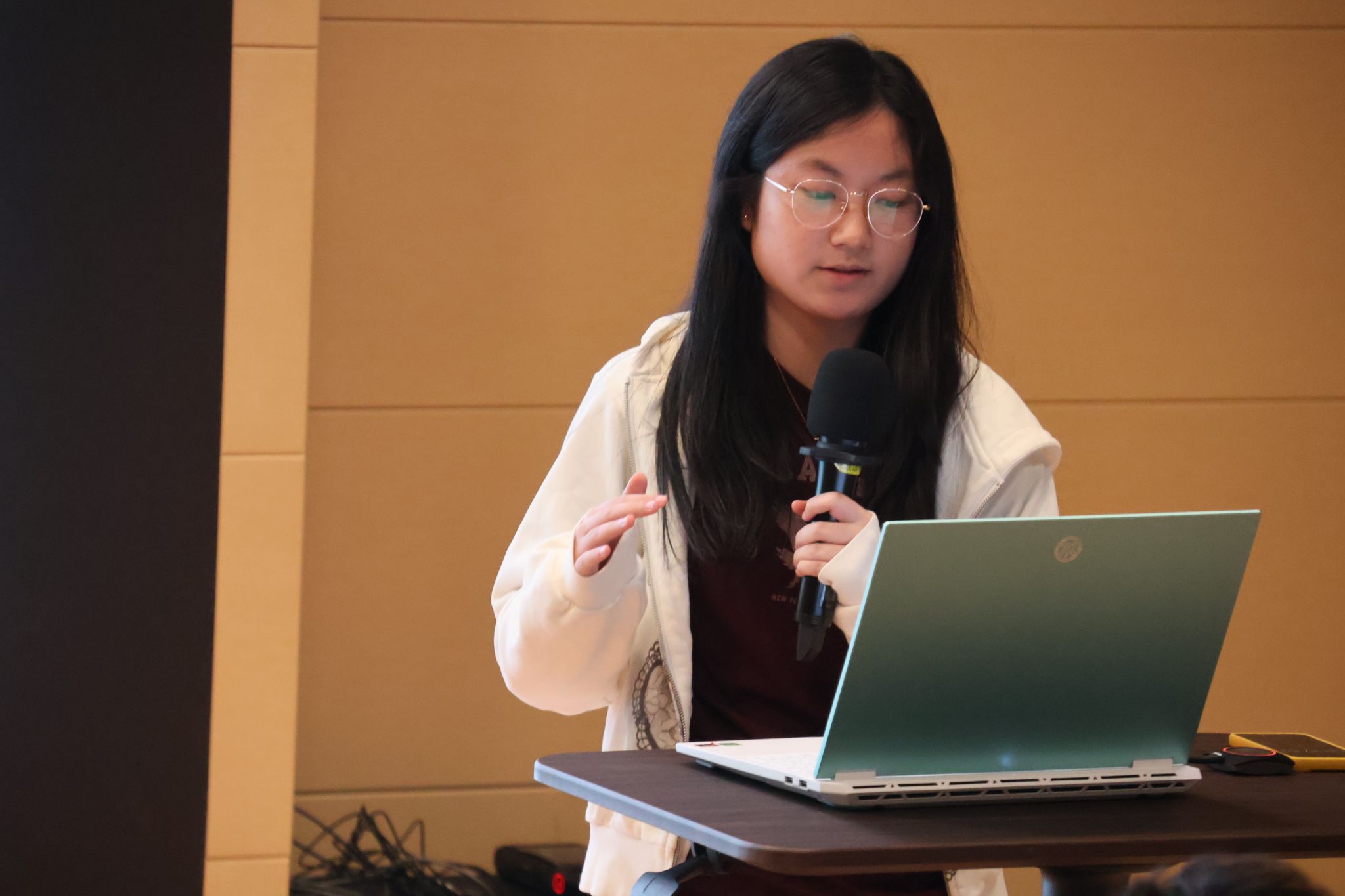
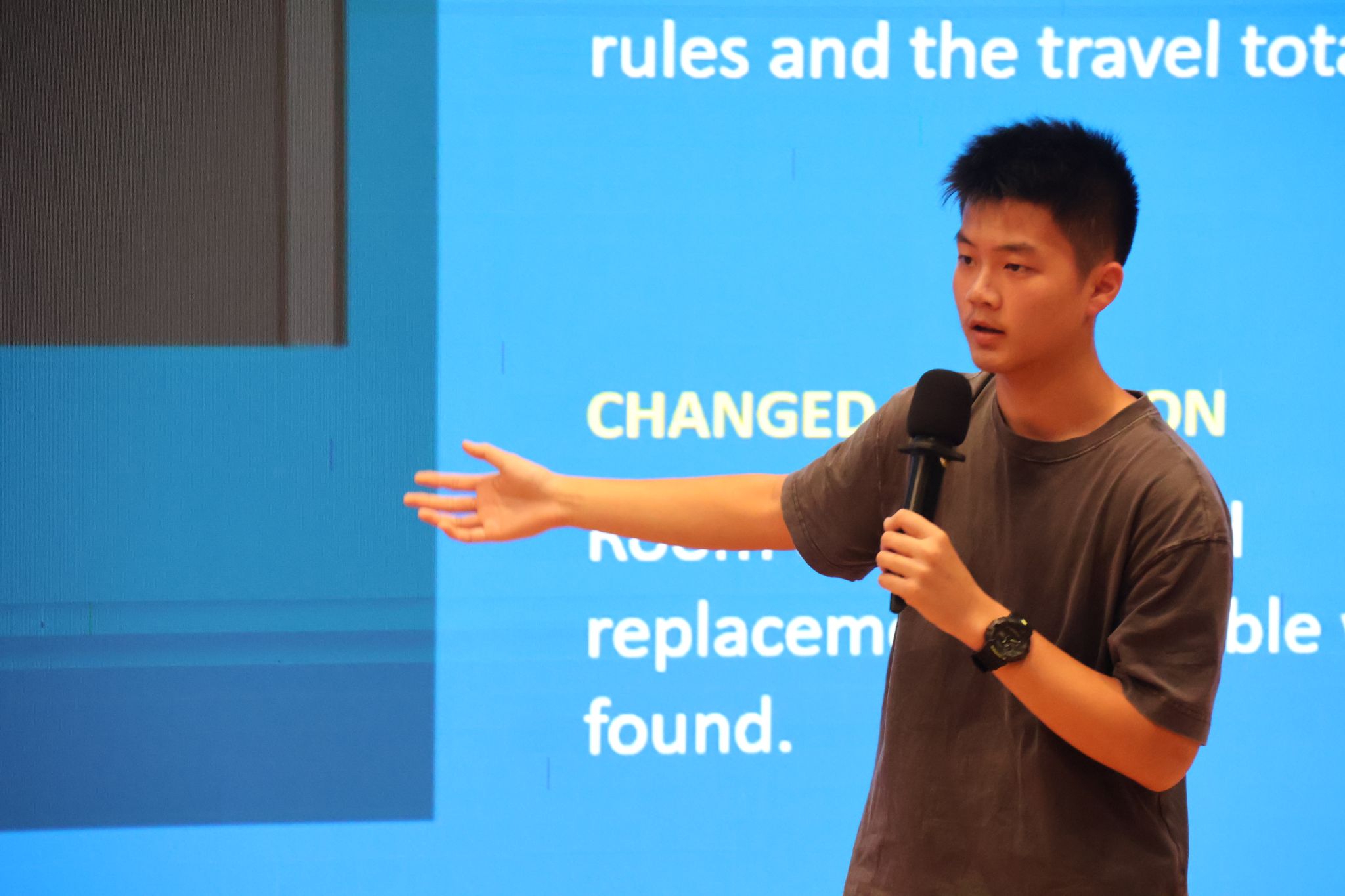
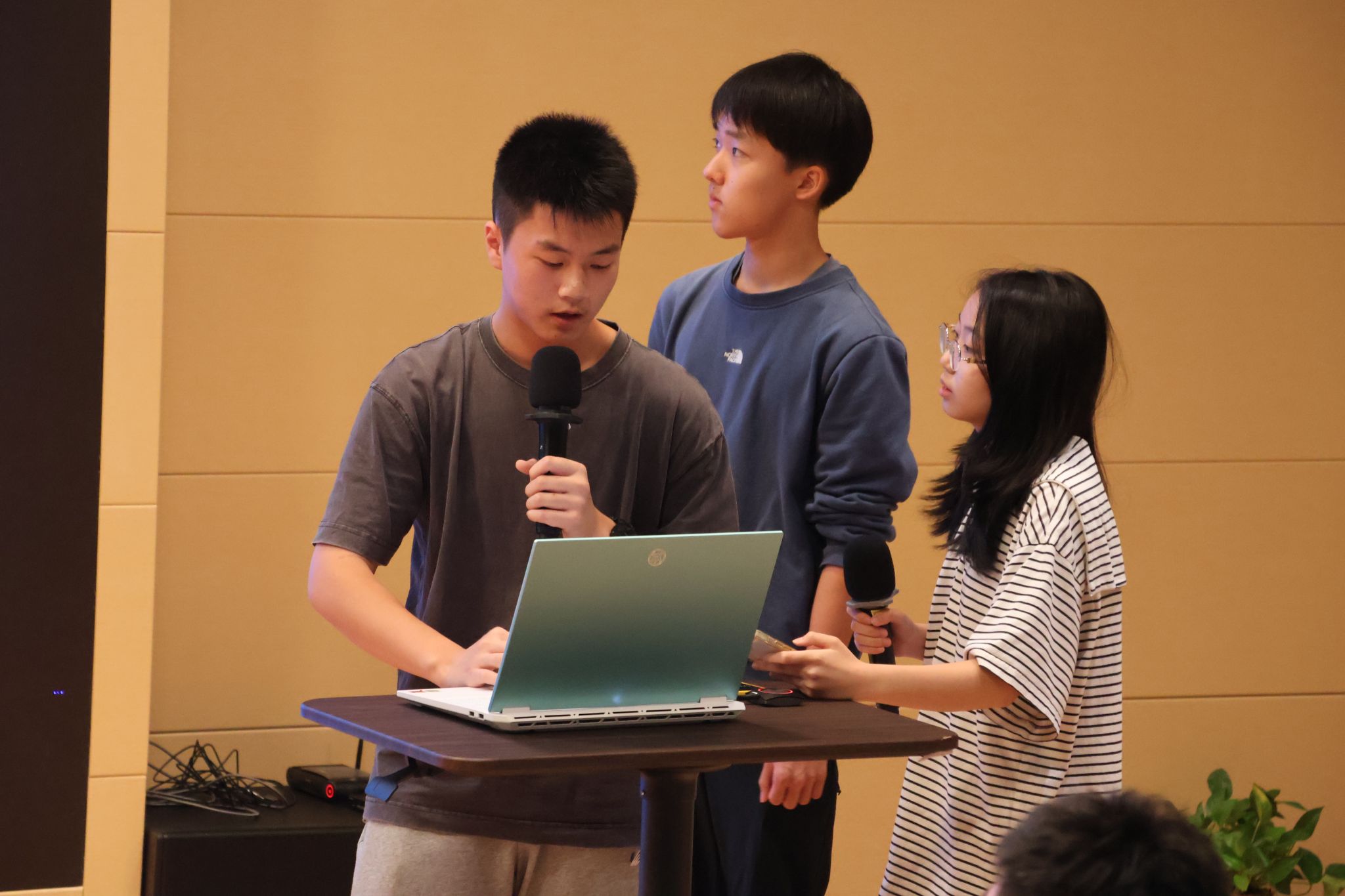
Notably, this year's competition took place at a time when artificial intelligence is becoming increasingly integrated into programming education. Many participants incorporated AI tools into their development workflows, using them to support brainstorming, debugging, and code generation. In accordance with the competition rules, teams also documented how they used AI and how they verified its outputs. While taking advantage of AI to improve efficiency, students maintained their own judgment and demonstrated a thorough understanding of their projects, highlighting their ability to work effectively and responsibly with AI in software development.
In just one week, participating teams progressed from identifying problems to developing functional solutions, demonstrating their creativity, computational thinking, and teamwork.
Online Trivia Challenge
From October 26 to 30, STEMDoge hosted an online computer science trivia competition through its mini-program. The questions covered a wide range of computer science topics, and students could participate at any time, competing with their peers to earn points and climb the leaderboard.
On-Campus Challenges
On October 30, STEMDoge organized three interactive challenges as part of the on-campus Bit Day activities.
In the Code Debugging Challenge, student volunteers prepared coding problems of varying difficulty levels for different grades. Participants worked at computers to identify and correct errors in the code.
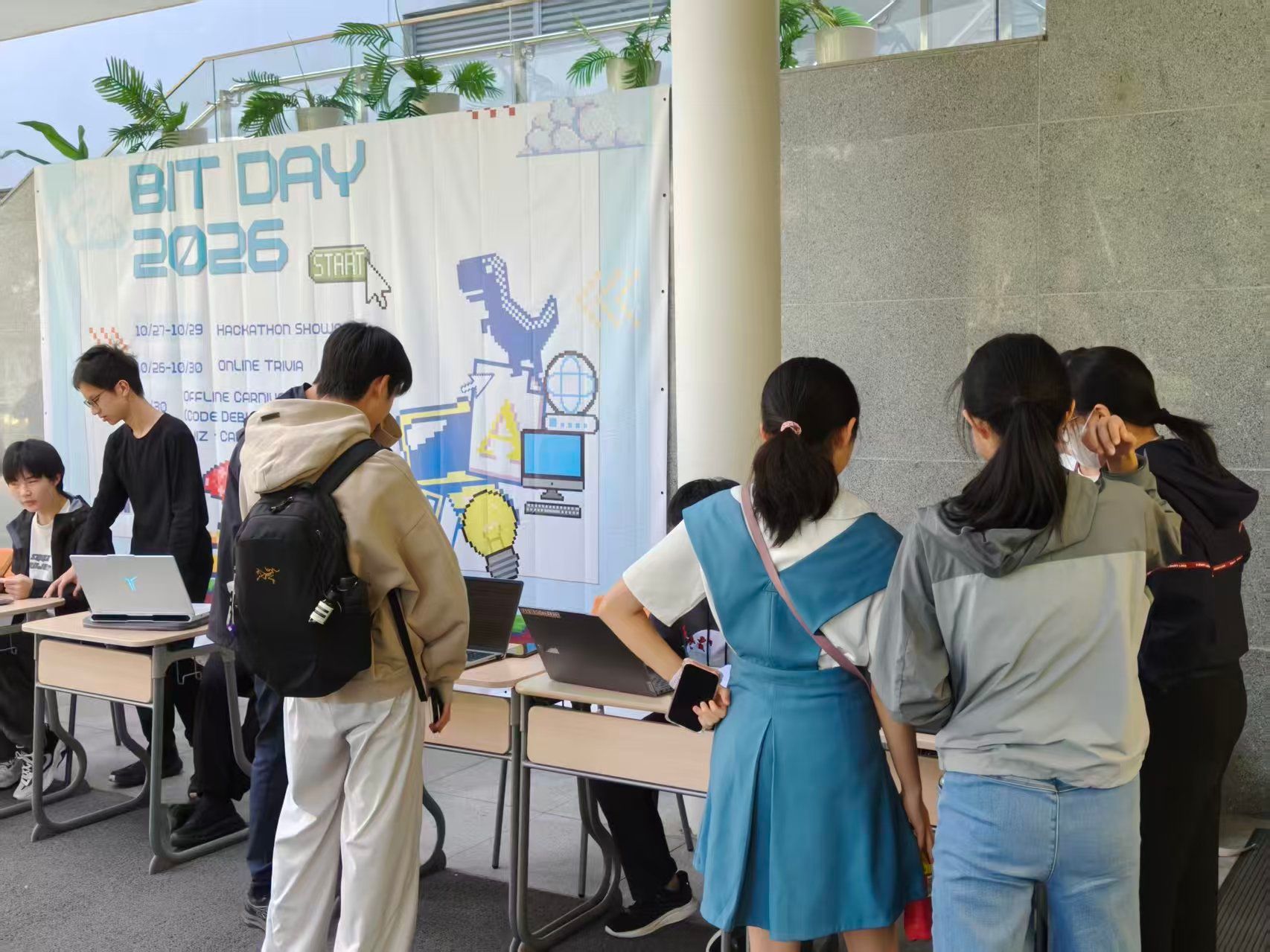
In the AI or Human? Challenge, participants examined a series of texts and images and tried to determine whether they had been created by humans or generated by AI. As generative AI continues to advance, the distinction between human-created and AI-generated content has become increasingly difficult to recognize, prompting participants to think carefully before making their choices.
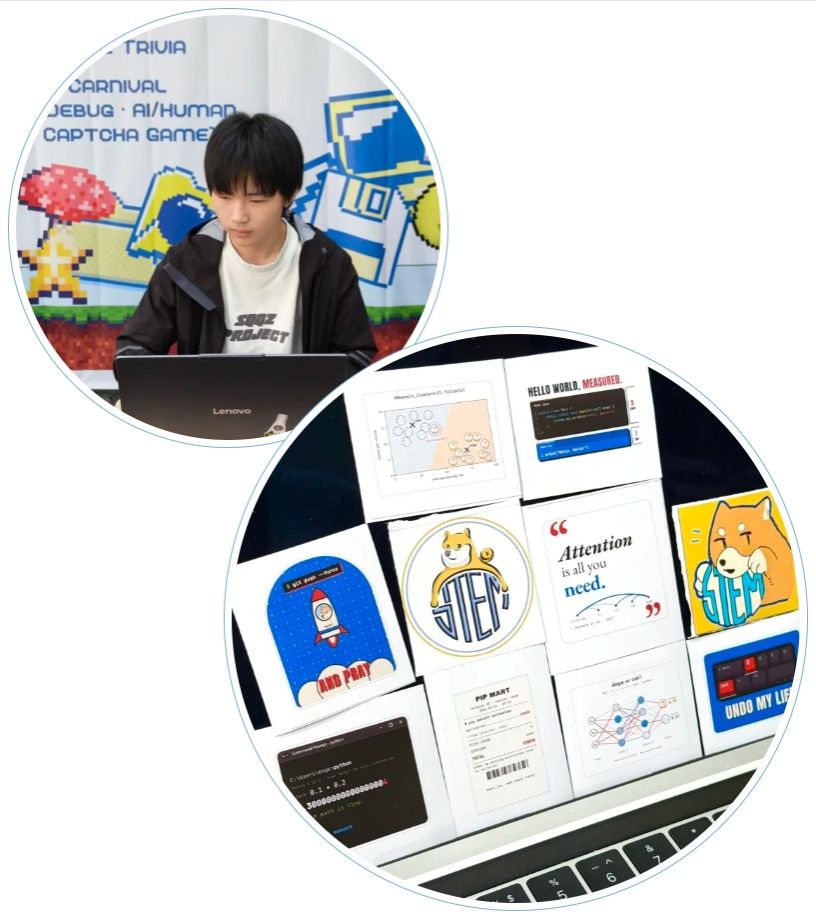
In the CAPTCHA Challenge, participants took on the "I'm Not a Robot" game, racing against the clock to complete a series of increasingly unusual and amusing CAPTCHA tests to prove that they were human.
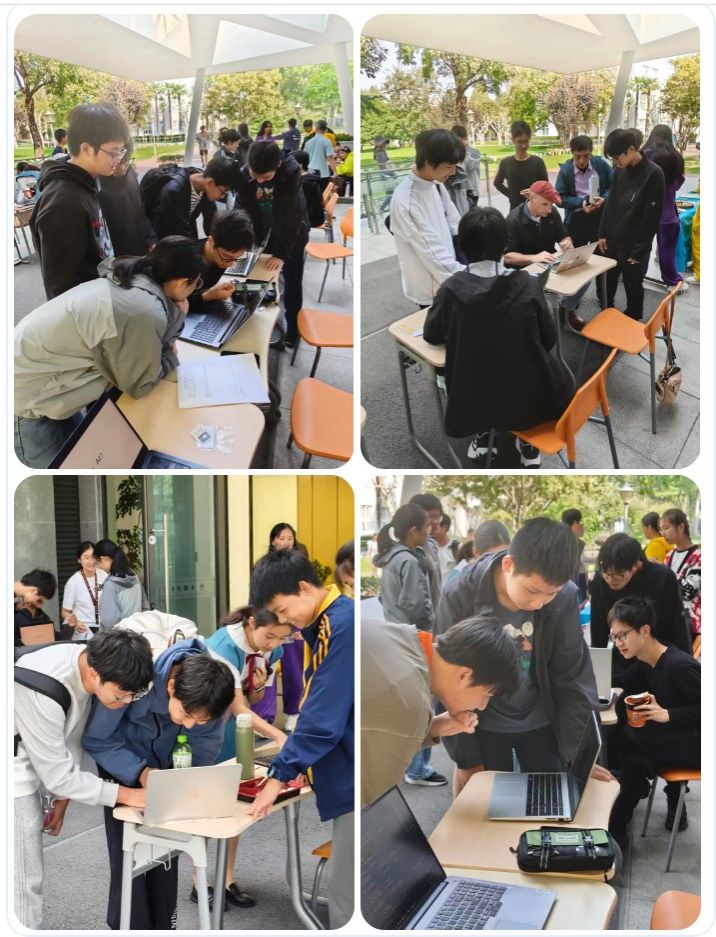
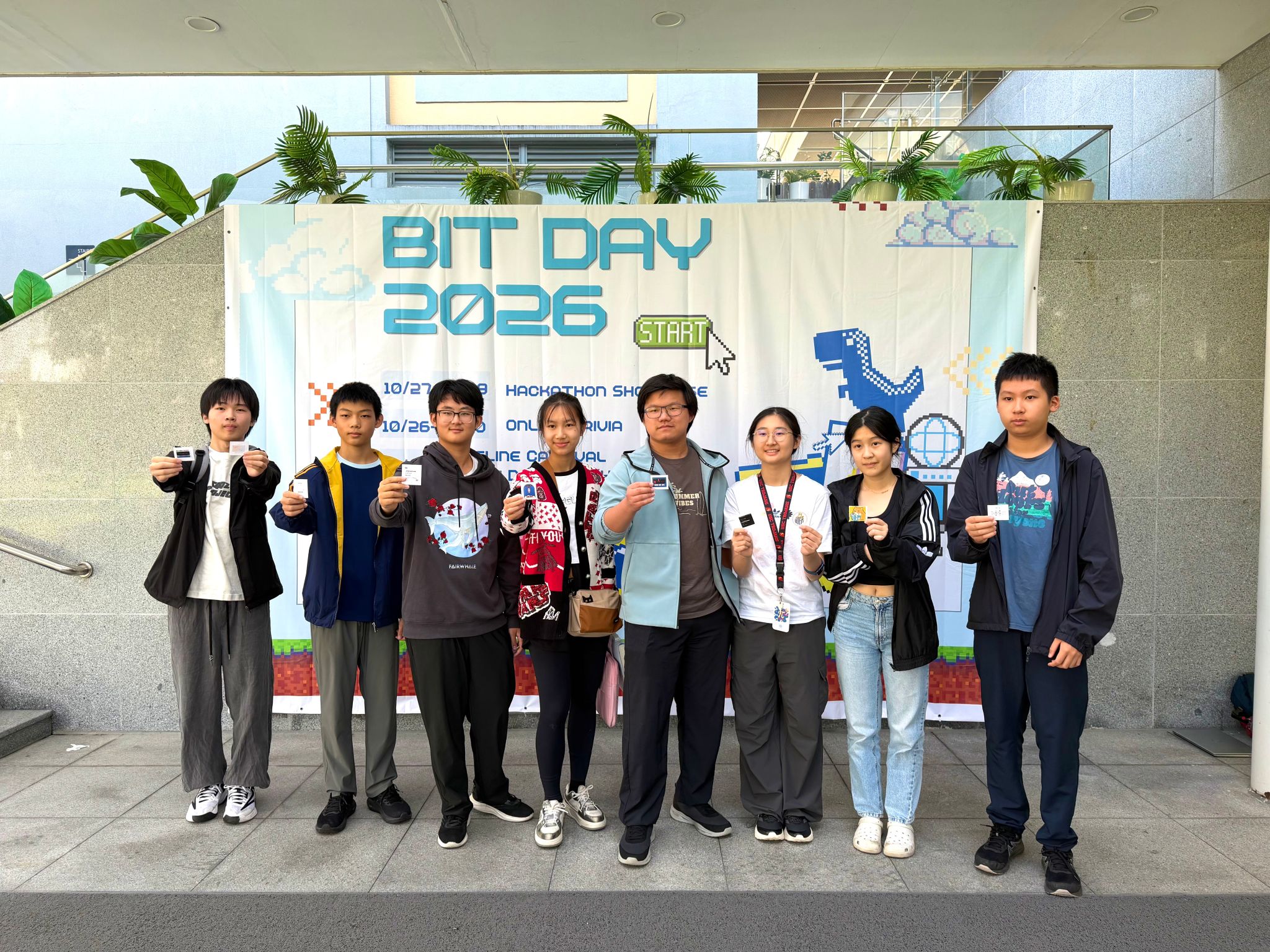
All participants received exclusive Bit Day merchandise designed by STEMDoge, while those who successfully completed the challenges earned special prizes.
This year's Bit Day provided students passionate about computer science with a platform to showcase their creativity and technical skills, while also offering those less familiar with programming an engaging and accessible introduction to the subject. From the functional prototypes developed during HackSHSID to the interactive challenges exploring the boundaries between humans and AI, Bit Day 2026 demonstrated the power of computer science to bring ideas to life.
(Written by 11(2) Ivan Pictures by Computer Science Department, SHSID Media Group Supervised by Mr. Li Da Reviewed by Mr. Zuo Qian, Ms. Shen Chenli, Ms. Gu Ying)