-
ABOUT US
-
ACADEMICS
Curriculum Program
Departments
- English
- High School Chinese
- Primary and Junior School Chinese.
- High School Mathematics
- Middle School Mathematics
- Primary School Mathematics
- Music and Fine Arts
- Physical Education
- Physics
- Chemistry
- History and Geography
- Physical Science and Optional courses Department
- Middle School Biology
- High School Biology
- Social Sciences
- Computer Science
- Courses in Primary School
Achievements and Matriculations
College Counseling
Science & Technology Innovation Contest
Subject Competition
-
ARTS
-
ATHLETICS
-
AT SHSID
SHSID ∣ TIMES
PTSA
Club Exhibition
- 龙吟社
- Live 2 Drama
- Choir
- Hip-pop Dance Club
- The Primary School Dance Troupe
- Symposiums Club
- Biology Workshop
- You Shan
- VEX Robotic
- Peking Opera Club
- Baseball Club
- Model United Nations
- The World Scholar’s Cup
- Future Problem Solving Club
- OM Club
- AMC Club
- Music for Patients
- Smile Charity
- Stem Doge Alliance
- Chinese Debate Club
- IAA
- Mock Trial Club
- Zhengming Club
- Furry Friends
- GT-Racing
- Village Radio
- IMMC Club
- Creative Design and Intelligent Fabrication
- Future City Research Project
- ECOCAP
- AdvocaSEA
- SPDC
- Floorball Club
- Animusic MTC
- Wings Up
- Cyano
- Birding Community
Health and Wellness
Campus Safety
Cafeteria Service
-
ADMINISTRATION
-
ADMISSIONS
-
ALUMNI
Alumni Information
Honors Students
- Class of 2026
- Class of 2025
- Class of 2024
- Class of 2023
- Class of 2022
- Class of 2021
- Class of 2020
- Class of 2019
- Class of 2018
- Class of 2017
- Class of 2016
- Class of 2015
- Class of 2014
- Class of 2013
- Class of 2012
- Class of 2011
- Class of 2010
- Class of 2009
- Class of 2008
- Class of 2007
- Class of 2006
Who Studied at SHSID
SHS Foundation
-
DOCUMENTS
Middle School Physics Department: Virtual Practice First, Authentic Experimentation for Truth— G8 Physical Science Density Investigation
Bringing digital simulation into physics experiments opens richer avenues for scientific inquiry. Recently, Grade 8 students at Shanghai High School International Division completed their density measurement investigation. Adopting a model combining pre-class preparation and hands-on laboratory work, teachers guided students with the self-developed IntelliPhys-Lab simulation platform before arranging in-person lab measurements. Students built connections between virtual operations and physical experiments, understood experimental logic, developed an awareness of evidence, and gradually mastered approaches to scientific inquiry through hands-on practice.
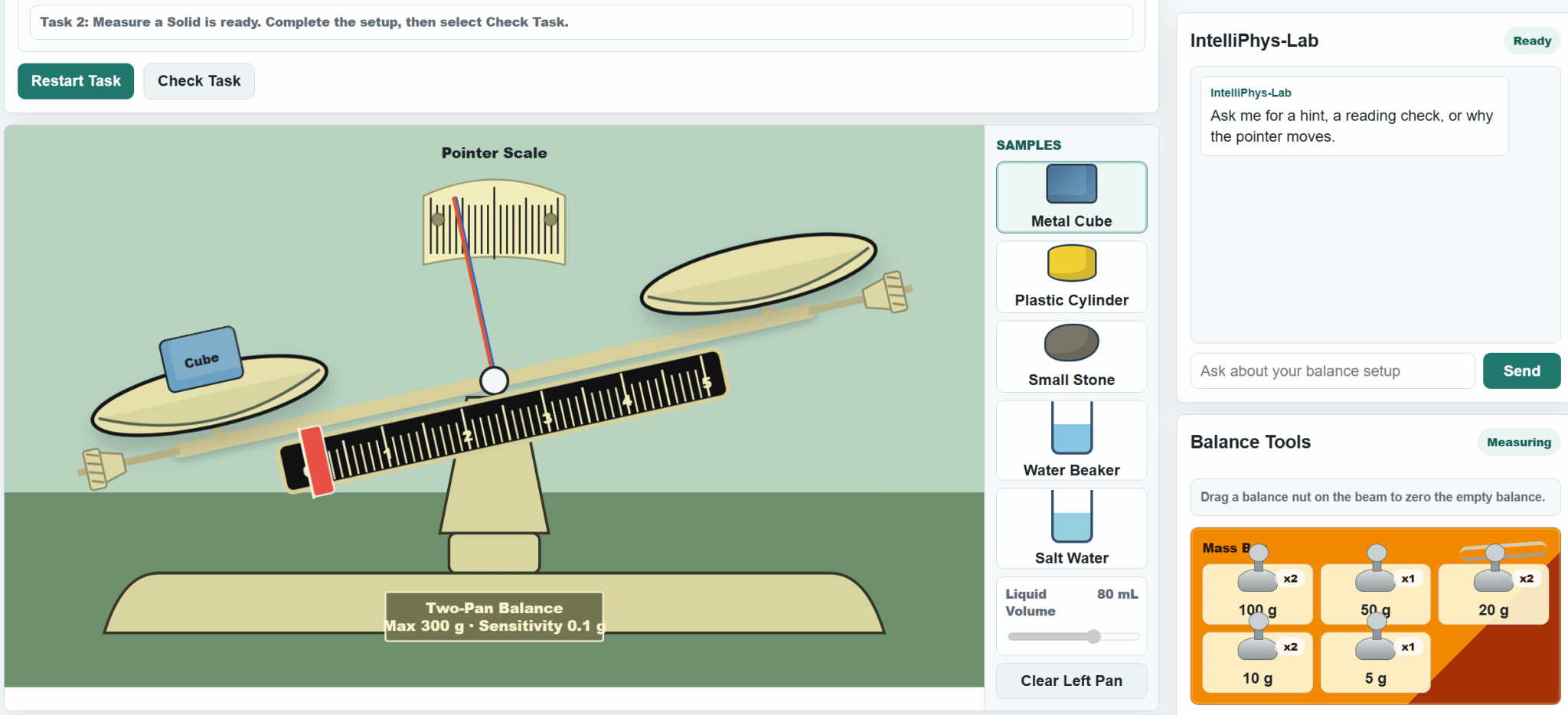
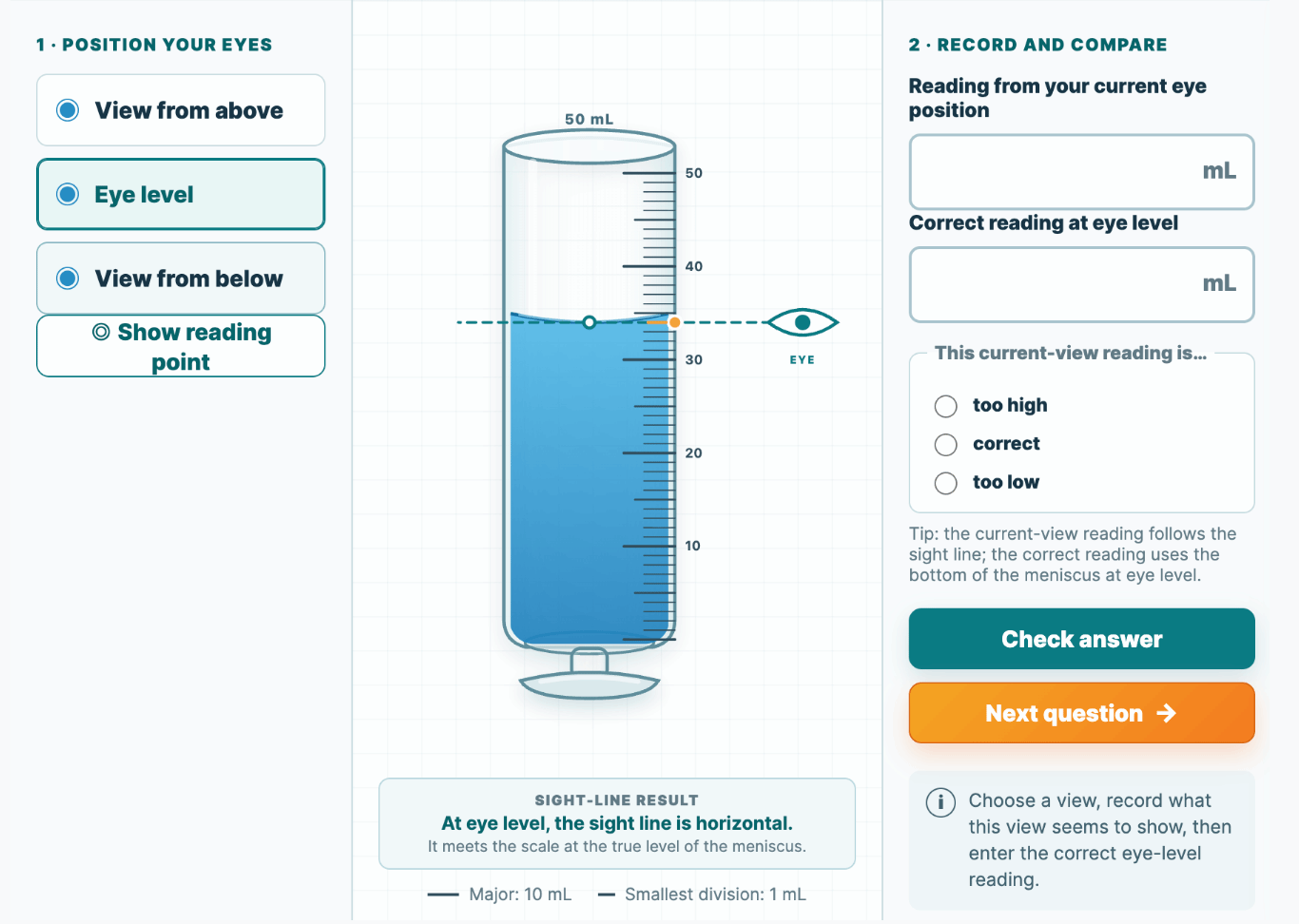
Tailored to the teaching content and experimental requirements of the Grade 8 density unit, IntelliPhys-Lab is designed with clear focus on experiment objectives, instrument handling and operational procedures. Covering key steps including adjusting the balance, measuring mass, reading graduated cylinders, and determining volume via the water displacement method, the simulation aligns closely with classroom instruction and the subsequent physical lab work. Students can complete online practice identical to the real experiment. For students who are new to systematic use of equipment such as balances and graduated cylinders, this pre-lab simulation removes constraints of limited apparatus and class time. It allows them to rehearse procedures repeatedly, spot operational mistakes early, and get well-prepared for standardized practice in the physical lab.
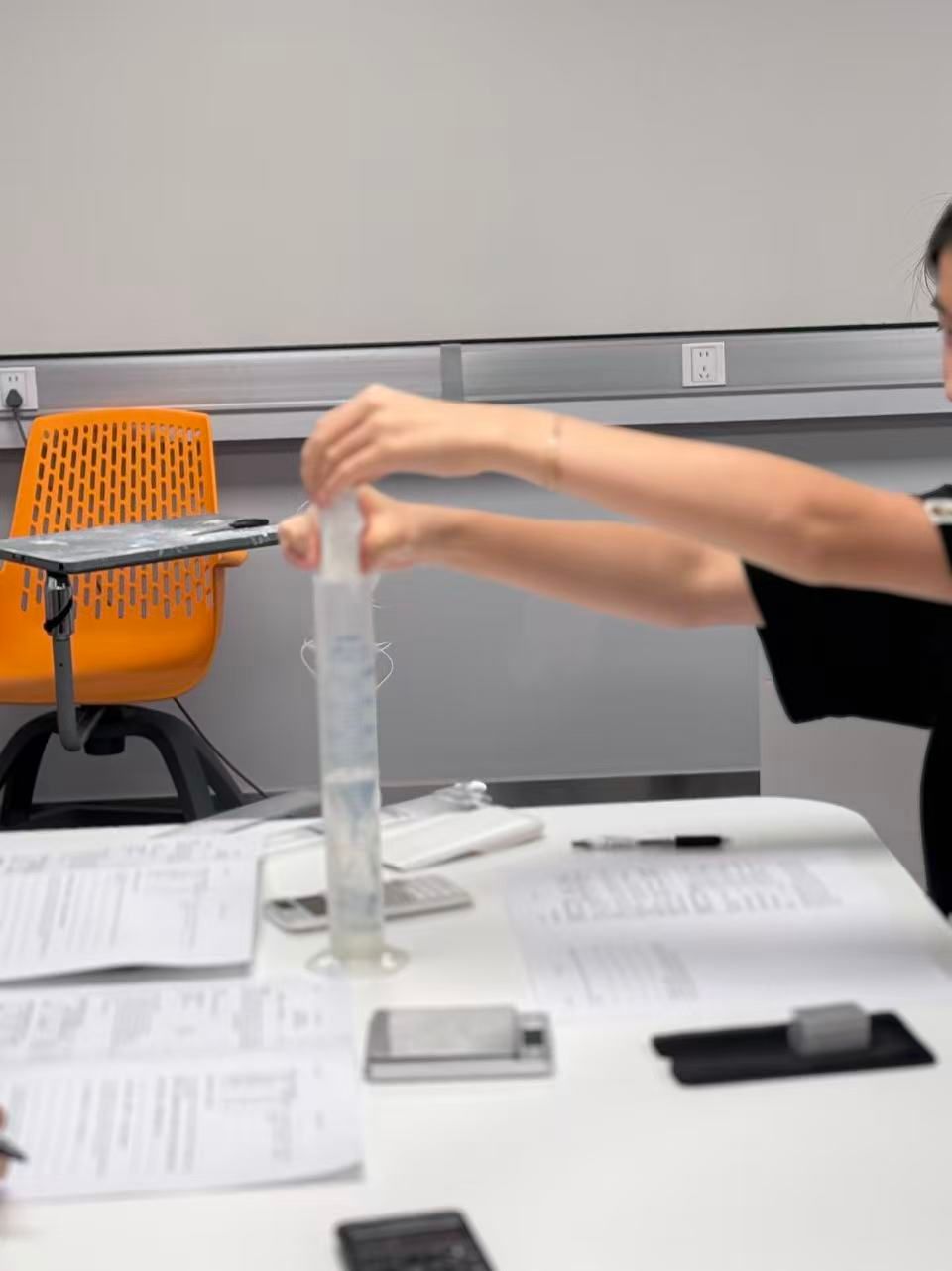
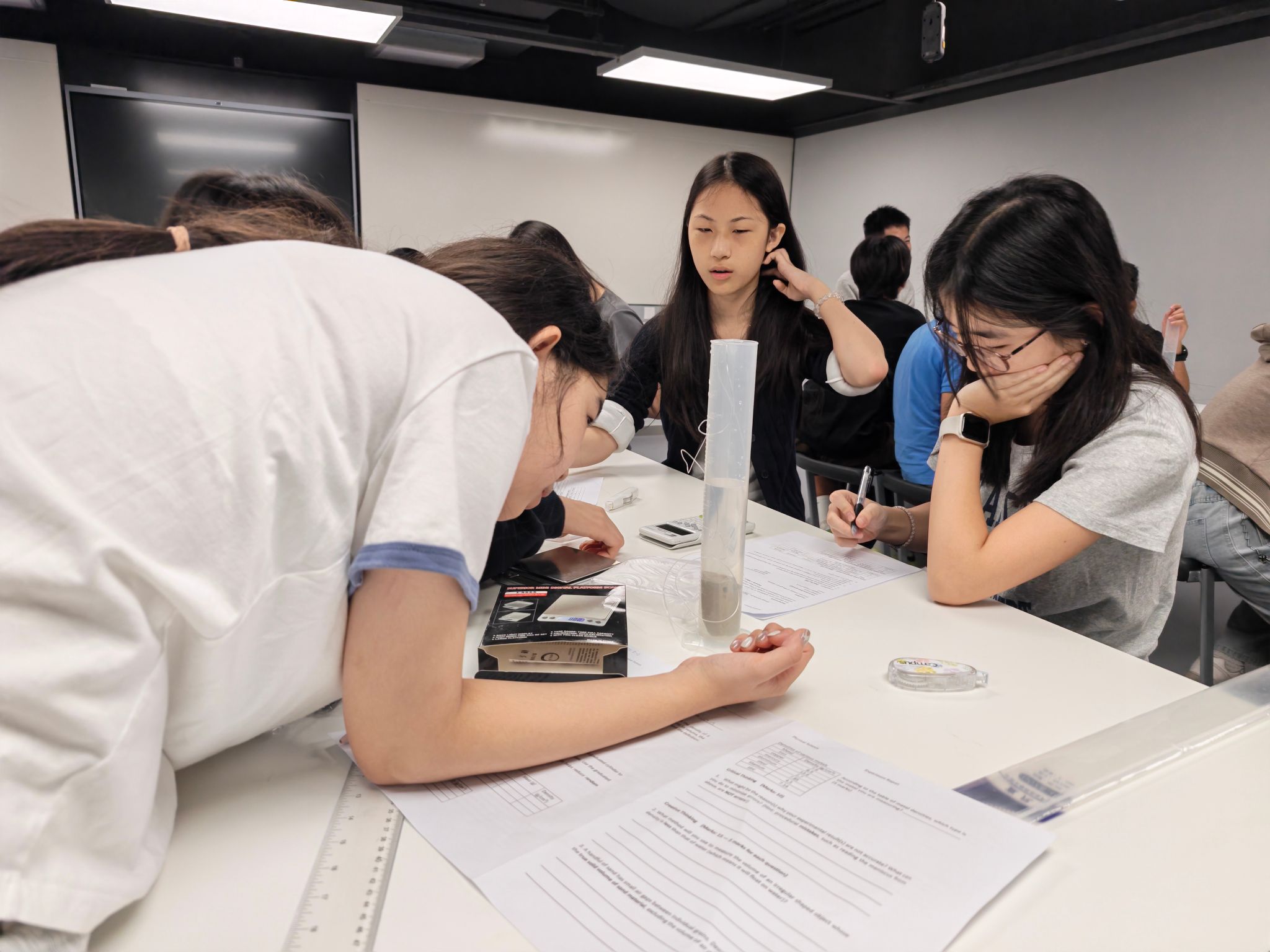
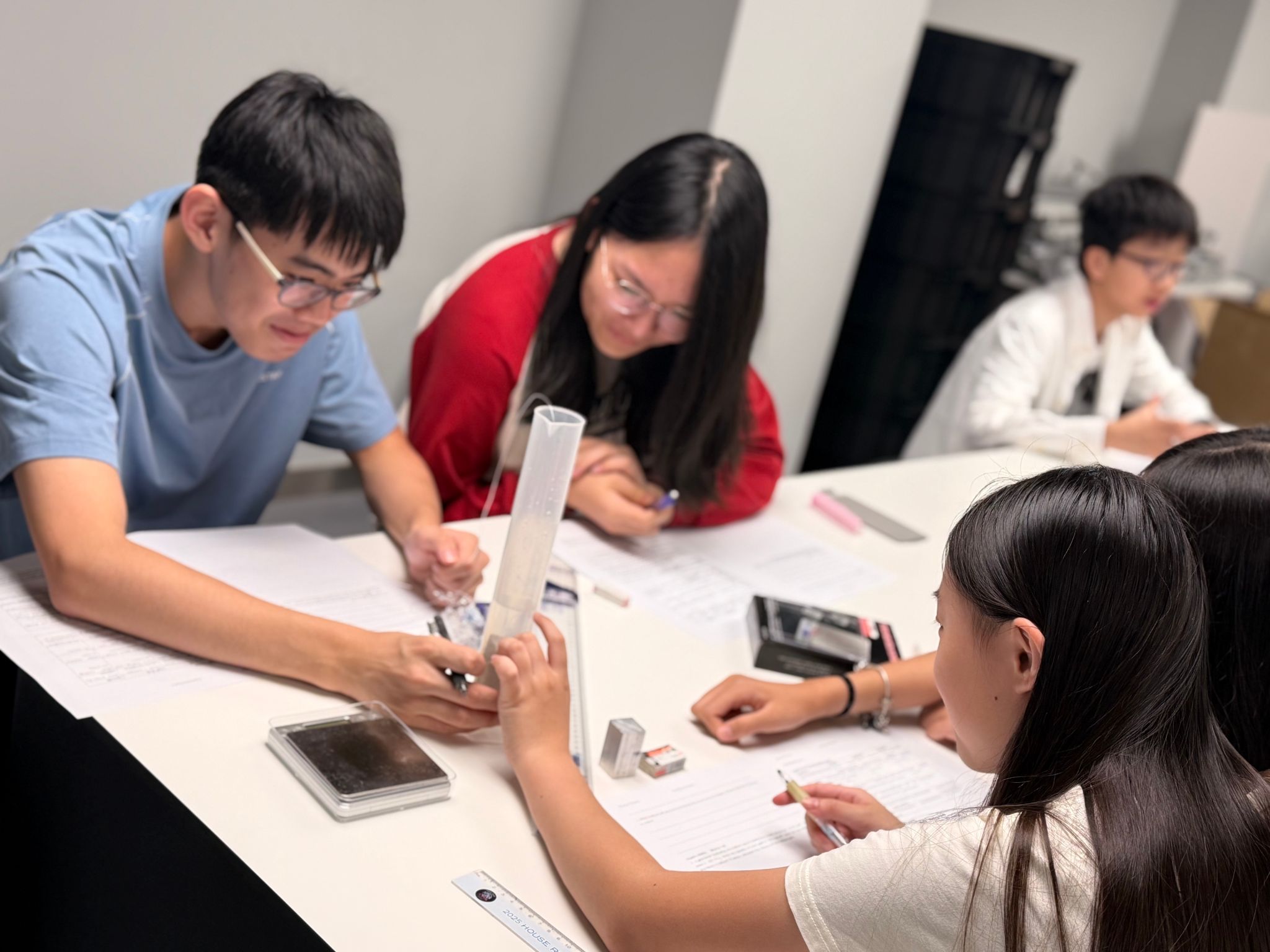
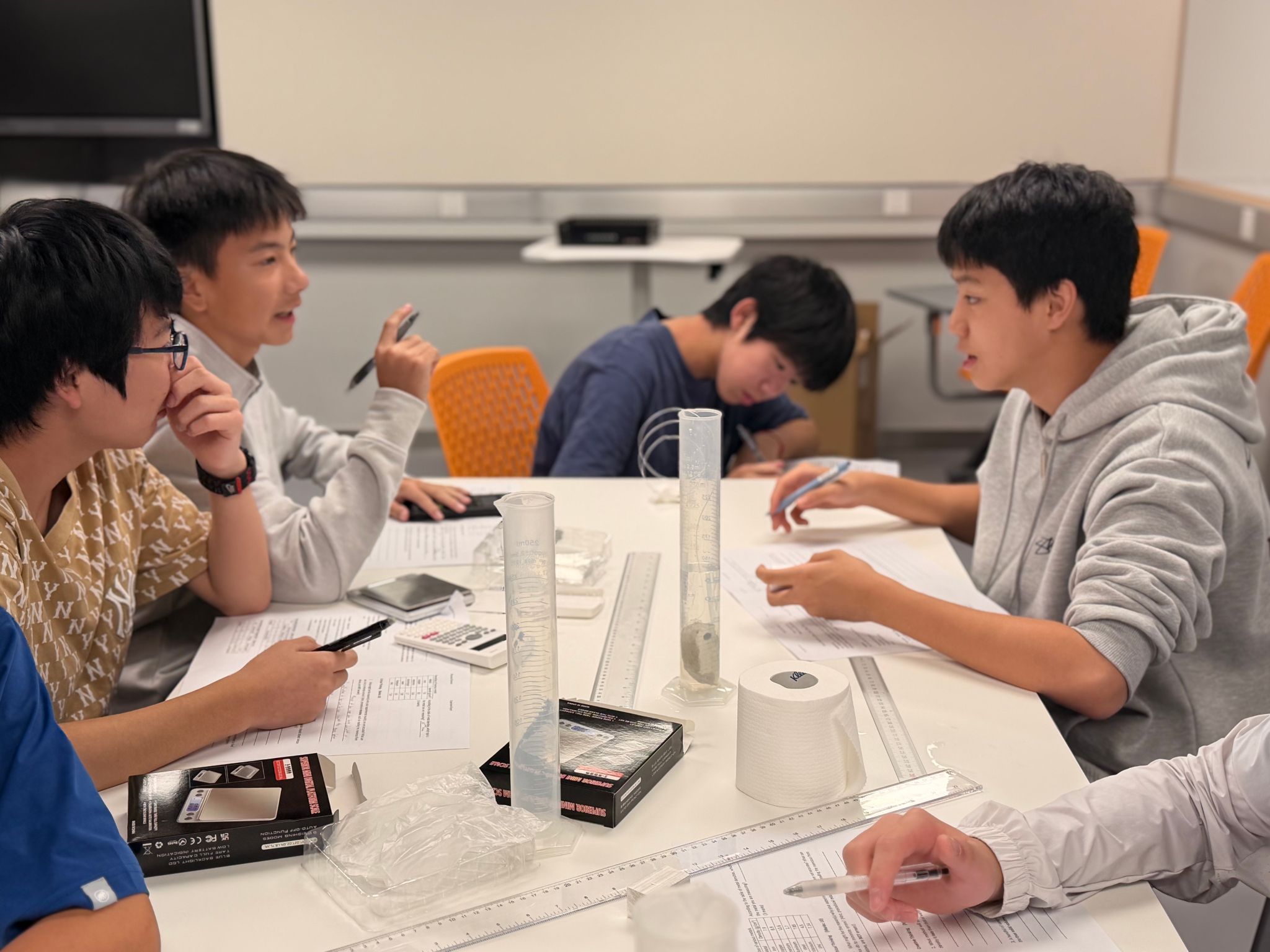
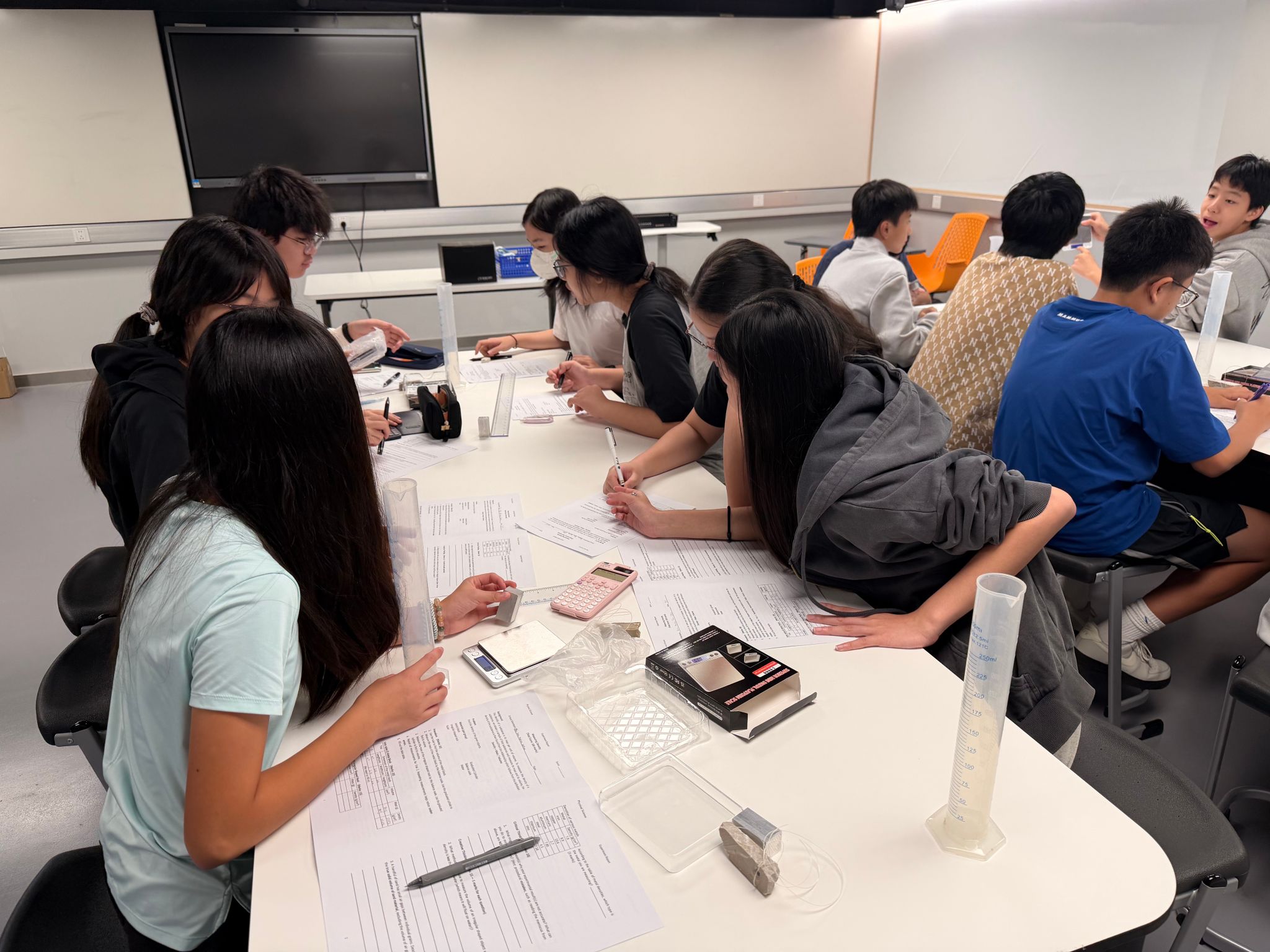
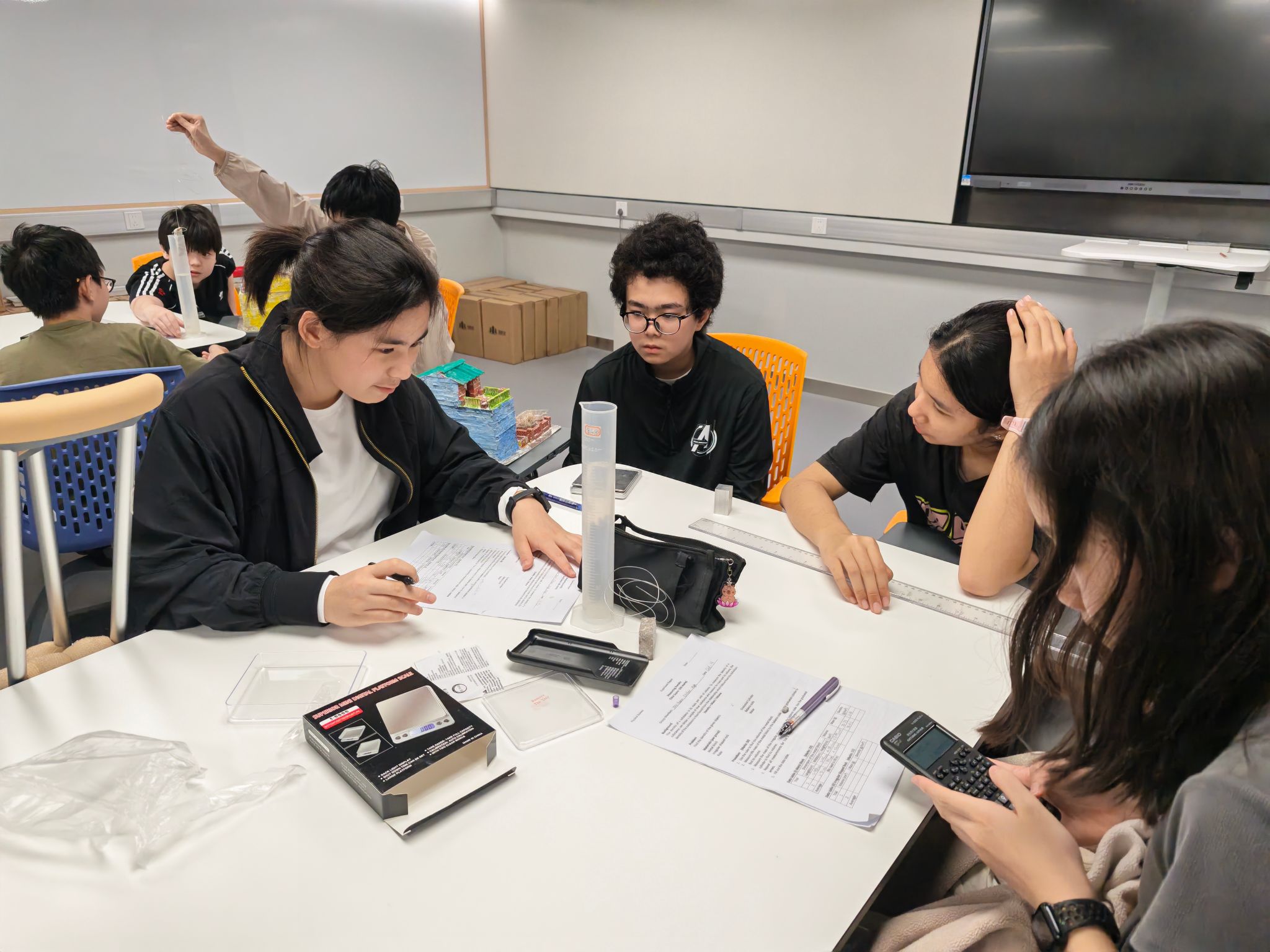
After finishing the online preparation, Grade 8 students carried out density measurements in the laboratory. The experiment included measuring the mass and dimensions of regular metal blocks, finding the volume of irregular stone samples using water displacement, and calculating density from recorded mass and volume data. Students carefully logged raw data, analyzed their results, and discussed potential sources of discrepancies, such as reading errors, operational mistakes, and variations in experimental conditions. Thanks to the prior simulation practice, students were familiar with procedures and standards, laying a solid foundation for data analysis and post-experiment reflection.
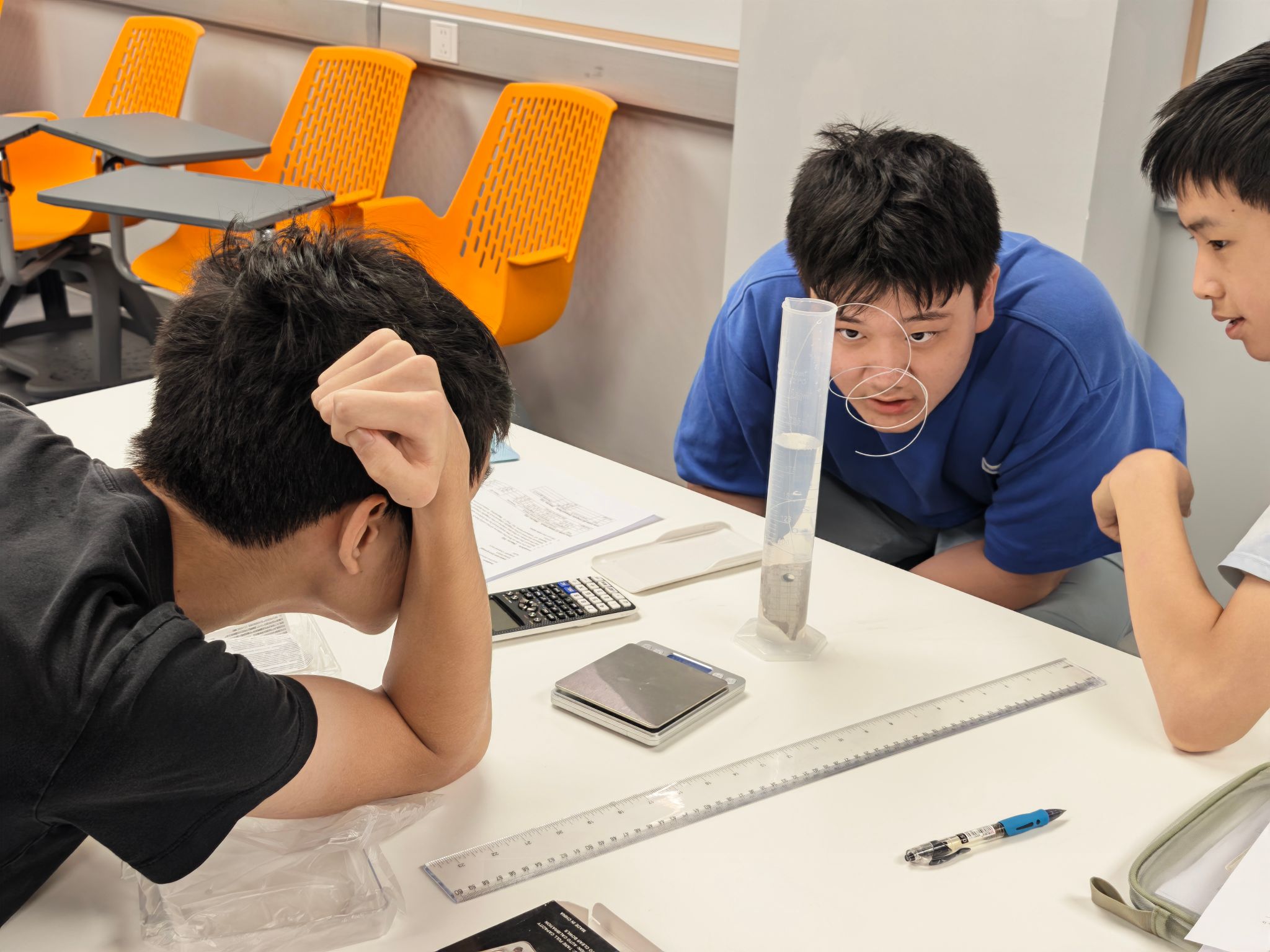
The value of physics experiments lies far beyond obtaining a final result. It helps students understand the relationships among measurement, error, and conclusions supported by authentic evidence. The virtual experiments on IntelliPhys-Lab offer pre-training on standard procedures, while real-world experiments reveal the inherent uncertainty of physical measurement. Students are encouraged to record data faithfully, analyze errors, and draw conclusions based on observations and collected data. Complementing each other, virtual simulation and hands-on experimentation extend lab teaching from simple operational drills to careful observation, data interpretation, and scientific reasoning.
Moving forward, the Grade 8 physical science department will continue to refine and deploy IntelliPhys-Lab according to teaching needs. By integrating digital learning tools with physical laboratory work, teachers will create more opportunities for students to observe, verify, analyze, and reflect. Students will keep developing rigorous scientific thinking and an evidence-based mindset through ongoing inquiry.
(Written by Bingxin Chen
Pictures by Physical Science Teachers
Reviewed by Lei Guo, Shiyu Wu, Christian Saroza)