-
ABOUT US
-
ACADEMICS
Curriculum Program
Departments
- English
- High School Chinese
- Primary and Junior School Chinese.
- High School Mathematics
- Middle School Mathematics
- Primary School Mathematics
- Music and Fine Arts
- Physical Education
- Physics
- Chemistry
- History and Geography
- Physical Science and Optional courses Department
- Middle School Biology
- High School Biology
- Social Sciences
- Computer Science
- Courses in Primary School
Achievements and Matriculations
College Counseling
Science & Technology Innovation Contest
Subject Competition
-
ARTS
-
ATHLETICS
-
AT SHSID
SHSID ∣ TIMES
PTSA
Club Exhibition
- 龙吟社
- Live 2 Drama
- Choir
- Hip-pop Dance Club
- The Primary School Dance Troupe
- Symposiums Club
- Biology Workshop
- You Shan
- VEX Robotic
- Peking Opera Club
- Baseball Club
- Model United Nations
- The World Scholar’s Cup
- Future Problem Solving Club
- OM Club
- AMC Club
- Music for Patients
- Smile Charity
- Stem Doge Alliance
- Chinese Debate Club
- IAA
- Mock Trial Club
- Zhengming Club
- Furry Friends
- GT-Racing
- Village Radio
- IMMC Club
- Creative Design and Intelligent Fabrication
- Future City Research Project
- ECOCAP
- AdvocaSEA
- SPDC
- Floorball Club
- Animusic MTC
- Wings Up
- Cyano
- Birding Community
Health and Wellness
Campus Safety
Cafeteria Service
-
ADMINISTRATION
-
ADMISSIONS
-
ALUMNI
Alumni Information
Honors Students
- Class of 2026
- Class of 2025
- Class of 2024
- Class of 2023
- Class of 2022
- Class of 2021
- Class of 2020
- Class of 2019
- Class of 2018
- Class of 2017
- Class of 2016
- Class of 2015
- Class of 2014
- Class of 2013
- Class of 2012
- Class of 2011
- Class of 2010
- Class of 2009
- Class of 2008
- Class of 2007
- Class of 2006
Who Studied at SHSID
SHS Foundation
-
DOCUMENTS
Puxi Campus G2: Golden October, Warm and Bright: Grade 2 CME Series on "Teamwork"
In the golden month of October, Grade 2's CME (Character & Moral Education) course launched a series of character and moral education activities centered on the theme of "Teamwork." Around this core theme, the Grade 2 team drew on a rich variety of activities—PG lessons, fun team-building, cross-grade shared reading, and subject-based inquiry—to turn "cooperation" from a slogan into a real experience that children personally took part in.
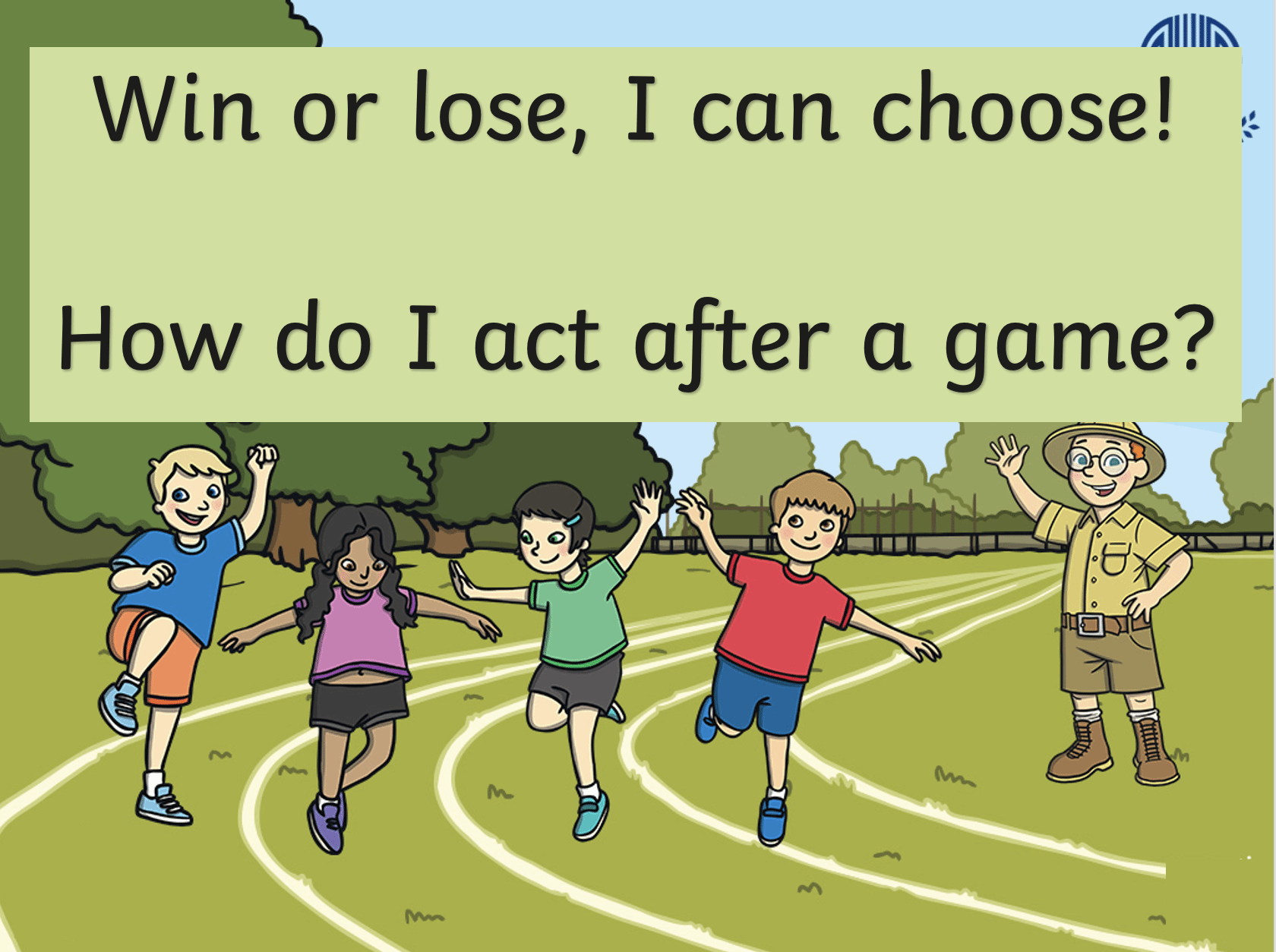
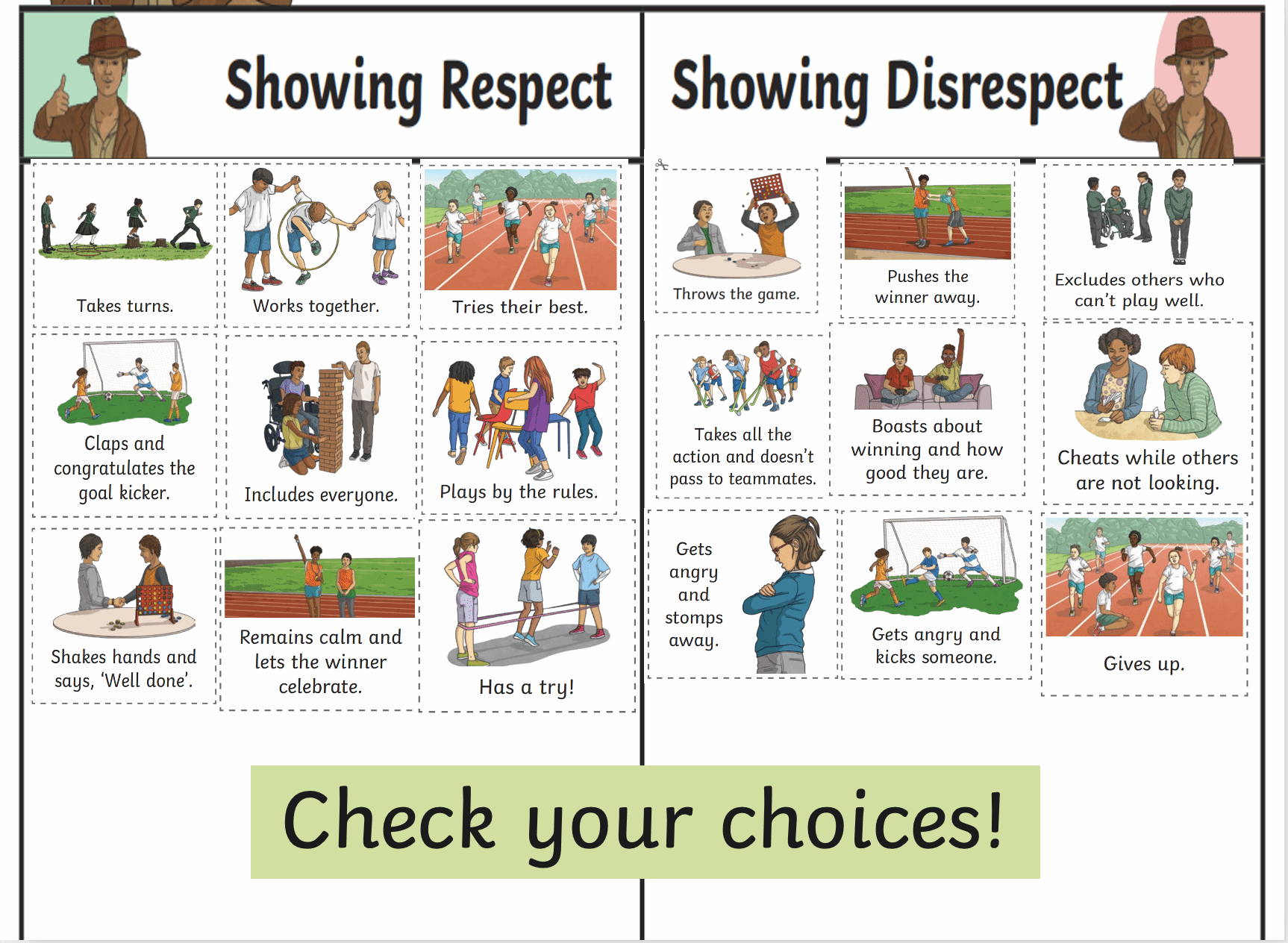
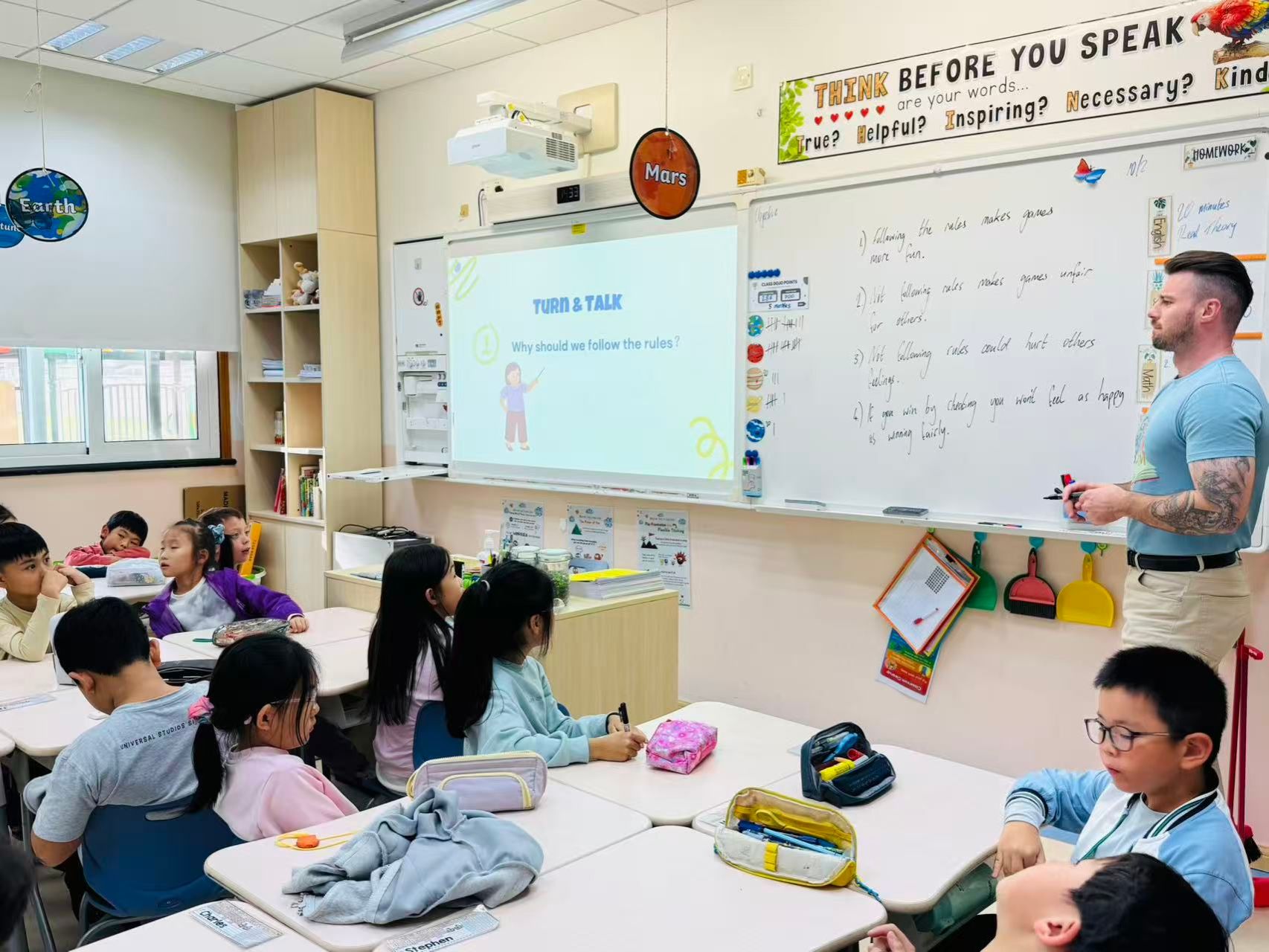
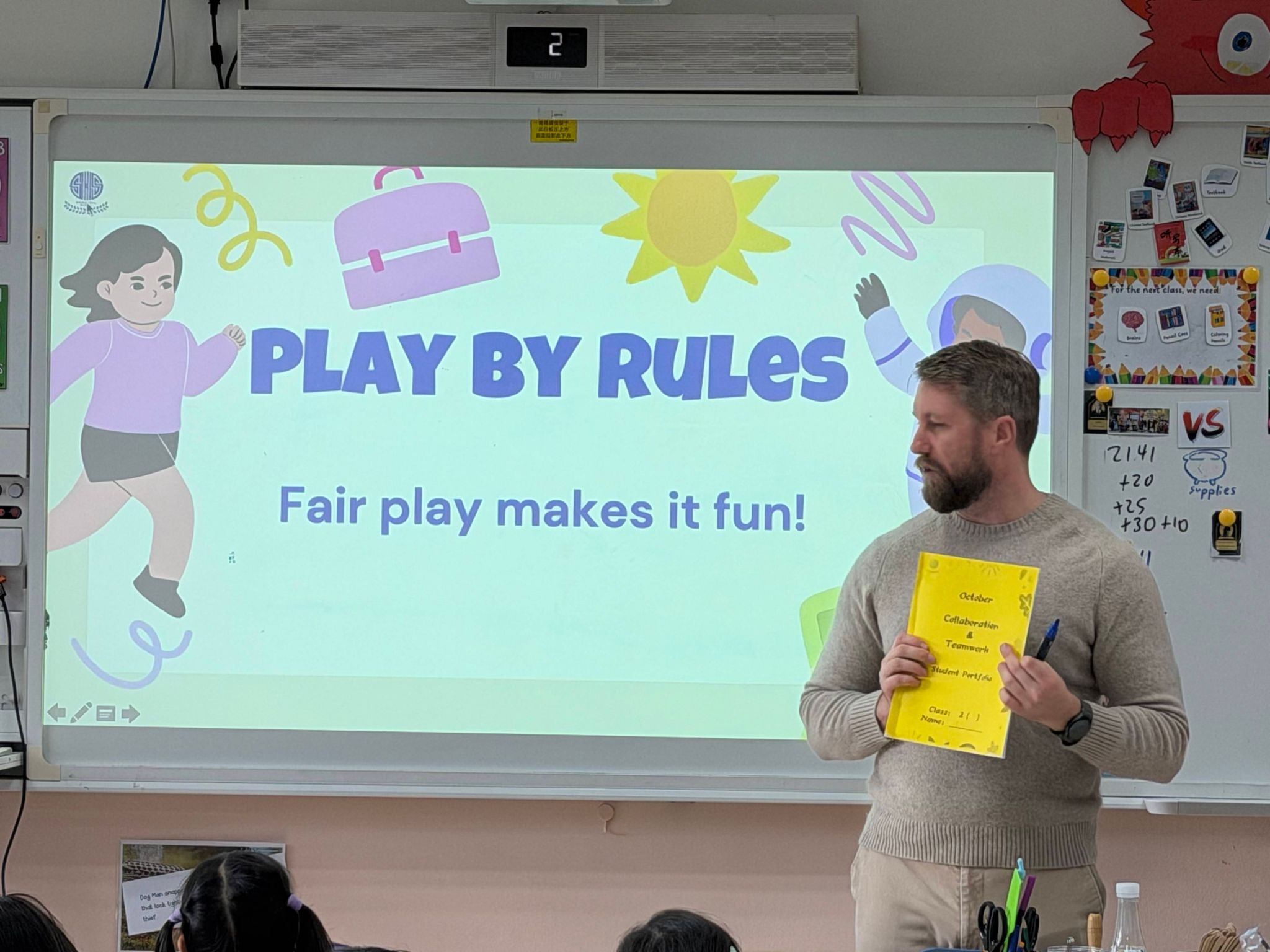
1. Humble in Victory, Resilient in Defeat — Reviewing the Spirit of Collaboration in CME Class
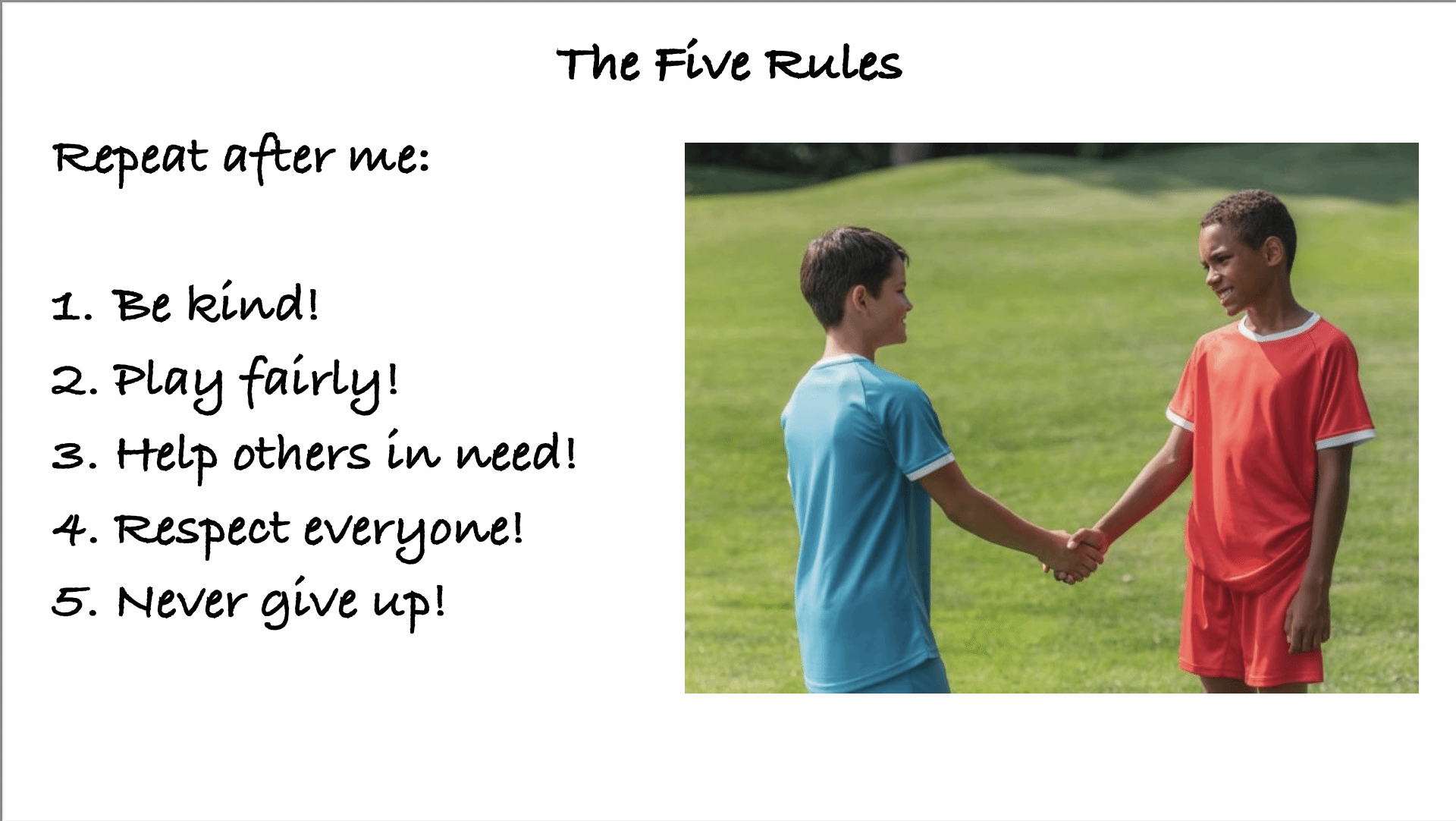
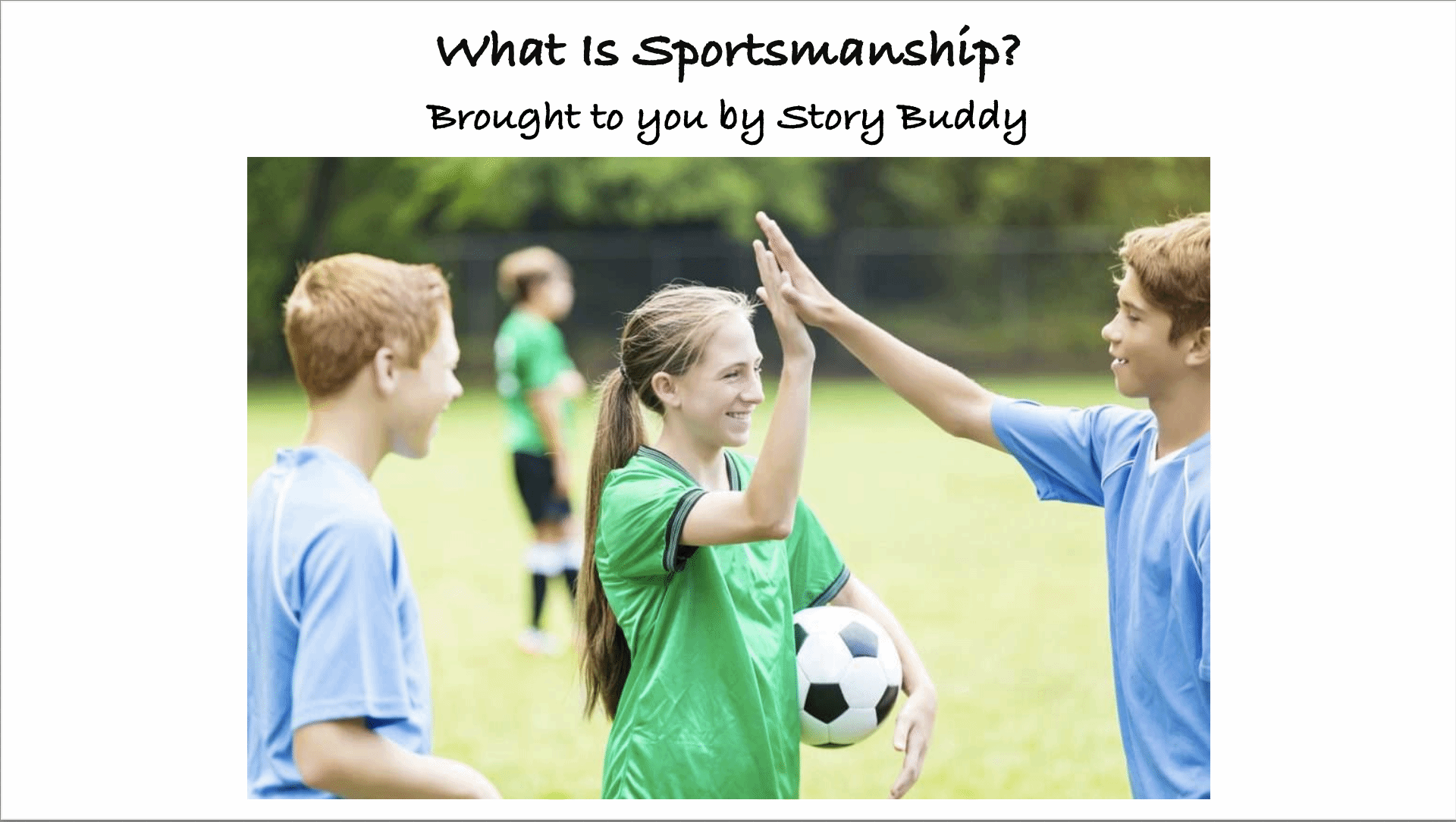
Grade 2 CME classes used stories, situational discussions, and sorting activities to guide children through learning about win-win cooperation. In the "Team First" lesson, students used the story of building a ship to discuss how to divide tasks and listen to suggestions so that every member could contribute their strengths. Around "Winning, Losing, and Sportsmanship," children learned to recognize emotions during competition, tried to calm themselves with deep breathing first, and then expressed their feelings to their partners. Through these lessons, children also came to understand that a heartfelt congratulations, a patient wait, and a warm word of encouragement are all interpretations of the competitive spirit. Through these classroom activities, children learned to use concrete actions to bring the spirit of cooperation from the classroom into daily life.
2. Building Teamwork in the Classroom — Indoor Team-Building Activity
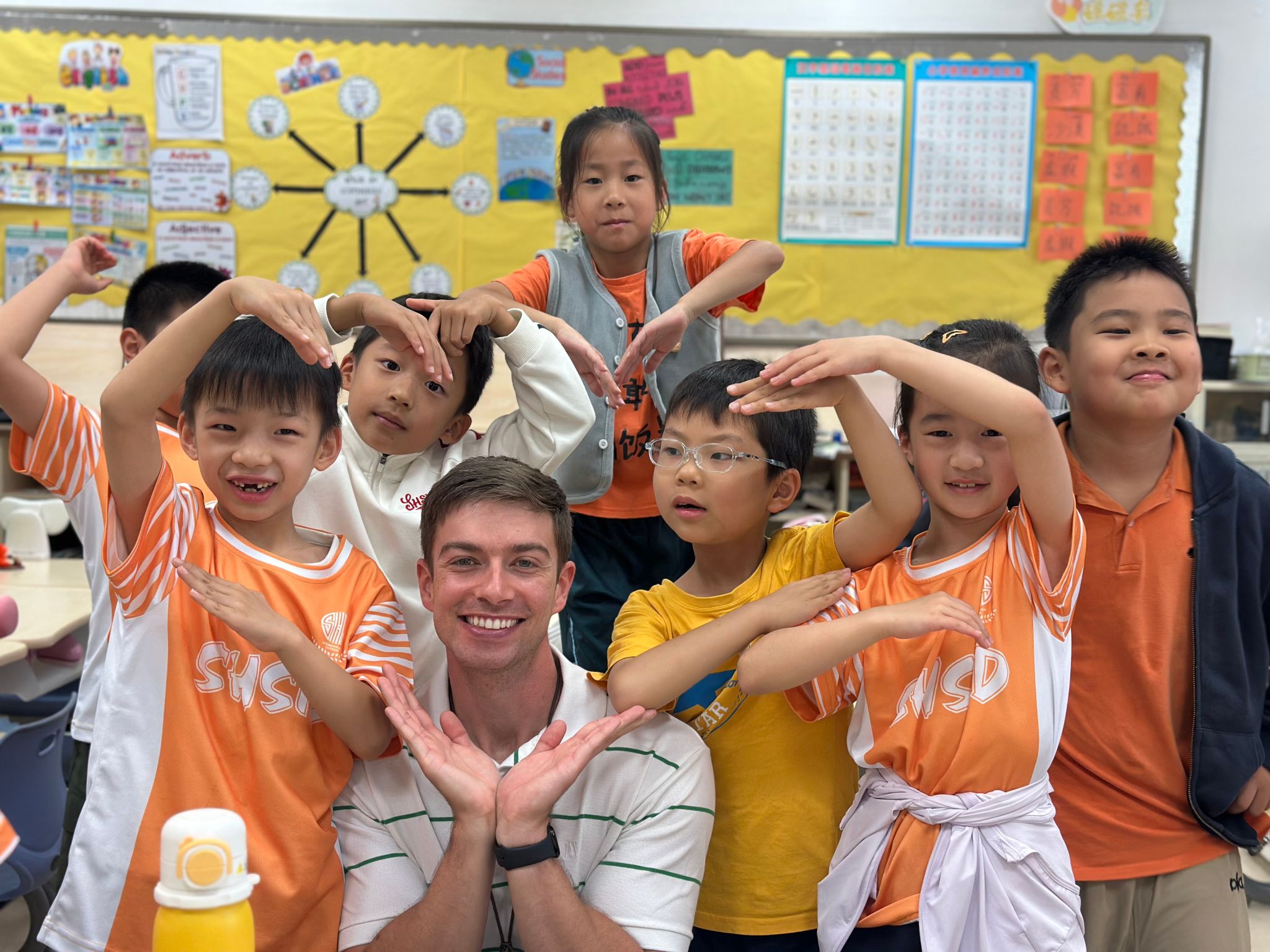
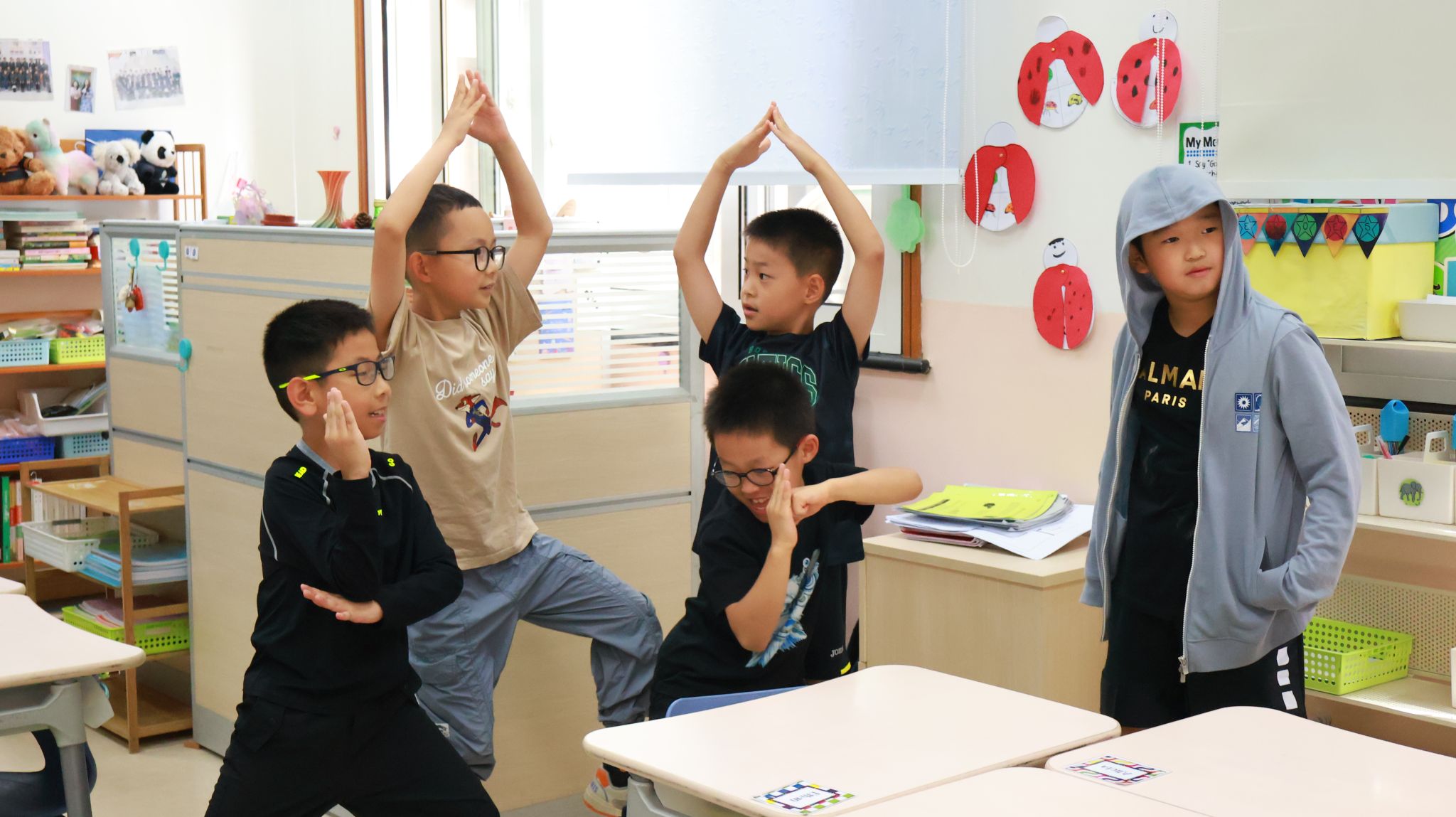
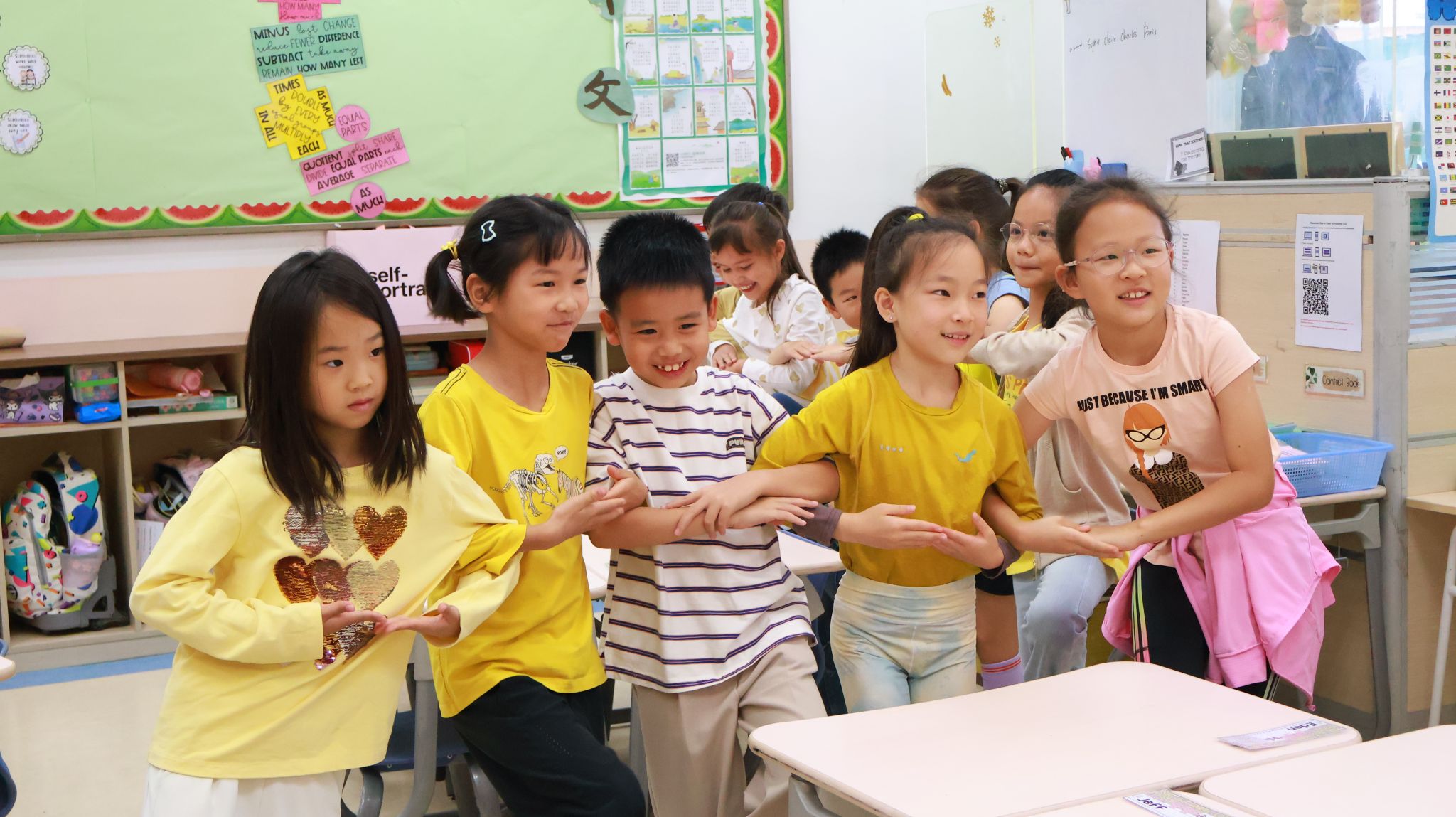
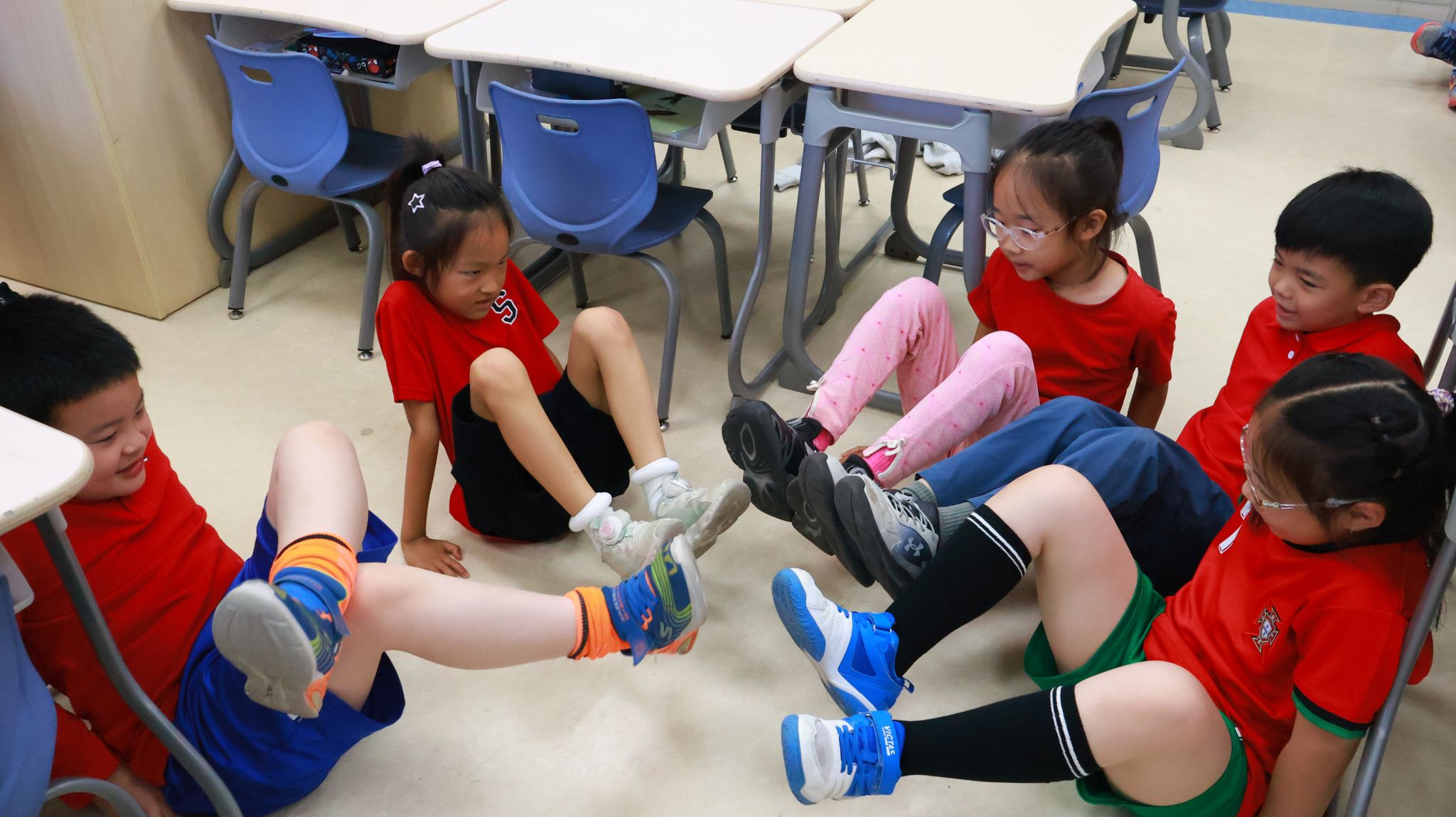
During Sports Week, the classroom was transformed into a "mini arena." The Indoor Olympics activity was not organized by homeroom; instead, students were grouped across classes, allowing children from different classes to get to know one another through fun games, and learn to cooperate with new partners. In the "Stand Steady as a Team" activity, each group had to design a pose based on a specified number of hands and feet touching the ground and hold it for five seconds. Facing challenges such as "How do we stand steadily?" and "How do we coordinate?", team members had to quickly discuss and try things out. The "Sports Knowledge Quiz" gave everyone a chance to share what they knew, while the full-body version of "Rock, Paper, Scissors" brought the joy of stretching and moving. Children applied the cooperation methods they had learned in class to the games, practicing communication through shared challenges. They not only paid attention to their partners' needs but also experienced the sense of accomplishment that comes from completing tasks together.
3. Older Students Reading with Younger Ones, Discovering "We" Together — Story Buddy Shared Reading Activity
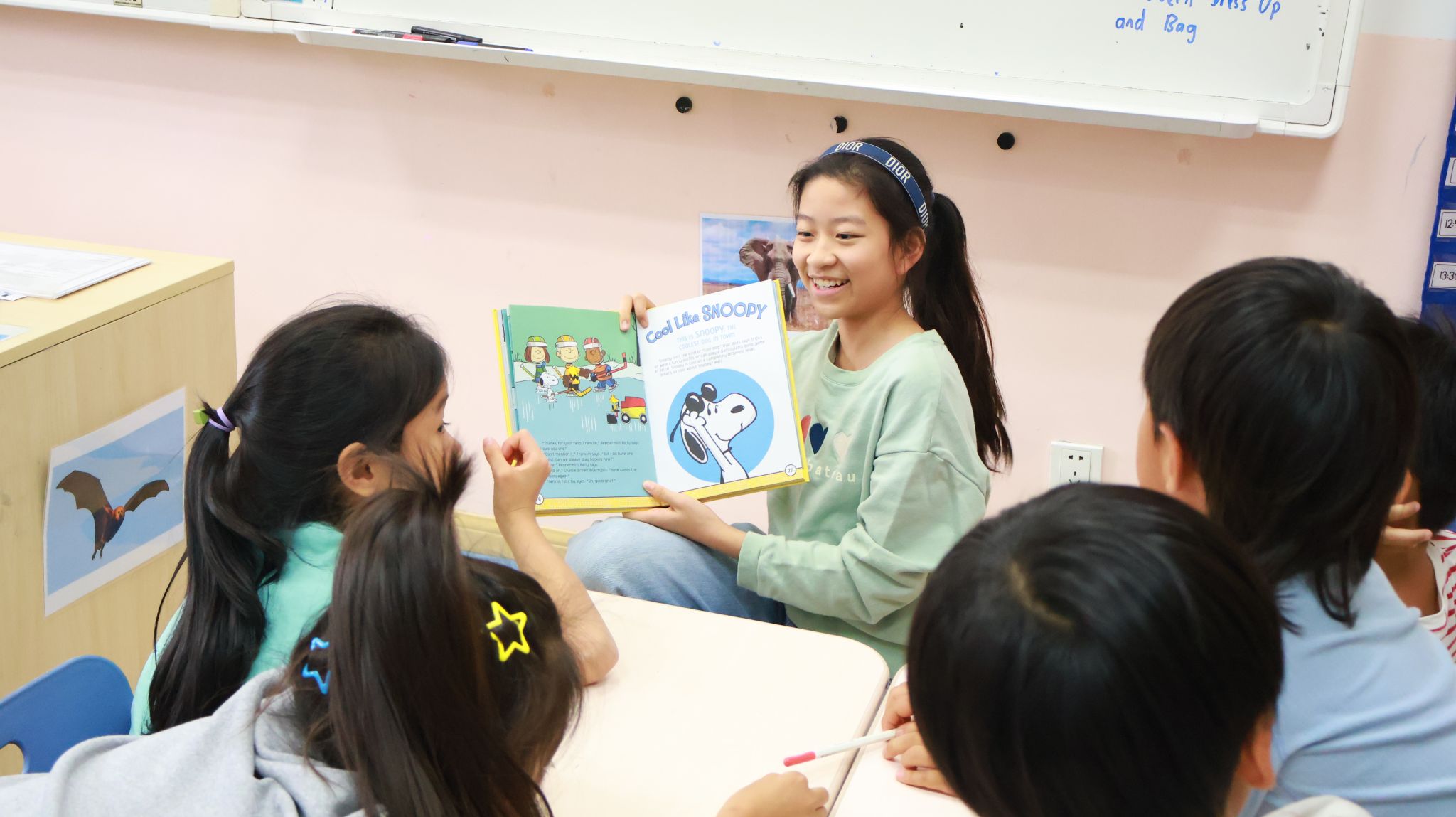
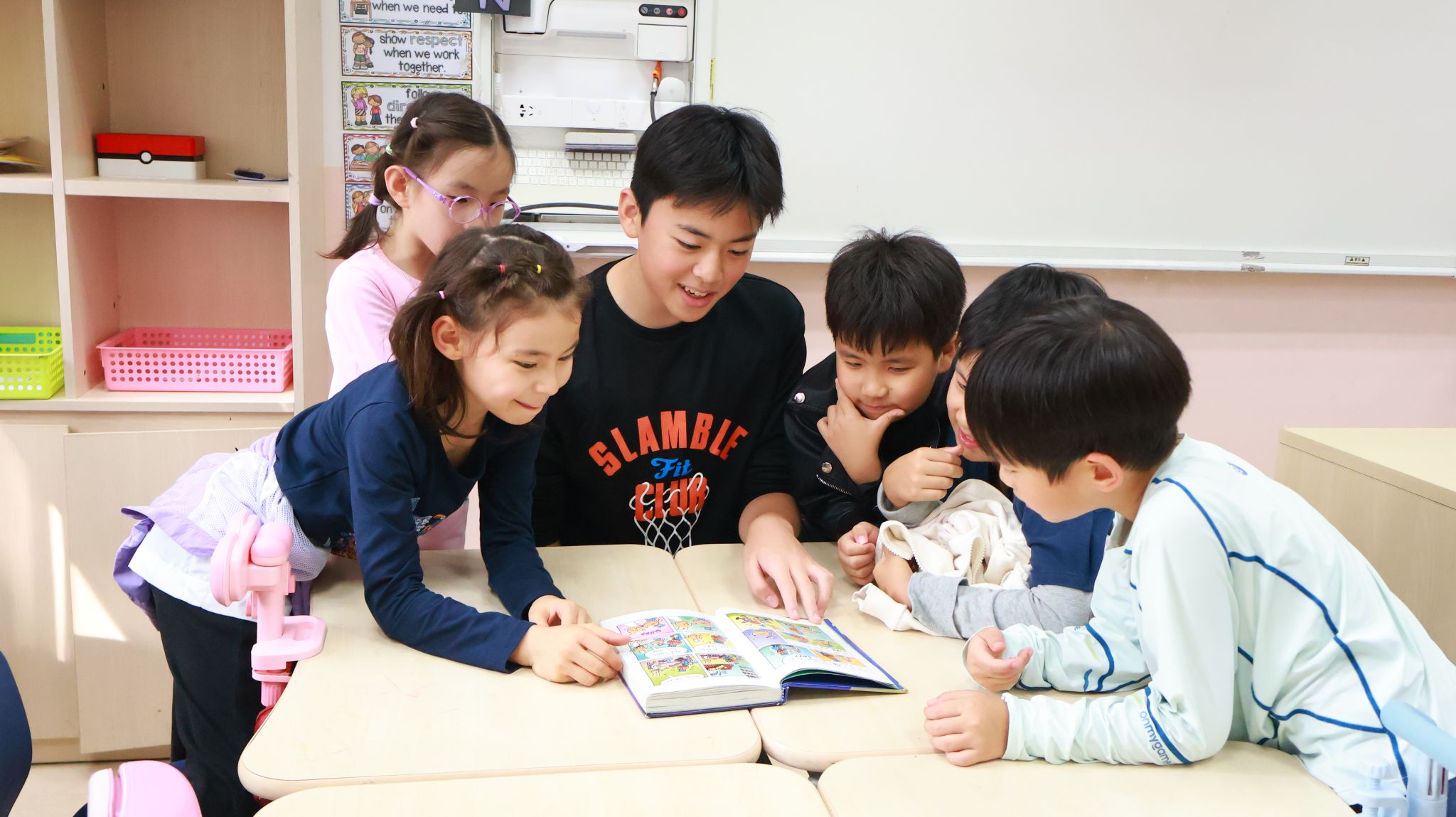
On October 29, members of the Grade 8 Story Buddy service group visited Grade 2 classrooms for a cross-grade shared reading activity. The older students specially chose books on the theme of sportsmanship and sat in small groups with the younger children to read together. In the company of books, the spirit of cooperation was quietly passed on: the older students learned to accompany with patience and to see things from others' perspectives, while the Grade 2 children practiced listening and expressing themselves. Through this "older students guiding younger ones" model, the children came to understand that cooperation means supporting one another and responding positively as partners. One book, one group of people—and the word "we" took on a gentle and concrete form.
4. You Help Me, I Help You — Small-Group Cooperation in Subject Activities
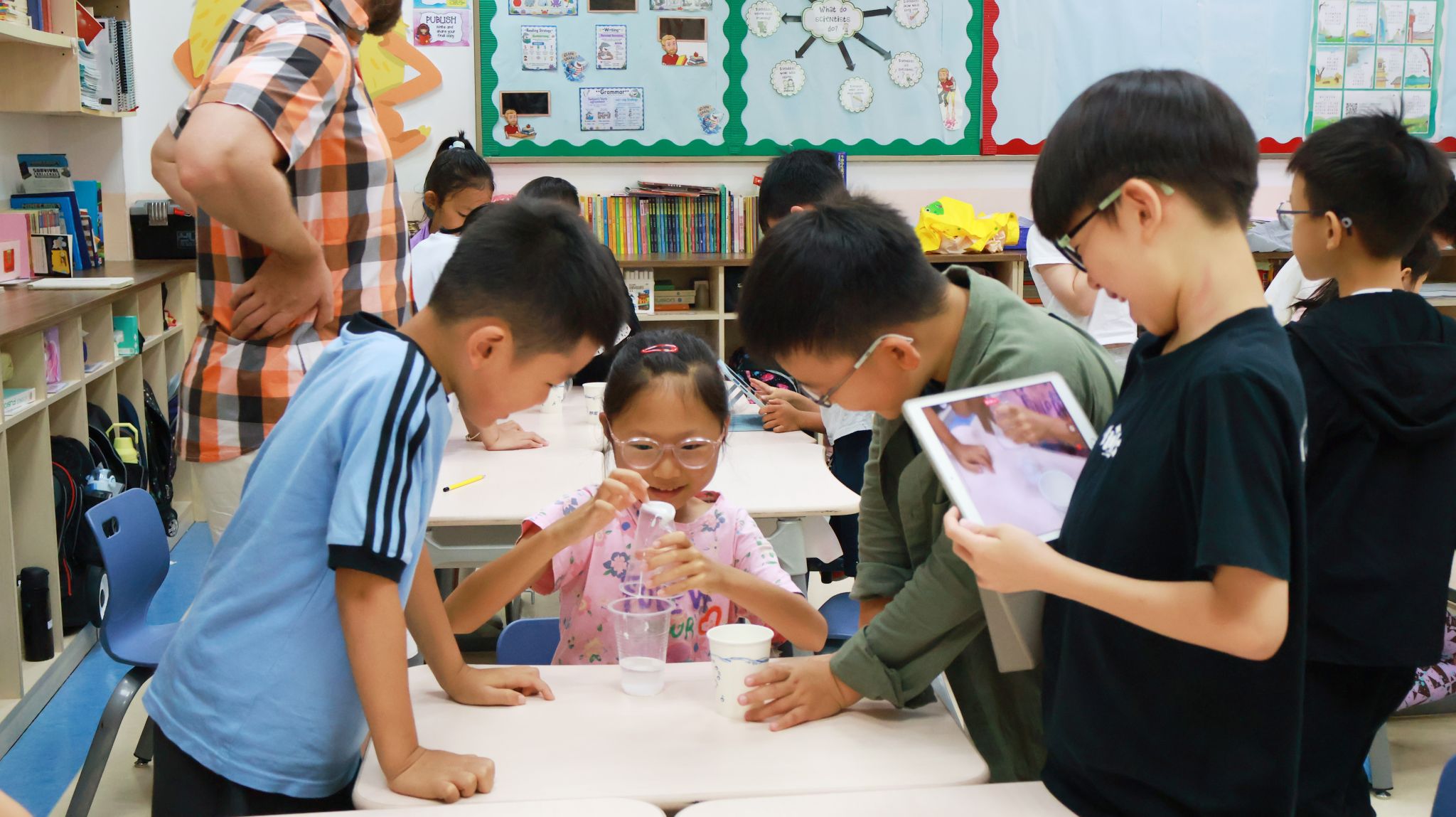
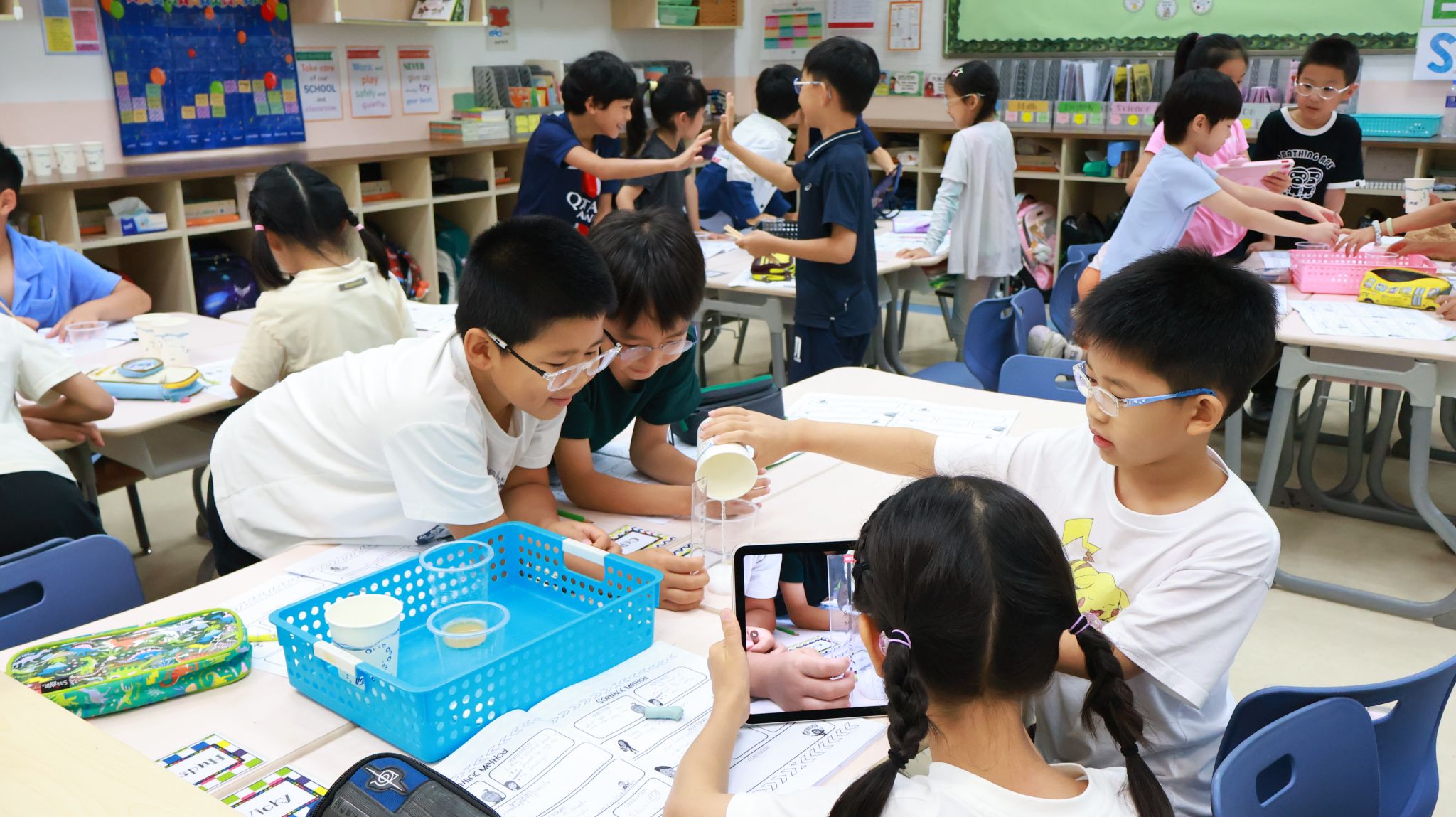
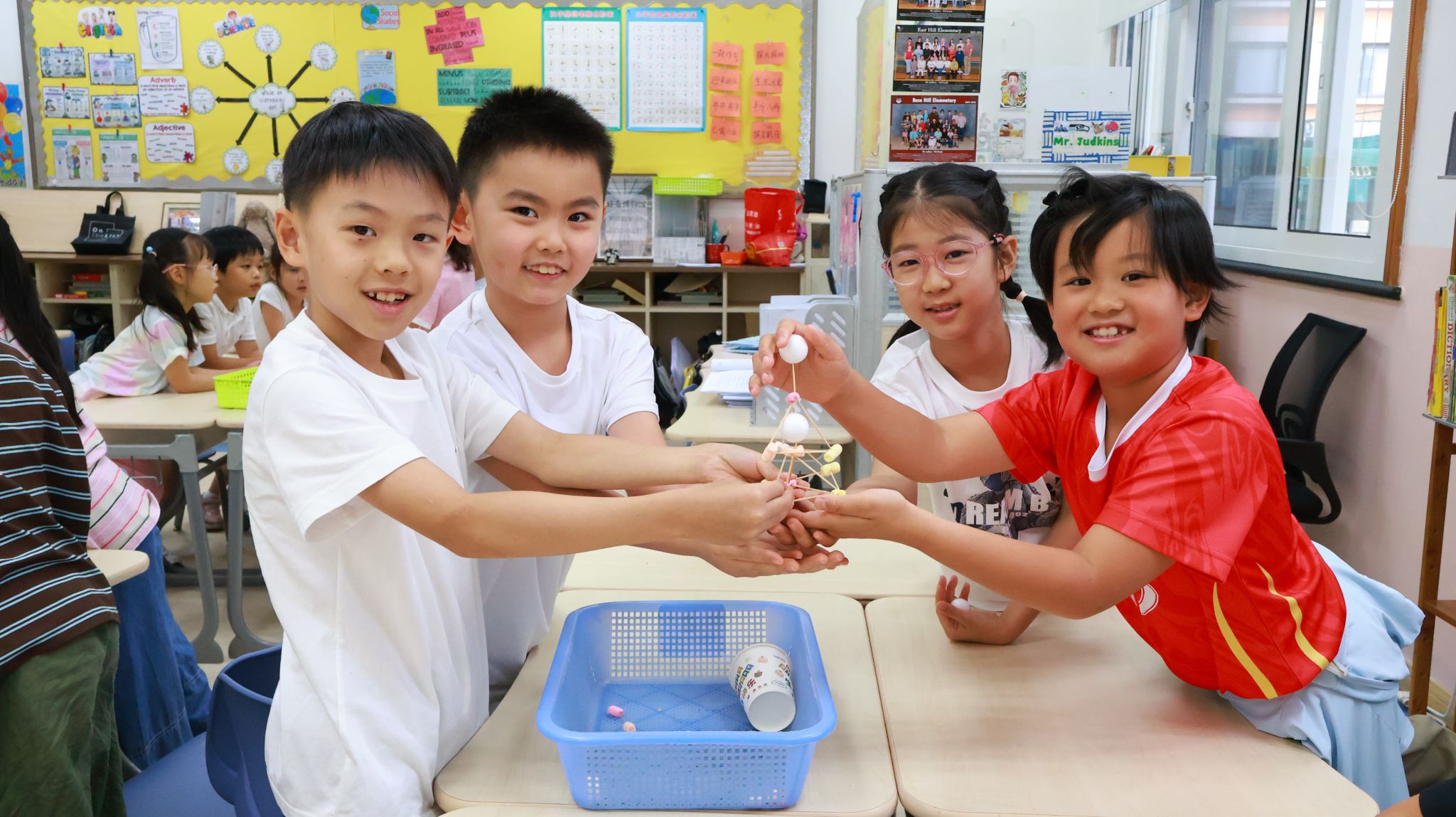
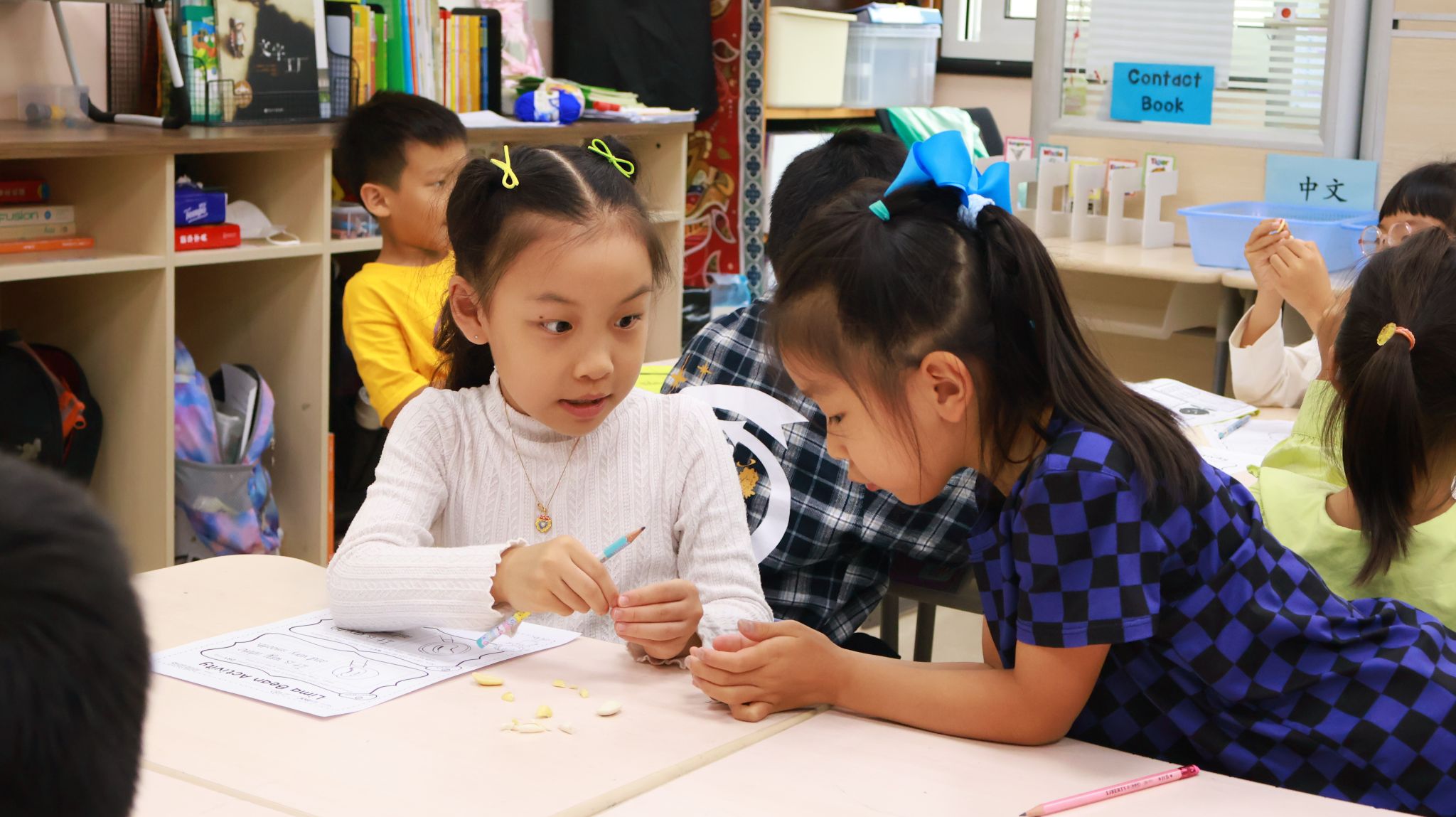
The seeds of teamwork took root in daily subject classrooms, as teachers integrated collaborative inquiry into Chinese, mathematics, English, and integrated science learning, making cooperation a helpful companion to learning. Whether it was role-based reading in Chinese class, the inquiry task of finding and verifying right angles in math class, the clue-based game exploring the secrets of plant adaptation outdoors in science class or sharing personal stories in the "Gallery Walk" activity in English class, students came together to pool ideas and support one another through repeated collaboration, truly experiencing the power of teamwork. In these rich subject activities, there were no individual winners. Children gradually came to understand that learning is not a journey one takes alone—when everyone helps one another and pools their wisdom, they can reap more growth and surprises.
5. "Teamwork" in Little Heads — A Note on Student Interviews
As the series of cooperative activities ended, teachers approached the children to listen to their most genuine understanding of teamwork. Faced with questions, the children spoke freely:
"Everyone has their own 'treasure'—maybe being good at listening, or being willing to encourage their partners."
"Rather than winning the competition, everyone enjoys the process of working side by side with partners and overcoming difficulties together."
"A great team doesn't need Ultraman's superpowers; what supports the group is love, understanding, and kindness."
These innocent voices are simple yet powerful. With their pure words, the children tell us: teamwork is not about competing in abilities but about seeing one another and accompanying one another warmly.
As one activity after another came to a close, the glimmers of cooperation gathered into a warm strength. The journey of CME character and moral education continues. The awareness of teamwork has already blended into the children's daily lives. They are gradually coming to understand that the best growth is moving forward together with partners. May the children carry this harvest with them, continue to grow within their teams, and shine through cooperation.
(Written by Chloe Chen, Vicky Li, Jing Zhang
Pictures by G2 Homeroom Teachers, Siying Li
Reviewed by Yi Zhang, Jenny Zhang, Shiyi Wu)