-
ABOUT US
-
ACADEMICS
Curriculum Program
Departments
- English
- High School Chinese
- Primary and Junior School Chinese.
- High School Mathematics
- Middle School Mathematics
- Primary School Mathematics
- Music and Fine Arts
- Physical Education
- Physics
- Chemistry
- History and Geography
- Physical Science and Optional courses Department
- Middle School Biology
- High School Biology
- Social Sciences
- Computer Science
- Courses in Primary School
Achievements and Matriculations
College Counseling
Science & Technology Innovation Contest
Subject Competition
-
ARTS
-
ATHLETICS
-
AT SHSID
SHSID ∣ TIMES
PTSA
Club Exhibition
- 龙吟社
- Live 2 Drama
- Choir
- Hip-pop Dance Club
- The Primary School Dance Troupe
- Symposiums Club
- Biology Workshop
- You Shan
- VEX Robotic
- Peking Opera Club
- Baseball Club
- Model United Nations
- The World Scholar’s Cup
- Future Problem Solving Club
- United States Academic Pentathlon
- OM Club
- AMC Club
- Music for Patients
- SHSID Gazette
- Smile Charity
- Cultural Moments
- SciAcademy
- Stem Doge Alliance
- Chinese Debate Club
- IAA
- Mock Trial Club
- Zhengming Club
- Furry Friends
- GT-Racing
- Village Radio
- IMMC Club
- Creative Design and Intelligent Fabrication
- Future City Research Project
- ECOCAP
- AdvocaSEA
- SPDC
- Medishine
- Floorball Club
- Animusic MTC
- Wings Up
- All Booked
- Cyano
- Birding Community
Health and Wellness
Campus Safety
Cafeteria Service
-
ADMINISTRATION
-
ADMISSIONS
-
ALUMNI
Alumni Information
Honors Students
- Class of 2025
- Class of 2024
- Class of 2023
- Class of 2022
- Class of 2021
- Class of 2020
- Class of 2019
- Class of 2018
- Class of 2017
- Class of 2016
- Class of 2015
- Class of 2014
- Class of 2013
- Class of 2012
- Class of 2011
- Class of 2010
- Class of 2009
- Class of 2008
- Class of 2007
- Class of 2006
Who Studied at SHSID
SHS Foundation
-
DOCUMENTS
High School Chinese Department:The Diversified Classroom and the Dissemination of Chinese Culture
At SHSID, a group of high school students from around the world passionately embrace Chinese literature and culture, while also harboring deep affection for the city they call home. This love has taken root and flourished, nurtured not only by the school's diverse environment but also by the dedicated efforts of the high school Chinese Department teachers both inside and outside the classroom. Through an ordinary daily Chinese lesson, we can catch a glimpse of the craftsmanship behind these endeavors.
How do international students study the "Lan Ting Ji Xu"? Recitation? Analysis? Far from enough. In our classroom, this piece is brought to new life through its dual allure of literature and calligraphy. In the lesson, the teacher first uses the emotional thread of "joy—sorrow—reflection" as a framework, guiding students to imagine themselves as the literati participating in the winding-stream gathering, closing their eyes and envisioning the late spring scenery of Shanyin. During group discussions, students compare the philosophical contemplation that "life and death are momentous matters" with their own life experiences. Some find resonance in the anxiety over the passage of time; others, through the lens of "future generations looking upon us," come to appreciate the warmth of civilizational continuity. There are no standard answers—only sincere reflection—and the words written a millennium ago ripple through the students' hearts.
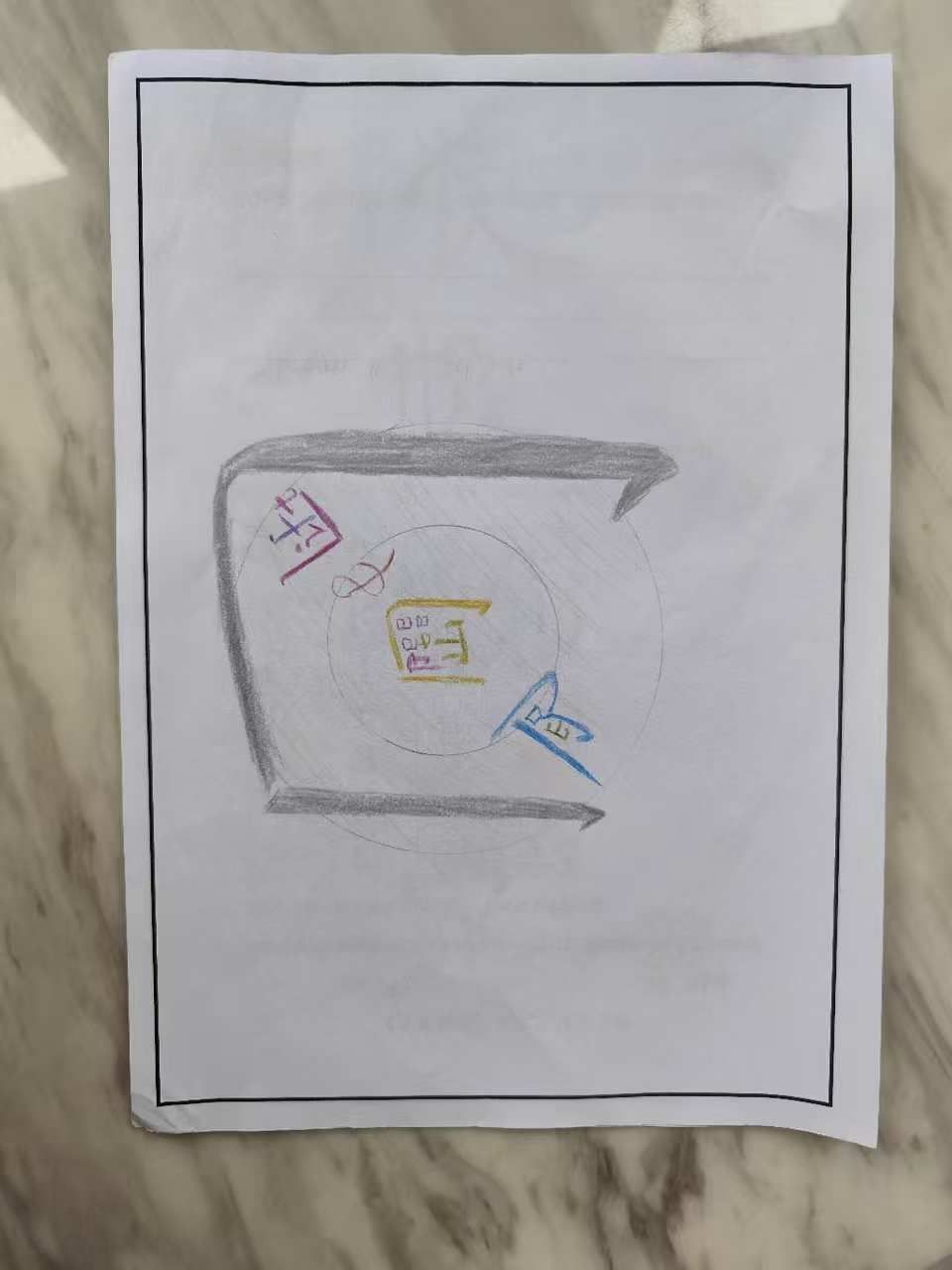
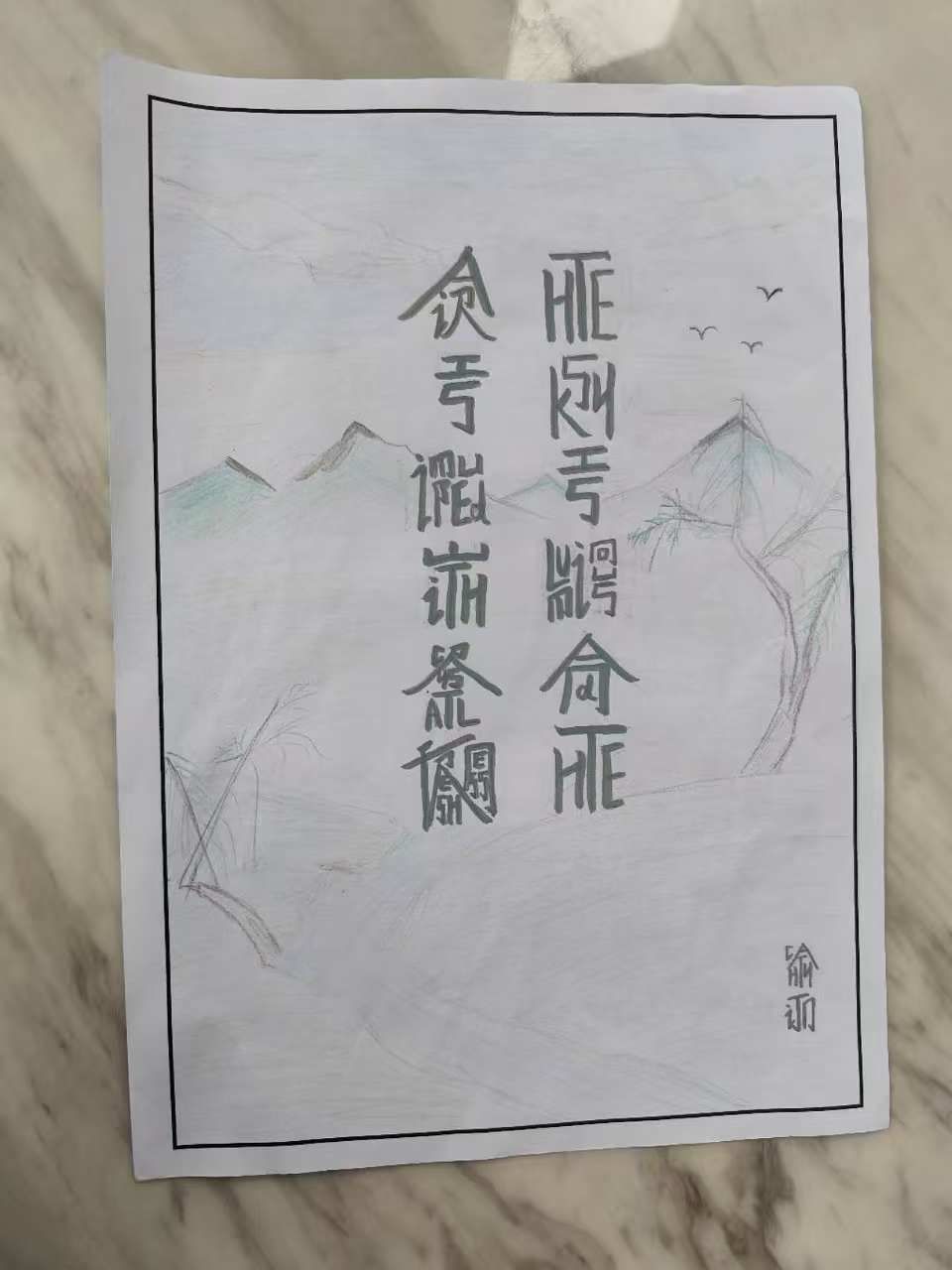
Afterward, students join a "calligraphy workshop," where they practice tracing the "world's finest running script." Stroke by stroke, the rising, pressing, pausing, and turning of their wrists convey elegance and strength of character. Before the ink has even dried, the ancient masters' essence has seeped into their fingertips—calligraphy becomes not merely a technique, but an expression of the inner spirit.
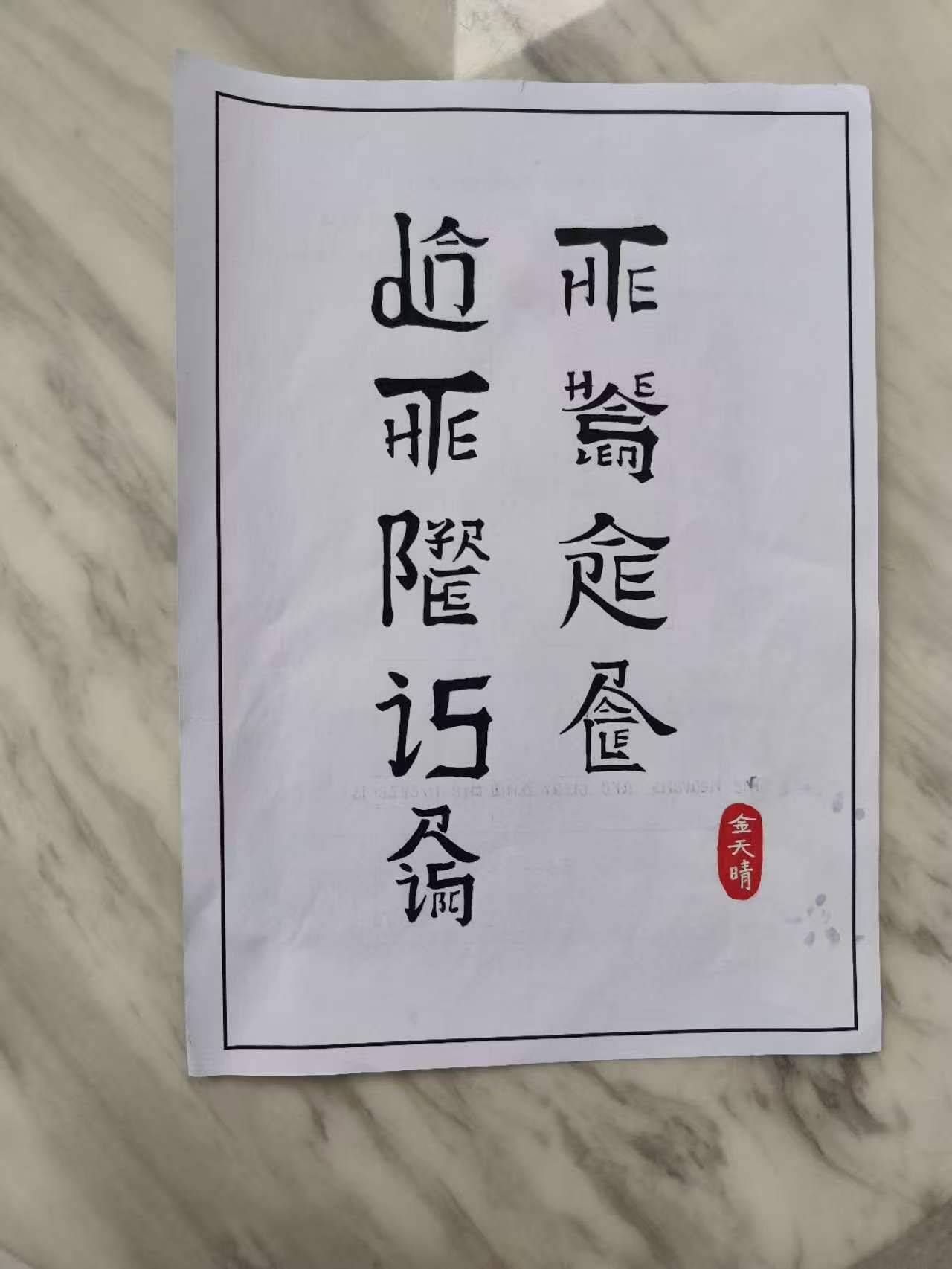
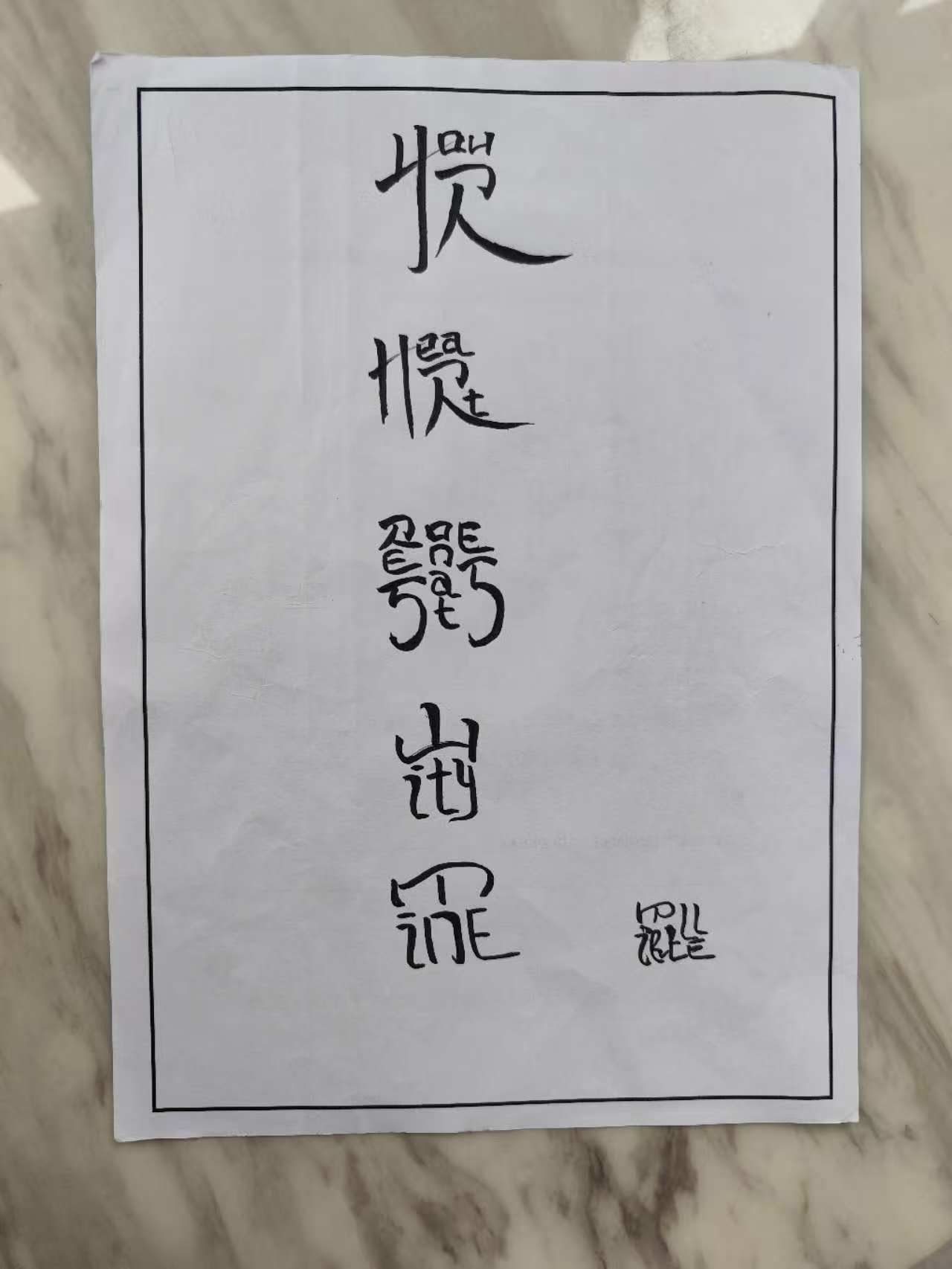
In addition, students engage in cross-cultural script comparisons, using the "New English Calligraphy" system designed by Professor Xu Bing of the Central Academy of Fine Arts (a system that reconfigures the 26 English letters into components resembling Chinese radicals). They first translate passages from the "Lan Ting Ji Xu" into English, then use this tool to "dress" English words in the guise of Chinese characters. When "Fluid as water" disappears into horizontal and vertical strokes, and "Life and death" takes shape within the framework of square characters, the writing logics of East and West quietly reconcile at the tip of the brush. A cross-cultural dialogue in writing unfolds naturally between the strokes of ink.
This lesson seamlessly integrates literary appreciation, calligraphy practice, and cross-cultural comparison. By tracing Wang Xizhi's philosophical threads, students glimpse the life attitudes of Eastern Jin Dynasty luminaries; by picking up the brush to trace the "world's finest running script," they personally experience the timeless spirit flowing through ink and brush; and by contrasting the structural beauty of Eastern and Western scripts, the distinctions become ever clearer. The achievement of teaching objectives is never a linear, single-point breakthrough, but rather a multidimensional, layered arrival. Through diverse approaches, the teacher builds bridges, enabling students not only to comprehend an ancient text, but also to perceive the ethos of an era and touch the warmth of historical thought—thereby fostering within them a natural sense of closeness to and understanding of Chinese culture.
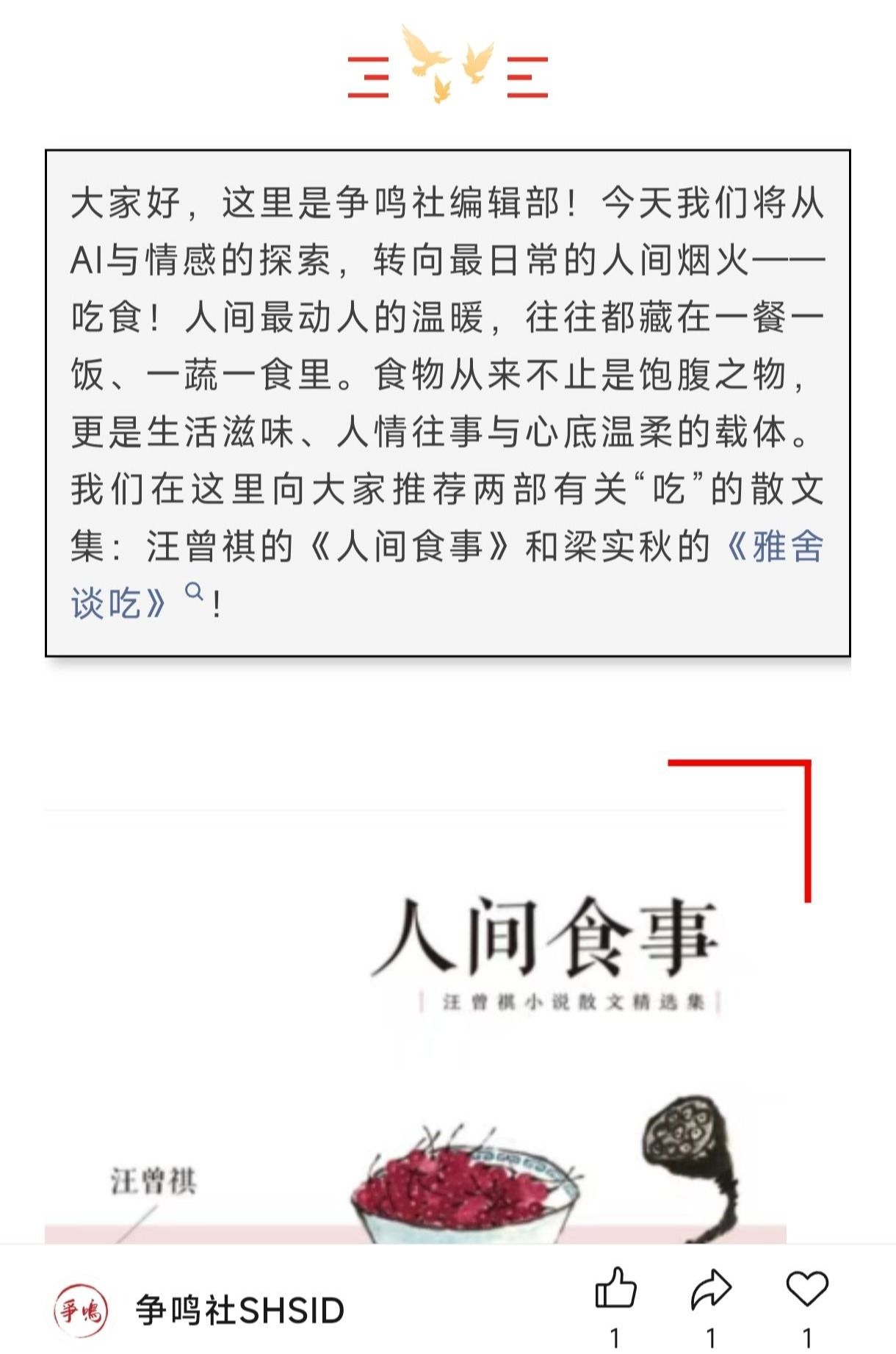
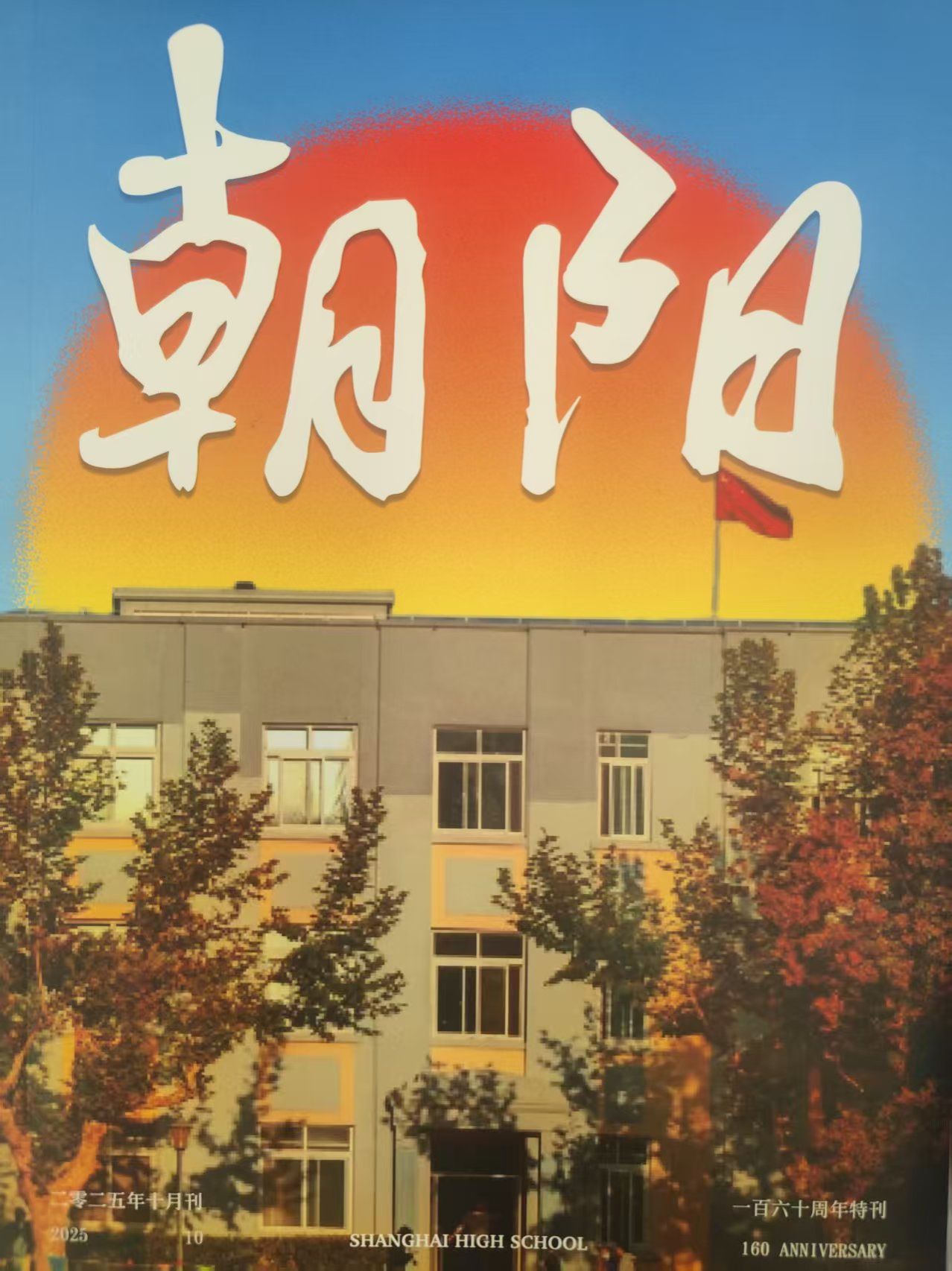
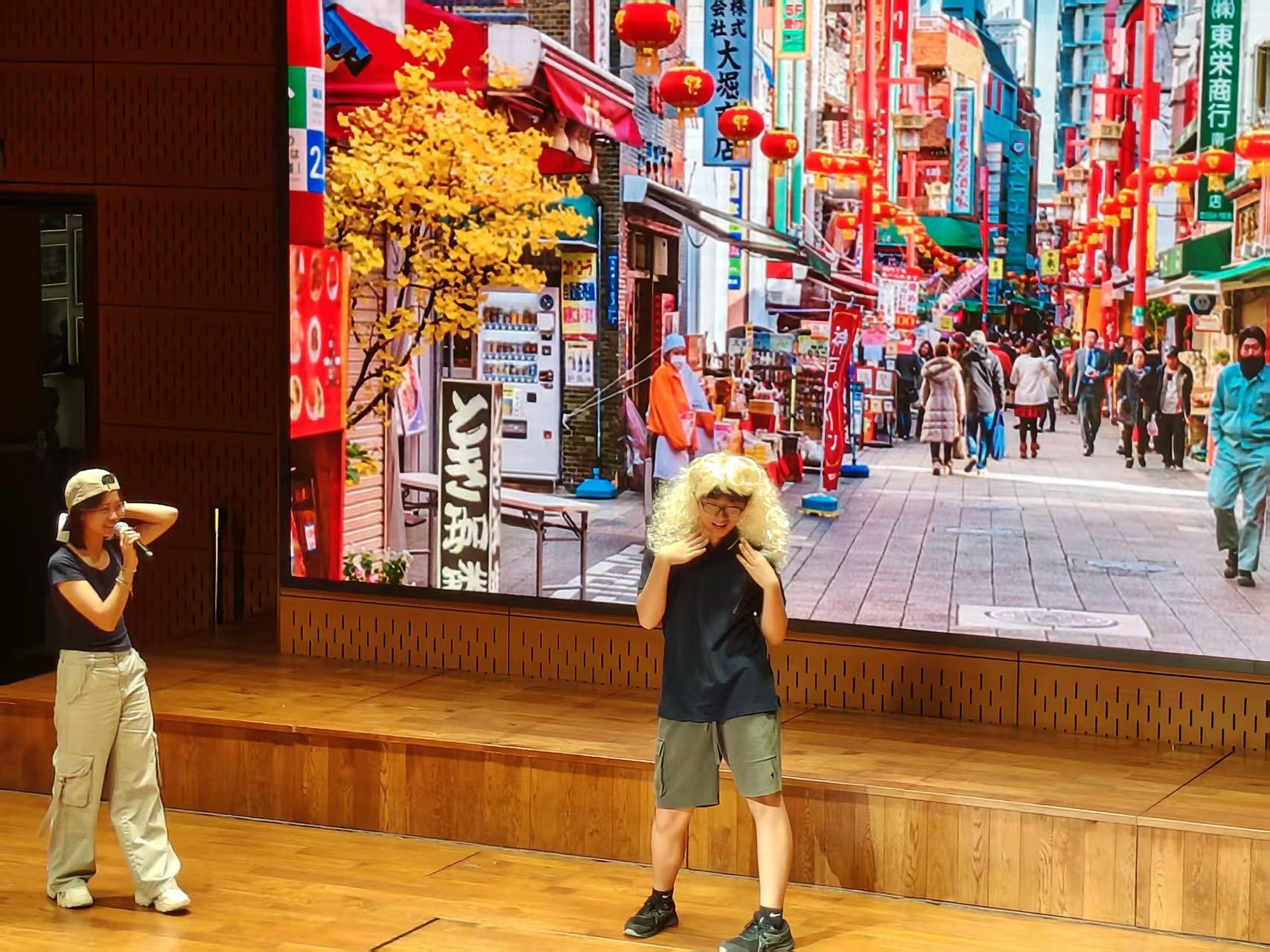
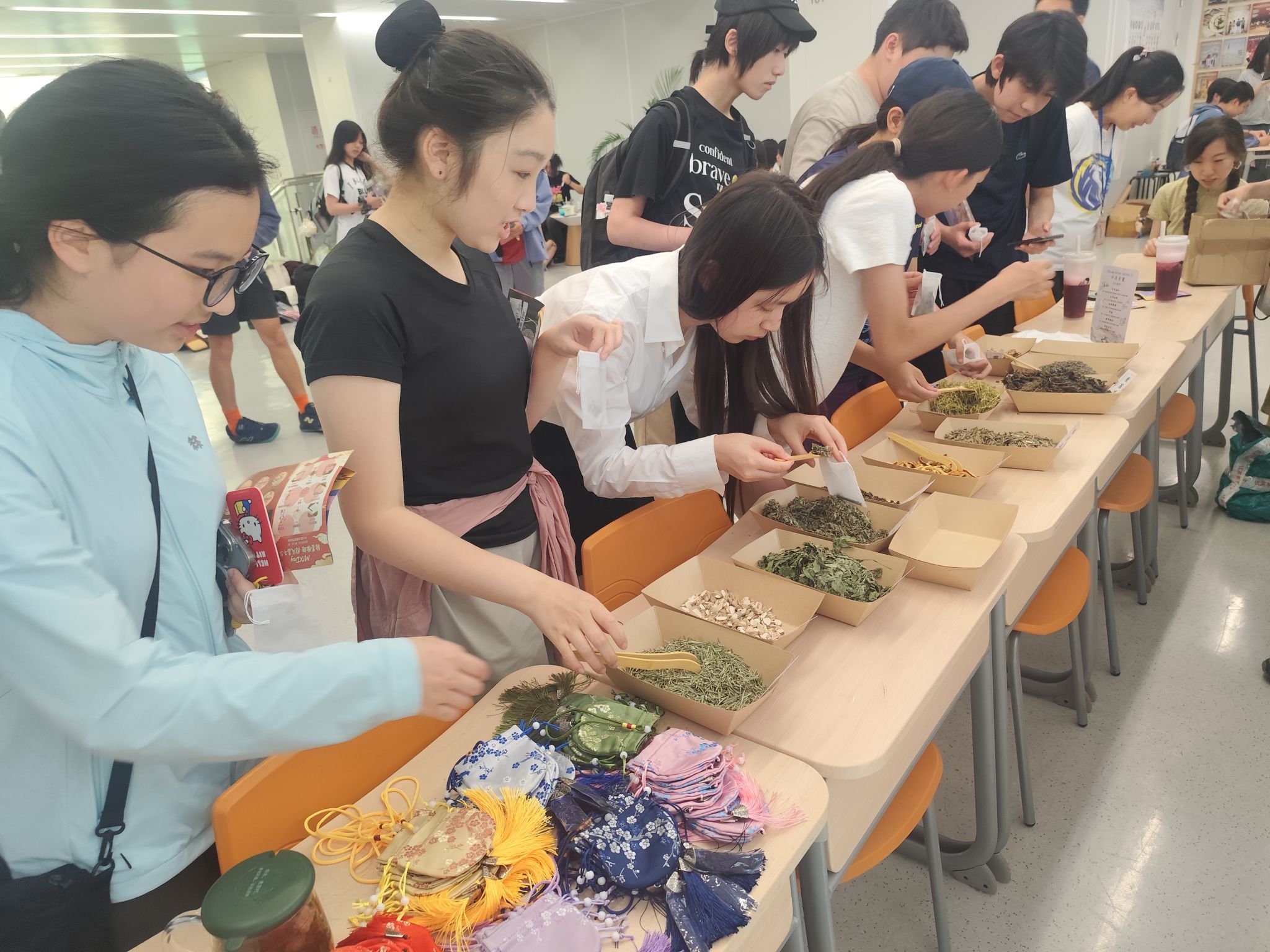
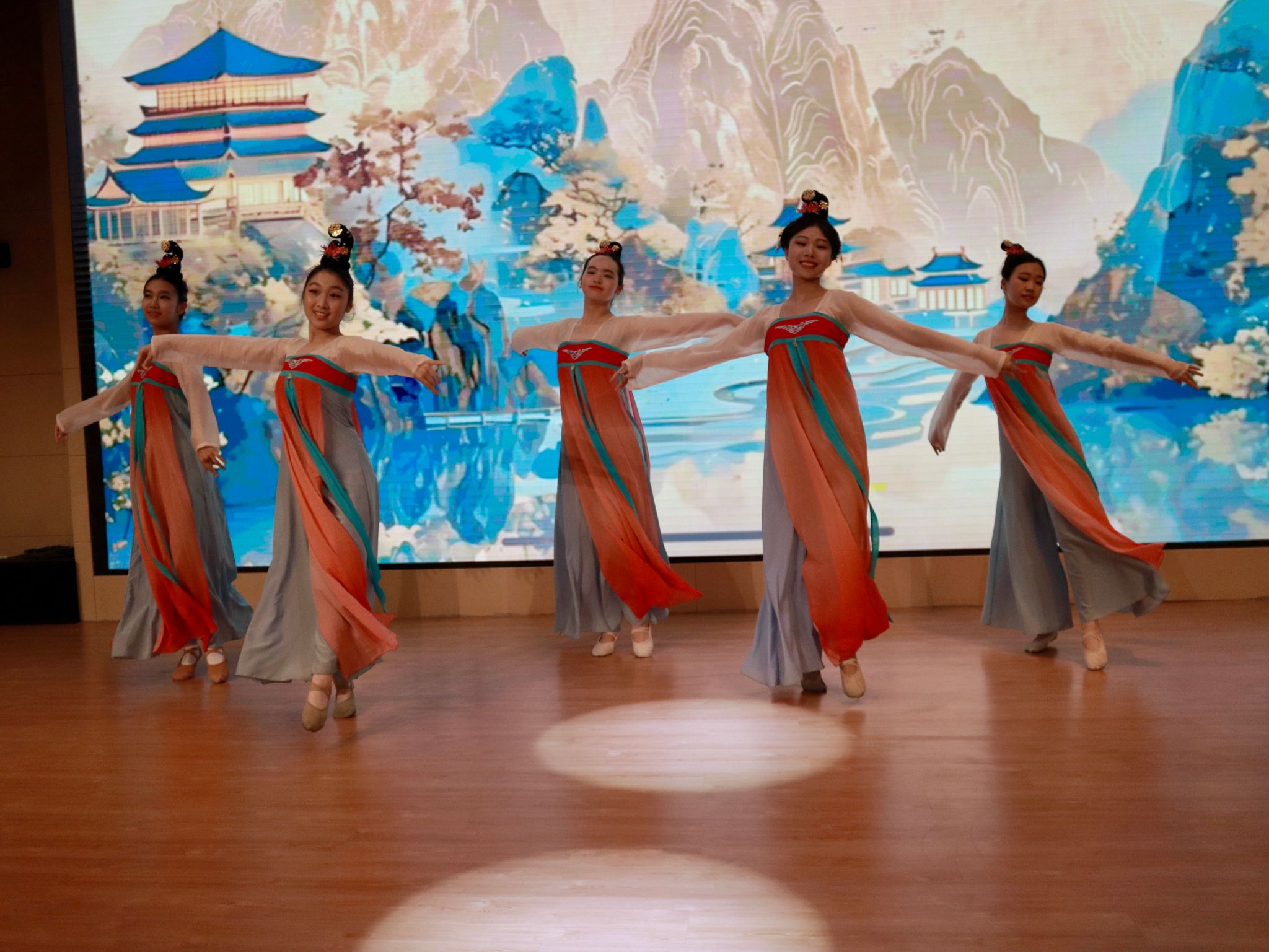
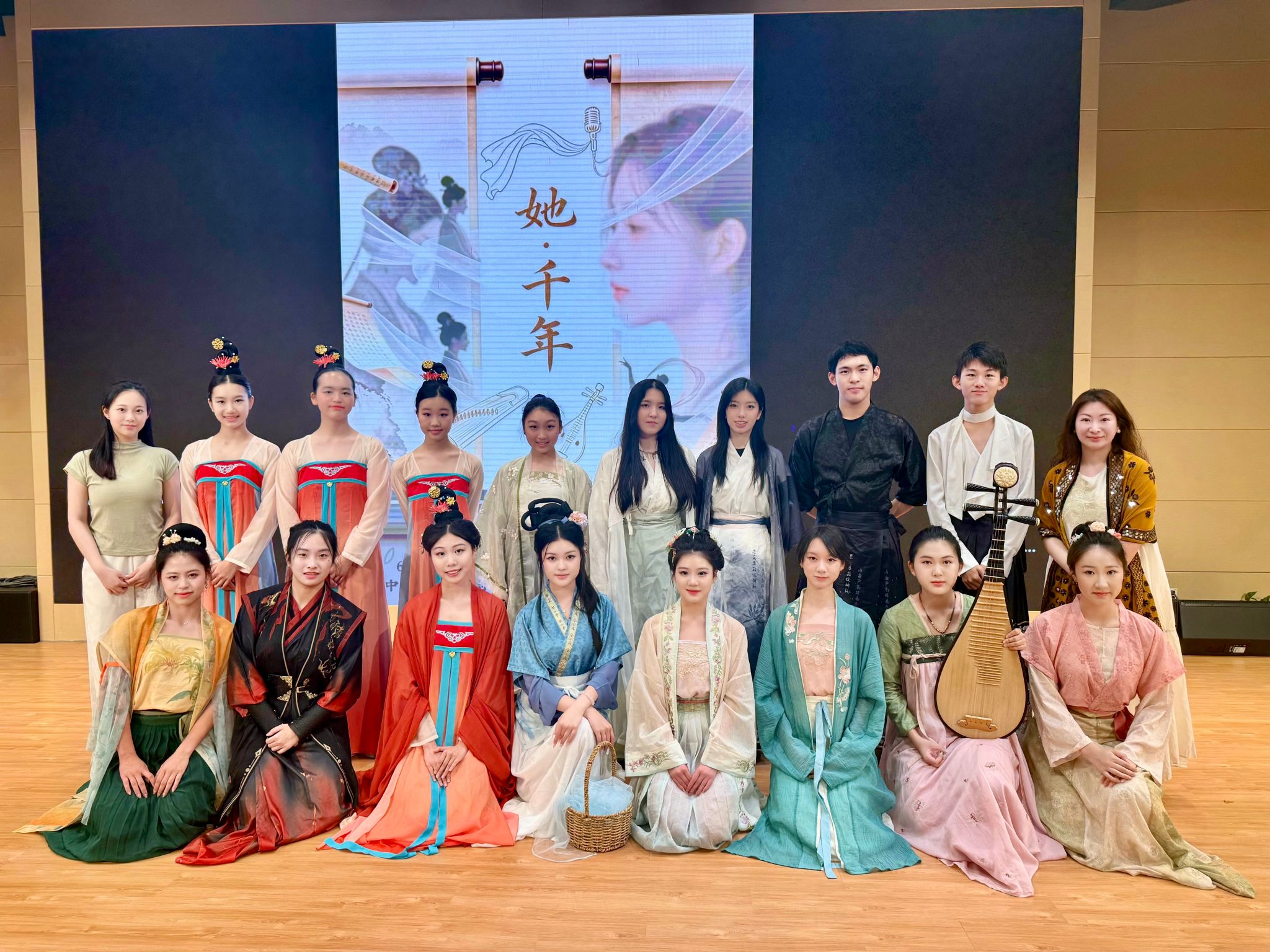
Above is a daily Chinese lesson, yet the cultural dissemination of the Chinese Department has never been confined to the classroom. The department has established the "Zhengming Club" to stimulate critical thinking, and the "Zhaoyang" magazine to document youthful voices; on MIX DAY, we host traditional Chinese activities, perform classical and contemporary plays, and organize teacher-student debates; the department also encourages students to step beyond the campus and make confident appearances in various competitions. A well-rounded Chinese language education is embedded in these hands-on practices: enabling students to become not only appreciators of the Chinese language, but also contemporary narrators of Chinese culture.
(Written/Pictures by High School Chinese Department Reviewed by Zhenmin Zhuang, Qian Zuo)