-
ABOUT US
-
ACADEMICS
Curriculum Program
Departments
- English
- High School Chinese
- Primary and Junior School Chinese.
- High School Mathematics
- Middle School Mathematics
- Primary School Mathematics
- Music and Fine Arts
- Physical Education
- Physics
- Chemistry
- History and Geography
- Physical Science and Optional courses Department
- Middle School Biology
- High School Biology
- Social Sciences
- Computer Science
- Courses in Primary School
Achievements and Matriculations
College Counseling
Science & Technology Innovation Contest
Subject Competition
-
ARTS
-
ATHLETICS
-
AT SHSID
SHSID ∣ TIMES
PTSA
Club Exhibition
- 龙吟社
- Live 2 Drama
- Choir
- Hip-pop Dance Club
- The Primary School Dance Troupe
- Symposiums Club
- Biology Workshop
- You Shan
- VEX Robotic
- Peking Opera Club
- Baseball Club
- Model United Nations
- The World Scholar’s Cup
- Future Problem Solving Club
- United States Academic Pentathlon
- OM Club
- AMC Club
- Music for Patients
- SHSID Gazette
- Smile Charity
- Cultural Moments
- SciAcademy
- Stem Doge Alliance
- Chinese Debate Club
- IAA
- Mock Trial Club
- Zhengming Club
- Furry Friends
- GT-Racing
- Village Radio
- IMMC Club
- Creative Design and Intelligent Fabrication
- Future City Research Project
- ECOCAP
- AdvocaSEA
- SPDC
- Medishine
- Floorball Club
- Animusic MTC
- Wings Up
- All Booked
- Cyano
- Birding Community
Health and Wellness
Campus Safety
Cafeteria Service
-
ADMINISTRATION
-
ADMISSIONS
-
ALUMNI
Alumni Information
Honors Students
- Class of 2026
- Class of 2025
- Class of 2024
- Class of 2023
- Class of 2022
- Class of 2021
- Class of 2020
- Class of 2019
- Class of 2018
- Class of 2017
- Class of 2016
- Class of 2015
- Class of 2014
- Class of 2013
- Class of 2012
- Class of 2011
- Class of 2010
- Class of 2009
- Class of 2008
- Class of 2007
- Class of 2006
Who Studied at SHSID
SHS Foundation
-
DOCUMENTS
Hongkou Campus: Growing with Purpose, Supported at Every Step: A School-Home Partnership for SMART Goals
A clear and achievable growth goal is an important starting point for children as they move toward independent development. Hongkou Campus offers a systematic goal-setting program by grade. Guided by the SMART principles, it helps students from Grades 1 to 4 set specific, measurable, achievable, relevant, and time-bound growth goals based on their individual situations. Teachers listen to children's inner hopes through one-on-one conversations and inspire thinking through questions; parents observe and accompany their children at home and give feedback on their real progress. Through home-school collaboration, vague wishes for growth are turned into actionable and reviewable plans.
Grade 1: Small Everyday Steps for a Superhero in Training
Grade 1 continued the annual core value "HERO". Through teachers' introductions and real-life examples, the children developed a deeper understanding of what HERO means—Honesty (H), Etiquette (E), Respect (R), and Organization (O). With their teachers' help, the children set goals for the new semester around the "Little Hero" theme and wrote them down. These goals were not out of reach; instead, they became small, everyday actions they could touch and achieve each day—packing their own schoolbags, finishing reading one picture book every day, and listening carefully when classmates speak in class.
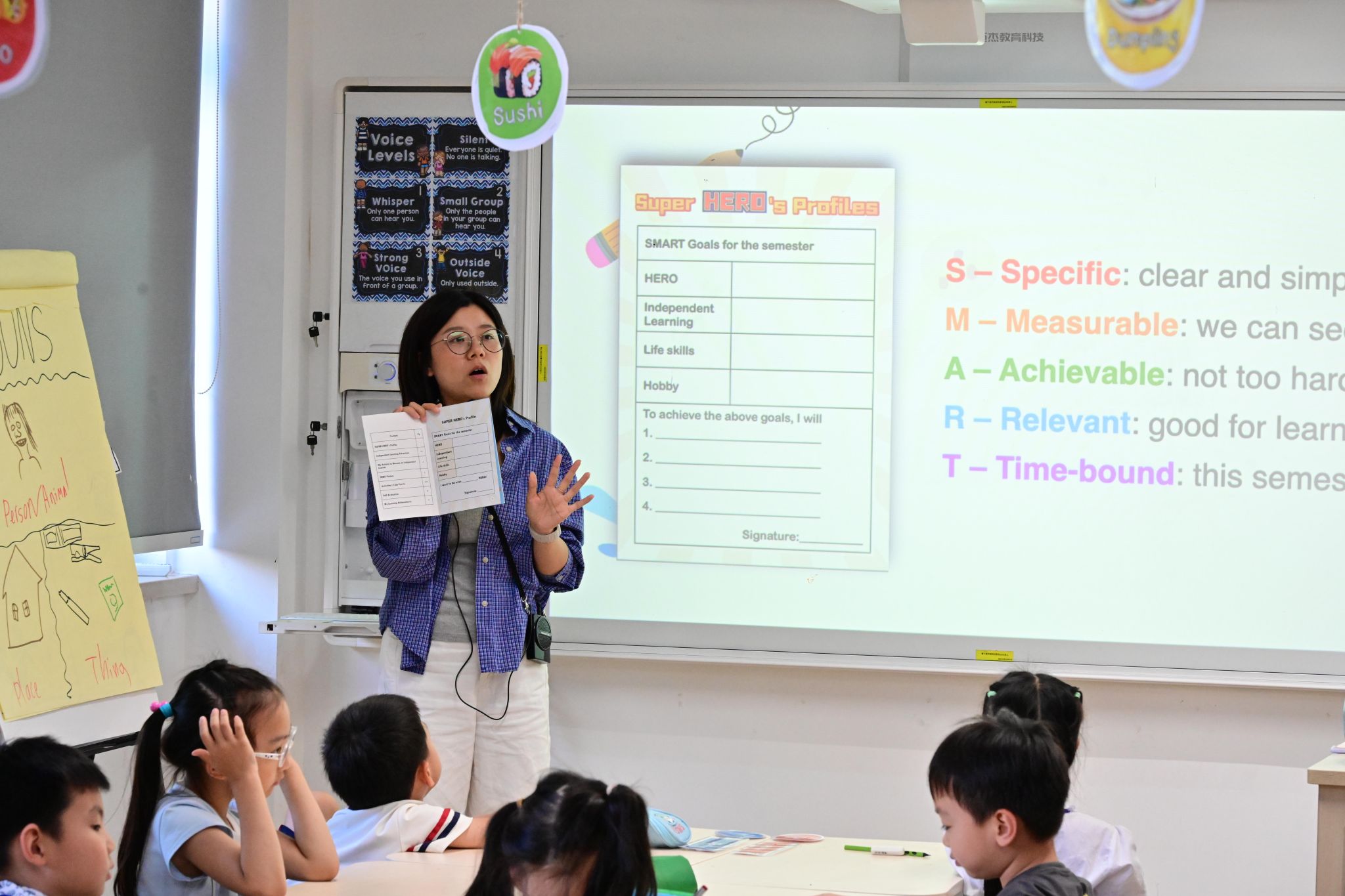
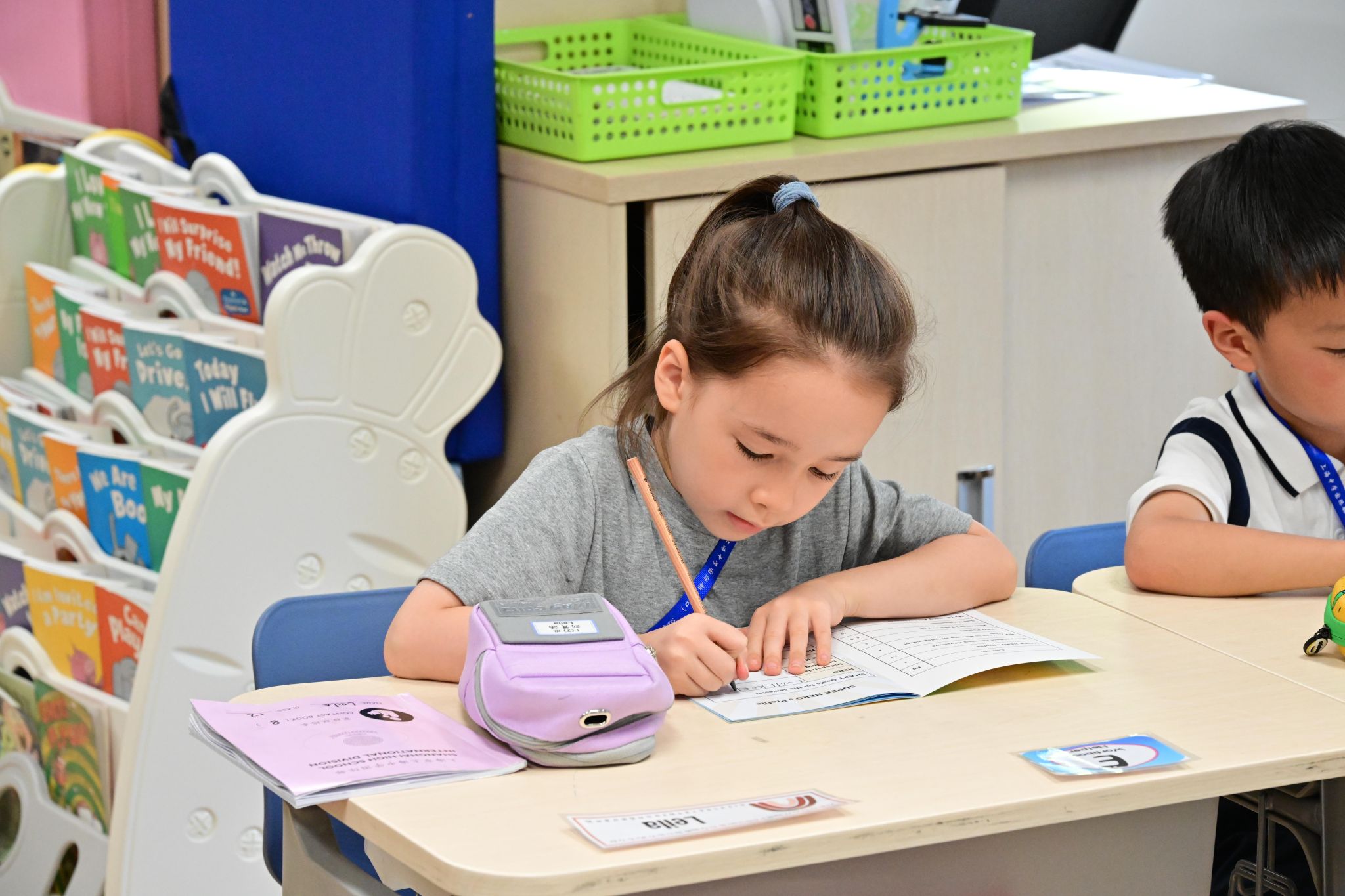
When setting goals, homeroom teachers patiently provided one-on-one guidance to each student. By guiding the children to think about questions such as "What do I want to practice and get better at?" and "What is one thing I can do first?", teachers helped them start from their most familiar experiences and, step by step, find their own small wishes. Emma from Class 1-1 said, "The skill I most want to master is tying my own shoelaces. Today I tried practicing knots by myself." Scarlett from Class 1-2 mentioned, "The skill I most want to practice is tidying my desk every day. I have already sorted all my items into categories." Teachers carefully noted each child's understanding and choices, making sure the seed of "I want to do it" truly took root in each child's heart.
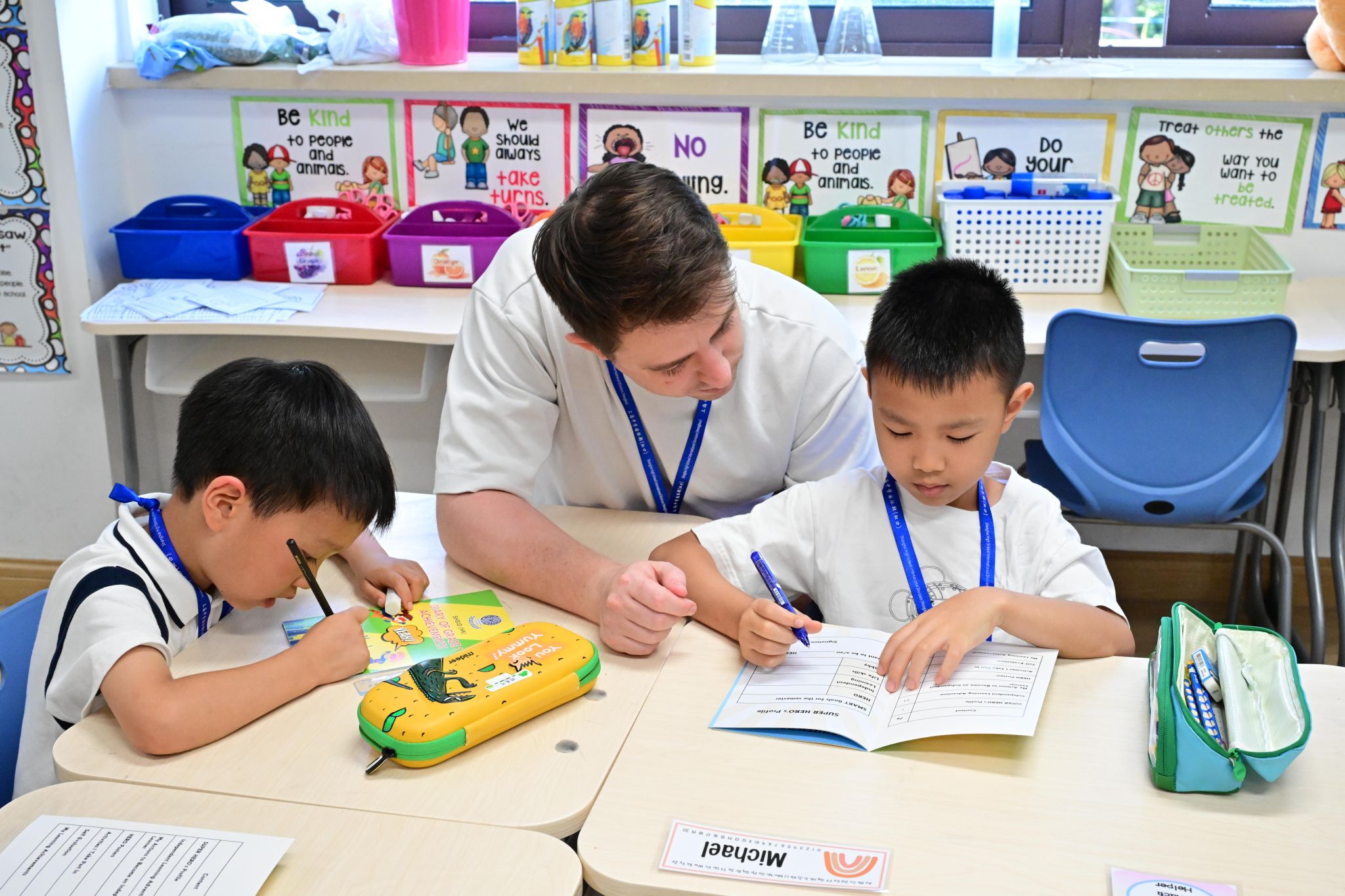
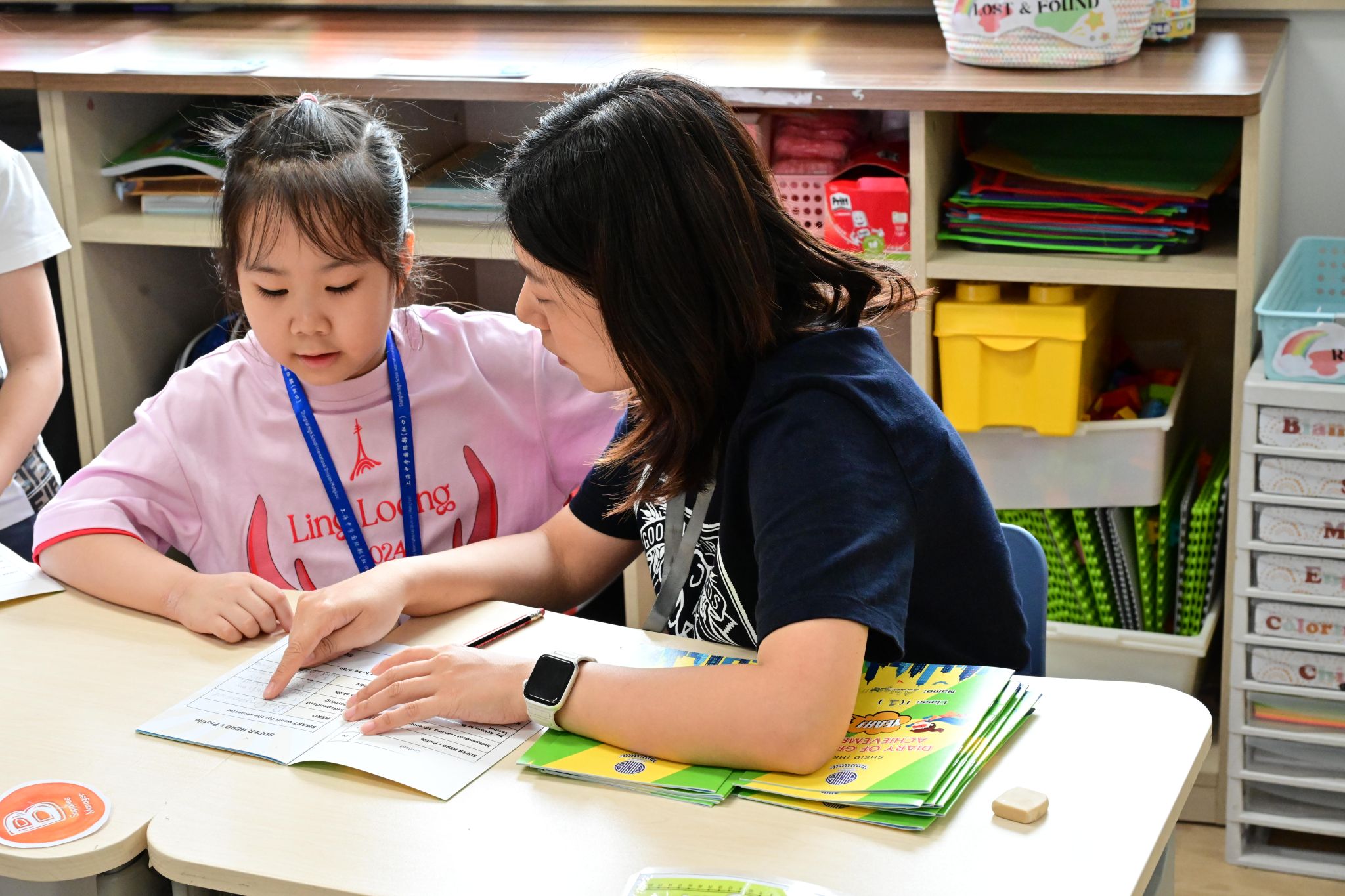
At the same time, parents actively cooperated with the school and provided support at home around their children's small goals. They carefully observed their children's habits at home and communicated actively with teachers about the most suitable practice pace. Zoe's mother from Class 1-1 mentioned, "My child set a very specific goal for herself, which is to pack her schoolbag every day. Although there are still times when she does not organize it clearly, this small thing shows that she has begun to take a responsible attitude toward her belongings and to-do items. It is a good habit that reflects bigger things through small details." Allison's mother from Class 1-2 shared, "Since the beginning of the school year, my child has begun to actively overcome her fear of Chinese reading. Every day she sets a timer and arranges her own time to read Chinese books. This small thing shows me that she has begun to take responsibility for her goal and has a small plan she can keep up with."
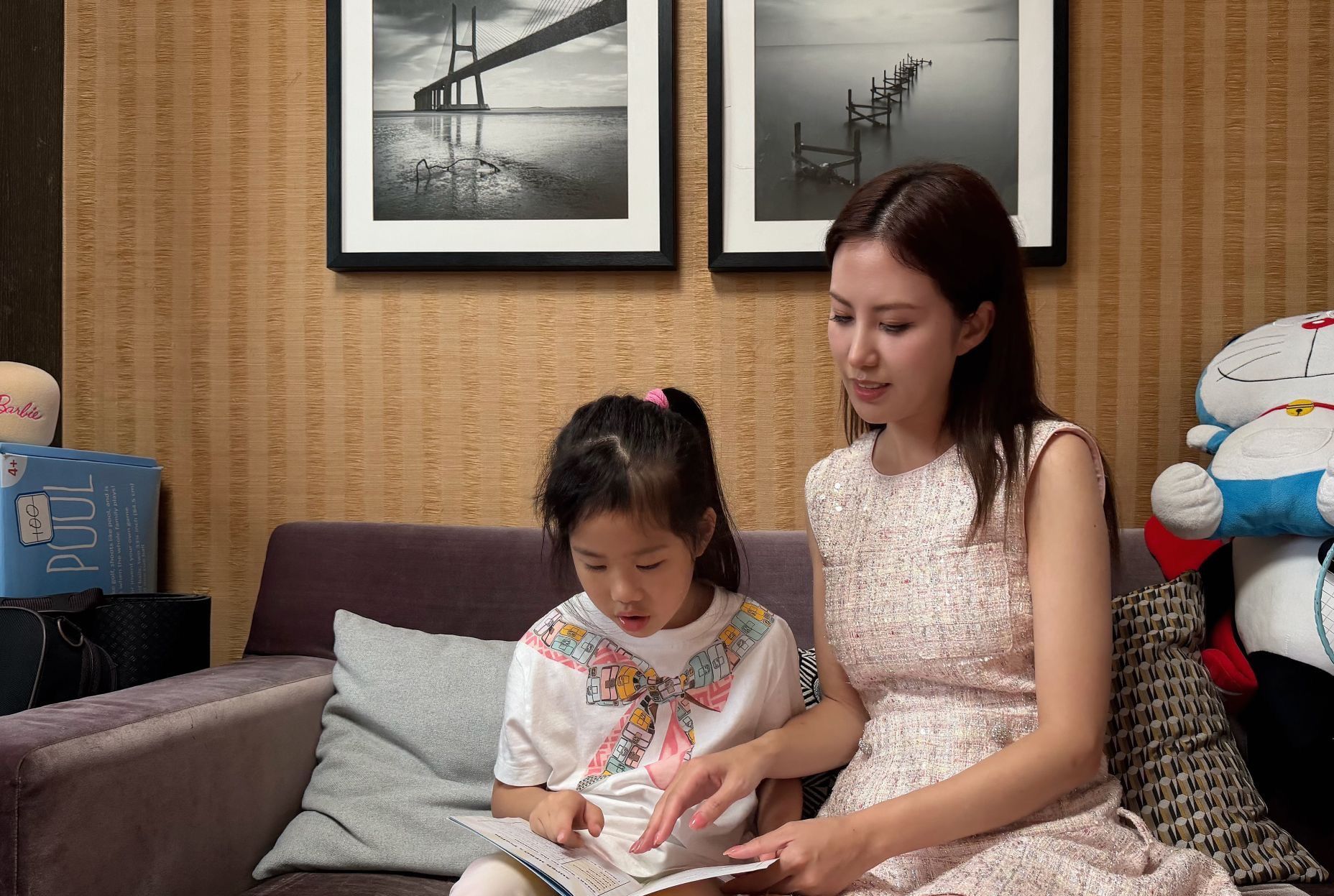
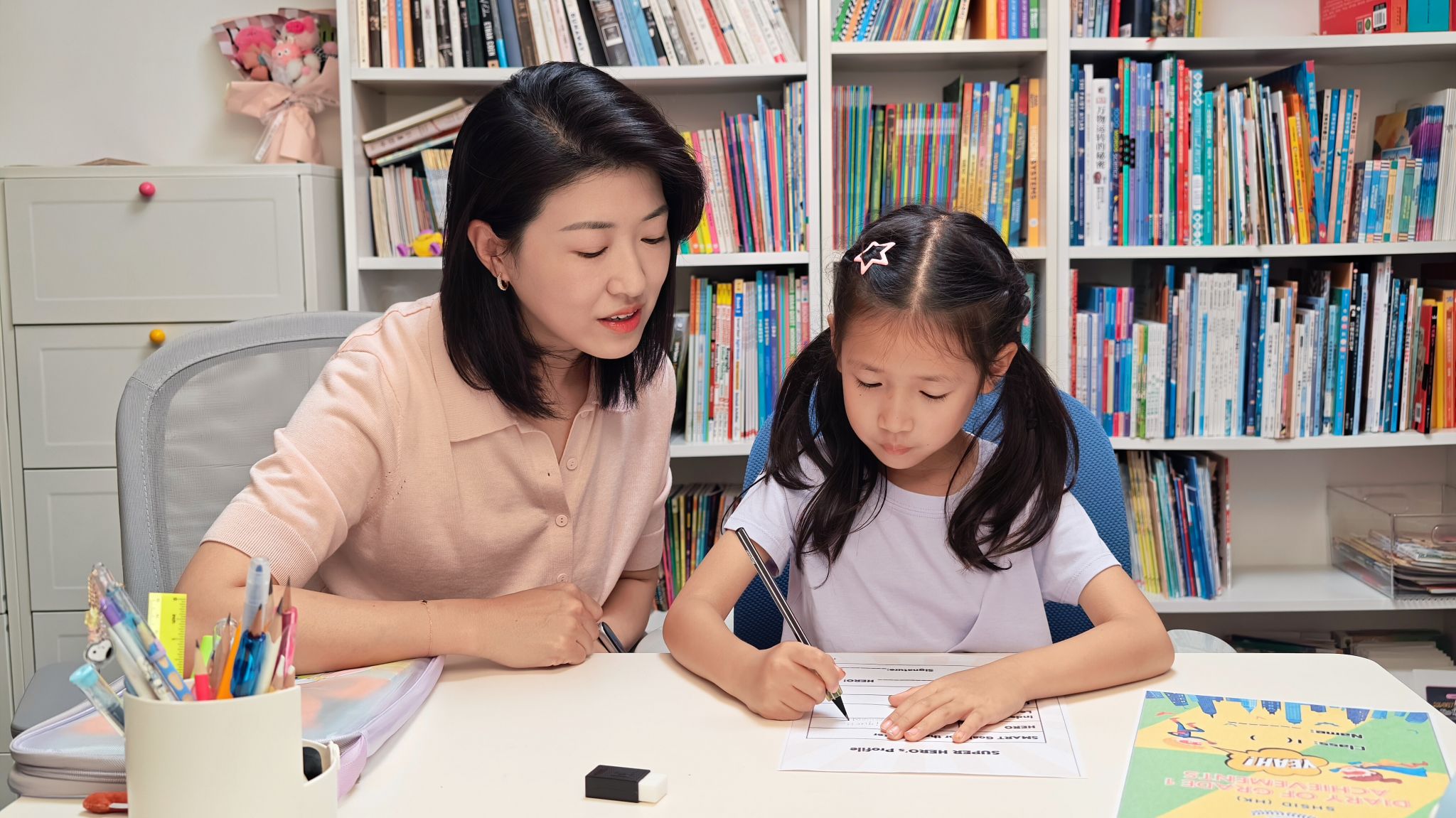
When school and family offer consistent expectations and support, the Grade 1 "little heroes" truly hear the echo of "I can do it" within themselves through their daily progress.
Grade 2: From Wanting to Improve to Planning How
In the Grade 2 goal‑setting classes, teachers guide students to move beyond vague wishes and set separate academic and personal‑growth goals that cover learning, social skills, interests and life skills. Centered on three key questions — Why is this goal important to me? What steps will I take? How will I know I have achieved my goal? — teachers help children turn their ideas into practical action plans.
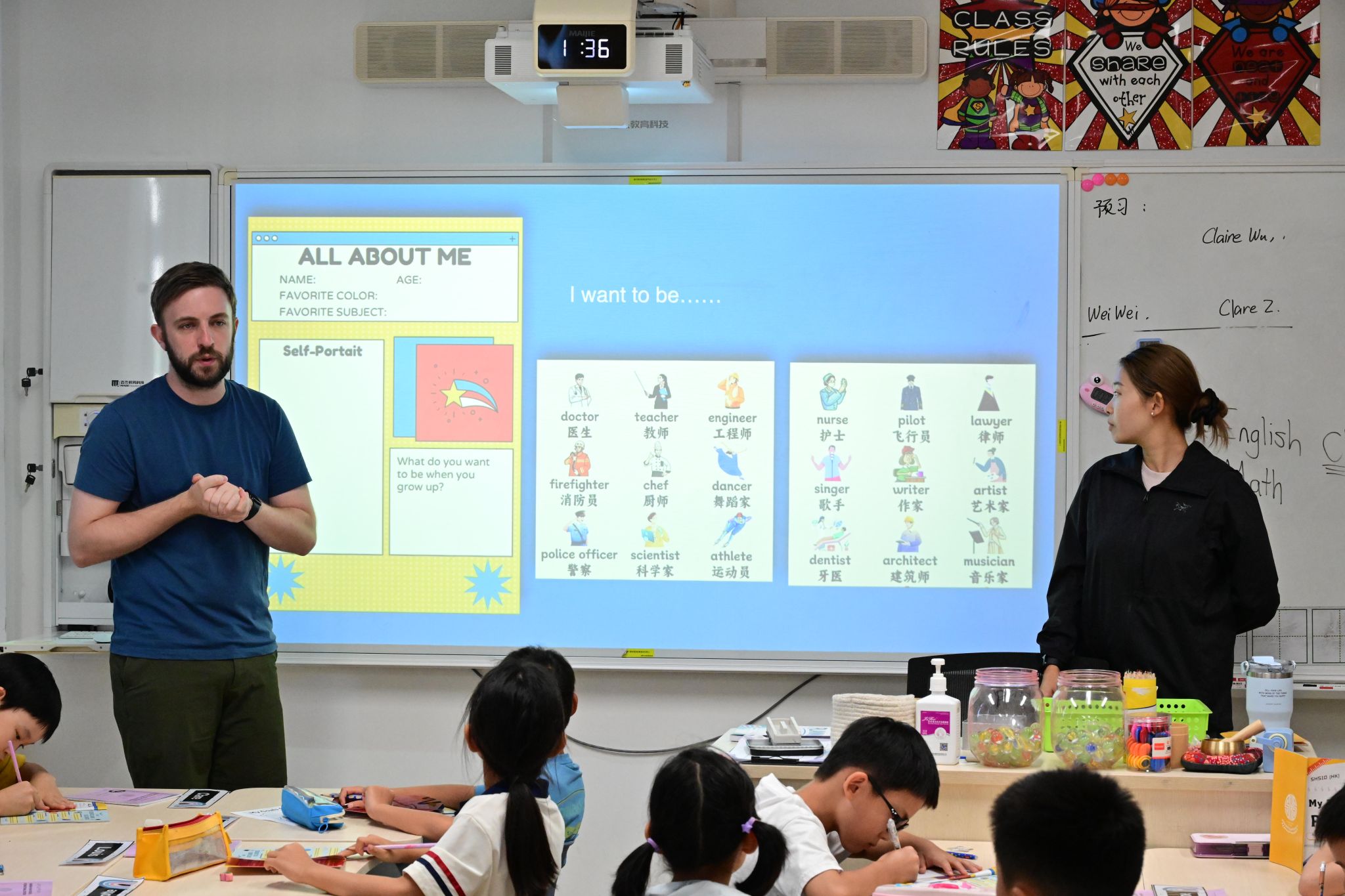
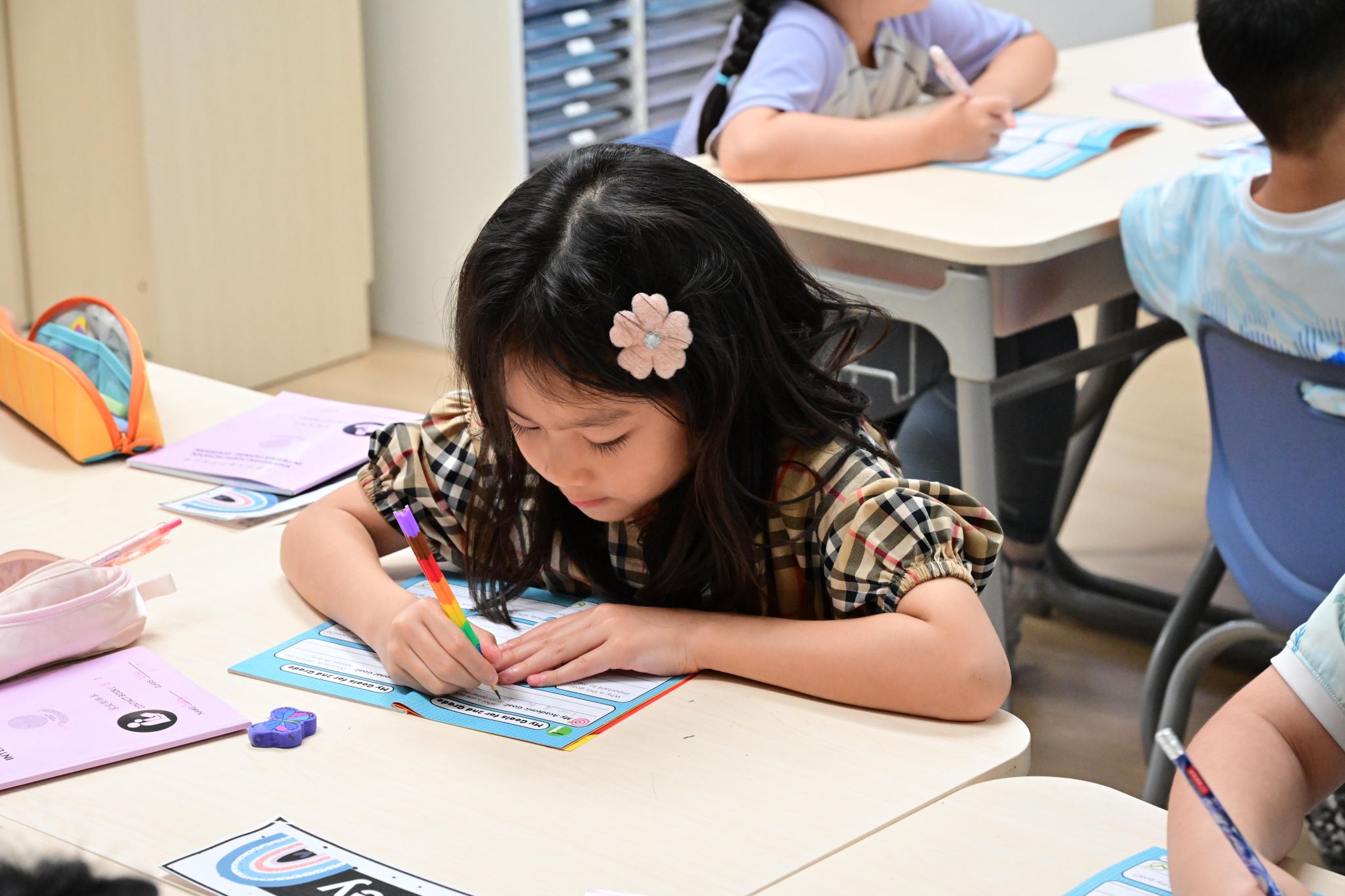
During classes, teachers provide one‑on‑one guidance. They ask questions to prompt students to reflect on their motivations for choosing each goal, the feasibility of their action plans, and how to measure their progress. This helps translate broad expectations into concrete plans while building students’ skills in time management, focus and independent reflection. Marvin from Class 2‑1 set two major goals: to earn an A in Social Studies and improve his drawing skills. With teachers' guidance, he mapped out an action plan of asking questions and reviewing lessons every day, as well as keeping up with daily drawing practice. Lisa from Class 2‑2 set her personal‑growth goal to learn to sing three Taylor Swift songs. When talking about what inspired this goal, Lisa shared, “The third time I went to KTV with my friends, my mom randomly picked a song for me called “Love Story” by Taylor Swift. I loved it the very first time I heard it, and I have been a fan of Taylor Swift’s songs ever since.” She drew on her experience learning her first song to design her practice routine: “I used this set of written steps when I learned that song, so I think it works really well.” For her, the success criterion is clear: “I will reach my goal if I can sing all three songs in full.”
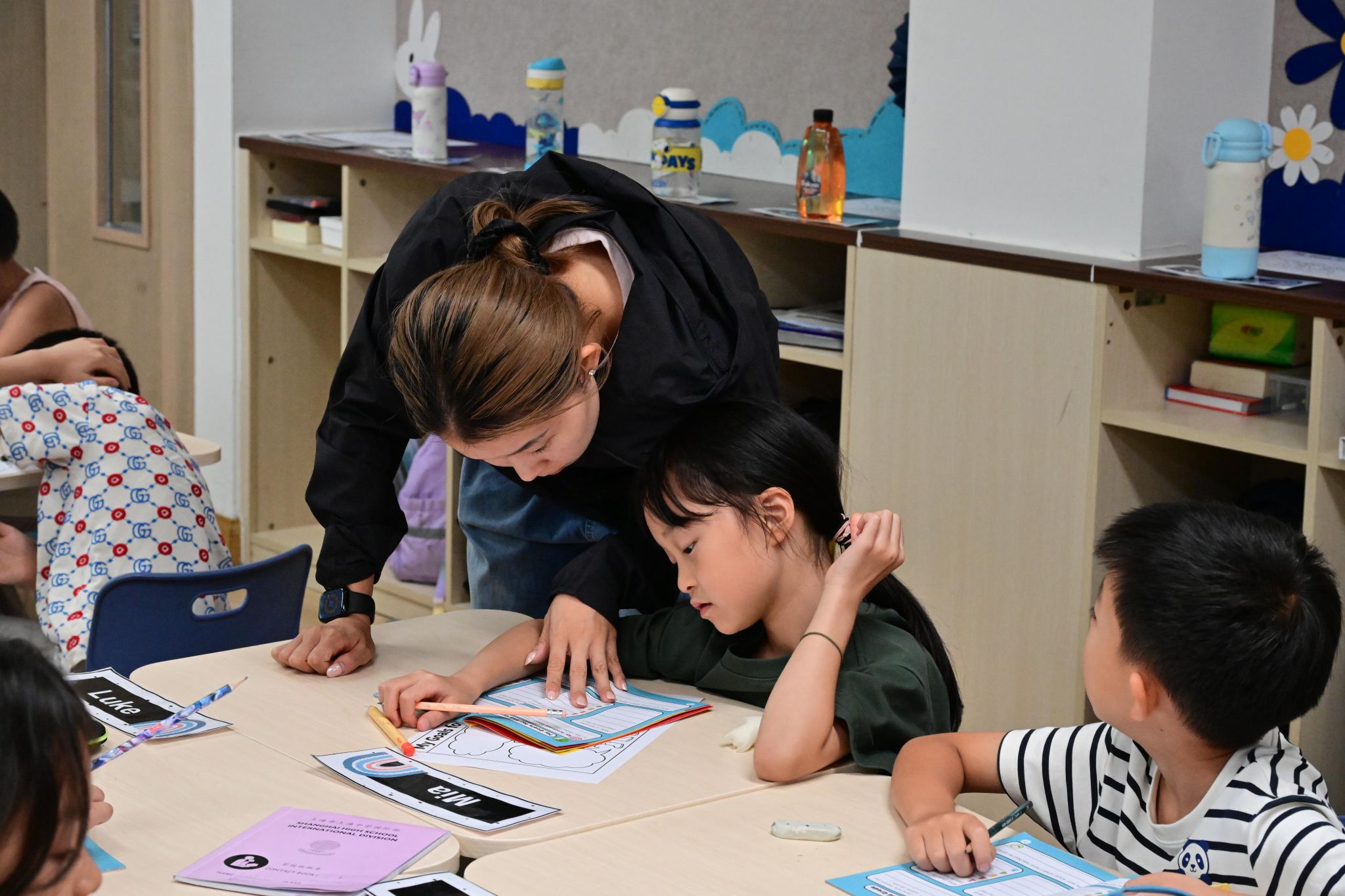
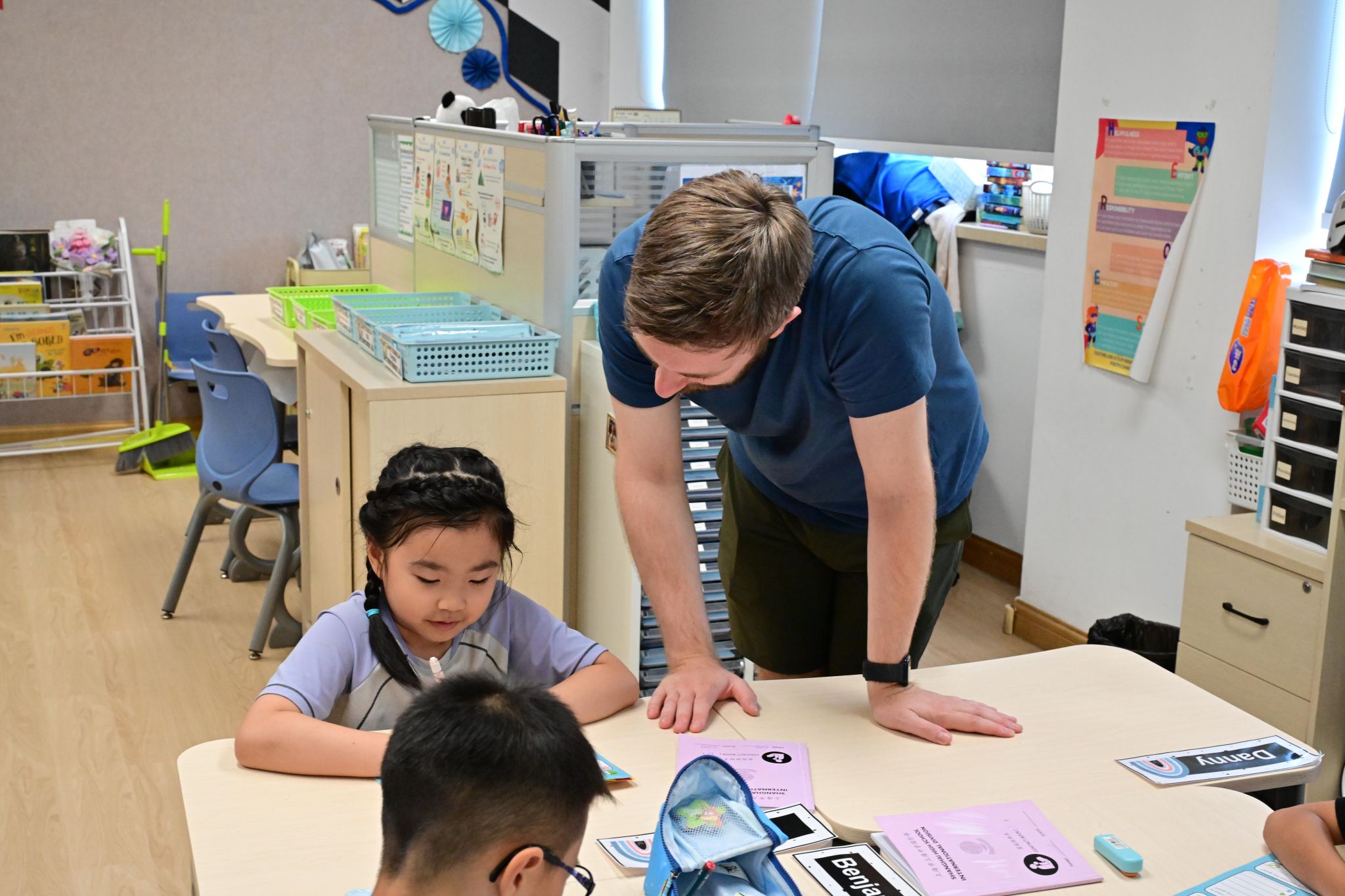
Real‑world goal achievement relies on strong home‑school collaboration. Lucas’s mother from Class 2‑1 discusses goal‑setting with her child. She helps him shift focus to the process of effort itself, reframing the expectation “practice the piano every day without making mistakes” into “I will keep practicing so I can play my favorite pieces, and I will keep trying when I come across difficult passages.” According to Lucas’s mother, grades and certificates are merely tools for assessing learning outcomes. What truly matters is resilience built through the journey: “The goals we write down should motivate us, not become chains that hold us back.” Chloe from Grade 2 dreams of becoming a young writer and getting better at football. Chloe’s father listens closely to her aspirations and helps break down her big dreams into small, achievable daily tasks that fit into family life. As Chloe’s father puts it, “We should value the effort children put in and walk alongside them as they work toward their goals.” He also shares observations of his daughter’s growth at home with teachers to create synergy between family and school education.
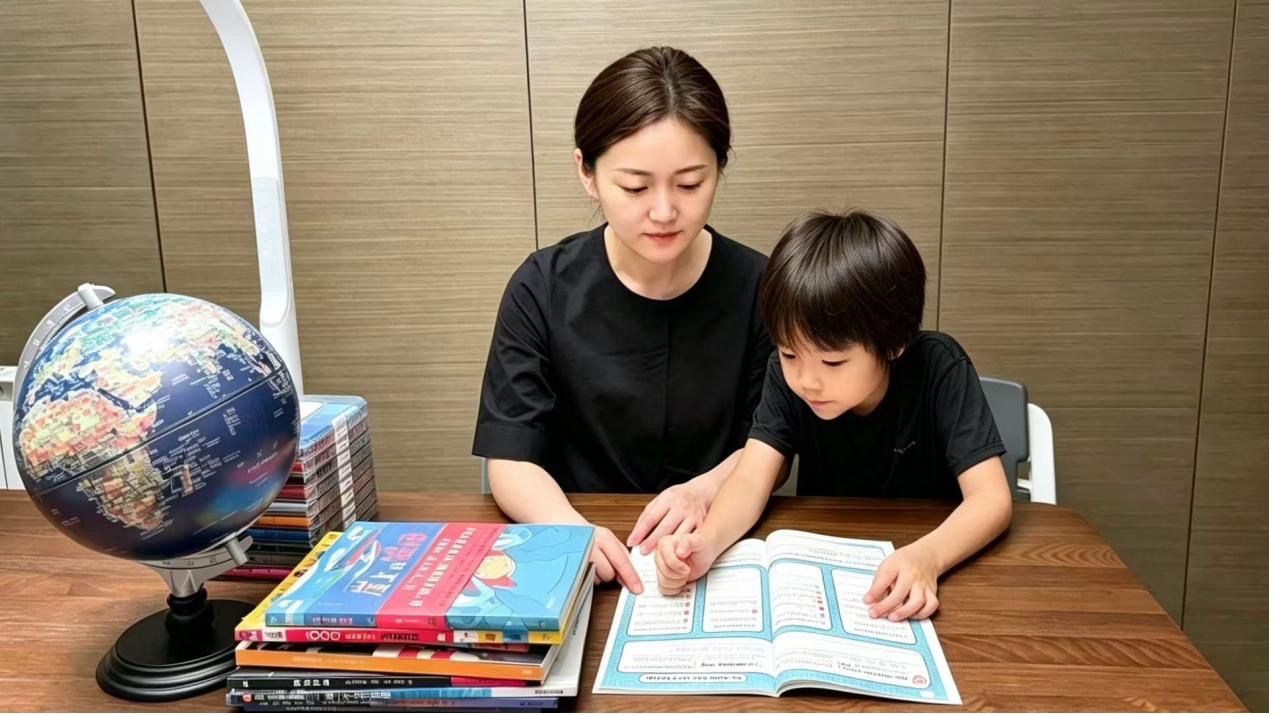
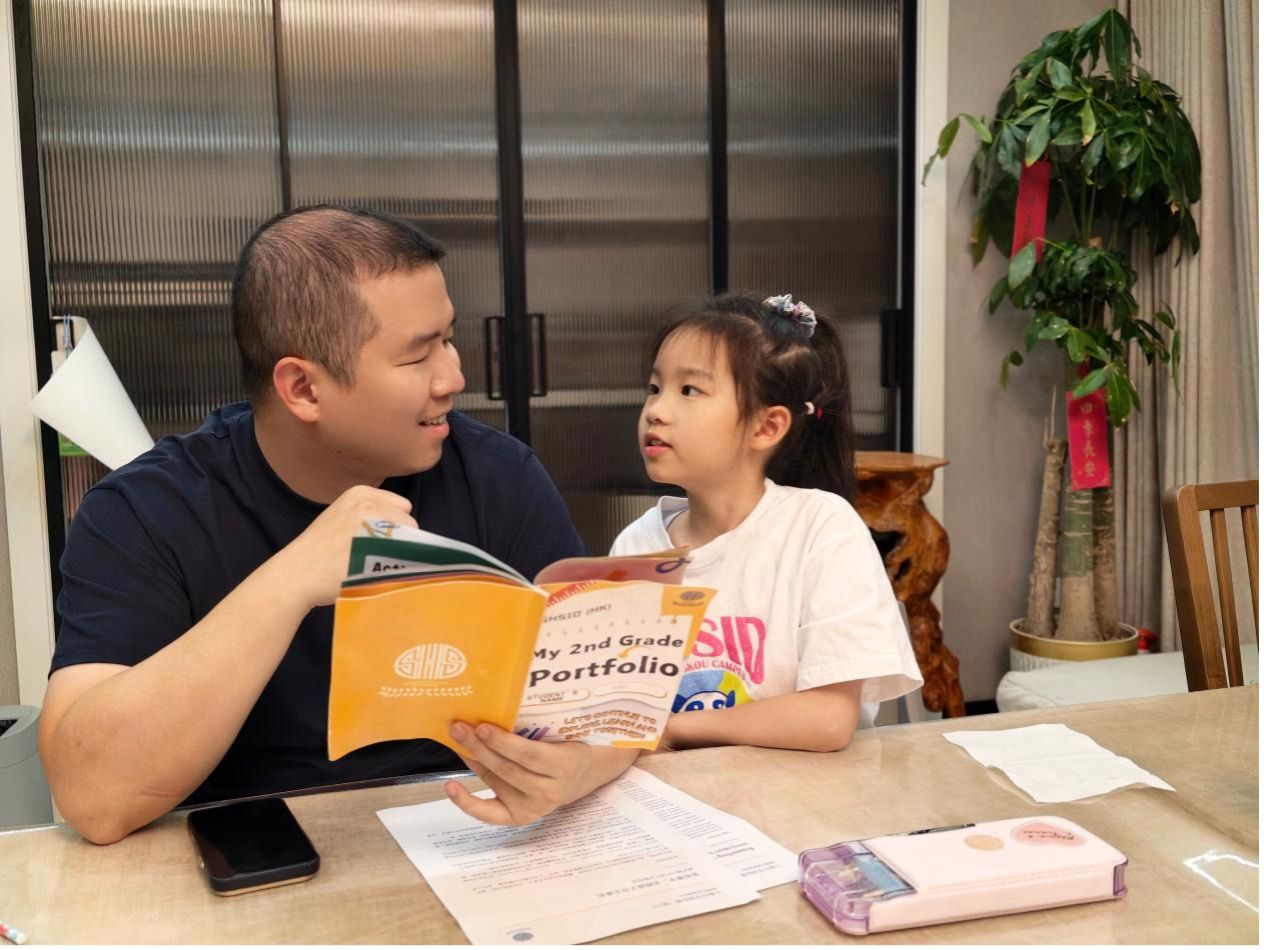
Grade 2 students can now explain their choices independently. Supported by both school and families, they gradually learn to take ownership of their growth as they carry out their plans and navigate setbacks.
Grade 3: Set a Deadline, Reflect, and Move Forward
By Grade 3, students are beginning to look at their goals in a different way. It is no longer enough to simply say, “I want to get better.” They are learning to ask a more important question: What do I need to do, and when do I need to do it? This year’s goal-setting process encouraged students to think beyond the goals themselves and focus on how those goals could be achieved within a realistic timeframe. With guidance from teachers and support from their families, students began to develop a cycle of reflection, adjustment, and action. Each goal was given a clear deadline, while the steps, timeline, and indicators of success were carefully considered. In this way, a goal became more than an intention—it became a plan that students could work towards, monitor, and refine. Teachers played an important role in helping students turn these plans into meaningful action. Through one-on-one conferences, they reviewed each student’s goal pages and action records, helping students look back at their progress and think ahead. Together, they considered questions such as, “Where might I encounter difficulties?” and “What could I change if I get stuck?” The process also connected students' reflections from the previous semester with the HEROES+ character development framework, allowing them to build on what they had already learned about themselves. Through ongoing communication between school and home, goal setting became a continuing process rather than a one-time activity. Regular reflection and feedback gave students opportunities to monitor their progress, make adjustments, and take greater ownership of their learning.
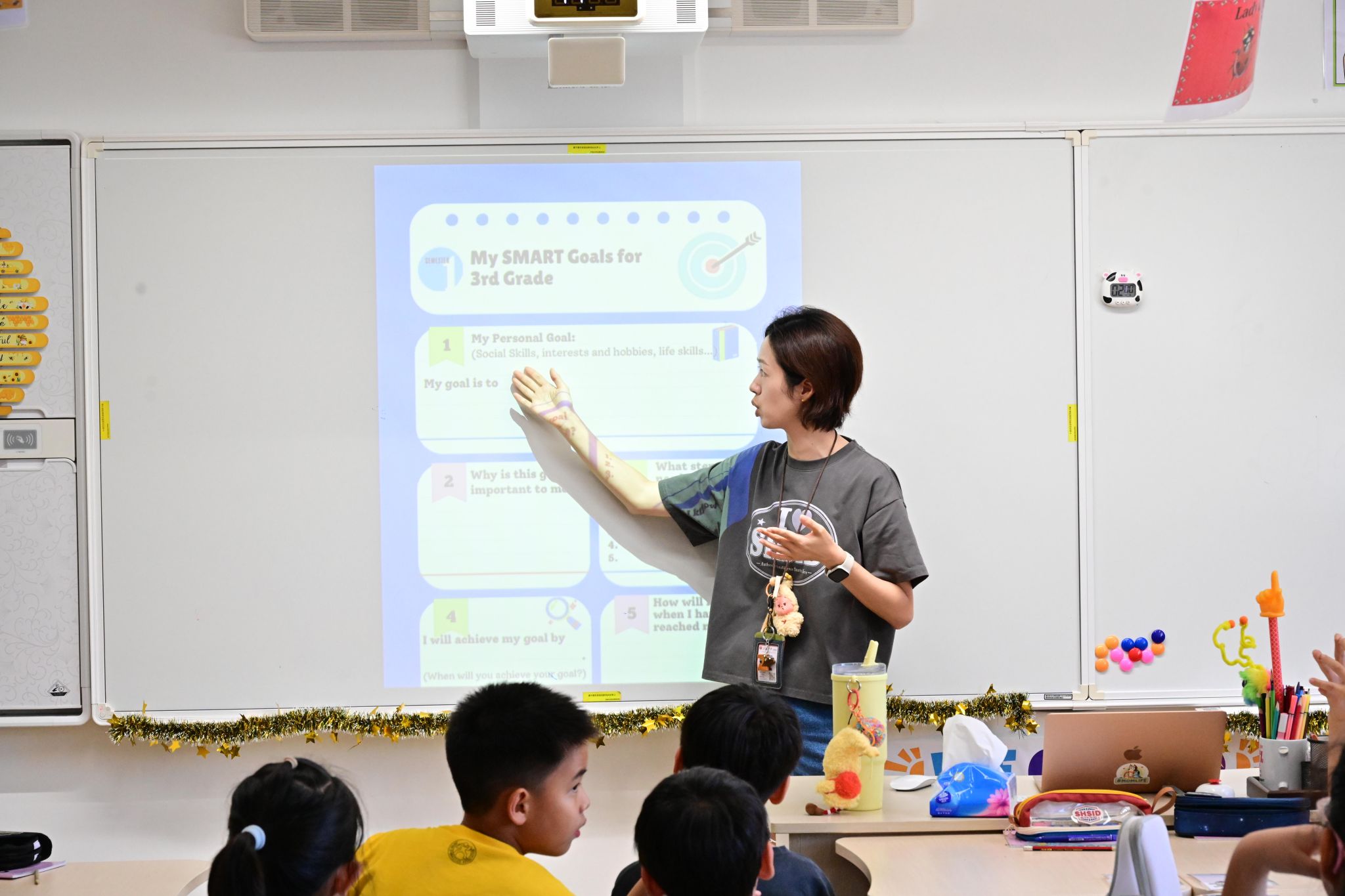
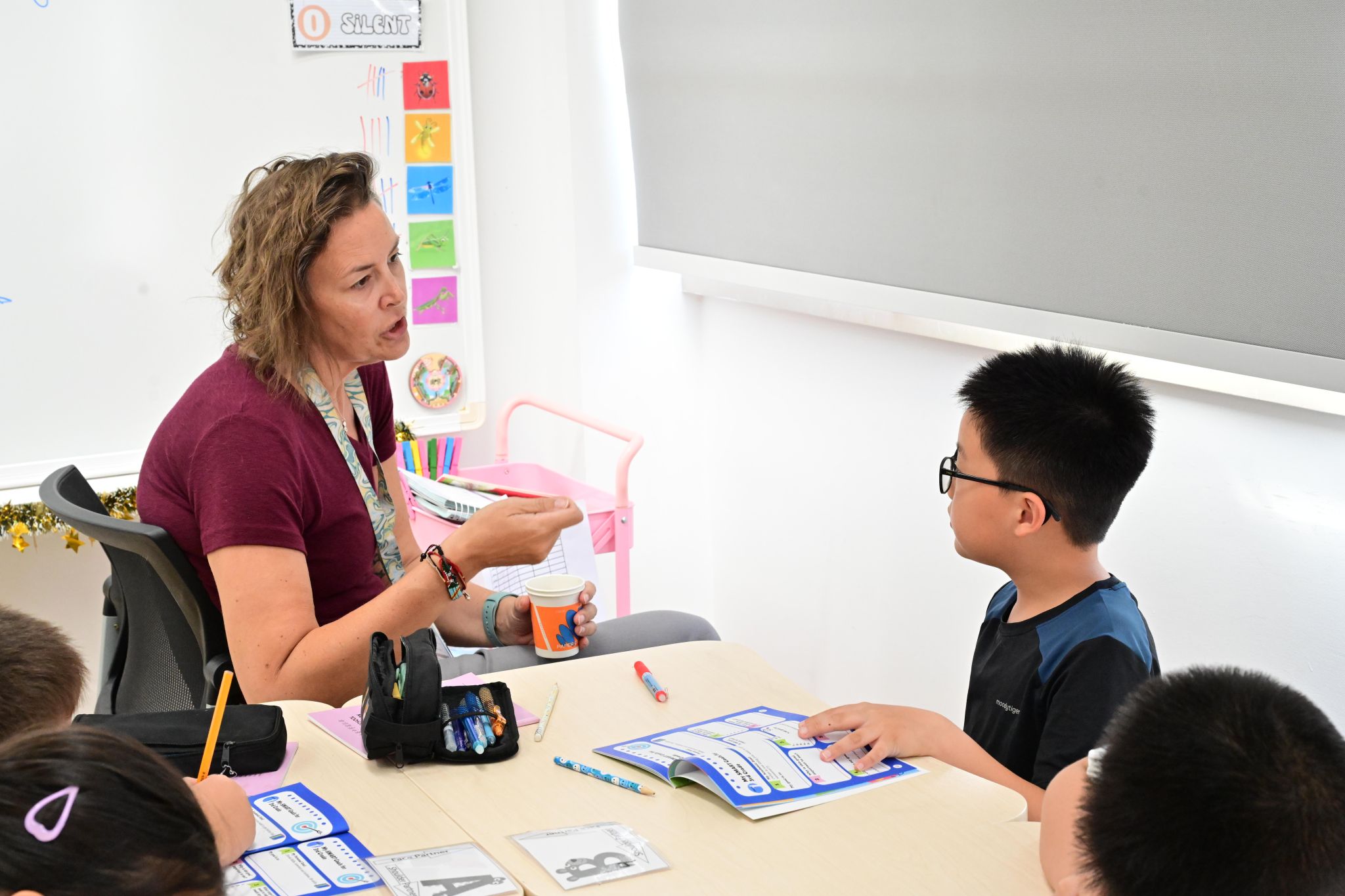
In practice, students were beginning to plan their learning journeys with greater intention. Evelyn and Bruce both noticed that the demands of Grade 3 had increased, and each set a goal to work towards by the end of the semester: Evelyn aimed to improve her computation speed, while Bruce focused on raising his MAP score. Recognizing that maintaining a consistent practice routine could be challenging, they broke their goals down into manageable steps, such as completing a few basic exercises each day and one comprehensive practice session each week. They also used their homework performance as a regular source of feedback, helping them monitor their progress and maintain a steady pace. Parents were equally important in helping students review and refine their goals. Adam’s mother shared that he had experienced repeated setbacks when he first began playing baseball. Together, they established a series of short-term goals, including learning the rules, improving his catching, and contributing through batting. Adam committed to focused practice and regularly reviewed the rules of the game. Today, he has grown into a team captain, leading his teammates onto the field. For William, developing a more effective approach to time management became an important part of his goal-setting journey. His parents observed that difficulty managing his time had sometimes resulted in tasks piling up, making it harder for him to follow through on his goals. Once he recognized this pattern, William began using a schedule to organize his responsibilities and work through them step by step. This helped him improve his focus and efficiency, and he is now able to manage his daily routines with greater confidence and make steady progress towards his goals.
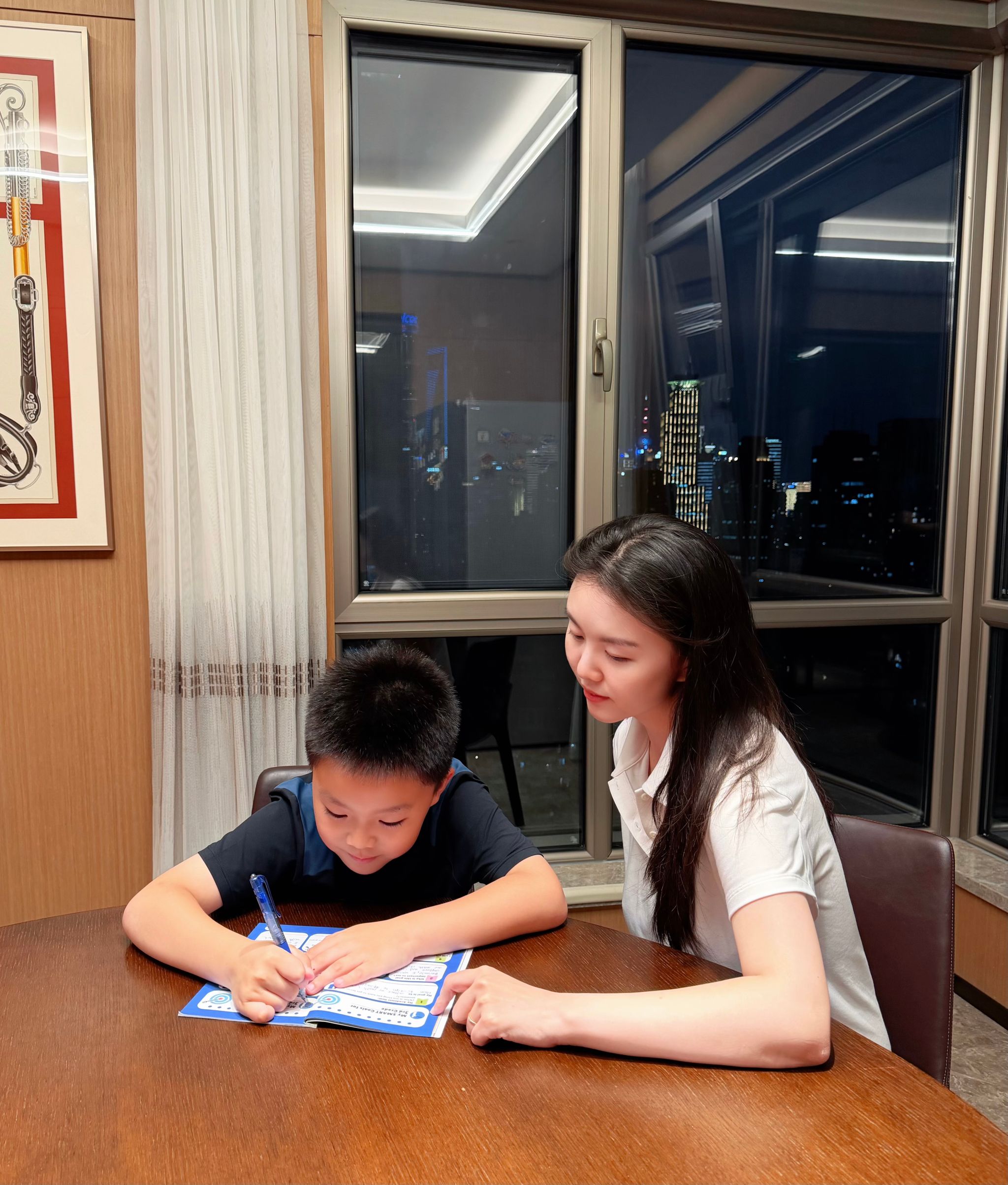
For Grade 3 students, setting goals is therefore about much more than deciding what they would like to accomplish by the end of the semester. It is an opportunity to develop the habits that make meaningful growth possible. By looking back on past experiences, setting realistic deadlines, monitoring progress, and adjusting their plans when necessary, students are learning to take greater responsibility for their own development.
Grade 4: Anticipate Challenges and Use Evidence to Guide Growth
Entering Grade 4, children's growth enters a new stage. Students practice setting SMART goals around the GROW core values, naturally combining goal planning with character growth. They not only set goals, but also learn to view their own progress objectively through concrete learning outcomes.
The Grade 4 GROW core values are divided into two major themes along the children's growth: "How I Learn" in the first semester focuses on Growth Mindset, Safety, Responsibility, Organization and Work Ethics; "Who I Am" in the second semester focuses on Gratitude, Respect, Optimism, and Wellness, putting character expectations into every goal and action.
When setting academic and personal goals, students further ask: How is this goal connected to my long-term growth? They write possible obstacles and coping strategies directly into their goal sheets, and set clear, measurable success criteria. Students practice coordinating time across tasks, adjusting plans based on real learning evidence, and trying to transfer what they have learned to new learning contexts.
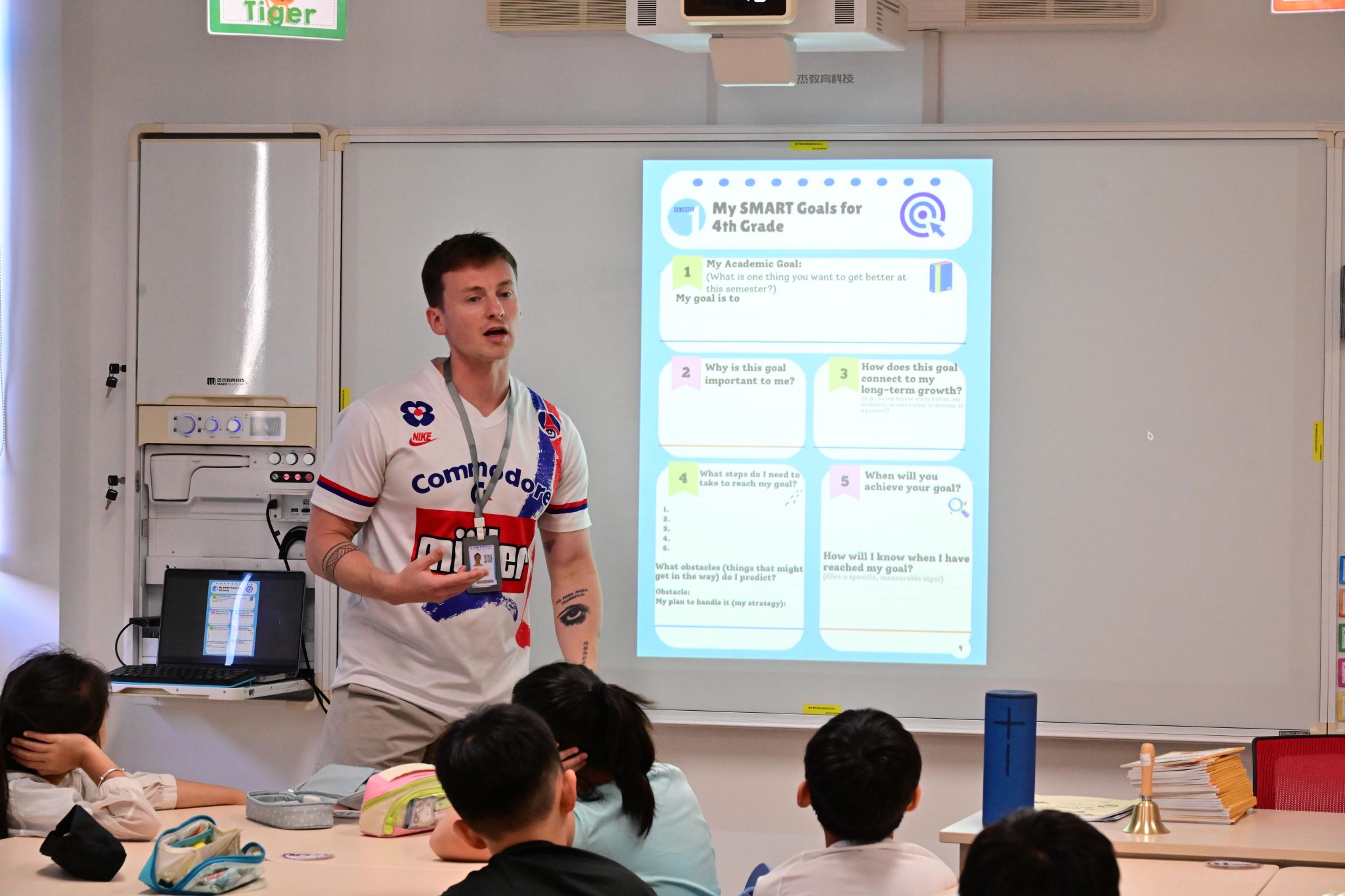
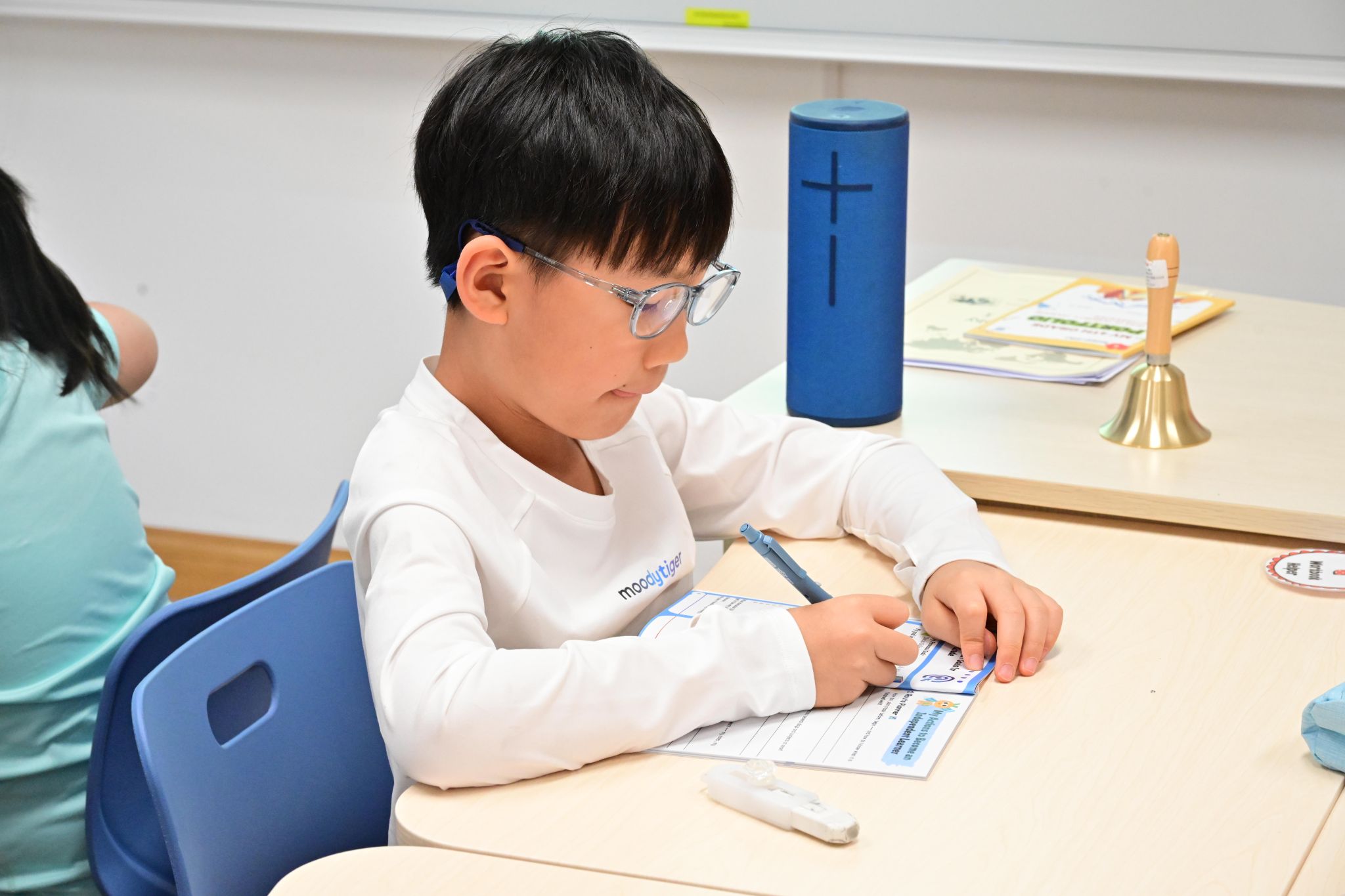
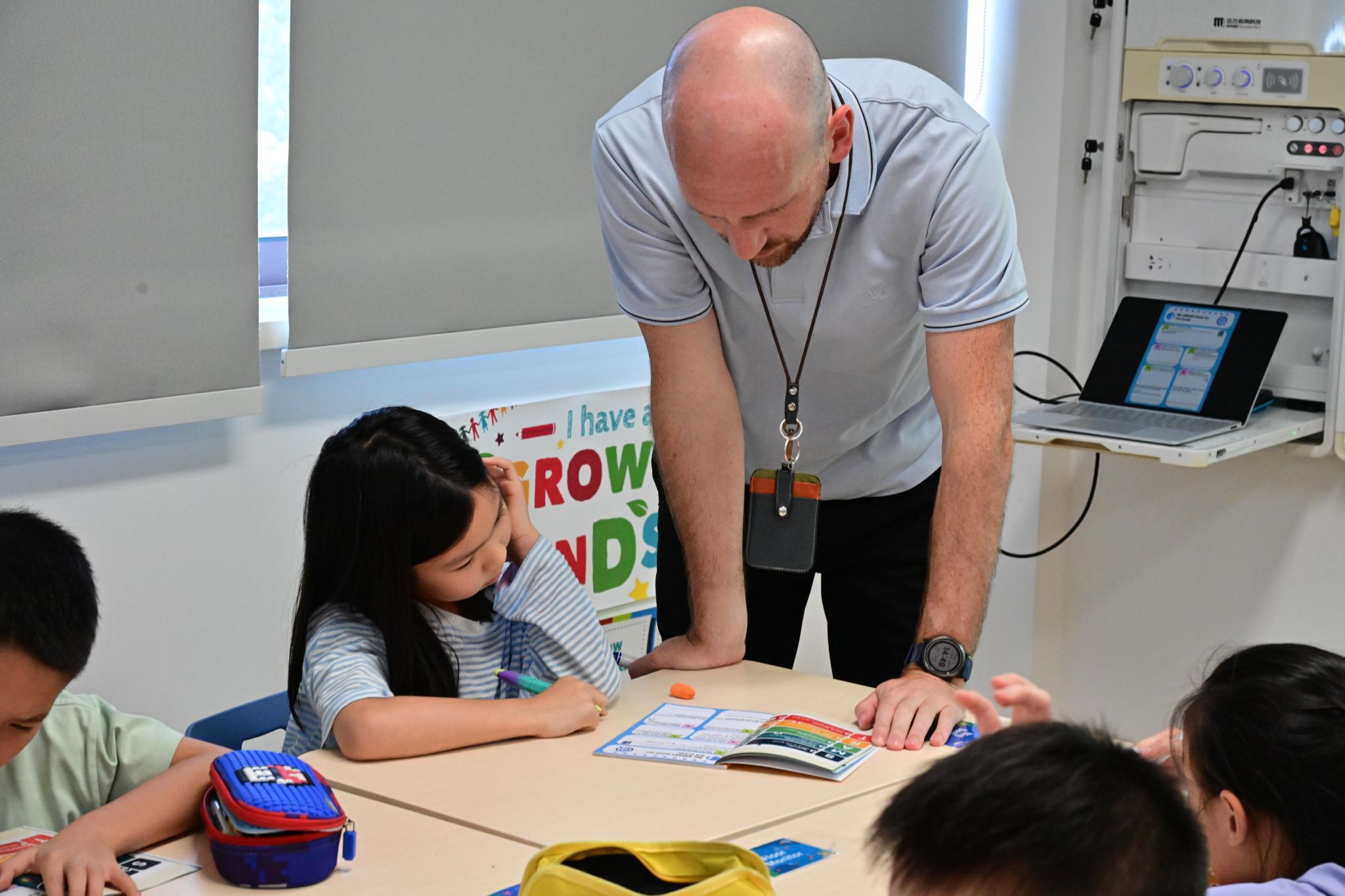
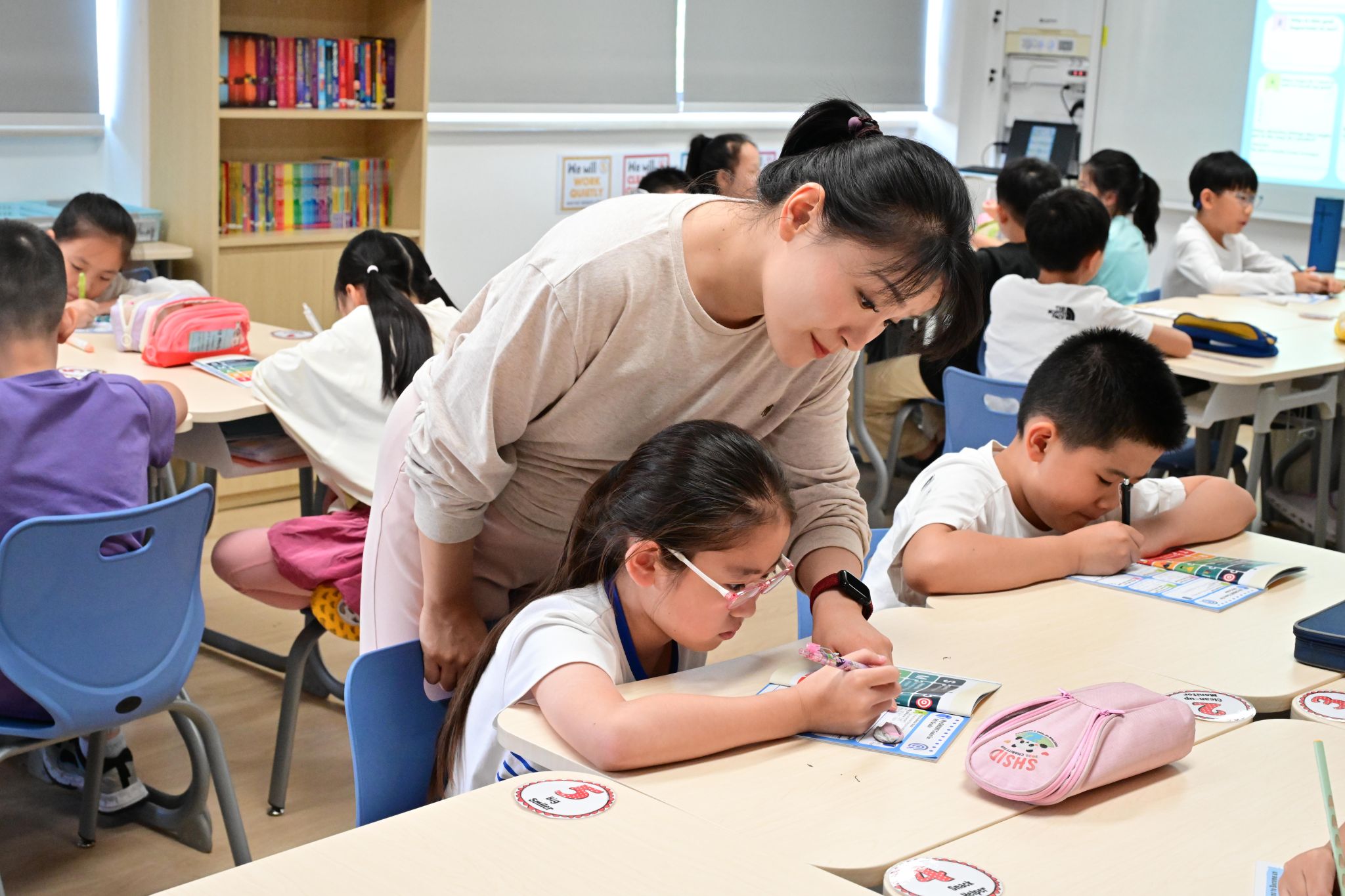
During class, teachers provide one-on-one guidance, leading students to communicate using specific learning examples, explain the strategies they chose, judge whether the plan needs adjustment, and explain their reasons. Sean from Class 4-1 said that as academic work, extracurricular competitions, and exams increased, time allocation became difficult. He tried breaking big tasks into smaller ones, prioritizing them by urgency and importance, and dividing them into daily small tasks. Isabella from Class 4-2 anticipated that she
would repeatedly misspell the same words. She adopted the approach of repeatedly copying the wrong words and asking her parents to help review them through dictation. She planned to count the full scores in her dictation notebook at the end of the semester, using whether the proportion of full scores exceeded 90% to measure her progress.
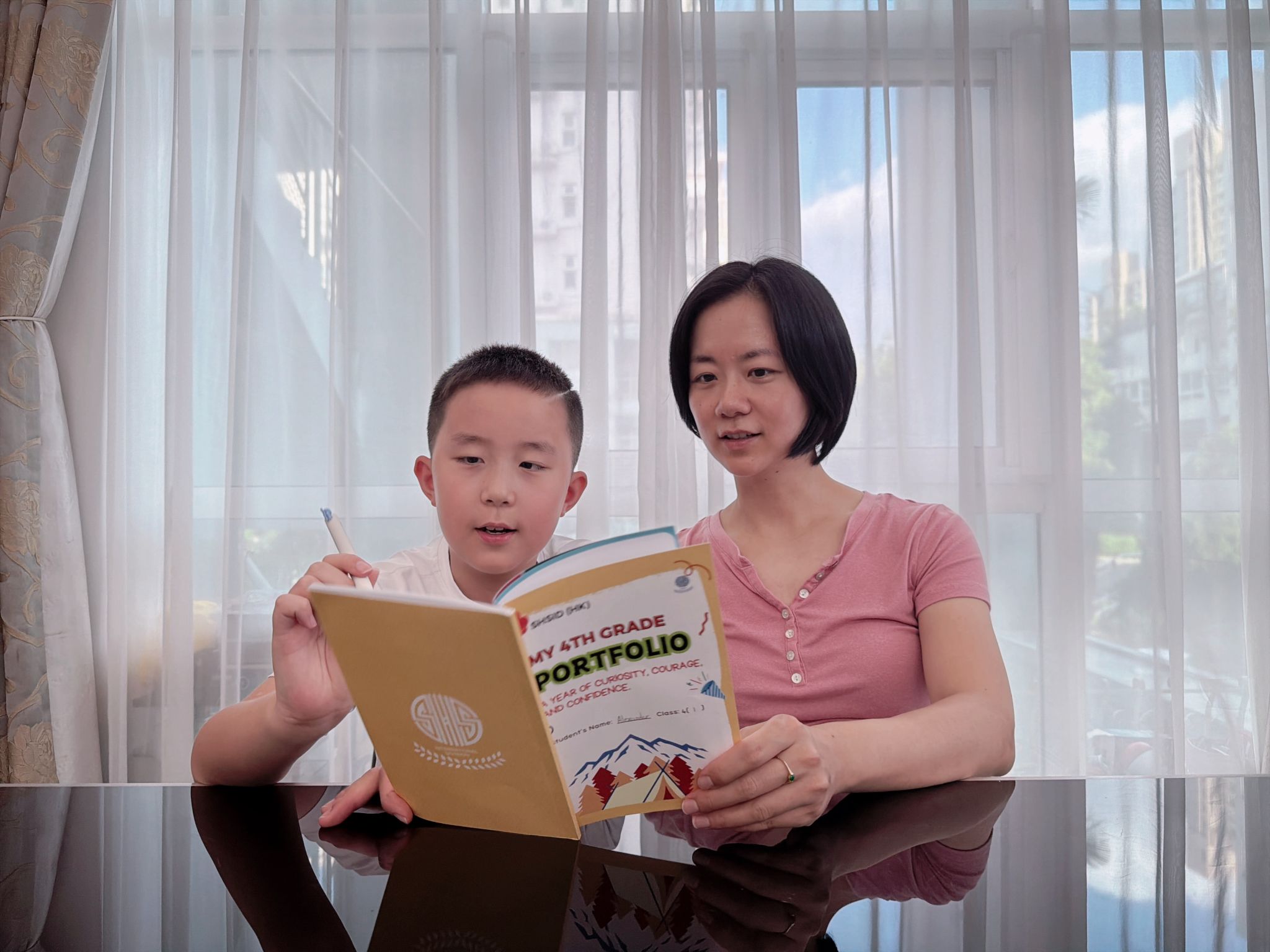
Home-school collaboration also increases accordingly. When plans run into obstacles, parents do not give answers directly; instead, they accompany their children in reviewing the whole process and inspire them to find their own direction for improvement. Alexander's mother from Class 4-1 mentioned that when a plan does not go smoothly, she reviews it with her child and assesses the difficulty of the goal and real obstacles: if the goal is too difficult, she guides the child to break it into smaller tasks; if the problem comes from time allocation, insufficient focus, or similar issues, she inspires the child to reflect on the problem and think independently about how to improve. William's mother from Class 4-2 explained that advancing in Go is a long-term challenge for her child. When he feels frustrated after losing a game, she first gives him time and space to release his emotions. After he calms down, they review together, discuss what to adjust, and continue working toward the goal.
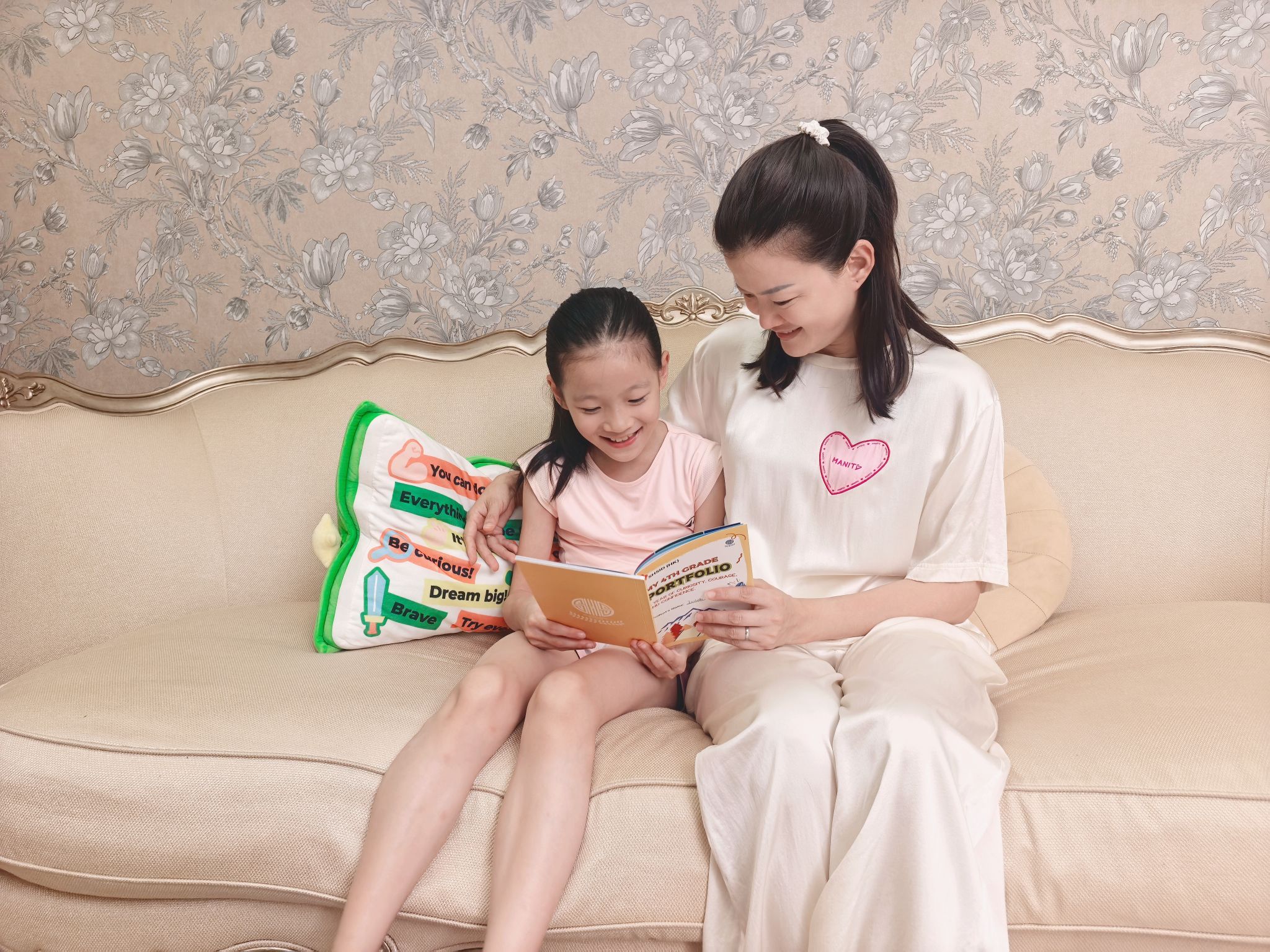
Grade 4 goal practice is no longer just about carrying out a plan. Students learn to anticipate difficulties and face setbacks directly, using real learning outcomes to see their own changes and truly become the owners of their growth.
Closing: Goals Owned by Students, Growth Supported Together
Whether through one-on-one teacher-student conversations in class or practice reviews at home, school and family always respect each student's interests and pace of development. Through listening, questions, observation, and positive feedback, the goals students set are both challenging and realistic. From students writing down their goal plans and discussing them with teachers, to putting them into practice at home and reviewing and adjusting after setbacks, the whole process records a goal's journey from idea to action and then to reflection.
Every goal begins with a child’s hope for growth. Each teacher conversation and each act of support at home helps turn that hope into action. From Grade 1 to Grade 4, students gradually learn to set goals, reflect on progress, and adjust their direction—growing in independence with support along the way.
(Written by Becky Yang, Claire Jia, Teng Chen, Nina Kang
Pictures by Rachel Wu
Reviewed by Dan Zhu, Shiyu Wu)