-
ABOUT US
-
ACADEMICS
Curriculum Program
Departments
- English
- High School Chinese
- Primary and Junior School Chinese.
- High School Mathematics
- Middle School Mathematics
- Primary School Mathematics
- Music and Fine Arts
- Physical Education
- Physics
- Chemistry
- History and Geography
- Physical Science and Optional courses Department
- Middle School Biology
- High School Biology
- Social Sciences
- Computer Science
- Courses in Primary School
Achievements and Matriculations
College Counseling
Science & Technology Innovation Contest
Subject Competition
-
ARTS
-
ATHLETICS
-
AT SHSID
SHSID ∣ TIMES
PTSA
Club Exhibition
- 龙吟社
- Live 2 Drama
- Choir
- Hip-pop Dance Club
- The Primary School Dance Troupe
- Symposiums Club
- Biology Workshop
- You Shan
- VEX Robotic
- Peking Opera Club
- Baseball Club
- Model United Nations
- The World Scholar’s Cup
- Future Problem Solving Club
- United States Academic Pentathlon
- OM Club
- AMC Club
- Music for Patients
- SHSID Gazette
- Smile Charity
- Cultural Moments
- SciAcademy
- Stem Doge Alliance
- Chinese Debate Club
- IAA
- Mock Trial Club
- Zhengming Club
- Furry Friends
- GT-Racing
- Village Radio
- IMMC Club
- Creative Design and Intelligent Fabrication
- Future City Research Project
- ECOCAP
- AdvocaSEA
- SPDC
- Medishine
- Floorball Club
- Animusic MTC
- Wings Up
- All Booked
- Cyano
- Birding Community
Health and Wellness
Campus Safety
Cafeteria Service
-
ADMINISTRATION
-
ADMISSIONS
-
ALUMNI
Alumni Information
Honors Students
- Class of 2026
- Class of 2025
- Class of 2024
- Class of 2023
- Class of 2022
- Class of 2021
- Class of 2020
- Class of 2019
- Class of 2018
- Class of 2017
- Class of 2016
- Class of 2015
- Class of 2014
- Class of 2013
- Class of 2012
- Class of 2011
- Class of 2010
- Class of 2009
- Class of 2008
- Class of 2007
- Class of 2006
Who Studied at SHSID
SHS Foundation
-
DOCUMENTS
Fengxian Campus: Safety Education Integrated into Daily Life, Emergency Drills Build a Line of Defense
At the start of the new semester, the Fengxian Campus of Shanghai High School International Division closely focused on campus safety and carried out a series of safety education and emergency drill activities for Grade 1 and Grade 6. The school integrated safety education into CME courses and grade-level daily education. Through campus safety special presentations, evacuation drills, fire safety demonstrations, campus anti-riot drills, and other forms of safety education, students were guided to recognize risks, become familiar with rules, and master basic emergency avoidance methods. The series of activities further enhanced the safety awareness and emergency response capabilities of teachers and students, and also put the school's multi-department coordination and campus emergency response mechanism to a practical test.
Safety Education Integrated into Daily Life, Safety Awareness Grows with Students
Safety education does not exist only in a single activity; it is embedded in students' daily learning and campus life. Based on the characteristics of students at different age stages, the school uses safety-themed education and special activities to guide students in understanding safety risks, mastering emergency capabilities, and gradually forming good safety awareness and behavioral habits.
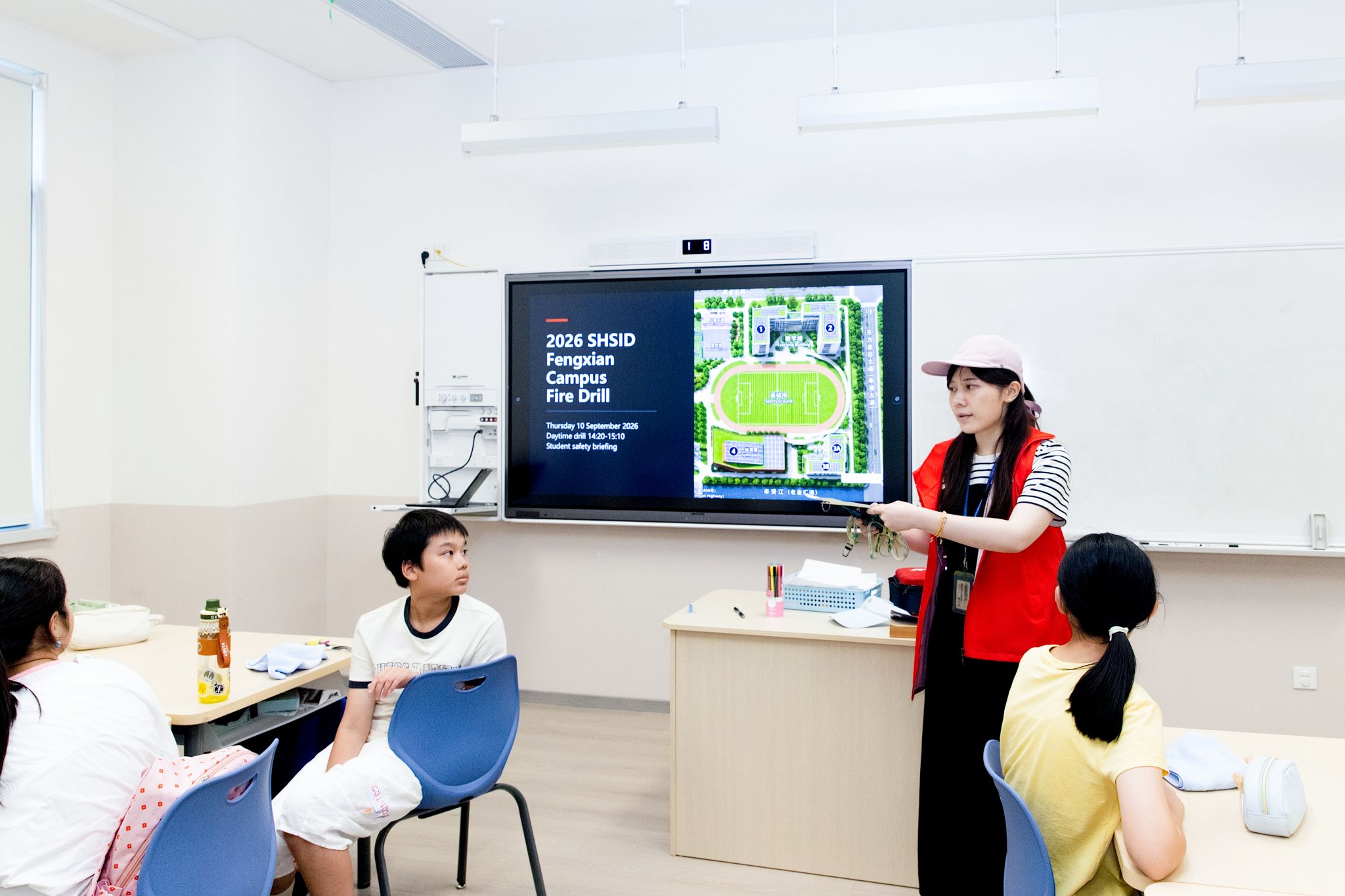
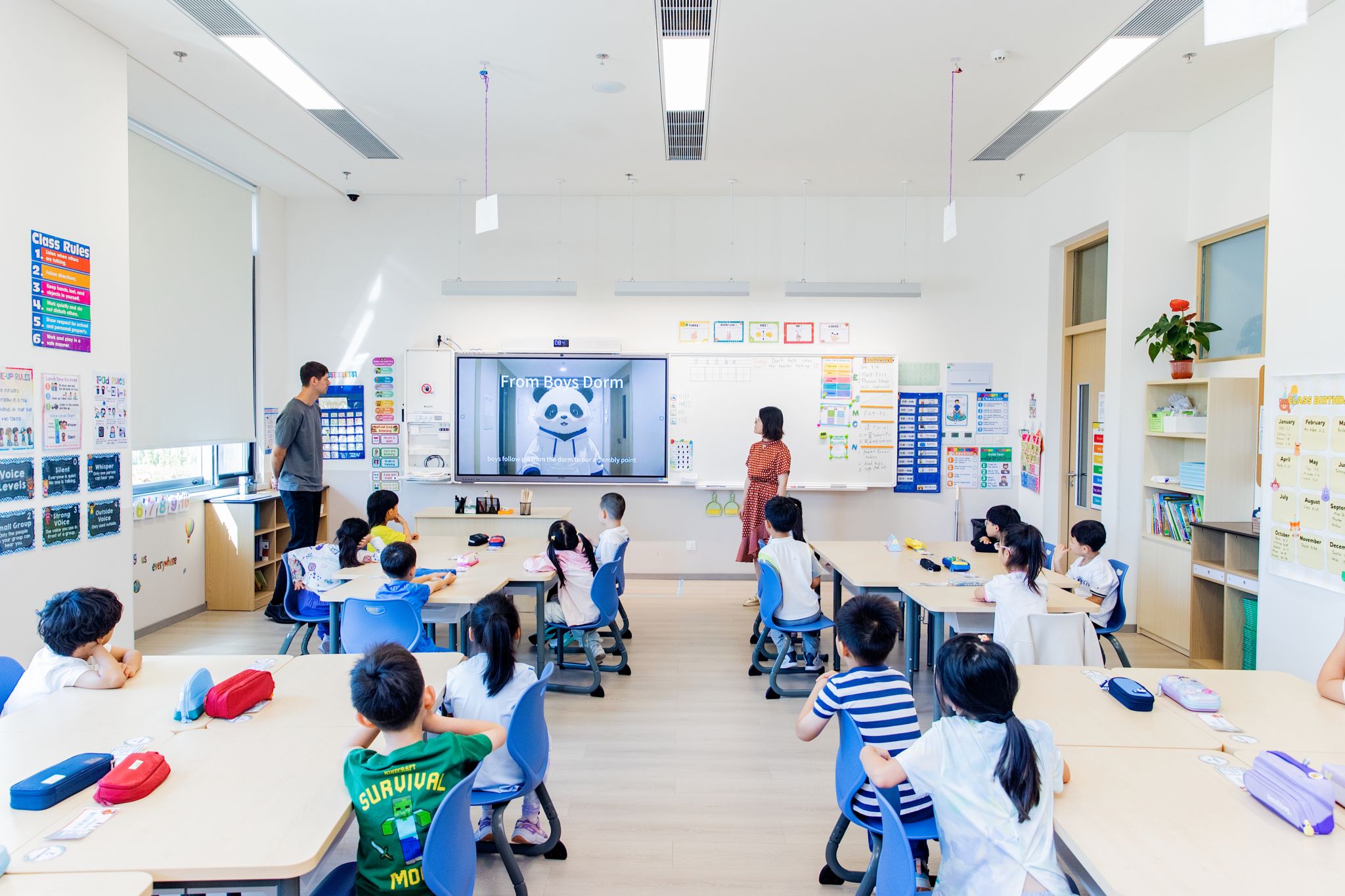
In Grade 1, the grade team kept the characteristics of the students' age in mind and carried out fire safety education in PG courses, helping children understand basic fire safety knowledge, learn methods for fire evacuation drills, and know how to remain calm and respond correctly in emergencies. At the same time, the Grade 1 team extended safety education to families, encouraging children and parents to complete the fire safety tasks in the CME booklet together, testing their knowledge through questions, and checking together whether their homes are equipped with fire alarms, escape kits, and other items. Through home-school collaboration, fire safety awareness is truly integrated into children's daily lives.
In Grade 6, the first month’s CME education was themed "Safety and Good Manners." Homeroom teachers, through P&B, YD, and other courses, combined campus safety with behavioral norms—from behavioral habits in public spaces to how to remain calm and seek help correctly in emergencies—so that while students became familiar with the campus and established daily norms, they gradually understood that safety is not only a set of rules, but also a responsibility.
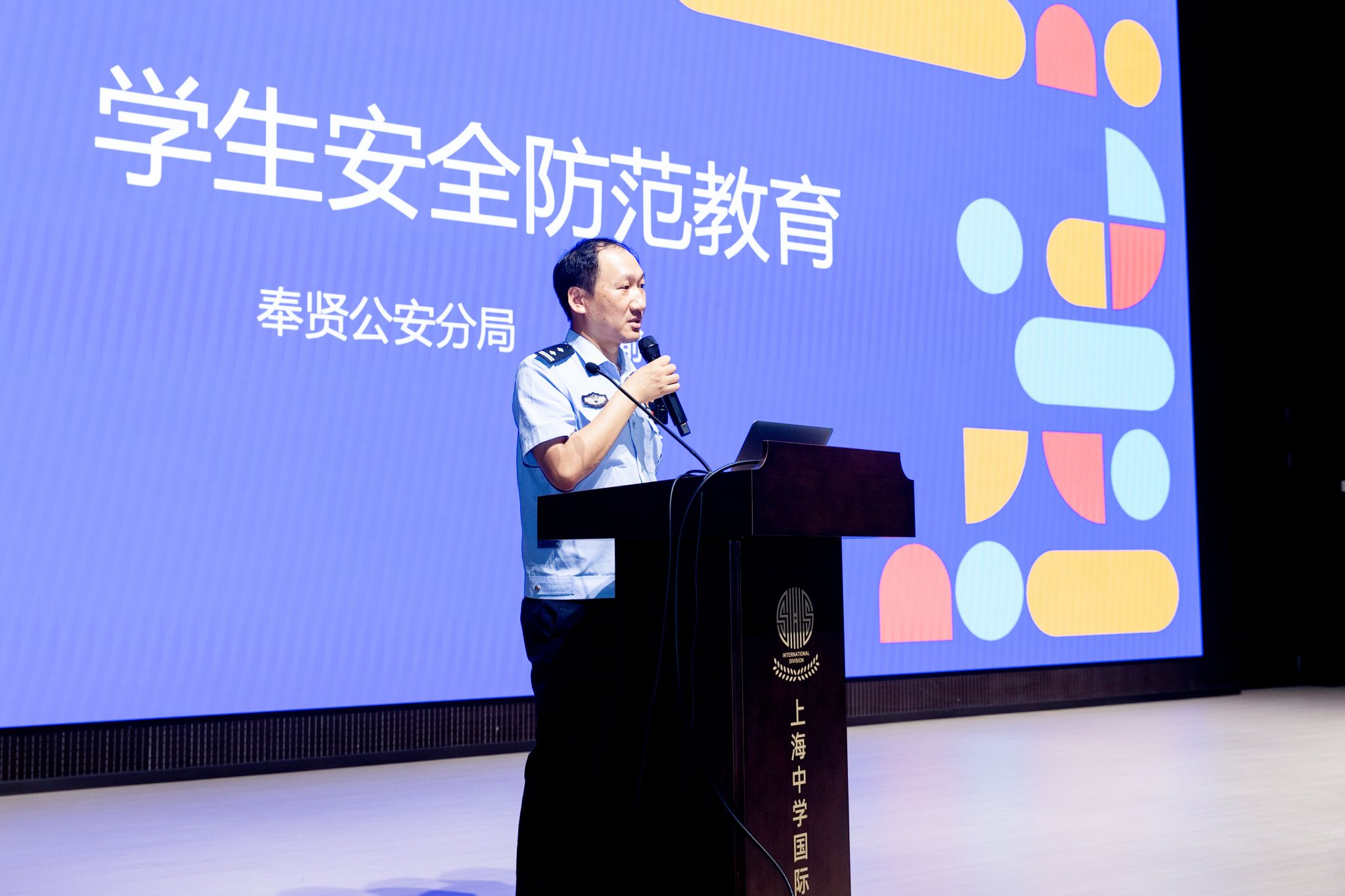
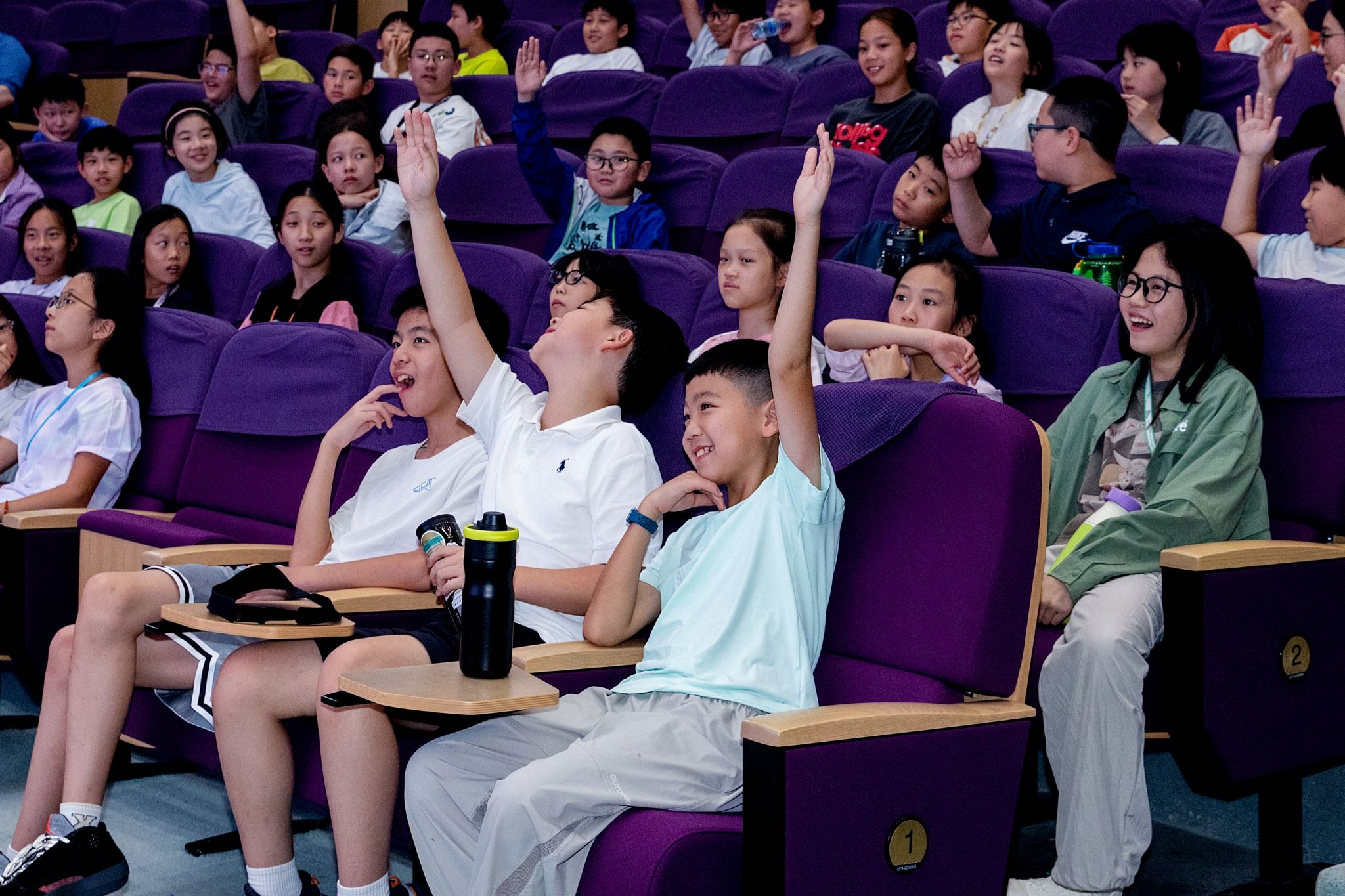
The school also invited police officers from Qixian Police Station to come onto campus and give a campus safety special presentation for Grade 6 students. Combining the students' age characteristics and daily life scenarios, the officers explained cybersecurity, traffic safety, electrical safety, and other topics. Through case analysis, picture displays, and interactive Q&A, they guided students to correctly understand possible safety risks around them.
Remember Evacuation Essentials, Put Emergency Drills into Practice
To ensure the drills were safe and orderly, before the formal drills, Grade 1 and Grade 6 respectively carried out fire evacuation safety education. Based on the actual campus environment, teachers led students to become familiar with safety exits, evacuation routes, and designated assembly points, and explained the action requirements and evacuation essentials after the alarm sounded. For different scenarios involving the teaching building and dormitory building, the campus mascot Brighty also further explained evacuation routes, key points, and assembly locations through escape tip videos, ensuring that students had a clear understanding of the evacuation process in different scenarios before the drills.
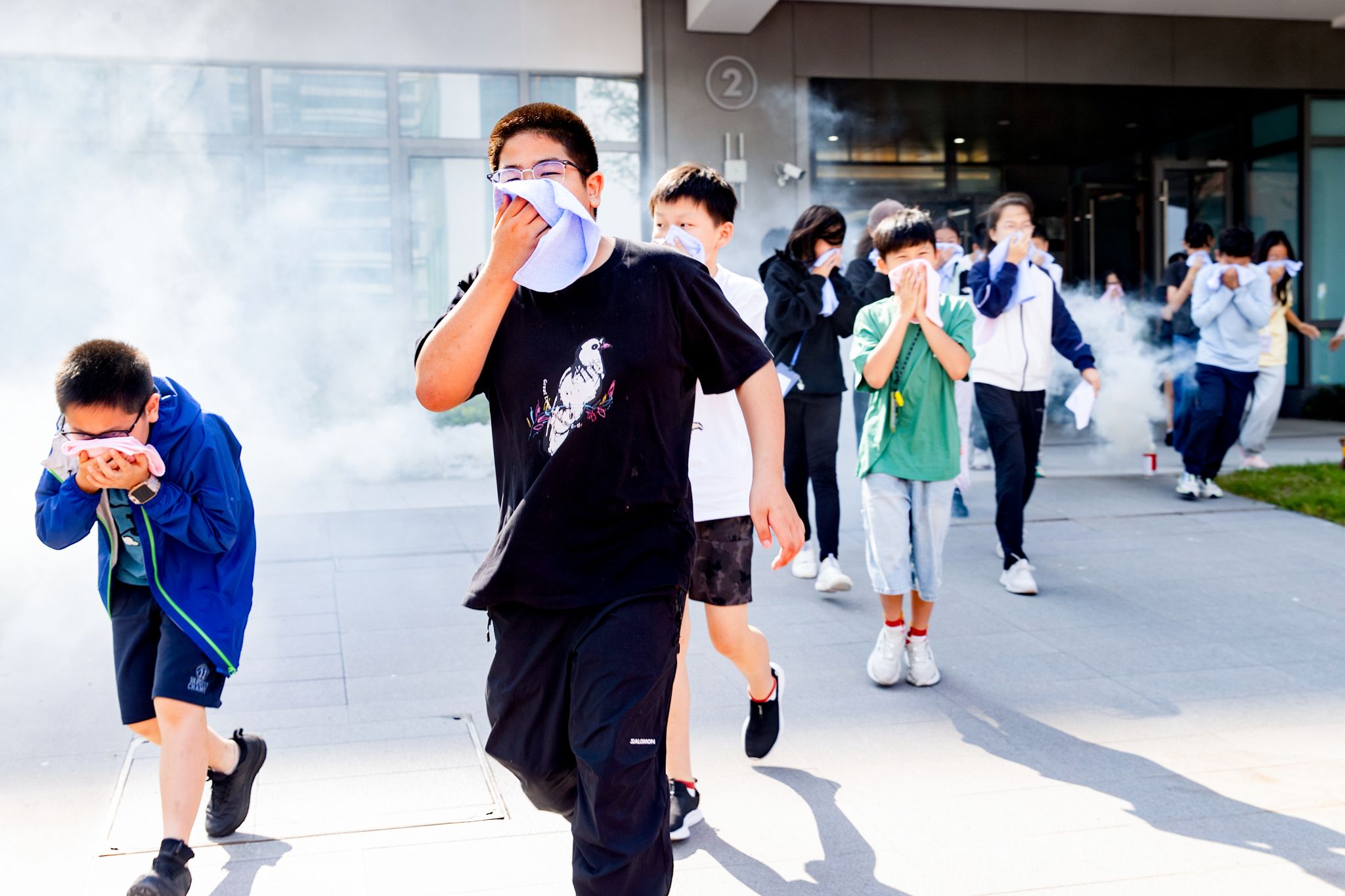
Afterward, Grade 1 and Grade 6 respectively conducted fire evacuation drills in the teaching building. After the alarm sounded, under the guidance of teachers, students covered their mouths and noses with towels and quickly evacuated the classrooms along predetermined routes. At key areas such as corridors, stair turns, and exits, teachers were on duty to remind students of evacuation essentials. Students maintained order, did not crowd, and did not rush ahead, and finally arrived safely at the designated assembly area. After arriving at the assembly point, each class immediately lined up and counted the number of students, confirming that all students had arrived safely. During the drill, homeroom teachers, subject teachers, school doctors, security personnel, property management staff, and personnel in different positions collaborated according to the plan, providing guidance and safety support at stair turns, teaching building exits, evacuation routes, and assembly areas. The orderly evacuation not only tested the learning results of earlier safety education, but also further coordinated the emergency collaboration mechanism among different campus departments.
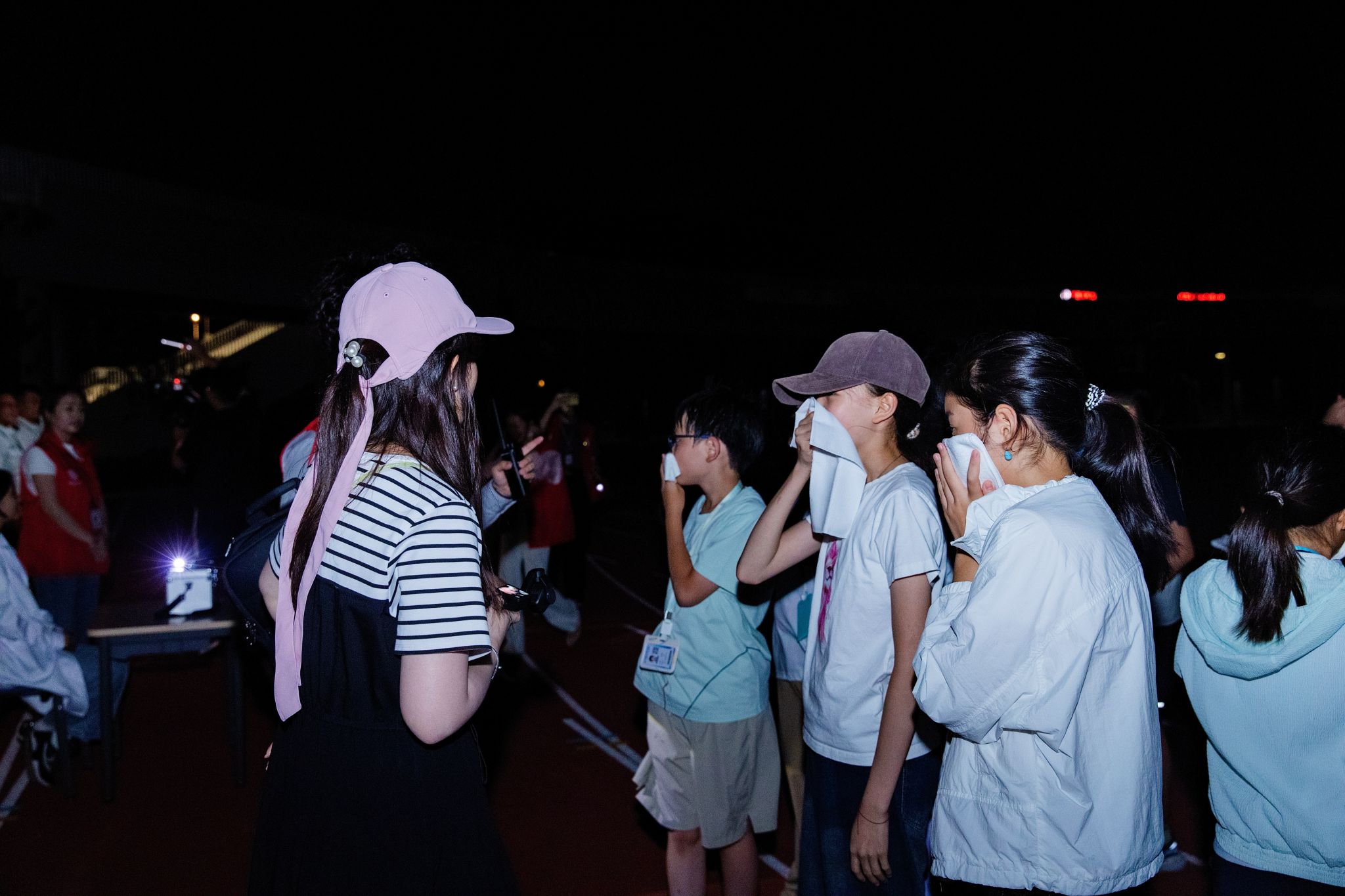
For Grade 6 boarding students, safety education also covered nighttime campus life scenarios. Before the drill, homeroom teachers went to the male and female dormitory areas respectively and, together with students and based on the actual dormitory environment, explained safety exits and nighttime evacuation routes, and clearly explained dormitory electrical safety and basic response requirements when an alarm occurs. After the nighttime alarm sounded, boarding students, under the guidance of teachers and staff, quickly and orderly evacuated from the dormitories and public areas, following predetermined routes to assemble on the playground. After arriving at the assembly point, each group immediately completed headcounts and status confirmation.
After the drills ended, each class promptly reviewed and summarized. Teachers led students to reorganize the key steps in the evacuation process and, based on actual performance, further clarified safety requirements, allowing students, in the process of "learning—practice—reflection," to gradually transform fire evacuation knowledge into safety awareness and action capabilities that can be used in emergencies.
Professional Forces Enter Campus, Real-Scene Drills Strengthen Response
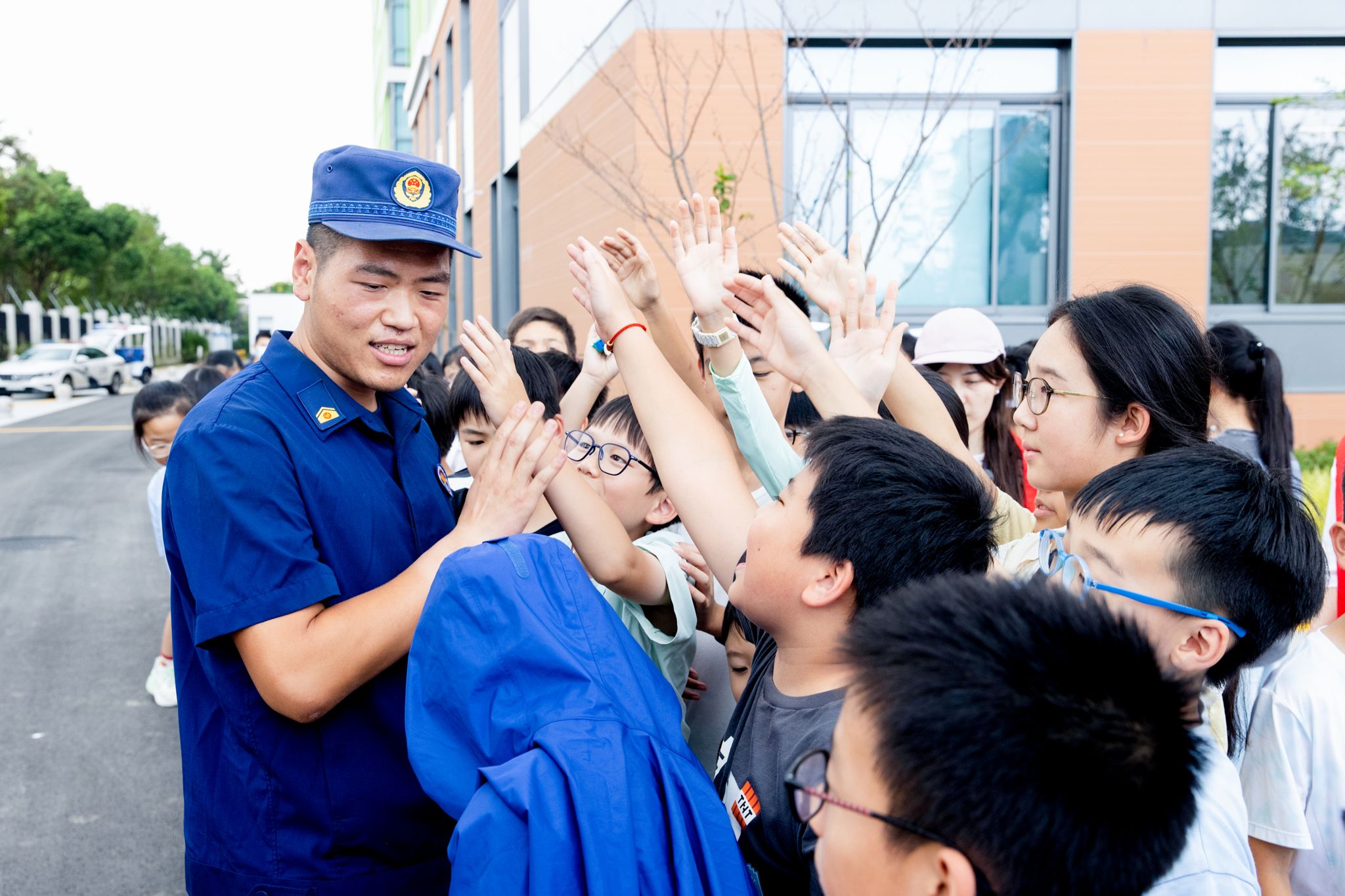
In addition to routine drills, the school also invited professional forces onto campus to bring students more intuitive safety education. Firefighters from Jinhui Fire Station came to campus and conducted fire safety knowledge explanations and live demonstrations for Grade 1 and Grade 6 students. Combining common fire situations, the firefighters introduced the applicable scenarios of fire equipment and demonstrated on site the standard use of fire extinguishers. Under professional guidance and safety protection, teacher and student representatives carried out hands-on fire extinguisher practice, further deepening their understanding of how to use fire equipment and basic fire response principles. For students, what is most important is to remember: when facing a fire, stay calm, seek help promptly, evacuate quickly, and follow the instructions of teachers and professionals.
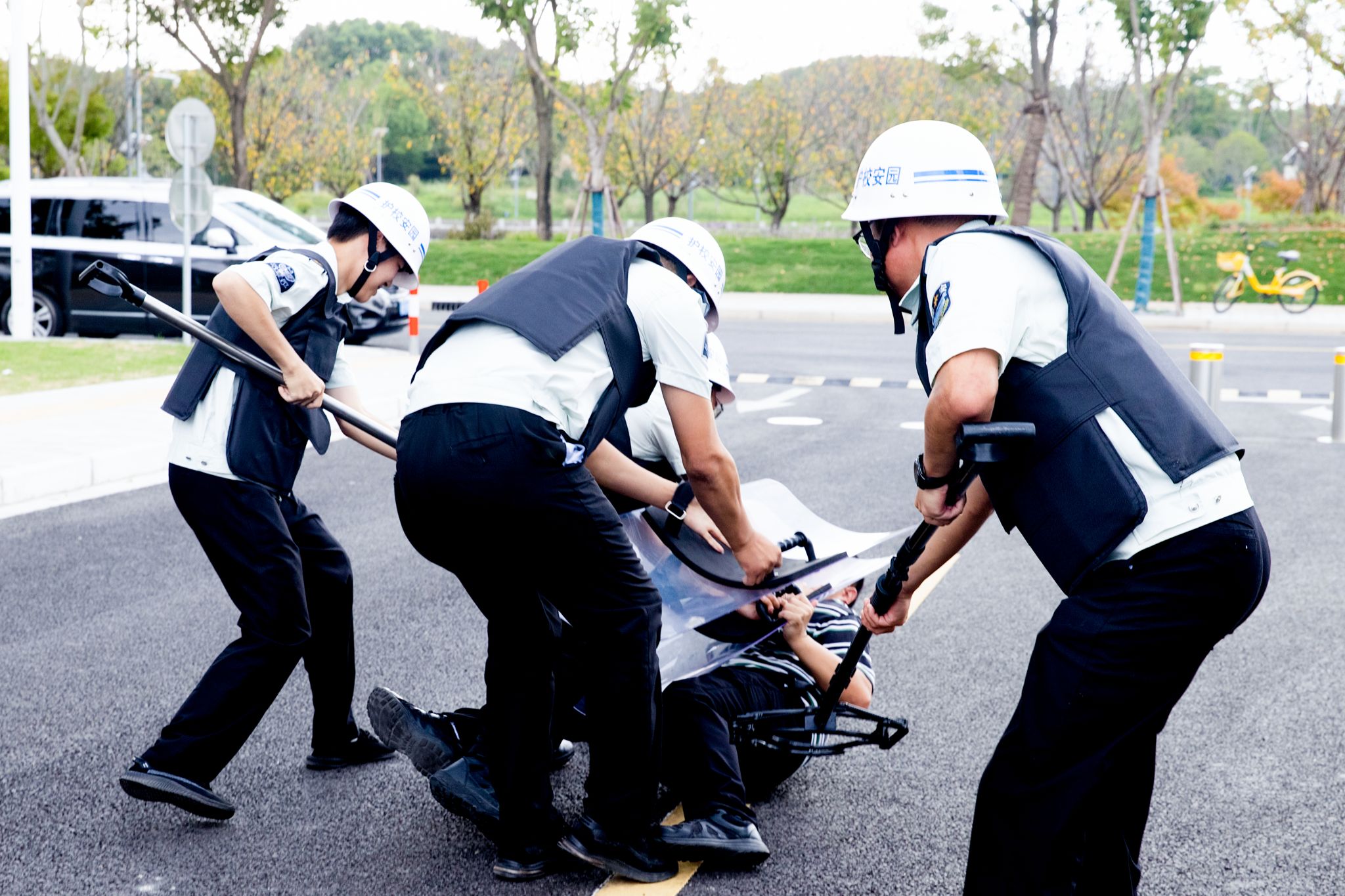
Afterward, Officer Zhu from Qixian Police Station conducted campus anti-riot safety education for Grade 6 students and, in combination with the actual campus situation, trained school security personnel in the use of anti-riot equipment and emergency response. The officer introduced on site how to use riot shields, riot forks, and other equipment, and further clarified the job responsibilities and coordinated response requirements of campus security personnel in emergencies.
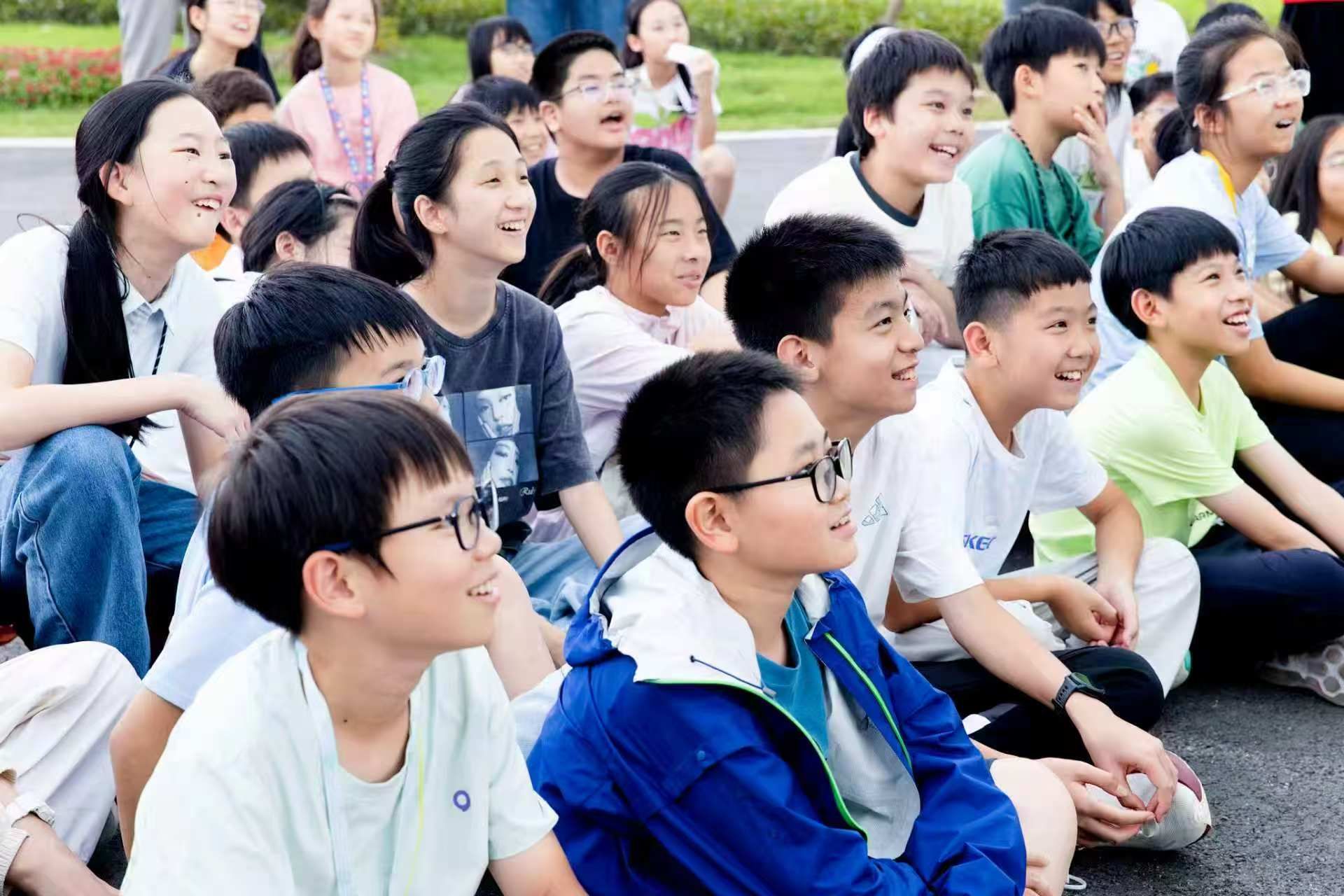
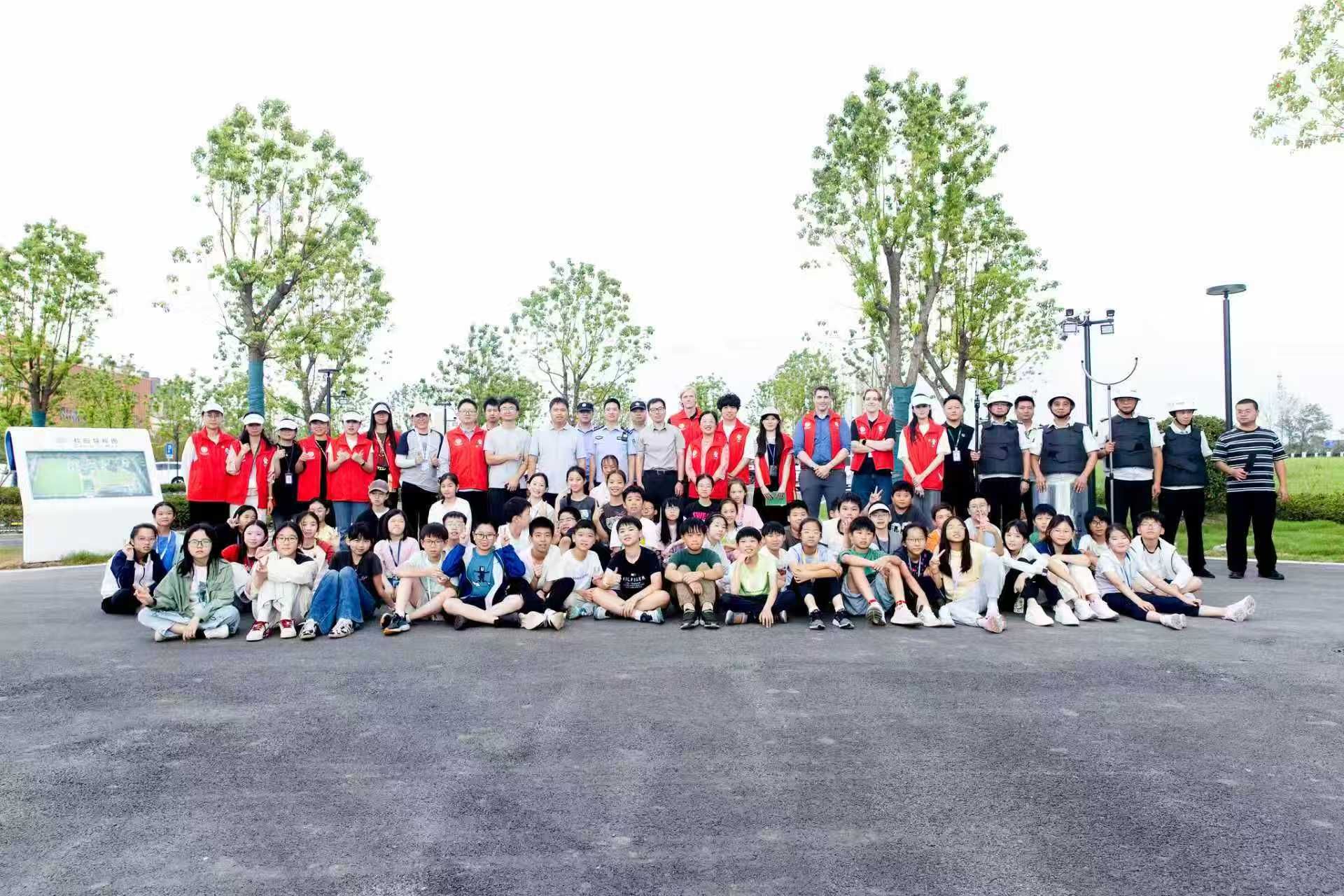
In the simulation drill, staff simulated an armed intruder attempting to force entry into the campus. After an abnormality was detected, the campus minimum emergency response unit quickly activated its response. Security personnel used riot shields, riot forks, and other equipment in coordination to block and control the "suspicious person," fully drilling the entire process from detecting the abnormality and activating the emergency response to on-site handling. Grade 6 students watched the drill from a safe area. In a realistic scenario, they further understood the campus emergency response mechanism and clarified the basic principles of obeying commands, staying away from dangerous areas, and seeking help promptly in similar emergencies.
The school will continue to integrate safety education into regular courses, grade-level education, boarding management, and daily campus operations. Through continuous education, drills, and reviews, it will constantly improve the campus safety guarantee mechanism and enhance the safety awareness and emergency capabilities of teachers and students. In the future, the school will also continue to use meticulous and professional safety management to create a safe, orderly, and reassuring learning and growth environment for students.
(Written by Die Yang, Jingyao Lin
Pictures by Xueling Yu, Haijie Gong, Yuru Liu, Zhang Zhaoyue
Reviewd by Tianyuan Shen, Lei Guo, Xing Ye, Shiyu Wu)