-
ABOUT US
-
ACADEMICS
Curriculum Program
Departments
- English
- High School Chinese
- Primary and Junior School Chinese.
- High School Mathematics
- Middle School Mathematics
- Primary School Mathematics
- Music and Fine Arts
- Physical Education
- Physics
- Chemistry
- History and Geography
- Physical Science and Optional courses Department
- Middle School Biology
- High School Biology
- Social Sciences
- Computer Science
- Courses in Primary School
Achievements and Matriculations
College Counseling
Science & Technology Innovation Contest
Subject Competition
-
ARTS
-
ATHLETICS
-
AT SHSID
SHSID ∣ TIMES
PTSA
Club Exhibition
- 龙吟社
- Live 2 Drama
- Choir
- Hip-pop Dance Club
- The Primary School Dance Troupe
- Symposiums Club
- Biology Workshop
- You Shan
- VEX Robotic
- Peking Opera Club
- Baseball Club
- Model United Nations
- The World Scholar’s Cup
- Future Problem Solving Club
- United States Academic Pentathlon
- OM Club
- AMC Club
- Music for Patients
- SHSID Gazette
- Smile Charity
- Cultural Moments
- SciAcademy
- Stem Doge Alliance
- Chinese Debate Club
- IAA
- Mock Trial Club
- Zhengming Club
- Furry Friends
- GT-Racing
- Village Radio
- IMMC Club
- Creative Design and Intelligent Fabrication
- Future City Research Project
- ECOCAP
- AdvocaSEA
- SPDC
- Medishine
- Floorball Club
- Animusic MTC
- Wings Up
- All Booked
- Cyano
- Birding Community
Health and Wellness
Campus Safety
Cafeteria Service
-
ADMINISTRATION
-
ADMISSIONS
-
ALUMNI
Alumni Information
Honors Students
- Class of 2026
- Class of 2025
- Class of 2024
- Class of 2023
- Class of 2022
- Class of 2021
- Class of 2020
- Class of 2019
- Class of 2018
- Class of 2017
- Class of 2016
- Class of 2015
- Class of 2014
- Class of 2013
- Class of 2012
- Class of 2011
- Class of 2010
- Class of 2009
- Class of 2008
- Class of 2007
- Class of 2006
Who Studied at SHSID
SHS Foundation
-
DOCUMENTS
Turning Passion into Pages: SHSID Spotlight Spark Meets a Student Novelist
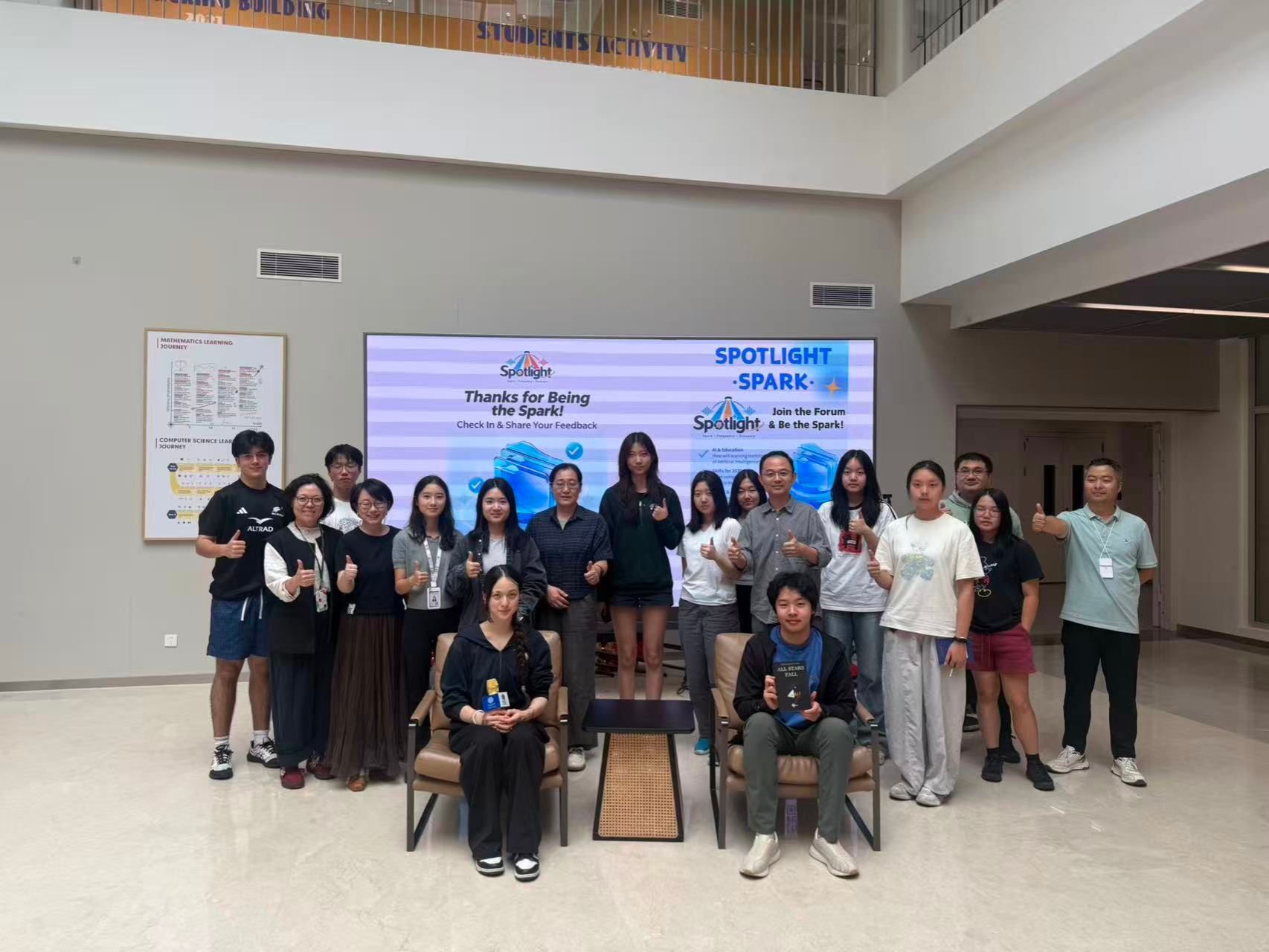
On September 29, Spotlight Spark continued its semester programming with a public interview and audience Q&A featuring novelist Guoshwan. The event was held in the B1 Atrium of Zhongxing Building and was moderated by Grade 11 student Sophie.
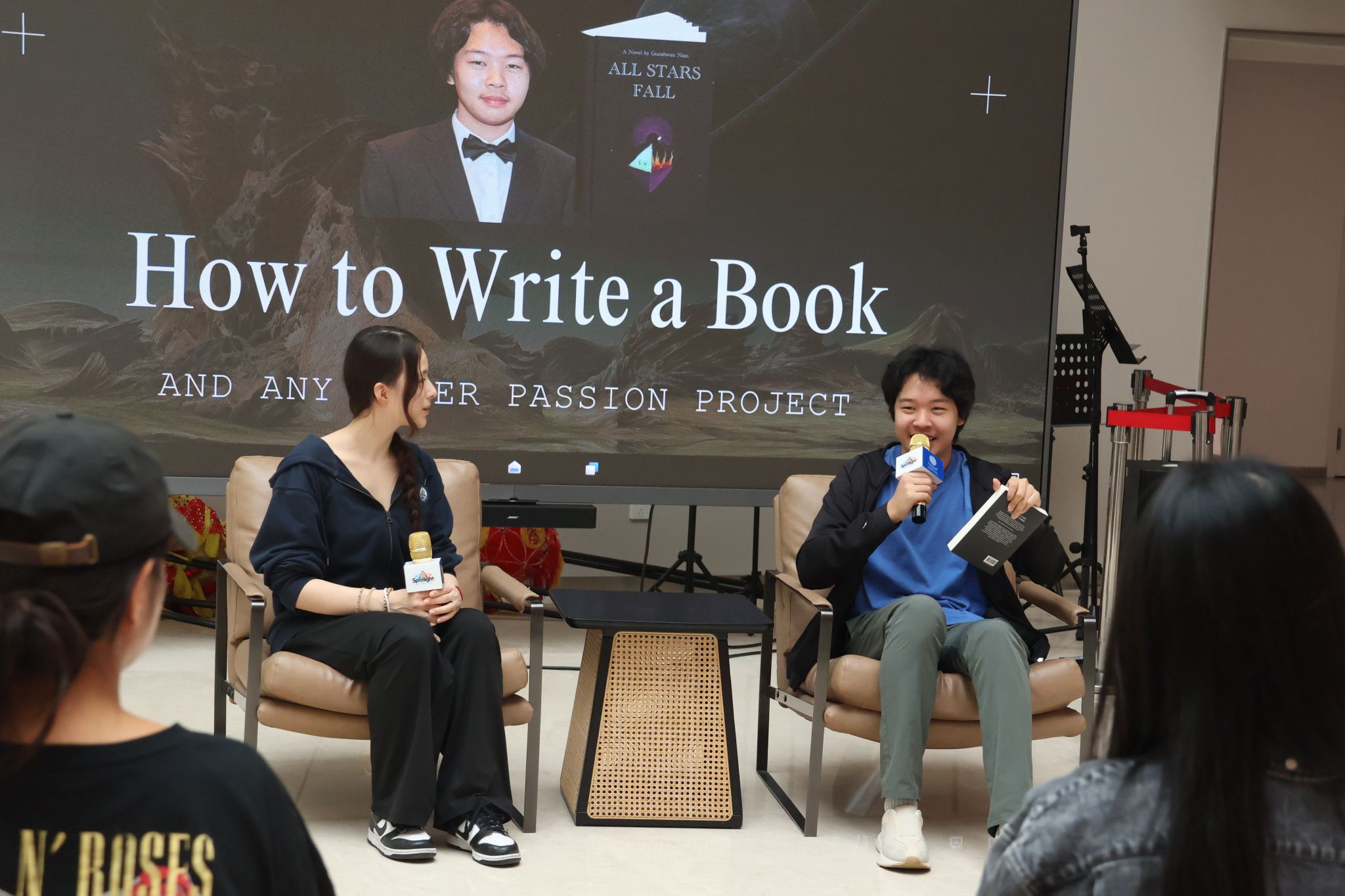
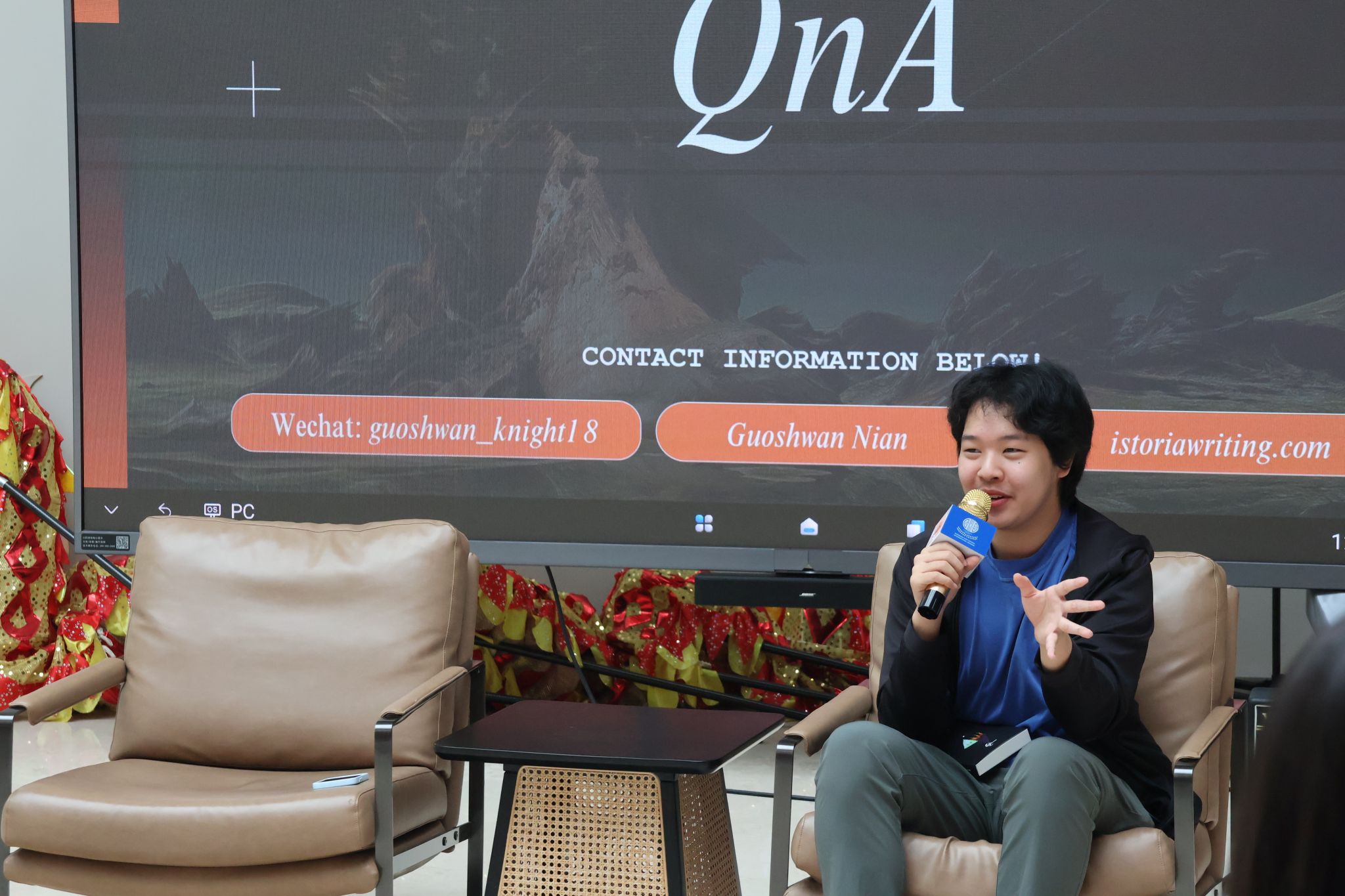
Guoshwan, the author of two novels, first became serious about creative writing during his own high school years. His latest novel, All Stars Fall, blends science fiction and fantasy. The story centers on a metaphor of uncontrollable magic that nearly destroys the world, and it explores personal scenes and emotions that resonate deeply with the author.
The core of the conversation was Guoshwan’s message to “never stay still.” He told students that anyone pursuing a passion project should try to do something productive for it every day. That could mean writing a single paragraph, revising a line, or simply thinking through a character’s motivation. The point, he said, is to keep moving.
Guoshwan also spoke honestly about the difficulties of writing. His biggest challenge in All Stars Fall was bridging scenes together. To solve this, he advised writers to ask what changes between scenes: What does the character want now? What new obstacle appears? How does the emotional temperature shift? He said transitions become easier when they are treated as cause and effect, not just filler.
For aspiring novelists, Guoshwan offered several pieces of practical advice. He encouraged them to write a messy first draft, set small daily goals, read widely, and study how published authors move from one scene to the next. He also suggested keeping a journal of scene ideas, finishing a draft before editing it heavily, and sharing work with trusted readers. Most importantly, he reminded the audience that a first novel cannot be perfect. “Test things out,” he said. “Your first book is practice.”
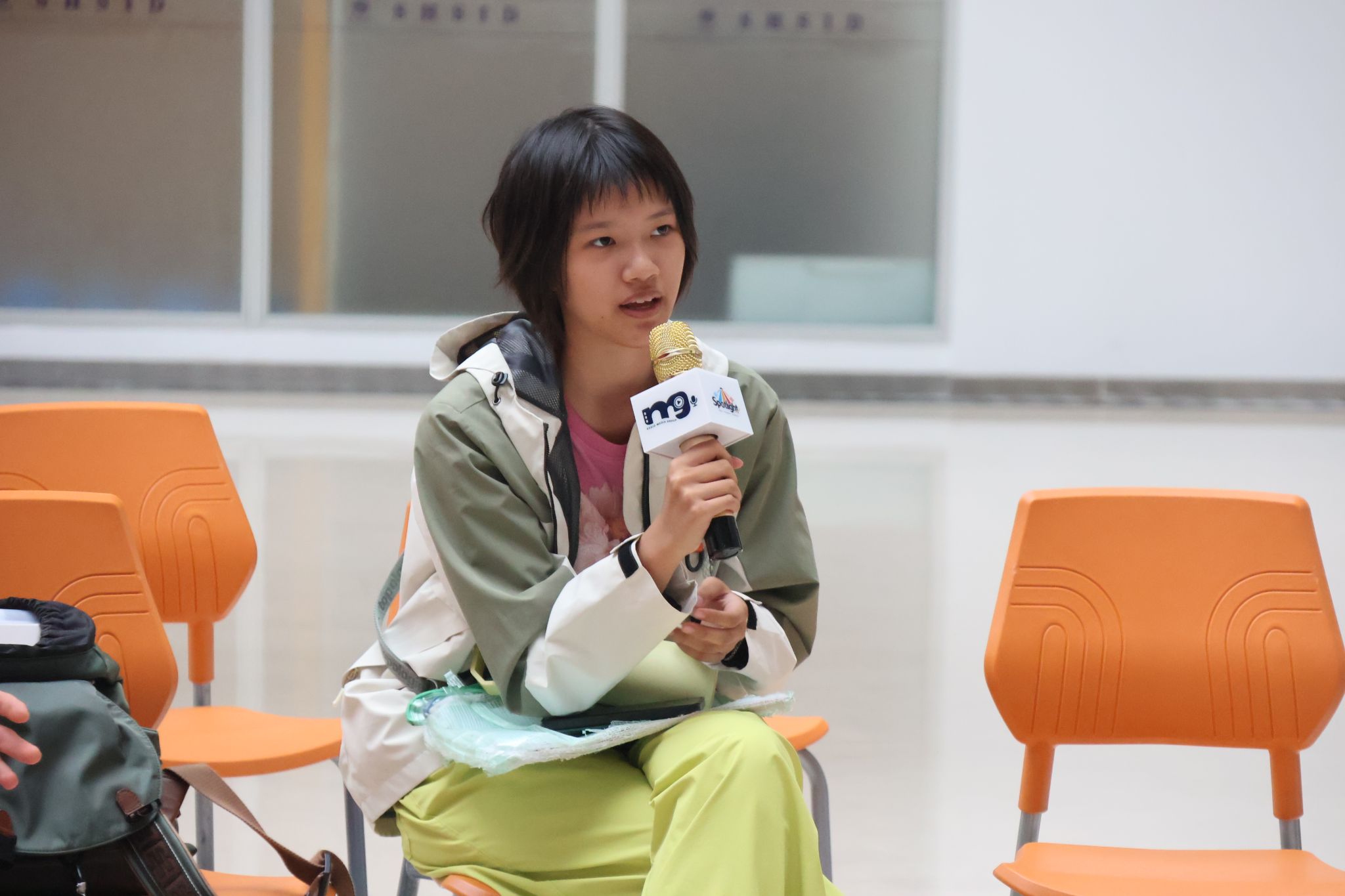
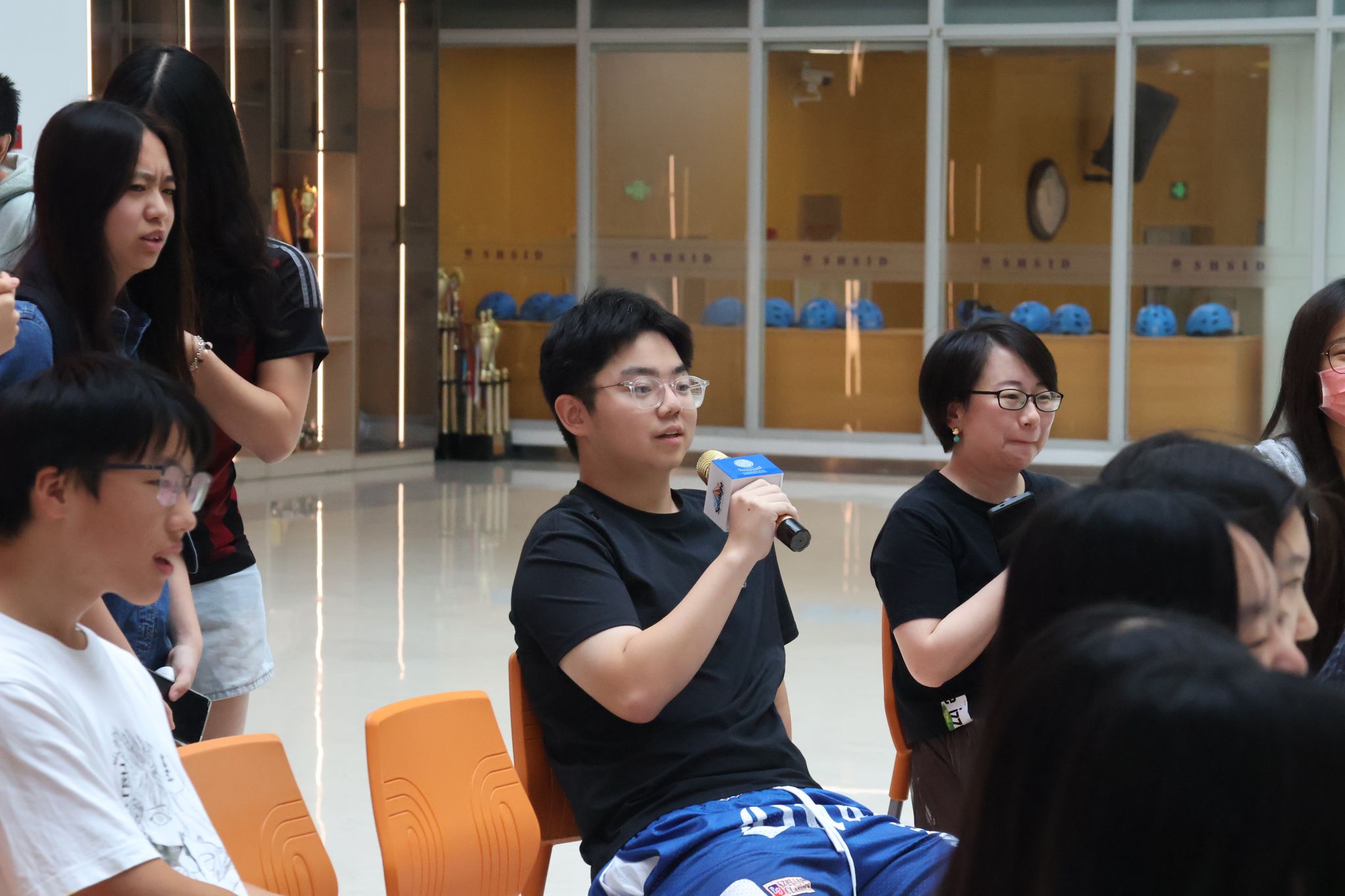
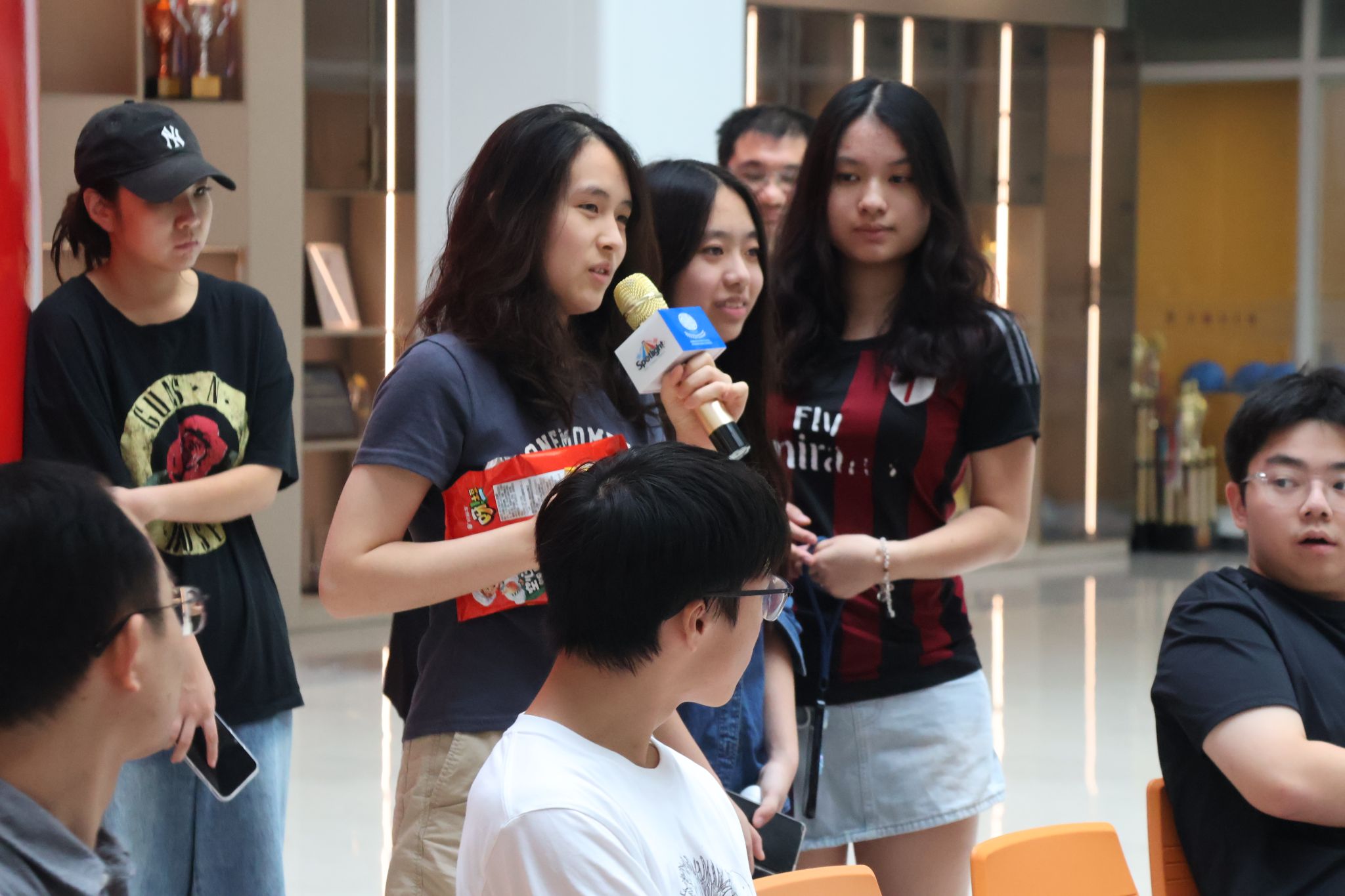
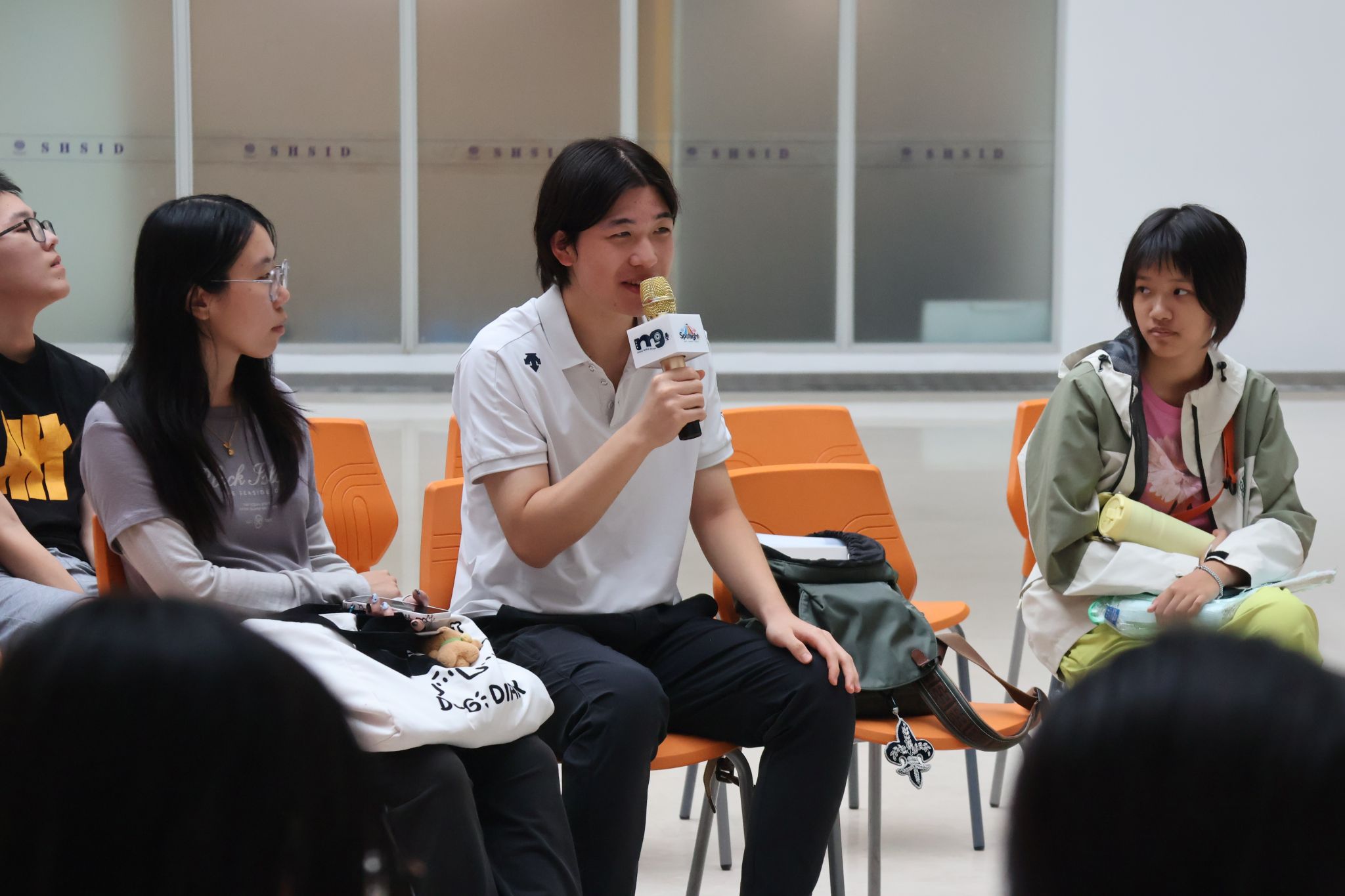
During the Q&A, students asked about writer’s block, balancing schoolwork with writing, and how to know when a story is finished. Guoshwan said writer's blocks are more important for second drafts than first drafts, not that the writer should quit. He recommended short, consistent writing sessions over waiting for inspiration. On balancing school and writing, he suggested treating writing like any other commitment: small, scheduled, and realistic. When asked about criticism, he advised students to listen for useful feedback and ignore comments that only discourage.
The event gave aspiring writers both motivation and concrete tools. By the end, attendees were encouraged to pursue their passions, keep experimenting, and contribute to a campus culture where ideas are shared openly.
(Written by 11(1) Bugeon Kim Pictures by Media Group Supervised by Miao Hong Reviewed by Qian Zuo)