-
ABOUT US
-
ACADEMICS
Curriculum Program
Departments
- English
- High School Chinese
- Primary and Junior School Chinese.
- High School Mathematics
- Middle School Mathematics
- Primary School Mathematics
- Music and Fine Arts
- Physical Education
- Physics
- Chemistry
- History and Geography
- Physical Science and Optional courses Department
- Middle School Biology
- High School Biology
- Social Sciences
- Computer Science
- Courses in Primary School
Achievements and Matriculations
College Counseling
Science & Technology Innovation Contest
Subject Competition
-
ARTS
-
ATHLETICS
-
AT SHSID
SHSID ∣ TIMES
PTSA
Club Exhibition
- 龙吟社
- Live 2 Drama
- Choir
- Hip-pop Dance Club
- The Primary School Dance Troupe
- Symposiums Club
- Biology Workshop
- You Shan
- VEX Robotic
- Peking Opera Club
- Baseball Club
- Model United Nations
- The World Scholar’s Cup
- Future Problem Solving Club
- United States Academic Pentathlon
- OM Club
- AMC Club
- Music for Patients
- SHSID Gazette
- Smile Charity
- Cultural Moments
- SciAcademy
- Stem Doge Alliance
- Chinese Debate Club
- IAA
- Mock Trial Club
- Zhengming Club
- Furry Friends
- GT-Racing
- Village Radio
- IMMC Club
- Creative Design and Intelligent Fabrication
- Future City Research Project
- ECOCAP
- AdvocaSEA
- SPDC
- Medishine
- Floorball Club
- Animusic MTC
- Wings Up
- All Booked
- Cyano
- Birding Community
Health and Wellness
Campus Safety
Cafeteria Service
-
ADMINISTRATION
-
ADMISSIONS
-
ALUMNI
Alumni Information
Honors Students
- Class of 2025
- Class of 2024
- Class of 2023
- Class of 2022
- Class of 2021
- Class of 2020
- Class of 2019
- Class of 2018
- Class of 2017
- Class of 2016
- Class of 2015
- Class of 2014
- Class of 2013
- Class of 2012
- Class of 2011
- Class of 2010
- Class of 2009
- Class of 2008
- Class of 2007
- Class of 2006
Who Studied at SHSID
SHS Foundation
-
DOCUMENTS
High School Biology Department: Biology Week Lecture “Microplastic: A Big Issue”
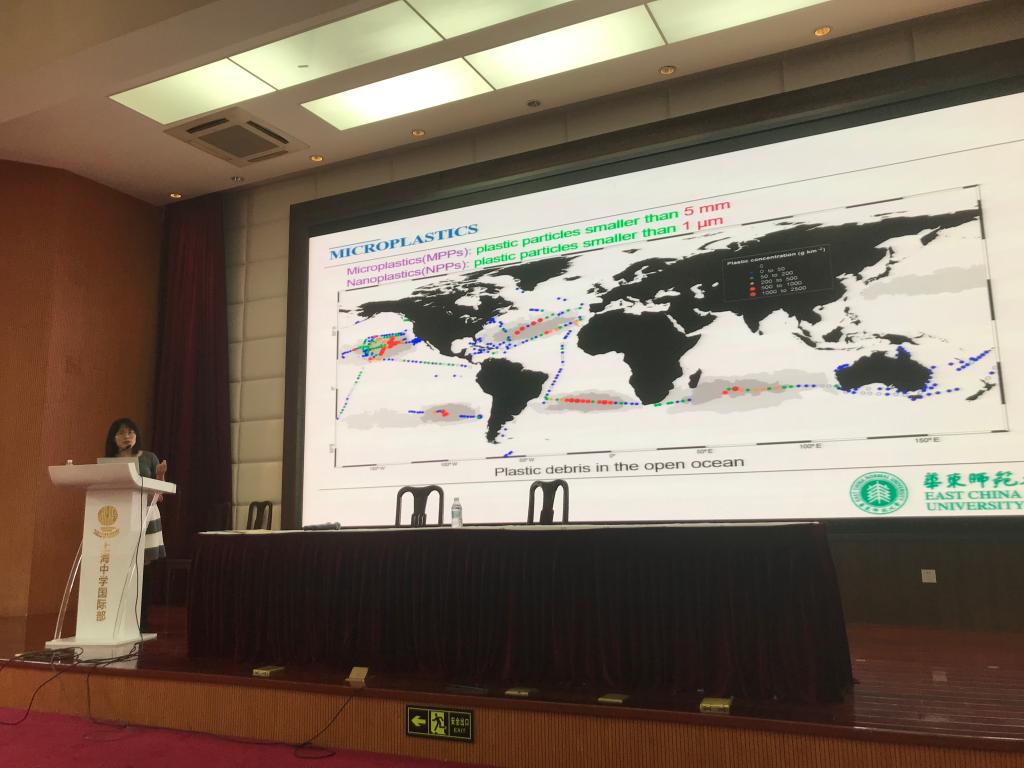
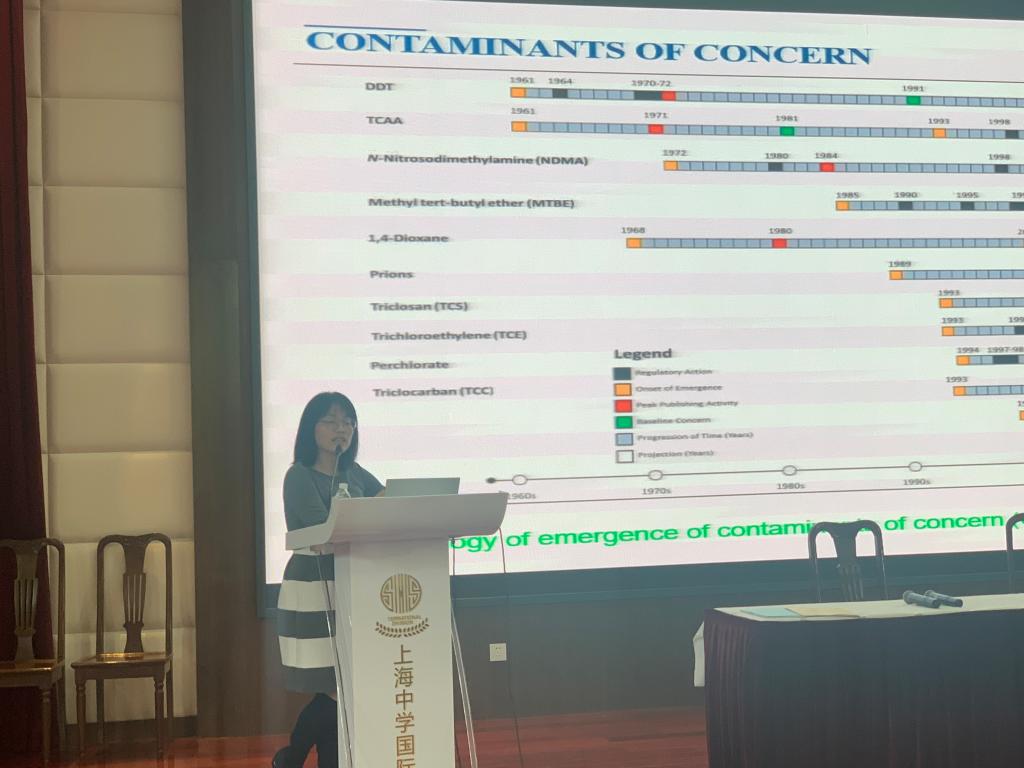
We live in a world full of plastics. Plastic items in daily use are everywhere. They bring convenience to our lives but have and also given rise to a huge environmental crisis. Microplastics are plastic particles with a diameter smaller than 5mm. Microplastics are common debris in the ocean and are found inside aquatic organisms. How does microplastic affect the environment and human health? Qiqing Chen, a researcher at East China Normal University State Key Laboratory of Estuarine and Coastal Research, gave an informative lecture on this topic at SHSID on June 4th.
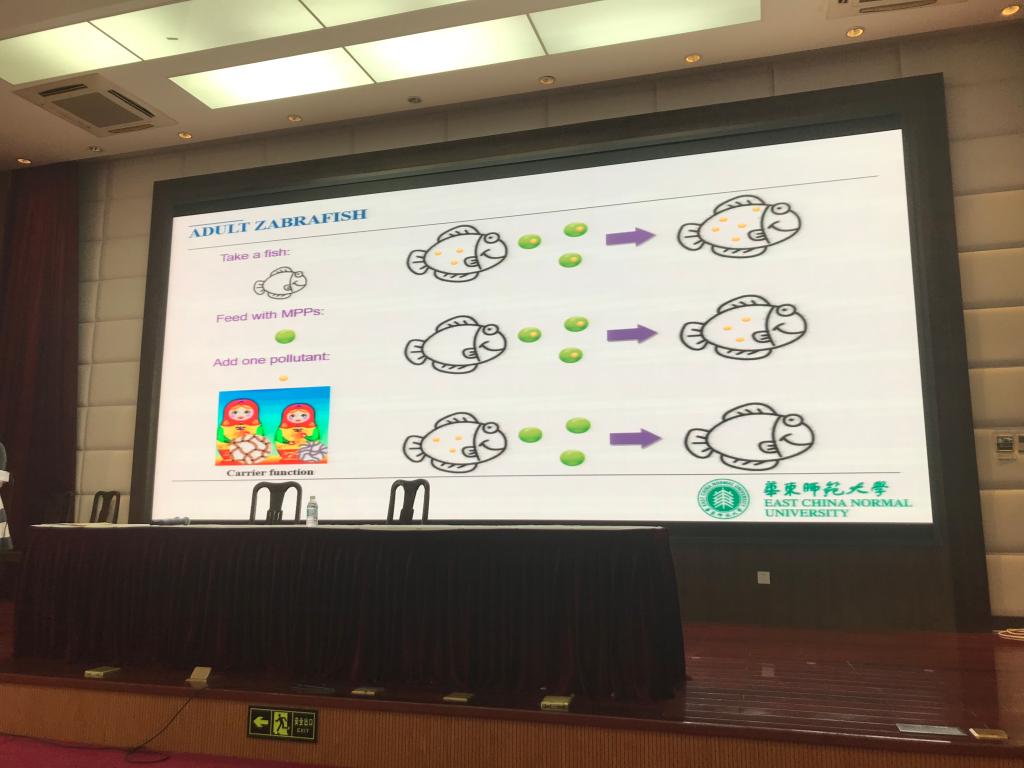
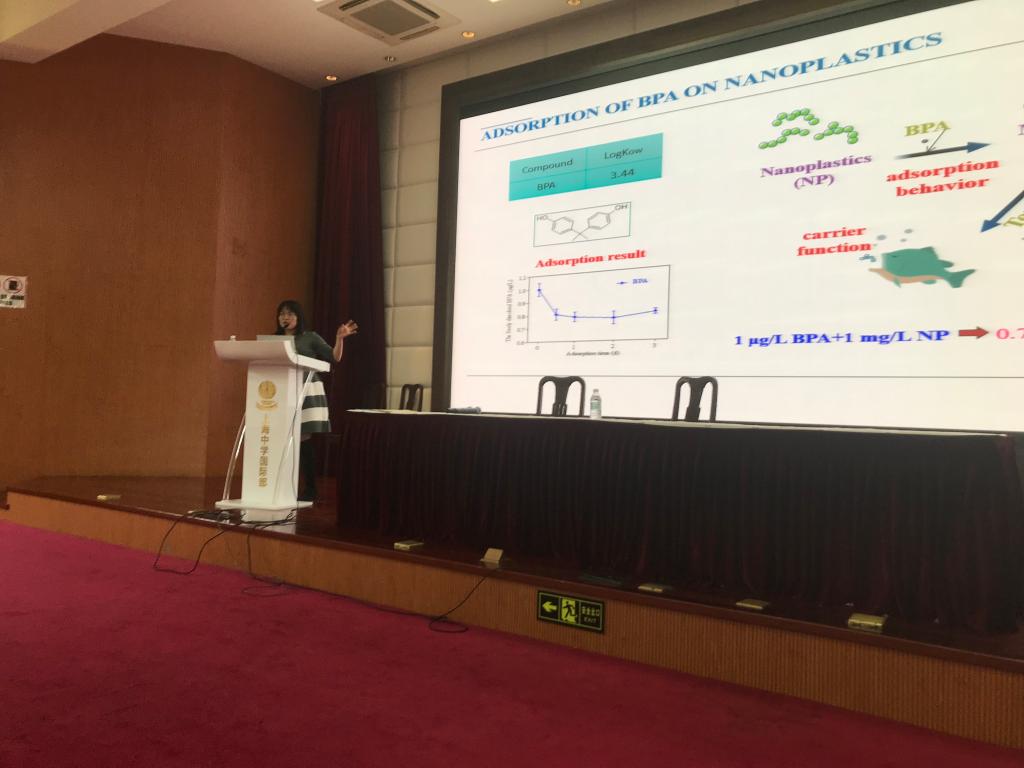
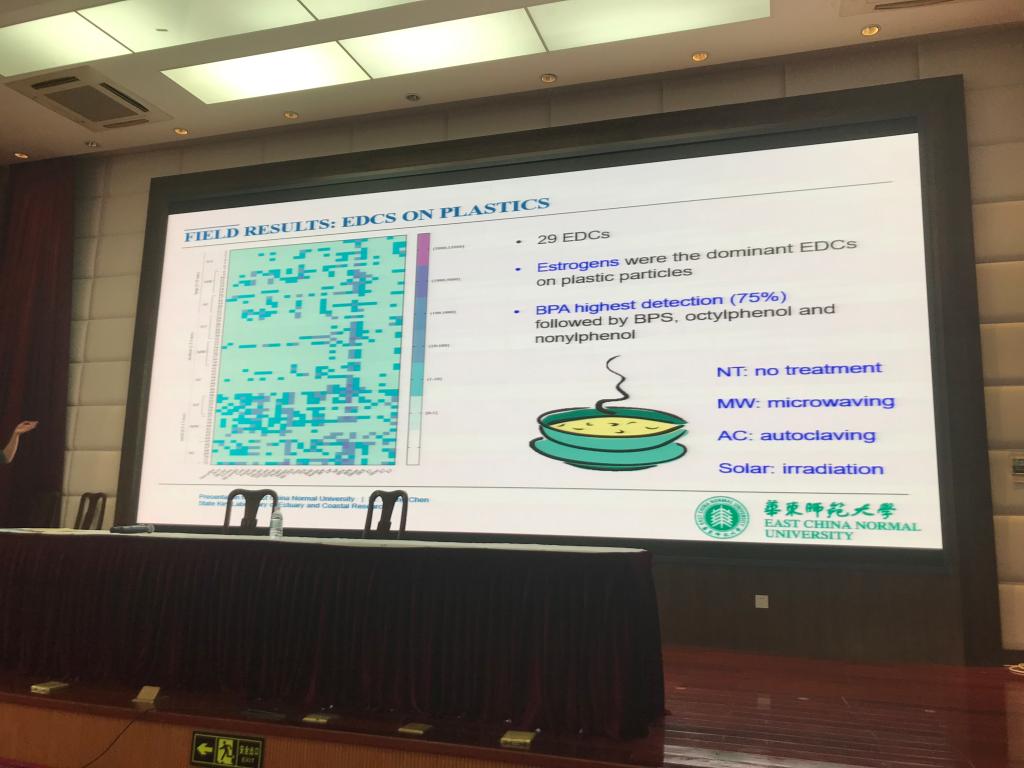
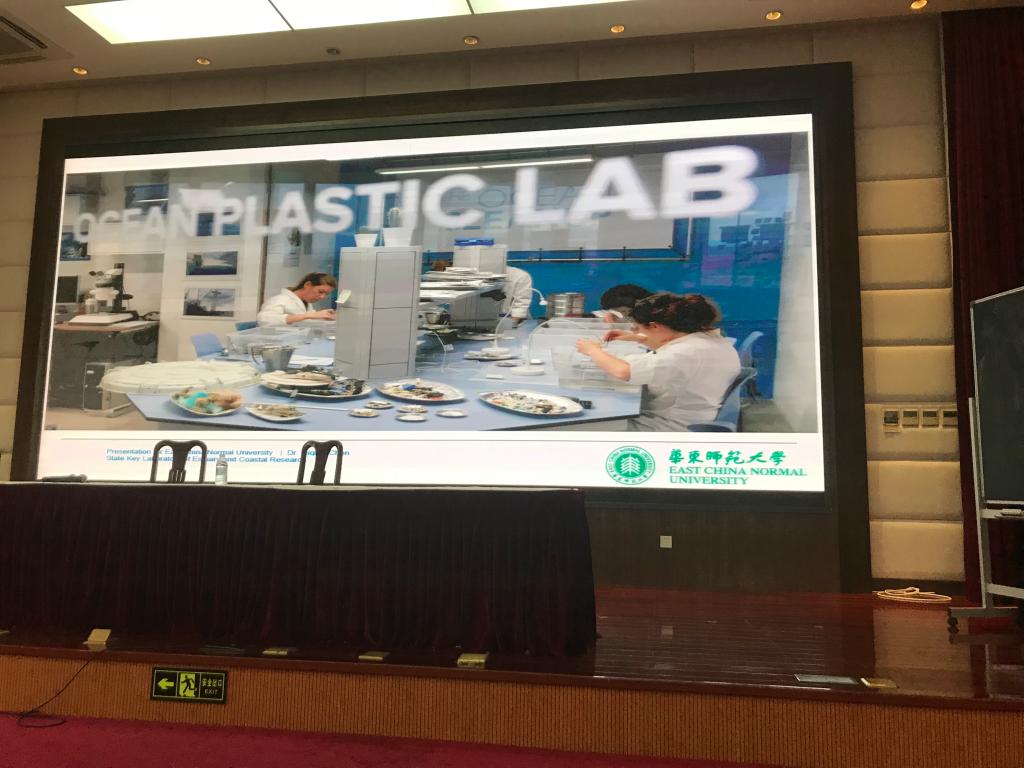
The lecture focused on Ms. Chen’s research on the effect microplastic has on aquatic ecosystems and organisms. Most people know that organisms can die if they ingest plastics. What people may not know is that microplastics also serve as carriers of harmful chemicals, like bisphenol A (BPA). Once inside an organism’s body, the chemicals cause various types of damage, including, but not limited to, retarded growth and abnormal behavior. Could these chemicals enter the human body through the food chain and cause harm to us? Take BPA as an example: it has a very low concentration in aquatic creatures and, thus, will not significantly affect human health unless one eats a huge amount of them. Research also shows that microwaves can break down some of the harmful chemicals and alleviate their negative effects. In addition to research, Ms. Chen discussed regular work in an ocean plastic lab and the challenges of microplastic research and brought up questions which remain unanswered.
The lecture was easily understood and included an enormous number of interesting examples, which made many students become interested in microplastics. After the lecture, some students asked questions and communicated with Ms. Chen. Yinjun Luo from class 9(4) said: “The lecture was pretty informative. I learnt a lot.” Yifei Zhou from class 11(4) told us: “The part that interested me most is the research on the effect of microplastic on zebrafish embryos. Though the research is complicated, it is interesting and easy to understand.” Through this lecture, students realized how severe plastic contamination is and started to think about what they could do to reduce plastic contamination, such as trying not to use one-time plastic products and reducing their frequency of ordering take out.
(Written by Chengbo Zhou Pictures by Ying Gu, Chengbo Zhou)