-
ABOUT US
-
ACADEMICS
Curriculum Program
Departments
- English
- High School Chinese
- Primary and Junior School Chinese.
- High School Mathematics
- Middle School Mathematics
- Primary School Mathematics
- Music and Fine Arts
- Physical Education
- Physics
- Chemistry
- History and Geography
- Physical Science and Optional courses Department
- Middle School Biology
- High School Biology
- Social Sciences
- Computer Science
- Courses in Primary School
Achievements and Matriculations
College Counseling
Science & Technology Innovation Contest
Subject Competition
-
ARTS
-
ATHLETICS
-
AT SHSID
SHSID ∣ TIMES
PTSA
Club Exhibition
- 龙吟社
- Live 2 Drama
- Choir
- Hip-pop Dance Club
- The Primary School Dance Troupe
- Symposiums Club
- Biology Workshop
- You Shan
- VEX Robotic
- Peking Opera Club
- Baseball Club
- Model United Nations
- The World Scholar’s Cup
- Future Problem Solving Club
- United States Academic Pentathlon
- OM Club
- AMC Club
- Music for Patients
- SHSID Gazette
- Smile Charity
- Cultural Moments
- SciAcademy
- Stem Doge Alliance
- Chinese Debate Club
- IAA
- Mock Trial Club
- Zhengming Club
- Furry Friends
- GT-Racing
- Village Radio
- IMMC Club
- Creative Design and Intelligent Fabrication
- Future City Research Project
- ECOCAP
- AdvocaSEA
- SPDC
- Medishine
- Floorball Club
- Animusic MTC
- Wings Up
- All Booked
- Cyano
- Birding Community
Health and Wellness
Campus Safety
Cafeteria Service
-
ADMINISTRATION
-
ADMISSIONS
-
ALUMNI
Alumni Information
Honors Students
- Class of 2025
- Class of 2024
- Class of 2023
- Class of 2022
- Class of 2021
- Class of 2020
- Class of 2019
- Class of 2018
- Class of 2017
- Class of 2016
- Class of 2015
- Class of 2014
- Class of 2013
- Class of 2012
- Class of 2011
- Class of 2010
- Class of 2009
- Class of 2008
- Class of 2007
- Class of 2006
Who Studied at SHSID
SHS Foundation
-
DOCUMENTS
Puxi Campus G4-5: Parent Class
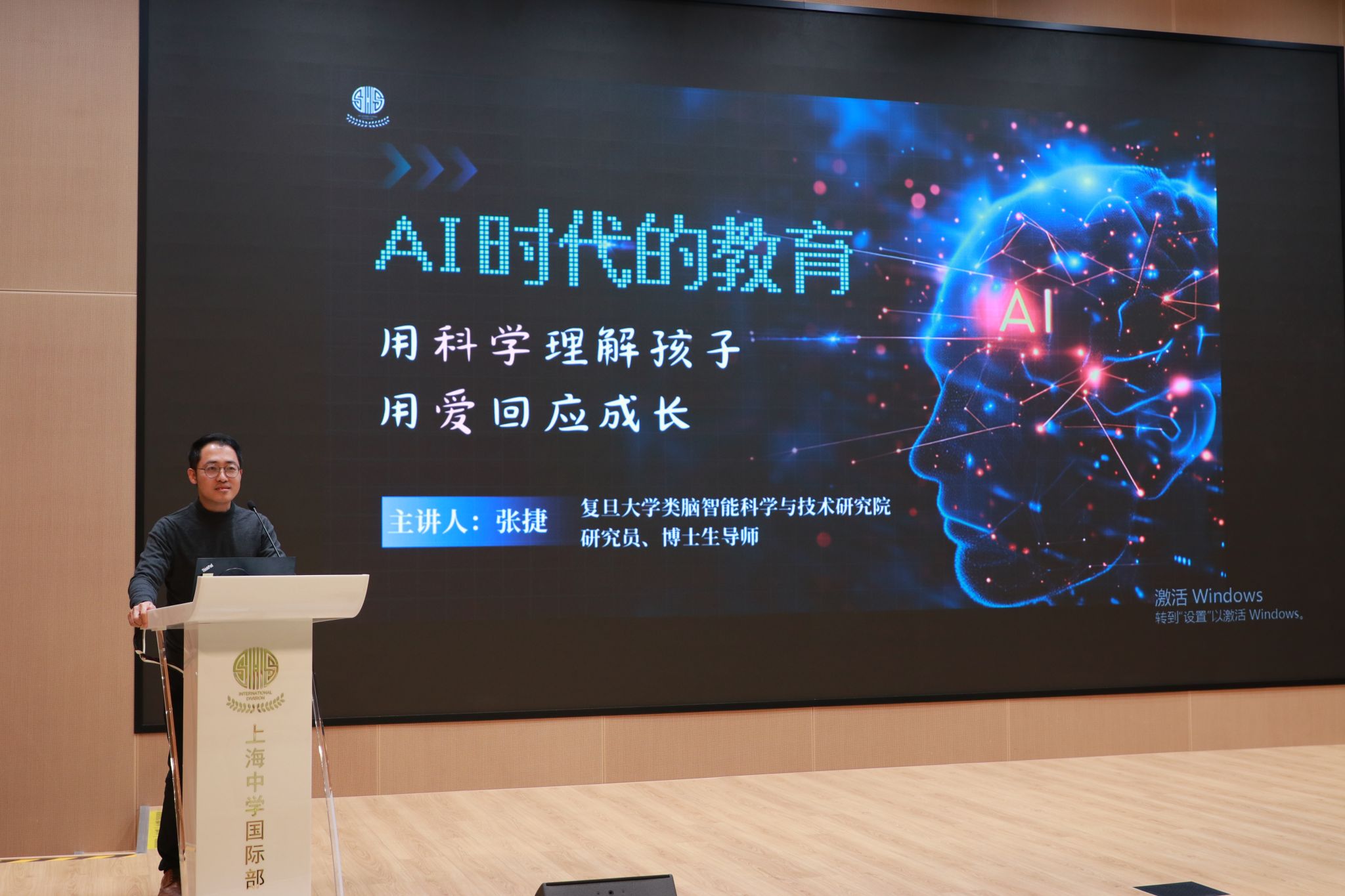
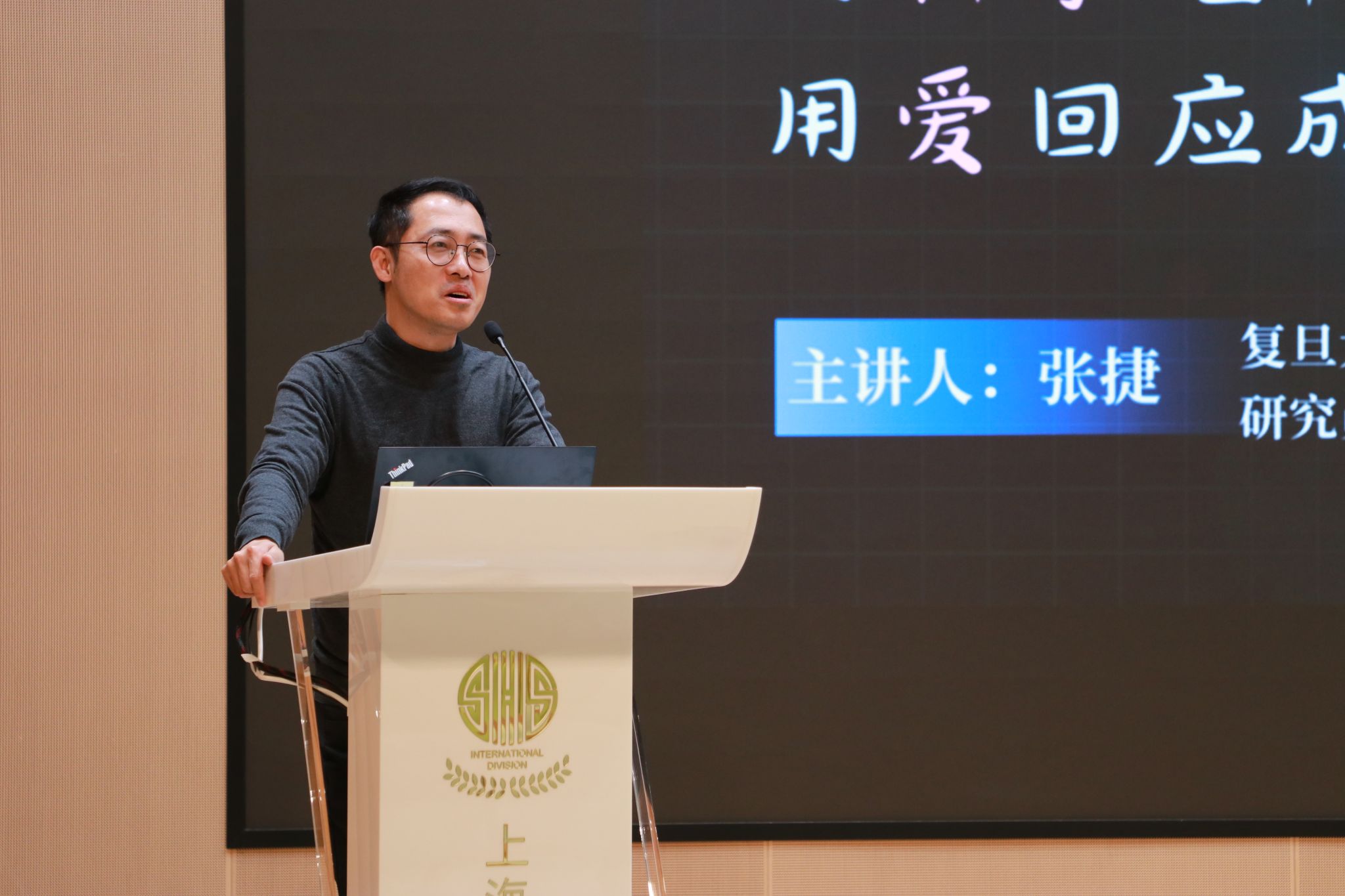
Amid the sweeping wave of artificial intelligence, how to help children grow steadily in an era of transformative changes has become a core issue in modern family education. On the evening of November 27, Shanghai High School International Division Puxi Campus specially invited Professor Zhang Jie from the Institute of Science and Technology for Brain-Inspired Intelligence at Fudan University. From the perspectives of evolution and the brain-body connection, Professor Zhang provided an in-depth yet accessible analysis of the neuroscientific mechanisms underlying student behavior and offered corresponding guidance for family education. Parents at the event engaged in profound discussions with Professor Zhang, establishing a solid bridge of communication for home-school collaboration.
In the age of AI, while enjoying the conveniences brought by technology, students are also confronting novel growing pains such as digital device addiction, feelings of worthlessness, mental exhaustion, and mounting pressure. Against this backdrop, what core competencies should children prioritize developing? How can parents scientifically guide their children to address behavioral issues? These questions have become central concerns in contemporary family education. Accordingly, this lecture, titled "Education in the AI Era: Decoding the Child’s Brain, Listening to the Child’s Heart," offered a fresh scientific perspective on family guidance. By closely examining the laws of child and adolescent brain development, it delved into the root causes of behavioral and psychological challenges commonly faced by children in the AI era, helping parents chart a mindful path toward nurturing future-ready individuals.
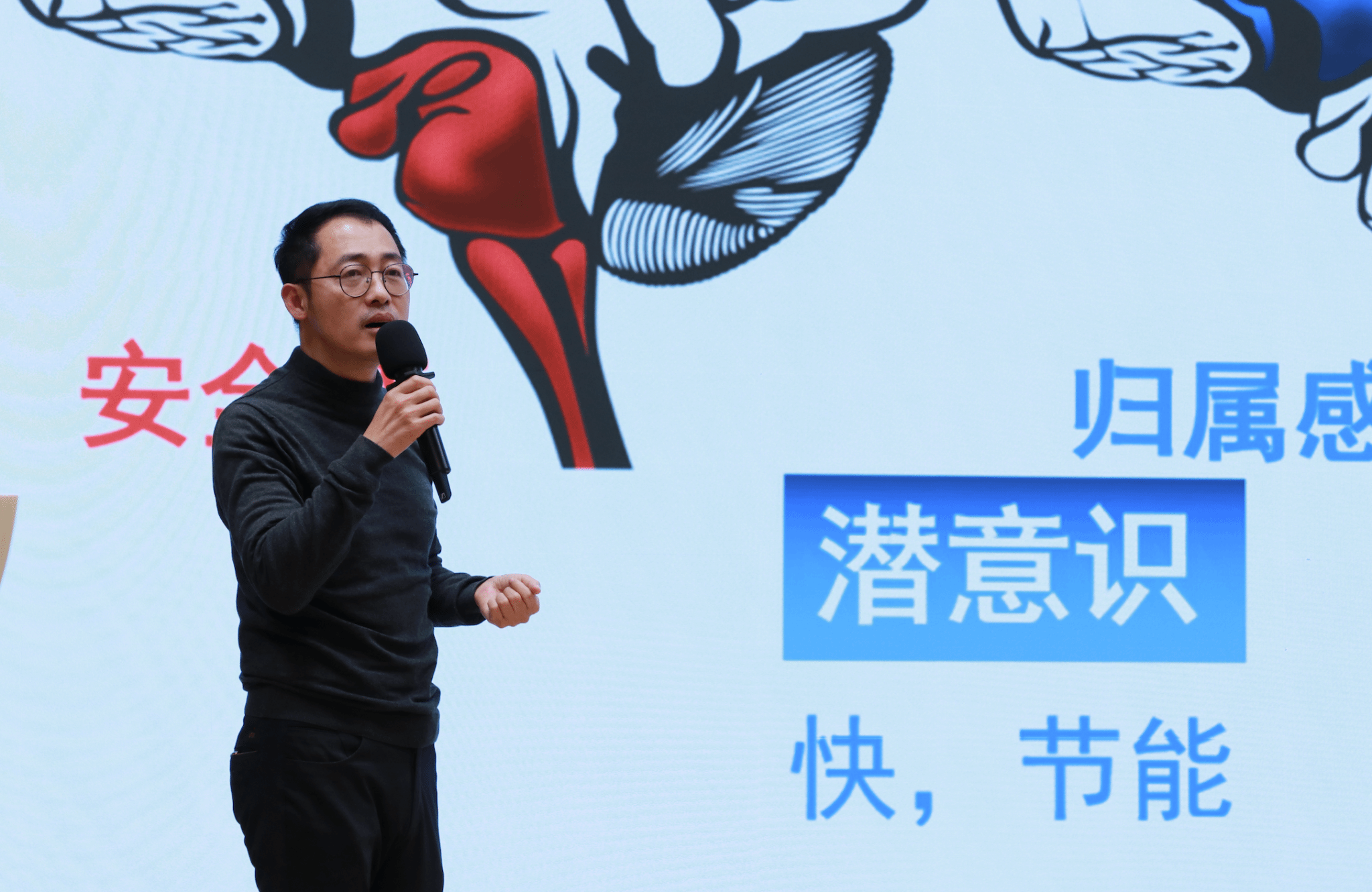
First, Professor Zhang Jie provided parents with a fresh educational roadmap from the perspectives of neuroscience and evolutionary psychology. He pointed out that the "triune brain" — composed of the "survival brain," "emotional brain," and "rational brain" — forms the cornerstone of scientific parenting. Under stress, the "survival brain" and "emotional brain," which dominate safety and emotions, react first, leading to issues such as irritability and mental exhaustion in children. Consequently, excessive anxiety and pressure can trigger a vicious cycle of energy depletion and emotional turmoil.
At the lecture, addressing the various challenges and confusions encountered by parents in family education and parent-child communication, Professor Zhang analyzed the underlying roots of these issues alongside parents from dual perspectives of educational psychology and neuroscience. He emphasized that the key to contemporary family education lies in transitioning from merely being an academic supervisor to becoming a motivator of children's intrinsic motivation and a shaper of their well-rounded personalities. By understanding, listening, and providing positive feedback, parents can ignite children's autonomy and thirst for knowledge, thereby injecting enduring momentum into their long-term development.
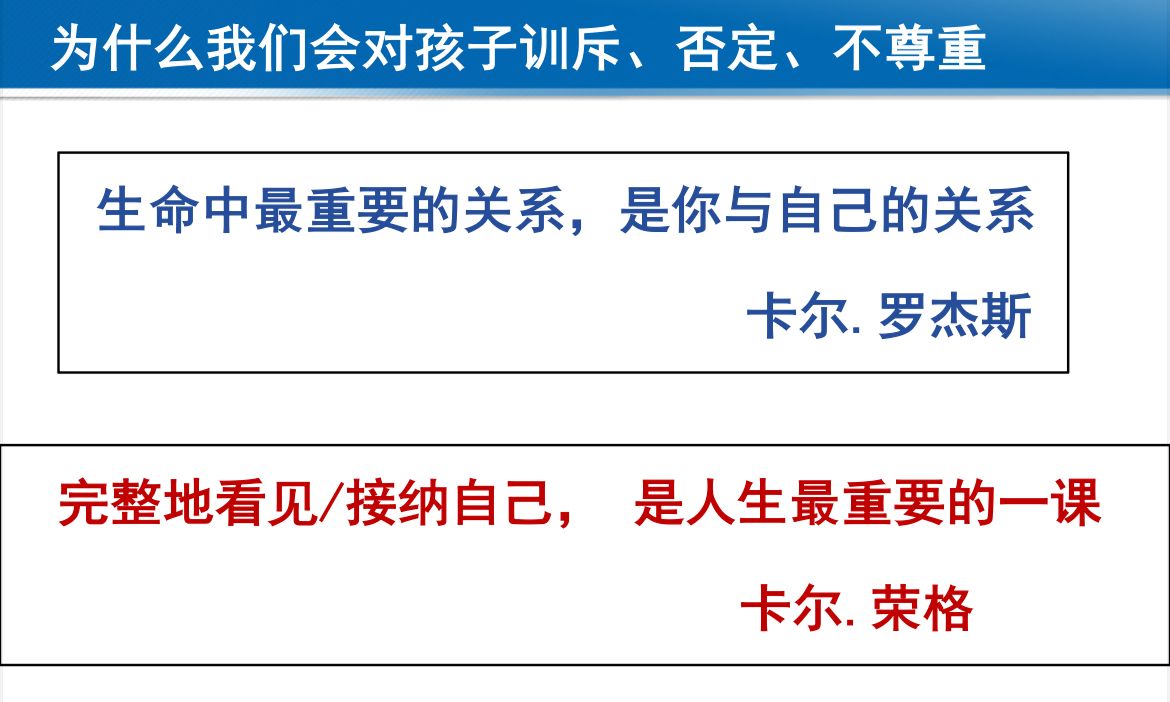
In guiding children's behavior, Professor Zhang emphasized that rather than criticizing or blaming, parents should learn to "connect emotionally before refining behavior"—catching a child's emotional needs is far more important than imposing logical arguments. When addressing inappropriate behavior, he advised "avoid persistent error correction; instead, reinforce positive actions." Criticism and punishment tend to activate the brain's fear system, draining mental energy, whereas positive encouragement stimulates the reward circuit, fostering children's intrinsic motivation and resilience.
Lastly, Professor Zhang concluded that adolescents are undergoing rapid self-awareness development, during which they deeply yearn to be understood, respected, and recognized. Through continuous exploration and trial and error, they construct their self-identity. When faced with children's emotional fluctuations, parents' primary task is to "allow emotions to flow"—that is, to accept their children's feelings and provide a safe outlet for emotional expression. This approach proves far more effective in building a solid parent-child relationship and a healthy psychological foundation than hastily attempting to correct behaviors, and may ultimately help children thrive more effectively in the age of AI.
During the interactive session, parents raised practical challenges encountered while communicating with their children. These included questions such as: "When guiding children to solve problems, should we approach from an emotional or a rational perspective?" and "How can parents effectively regulate their own emotions in family education?" In response to these inquiries, Professor Zhang offered practical suggestions. He emphasized that both emotional empathy and rational analysis are indispensable in the educational process, with the key lying in flexibly applying them according to the child's individual characteristics. Furthermore, Professor Zhang illustrated the profound impact of "teaching by personal example and verbal instruction" through concrete cases, advising parents to emphasize role modeling in daily life. He stressed the importance of fully respecting children's individual differences and adopting appropriate communication methods during guidance. Only in this way can parents truly reach into their children's inner world and establish a harmonious parent-child relationship.
Amid the warm and insightful sharing and discussions, this parent seminar successfully concluded. Parents unanimously described the lecture as "timely enlightenment"—through Professor Zhang's vivid explanations grounded in neuroscience, they no longer feel disoriented or anxious when facing the impact of technological advancements like artificial intelligence on family education. Instead, they have built a more forward-looking cognitive framework. The success of this event not only consolidated educational consensus but also strengthened communication between families and schools, laying a solid foundation for home-school collaboration to promote children’s healthy and comprehensive development in a new era full of challenges and opportunities.
(Written by Yutong Zhu
Pictures by Minxuan Cao
Reviewed by Ms. Lu Luting, Shiyu Wu, Louie Parker)