-
ABOUT US
-
ACADEMICS
Curriculum Program
Departments
- English
- High School Chinese
- Primary and Junior School Chinese.
- High School Mathematics
- Middle School Mathematics
- Primary School Mathematics
- Music and Fine Arts
- Physical Education
- Physics
- Chemistry
- History and Geography
- Physical Science and Optional courses Department
- Middle School Biology
- High School Biology
- Social Sciences
- Computer Science
- Courses in Primary School
Achievements and Matriculations
College Counseling
Science & Technology Innovation Contest
Subject Competition
-
ARTS
-
ATHLETICS
-
AT SHSID
SHSID ∣ TIMES
PTSA
Club Exhibition
- 龙吟社
- Live 2 Drama
- Choir
- Hip-pop Dance Club
- The Primary School Dance Troupe
- Symposiums Club
- Biology Workshop
- You Shan
- VEX Robotic
- Peking Opera Club
- Baseball Club
- Model United Nations
- The World Scholar’s Cup
- Future Problem Solving Club
- United States Academic Pentathlon
- OM Club
- AMC Club
- Music for Patients
- SHSID Gazette
- Smile Charity
- Cultural Moments
- SciAcademy
- Stem Doge Alliance
- Chinese Debate Club
- IAA
- Mock Trial Club
- Zhengming Club
- Furry Friends
- GT-Racing
- Village Radio
- IMMC Club
- Creative Design and Intelligent Fabrication
- Future City Research Project
- ECOCAP
- AdvocaSEA
- SPDC
- Medishine
- Floorball Club
- Animusic MTC
- Wings Up
- All Booked
- Cyano
- Birding Community
Health and Wellness
Campus Safety
Cafeteria Service
-
ADMINISTRATION
-
ADMISSIONS
-
ALUMNI
Alumni Information
Honors Students
- Class of 2025
- Class of 2024
- Class of 2023
- Class of 2022
- Class of 2021
- Class of 2020
- Class of 2019
- Class of 2018
- Class of 2017
- Class of 2016
- Class of 2015
- Class of 2014
- Class of 2013
- Class of 2012
- Class of 2011
- Class of 2010
- Class of 2009
- Class of 2008
- Class of 2007
- Class of 2006
Who Studied at SHSID
SHS Foundation
-
DOCUMENTS
High School Biology Department: Deconstructing Flowers, Creating Art
On December 2, Grade 12 biology class students engaged in a unique hands-on experiment using lilies, roses, and daisies as subjects for systematic dissection and observation.
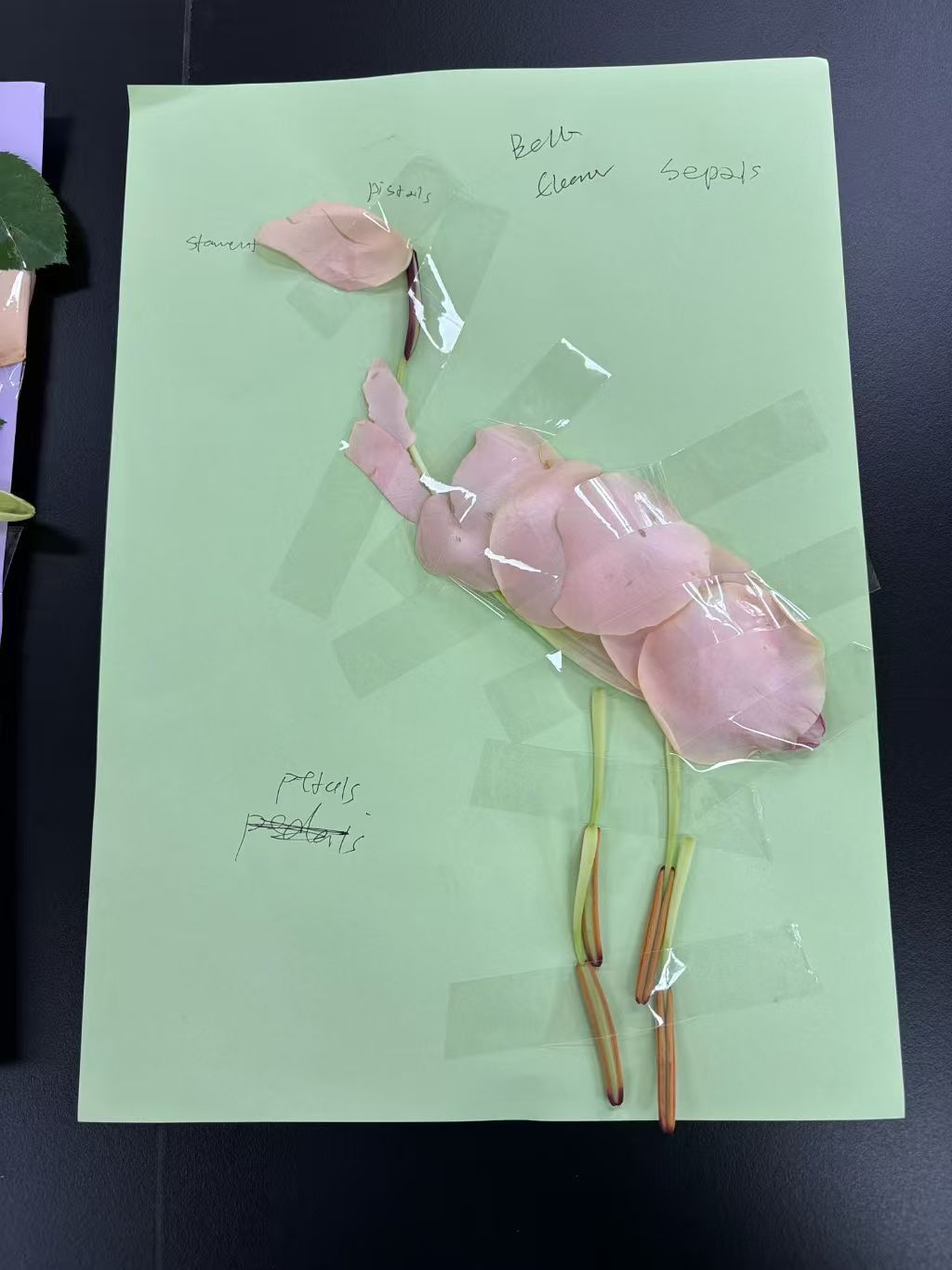
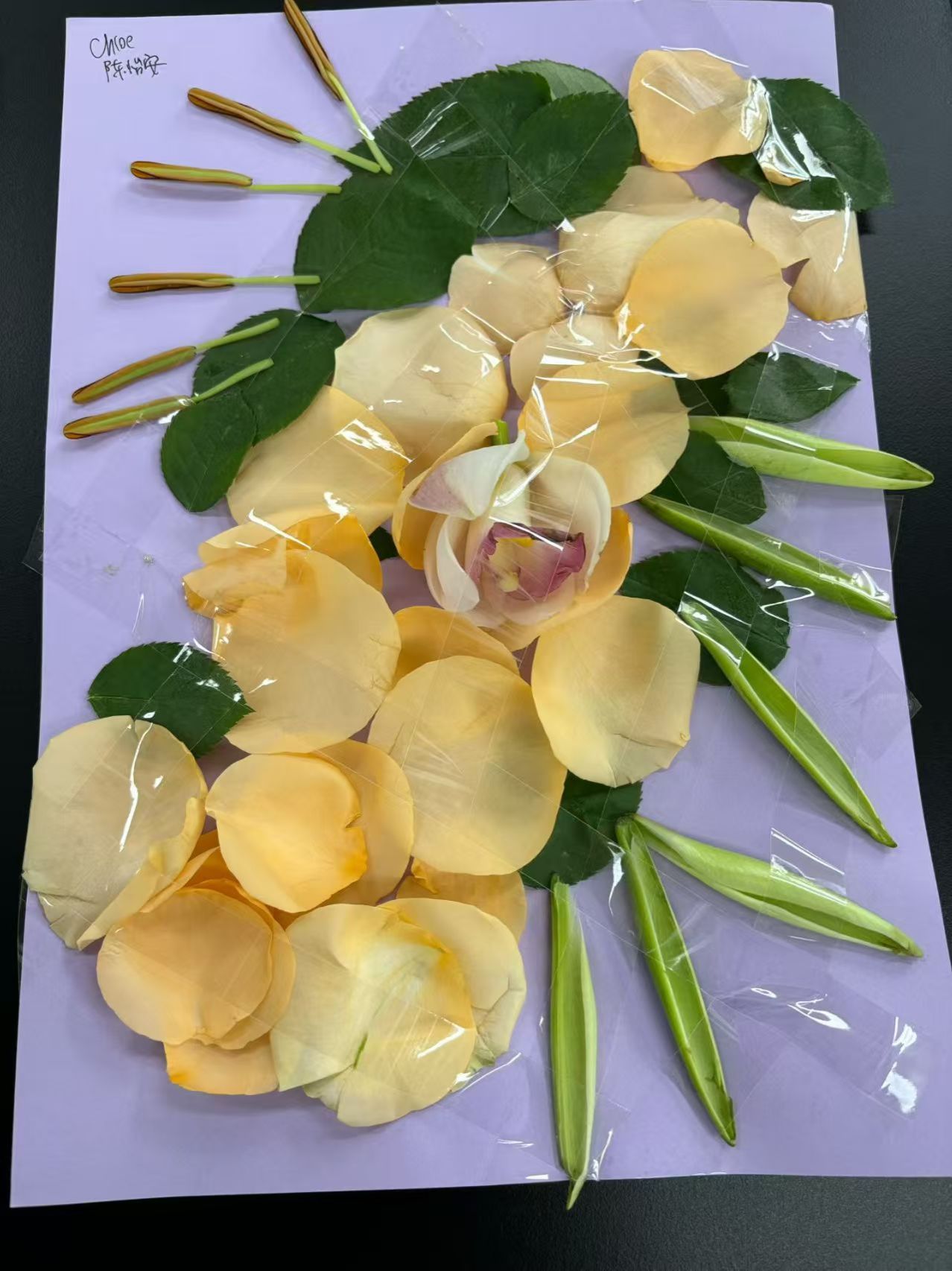
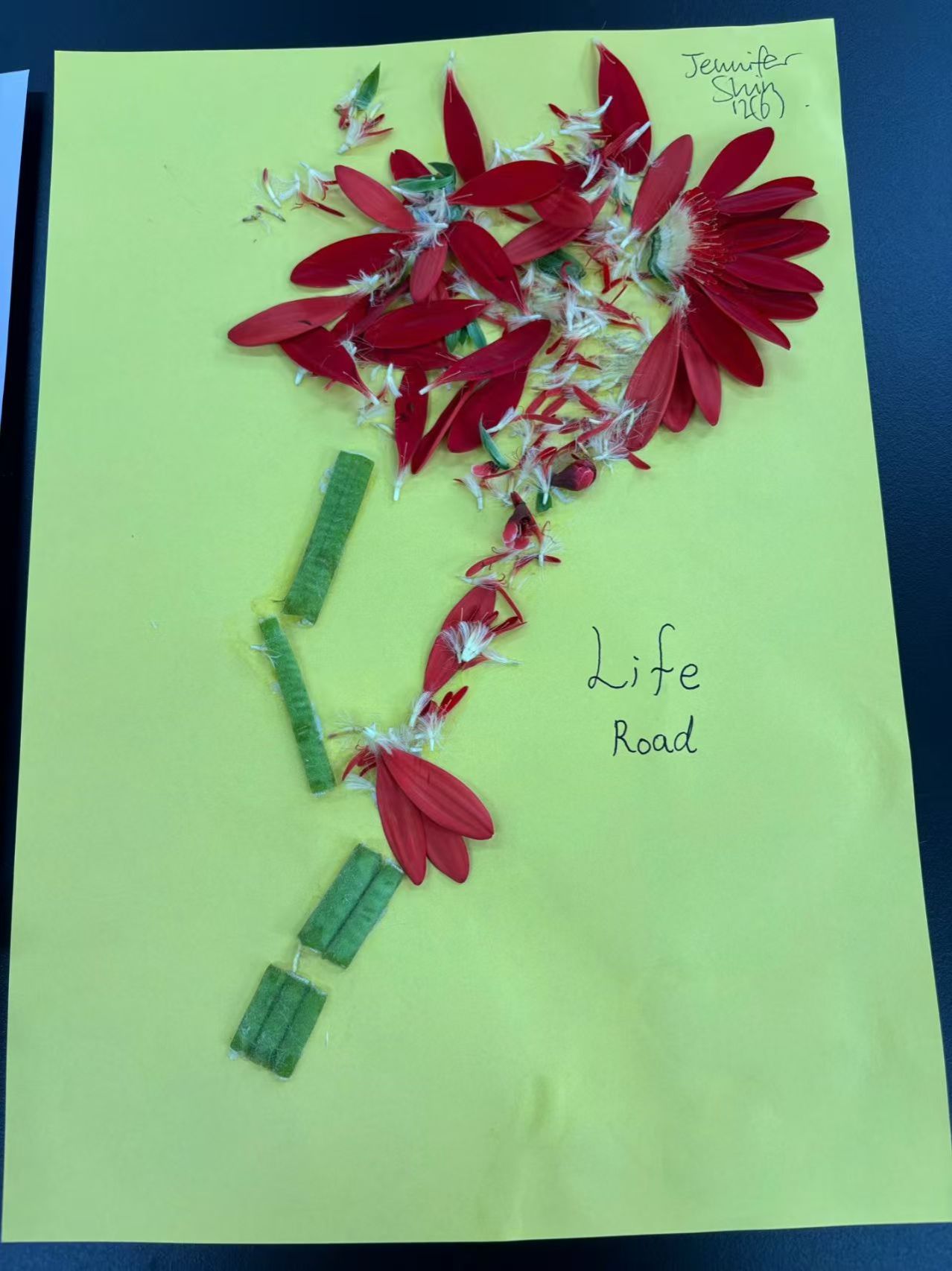
The lesson was divided into two phases. In the first phase, students used dissection tools to separate, identify, and record key structures of the three flowers—such as the calyx, petals, stamens, and pistils—verifying and deepening their understanding of theoretical knowledge from textbooks. In the second phase, students utilized the dissected materials, as creative elements for collage, pressed flower decorations, and detailed structural illustrations.
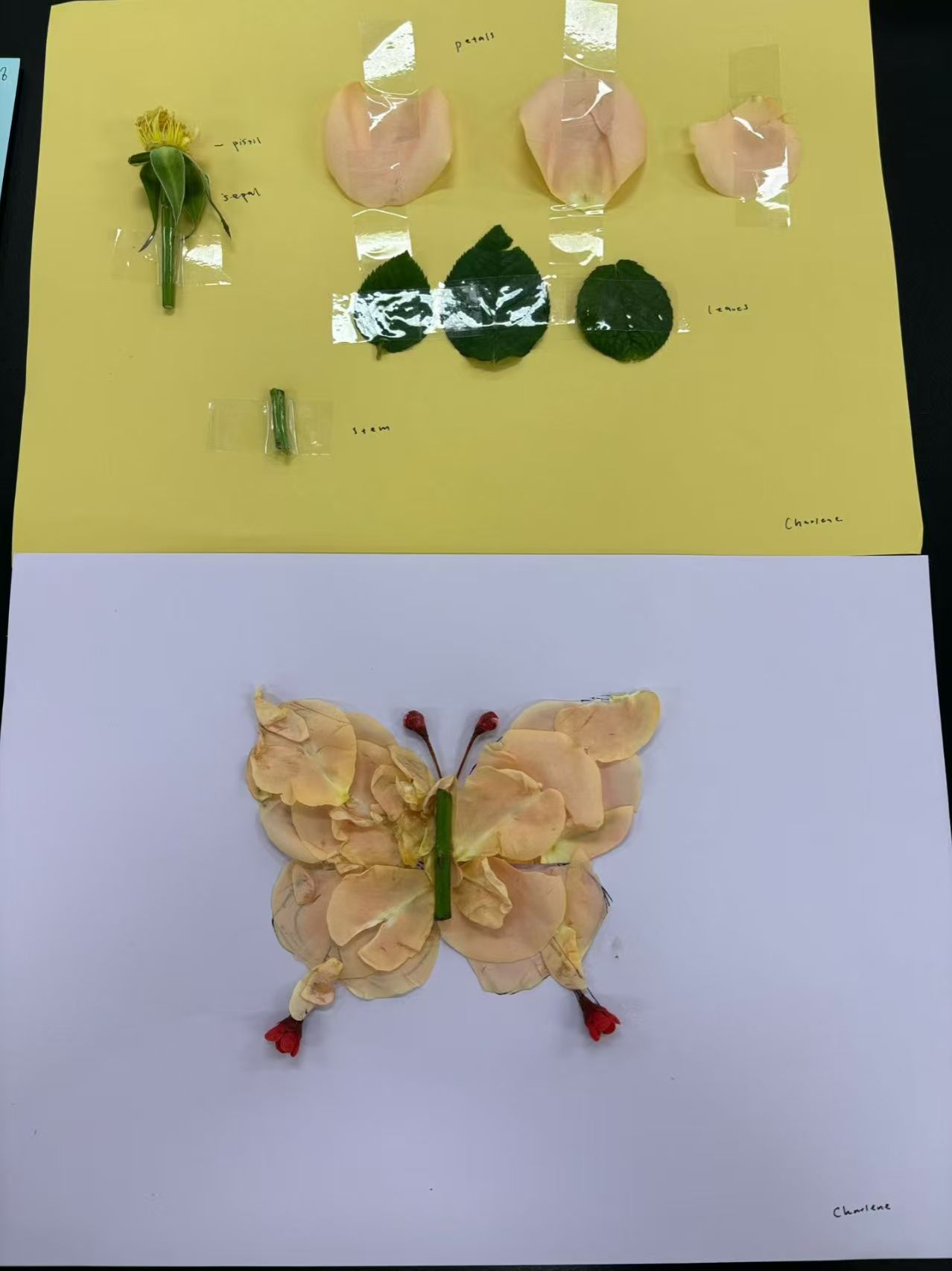
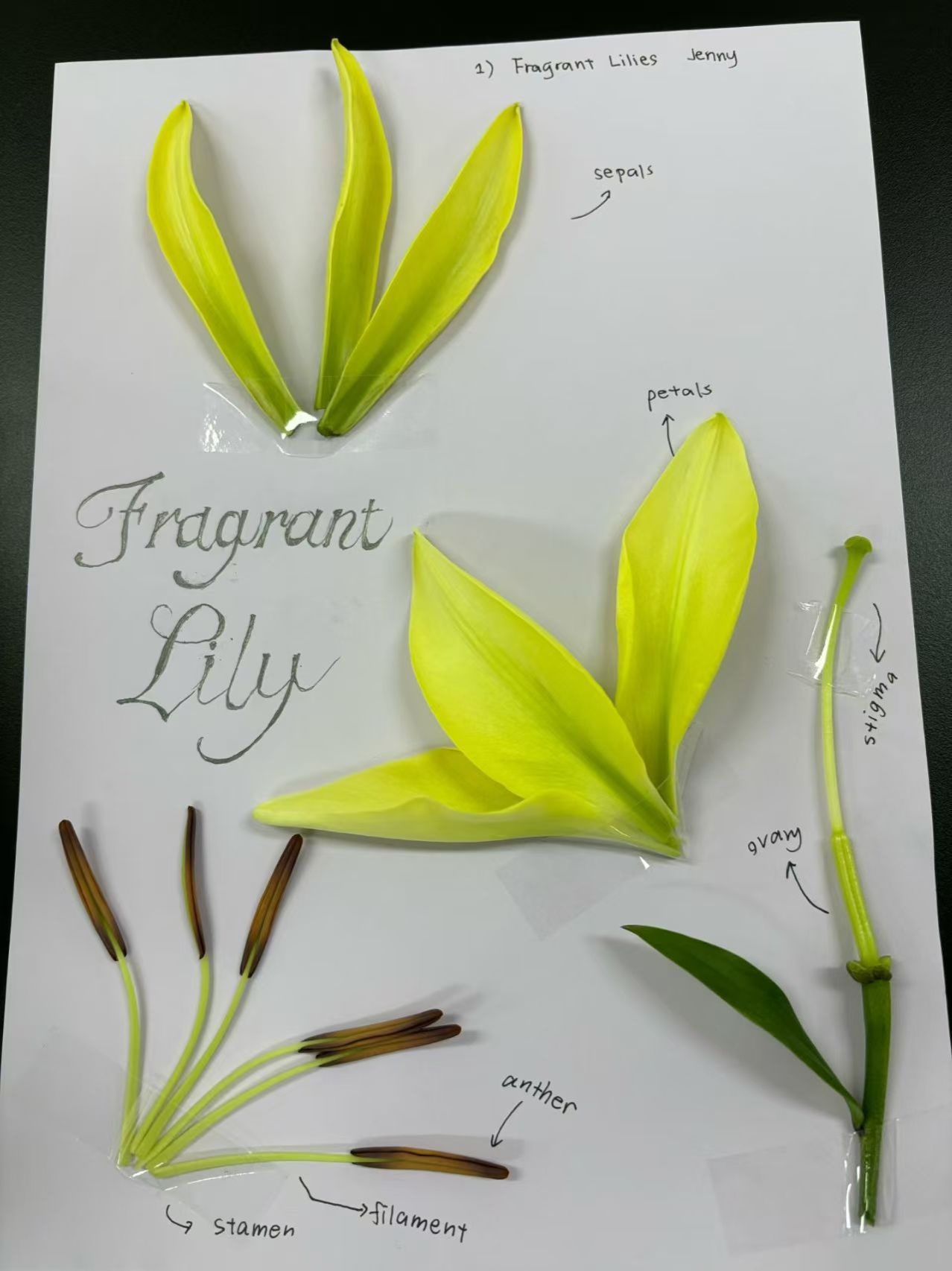
The classroom displayed both rigorous botanical diagrams and personalized decorative artworks side by side. Some works featured layered rose petals to create color gradients, while others precisely labeled the dissected positions of pistils and stamens as scientific specimens.
This lesson served as a successful attempt to bridge scientific inquiry with artistic expression. In the future, high school biology department will continue to explore diverse teaching methods to provide students with rich and engaging learning experiences.
(Written by Mengli Wang Pictures by Yongchi Li Reviewed by Qian Zuo)