-
ABOUT US
-
ACADEMICS
Curriculum Program
Departments
- English
- High School Chinese
- Primary and Junior School Chinese.
- High School Mathematics
- Middle School Mathematics
- Primary School Mathematics
- Music and Fine Arts
- Physical Education
- Physics
- Chemistry
- History and Geography
- Physical Science and Optional courses Department
- Middle School Biology
- High School Biology
- Social Sciences
- Computer Science
- Courses in Primary School
Achievements and Matriculations
College Counseling
Science & Technology Innovation Contest
Subject Competition
-
ARTS
-
ATHLETICS
-
AT SHSID
SHSID ∣ TIMES
PTSA
Club Exhibition
- 龙吟社
- Live 2 Drama
- Choir
- Hip-pop Dance Club
- The Primary School Dance Troupe
- Symposiums Club
- Biology Workshop
- You Shan
- VEX Robotic
- Peking Opera Club
- Baseball Club
- Model United Nations
- The World Scholar’s Cup
- Future Problem Solving Club
- United States Academic Pentathlon
- OM Club
- AMC Club
- Music for Patients
- SHSID Gazette
- Smile Charity
- Cultural Moments
- SciAcademy
- Stem Doge Alliance
- Chinese Debate Club
- IAA
- Mock Trial Club
- Zhengming Club
- Furry Friends
- GT-Racing
- Village Radio
- IMMC Club
- Creative Design and Intelligent Fabrication
- Future City Research Project
- ECOCAP
- AdvocaSEA
- SPDC
- Medishine
- Floorball Club
- Animusic MTC
- Wings Up
- All Booked
- Cyano
- Birding Community
Health and Wellness
Campus Safety
Cafeteria Service
-
ADMINISTRATION
-
ADMISSIONS
-
ALUMNI
Alumni Information
Honors Students
- Class of 2025
- Class of 2024
- Class of 2023
- Class of 2022
- Class of 2021
- Class of 2020
- Class of 2019
- Class of 2018
- Class of 2017
- Class of 2016
- Class of 2015
- Class of 2014
- Class of 2013
- Class of 2012
- Class of 2011
- Class of 2010
- Class of 2009
- Class of 2008
- Class of 2007
- Class of 2006
Who Studied at SHSID
SHS Foundation
-
DOCUMENTS
Puxi Campus G6-8: Middle School Parent Workshop Series Videos
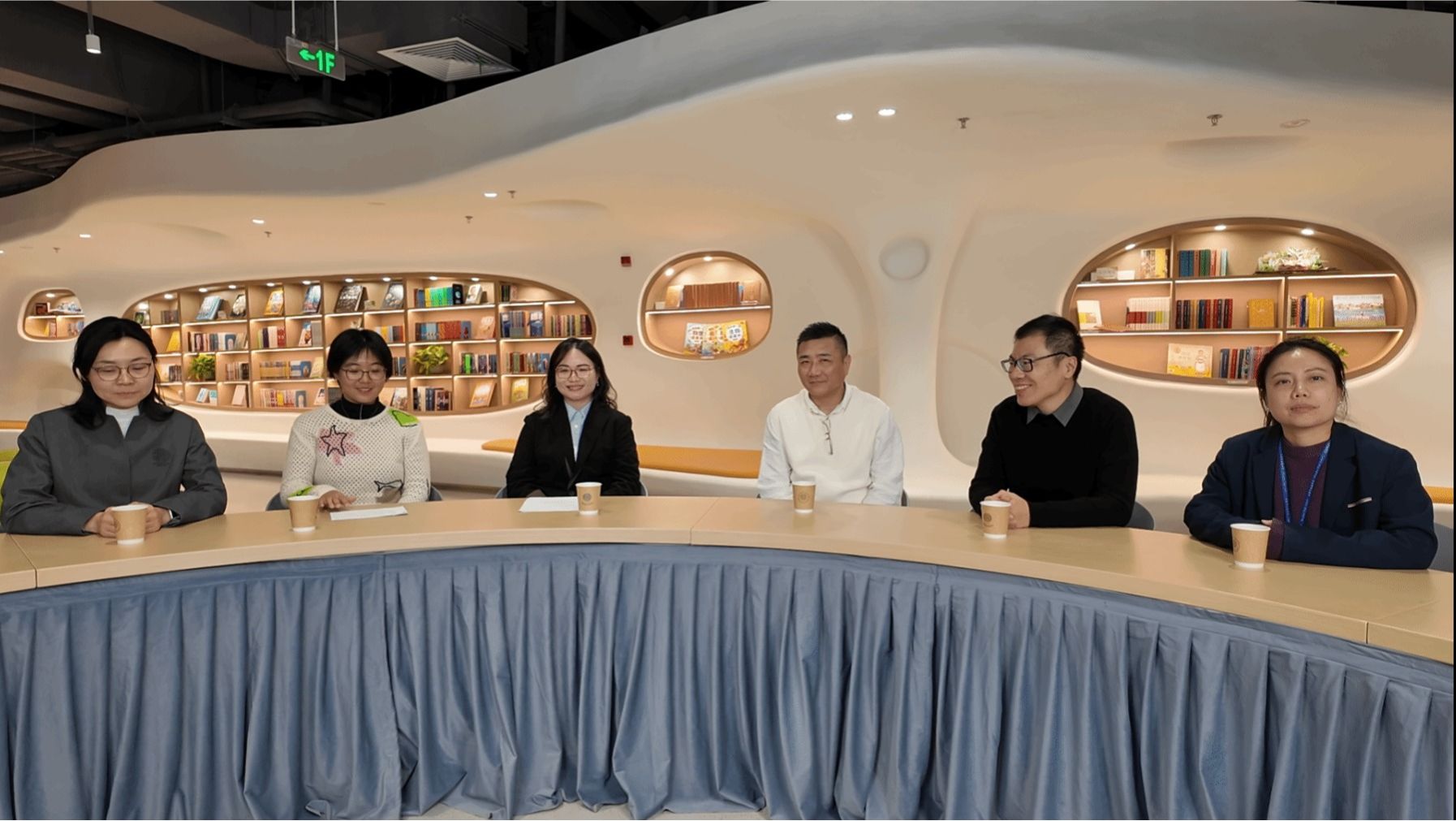
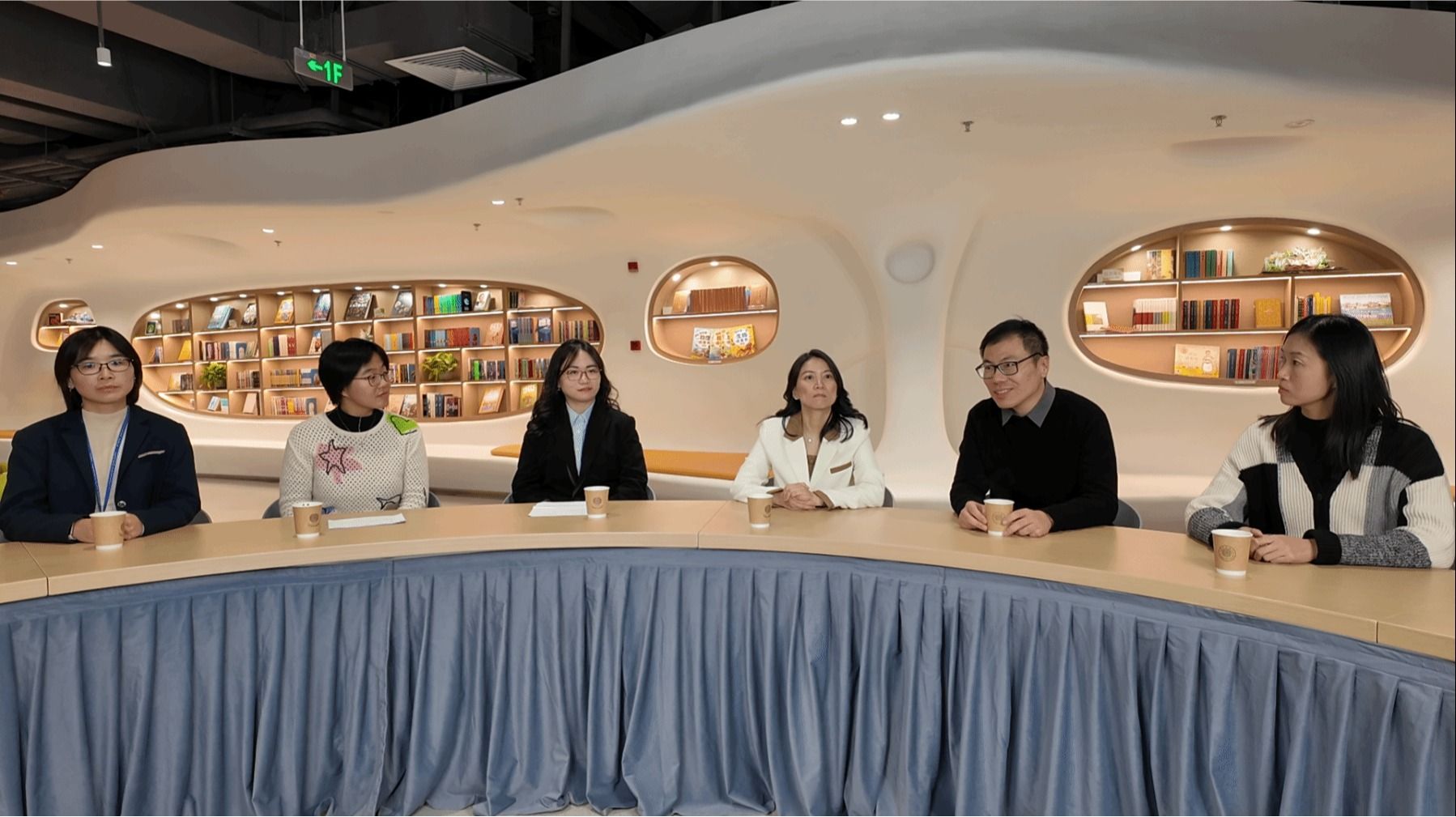
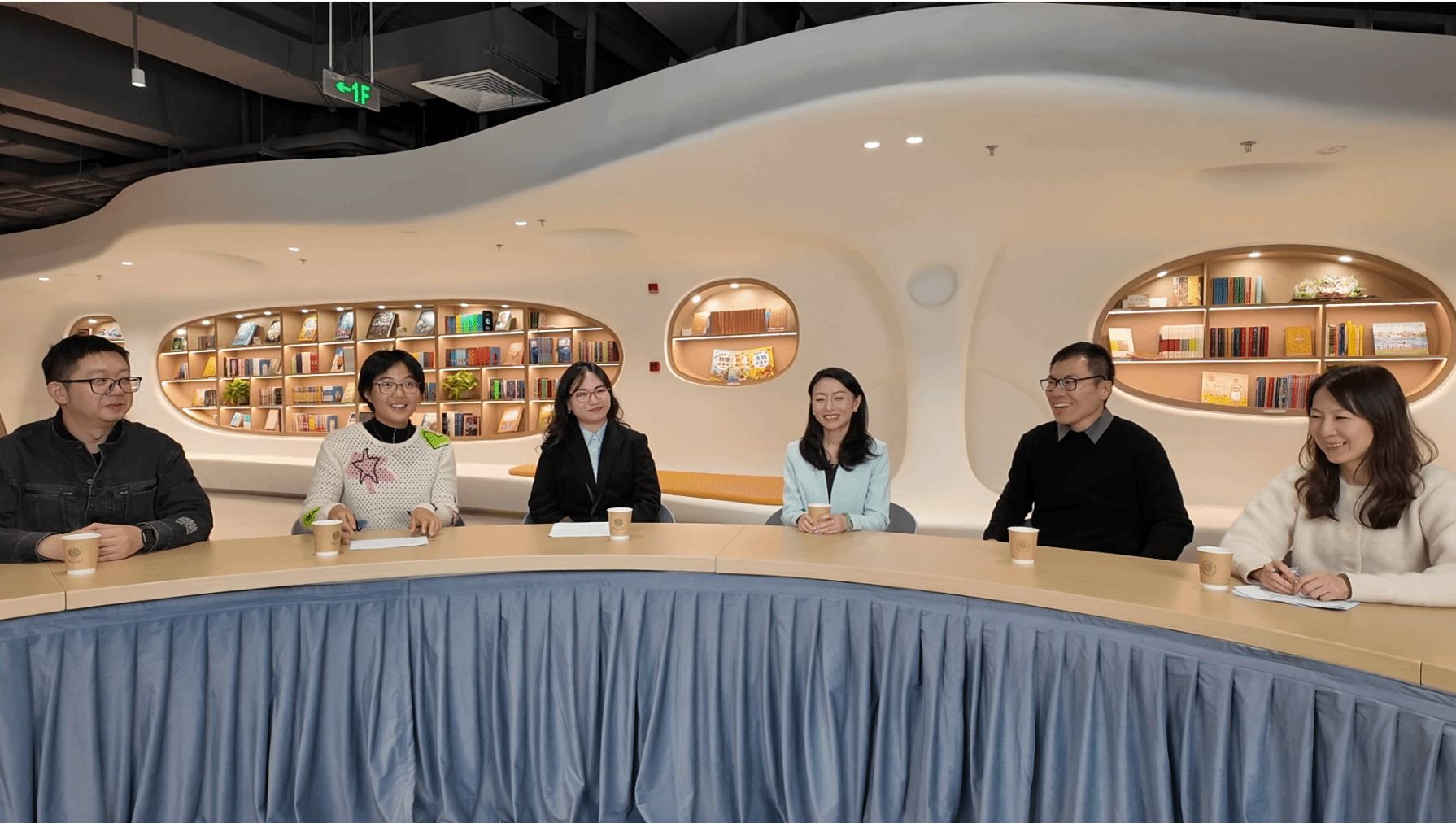
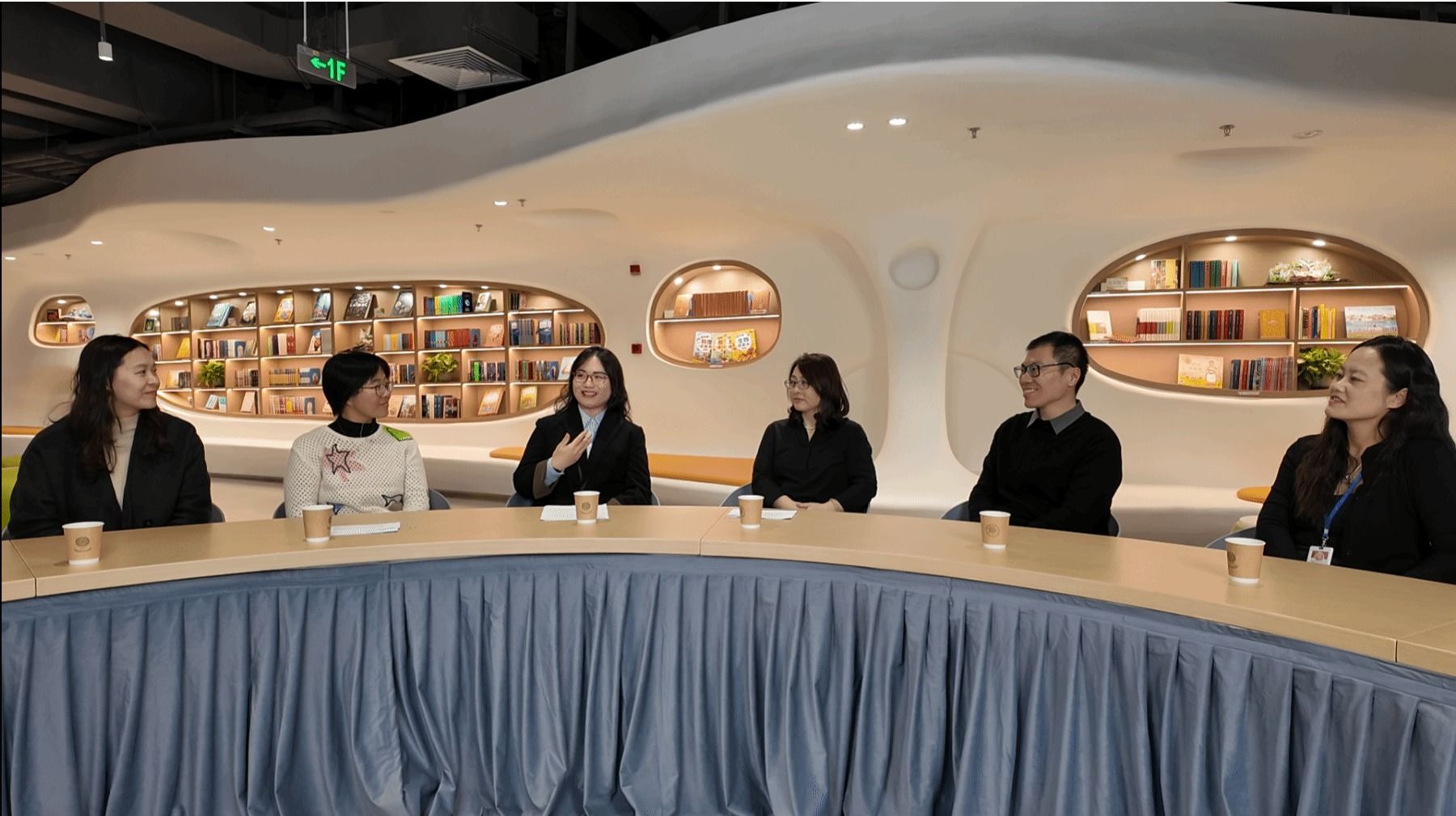
Adolescence is a pivotal stage in a child's development and a period where family education faces numerous challenges. To help parents better understand the psychology and behavior of adolescents and build harmonious, healthy parent-child relationships, SHSID Middle School recently hosted a series of parent workshops titled "Nurturing with Balance: Empowering Children to Become Their Best Selves." Based on four real-life case studies, the series comprises four conversational videos covering "Digital Device Management," "From Dependence to Independence," "Motivating Academic Engagement," and "Fostering Resilience Through Setbacks." The sessions featured in-depth, candid, and insightful discussions with Dr. Zhang Hua, Attending Physician at the Child and Adolescent Mental Health Department of Shanghai Mental Health Center, alongside school faculty and parent representatives from various grade levels.
All four sessions have been recorded and edited, with the first installment, "Mastering Screen Time," now available online. Junior high school is not only a period of academic growth for students but also a crucial stage for character development. We firmly believe that only through shared understanding and mutual support between home and school, aligned in guiding values, can we truly pave a solid and nurturing path for children's growth.
Preview of Core Series Content:
① Mastering Your Screen Time
This session focuses on issues arising from children's electronic device use and parental coping strategies. Experts emphasize that parents should negotiate with children as equals, establishing clear rules regarding usage duration, time slots, and reward/punishment systems (where rewards are genuinely desired and achievable). The essence of communication lies in understanding children's legitimate needs for social interaction and entertainment, transforming the management process into an opportunity to cultivate self-control and time management skills.
② From Dependence to Independence: The Wisdom of Letting Go
How should parents navigate the balance of letting go during the transition from elementary to middle school? This session highlights that parental anxiety often poses the greatest obstacle. Experts suggest cultivating independence by starting with "manageable areas of daily life" (e.g., clothing choices, personal belongings management). By granting trust, acknowledging progress, and scientifically recognizing a 3-6 month adjustment period in new environments, responsibilities can be gradually transferred to children, fostering their self-management and planning abilities.
③ From Confusion to Purpose: Guiding Adolescents to Discover Learning's Meaning
Addressing motivation gaps and existential confusion common in adolescence, this session shares practical wisdom from parents: encourage participation in clubs, nurture hobbies, and leverage fathers' crucial role during puberty. Help teens naturally connect learning with life through collective pride, independent exploration, and deep relationships, igniting intrinsic motivation.
④ Turning Setbacks into Growth Opportunities
This session delves into the pressures and self-doubt adolescents face when entering middle school amid academic competition and environmental changes. Experts emphasize that parents should avoid rushing to "solve problems for their children." Instead, they should employ "goal-breaking techniques," share personal failure experiences, offer emotional acceptance, and provide patient companionship. This helps children transform setbacks into learning and growth opportunities, fostering optimistic and resilient psychological qualities.
In the parent workshop, Dr. Zhang drew on extensive clinical cases to emphasize that, grounded in adolescent psychological development patterns, parents should cultivate trust as the foundation. This allows children to learn responsibility independently while patiently nurturing the parent-child relationship, guiding them through adolescence.
Meanwhile, school teachers shared observations of student behaviors and developmental trajectories from their daily work, introducing specific educational strategies such as "adversity quotient cultivation tools" and "growth mindset guidance." These insights not only provided parents with actionable methods but also vividly demonstrated the importance of integrating school education with family guidance to create a synergistic effect.
Additionally, heartfelt reflections from multiple parents strongly echoed the message: "Parental Co-education Concept." These real-life dilemmas, experiments, and success stories formed the most authentic and moving part of this lecture series.
These four parent workshops, representing the school's proactive effort to pool professional resources and foster deeper home-school dialogue. Together, home and school will compose a symphony of growth for children navigating adolescence.
(Written by Ma Xinyu
Pictures by Yan Ruolin
Reviewed by Mr. Shen Tianyuan, Shiyu Wu,