-
ABOUT US
-
ACADEMICS
Curriculum Program
Departments
- English
- High School Chinese
- Primary and Junior School Chinese.
- High School Mathematics
- Middle School Mathematics
- Primary School Mathematics
- Music and Fine Arts
- Physical Education
- Physics
- Chemistry
- History and Geography
- Physical Science and Optional courses Department
- Middle School Biology
- High School Biology
- Social Sciences
- Computer Science
- Courses in Primary School
Achievements and Matriculations
College Counseling
Science & Technology Innovation Contest
Subject Competition
-
ARTS
-
ATHLETICS
-
AT SHSID
SHSID ∣ TIMES
PTSA
Club Exhibition
- 龙吟社
- Live 2 Drama
- Choir
- Hip-pop Dance Club
- The Primary School Dance Troupe
- Symposiums Club
- Biology Workshop
- You Shan
- VEX Robotic
- Peking Opera Club
- Baseball Club
- Model United Nations
- The World Scholar’s Cup
- Future Problem Solving Club
- United States Academic Pentathlon
- OM Club
- AMC Club
- Music for Patients
- SHSID Gazette
- Smile Charity
- Cultural Moments
- SciAcademy
- Stem Doge Alliance
- Chinese Debate Club
- IAA
- Mock Trial Club
- Zhengming Club
- Furry Friends
- GT-Racing
- Village Radio
- IMMC Club
- Creative Design and Intelligent Fabrication
- Future City Research Project
- ECOCAP
- AdvocaSEA
- SPDC
- Medishine
- Floorball Club
- Animusic MTC
- Wings Up
- All Booked
- Cyano
- Birding Community
Health and Wellness
Campus Safety
Cafeteria Service
-
ADMINISTRATION
-
ADMISSIONS
-
ALUMNI
Alumni Information
Honors Students
- Class of 2025
- Class of 2024
- Class of 2023
- Class of 2022
- Class of 2021
- Class of 2020
- Class of 2019
- Class of 2018
- Class of 2017
- Class of 2016
- Class of 2015
- Class of 2014
- Class of 2013
- Class of 2012
- Class of 2011
- Class of 2010
- Class of 2009
- Class of 2008
- Class of 2007
- Class of 2006
Who Studied at SHSID
SHS Foundation
-
DOCUMENTS
Puxi Campus G2: STEAM Week: Taking Learning to New Heights with Our Kite-Making Project
During STEAM Week, our Grade 2 students took to the skies—literally—as they learned the science, math, art, and design behind creating their very own kites. What began with curiosity and investigation soon turned into a full design challenge built on experimentation, creativity, and teamwork.
Students first explored how kites fly - learning about factors such as balance, stability, and the importance of light and strong materials. With this understanding, they sketched and planned their first prototype kites using simple materials such as paper, sticks, tape, and ribbon.
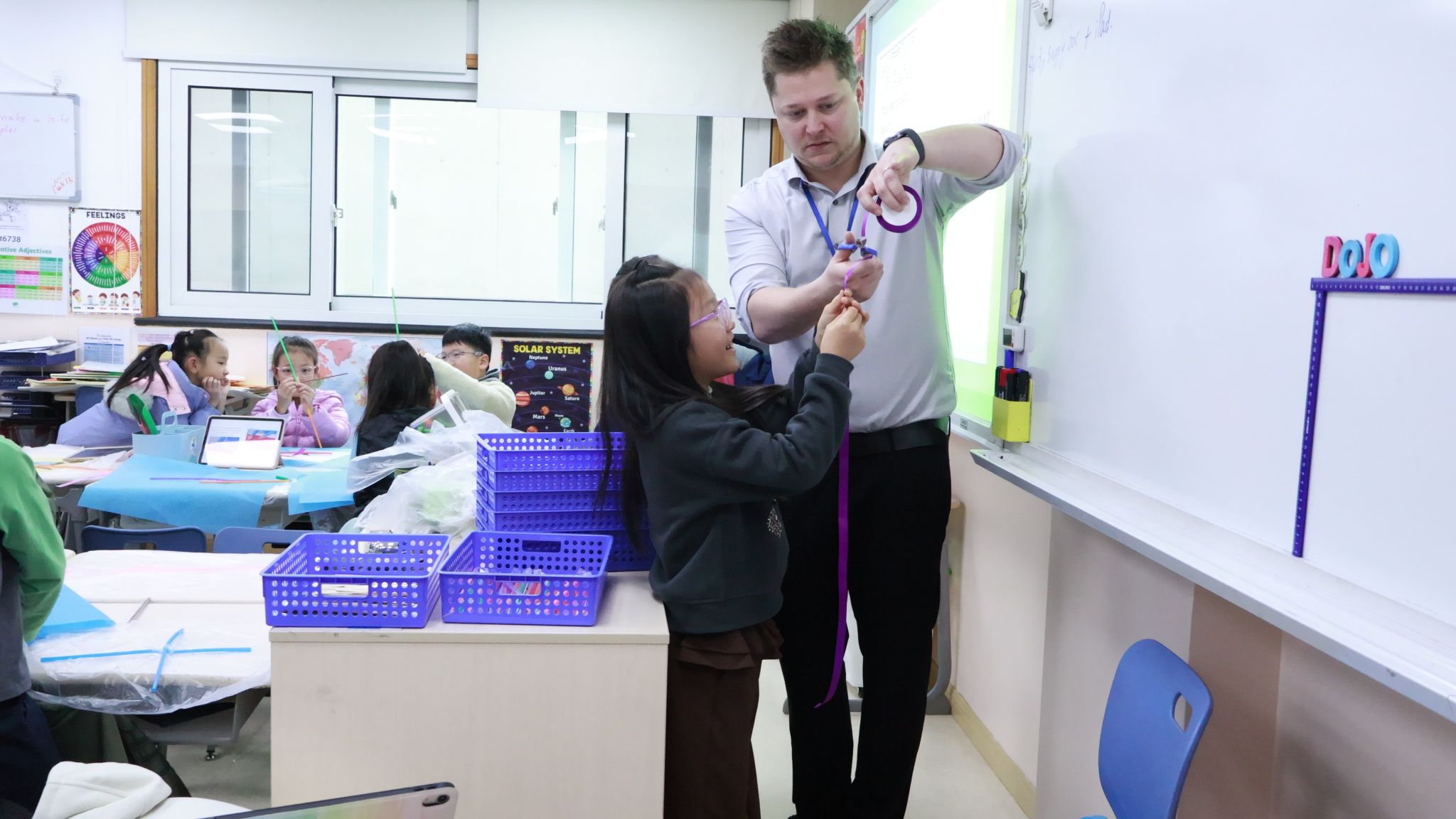
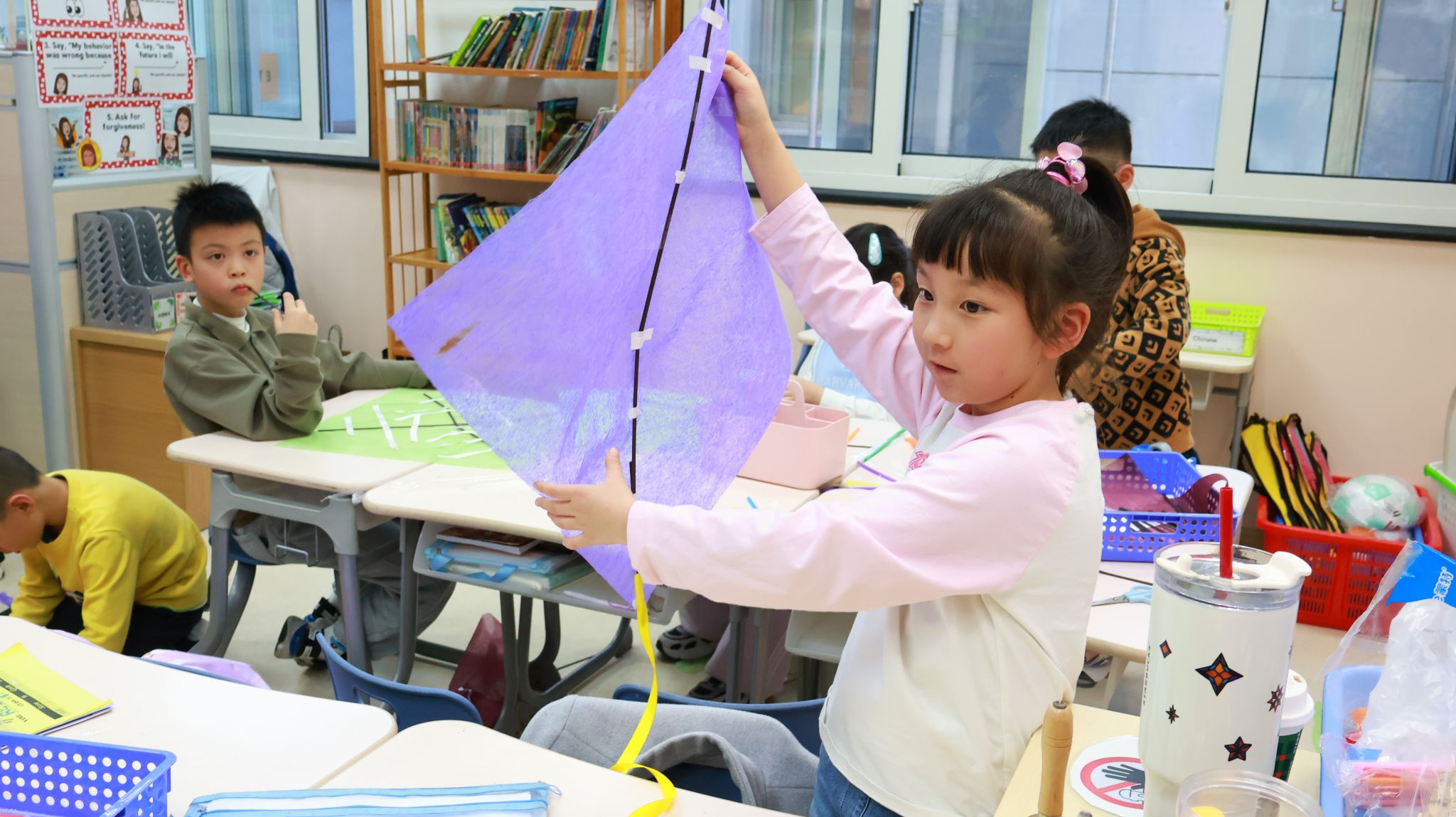
Their early test flights were full of excitement, and while many kites did not fly as well as hoped, a few showed promising potential—especially if the wind conditions had been more cooperative. These imperfect flights became valuable learning moments as students analyzed what worked and what needed improvement.
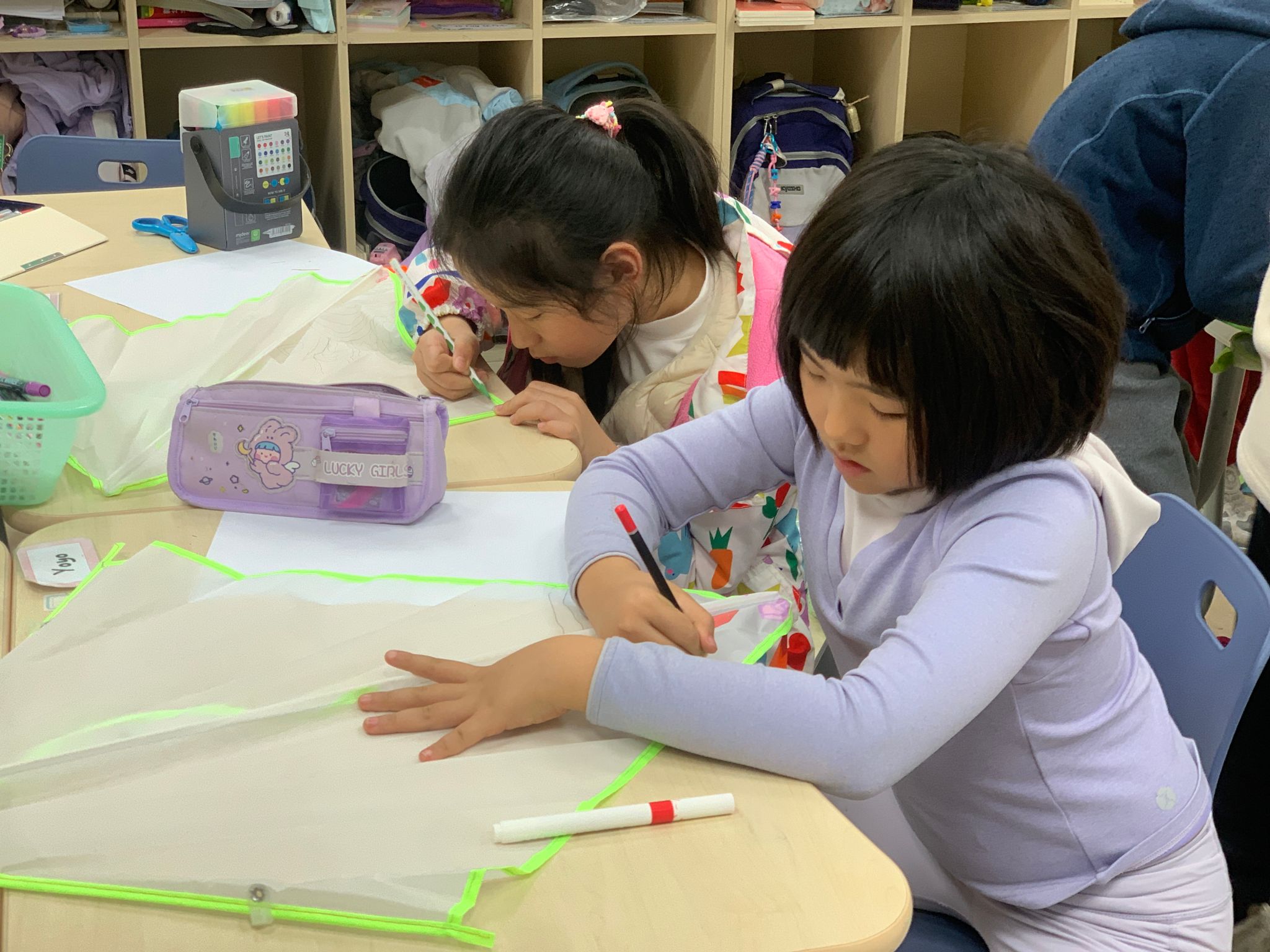
In math class, the children examined the geometry of their kite designs, identifying shapes, angles, and vertices. They also measured the perimeter of their kites, helping them understand how size and proportion can influence a kite’s performance. Not only that, the teacher also introduced the cultural origins of kites. Kites were first invented in China and were originally called “zhiyuan” (paper bird). In ancient times, they were mainly used for practical purposes such as military reconnaissance. Over time, they gradually became part of folk life and evolved into cultural symbols in traditional festivals—especially during Qingming—carrying emotions, memories, and well-wishes. The classic shapes of traditional kites are also closely connected to Chinese aesthetics and mathematical wisdom. This cultural context and the mathematical exploration provided a strong theoretical foundation for the students’ second round of kite redesign.

For the redesign phase, students were given real kite-making materials, including metal rods and nylon sails, giving them the chance to engineer stronger, more aerodynamic kites. In art class, they learned about symmetry and traditional kite festivals around the world, using acrylic markers to decorate their kites with vibrant patterns and balanced designs. Their creativity truly shone as each student produced a unique and colorful kite.
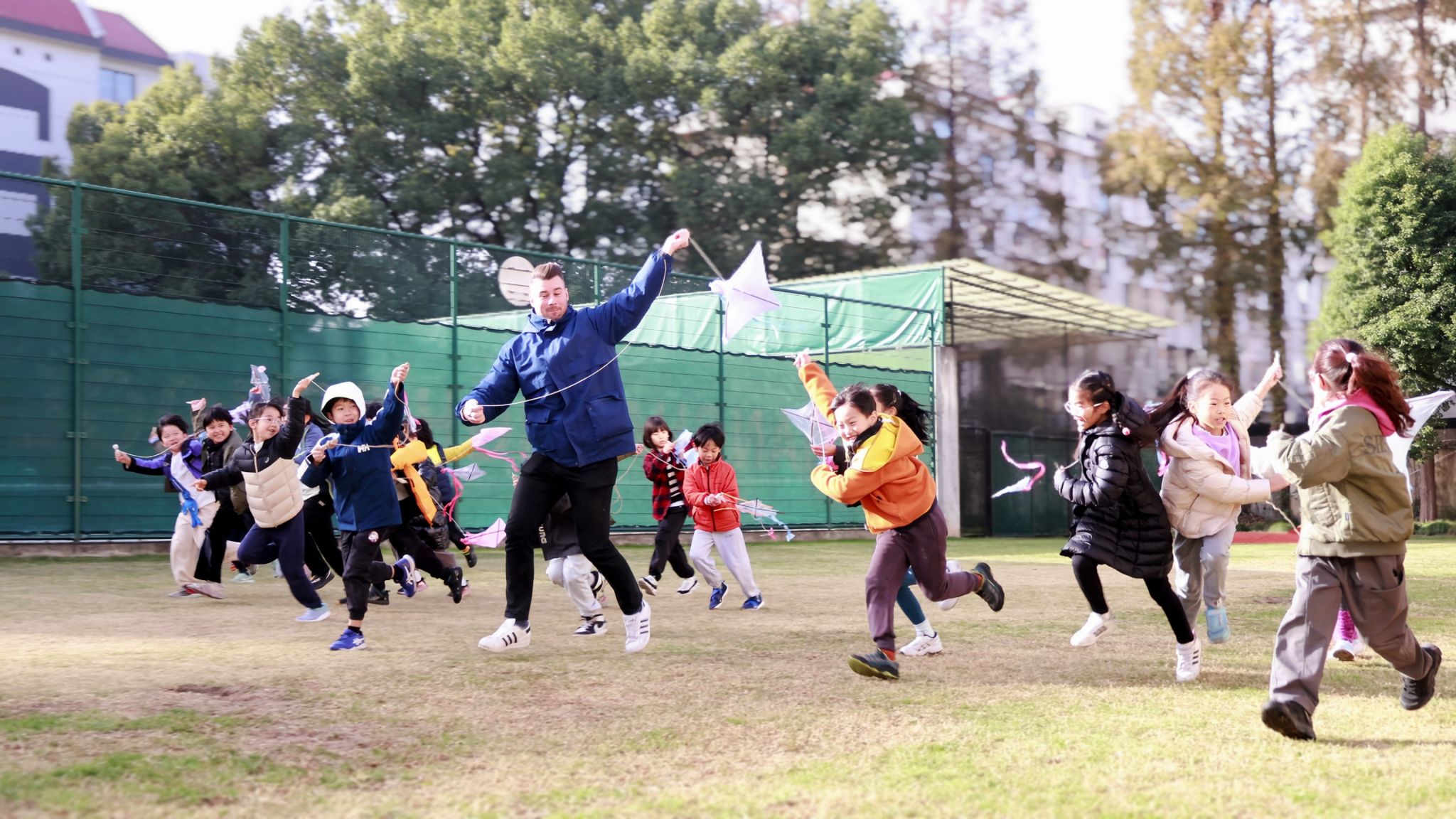
The excitement peaked on final test day. With a much stronger breeze this time, the students took their redesigned kites outside—and the results were spectacular. Many of the kites soared high and steady, and the children were thrilled to see their hard work pay off. Laughter, cheering, and joyful running filled the playground as the kites danced across the sky.
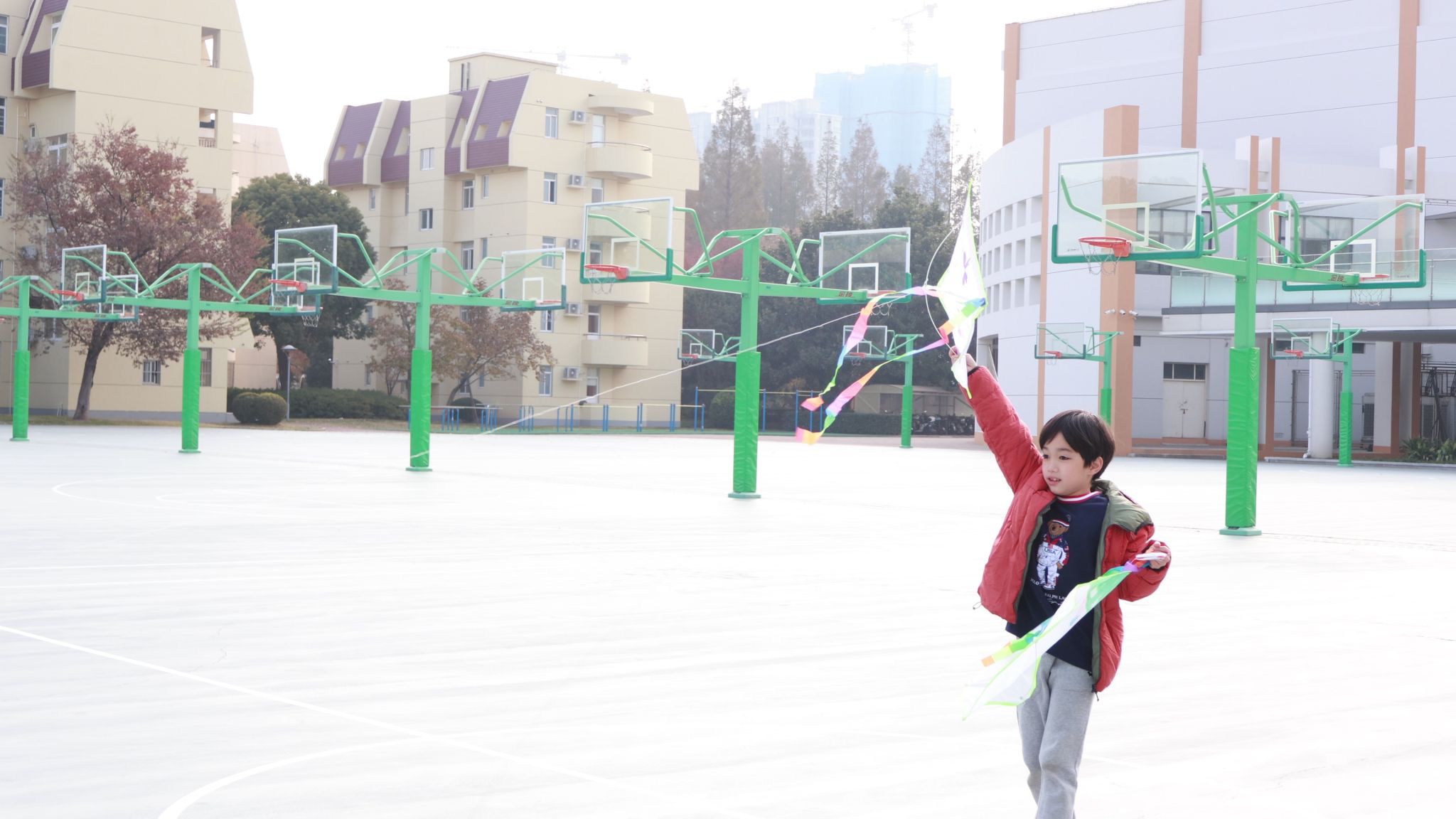
STEAM Week was a celebration not just of learning, but of perseverance, problem-solving, and creativity. Our Grade 2 students learned that great ideas take testing, improvement, and imagination— and sometimes, a little wind.
(Written by Ronan Kelly, Yu Lin
Pictures/Video by Siying Li, Homeroom Teachers
Reviewed by Ms. Zhang Yi, Shiyu Wu, Louie Parker)