-
ABOUT US
-
ACADEMICS
Curriculum Program
Departments
- English
- High School Chinese
- Primary and Junior School Chinese.
- High School Mathematics
- Middle School Mathematics
- Primary School Mathematics
- Music and Fine Arts
- Physical Education
- Physics
- Chemistry
- History and Geography
- Physical Science and Optional courses Department
- Middle School Biology
- High School Biology
- Social Sciences
- Computer Science
- Courses in Primary School
Achievements and Matriculations
College Counseling
Science & Technology Innovation Contest
Subject Competition
-
ARTS
-
ATHLETICS
-
AT SHSID
SHSID ∣ TIMES
PTSA
Club Exhibition
- 龙吟社
- Live 2 Drama
- Choir
- Hip-pop Dance Club
- The Primary School Dance Troupe
- Symposiums Club
- Biology Workshop
- You Shan
- VEX Robotic
- Peking Opera Club
- Baseball Club
- Model United Nations
- The World Scholar’s Cup
- Future Problem Solving Club
- United States Academic Pentathlon
- OM Club
- AMC Club
- Music for Patients
- SHSID Gazette
- Smile Charity
- Cultural Moments
- SciAcademy
- Stem Doge Alliance
- Chinese Debate Club
- IAA
- Mock Trial Club
- Zhengming Club
- Furry Friends
- GT-Racing
- Village Radio
- IMMC Club
- Creative Design and Intelligent Fabrication
- Future City Research Project
- ECOCAP
- AdvocaSEA
- SPDC
- Medishine
- Floorball Club
- Animusic MTC
- Wings Up
- All Booked
- Cyano
- Birding Community
Health and Wellness
Campus Safety
Cafeteria Service
-
ADMINISTRATION
-
ADMISSIONS
-
ALUMNI
Alumni Information
Honors Students
- Class of 2025
- Class of 2024
- Class of 2023
- Class of 2022
- Class of 2021
- Class of 2020
- Class of 2019
- Class of 2018
- Class of 2017
- Class of 2016
- Class of 2015
- Class of 2014
- Class of 2013
- Class of 2012
- Class of 2011
- Class of 2010
- Class of 2009
- Class of 2008
- Class of 2007
- Class of 2006
Who Studied at SHSID
SHS Foundation
-
DOCUMENTS
Primary School Math Department | Math Week: When Math Meets Creativity
Last week, Grades 1–3 at the Shanghai High School International Division began a unique and exciting “Math Week.” From Grade 1 students creating math riddles, to Grade 2’s hands-on zoo math project, and Grade 3’s “Math Warriors” adventure, each grade’s activities were centered around mathematics, combining fun, hands-on practice and creative thinking. Throughout the week, students experienced the diverse charm of math through exploration, games, and practical activities, while also discovering its close connections to everyday life, art, sports, and culture.
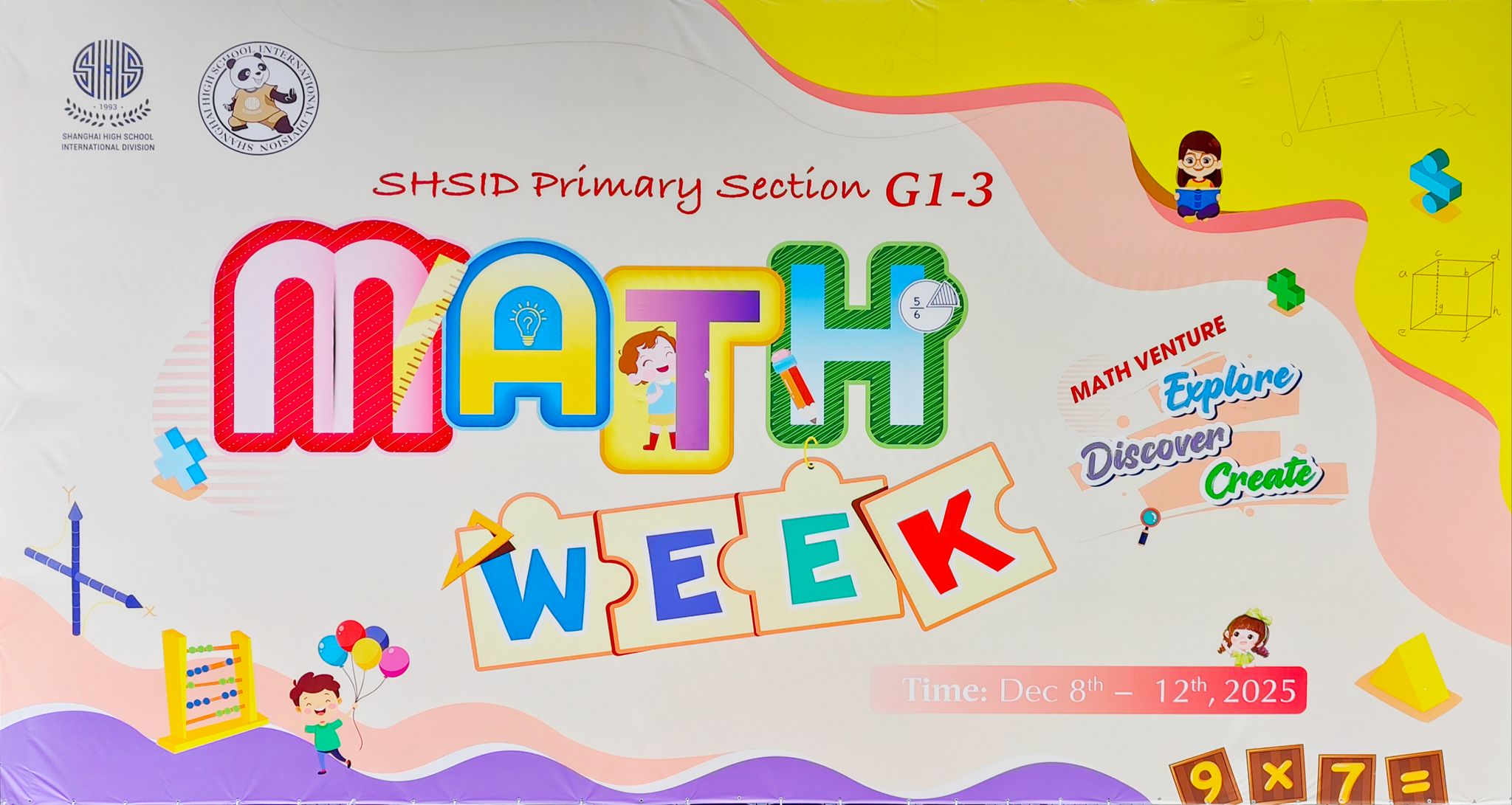
Weaving Riddles with Math: Grade 1’s Creative World
Last week, the first grade students at Shanghai High School International Division's Puxi Campus welcomed a fun and creative thematic event — "Math Week." Centered around the core of "Interesting Math Riddles," the students spent an entire week not only delving into the mysteries of mathematics but also experiencing the wonderful connection between math and life through hands-on activities, mental challenges, and creative expression.
At the kick-off event on Monday, the students were introduced to the lively and adorable little mascot, Mathie. Guided by Mathie, they gained an initial understanding of the fun format of math riddles. By solving some carefully designed math riddles, they quickly got into the spirit. Even more delightfully, after this initial experience, the children eagerly tried their hand at writing two simple math riddles themselves, embarking on their creative journey for the week.

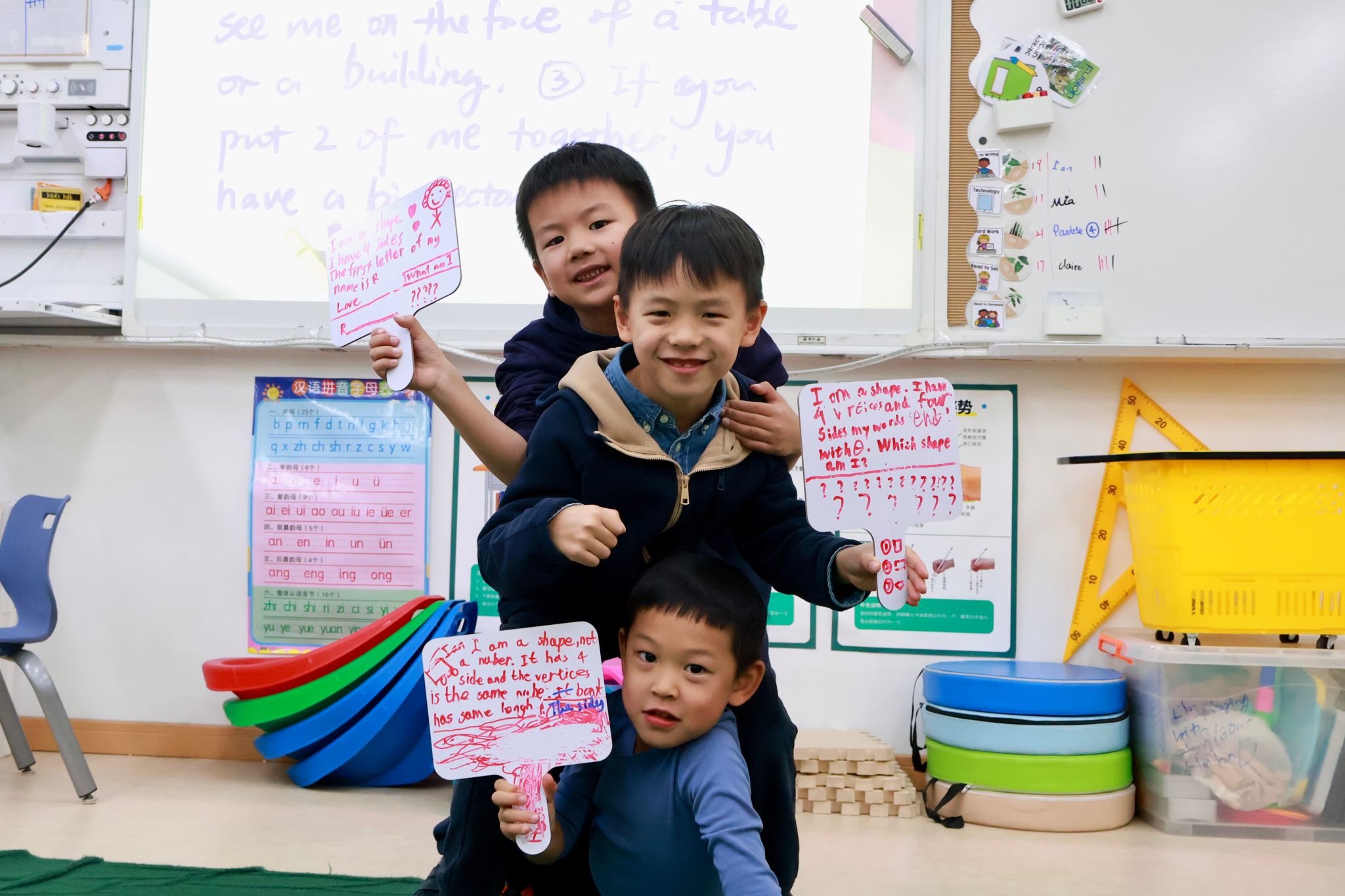
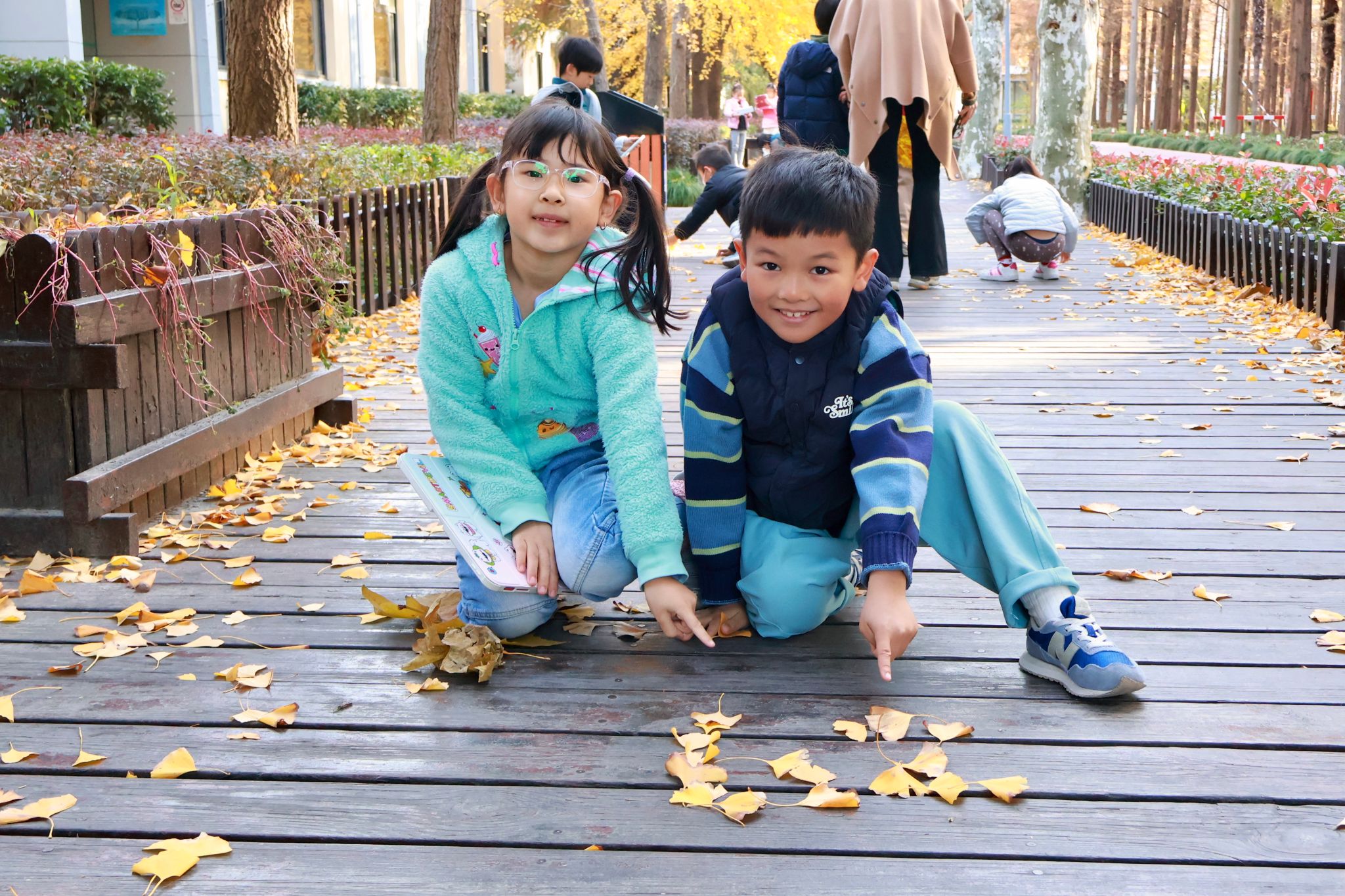
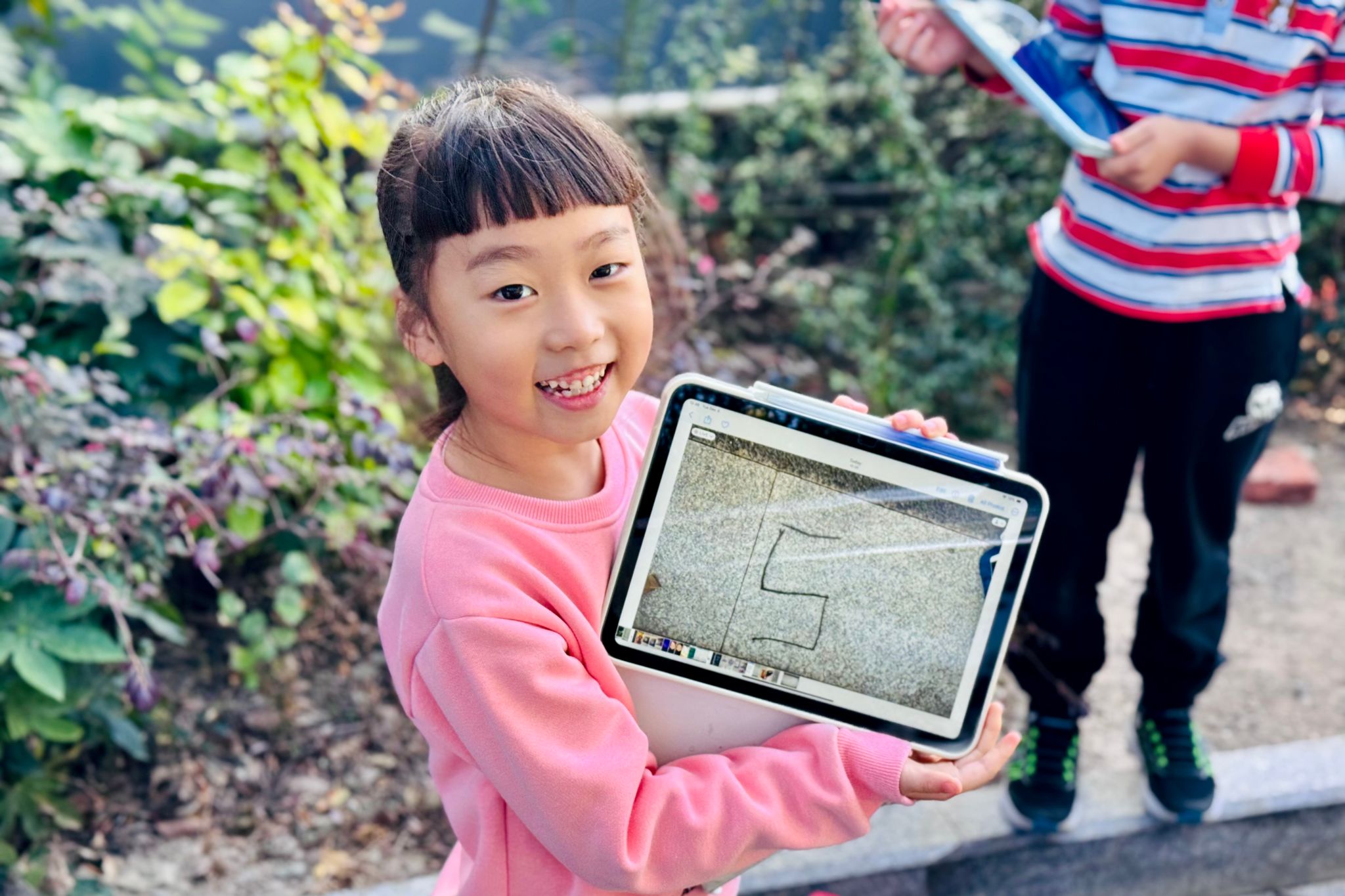
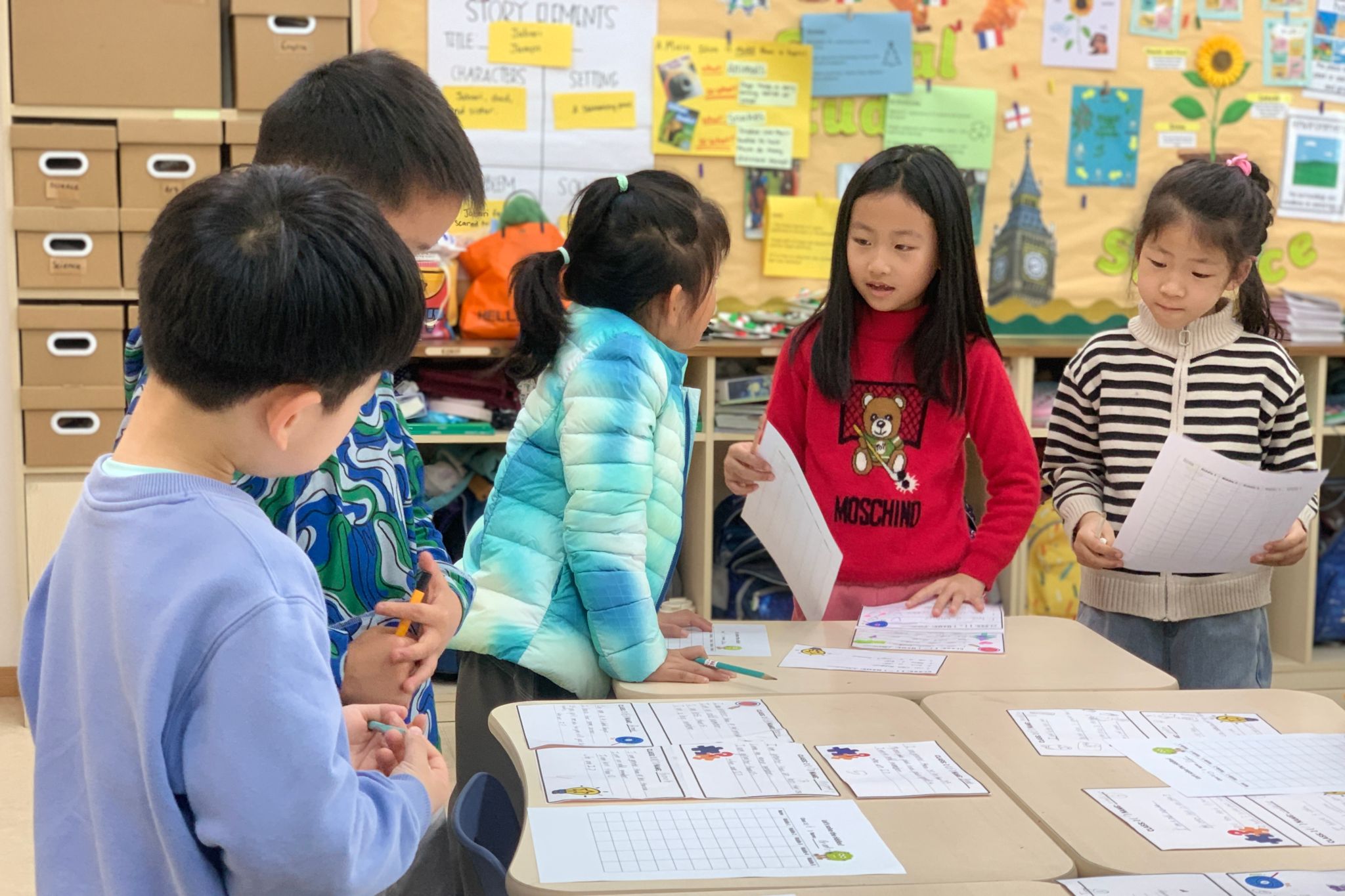
On Tuesday and Wednesday, the activities entered a deep creative phase. The students began brainstorming their own unique math riddles. Some chose to weave clever clues for specific numbers, while others created vivid descriptions for the 2D shapes they had recently learned. Furthermore, the children stepped out of the classroom and into the beautiful campus to collect natural materials like fallen leaves, flower petals, and twigs. They used these to manually assemble the shapes of their riddle answers, took photos, printed them, and attached them to the back of their self-created riddles. This segment masterfully integrated mathematical learning, nature exploration, and artistic creation, bringing abstract mathematical concepts vividly to life.
On Thursday, the classrooms transformed into a "Riddle Wonderland" brimming with sparks of thought. The children enthusiastically exchanged and read each other's math riddle cards, pondering seriously and recording answers. They honed their problem-solving skills and logical thinking through mutual challenge. At this moment, the autonomy and collaborative nature of learning were fully demonstrated.
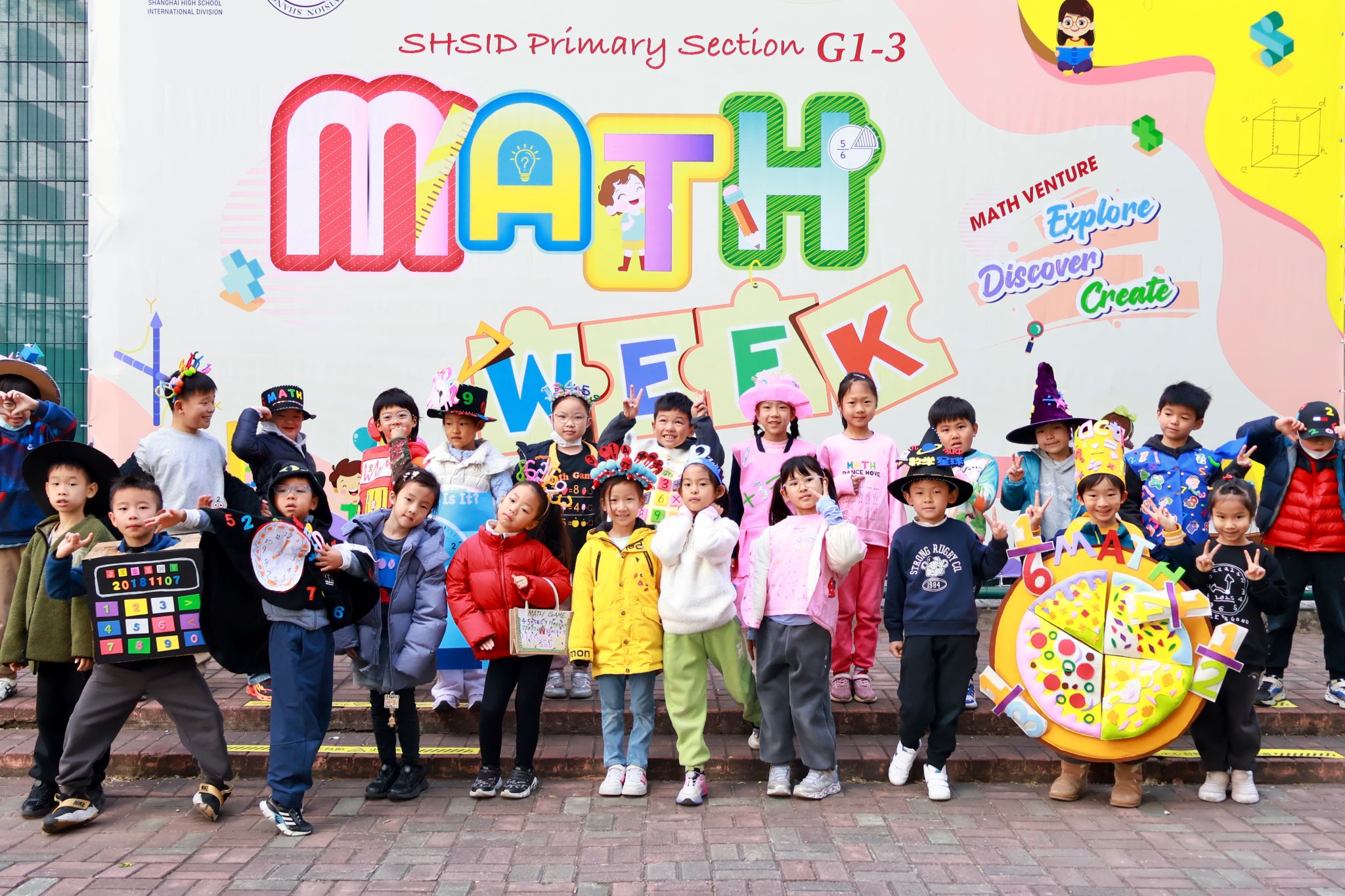
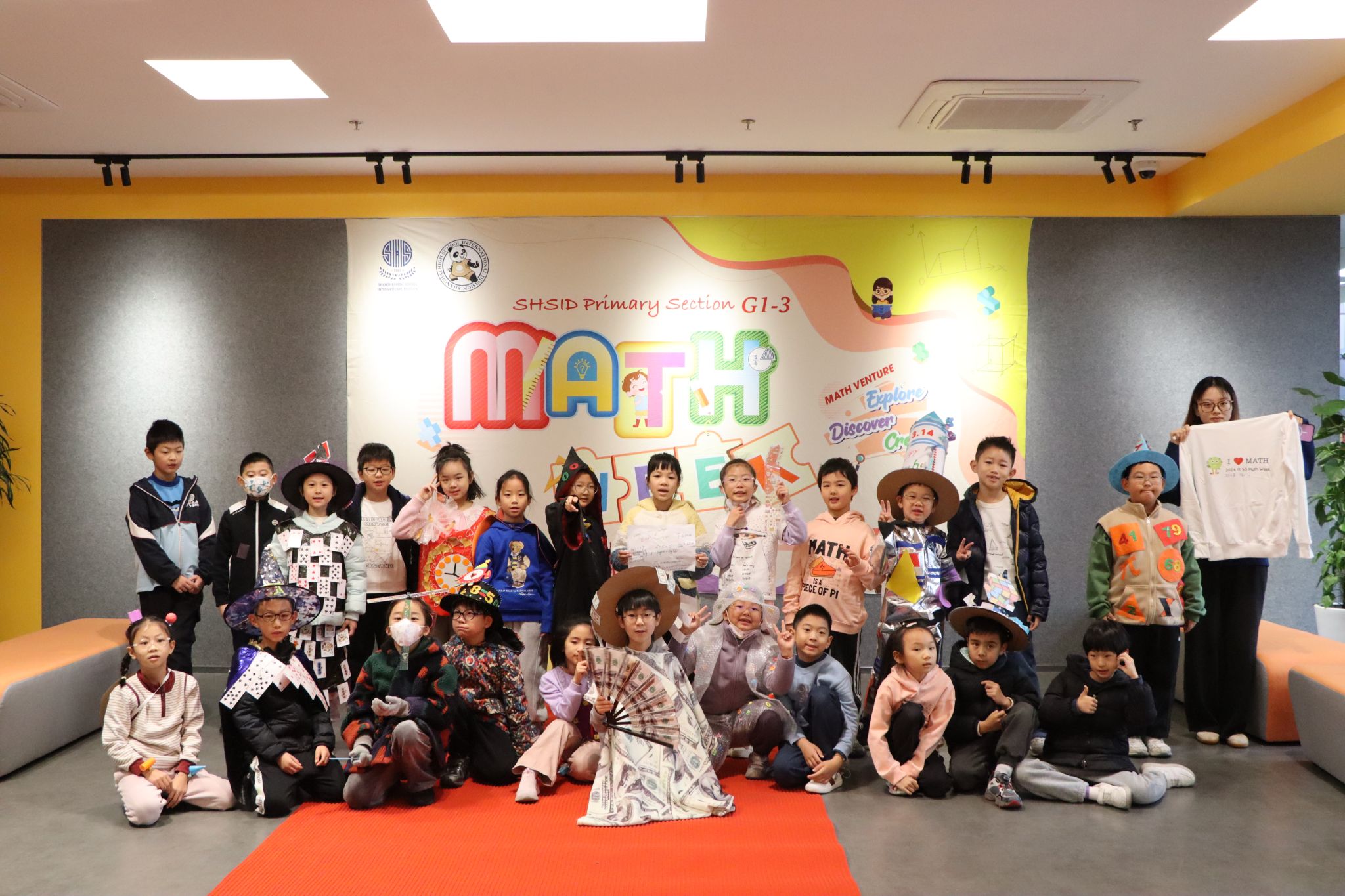
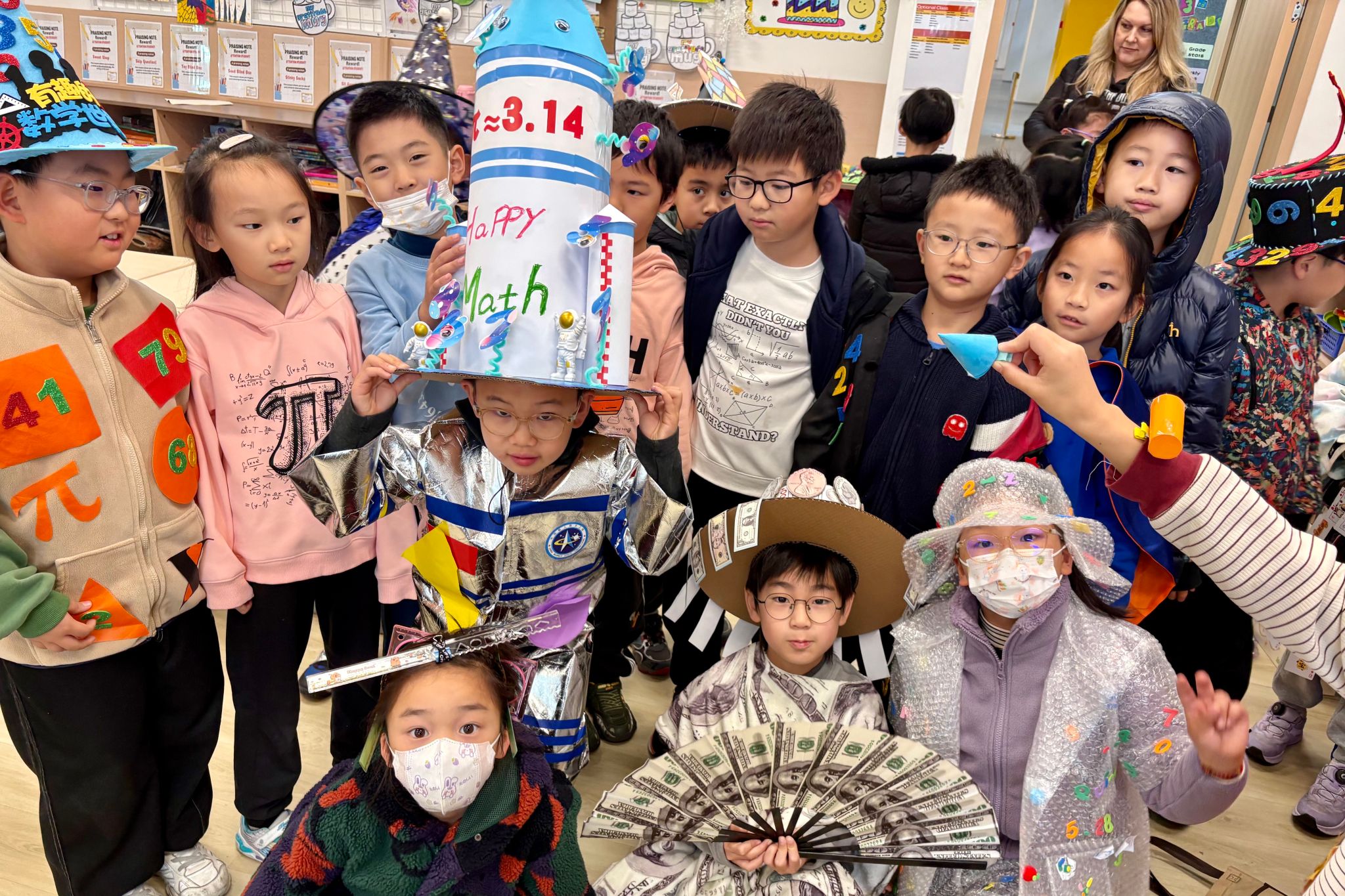
Friday saw the climax of the week—Dress Up Day. The students engaged their imaginations, designing a variety of costumes infused with mathematical elements. Dressed in their new creations, everyone gathered on the sunny outdoor lawn for a novel "Math Element Bingo" game. Amidst laughter and joy, the children not only searched for mathematical highlights on each other's outfits but also deepened their understanding and appreciation of mathematical concepts through play.
Building Dreams with Math: Grade 2’s Animal Kingdom
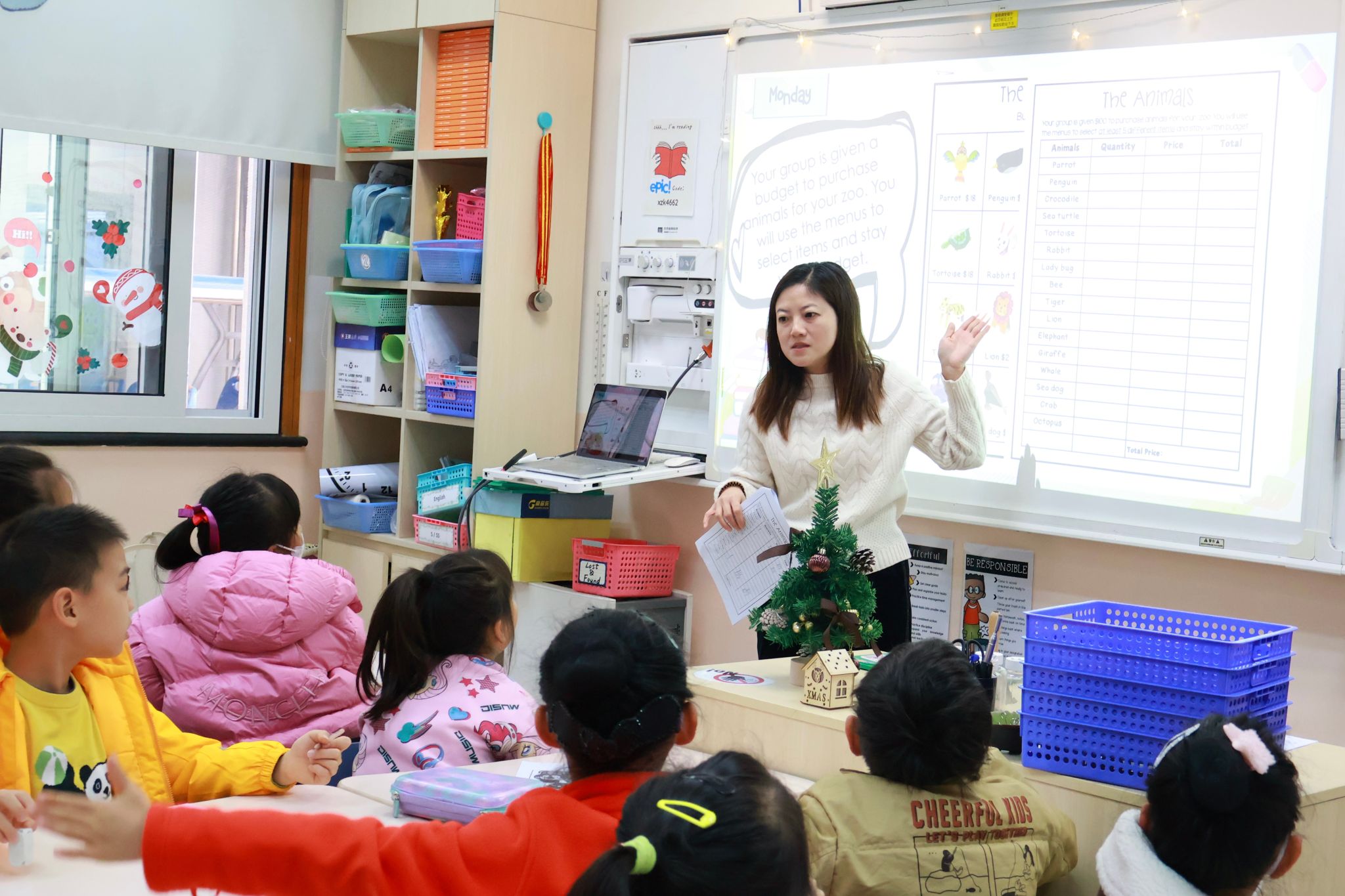
This week, the second-grade classroom transformed into a lively “Zoo Workshop.” Students took on the roles of zoo designers, accountants, and measurement specialists, embarking on an exciting hands-on math project.
The first task the students faced was selecting animals for the zoo within a budget of 100 yuan. They needed to calculate carefully based on each animal’s price and quantity while also considering the diversity of species and the overall balance of the zoo. Every choice reflected the students’ analytical and decision-making skills under budget constraints, and gradually, the blueprint of the zoo began to take shape.
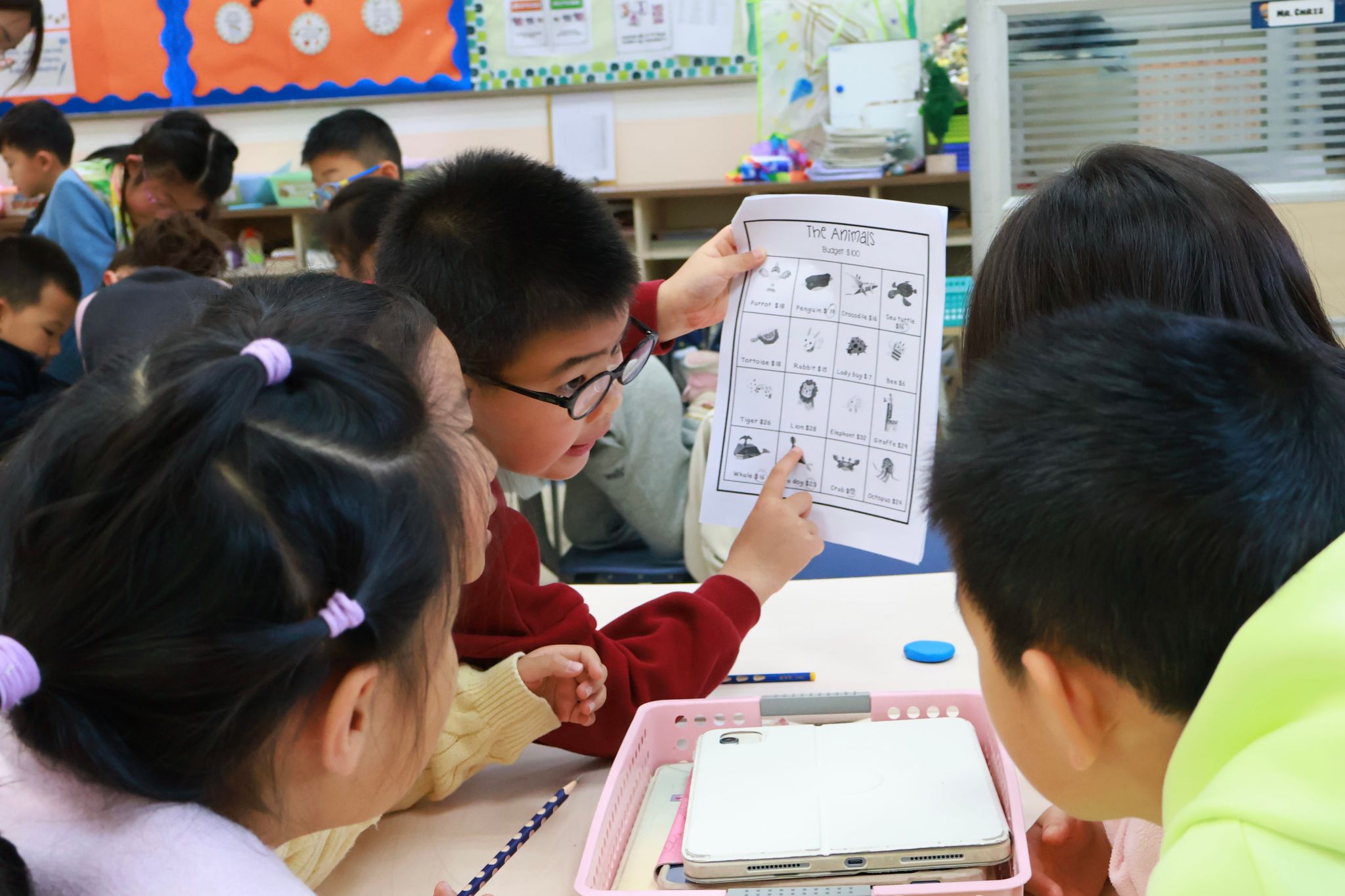
To design suitable living spaces for the animals, the young record keepers picked up rulers and carefully measured the body length of each animal, recording the data in tables. This process not only tested their concentration but also required careful and precise operations. After measuring, students double-checked each other’s data to ensure accuracy. Through this, they learned how teamwork and division of labor can improve efficiency and experienced the importance of collaboration: a single mistake could affect the overall design, while everyone’s careful effort ensured the smooth progress of the zoo’s construction.
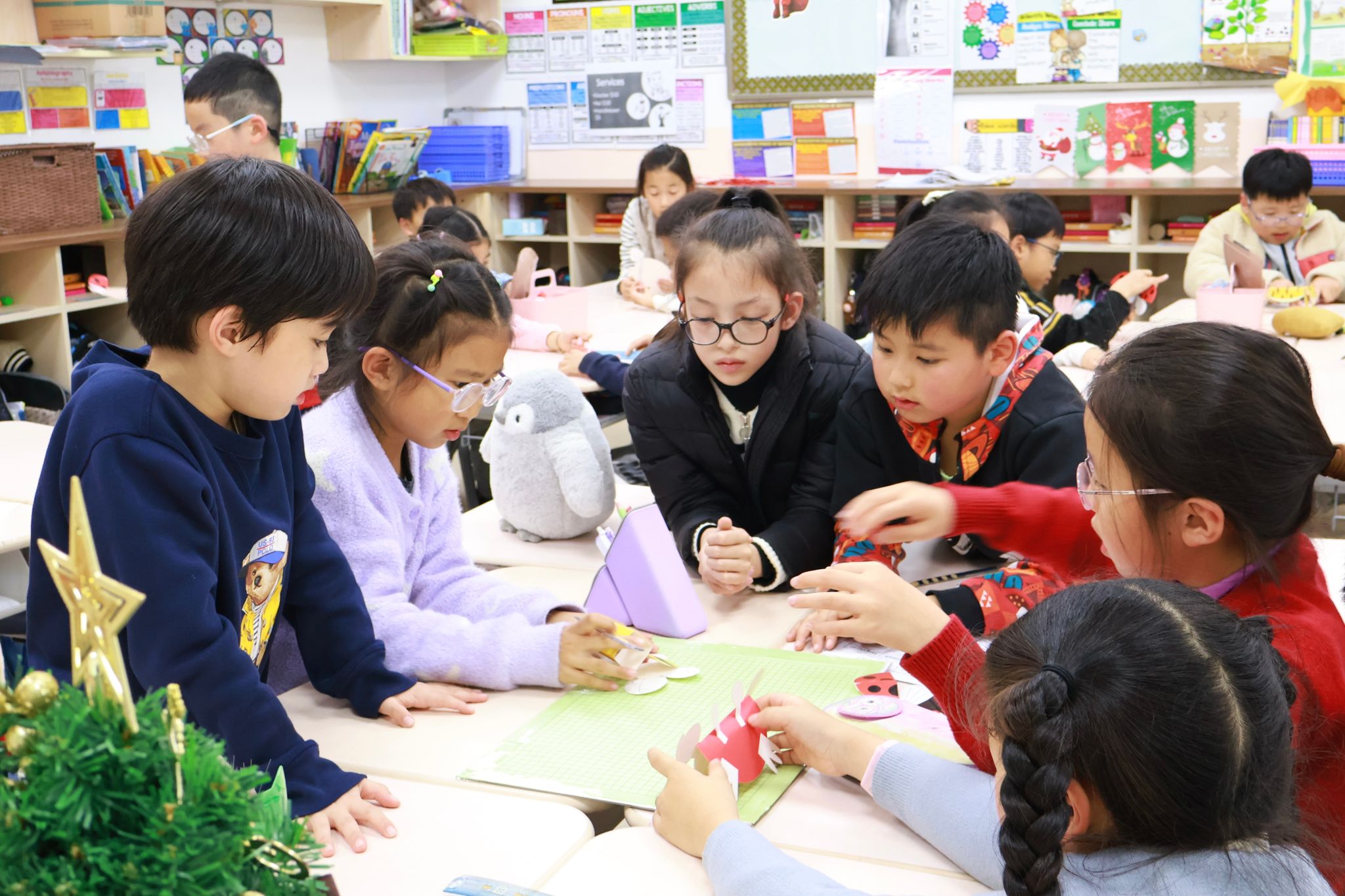
During the design stage, students applied their knowledge of three-dimensional shapes to create unique zoo scenes. Cylindrical trees, cube-shaped huts, spherical decorations—every detail reflected their creativity. They not only considered aesthetics but also used the concept of area to plan animal habitats and visitor areas thoughtfully. By connecting abstract geometric knowledge to real life, students experienced firsthand how math can be used in spatial planning.
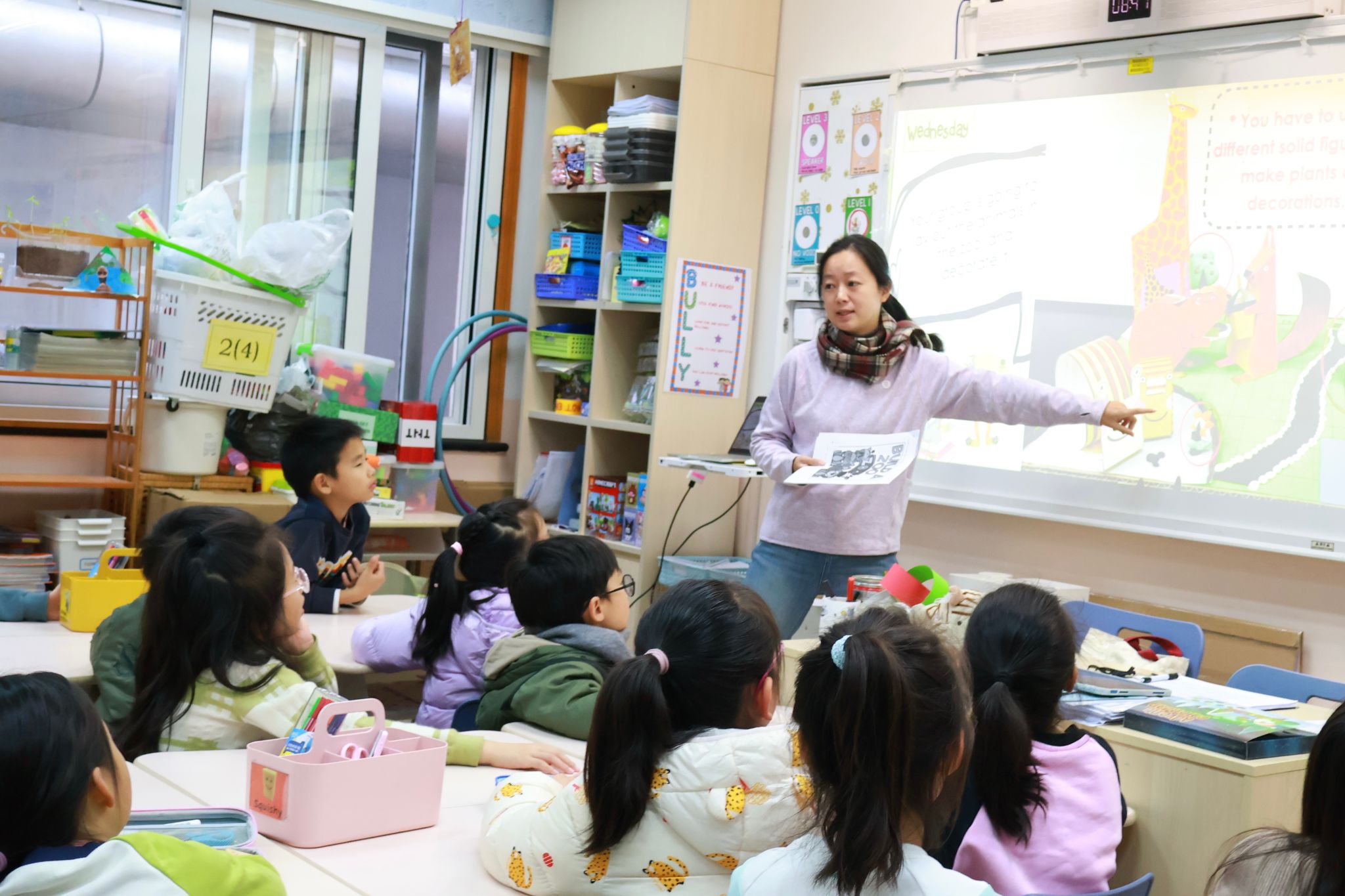
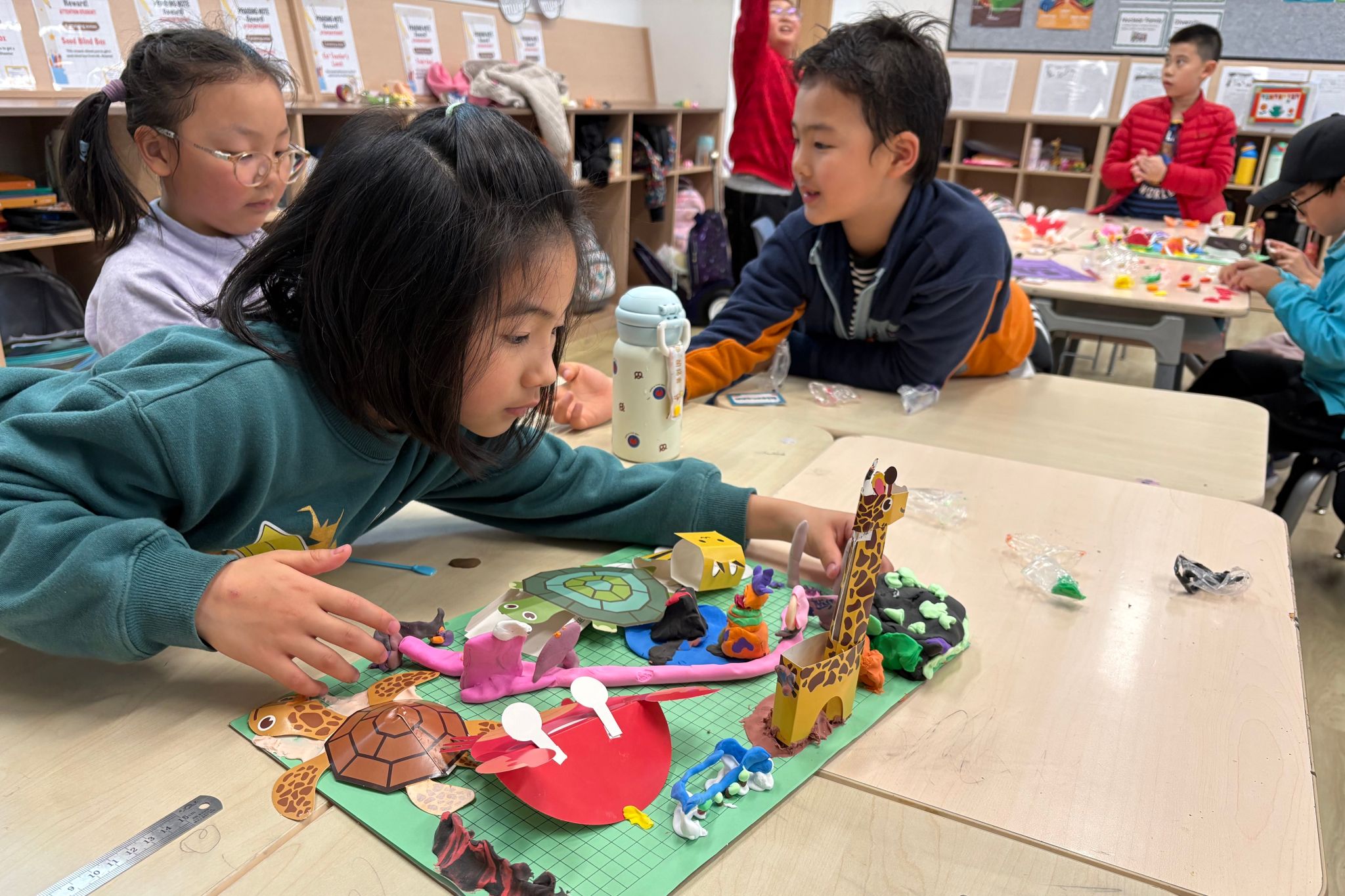
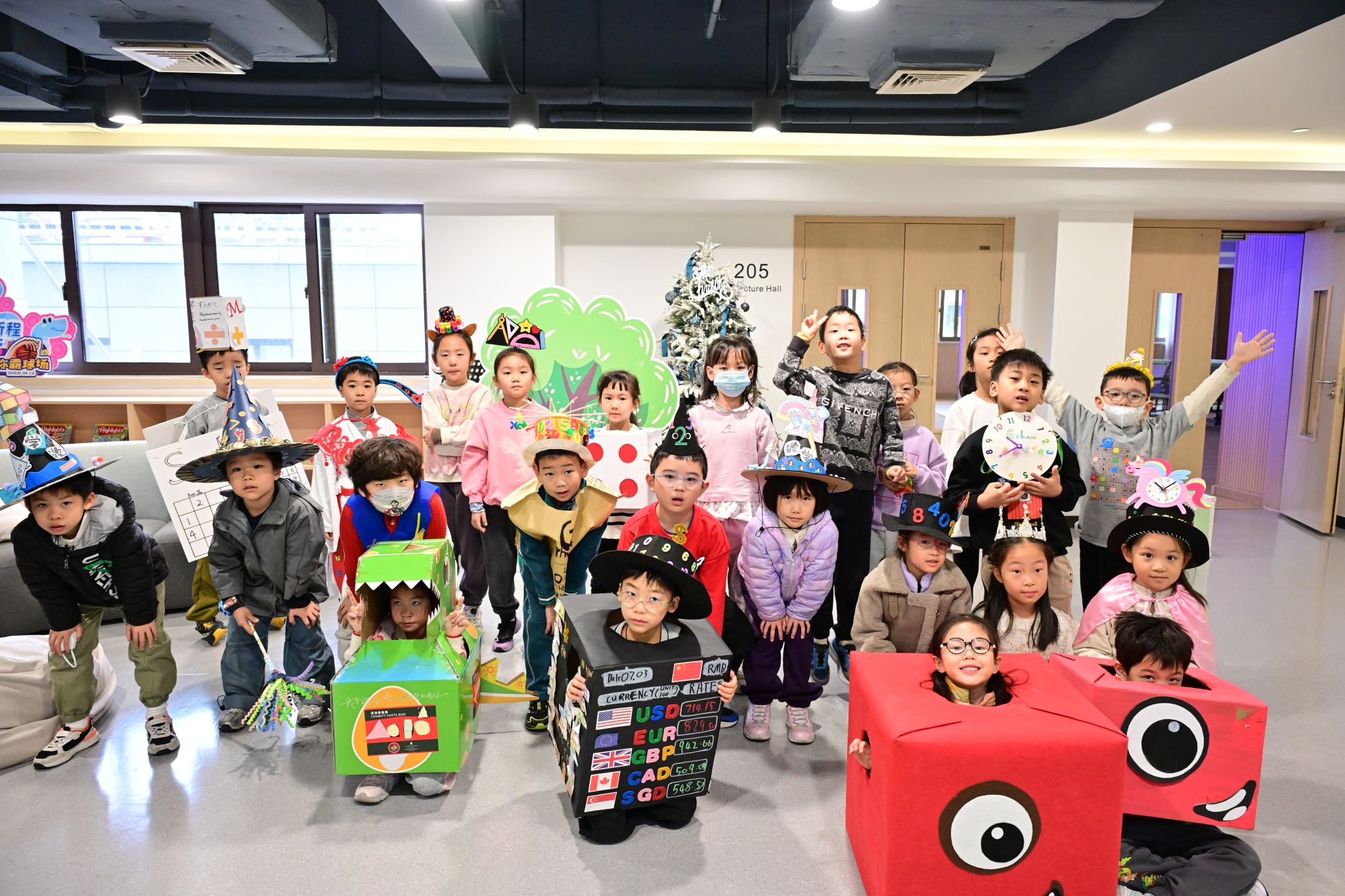
This week also featured a special event—the creative “Bingo Day.” Students wore outfits adorned with numbers, shapes, and other mathematical elements, turning the classroom into a colorful space full of math spirit. While searching for numbers, symbols, and geometric shapes on their classmates’ outfits, students deepened their understanding of mathematical concepts and enjoyed the fun of cooperation and sharing. Amid laughter and excitement, math was no longer dry calculations—it became tangible, playful, and full of discovery.
Setting Out with Math: Grade 3’s Interdisciplinary Exploration Team
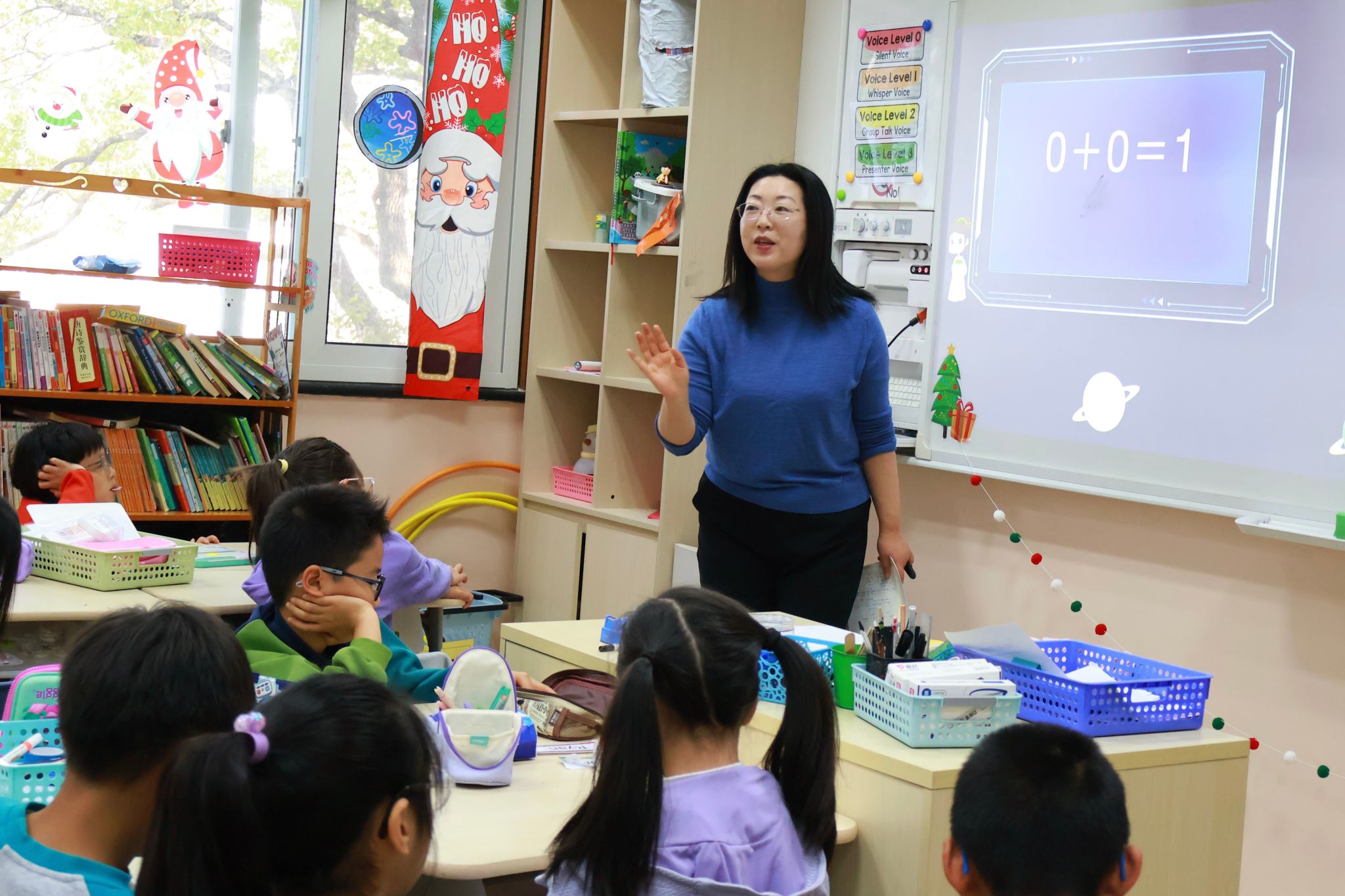
Grade 3 students embarked on a special “Warrior Journey” during Math Week. Guided by their companion Mathie, students completed a themed mission each day and unlocked a new skill badge, progressing step by step along five learning pathways—Language, Construction, Physical Skills, Art, and Self-Expression—on their way to becoming true Math Warriors.
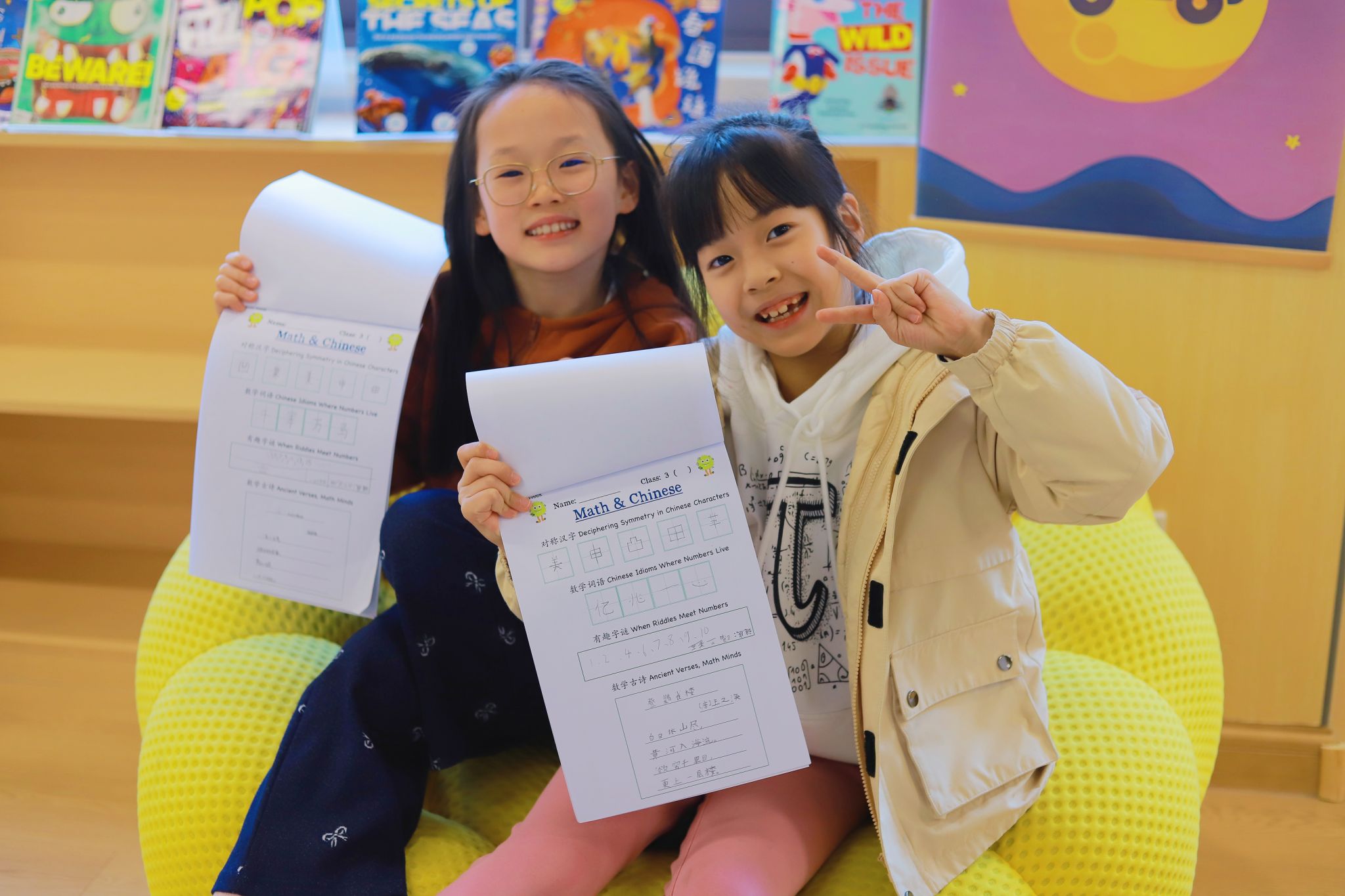
On the first day, students explored mathematical ideas hidden within Chinese language. By examining character structures, idioms, and classical poems, they discovered the deep connections between mathematics and linguistics. Symmetrical characters sparked discussions on geometric symmetry; idioms containing numbers revealed underlying logical patterns; and poetry rich with quantitative imagery illustrated the beautiful fusion of mathematics and culture. The classroom was filled with excitement: “We never knew Chinese had so many mathematical secrets!”
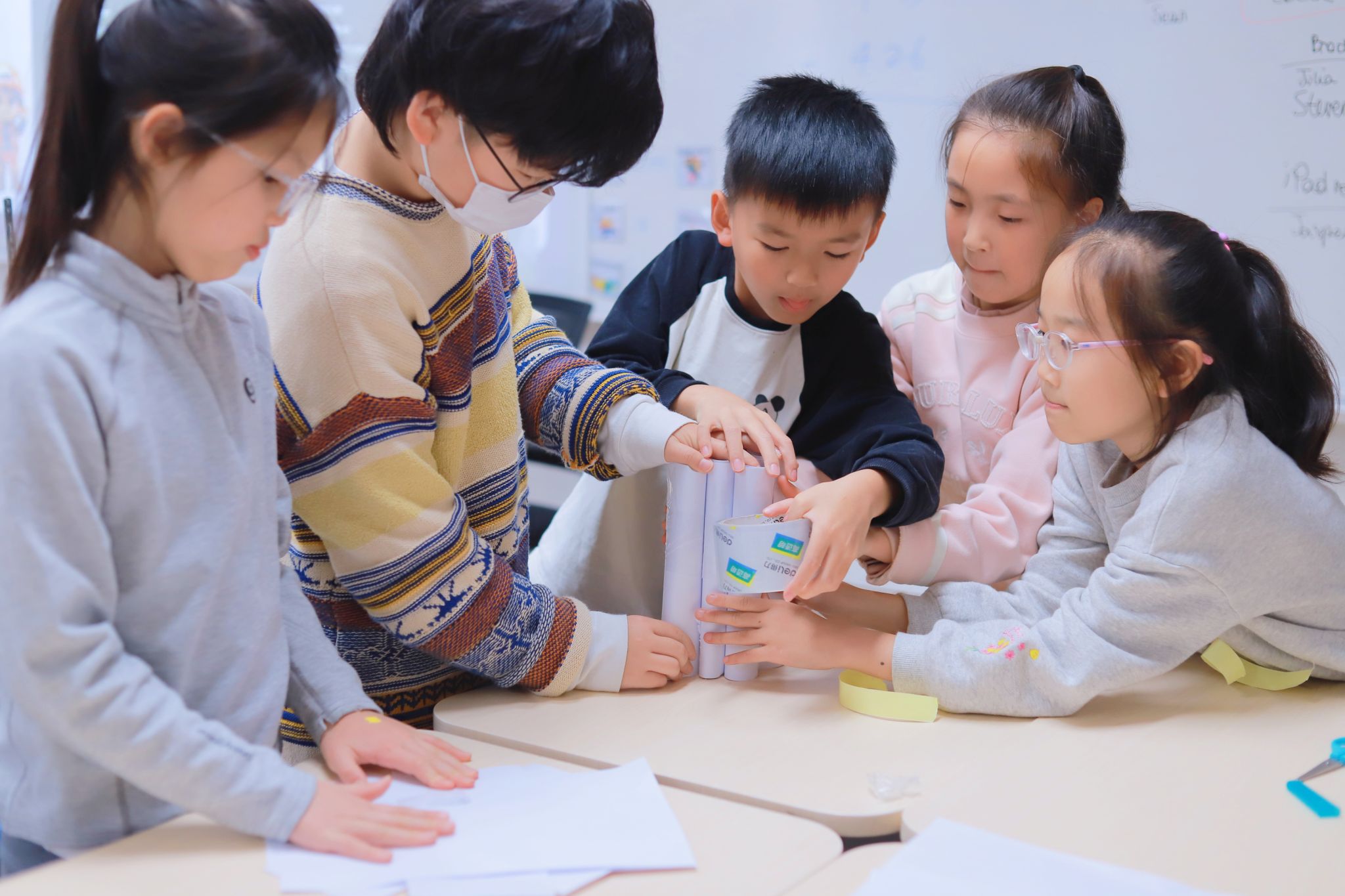
The second day transformed students into “little architects.” By observing real-world buildings and structural forms, they learned about triangles, cylinders, arches, and other common support shapes. Students then took on the challenge of building a paper bridge using limited materials. Through repeated trials and adjustments, they explored how to create the strongest possible structure, strengthening their teamwork and spatial reasoning. They soon realized that the stable buildings around us are all shaped by powerful mathematical design.
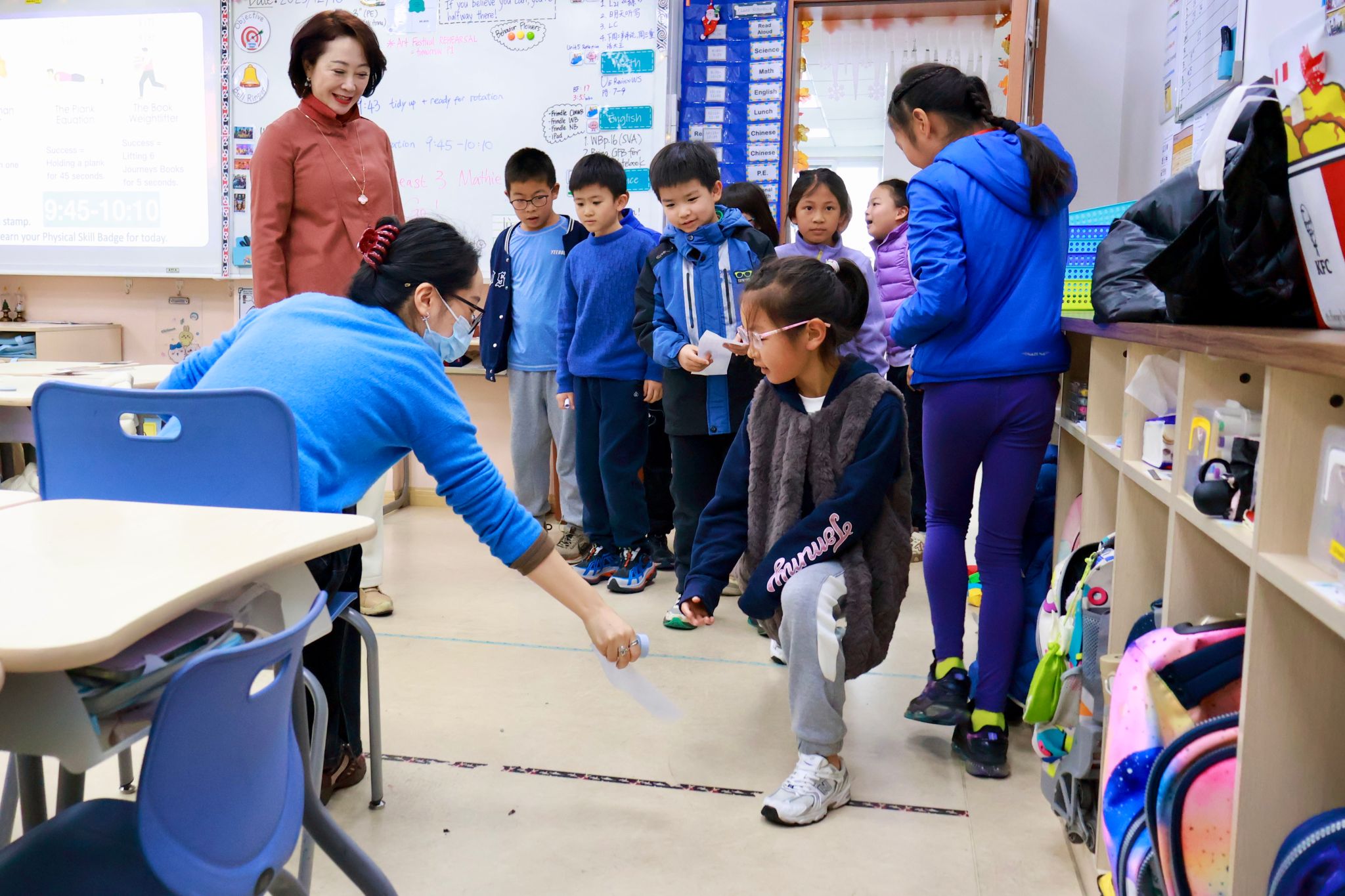
On the third day, students stepped into the world of sports, discovering how mathematics plays a key role in speed, distance, and strength. Through engaging Q&A activities, they learned the numerical stories behind world athletic records. They then participated in hands-on challenges involving measurement, timing, estimation, and calculation. Whether balancing on one foot while counting, measuring a 90 cm stride, estimating the weight of books, or completing a core strength challenge, students saw firsthand how math lives in every movement.
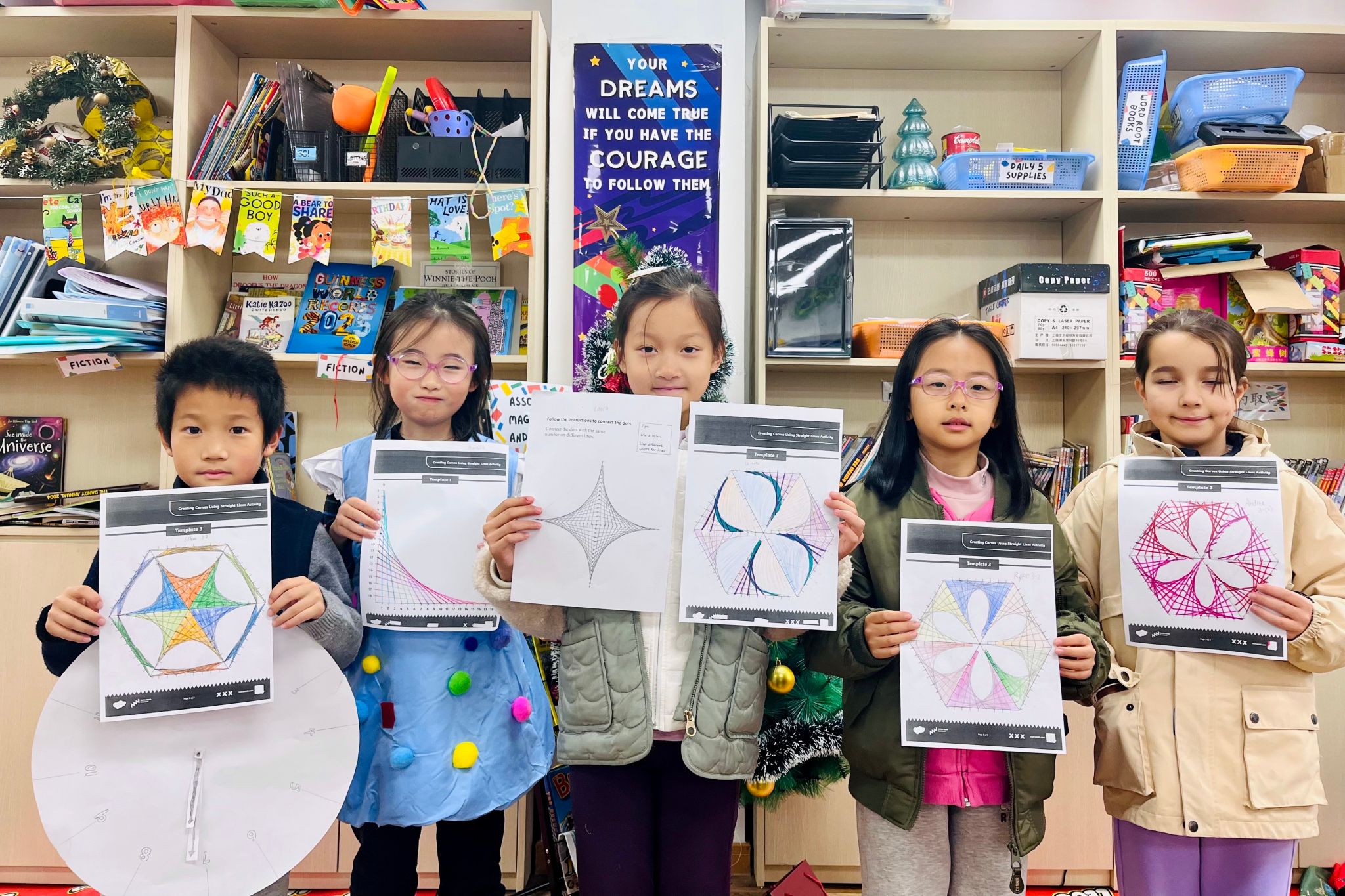
On Art Day, students studied iconic works by artists such as Piet Mondrian and Yayoi Kusama and learned about the mathematical concepts embedded in proportion, shape, and composition. They then created their own artworks by drawing curves using only straight lines, connecting points on coordinate grids, and adding colors to complete visually striking pieces. Each student produced a unique creation that beautifully combined mathematical logic with artistic expression.
The final day of Math Week brought the most excitement. During “Math Dress-Up Day,” students arrived in creatively designed outfits featuring mathematical elements: geometric shapes, number patterns, time markers, charts, and more. Mathematics became visible and wearable throughout the campus. The Math Bingo activity added even more fun, as students enthusiastically searched for mathematical features on one another’s outfits, bringing the week to a joyful and meaningful close.
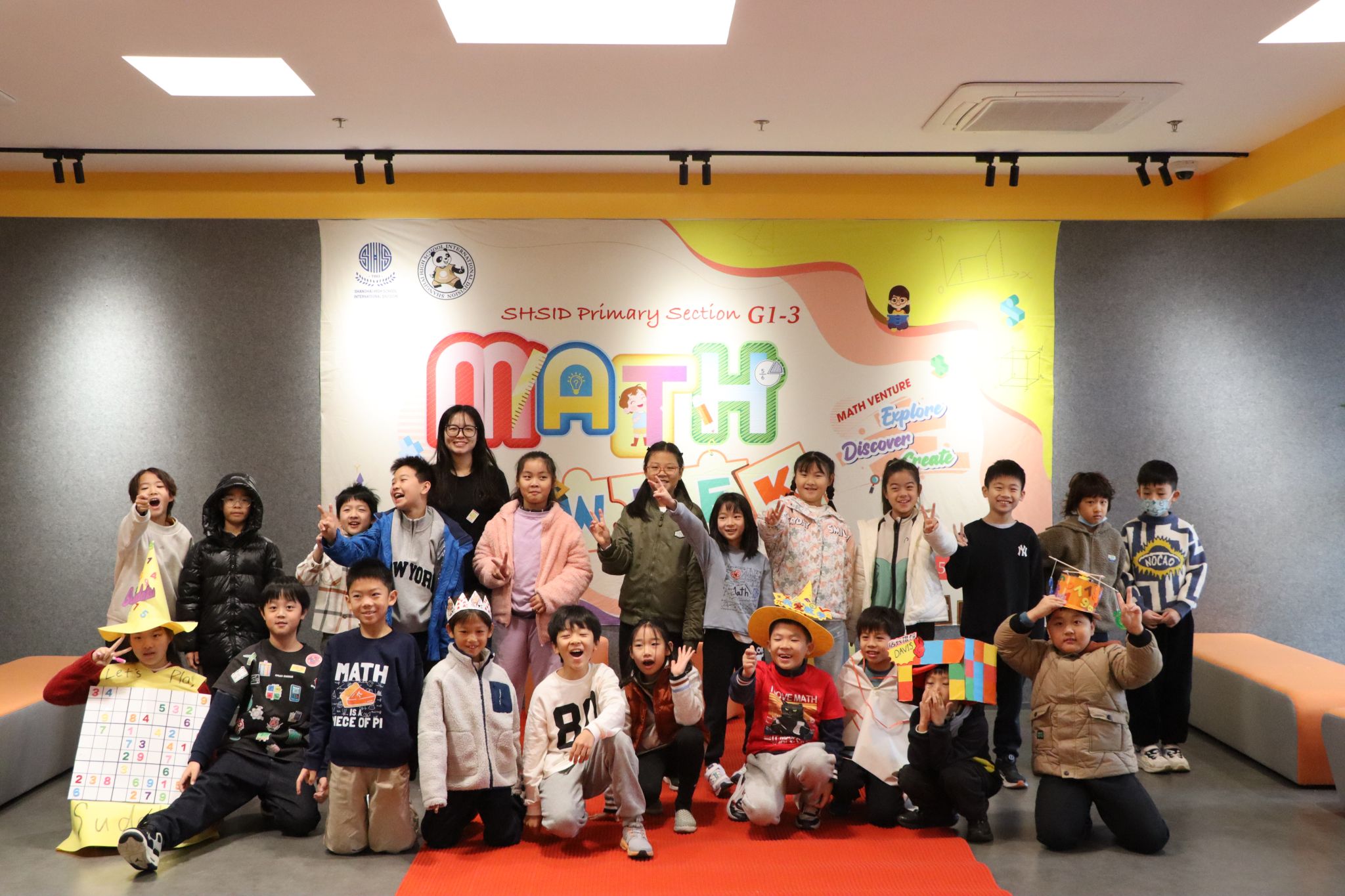
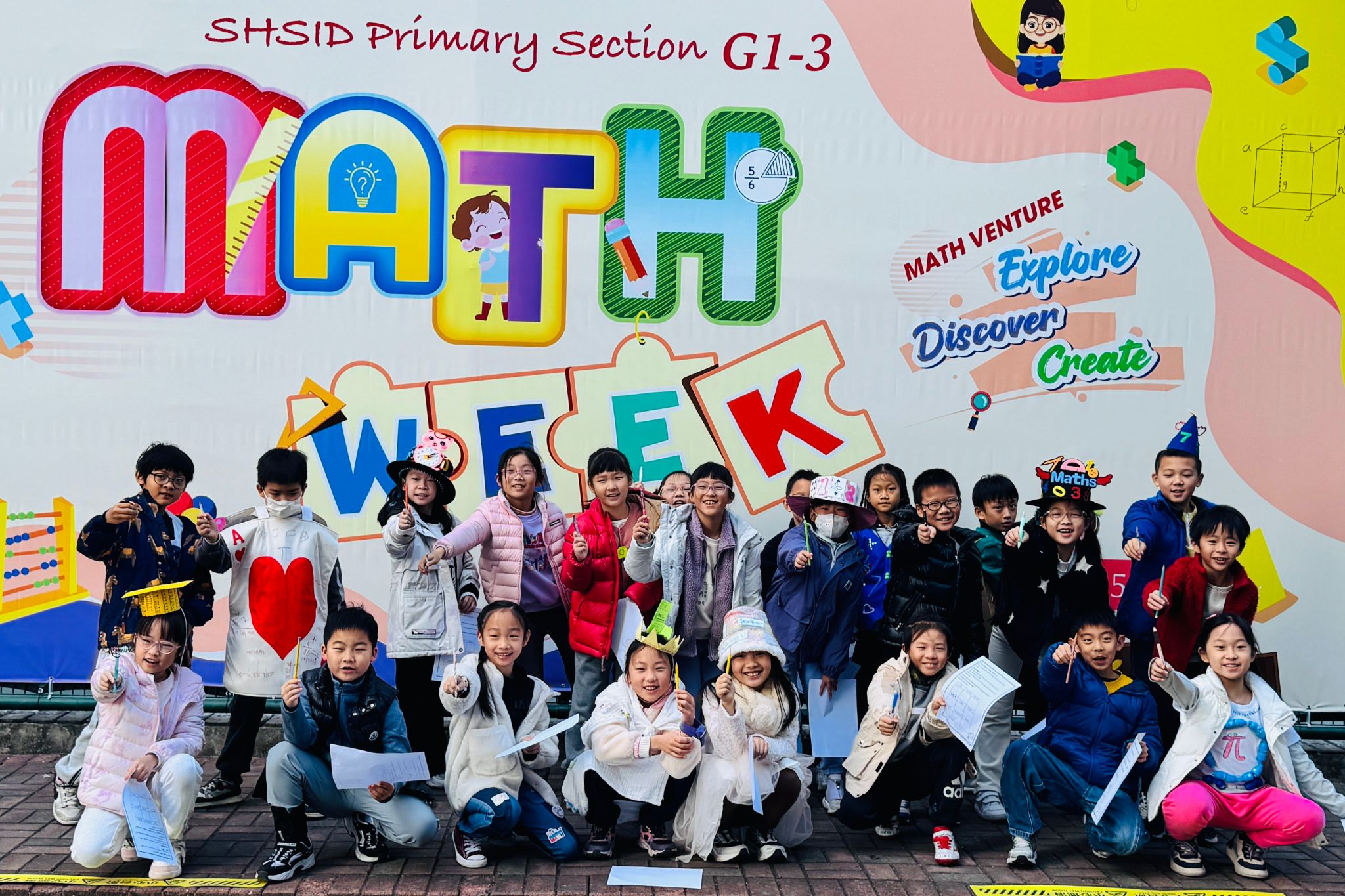
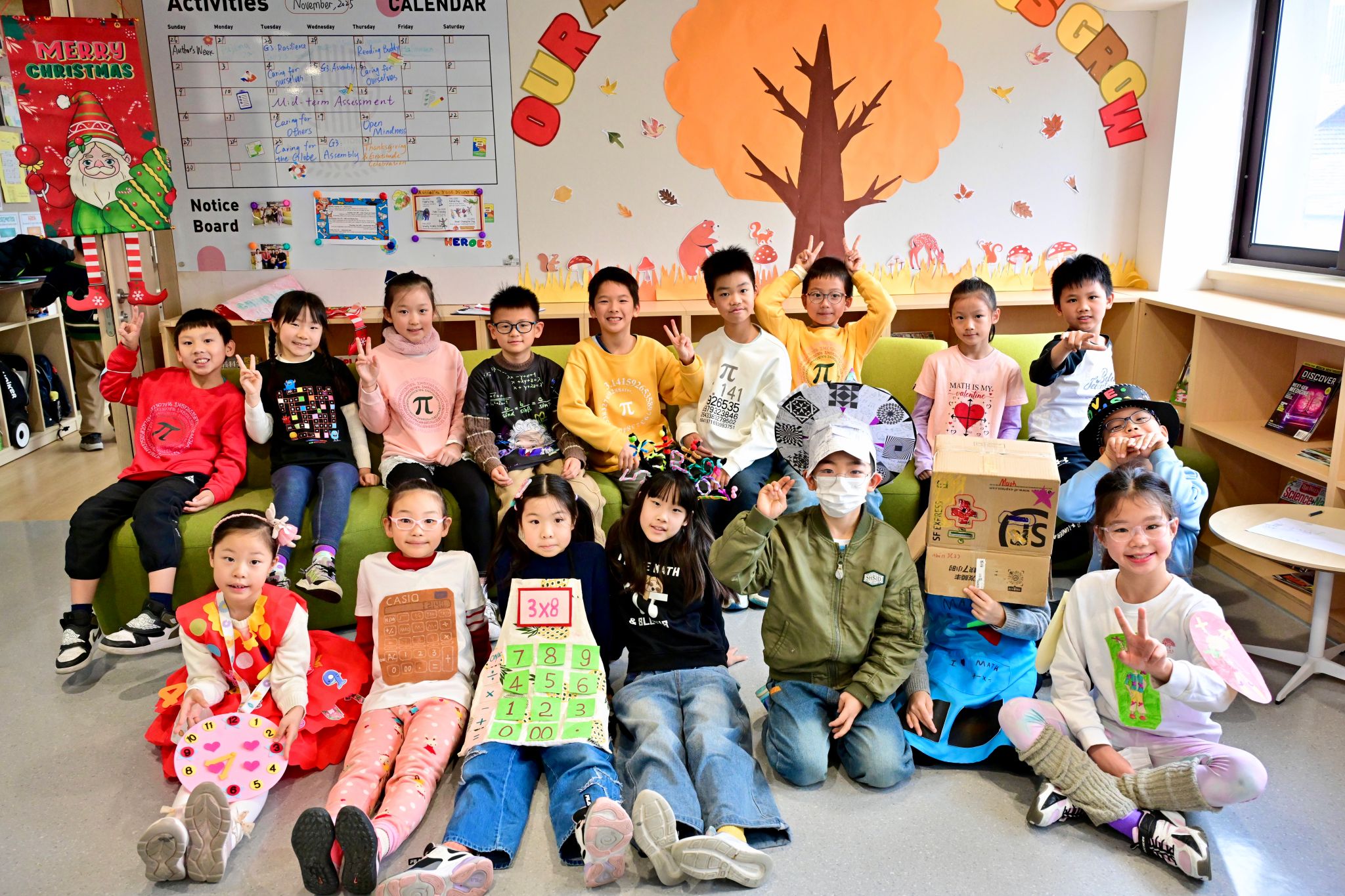
On the final day of Math Week, the atmosphere was at its liveliest. With the start of “Math Costume Day,” students’ carefully designed outfits featuring mathematical elements were everywhere: geometric shapes, number patterns, time scales, chart designs… Math came to life in a visual and tangible way on every student. The day’s Math Bingo activity brought the week’s learning to a thrilling climax, as students excitedly moved through the crowd, searching for various mathematical elements on their classmates’ outfits, bringing this week of learning to a fun and meaningful close.
(Written by Yuanjing Zhang, Yu Lin, Jiahui Wen
Pictures by Siying Li, Homeroom teachers
Reviewed by Ms. Zhang Yi, Andrea Wang, Yonghui Chen, Lihui Zhang, Xumei Ge, Shiyu Wu, Grace Gilmore)