-
ABOUT US
-
ACADEMICS
Curriculum Program
Departments
- English
- High School Chinese
- Primary and Junior School Chinese.
- High School Mathematics
- Middle School Mathematics
- Primary School Mathematics
- Music and Fine Arts
- Physical Education
- Physics
- Chemistry
- History and Geography
- Physical Science and Optional courses Department
- Middle School Biology
- High School Biology
- Social Sciences
- Computer Science
- Courses in Primary School
Achievements and Matriculations
College Counseling
Science & Technology Innovation Contest
Subject Competition
-
ARTS
-
ATHLETICS
-
AT SHSID
SHSID ∣ TIMES
PTSA
Club Exhibition
- 龙吟社
- Live 2 Drama
- Choir
- Hip-pop Dance Club
- The Primary School Dance Troupe
- Symposiums Club
- Biology Workshop
- You Shan
- VEX Robotic
- Peking Opera Club
- Baseball Club
- Model United Nations
- The World Scholar’s Cup
- Future Problem Solving Club
- United States Academic Pentathlon
- OM Club
- AMC Club
- Music for Patients
- SHSID Gazette
- Smile Charity
- Cultural Moments
- SciAcademy
- Stem Doge Alliance
- Chinese Debate Club
- IAA
- Mock Trial Club
- Zhengming Club
- Furry Friends
- GT-Racing
- Village Radio
- IMMC Club
- Creative Design and Intelligent Fabrication
- Future City Research Project
- ECOCAP
- AdvocaSEA
- SPDC
- Medishine
- Floorball Club
- Animusic MTC
- Wings Up
- All Booked
- Cyano
- Birding Community
Health and Wellness
Campus Safety
Cafeteria Service
-
ADMINISTRATION
-
ADMISSIONS
-
ALUMNI
Alumni Information
Honors Students
- Class of 2025
- Class of 2024
- Class of 2023
- Class of 2022
- Class of 2021
- Class of 2020
- Class of 2019
- Class of 2018
- Class of 2017
- Class of 2016
- Class of 2015
- Class of 2014
- Class of 2013
- Class of 2012
- Class of 2011
- Class of 2010
- Class of 2009
- Class of 2008
- Class of 2007
- Class of 2006
Who Studied at SHSID
SHS Foundation
-
DOCUMENTS
Puxi Campus G4-5: Science Week
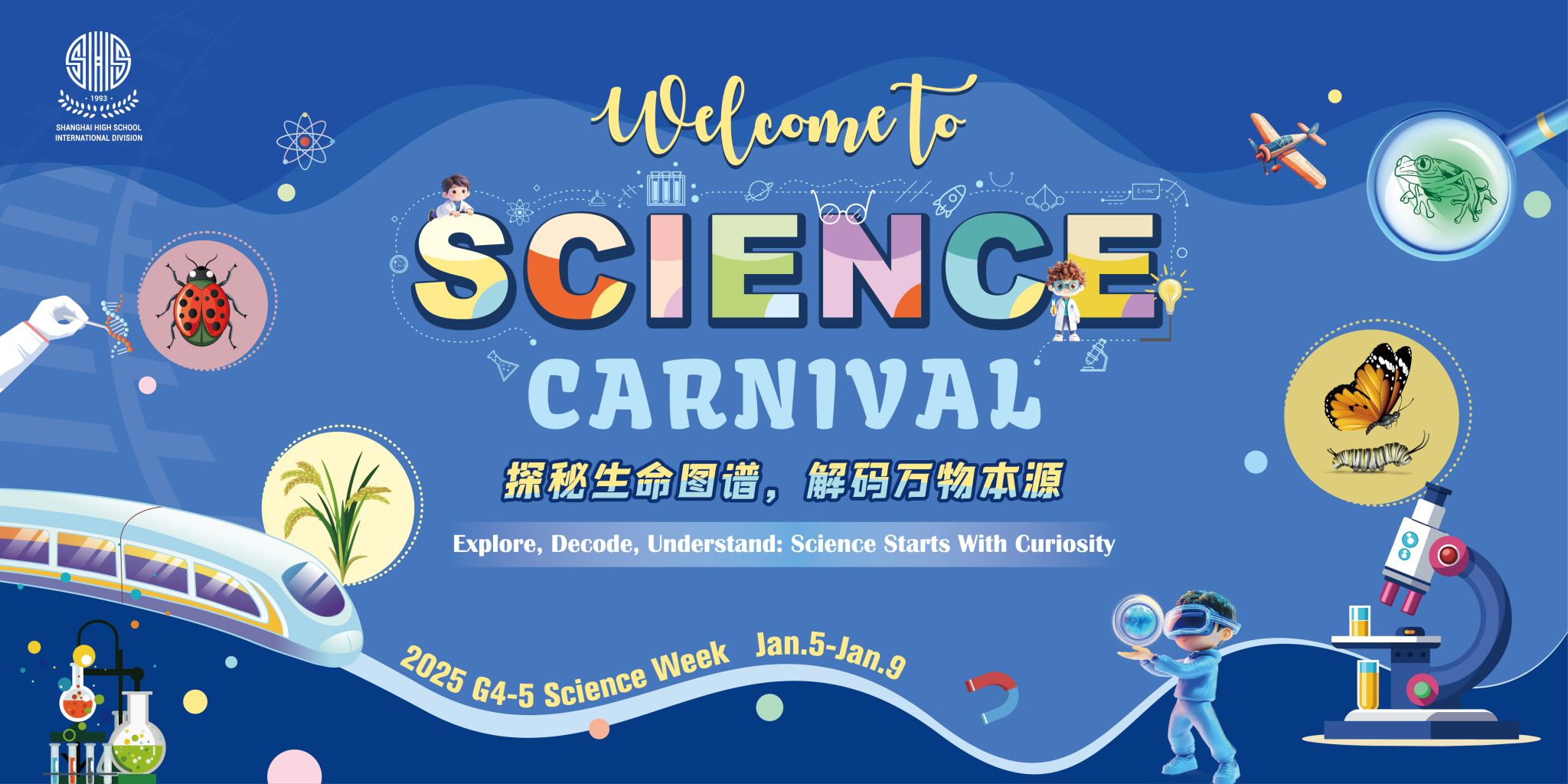
As winter deepened, the passion for knowledge burned ever brighter. From January 5 to January 9, the Grade 4-5 of the SHSID, Puxi Campus successfully hosted a week-long, multidimensional science celebration themed "Explore, Decode, Understand: Science Starts With Curiosity." Spanning both classroom learning and hands-on experiences, seamlessly integrating theory with practice, the event invited students to immerse themselves in the joy of scientific inquiry. Through observation, experimentation, and creation, students explored the mysteries of life and nature - discovering science not just as knowledge, but as a living, evolving process.
Chapter One: Seeking the Source in the Classroom·Decoding the Foundations of Science
Science Week began as early as Monday in the science classroom, where students set out everyday experiments to gradually uncover the fundamental laws governing the natural world.
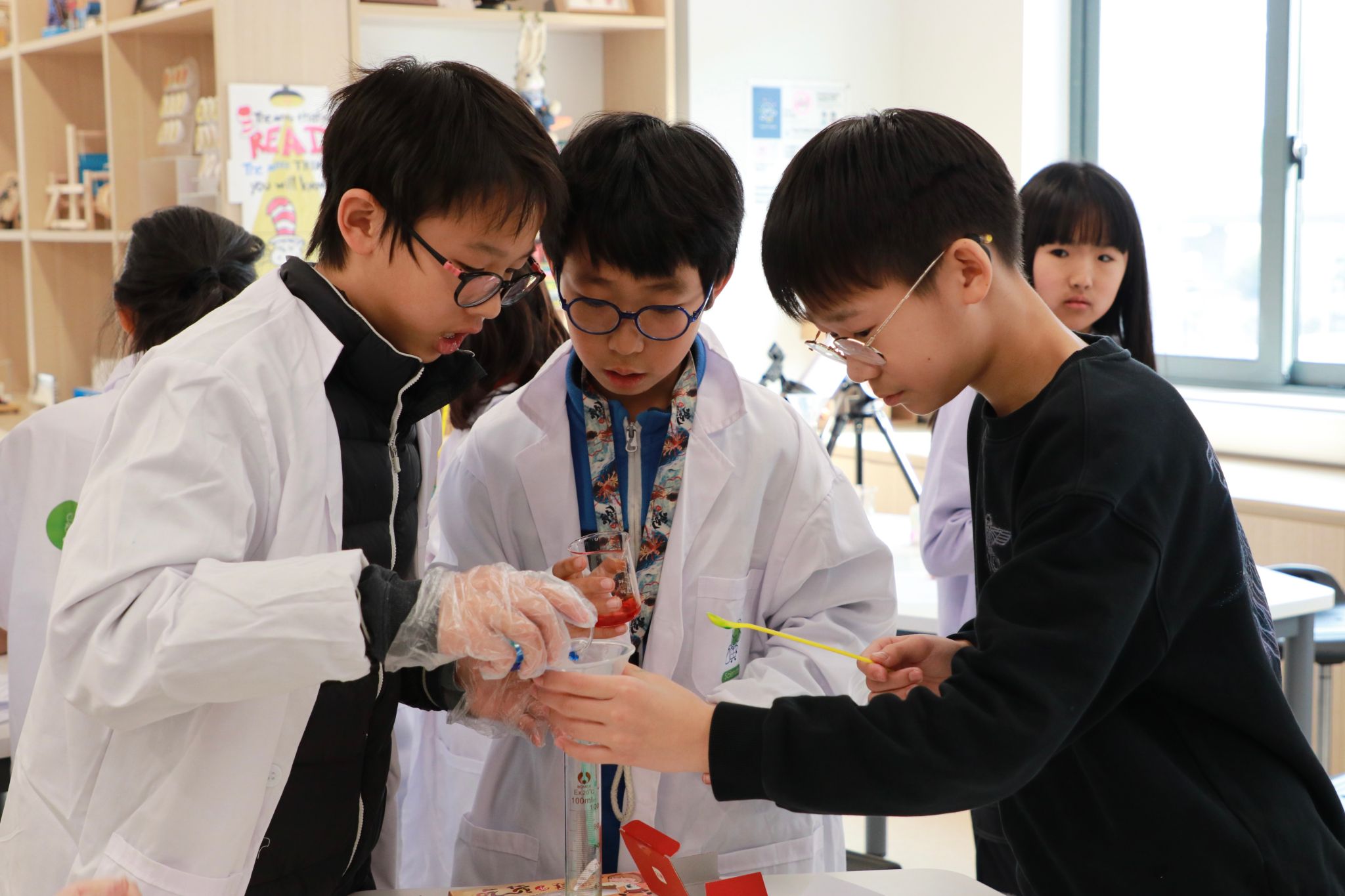
On Monday, Grade 5 students created salt solutions of varying concentrations and added colorants to produce stunning layered effects. What appeared to be a visual spectacle was, in fact, a vivid and intuitive exploration of density, one of the fundamental scientific properties of matter.
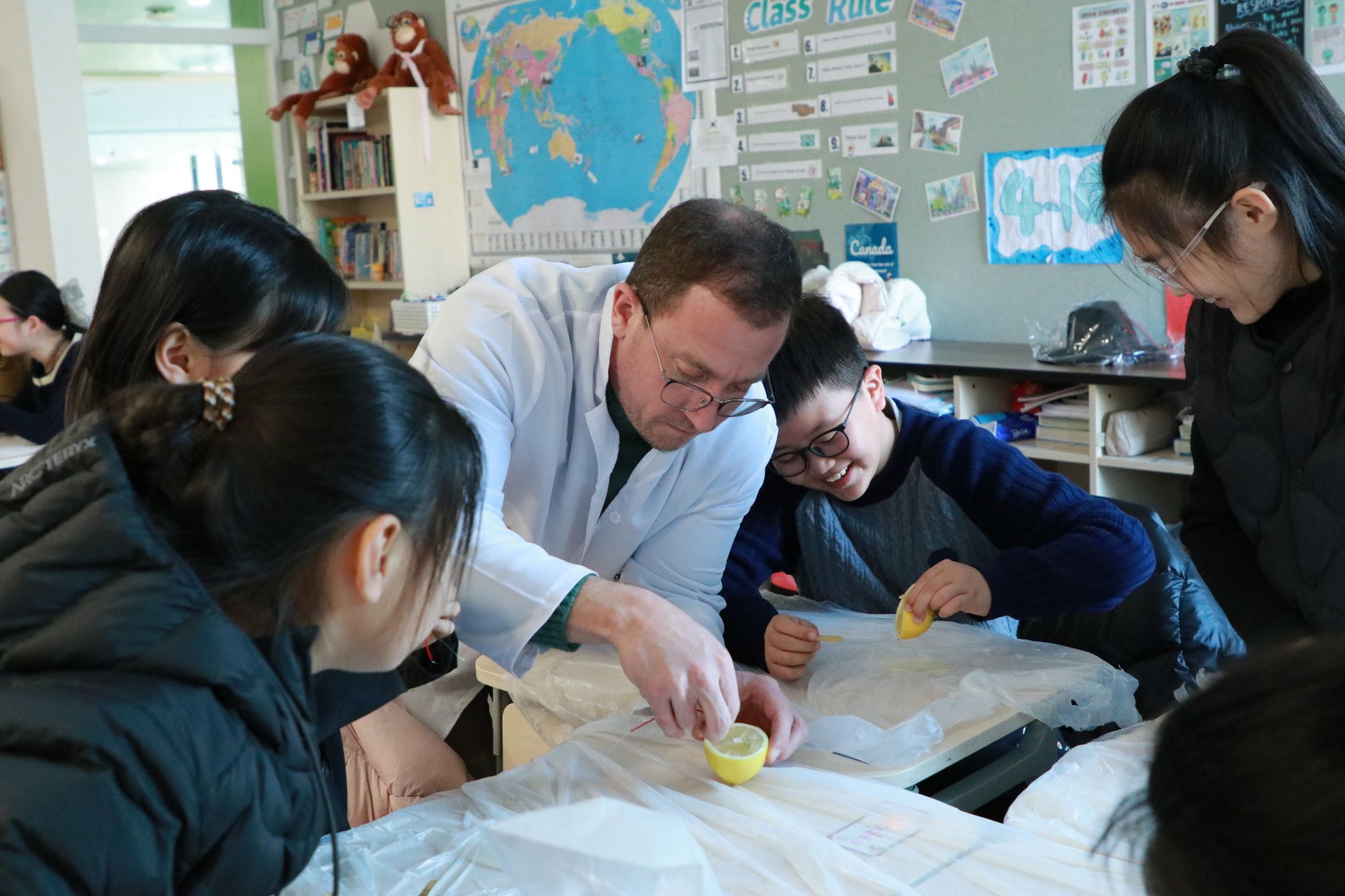
On Tuesday, Grade 4 students attended a special lecture titled "Butterfly and Moth Diversity" delivered by Mr. Zhang Ning. Through rich visual examples, Mr. Zhang vividly illustrated differences in appearance, behavior, and habitats among butterflies and moths. Drawing on his own experiences-from specimen collection to the development of global cultural and creative projects-he demonstrated how a love for life can be transformed into sustained exploration and innovation.

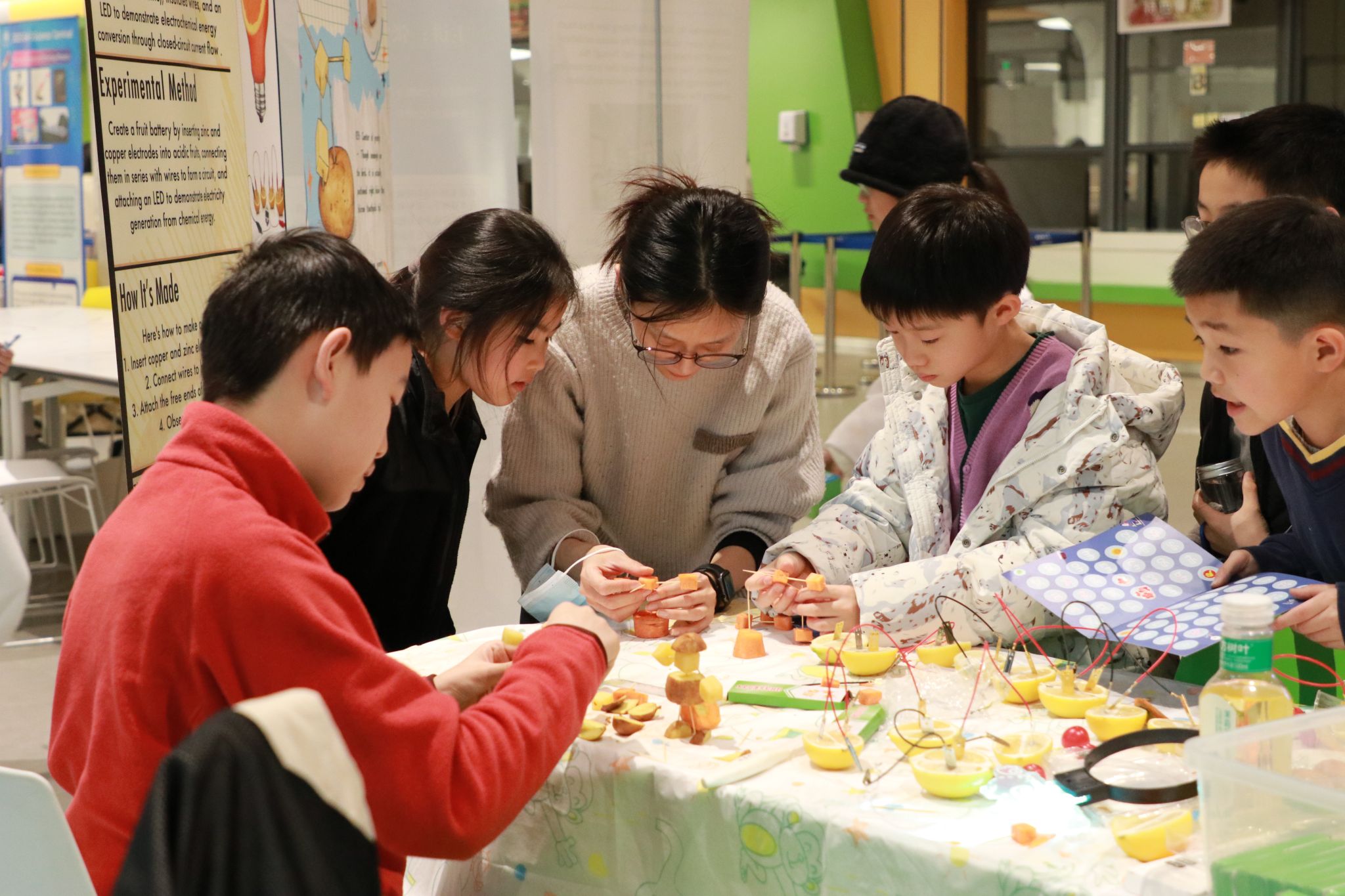
During Wednesday's science class, Grade 4 students constructed fruit batteries using various fruits. Through repeated adjustments of electrodes and substitutions of fruits, they ultimately succeeded in lighting up LEDs. The cheers that followed proved to be the most direct celebration of the scientific principle of chemical energy being converted into electrical energy.
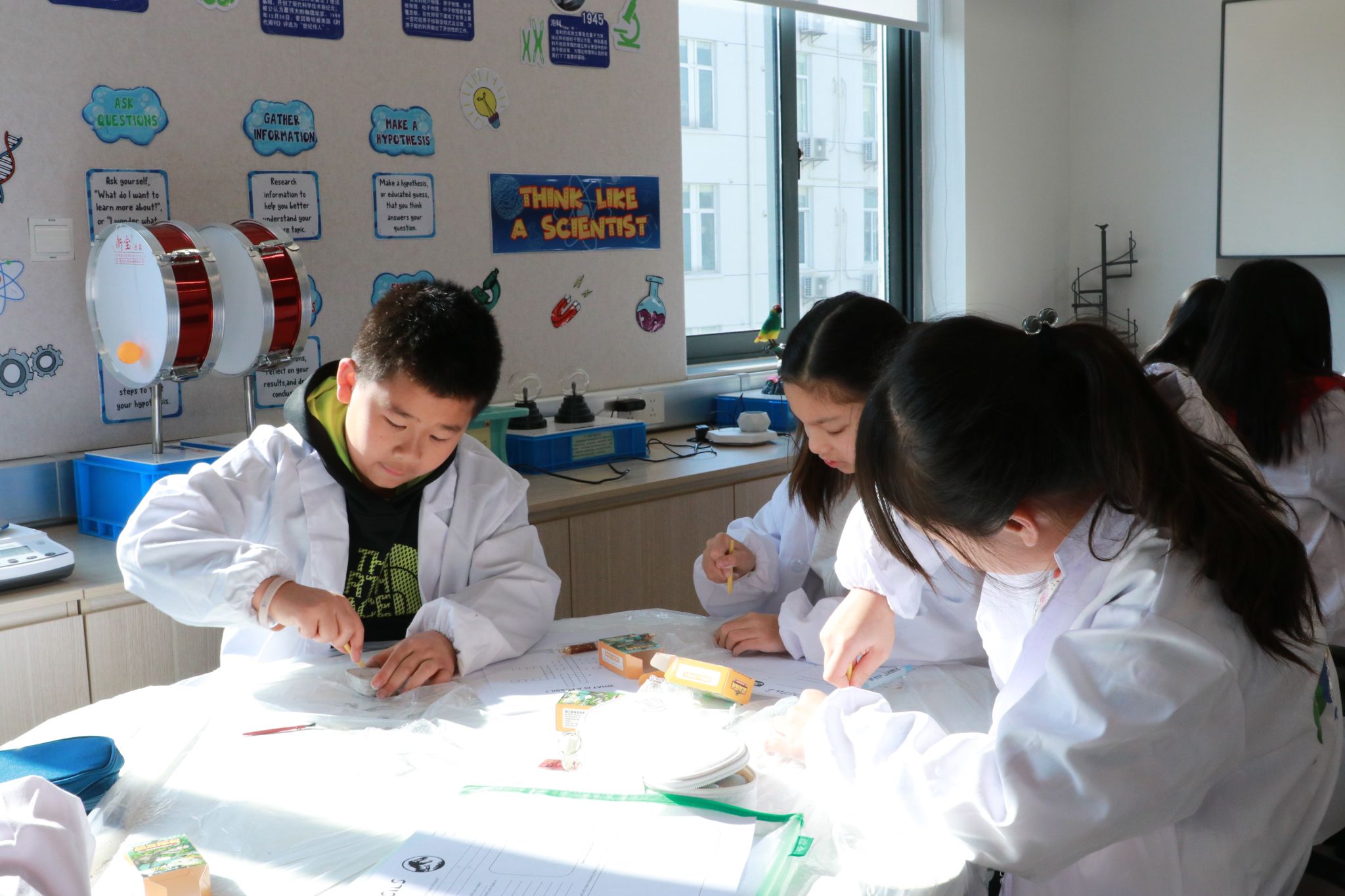
On Friday, Grade 5 students became "paleontological restorers," crafting fossil models with ultra-light clay. As they shaped and refined their creations, they were not only recreating forms, but also touching the traces of time and interpreting the silent language of life's evolution.
Chapter Two: The Science Carnival·Co-creating a Landscape of Exploration
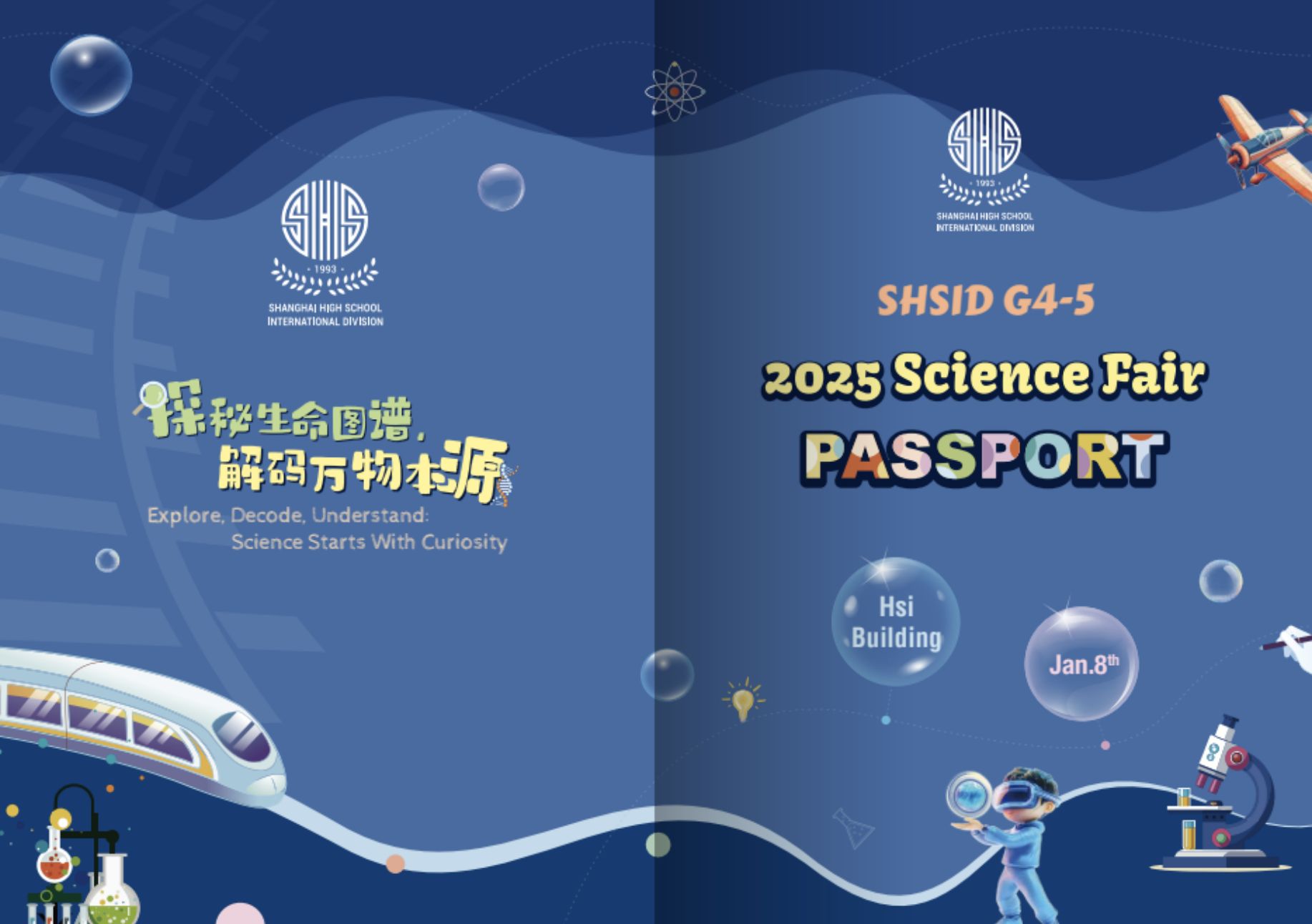
As enthusiasm built through classroom learning, the Science Carnival officially opened on Thursday afternoon. The West Campus cafeteria was transformed into an immersive playground where science met creativity. Project-based learning teams, student clubs, external experts, parent volunteers, and student-led research groups all gathered to present a rich and highly interactive science festival. With "Science Passports" in hand, students moved freely between booths, experiencing the joy of exploration through hands-on activities and dialogue.
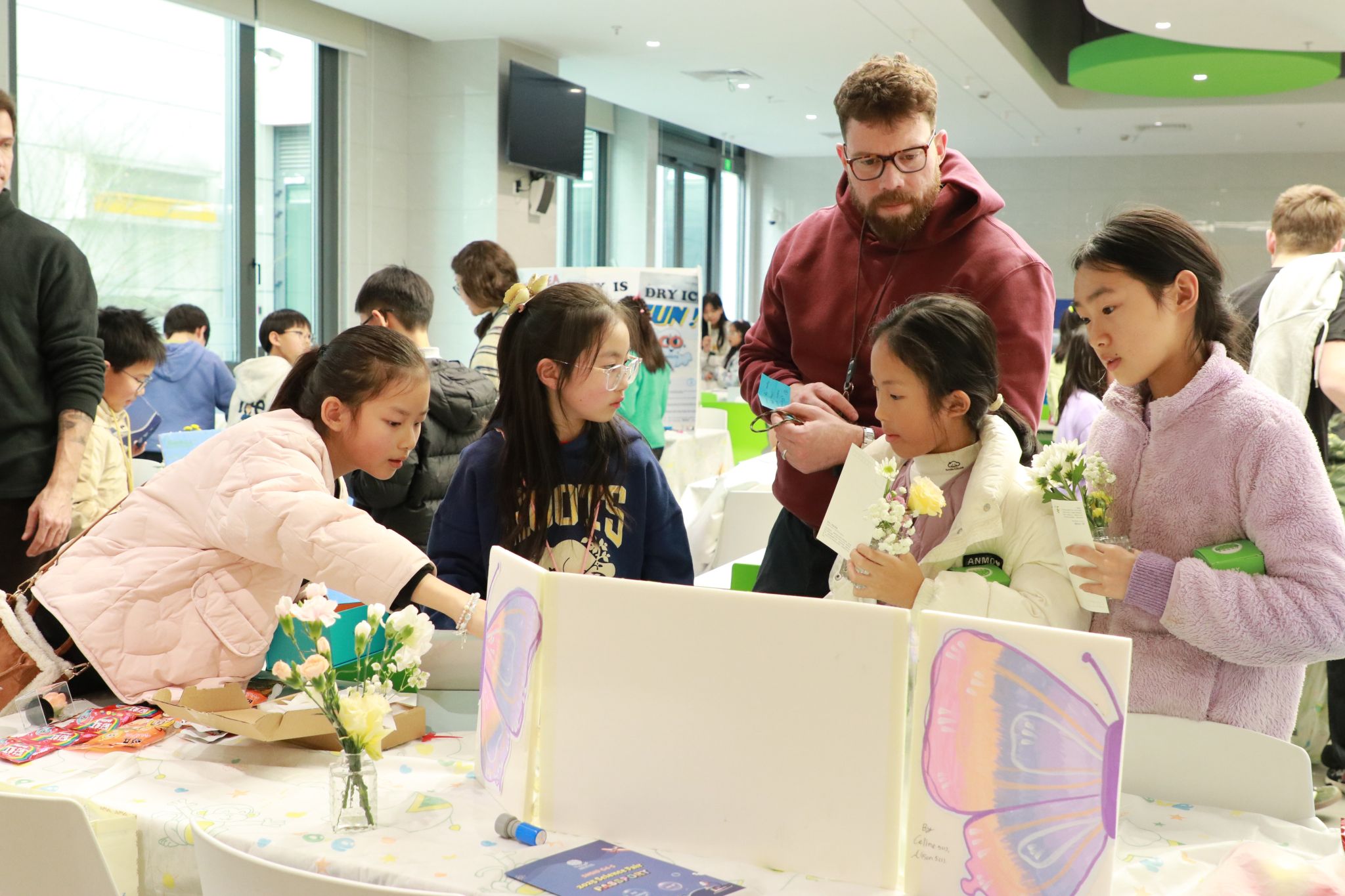
The student-led project exhibition area resembled a vibrant "science marketplace," with 60 booths showcasing students' curiosity-driven inquiry and creative energy. Topics ranged from robotics programming, circuit design, and electrostatic experiments to environmental initiatives such as upcycling waste materials, physics-based stuntcars, interactive energy transformation experiments, and intelligent cleaning robots.
Behind each booth was a fully student-driven mini research project, where students shared not only scientific knowledge, but also their spirit for exploration and initiative.
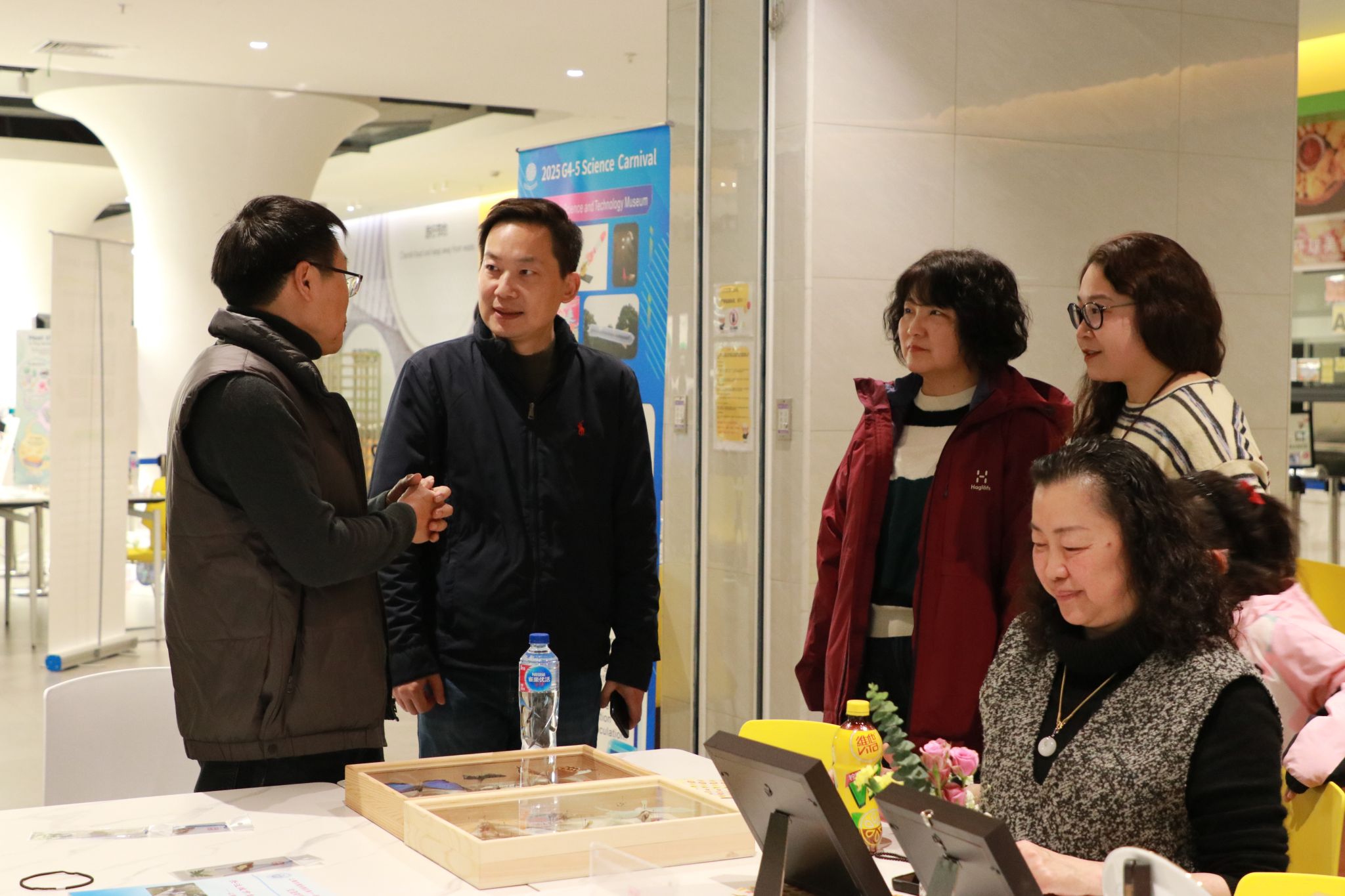
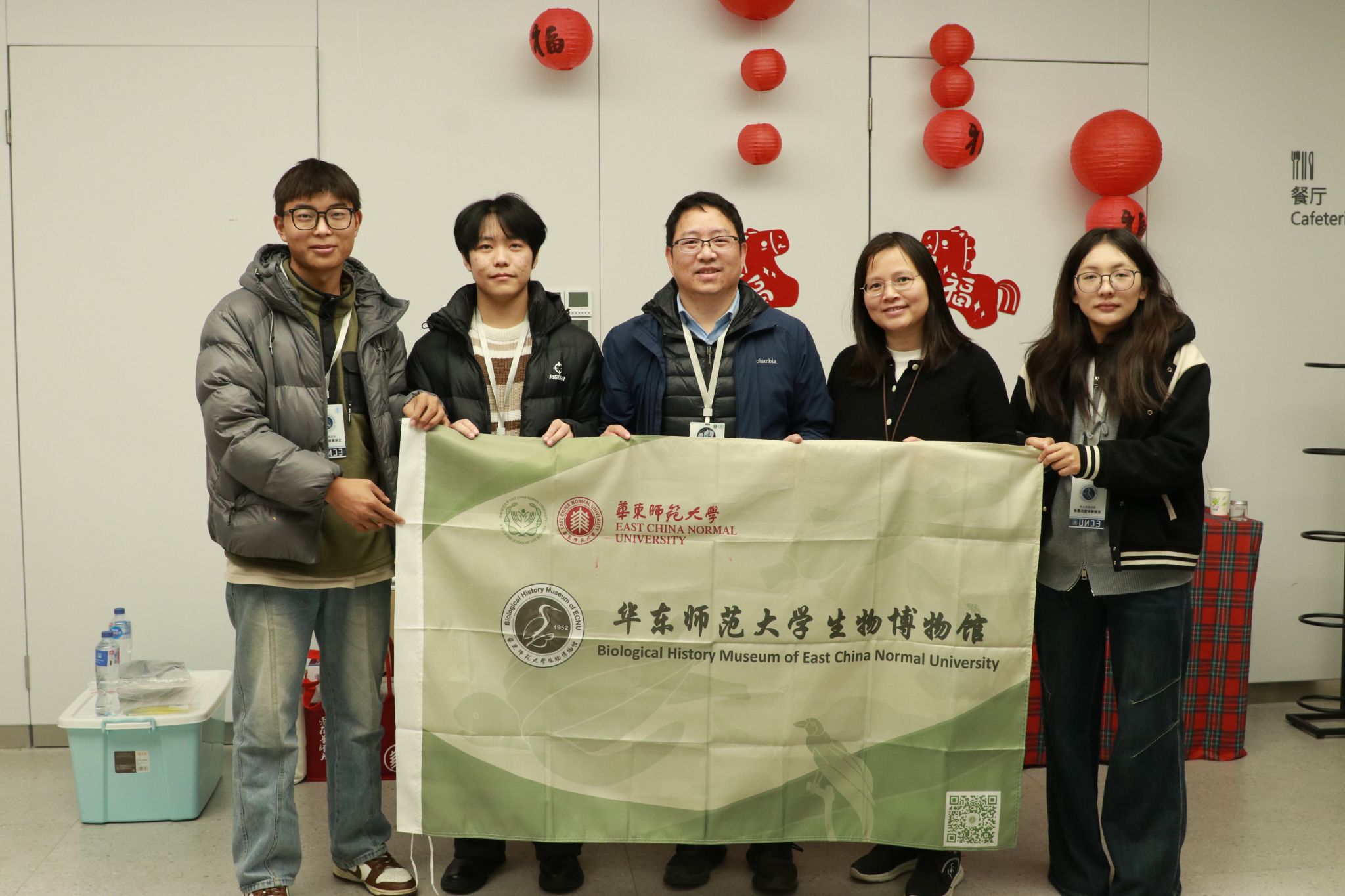
As a key part of the external expert team, educators from the East China Normal University Specimen Museum, Shanghai Botanical Garden, and the Shanghai Science and Technology Museum brought structured, hands-on learning experiences to the carnival.
At the ECNU Specimen Museum booth, students explored the microscopic world through microscopes while viewing precious biological specimens and meticulously curated insect and bird handbooks from the campus, embarking on a systematic journey from the micro to the macro world.
Researchers from the Shanghai Botanical Garden guided students through activities such as identifying nationally protected plants, uncovering survival "fun facts," and designing conservation plans, using interactive challenges, quizzes, and creative tasks to spark deep and engaging awareness of plant conservation. Meanwhile, instructors from the Science and Technology Museum revealed the principles behind lift generation and flight stability through repeated experiments involving takeoff, descent, and rotation.
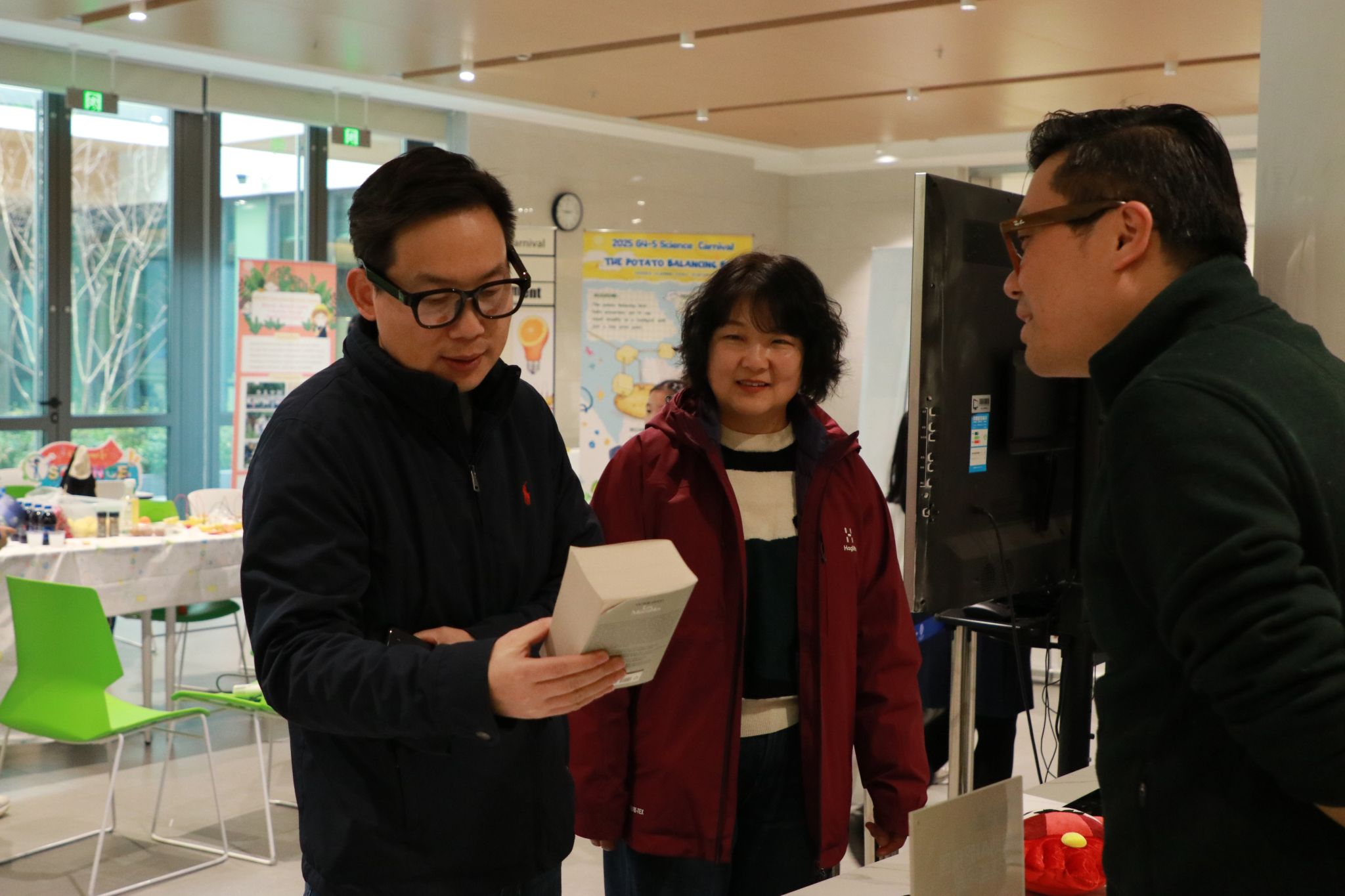
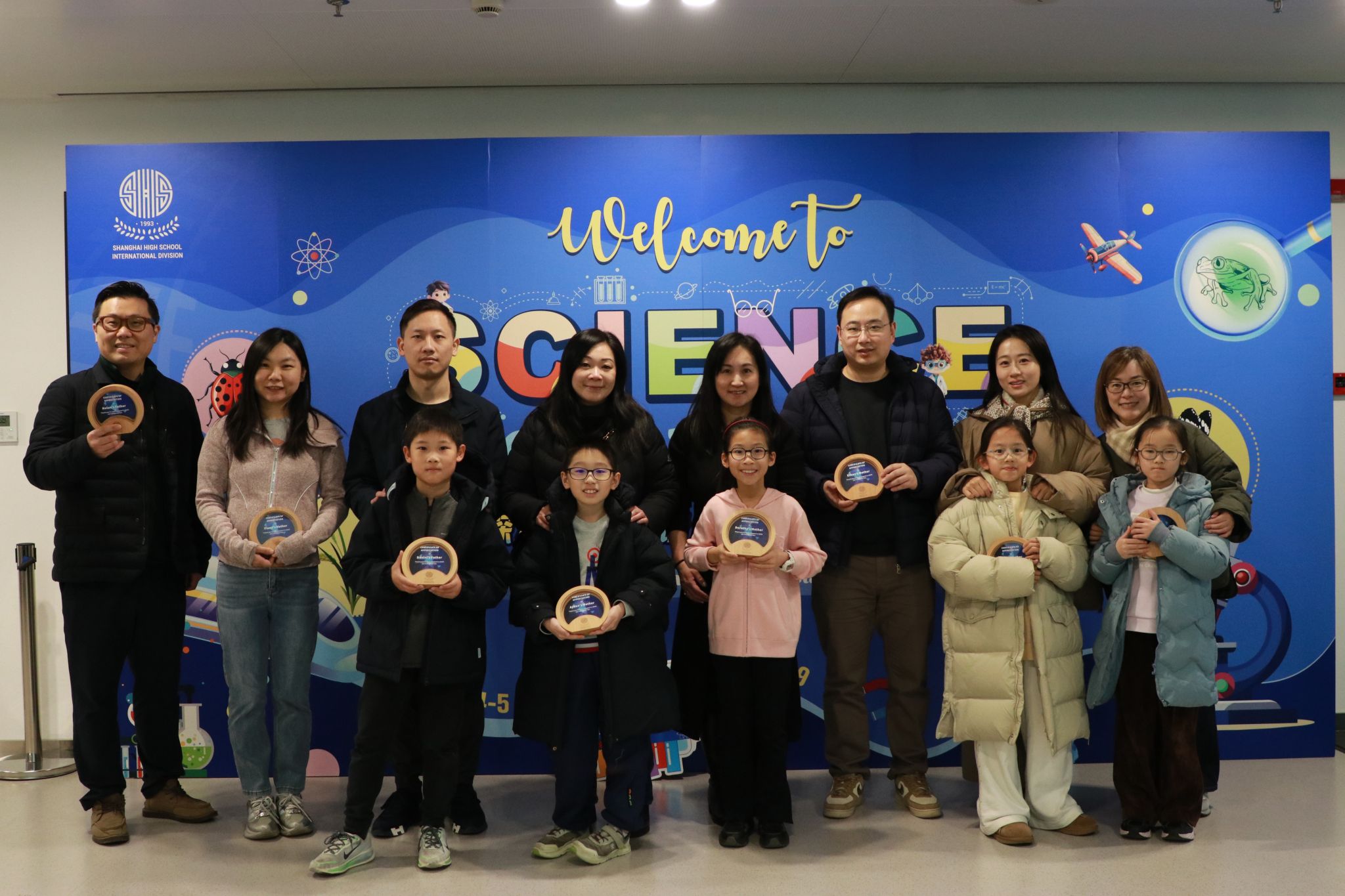
Parent volunteer booths were also popular. AI smart glasses amazed students with the seamless integration of virtual and real worlds; the "Microorganisms, Macro World" exhibit unveiled the fascinating ecology of microscopic life through close observation and live demonstrations of 3D printing transformed abstract digital models into tangible objects. Through parents' engaging explanations, cutting-edge technologies became open windows to the future.
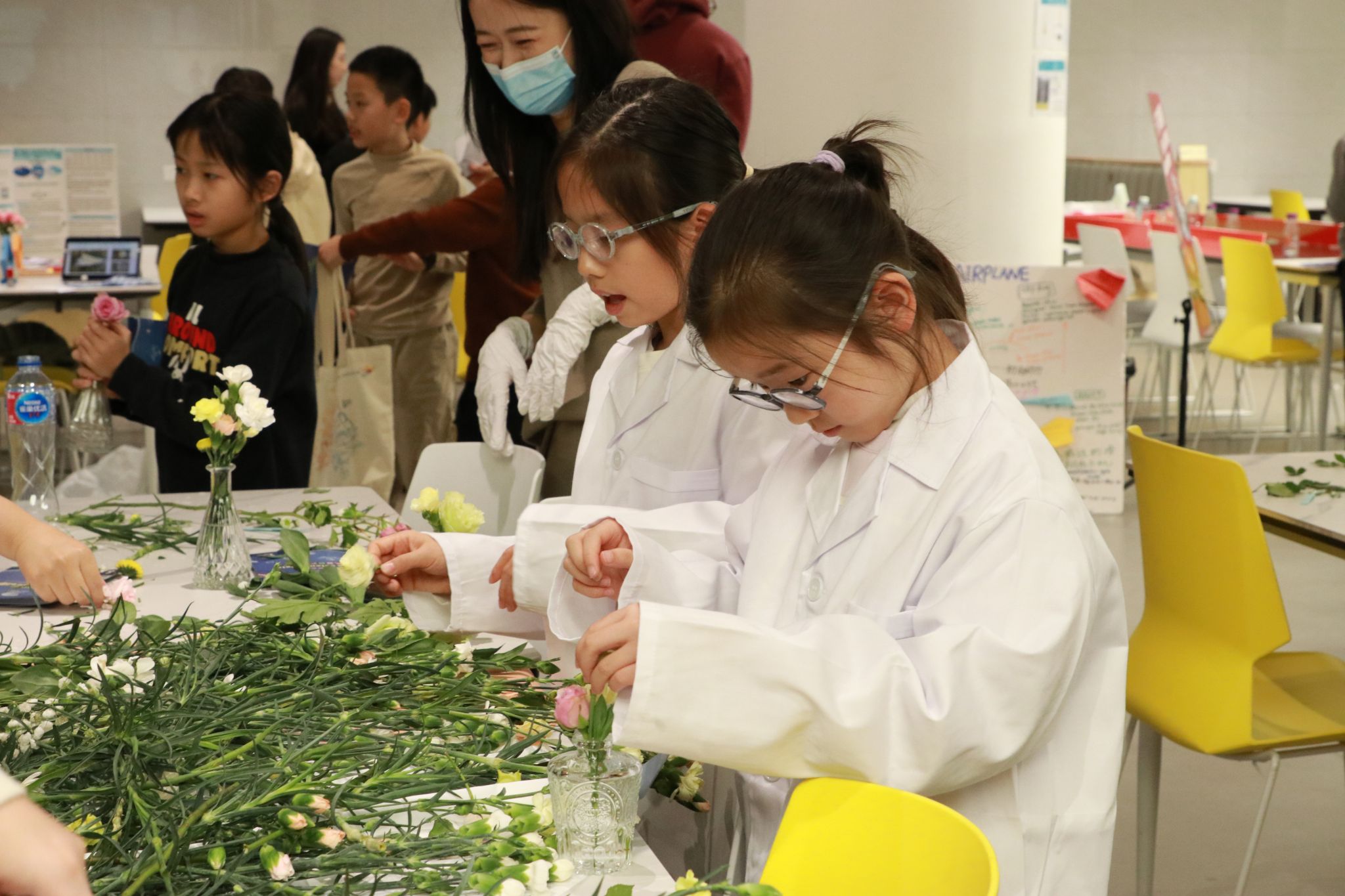
In the DIY interactive area, science was no longer confined to static text and images. Instead, it became something students could interactively touch, build, and create. By soldering and assembling a glowing rabbit-shaped electronic badge, students grasped the logic of basic circuits; by constructing ecological bottles with aquatic plants and stones, they observed the delicate balance of miniature ecosystems; by grinding Chinese herbs and sewing sachets, they experienced the fusion of traditional wisdom and modern science; and by carefully creating insect specimens, they explored the intricate structures of life on a small scale. Each hands-on experience was an active process of deconstructing and rebuilding scientific understanding.
At the same time, the debut of the Library Z Space virtual reality experience expanded learning from two dimensions into three. Students watched textbook diagrams of cells and skeletal systems rise into fully interactive 3D models. With a touch, they could rotate and zoom and with a drag, they could dismantle layers to see within. Biological structures once imagined now became dynamic models that could be observed and manipulated from all angles. This immersive experience transformed learning into an active, curiosity-driven process.
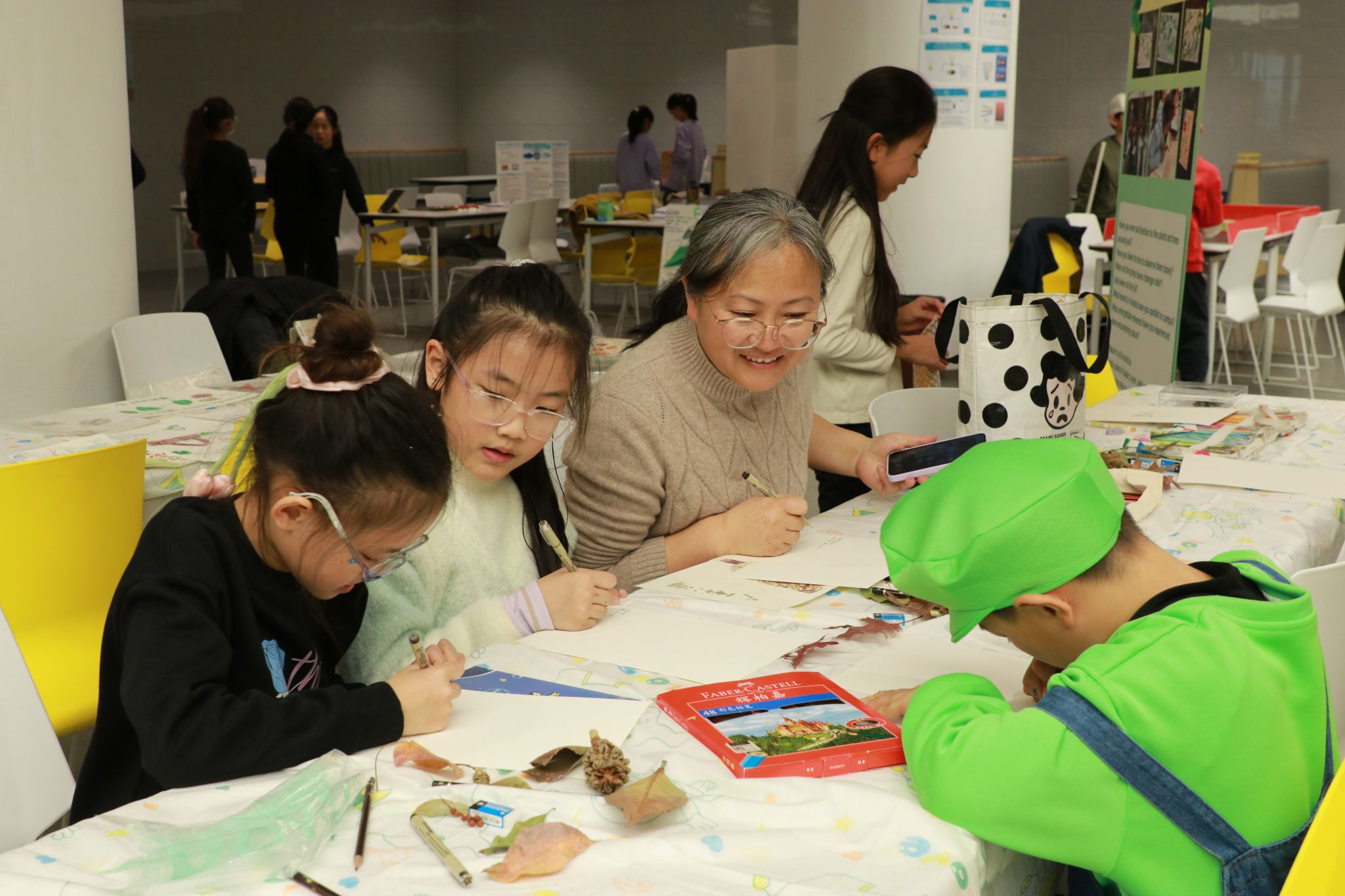
Science club booths from across the division also attracted enthusiastic participation. Students could quietly observe plant textures and growth under the guidance of the Nature Journal Club, recording life's details through drawing; focus on programming at the robotics booth to command robotic dogs; or personally pilot drones, experiencing the thrill of takeoff, maneuvering, and smooth landings. At the intersection of natural observation and intelligent control, students engaged in a lively dialogue between humanity, technology, and nature.
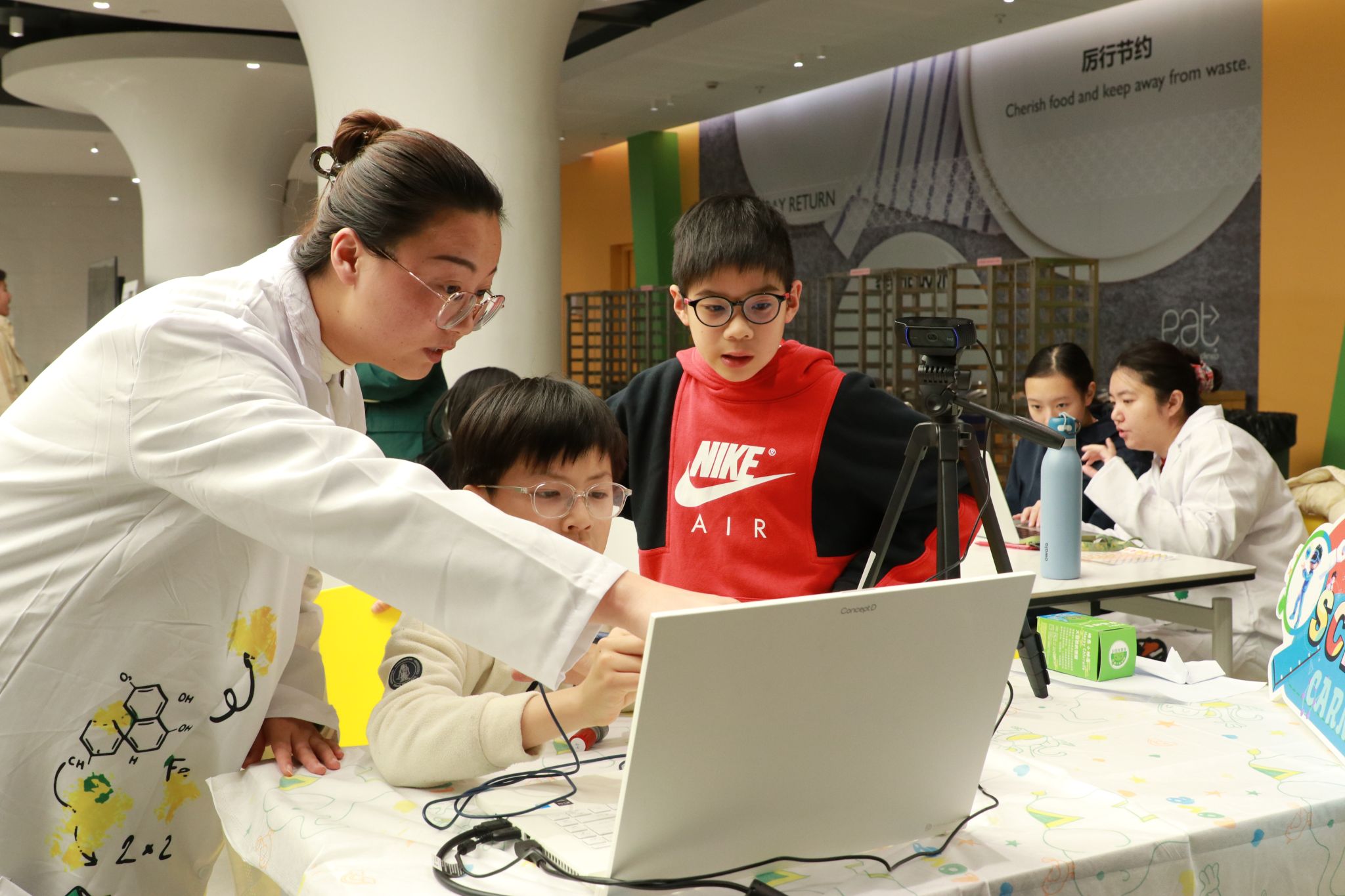
Senior students from the Middle School Science Academy also joined with great enthusiasm. They brought thoughtfully designed projects and, through clear explanations, engaging demonstrations, and consistent patience - guiding younger students to try, think, and question. Whether fine-tuning circuit connections or stepping through programming logic, they responded attentively to every curious glance. This warm spirit of mentorship became one of the most meaningful highlights of the exploration journey for Grades 4 and 5.
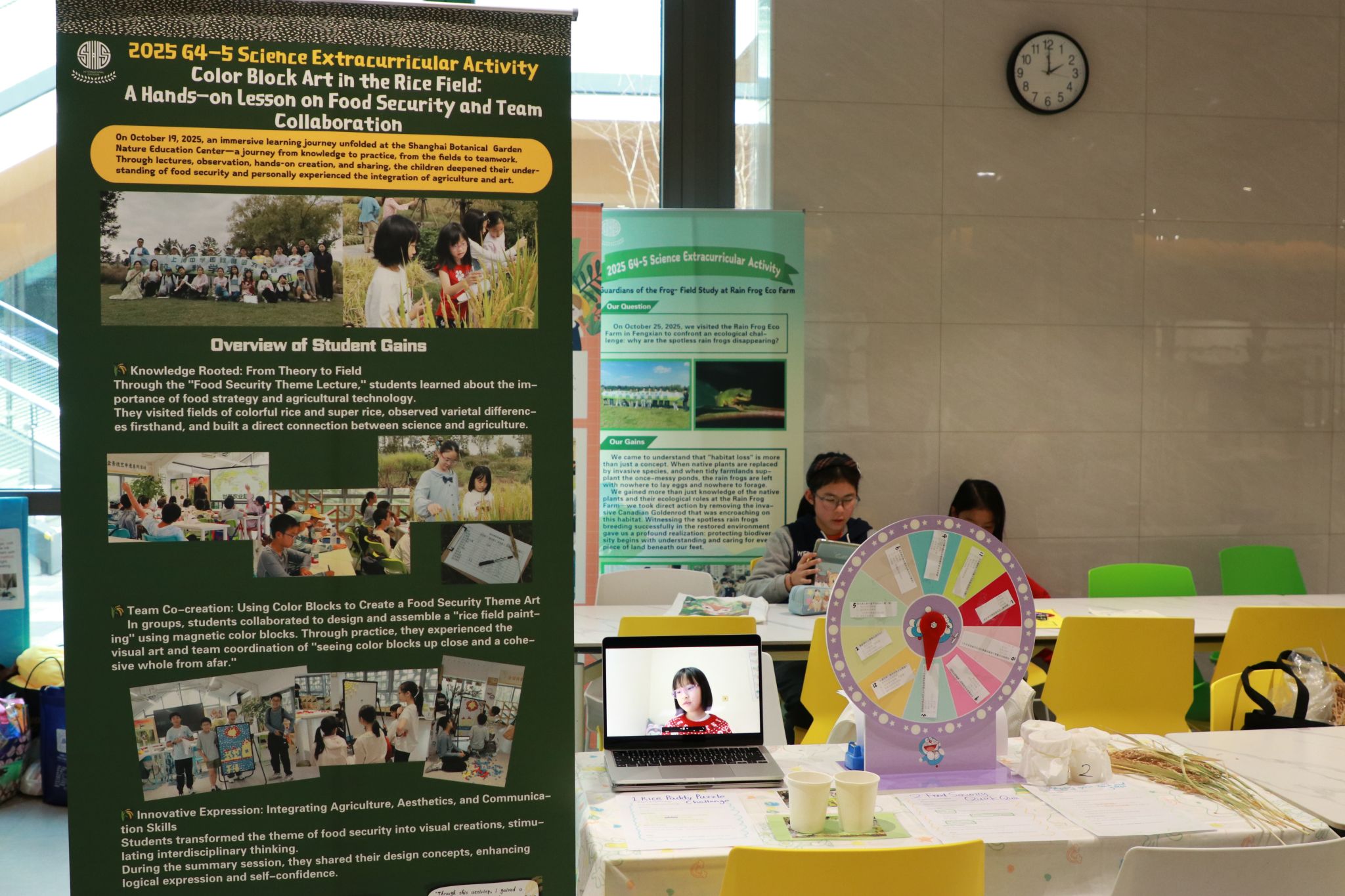
Particularly noteworthy was the collective showcase of the Grade 4-5 extracurricular science practice teams. Beginning three months earlier, five student teams, guided by teachers, conducted systematic field investigations at sites such as frog ecology farms, botanical gardens, and specimen museums. In fields and exhibition halls, students learned to record observations, collect data, and develop research projects, transforming textbook knowledge into authentic inquiry experiences. At the carnival, these teams confidently presented their outcomes through self-produced videos, illustrated posters, and engaging explanations, sharing insights into life patterns observed in nature and evolutionary stories uncovered through specimens. As students gathered to ask questions and exchange ideas, seeds of scientific curiosity quietly took root. This extended journey-from autumn exploration to winter presentation-not only strengthened research skills but also empowered students to become storytellers and ambassadors of science.
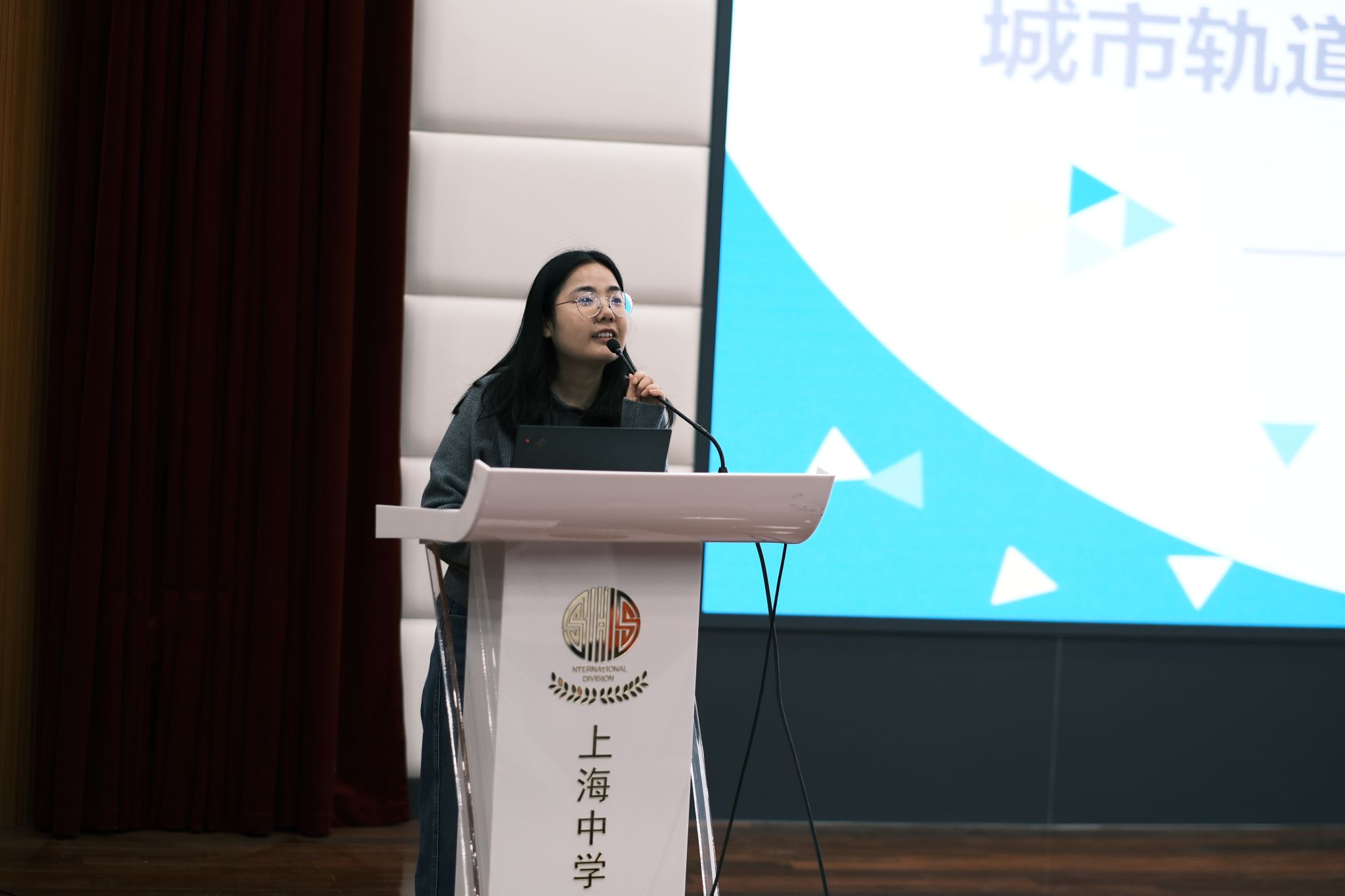
Meanwhile, the auditorium sub-venue welcomed a special "guardian of the city"-Ms. Zhang Ya, a Senior Engineer from Shanghai Shentong Metro Group. Using storytelling rather than technical jargon, she revealed the "hidden mechanisms" behind safe metro operations. She covered topical questions such as: What is the block system that prevents trains from colliding? What is the interlocking system that ensures correct track switching?
Through vivid metaphors and animated demonstrations, these invisible traffic controllers beneath the city became clear and accessible. Students came to realize that every metro ride is supported by a precisely orchestrated symphony of technology, quietly safeguarding every departure and arrival.
Epilogue: Endless Exploration, Ever-Renewing Science
Though the five-day Science Week has ended, the curiosity ignited, the hands-on skills cultivated, and the passion for exploration will continue to grow within SHSID.
From decoding a scientific principle to completing a technological creation, from understanding a life form to considering its social applications-each step marks a solid imprint of young minds on the path of science - serving as a living continuation of the theme "Explore, Decode, Understand: Science Starts With Curiosity."

(Written by Hui Zhou, Jingyi Wang
Pictures by Minxuan Cao, Teachers
Reviewed by Ms. Lu Luting, Shiyu Wu, Louie Parker)