-
ABOUT US
-
ACADEMICS
Curriculum Program
Departments
- English
- High School Chinese
- Primary and Junior School Chinese.
- High School Mathematics
- Middle School Mathematics
- Primary School Mathematics
- Music and Fine Arts
- Physical Education
- Physics
- Chemistry
- History and Geography
- Physical Science and Optional courses Department
- Middle School Biology
- High School Biology
- Social Sciences
- Computer Science
- Courses in Primary School
Achievements and Matriculations
College Counseling
Science & Technology Innovation Contest
Subject Competition
-
ARTS
-
ATHLETICS
-
AT SHSID
SHSID ∣ TIMES
PTSA
Club Exhibition
- 龙吟社
- Live 2 Drama
- Choir
- Hip-pop Dance Club
- The Primary School Dance Troupe
- Symposiums Club
- Biology Workshop
- You Shan
- VEX Robotic
- Peking Opera Club
- Baseball Club
- Model United Nations
- The World Scholar’s Cup
- Future Problem Solving Club
- United States Academic Pentathlon
- OM Club
- AMC Club
- Music for Patients
- SHSID Gazette
- Smile Charity
- Cultural Moments
- SciAcademy
- Stem Doge Alliance
- Chinese Debate Club
- IAA
- Mock Trial Club
- Zhengming Club
- Furry Friends
- GT-Racing
- Village Radio
- IMMC Club
- Creative Design and Intelligent Fabrication
- Future City Research Project
- ECOCAP
- AdvocaSEA
- SPDC
- Medishine
- Floorball Club
- Animusic MTC
- Wings Up
- All Booked
- Cyano
- Birding Community
Health and Wellness
Campus Safety
Cafeteria Service
-
ADMINISTRATION
-
ADMISSIONS
-
ALUMNI
Alumni Information
Honors Students
- Class of 2025
- Class of 2024
- Class of 2023
- Class of 2022
- Class of 2021
- Class of 2020
- Class of 2019
- Class of 2018
- Class of 2017
- Class of 2016
- Class of 2015
- Class of 2014
- Class of 2013
- Class of 2012
- Class of 2011
- Class of 2010
- Class of 2009
- Class of 2008
- Class of 2007
- Class of 2006
Who Studied at SHSID
SHS Foundation
-
DOCUMENTS
SHSID Students Move Toward Authentic Scientific Inquiry through Experimental Exploration
Chemistry experiments are not merely hands-on technical exercises; they are also a way of thinking that is continuously trained and refined. At SHSID high school, students gradually build an understanding of scientific inquiry through observing phenomena, adjusting experimental conditions, and reflecting on results.
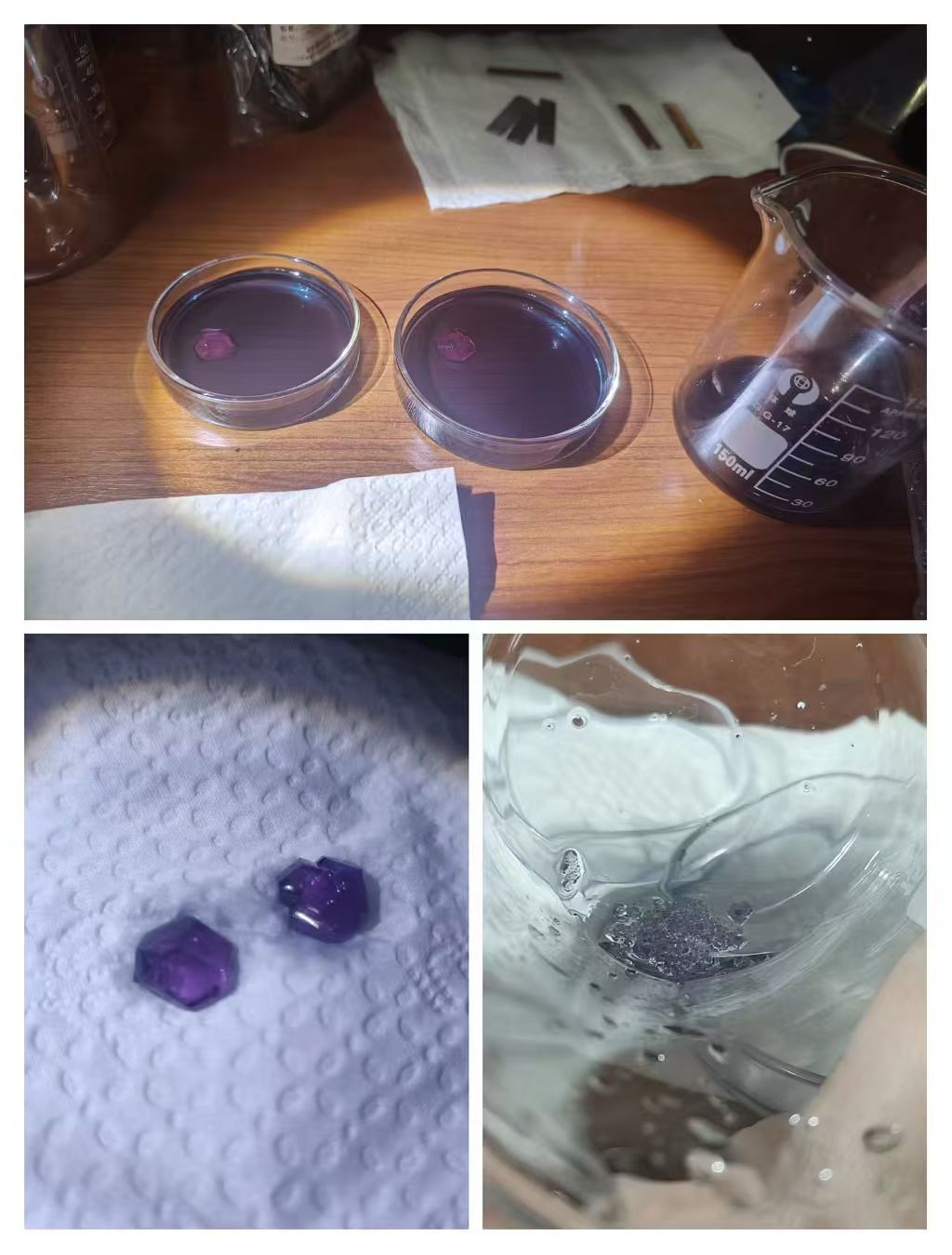
The “Golden Rain” experiment is a classic activity used to explore precipitation reactions in chemistry. Through this foundational experiment, students not only learn to recognize reaction phenomena, but also gain insight into the underlying principles of chemical change through controlled conditions and comparative trials. After completing the “Golden Rain” experiment, Grade 11 student Shani went a step further by independently designing and carrying out the “Blue Crystal Rain” experiment. By repeatedly adjusting crystallization conditions, she successfully produced blue crystals resembling a starry sky, deepening her understanding of dissolution, crystallization, and structural formation through hands-on exploration.
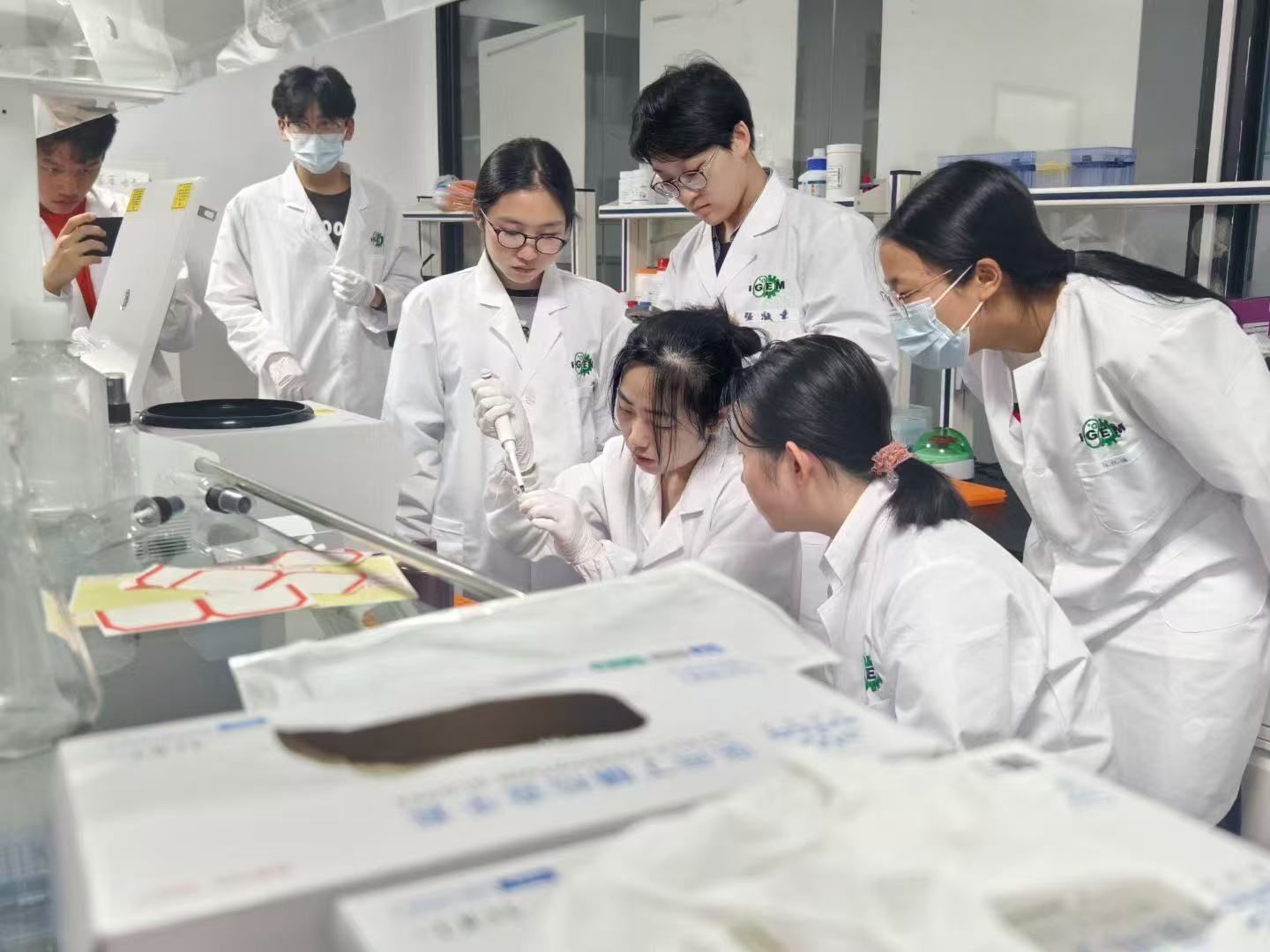
This spirit of inquiry naturally extended beyond the classroom into extracurricular research. Through exposure to experiments related to energy materials and batteries, Shani gradually developed a strong interest in the preparation and application of sodium-ion batteries. During her experiments, she noticed that while some materials exhibited stable structures and smooth reaction processes, their practical performance remained limited. This observation led her to ask a deeper question: could the performance bottleneck be rooted in more fundamental structural or reaction mechanisms? Guided by this question, she continuously adjusted and compared material compositions and reaction conditions through experimental investigation. The research process was far from smooth—some approaches yielded little improvement, while others introduced new challenges. Yet through repeated trials, revisions, and verification, she learned to extract critical information from experimental results and developed a research mindset grounded in careful observation, rational analysis, and iterative experimentation.
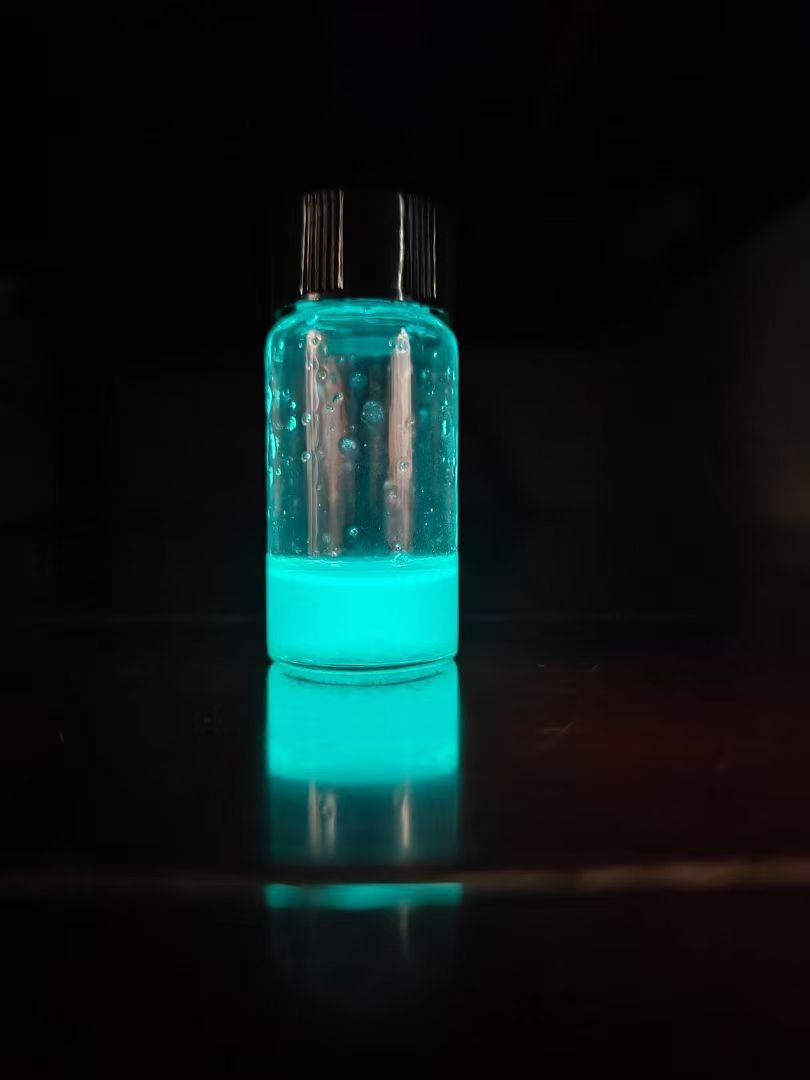
A similar spirit of experimental inquiry can be seen in the research practices of other students. Grade 10 student Harry focused his research on the structural regulation of organic–inorganic hybrid perovskite materials, carrying out a series of systematic experimental studies. From single-crystal growth and solvent system design to phase transition control, optical characterization, and device applications, he gradually built a comprehensive understanding of how material properties can be tuned through continuous comparison and optimization of experimental conditions. These research experiences not only helped him grasp key concepts in materials science, but also allowed him to develop a scientific way of thinking that is evidence-based and problem-driven within an open and authentic research environment.
When experiments become a process of exploration, students move closer to real scientific research through each trial. Along the way, scientific curiosity takes root, and scientific thinking is steadily cultivated.
(Written by Min Yang Pictures by G11 Shani, G10 Harry Reviewed by Qian Zuo)