-
ABOUT US
-
ACADEMICS
Curriculum Program
Departments
- English
- High School Chinese
- Primary and Junior School Chinese.
- High School Mathematics
- Middle School Mathematics
- Primary School Mathematics
- Music and Fine Arts
- Physical Education
- Physics
- Chemistry
- History and Geography
- Physical Science and Optional courses Department
- Middle School Biology
- High School Biology
- Social Sciences
- Computer Science
- Courses in Primary School
Achievements and Matriculations
College Counseling
Science & Technology Innovation Contest
Subject Competition
-
ARTS
-
ATHLETICS
-
AT SHSID
SHSID ∣ TIMES
PTSA
Club Exhibition
- 龙吟社
- Live 2 Drama
- Choir
- Hip-pop Dance Club
- The Primary School Dance Troupe
- Symposiums Club
- Biology Workshop
- You Shan
- VEX Robotic
- Peking Opera Club
- Baseball Club
- Model United Nations
- The World Scholar’s Cup
- Future Problem Solving Club
- United States Academic Pentathlon
- OM Club
- AMC Club
- Music for Patients
- SHSID Gazette
- Smile Charity
- Cultural Moments
- SciAcademy
- Stem Doge Alliance
- Chinese Debate Club
- IAA
- Mock Trial Club
- Zhengming Club
- Furry Friends
- GT-Racing
- Village Radio
- IMMC Club
- Creative Design and Intelligent Fabrication
- Future City Research Project
- ECOCAP
- AdvocaSEA
- SPDC
- Medishine
- Floorball Club
- Animusic MTC
- Wings Up
- All Booked
- Cyano
- Birding Community
Health and Wellness
Campus Safety
Cafeteria Service
-
ADMINISTRATION
-
ADMISSIONS
-
ALUMNI
Alumni Information
Honors Students
- Class of 2025
- Class of 2024
- Class of 2023
- Class of 2022
- Class of 2021
- Class of 2020
- Class of 2019
- Class of 2018
- Class of 2017
- Class of 2016
- Class of 2015
- Class of 2014
- Class of 2013
- Class of 2012
- Class of 2011
- Class of 2010
- Class of 2009
- Class of 2008
- Class of 2007
- Class of 2006
Who Studied at SHSID
SHS Foundation
-
DOCUMENTS
History and Geography Department: Charting the Riches of the Past—Summary of the History and Geography Department’s Reading Activities
At the beginning of this semester, teachers from the History and Geography Department compiled reading lists and designed corresponding assignments to help students deepen their understanding of the knowledge they were studying and broaden their knowledge through in-depth reading. Starting in the third week, a series of lectures and classroom activities officially began:
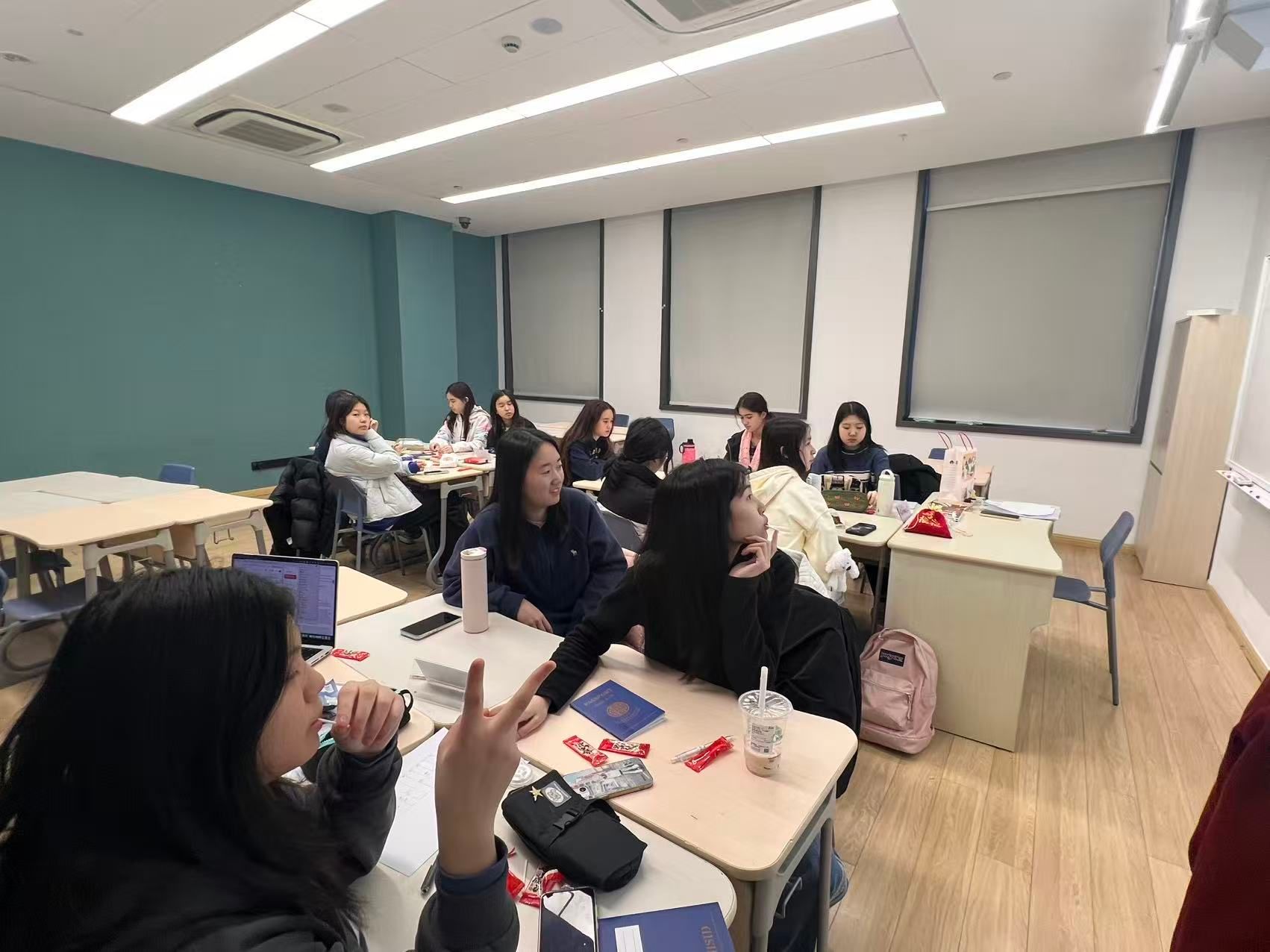
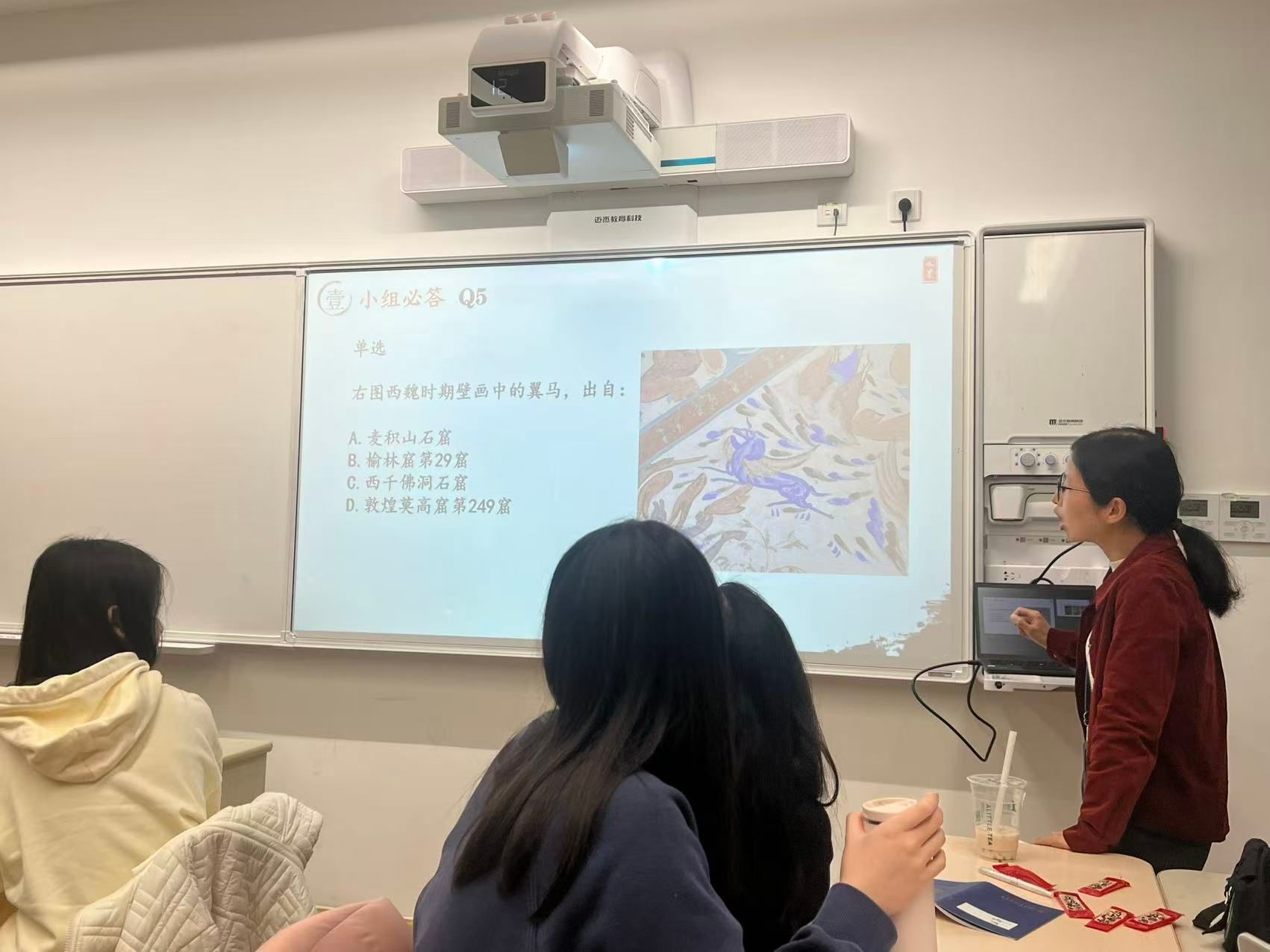
Ms. Zhou Shen kicked things off with an engaging quiz of the “Year of the Fire Horse”. Drawing on ancient texts, she helped students explore the symbolism of the “horse” in both Chinese and Western cultures, major historical events associated with the Year of the Horse, historical figures born in the Year of the Horse, and related idioms and colloquial expressions, sharing a wealth of knowledge about the Year of the Horse and extending warm New Year’s wishes: “Study without stopping, and let the future gallop ahead!”
In their 9th-grade history class, students explored and discussed ancient civilizations:
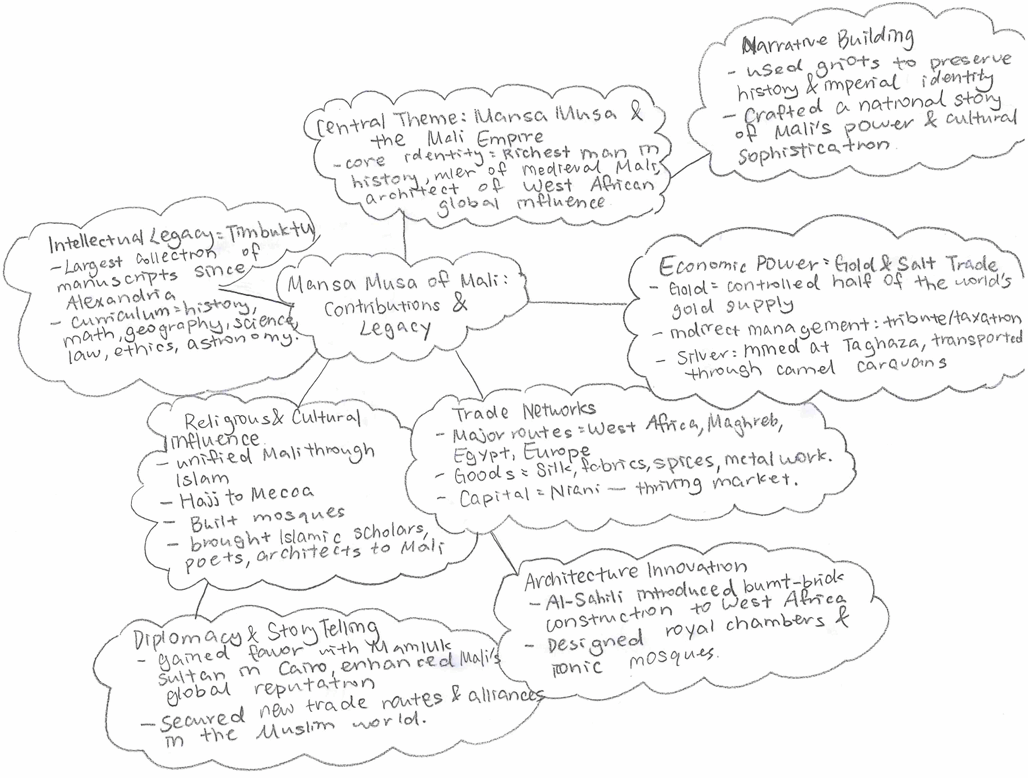
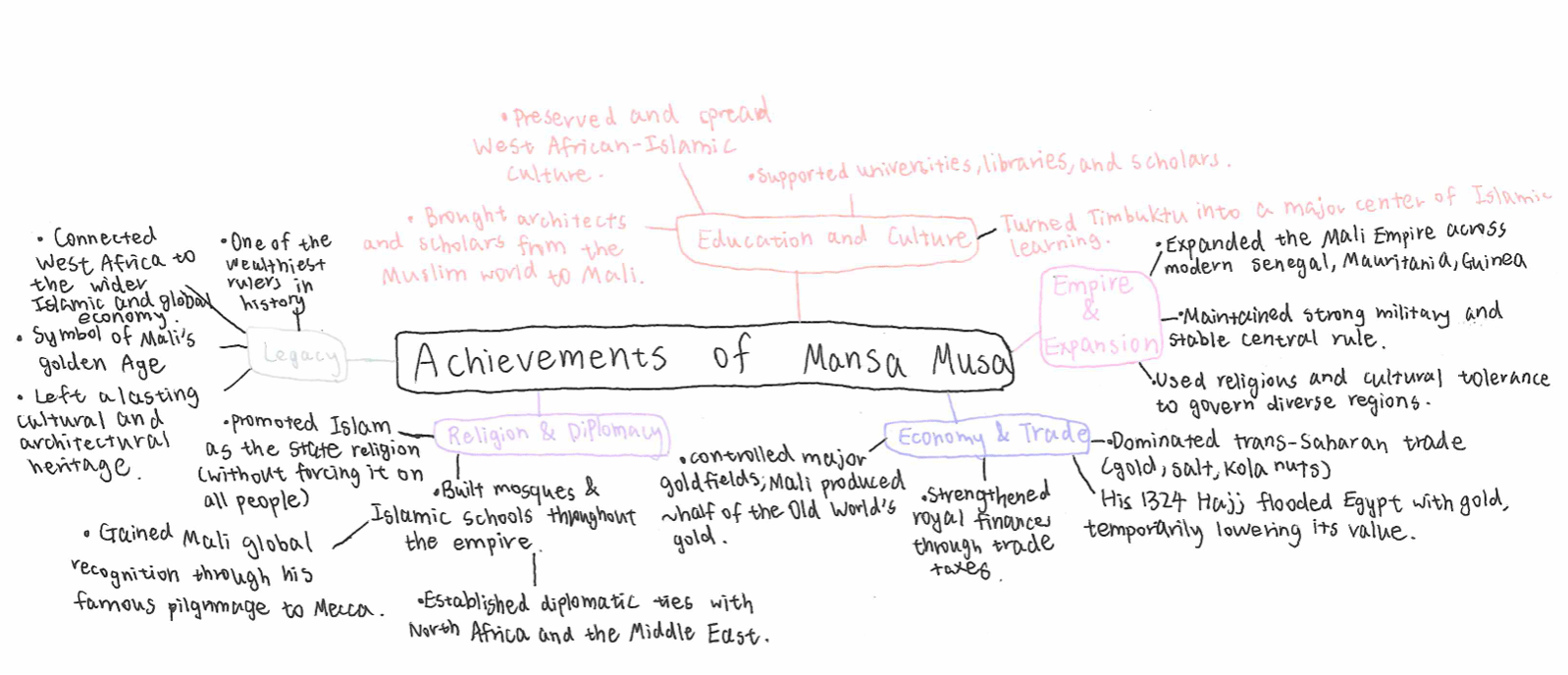
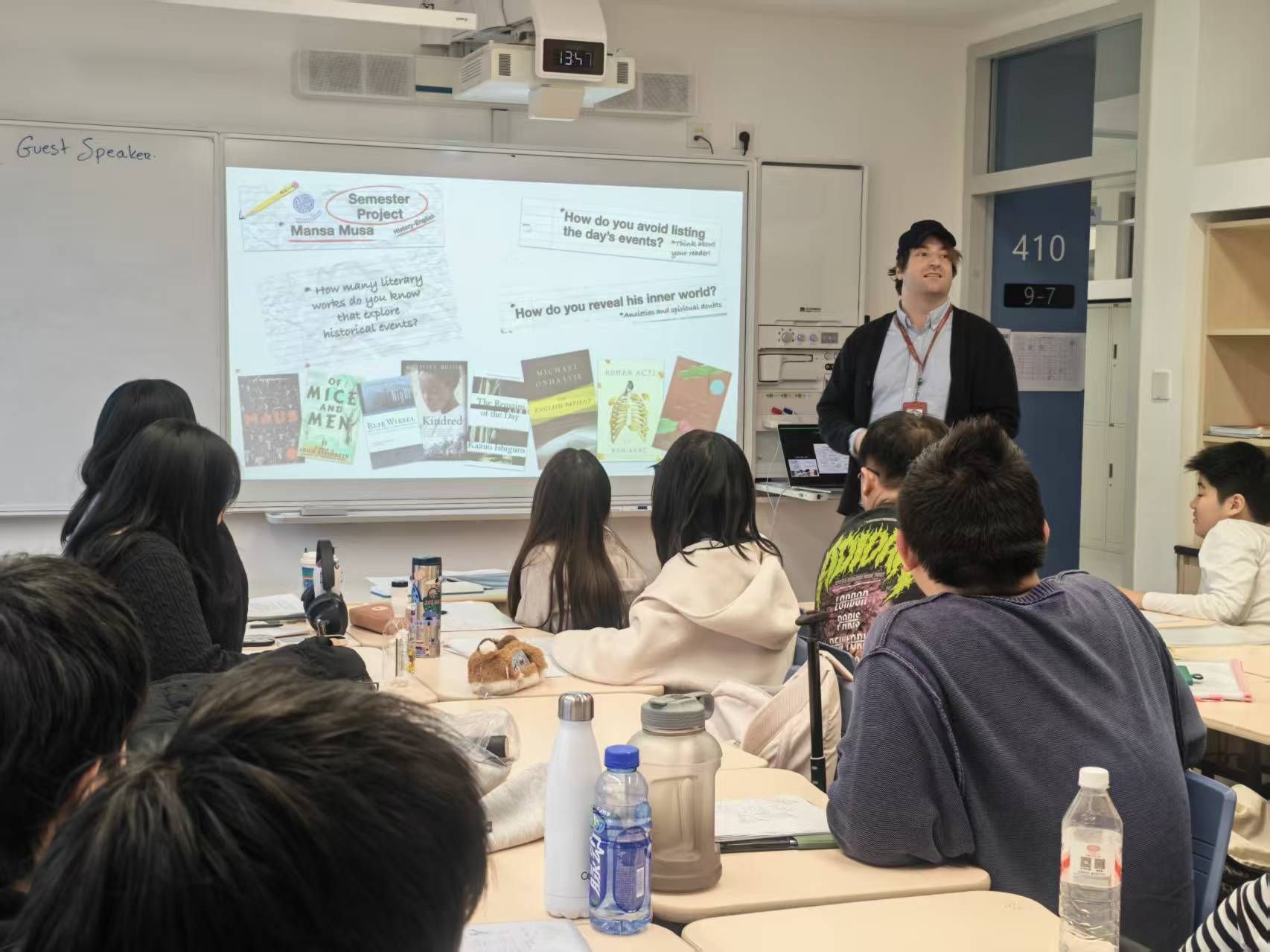
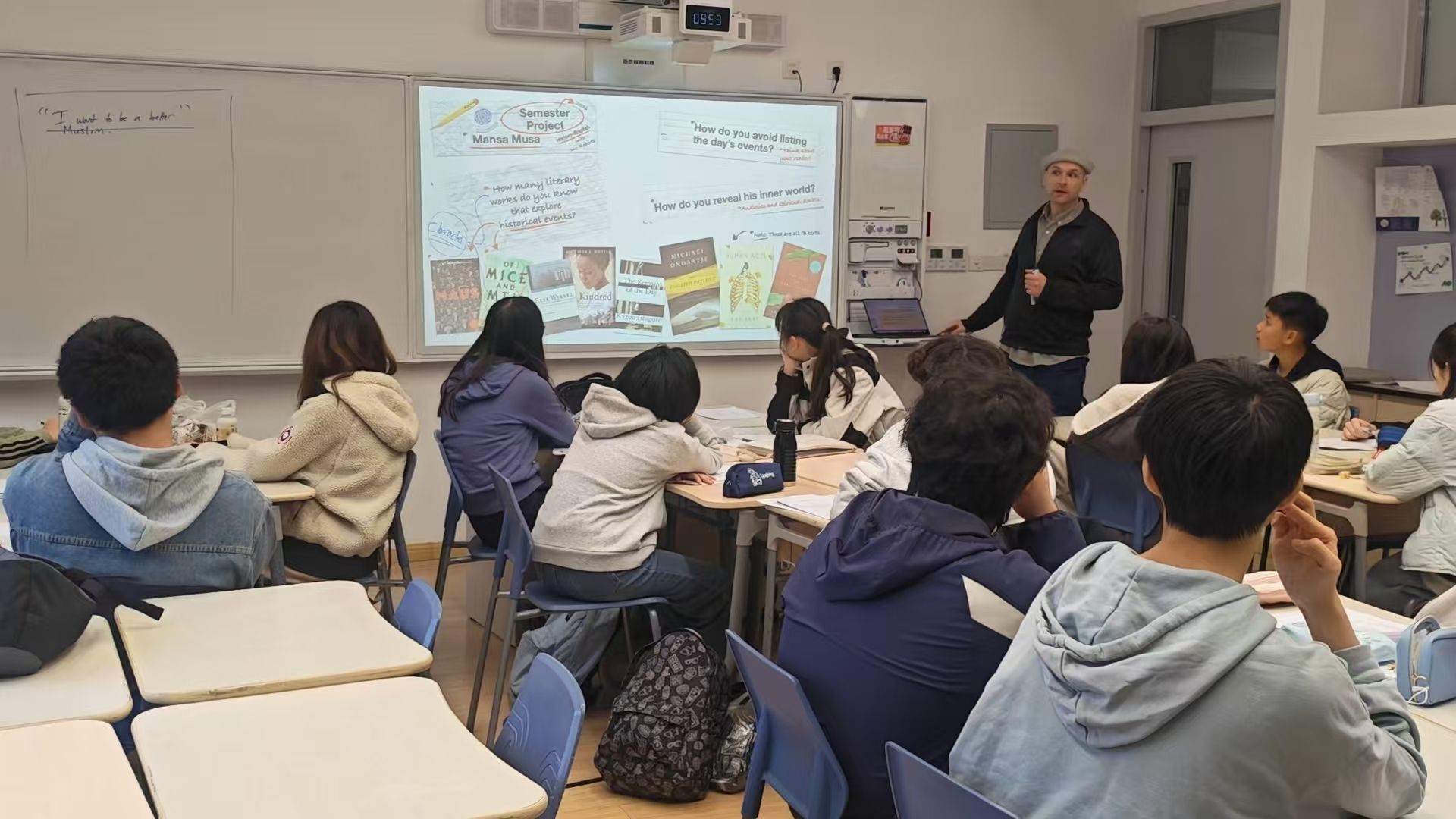
Some read case study materials on Mansa Musa, the king of the Mali Kingdom in West Africa, and created mind maps detailing his life and achievements. The history department also invited English teachers to assist students in completing a creative writing assignment consisting of three diary entries written in the first person from Mansa Musa’s perspective. Drawing on their expertise, the English teachers also recommended relevant literary readings, facilitating a smooth interdisciplinary collaboration; or by reading excerpts from The Tale of Genji and The Tale of the Heike, engaging in small-group discussions to analyze medieval Japanese court culture and the samurai identity, and completing a reflective summary on the topic: “How do literature and epic storytelling reveal social characteristics and transformations?”
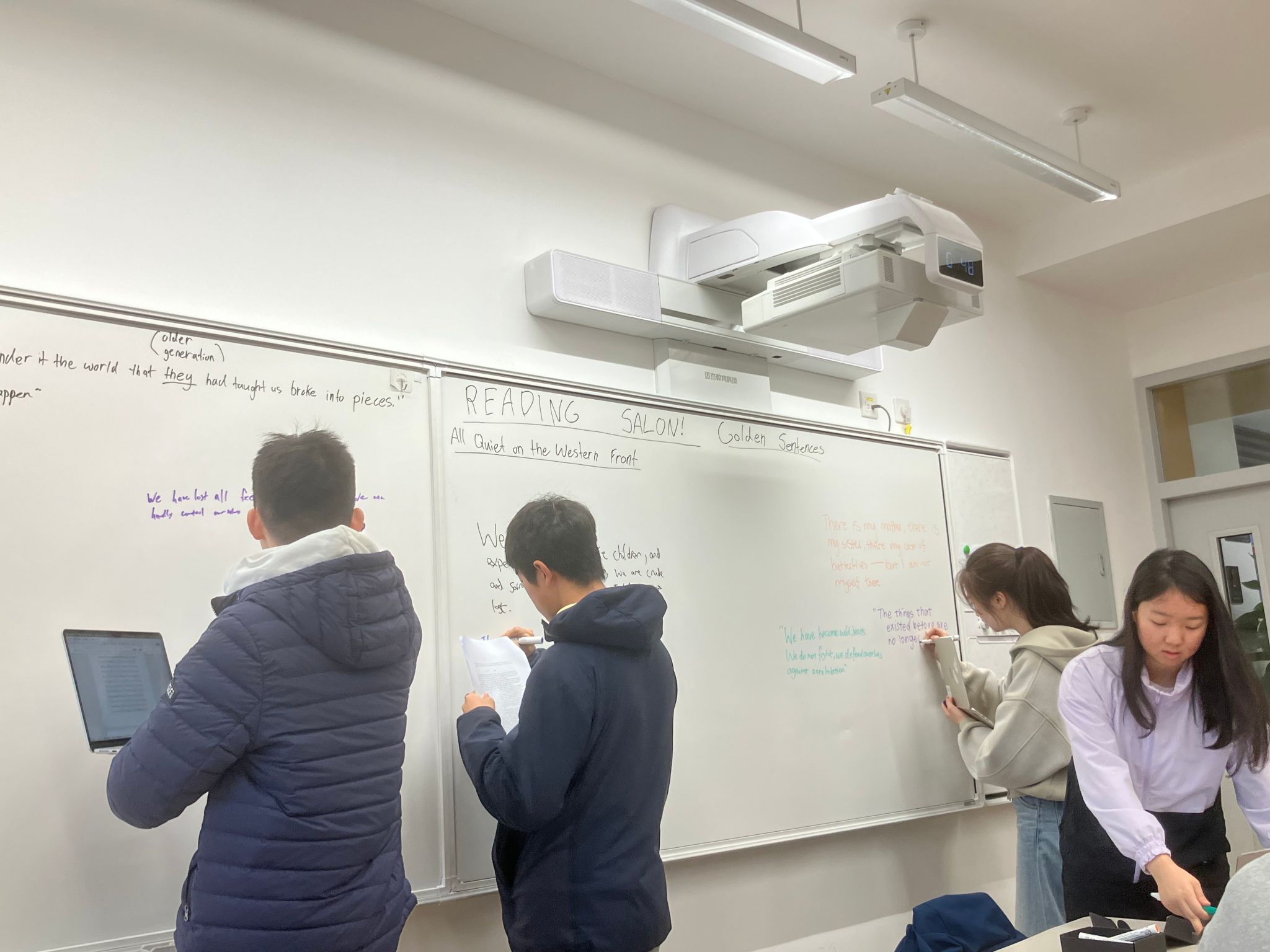
Grade 10 history teachers have assigned the novel All Quiet on the Western Front as a reading assignment centered on the theme of World War I. Students are required to apply what they have learned in class to read the book in its entirety or focus primarily on Chapters 6 and 7. They should explore the experiences of the protagonist, Paul, and other soldiers during trench warfare on the Western Front, collect “golden sentences” and reflect on how these experiences influenced or altered their character and why. Particular attention should be paid to the loneliness and alienation Paul felt after returning home from the front lines; students are encouraged to analyze these feelings from a psychological perspective and write a book review.
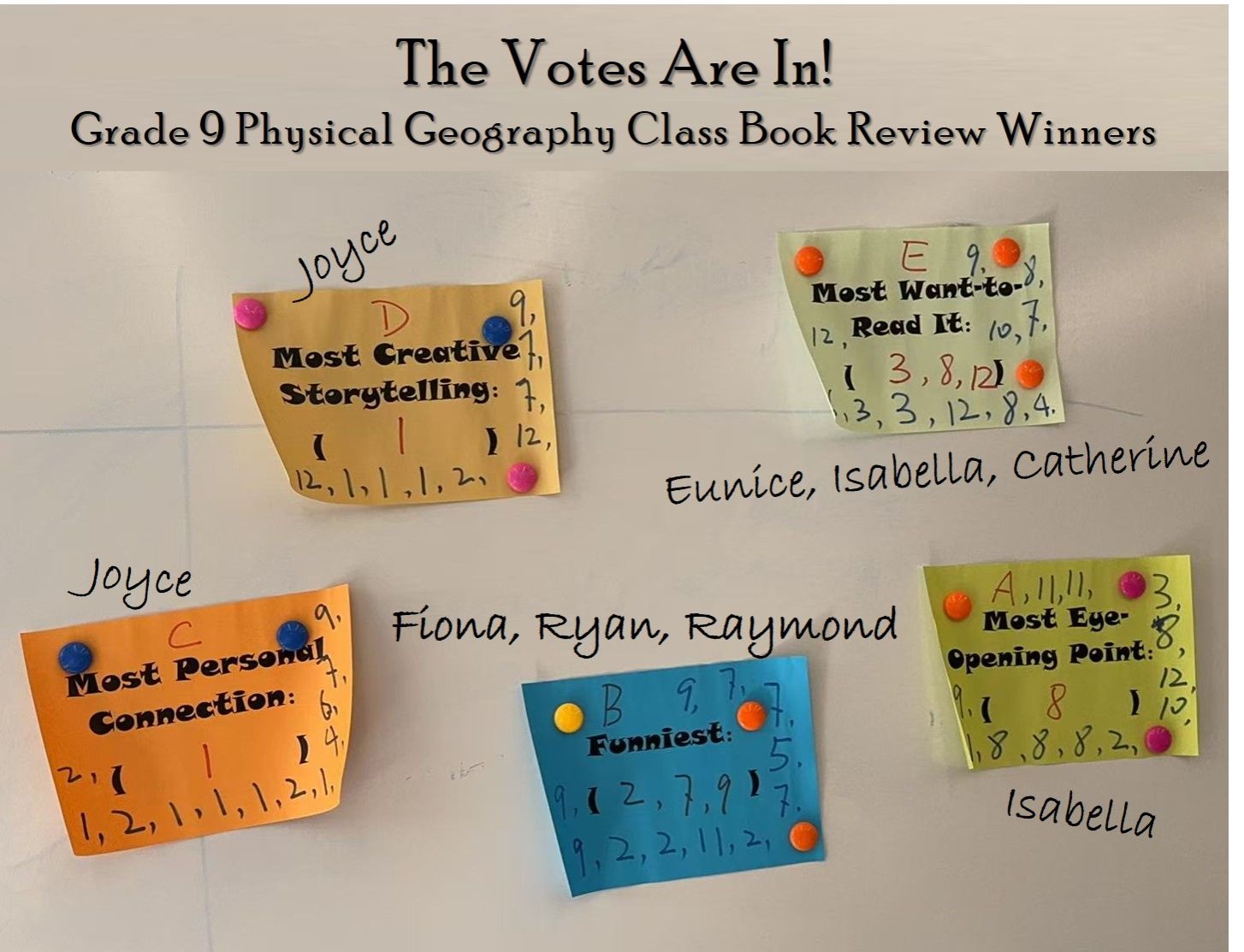
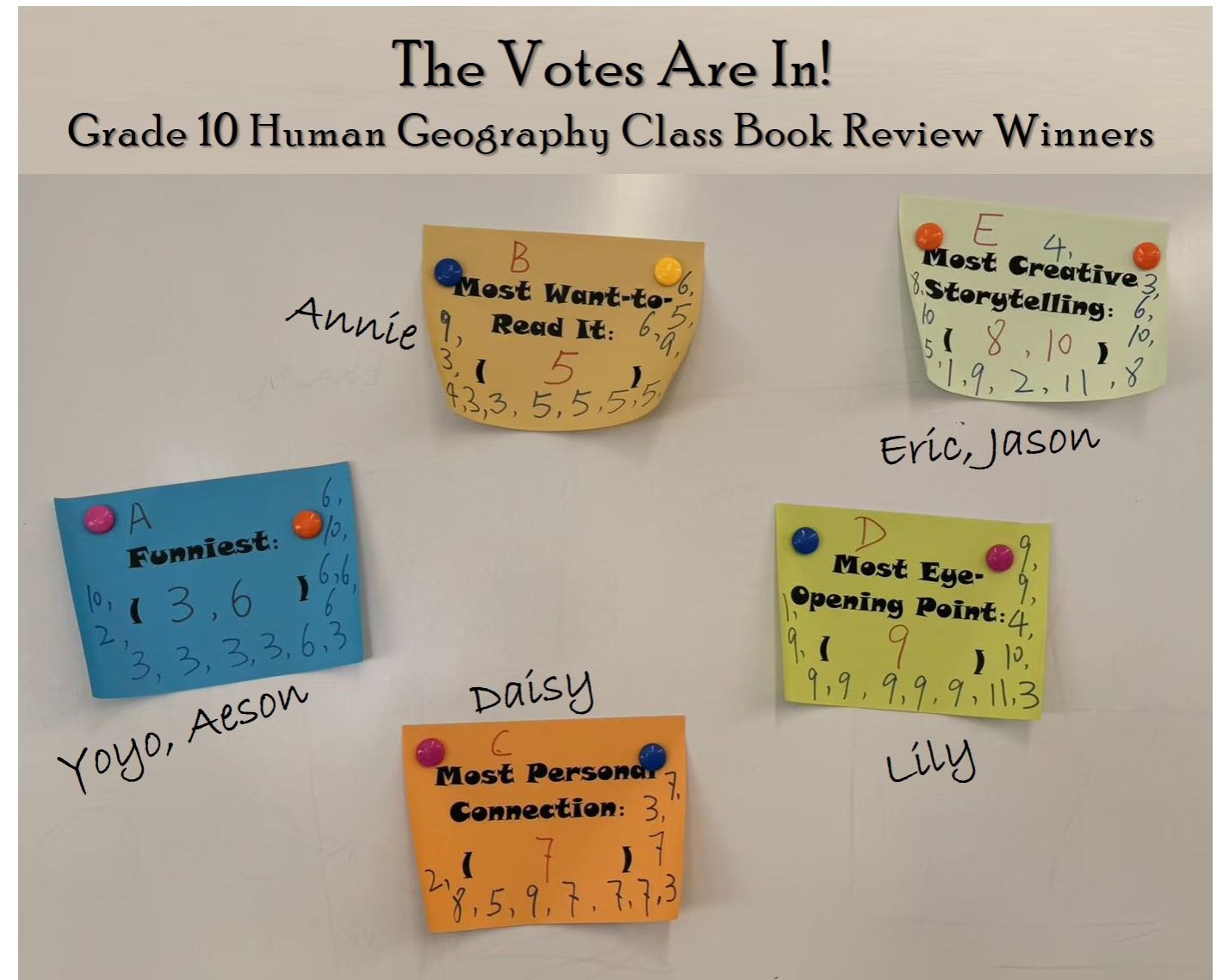
In 9th and 10th-grade geography classes, students shared their thoughts on books during reading salons: some selected a culture, landscape, or story from Scenes of China and wrote a brief commentary drawing on their own travel experiences; others wrote critical essays on any aspect, perspective, or specific detail from Who Built the Moon. The class then actively voted to select the best book review. The extended reading assignments helped students deepen their understanding of both physical and human geography.
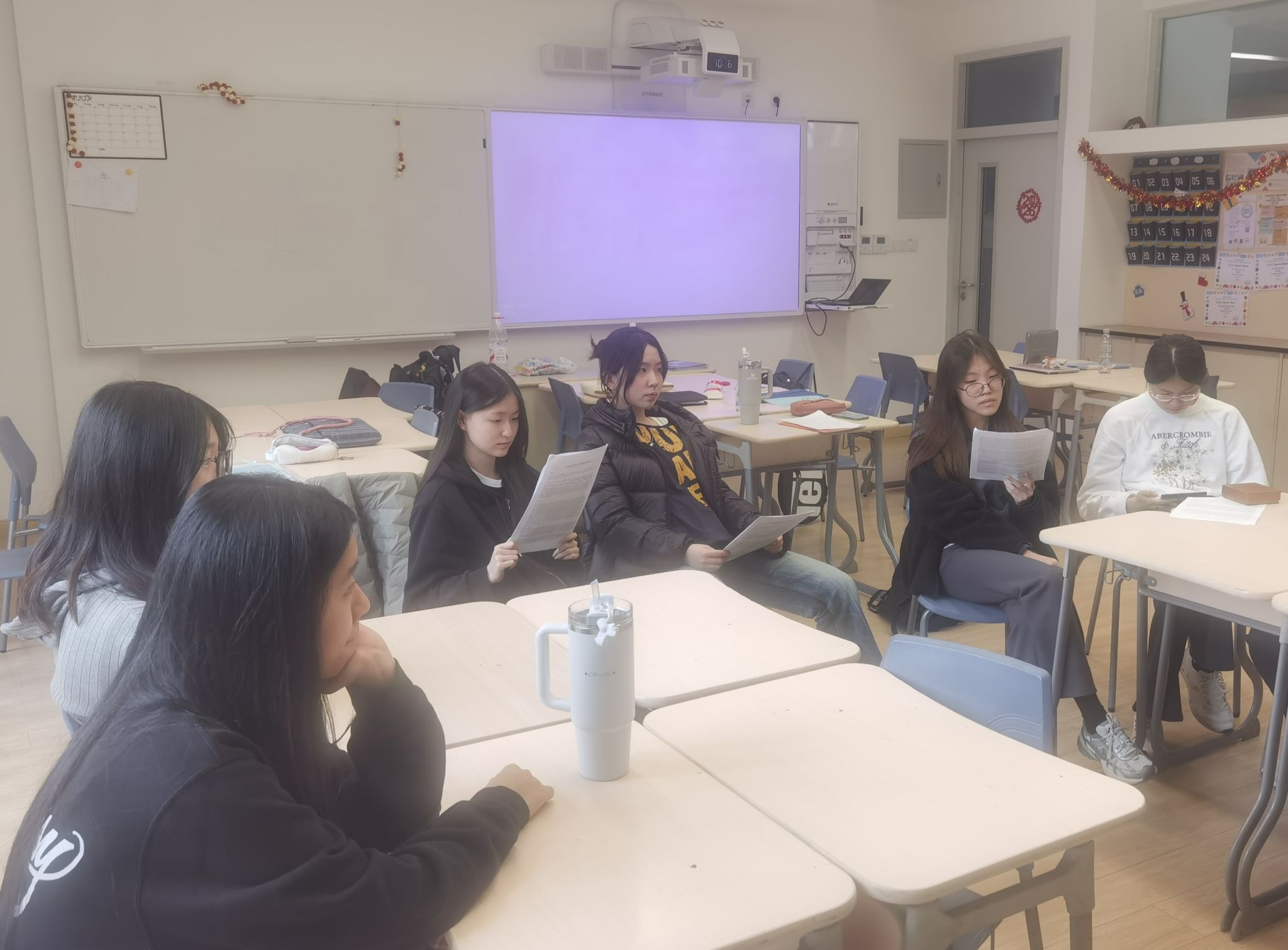
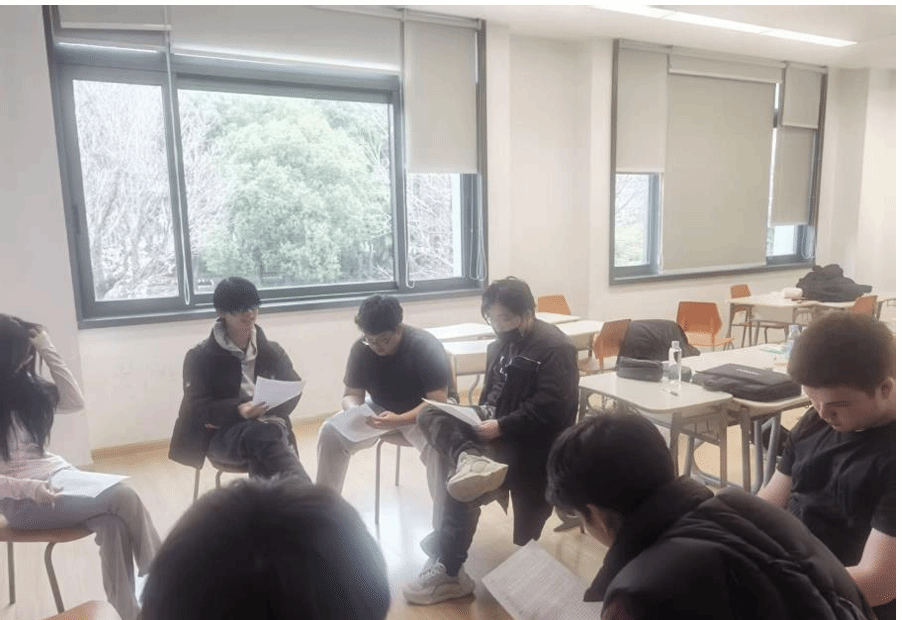
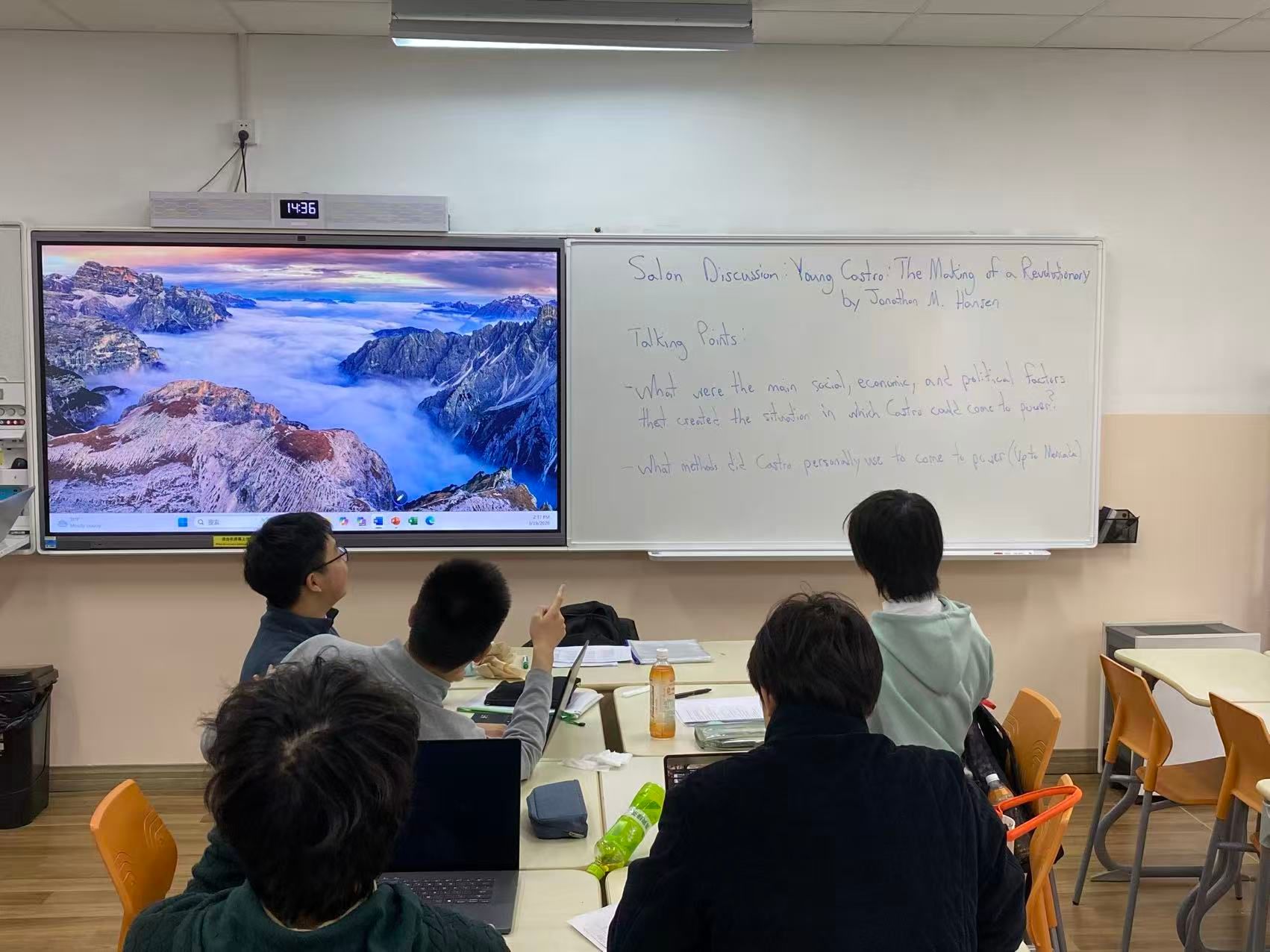
In their 11th-grade IB History class, students engaged in a round table discussion based on their reading of Chapters 4 and 6 of Young Castro: The Making of a Revolutionary. They shared their thoughts on questions such as: “What were the main social, economic, and political factors that created the situation in which Castro could come to power?” “How do you interpret the author’s portrayal of Castro?” and “How does the world that Castro came of age in compare to the present?” The AP Art History class launched a reading salon based on Ways of Seeing, discussing the question, “How does the way we ‘see’ an artwork affect its meaning?” Through this, students learned that although Berger was writing in the 1970s, his ideas help us analyze art across all historical periods. They then attempted to connect his ideas with the artworks listed in the AP Art History curriculum, leading to a discussion of the question, “How might Berger interpret this artwork differently from a traditional art historian?”
Furthermore, Mr. Joshua Pickart and Mr. Kris Cussans provided introductions and guidance on the history and philosophy subjects for the John Locke Institute Essay Competition: they analyzed three key questions from a professional perspective, shared general approaches, recommended relevant reading resources, and addressed specific queries during the Q&A session.
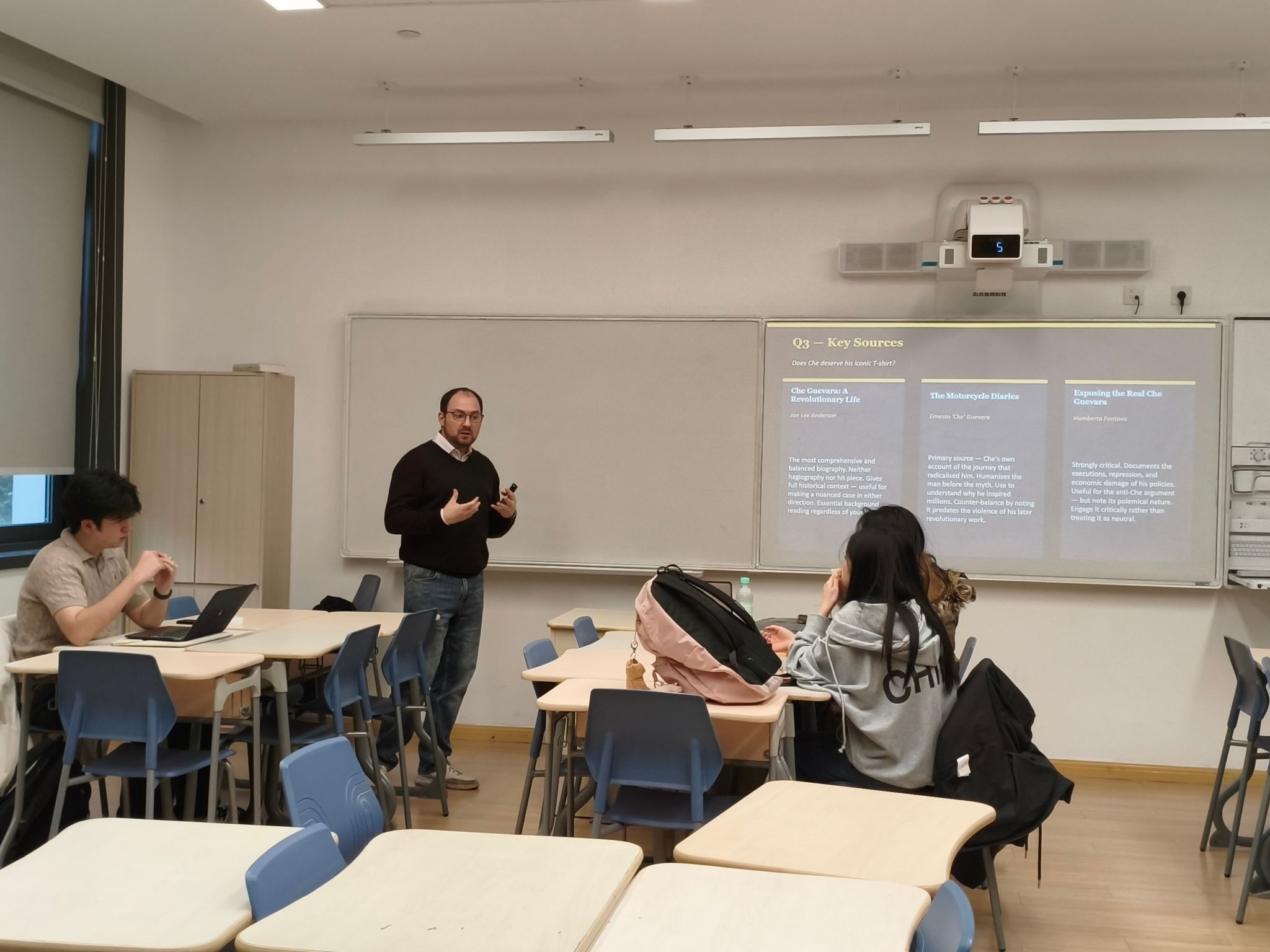
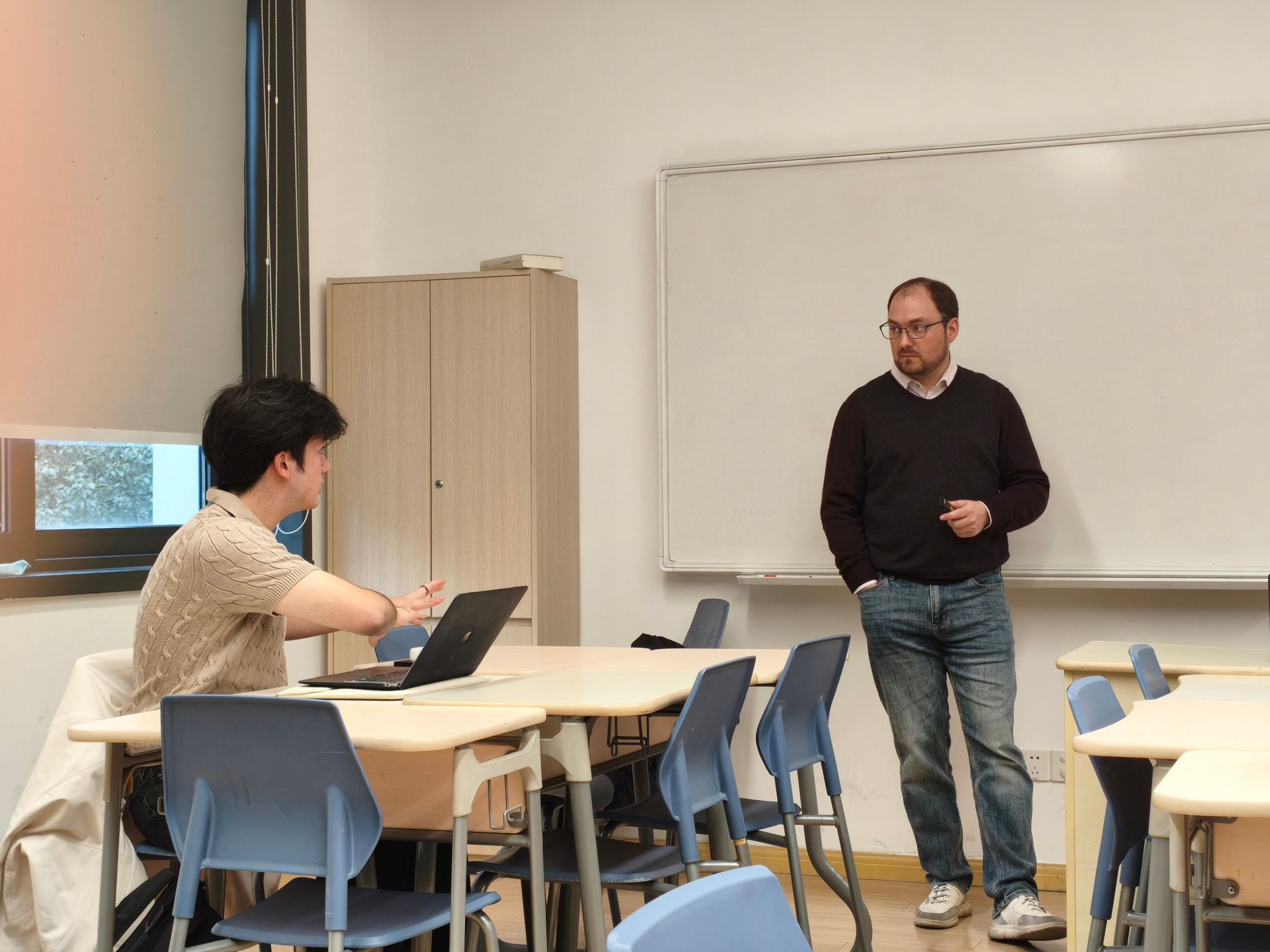
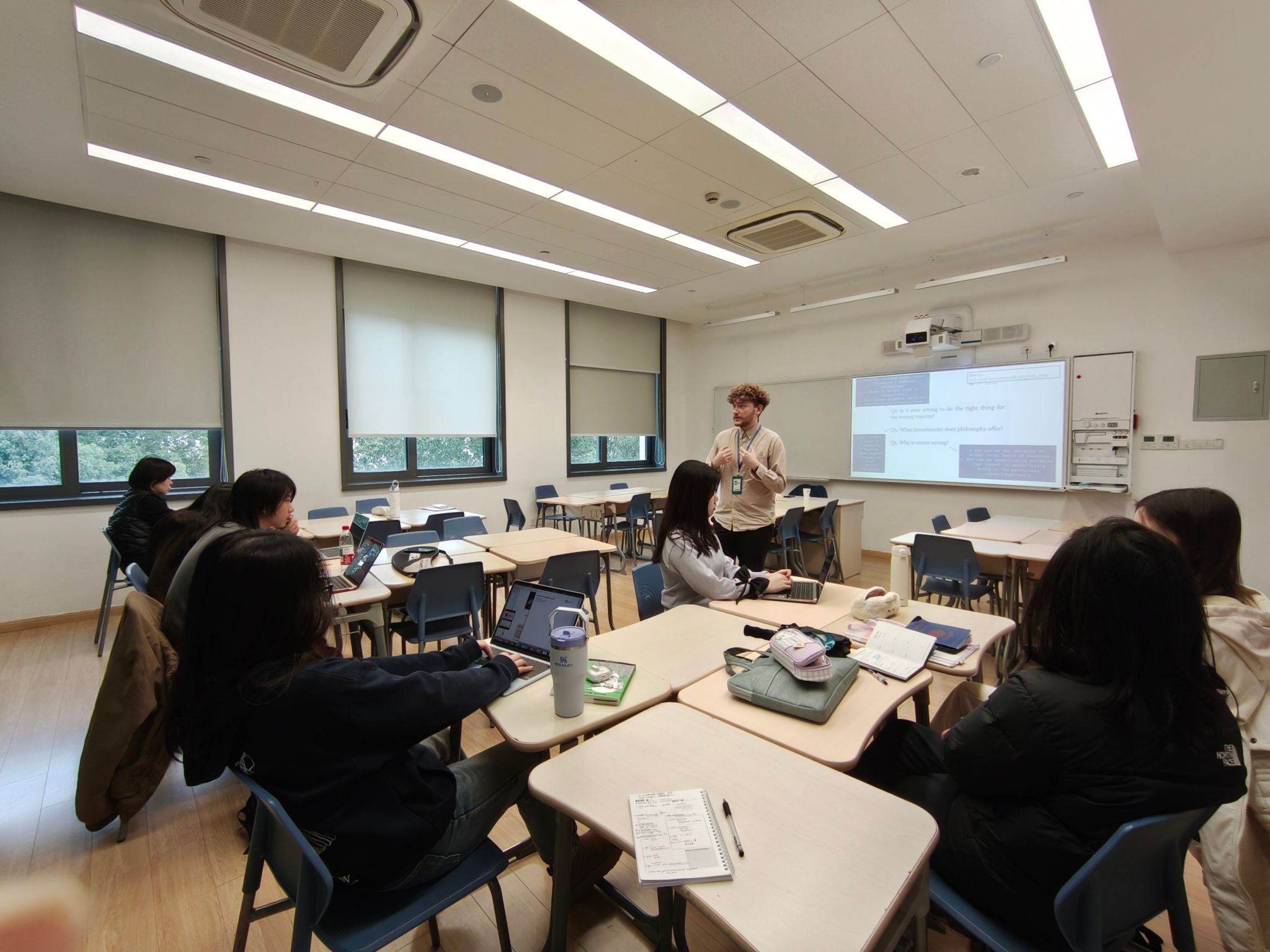
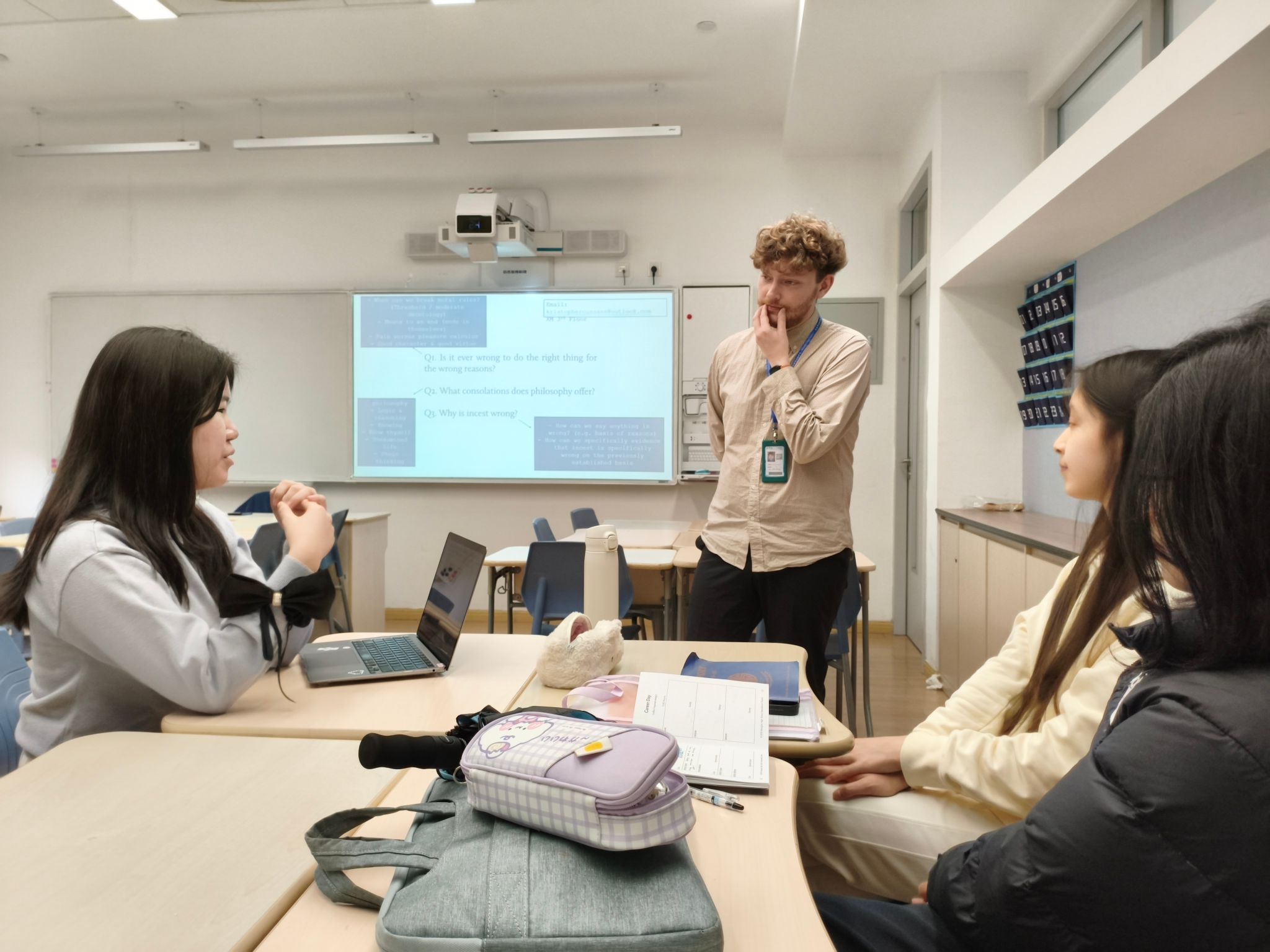
This series of activities helped students use reading to map out their own cognitive frameworks for studying history and geography. By focusing on the specific time and place where the story unfolds, they consolidated fundamental concepts while delving deeper into exploration and expanding their understanding. They then shared their insights with the enthusiasm of a collector, ensuring that every page they opened was beneficial and every page they closed left them with something to take away.
(Written by Shen Zhou Pictures by teachers of History and Geography Department, 10(10) Yoyo Reviewed by Qian Zuo)