-
ABOUT US
-
ACADEMICS
Curriculum Program
Departments
- English
- High School Chinese
- Primary and Junior School Chinese.
- High School Mathematics
- Middle School Mathematics
- Primary School Mathematics
- Music and Fine Arts
- Physical Education
- Physics
- Chemistry
- History and Geography
- Physical Science and Optional courses Department
- Middle School Biology
- High School Biology
- Social Sciences
- Computer Science
- Courses in Primary School
Achievements and Matriculations
College Counseling
Science & Technology Innovation Contest
Subject Competition
-
ARTS
-
ATHLETICS
-
AT SHSID
SHSID ∣ TIMES
PTSA
Club Exhibition
- 龙吟社
- Live 2 Drama
- Choir
- Hip-pop Dance Club
- The Primary School Dance Troupe
- Symposiums Club
- Biology Workshop
- You Shan
- VEX Robotic
- Peking Opera Club
- Baseball Club
- Model United Nations
- The World Scholar’s Cup
- Future Problem Solving Club
- United States Academic Pentathlon
- OM Club
- AMC Club
- Music for Patients
- SHSID Gazette
- Smile Charity
- Cultural Moments
- SciAcademy
- Stem Doge Alliance
- Chinese Debate Club
- IAA
- Mock Trial Club
- Zhengming Club
- Furry Friends
- GT-Racing
- Village Radio
- IMMC Club
- Creative Design and Intelligent Fabrication
- Future City Research Project
- ECOCAP
- AdvocaSEA
- SPDC
- Medishine
- Floorball Club
- Animusic MTC
- Wings Up
- All Booked
- Cyano
- Birding Community
Health and Wellness
Campus Safety
Cafeteria Service
-
ADMINISTRATION
-
ADMISSIONS
-
ALUMNI
Alumni Information
Honors Students
- Class of 2025
- Class of 2024
- Class of 2023
- Class of 2022
- Class of 2021
- Class of 2020
- Class of 2019
- Class of 2018
- Class of 2017
- Class of 2016
- Class of 2015
- Class of 2014
- Class of 2013
- Class of 2012
- Class of 2011
- Class of 2010
- Class of 2009
- Class of 2008
- Class of 2007
- Class of 2006
Who Studied at SHSID
SHS Foundation
-
DOCUMENTS
Puxi & Pudong Campus G4-5: Chinese Culture Week
From April 27 to 30, the fourth and fifth graders at SHSID's Puxi and Pudong campuses meticulously organized Chinese Culture Week -- a splendid cultural feast where ancient charm and modern creativity intertwined, allowing students to draw close to China's cultural lineage and experience, within a richly cultured atmosphere, the long-standing history and diverse brilliance of Chinese civilization.
Grade Four: Delicate tea fragrance lasts long
Fourth-grade students followed the subtle aroma of tea into the timeless world of tea culture spanning thousands of years. From identifying tea types and categories, to quietly savoring tea, and tracing the paths of tea's spread, the students gradually unlocked the elegance and philosophy embedded in the tea ceremony--observing colors, inhaling fragrances, and tasting flavors--while quietly connecting with the refined grace of tea culture.
Smell the Tea
In a single leaf lies the story of seasons and ages--the history of tea slowly unfurls like an ancient scroll. The fourth-grade students traced its path upstream, exploring the thousand-year journey of tea. From the mentions in The Classic of Tea of tea-drinking traditions in the time of Yan Ying of Qi, Yang Xiong, and Sima Xiangru of Han, the students journeyed across the river of time, uncovering the origins of tea drinking in China and glimpsing the world of craftsmanship behind tea-making techniques. Each step--plucking, withering, pan-firing, rolling, drying--embodies the wisdom and dedication passed down through generations of artisans, reflecting the enduring spirit of focus and inheritance that lies at the heart of Chinese craftsmanship.
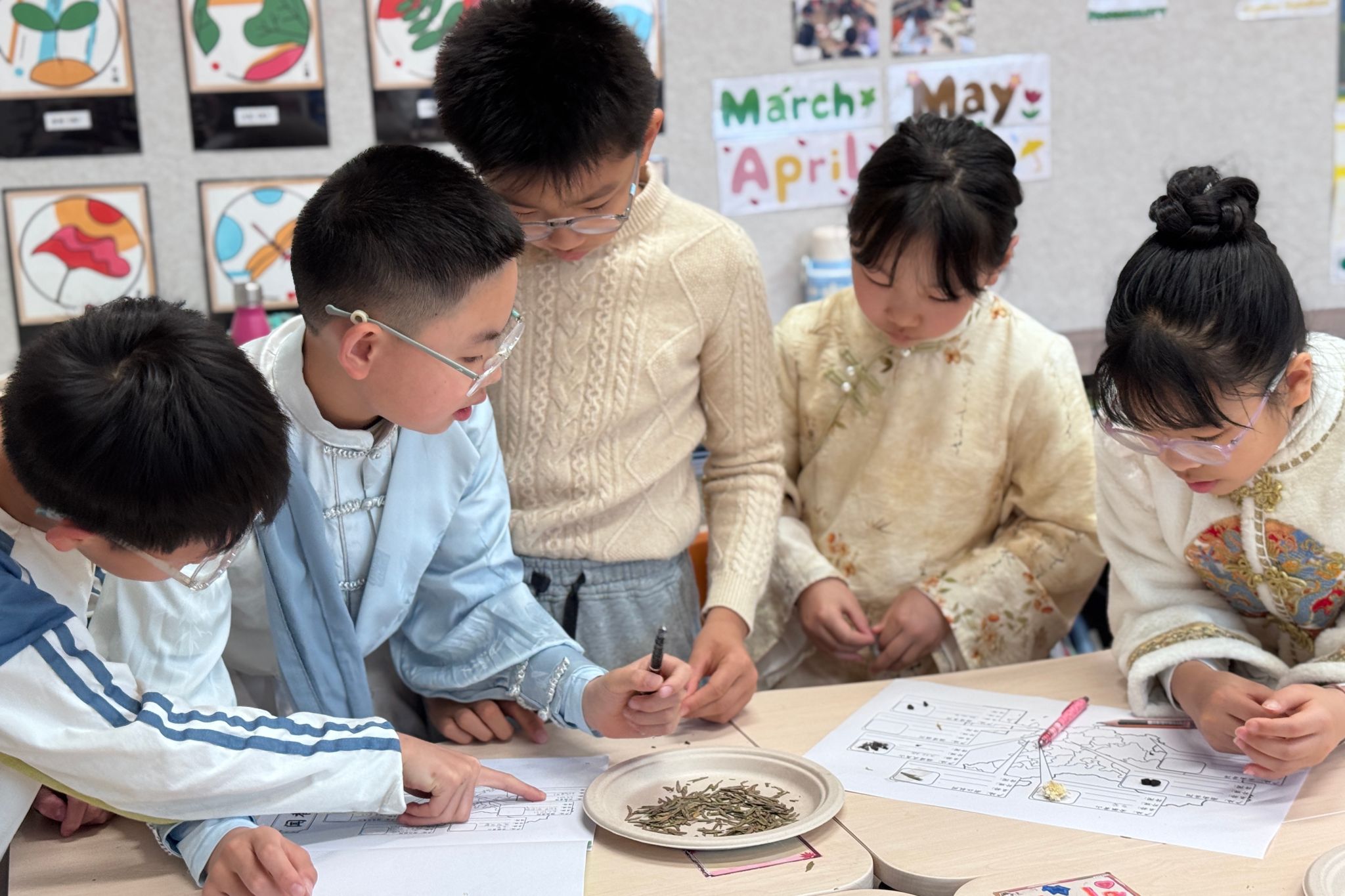
Gradually immersing themselves in the world of tea, the fourth-grade students transformed into little tea connoisseurs. They held different varieties of tea leaves in their palms, observing with focused attention: the flat and glossy shape of West Lake Longjing, the silvery fuzz of Junshan Silver Needle, the tight and heavy appearance of Tieguanyin, the neat and delicate beauty of jasmine tea, and the graceful, elegance of golden chrysanthemum tea--each with its own unique character. At the same time, the students gently pushed open the doors of time, lingering over the thousand-year-old legends behind these famous teas--the eighteen tea trees bestowed by Emperor Qianlong, the magical tale of the Guanyin Bodhisattva gifting a dream to create a remarkable tea, the ancient stories of Junshan Silver Needle as a tribute, and more. These fascinating tales drifted like wisps of tea fragrance, mingling with the geography and landscapes of China. Using distribution as the warp and legends as the weft, the young learners spread out their paper, ground their ink, and brought to life a uniquely vivid map of Chinese tea culture.
Taste the Tea Around the Stove
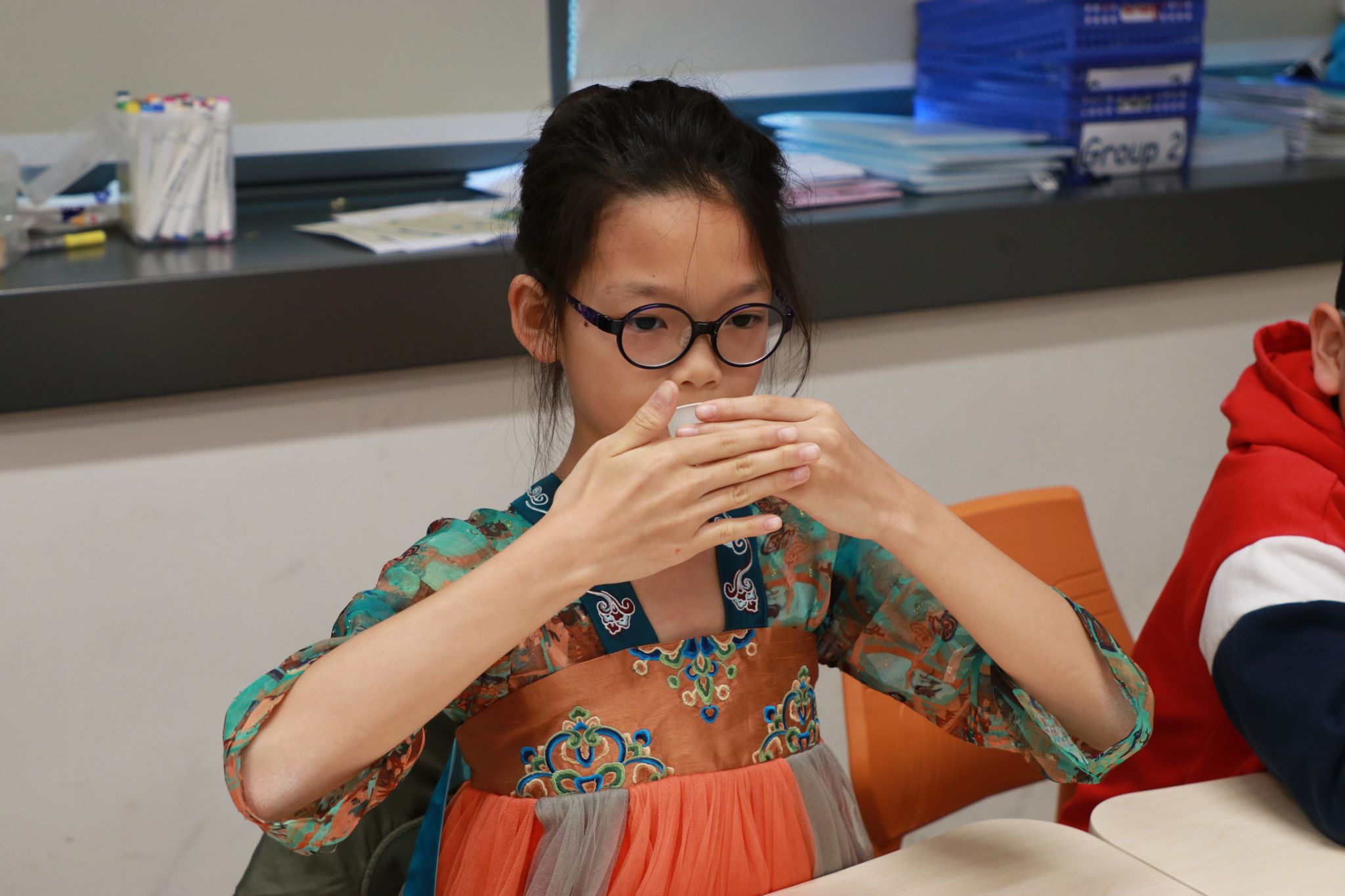
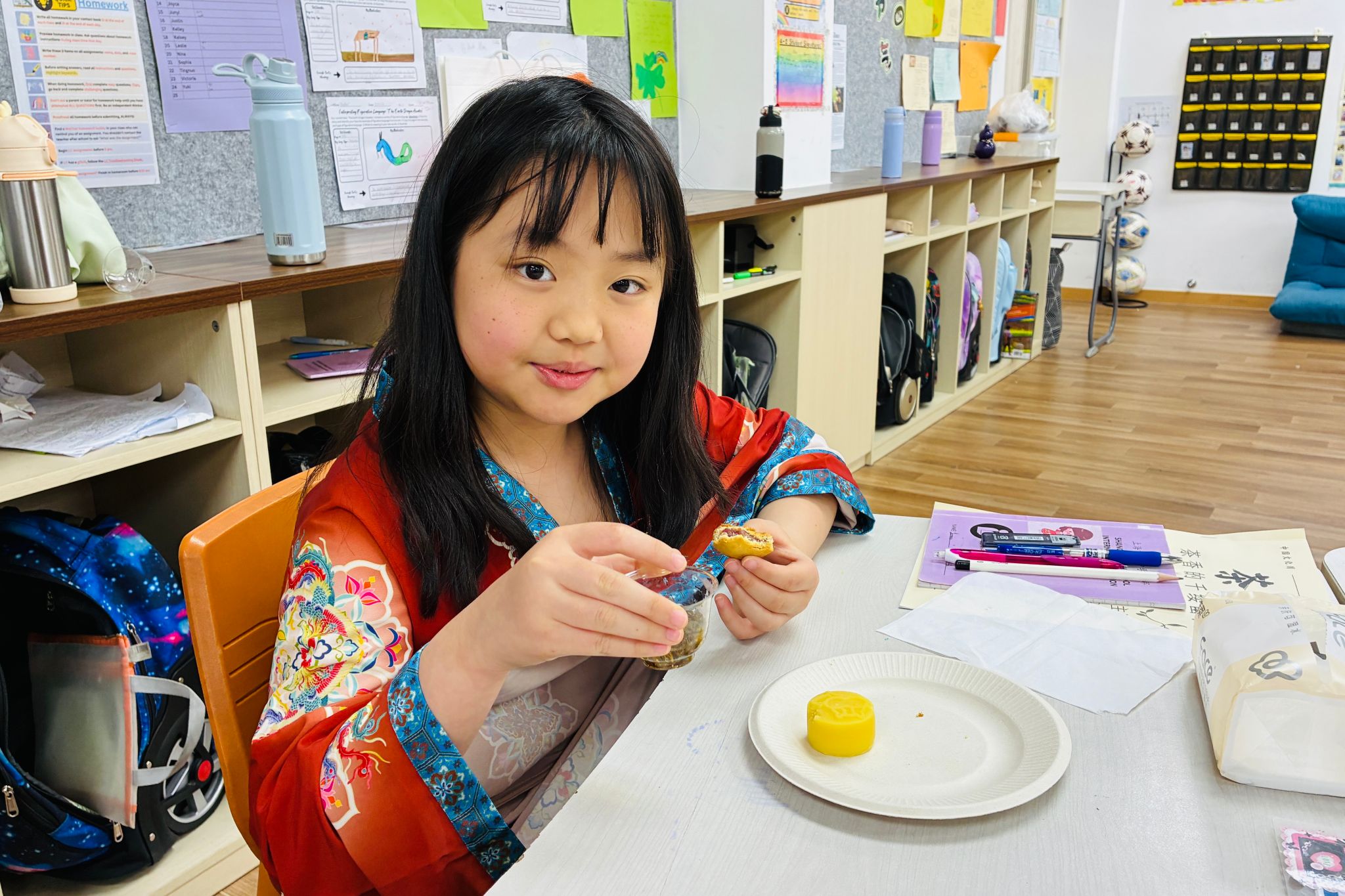
After recognizing their forms and tracing their origins, it was finally time to savor their flavors. At last came the tea-tasting session the students had long been looking forward to. They first followed the camera on a journey back a thousand years to catch a glimpse of the refined tea-drinking traditions of the Tang and Song dynasties. Then, the teachers presented the teas prepared for the day. The students sat around the tables, each with a notebook in hand--some recording the colors of the tea infusions, some carefully sensing the layered aromas, while others raised their cups to take small, delicate sips, accompanied by a piece of sweet and soft date-and-walnut cake. From time to time, they shared their impressions with their peers, together savoring the quiet elegance of the moment. Amid this leisurely tea conversation, the students attentively experienced, with their keen senses, the flavors hidden in each cup of tea, and perceived the enduring cultural roots of Chinese civilization stretching across thousands of years.
Spread the Culture of Tea
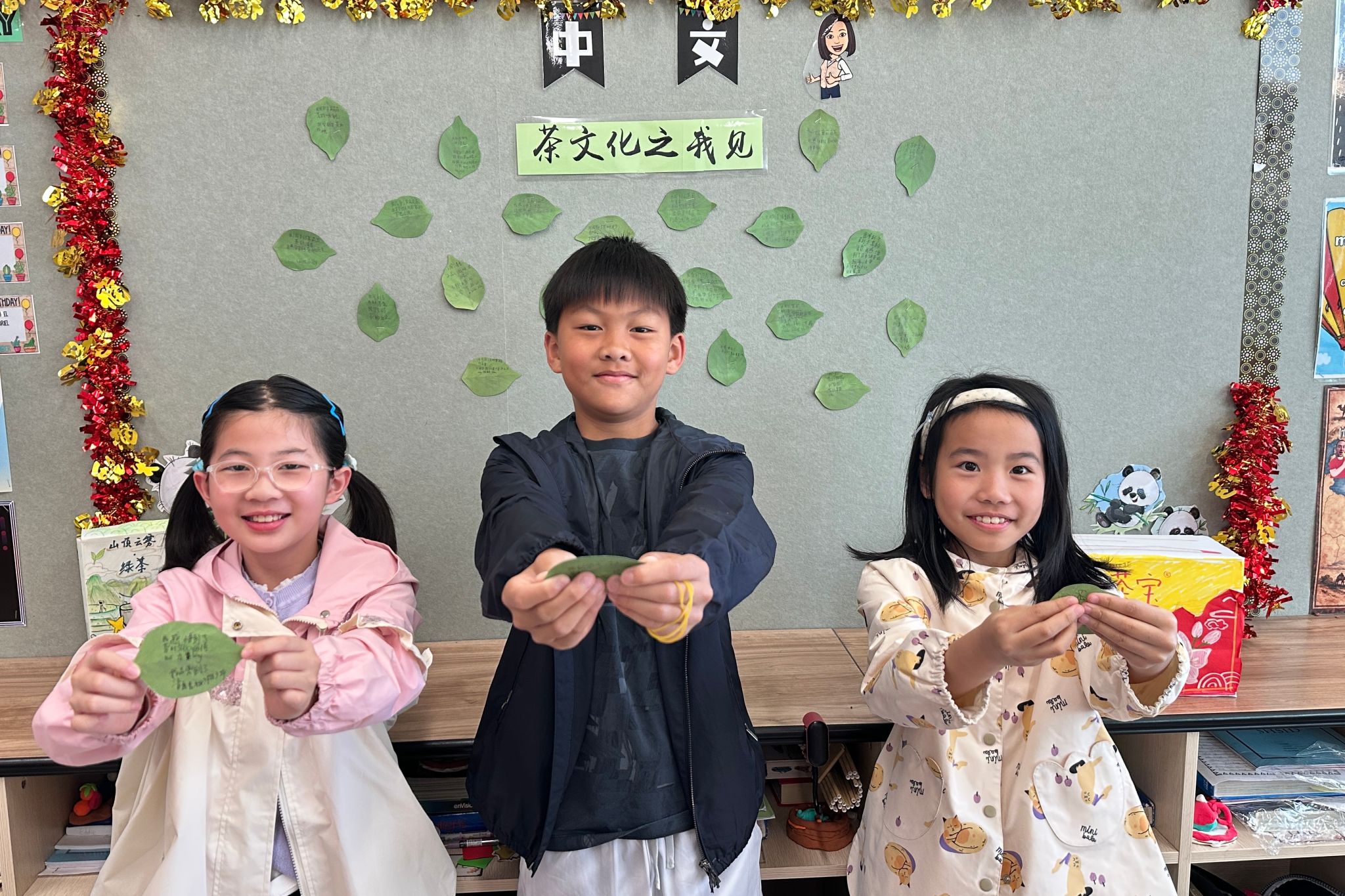
Before the fragrance of tea had faded, the curtains of history slowly rose. Scenes of tea preparation from ancient times came to life on the murals of old tombs, where the details of boiling water and brewing tea remained clear and distinct. Following the clues hidden in these paintings, and drawing upon a wealth of historical records, the students traced the long journey of Chinese tea as it spread across the world. From crossing the seas to Japan, to voyaging to the Arabian lands, and then to captivating nations across Europe, such vast distances were traveled by so small a leaf. To their astonishment, the students discovered that names for "tea" around the world sounded remarkably similar--perhaps a resonance of culture bridging mountains and oceans. As the activity drew to a close, the students poured their reflections, thoughts, and feelings onto jade-green "tea leaves" of paper, continuing to tell the ancient yet living story of Eastern civilization.
Design the Tea Brand
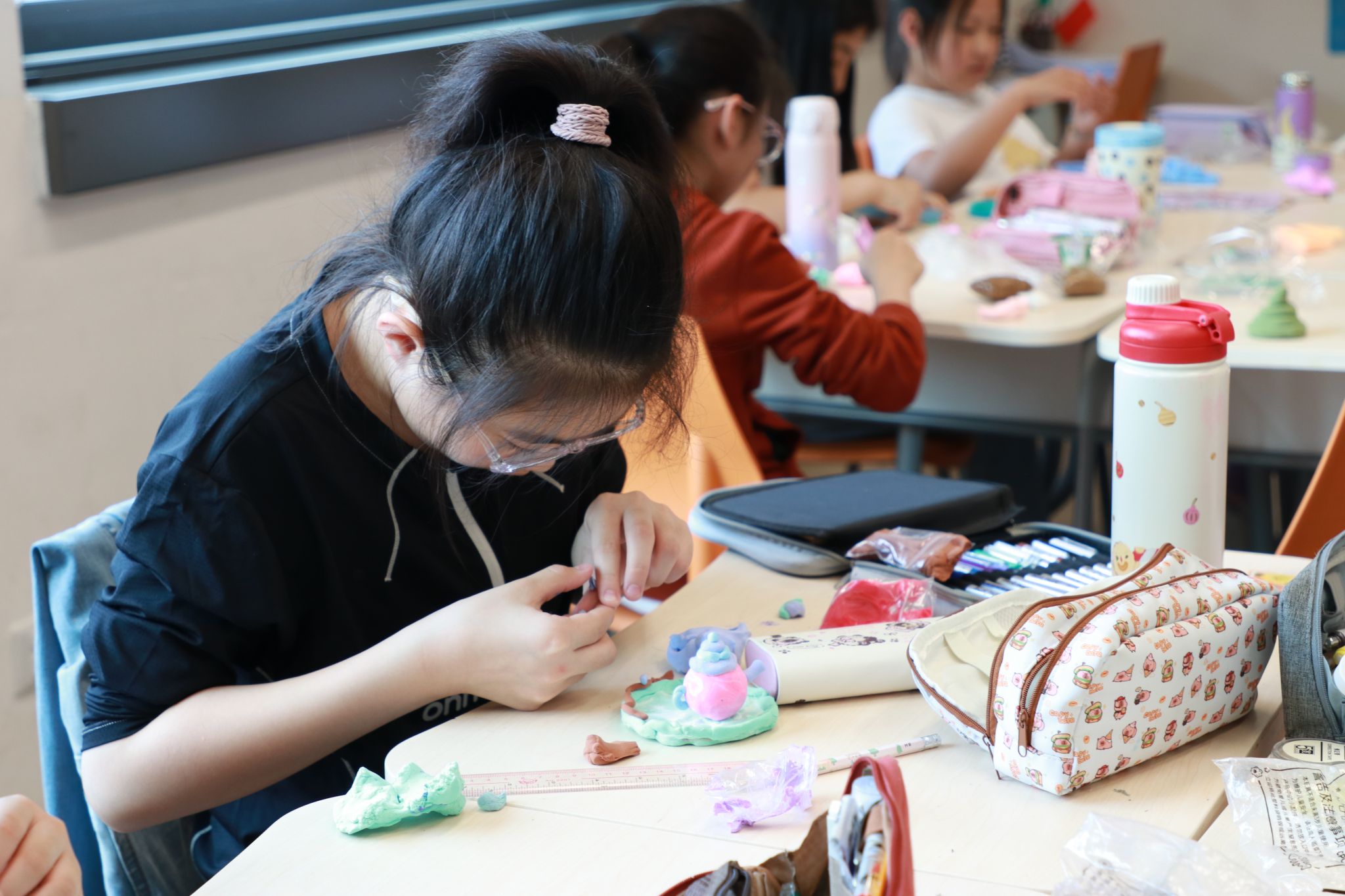
In this week's art class, the students drew inspiration from what they had learned during Chinese Culture Week and embarked on a unique clay creation session. Clays of various colors were kneaded and shaped in the children's hands, gradually transforming into sets of uniquely crafted tea wares--some round and full, others slender and elegant, each with its own character. Some students added delicate touches, pairing their tea sets with tiny tea snacks, making the ensembles even more refined. Each piece is a blend of childlike innocence and creativity, reflecting the children's unique understanding and heartfelt interpretation of Chinese tea culture.
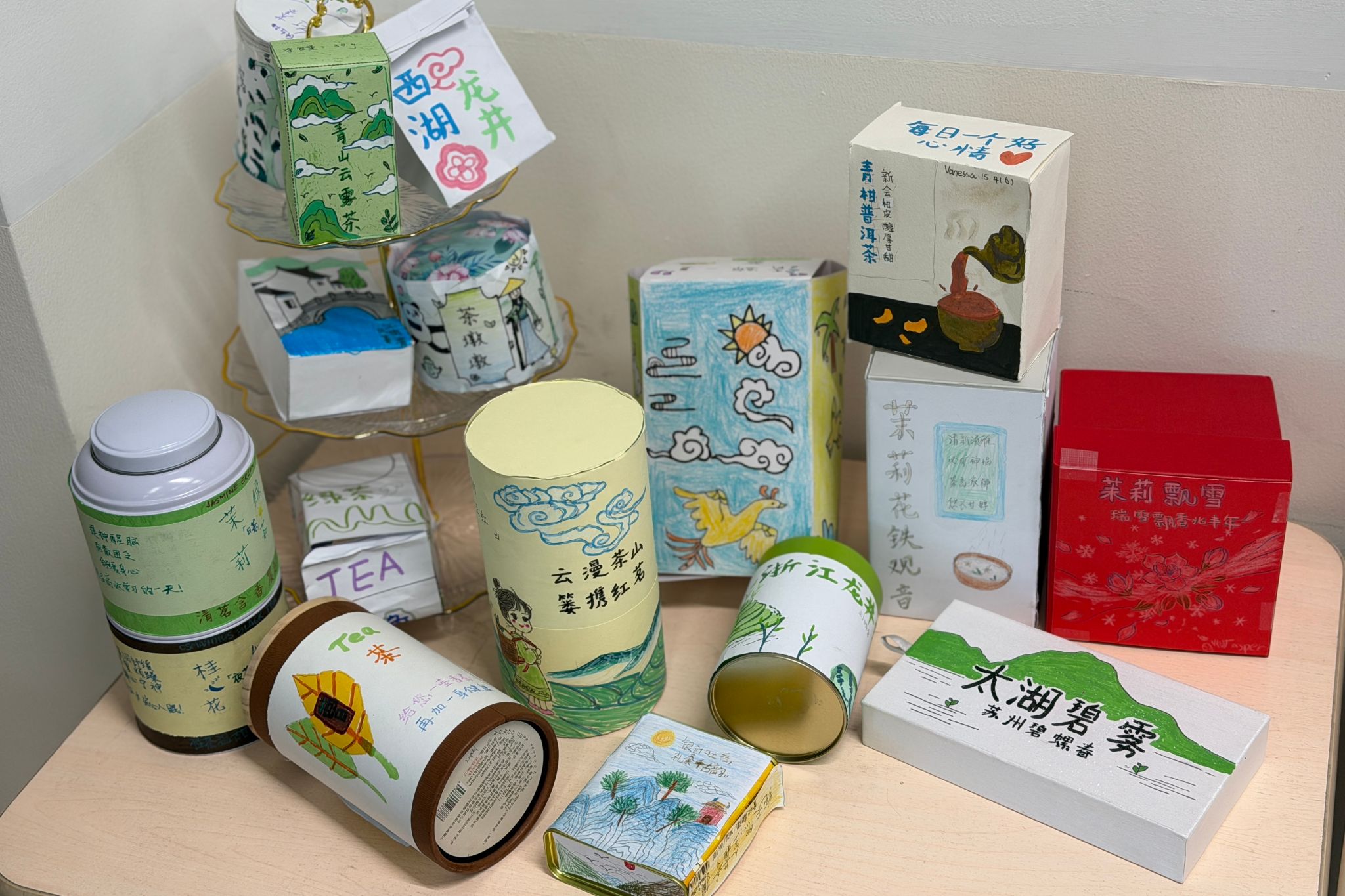
After a week immersed in the fragrance of tea, the students not only came to know the diverse forms of tea leaves, the elegant character of tea wares, and the gentle grace of tea rituals, but also, in the spirit of "man amidst plants and trees," touched the warmth of Eastern wisdom. In the "Tea Rhyme" project, they transformed into "little tea creators." Pouring their boundless imaginations onto paper, they designed a series of uniquely styled tea packaging boxes--some painted with landscapes, some inscribed with poetic verses--where childlike innocence and refined elegance complemented each other. Then, they wrote promotional slogans and design statements in their own words, eloquently explaining the creative ideas behind their work. They even used videos as a medium, confidently presenting their proud creations to their peers. Each piece stands as the children's unique interpretation of tea culture.
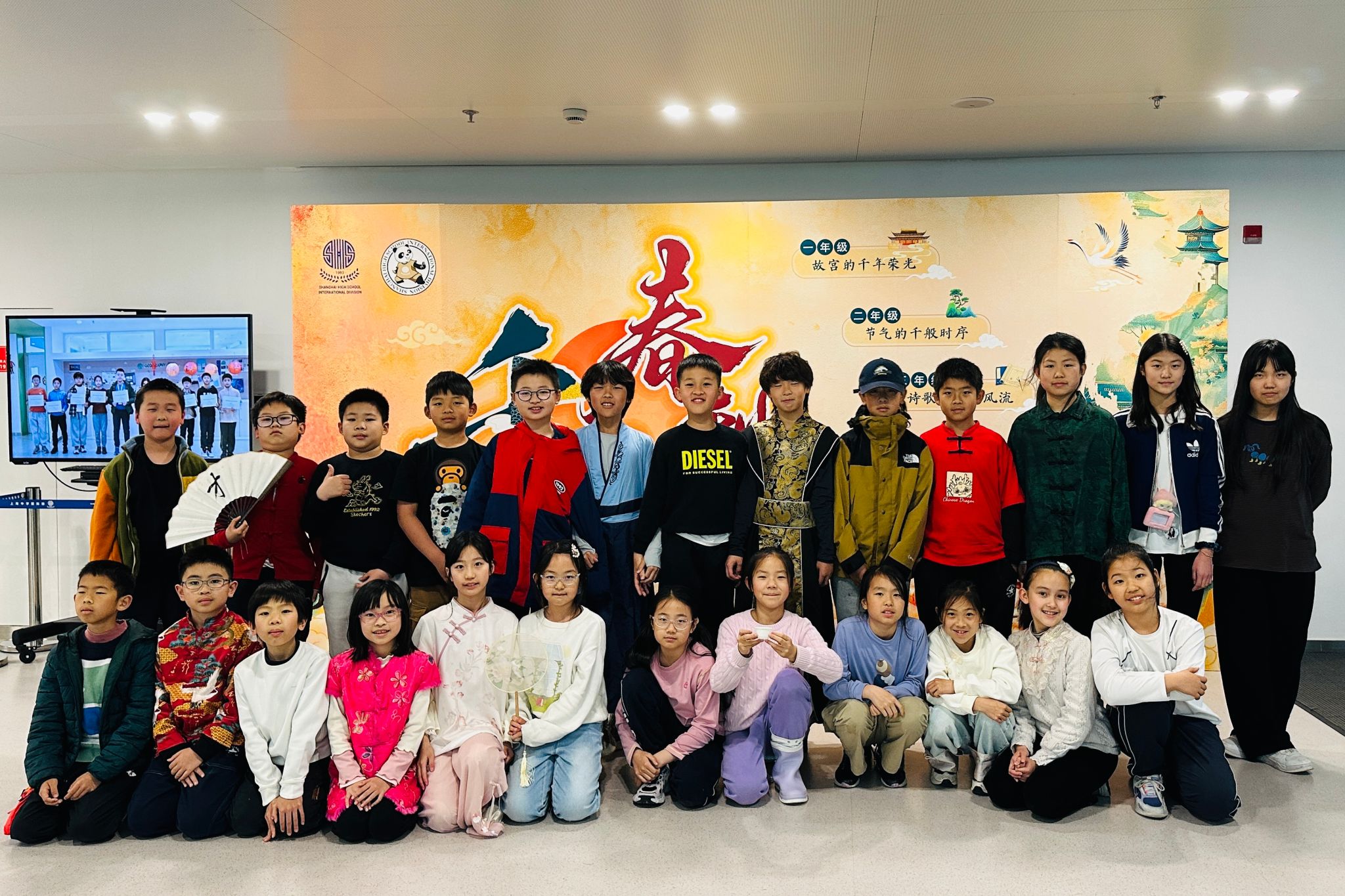
Grade Five: The Modern Glamour of Shanghai Culture
Fifth Grade
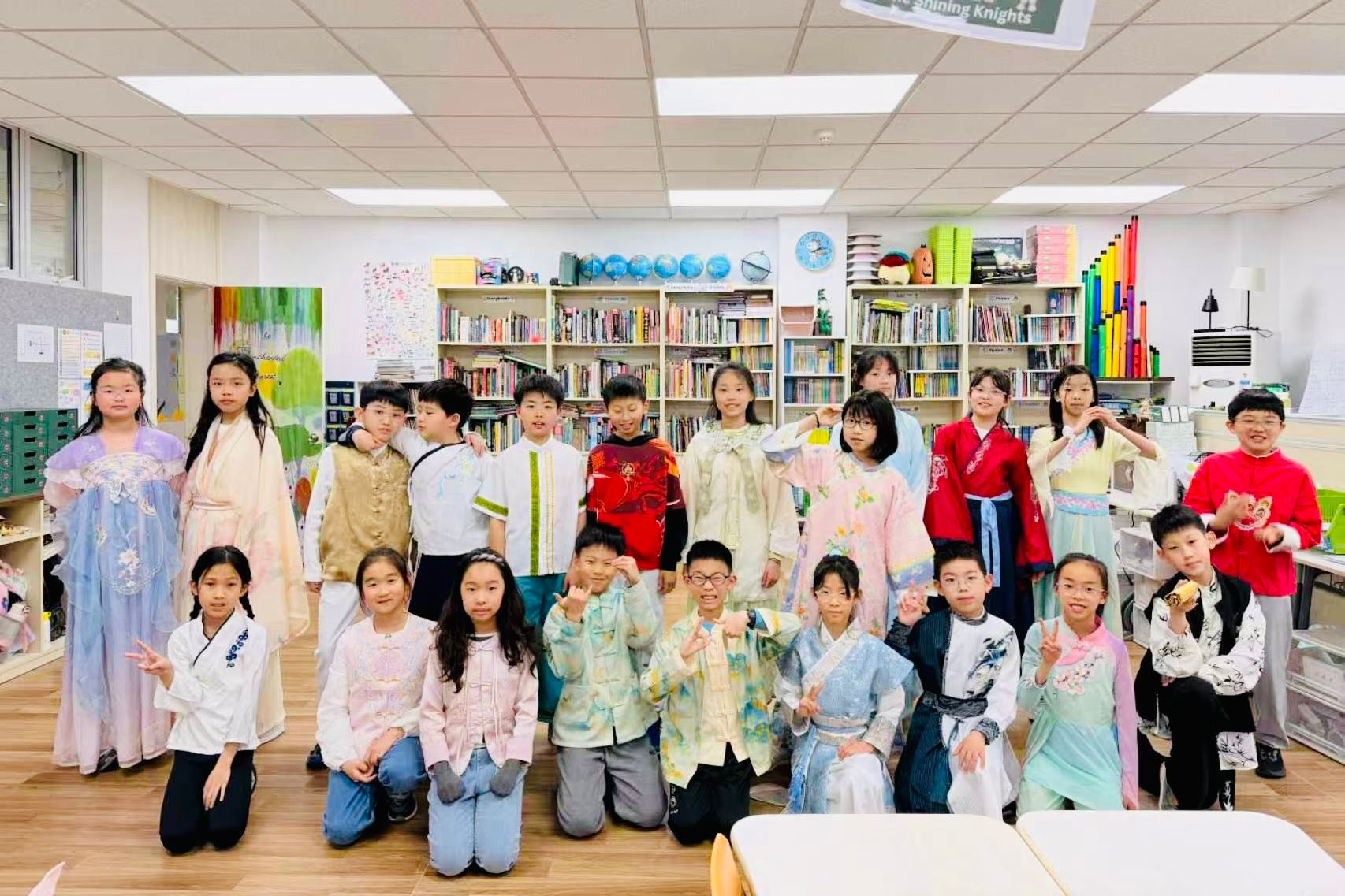
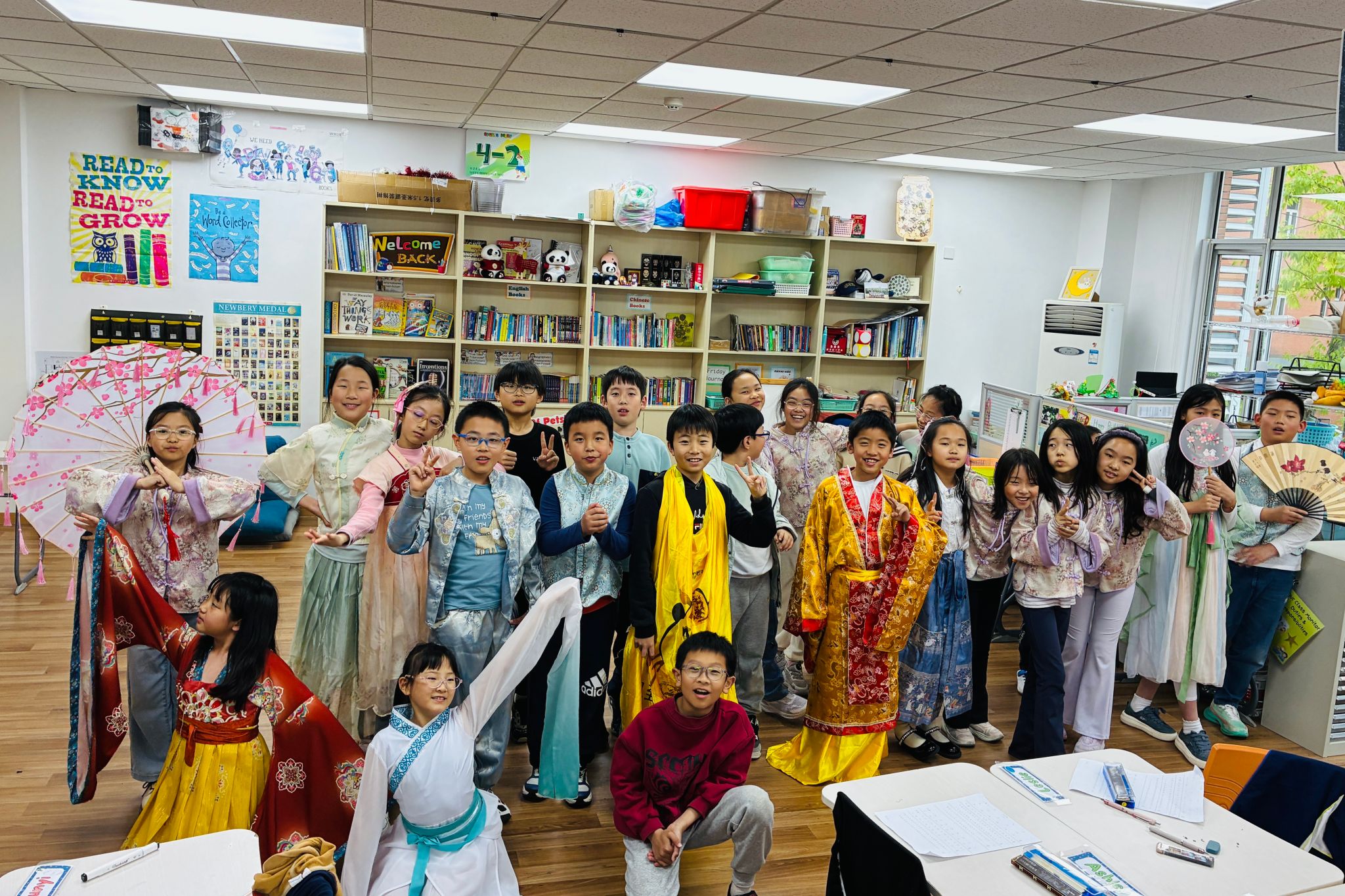
Under the theme "The Modern Glamour of Shanghai Culture," the fifth graders traced the city's past and unlocked the core of Shanghai's open, inclusive, and diverse cultural spirit. The week-long activities were vibrant and varied: honoring the deeds of historical sages, trying their hand at textile craftsmanship, learning to sing Shanghai nursery rhymes… Through these hands-on experiences, the students gained a deep understanding of both the historical accumulation and contemporary flair of Shanghai-style culture, revitalizing its heritage with youthful vigor.
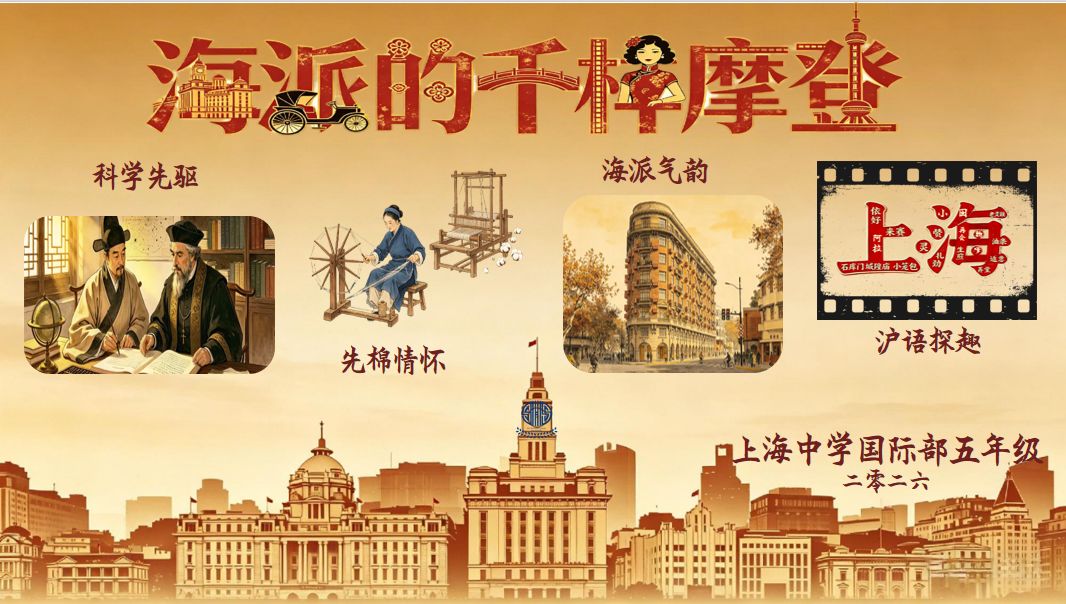
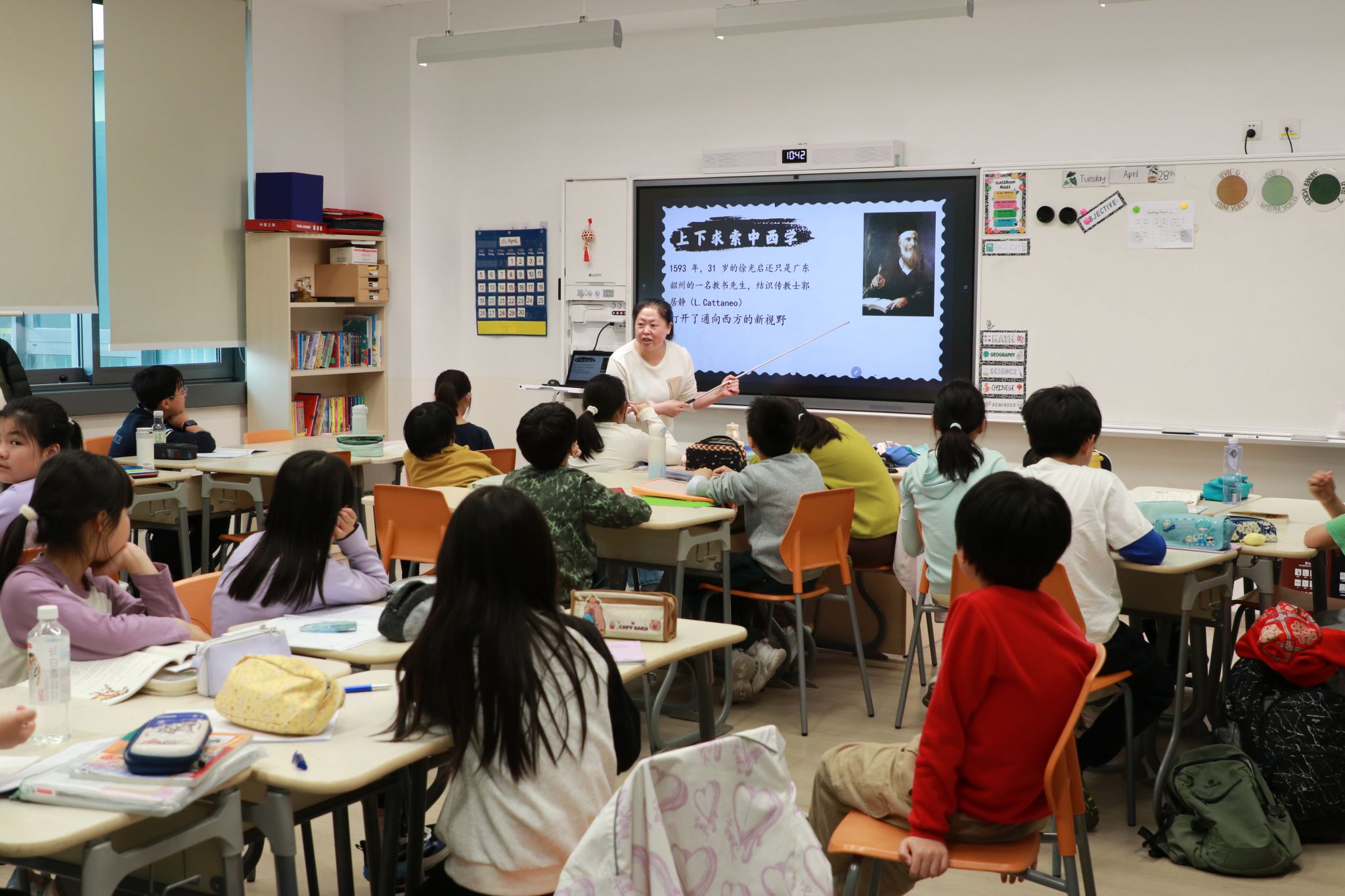
Tuesday, the students focused on Xu Guangqi, a renowned scientist of the Ming Dynasty and a pioneer of cultural exchange, embarking on a dialogue across time. As China's first intellectual to "open his eyes to the world," Xu believed: "To surpass, one must integrate; before integration, one must translate." He co-translated Euclid's Elements with Matteo Ricci, authored The Complete Book on Agriculture, and introduced Western scientific logic and empirical methods to China. Mathematical terms he coined -- such as "point," "line," "surface," and "angle" -- are still used today, laying a solid foundation for modern Chinese science. In class, the students listened attentively to Xu's legendary story, eagerly raised questions, and engaged in lively discussions about the significance of his efforts to absorb Western scientific knowledge and fuse it with traditional Chinese science and technology, thereby carrying forward the open, innovative, truth-seeking, and inclusive spirit of Shanghai-style culture.
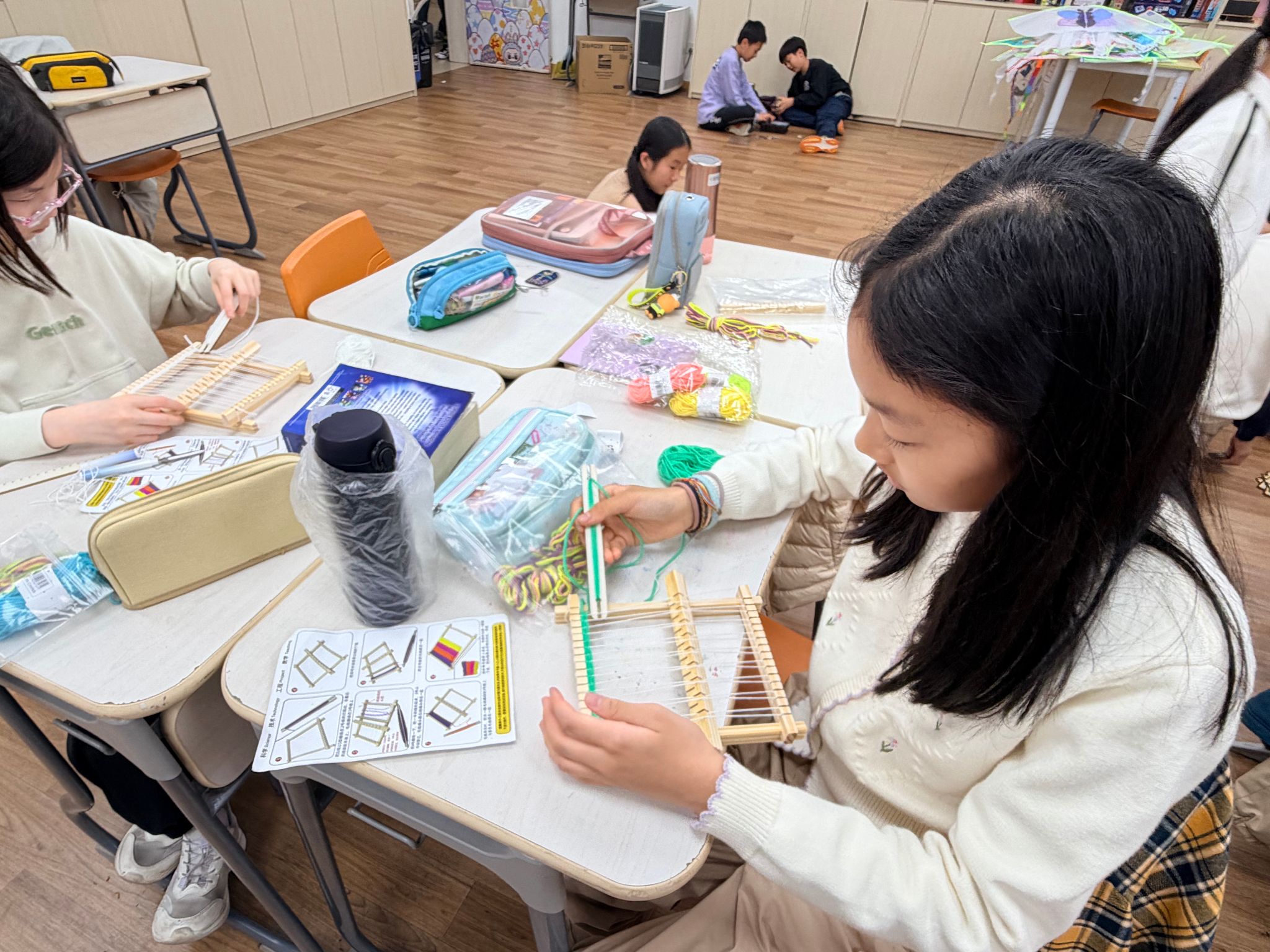
Wednesday, the focus shifted to "Xianmian Hall," a cultural landmark on the SHSID campus steeped in history. Named in honor of Huang Daopo, the "Goddess of Cotton," who made outstanding contributions to the development of China's cotton textile industry, the hall came alive with a much-anticipated cotton textile experience. To bring history to life, the students, under their teacher's guidance, personally tried their hand at traditional cotton spinning and weaving. They picked up cotton wadding, learned to twist threads and spin yarn, and touched ancient tools, feeling the wisdom and toil of their forebears. Through this practice, they truly grasped Huang Daopo's spirit of active innovation and bold pioneering, as well as the down-to-earth, excellence-driven craftsmanship of Shanghai-style culture.
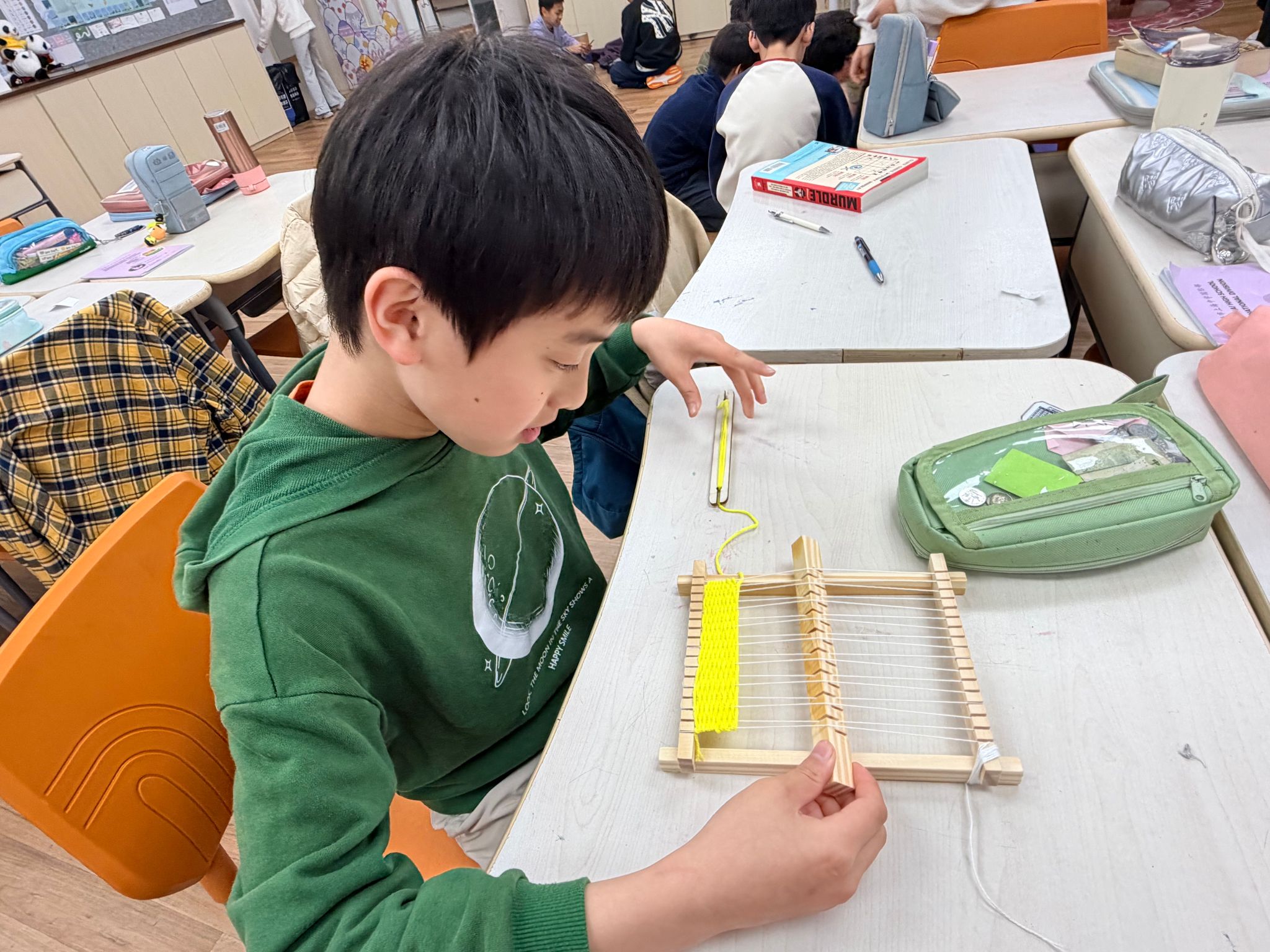
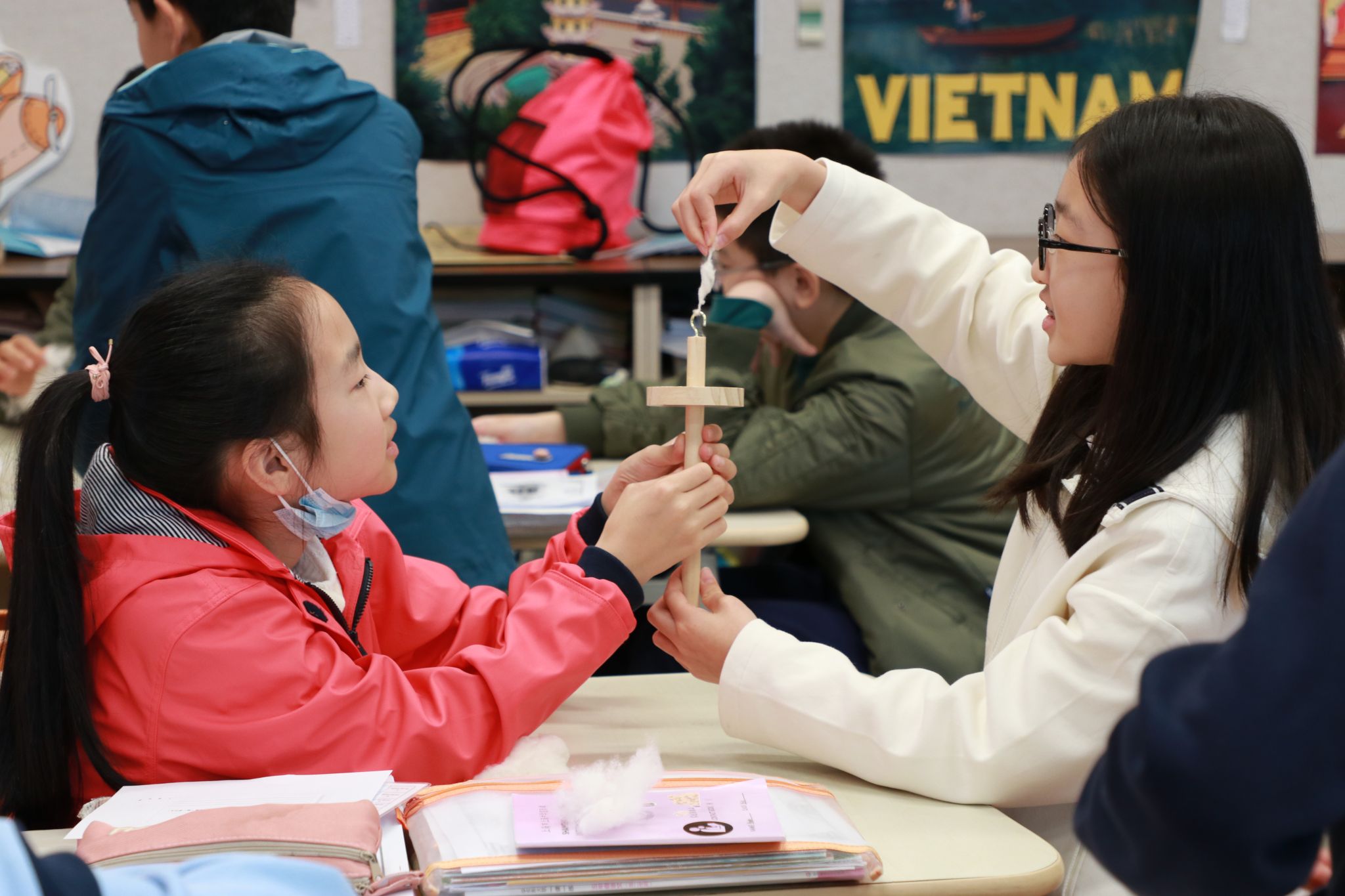
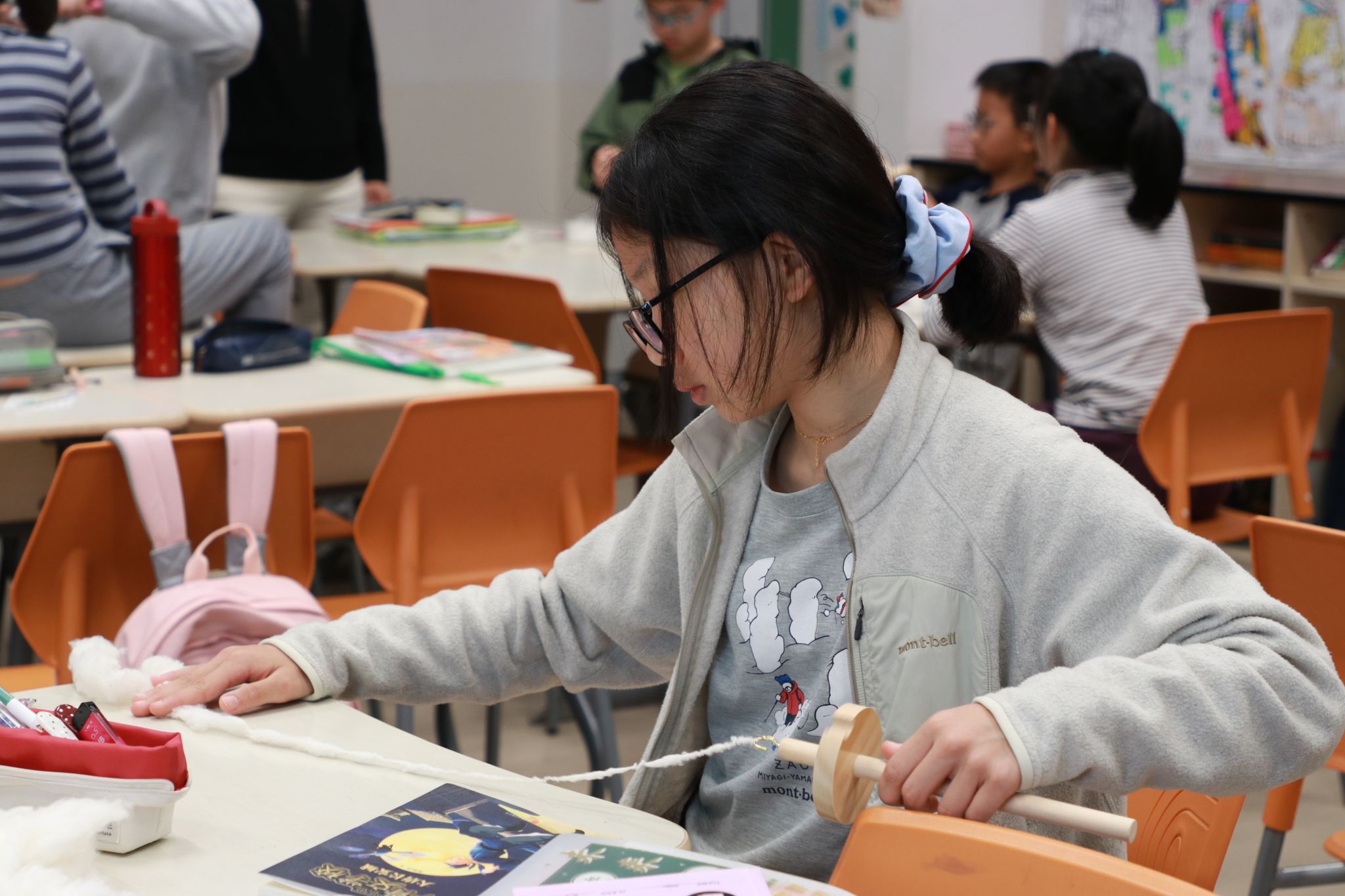
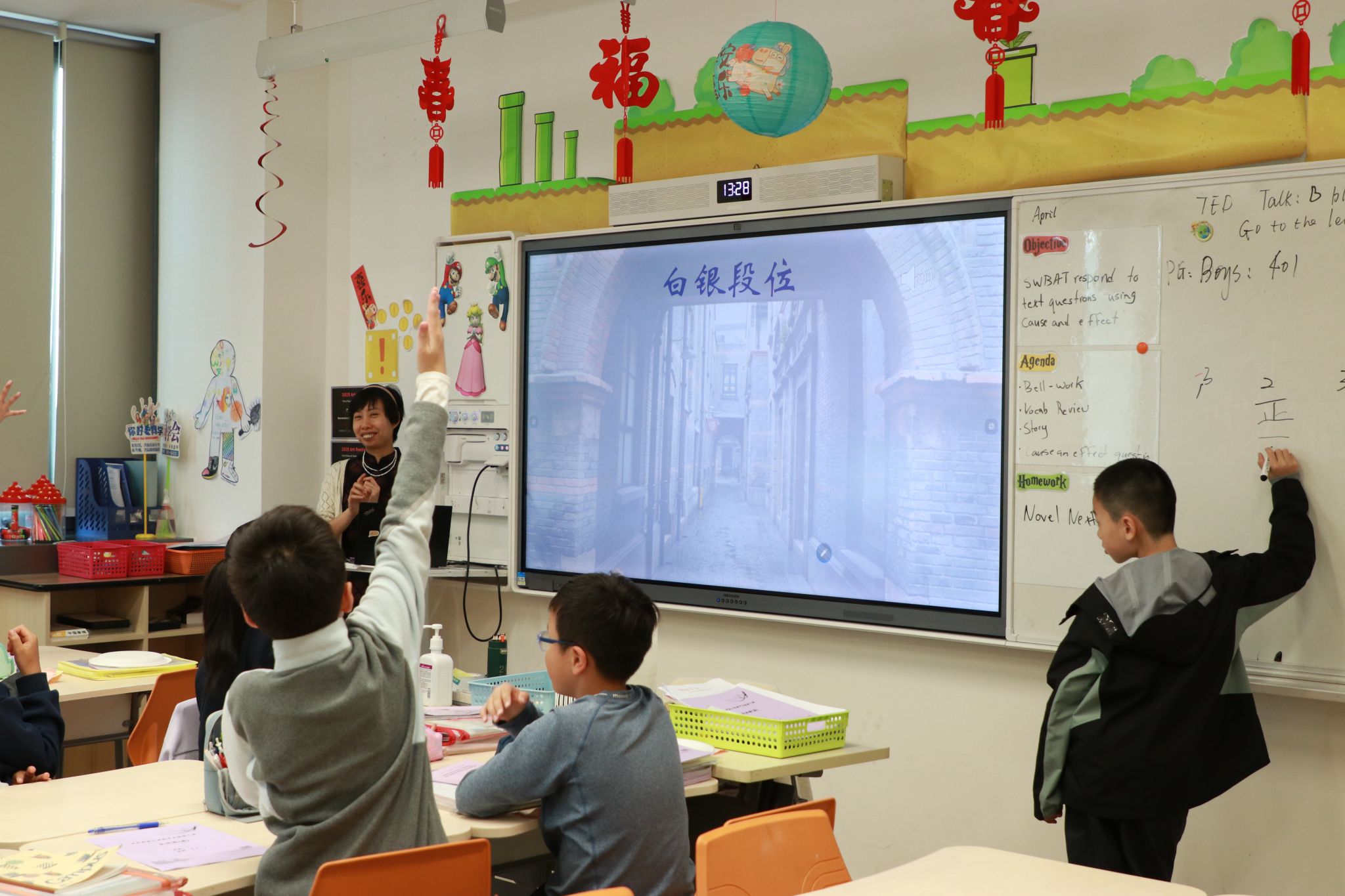
Thursday, the hallways echoed with the soft, lilting sounds of the Shanghai dialect. The students experienced the unique charm of the local language through fun, interactive games carefully prepared by their teachers, such as "Shanghai Dialect Tongue Twisters" and "Guess the Shanghai Phrase." To their delight, they discovered that many Shanghainese words are transliterations from foreign languages -- for example, baituo (butter), shuimenting (cementing), chatou (charter)… This revelation gave them a profound sense of the diversity and openness behind the saying "the sea embraces all rivers" -- preserving local character while absorbing foreign essence. By tracing the evolution of these words, the students vividly appreciated the unique linguistic landscape formed since Shanghai opened as a port, a crossroads of Chinese and Western cultures. They understood "the inherent openness and inclusiveness of Shanghai-style culture." Later, they also learned classic Shanghainese nursery rhymes, their soft, melodious tones echoing in the classroom as if transporting everyone back to the lanes of old Shanghai, evoking a unique warmth and vibrant everyday life. At the end of the day, the students enjoyed traditional Shanghai snacks like evergreen biscuits and White Rabbit milk candy. The sweet flavors lingering on their tongues helped them taste, through their sense of taste, the modernity and coziness of Shanghai-style life, drawing them even closer to this local culture.
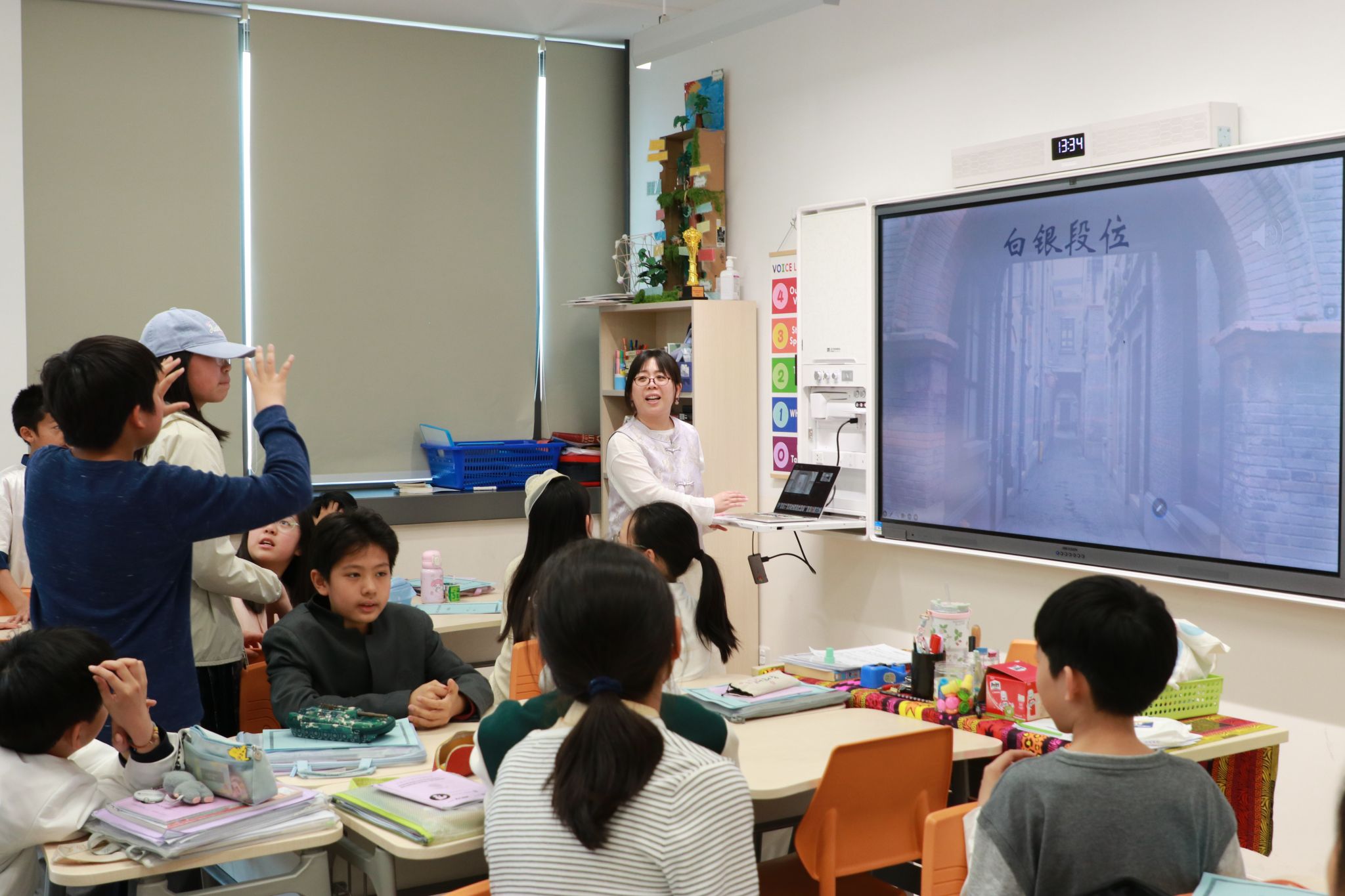
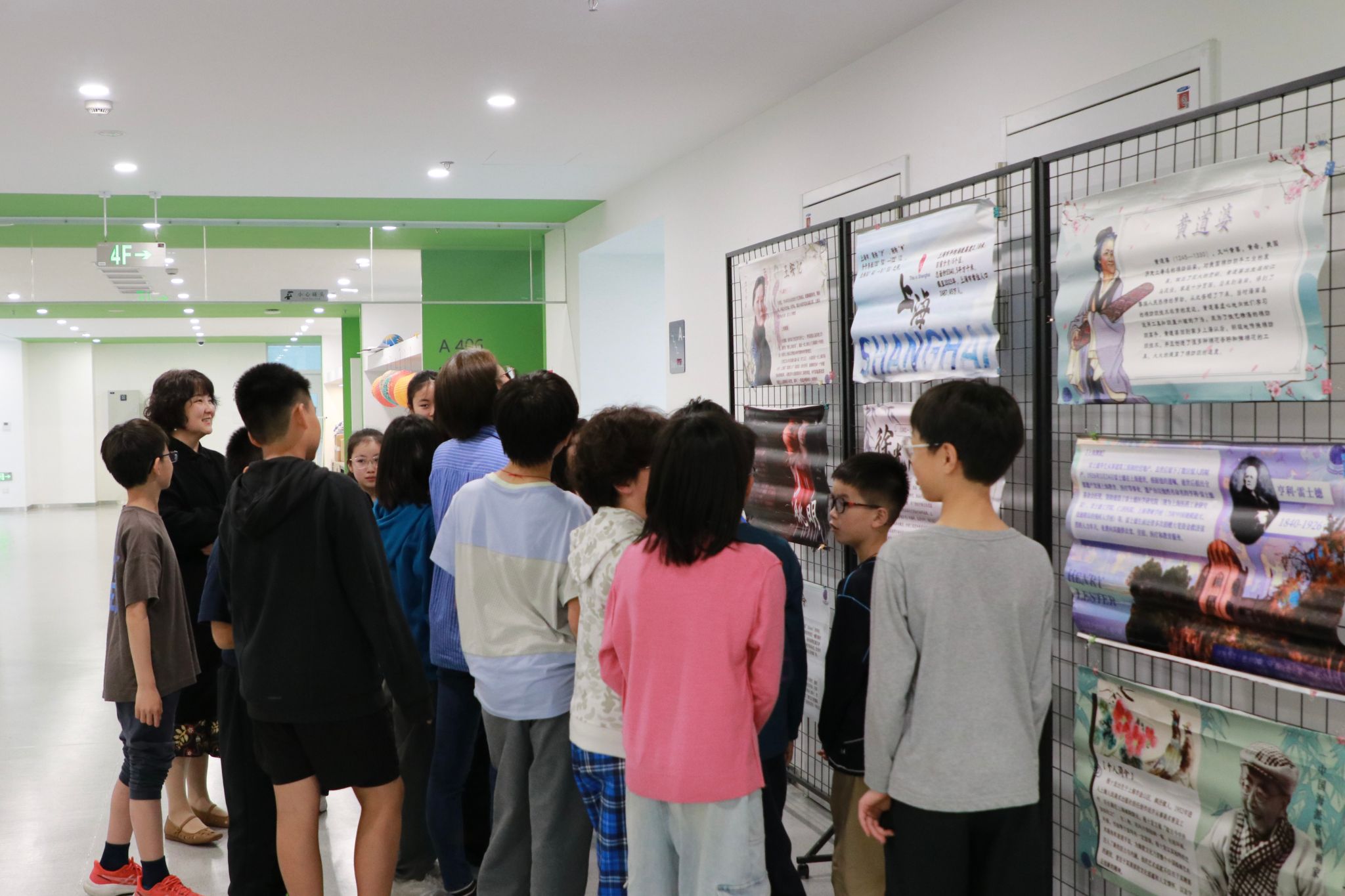
Learning extended beyond the classroom. During breaks, the students wandered through the corridors, pausing to look at posters of notable Shanghai figures and whispering to one another -- as if holding a cross-temporal dialogue with "Shanghainese" from ancient and modern times, East and West. They learned about László Hudec, the architect who left behind many fine historical buildings in Shanghai and sketched the city's skyline with his craftsmanship; appreciated Cheng Shifa's innovative artworks, whose brush and ink conveyed the spirit of Shanghai-style culture; and paid homage to pioneers such as Qian Xuesen, the founder of China's space program… The stories of these figures gave the students a deeper understanding of Shanghai-style culture. Stopping in the notable figures' exhibition area, they studied earnestly, reflected actively, not only offering ideas for filming a documentary about Shanghai's luminaries but also writing down their heartfelt thoughts and messages, expressing their respect and insights regarding these remarkable figures. Through young eyes, they grasped the essence of historical sages, and with youthful words, they paid tribute to Shanghai's cultural lineage.
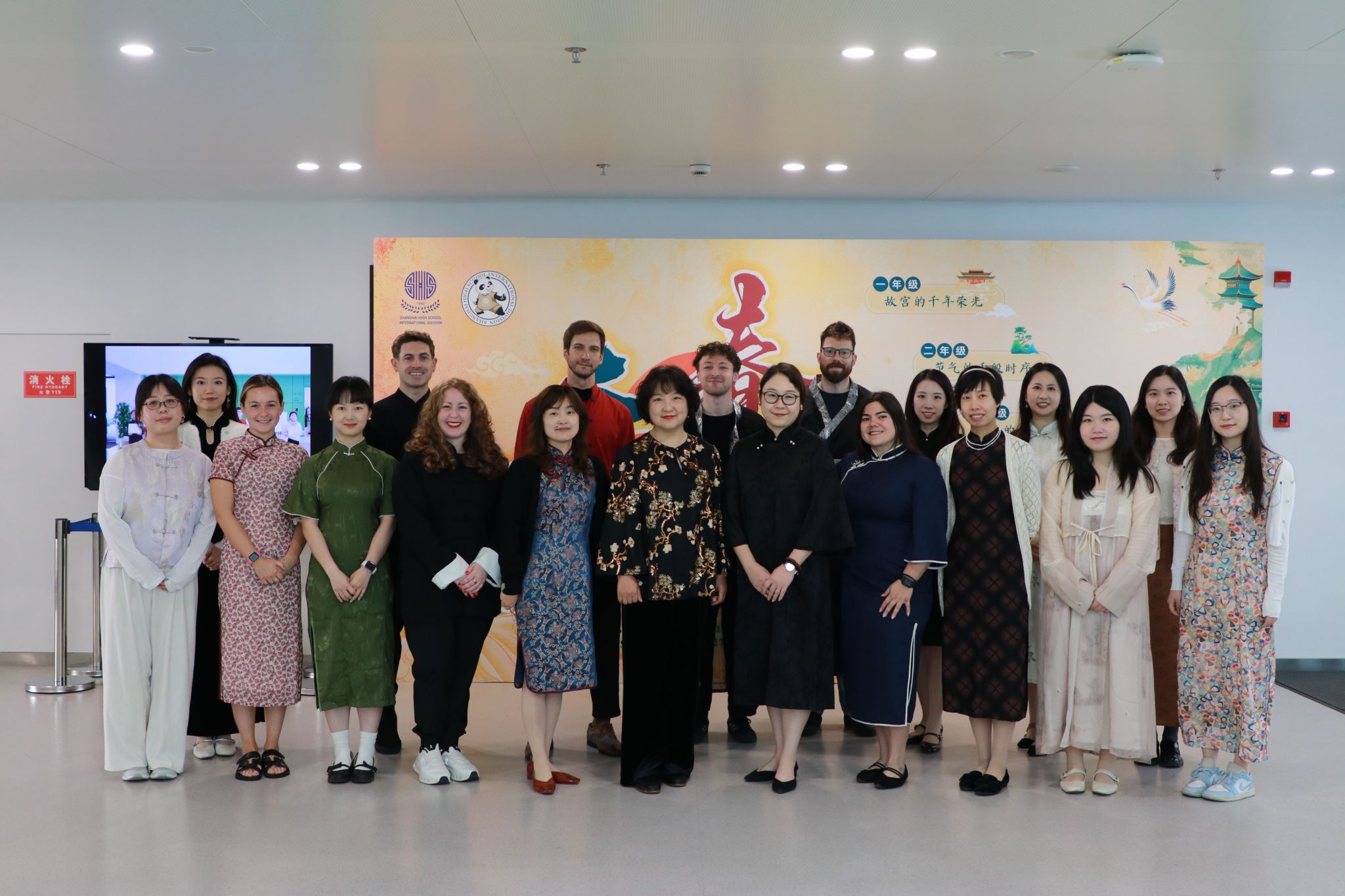
The Chinese Culture Week gently drew to a close. This meaningful cultural journey allowed the fourth graders, immersed in the aroma of tea, to draw close to tradition and soak in China's cultural heritage; it allowed the fifth graders to encounter the glamour of Shanghai-style culture and savor the city's depth, deeply understanding the core spirit of embracing diversity and striving for excellence. Through this immersive cultural experience, the students not only enriched their humanistic knowledge but also allowed the Chinese cultural lineage to take deep root in their hearts.
Written by Yutong Zhu, Cathy Cao
Pictures/ Video by Minxuan Cao,Teachers
Edited by Shiyu Wu
Reviewed by Ms. Lu Luting, Chenli Shen, Shiyu Wu, Hannah Kloeber