-
ABOUT US
-
ACADEMICS
Curriculum Program
Departments
- English
- High School Chinese
- Primary and Junior School Chinese.
- High School Mathematics
- Middle School Mathematics
- Primary School Mathematics
- Music and Fine Arts
- Physical Education
- Physics
- Chemistry
- History and Geography
- Physical Science and Optional courses Department
- Middle School Biology
- High School Biology
- Social Sciences
- Computer Science
- Courses in Primary School
Achievements and Matriculations
College Counseling
Science & Technology Innovation Contest
Subject Competition
-
ARTS
-
ATHLETICS
-
AT SHSID
SHSID ∣ TIMES
PTSA
Club Exhibition
- 龙吟社
- Live 2 Drama
- Choir
- Hip-pop Dance Club
- The Primary School Dance Troupe
- Symposiums Club
- Biology Workshop
- You Shan
- VEX Robotic
- Peking Opera Club
- Baseball Club
- Model United Nations
- The World Scholar’s Cup
- Future Problem Solving Club
- United States Academic Pentathlon
- OM Club
- AMC Club
- Music for Patients
- SHSID Gazette
- Smile Charity
- Cultural Moments
- SciAcademy
- Stem Doge Alliance
- Chinese Debate Club
- IAA
- Mock Trial Club
- Zhengming Club
- Furry Friends
- GT-Racing
- Village Radio
- IMMC Club
- Creative Design and Intelligent Fabrication
- Future City Research Project
- ECOCAP
- AdvocaSEA
- SPDC
- Medishine
- Floorball Club
- Animusic MTC
- Wings Up
- All Booked
- Cyano
- Birding Community
Health and Wellness
Campus Safety
Cafeteria Service
-
ADMINISTRATION
-
ADMISSIONS
-
ALUMNI
Alumni Information
Honors Students
- Class of 2025
- Class of 2024
- Class of 2023
- Class of 2022
- Class of 2021
- Class of 2020
- Class of 2019
- Class of 2018
- Class of 2017
- Class of 2016
- Class of 2015
- Class of 2014
- Class of 2013
- Class of 2012
- Class of 2011
- Class of 2010
- Class of 2009
- Class of 2008
- Class of 2007
- Class of 2006
Who Studied at SHSID
SHS Foundation
-
DOCUMENTS
History and Geography Department: “Crisis and Transformation” — History Semester Project Showcase
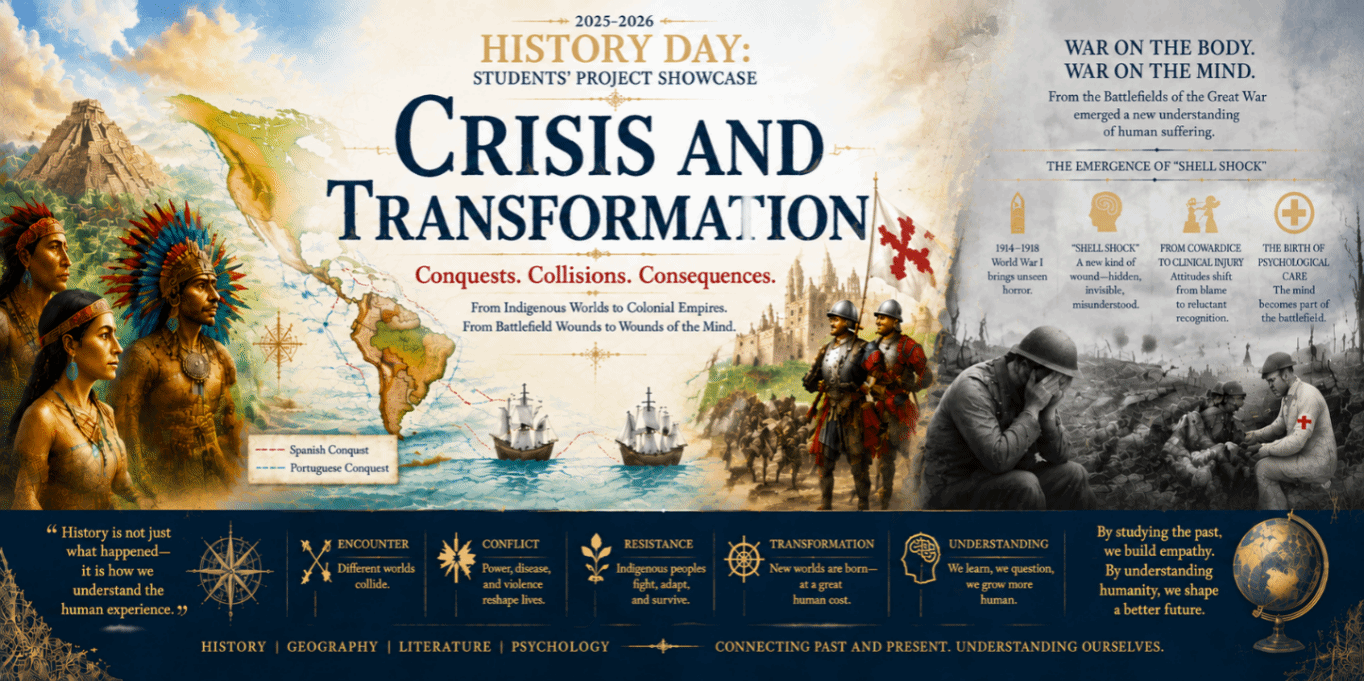
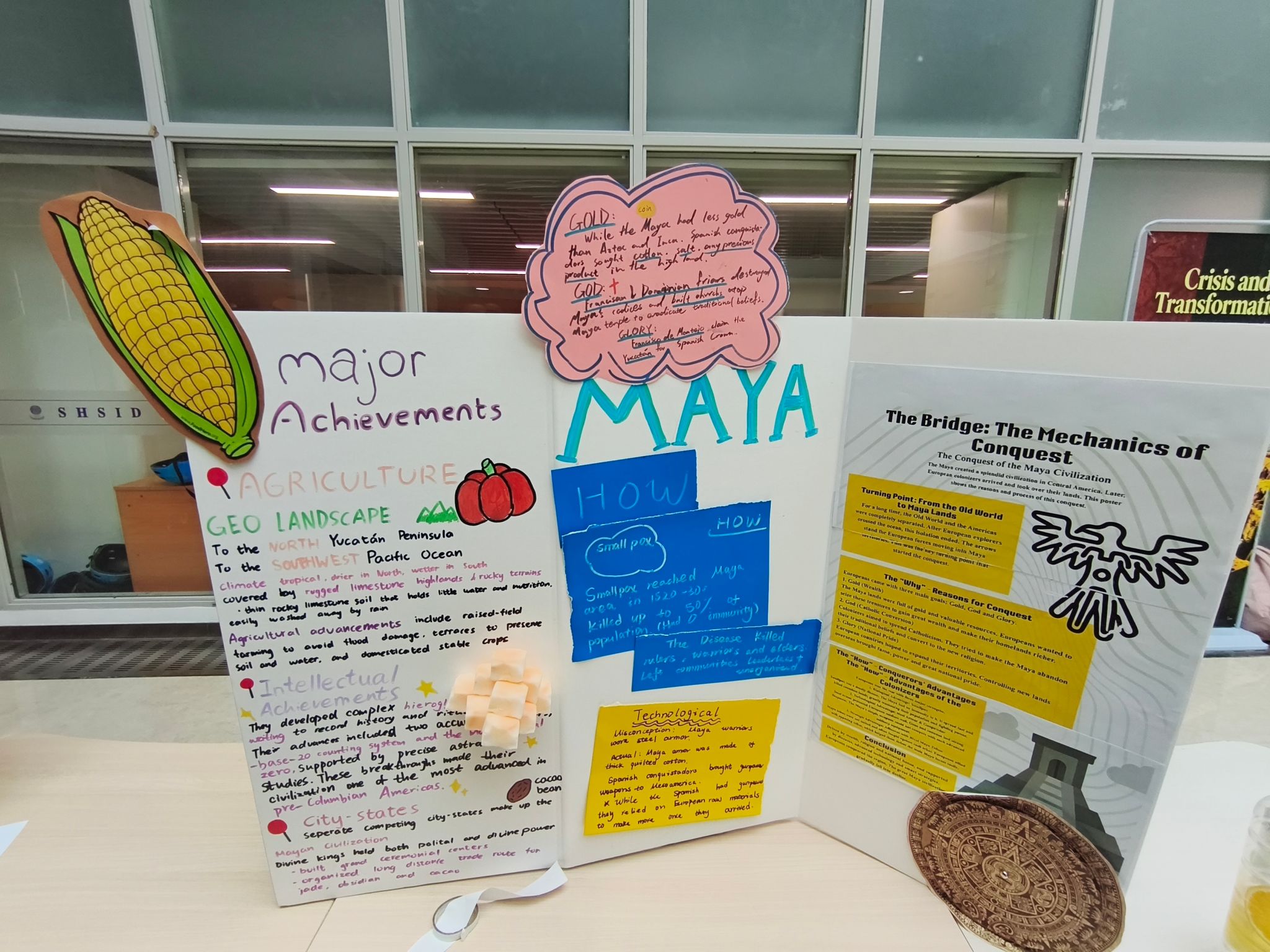
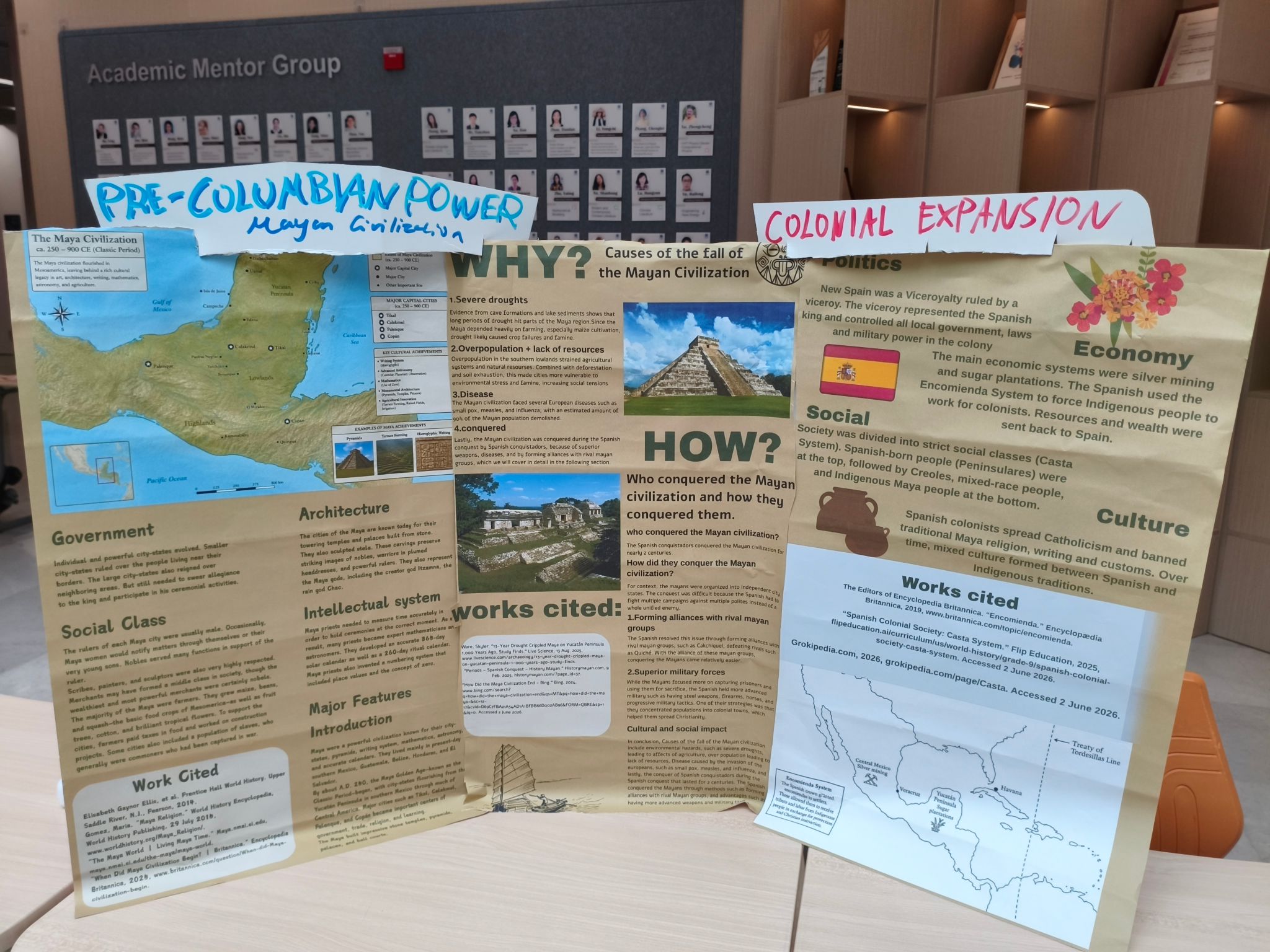
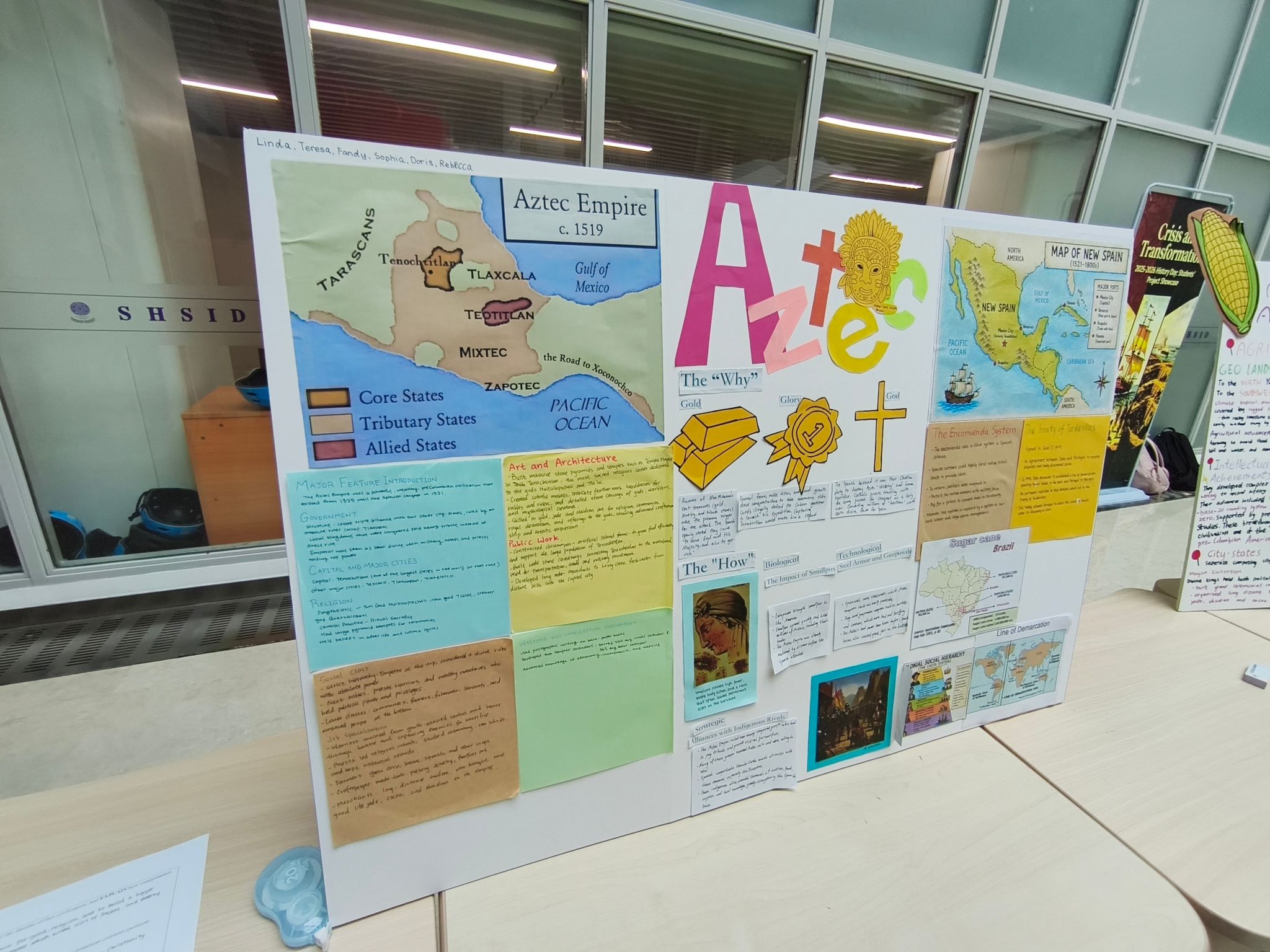
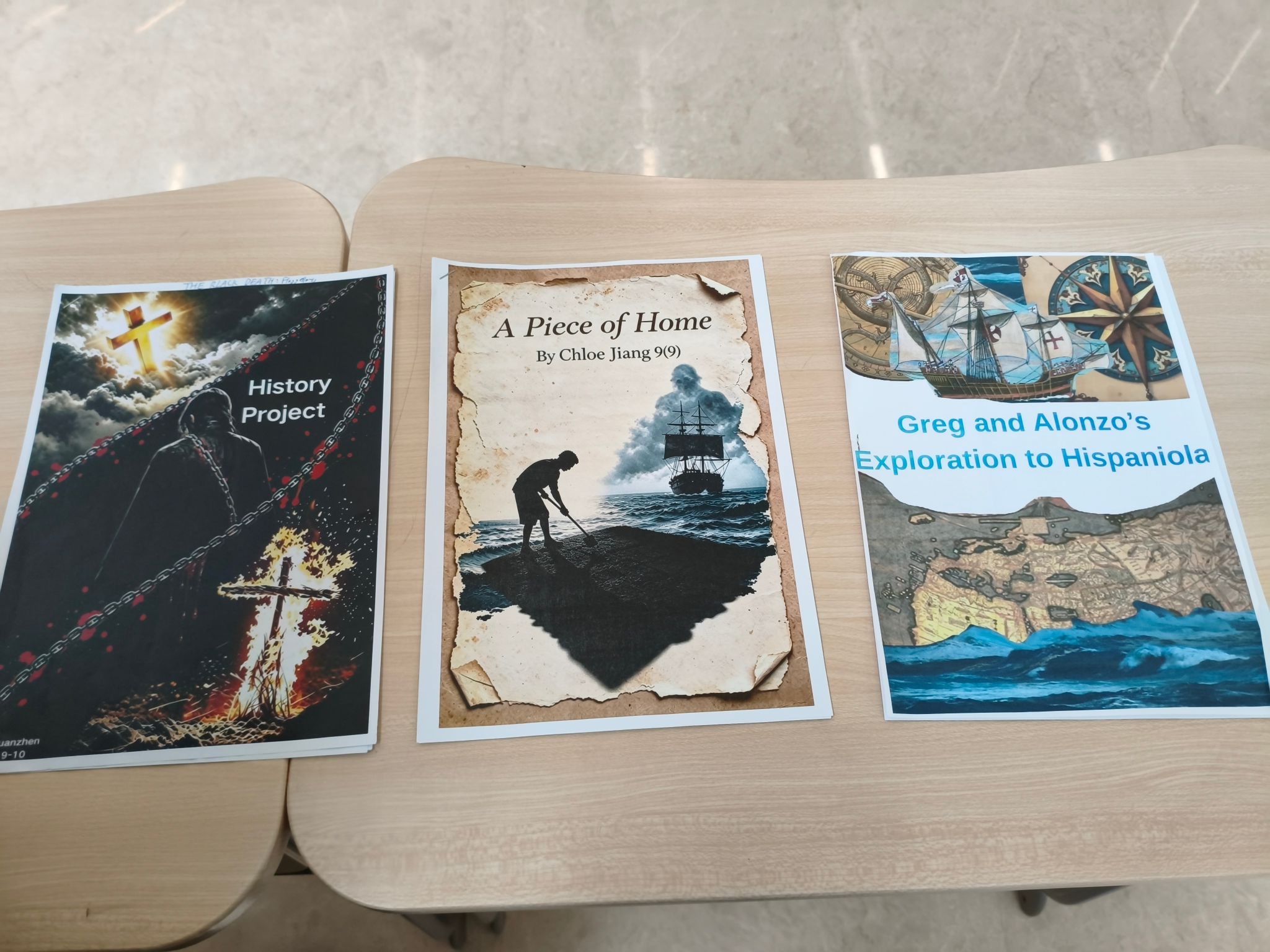
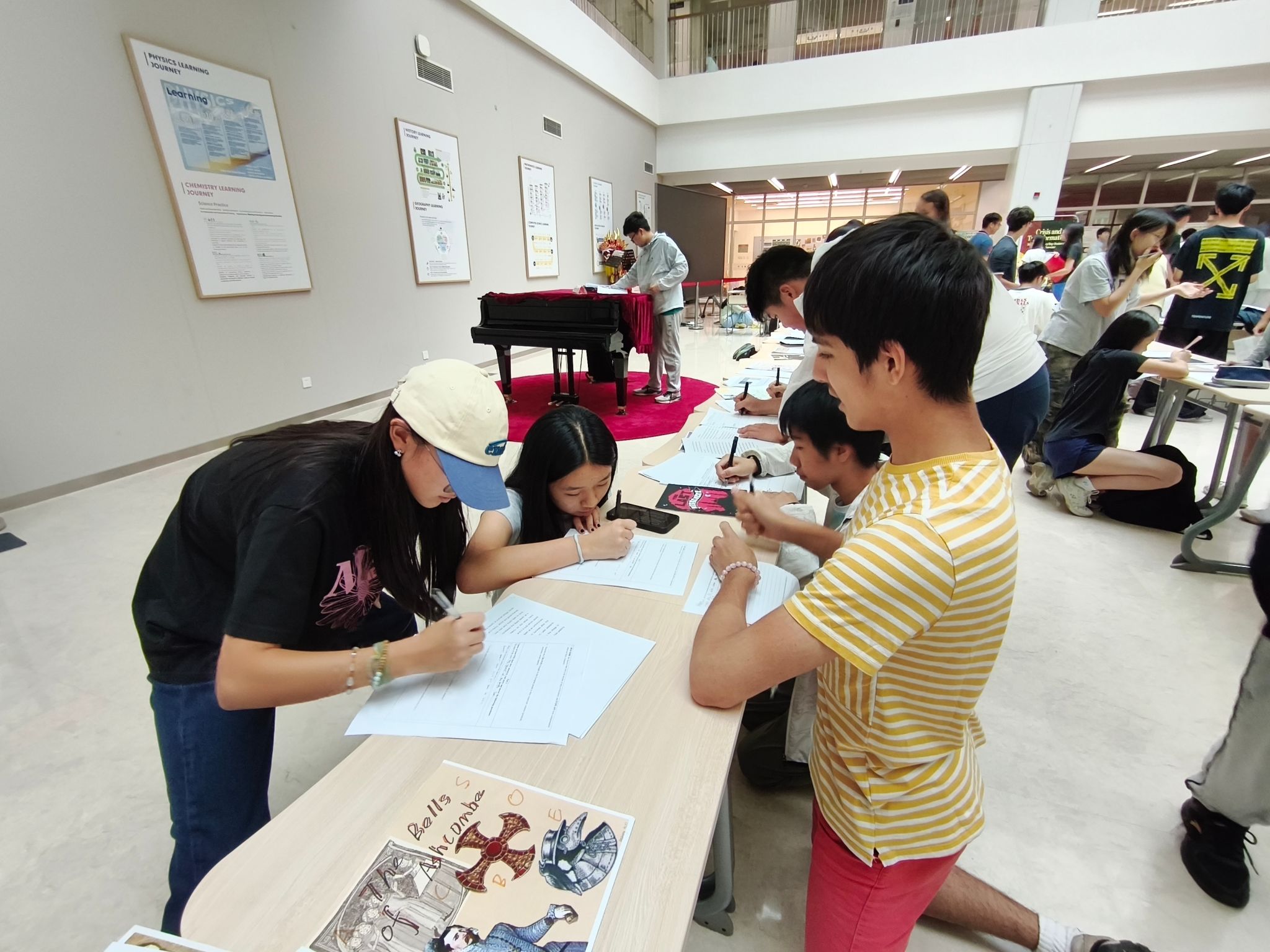
The theme of this semester’s History Day was “Crisis and Transformation.” On June 3, 9th-grade students gathered in the B1 atrium of Zhongxing Building during their history class to present the results of their research projects for the semester. Some displayed their findings on tri-fold display boards, detailing the origins of pre-Columbian American civilizations — the Maya, Aztec and Inca — the founding and governance of American colonies, as well as the motives behind early European overseas exploration and their subsequent conquests.
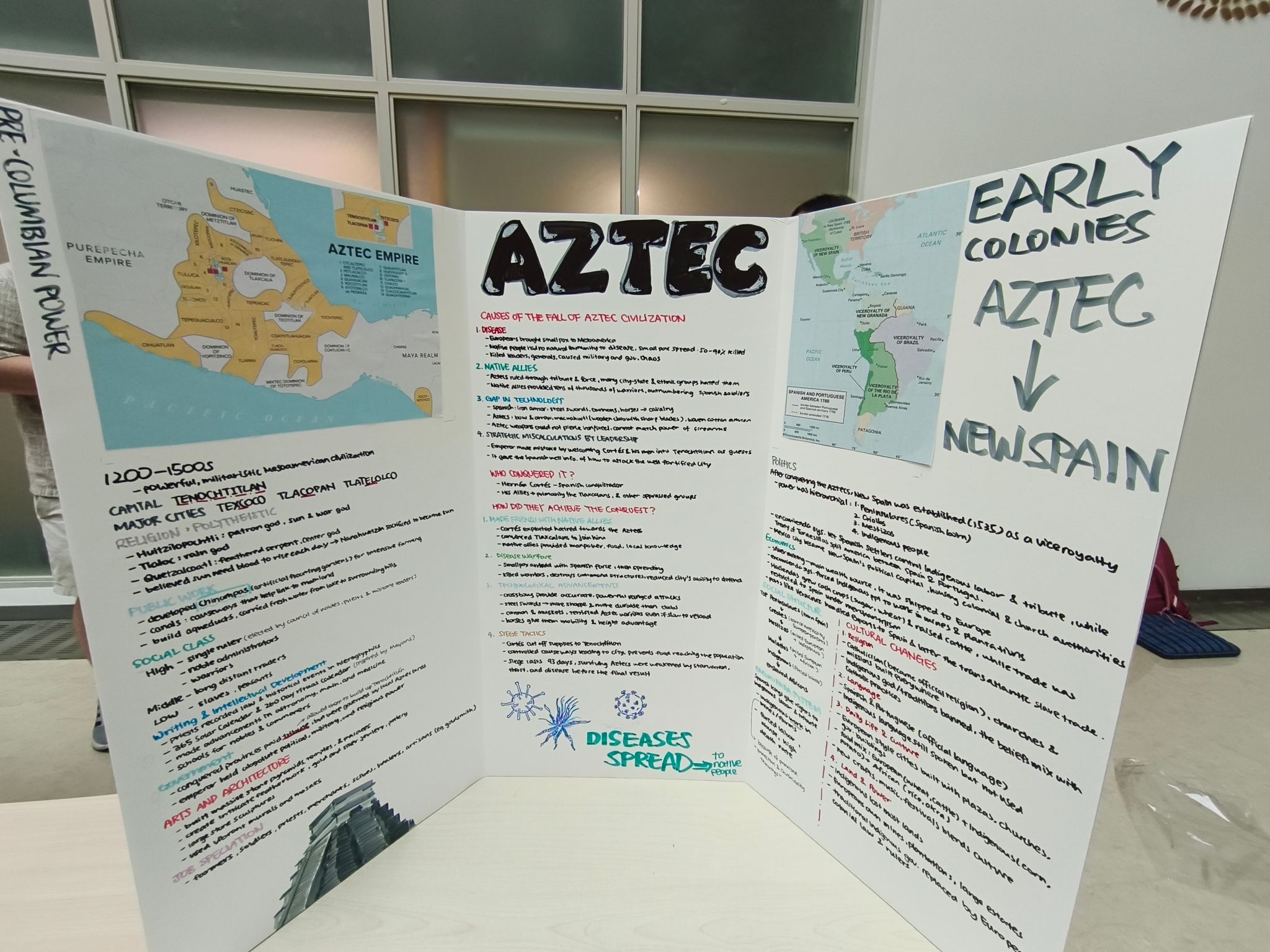
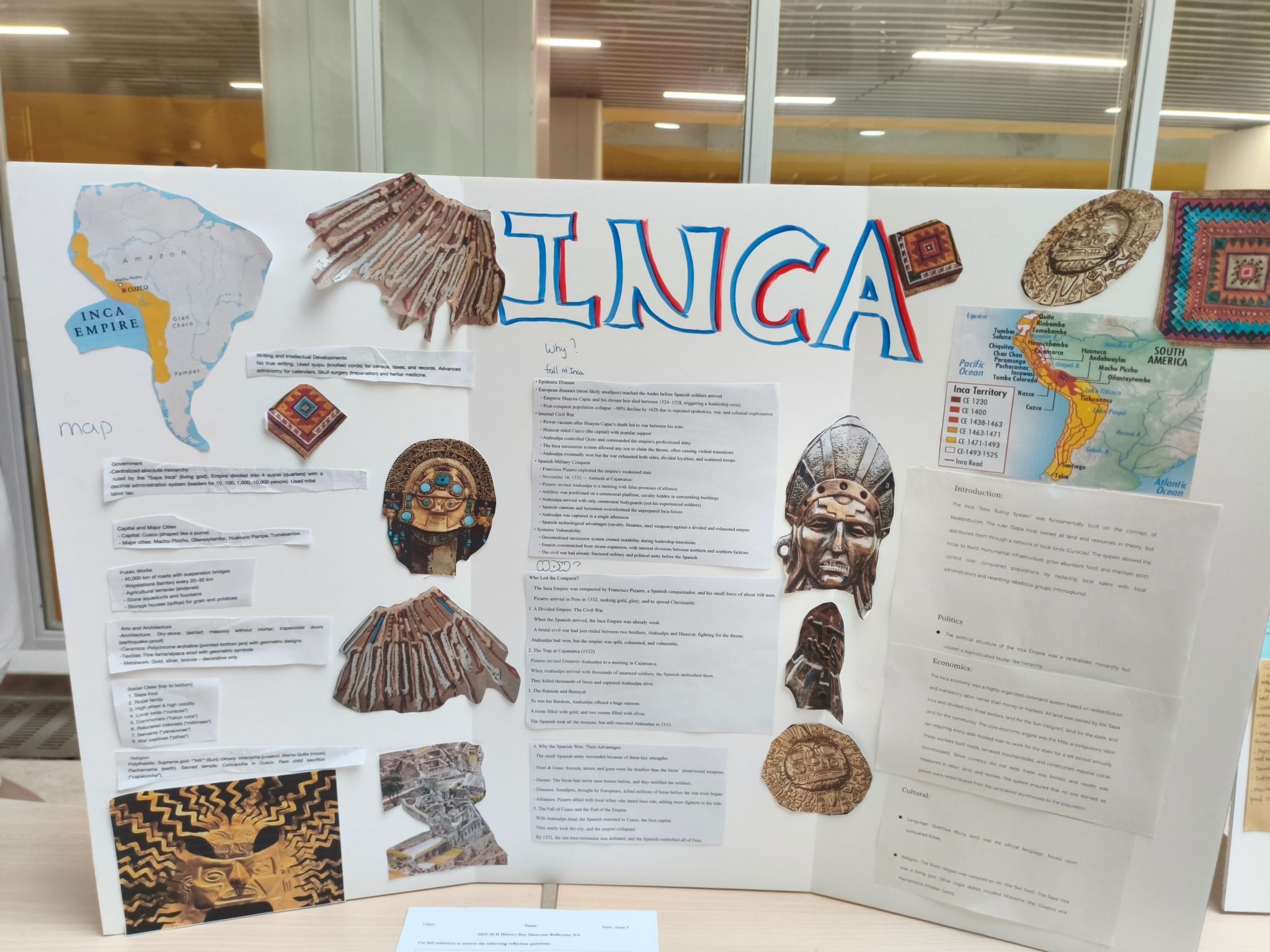
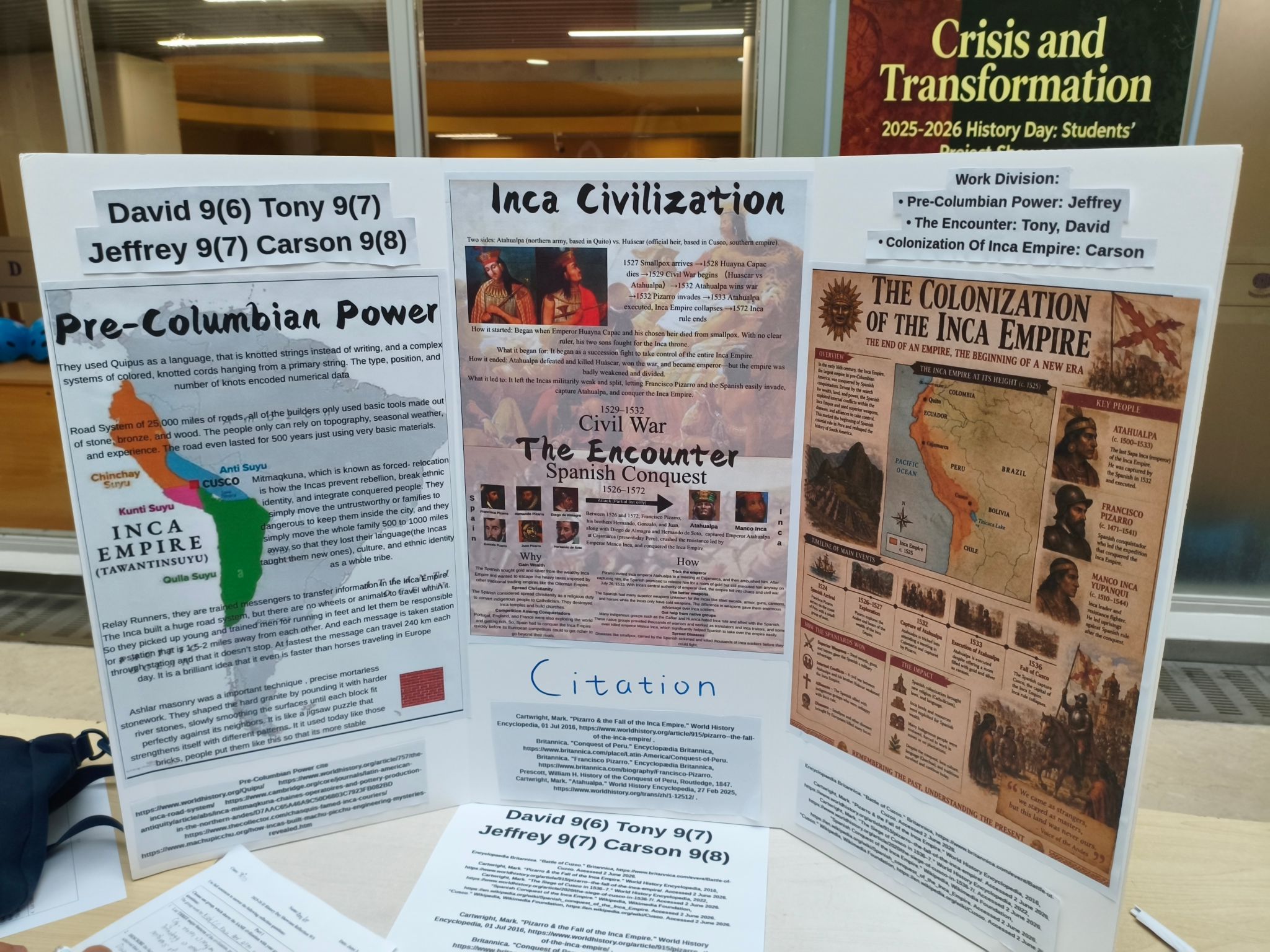
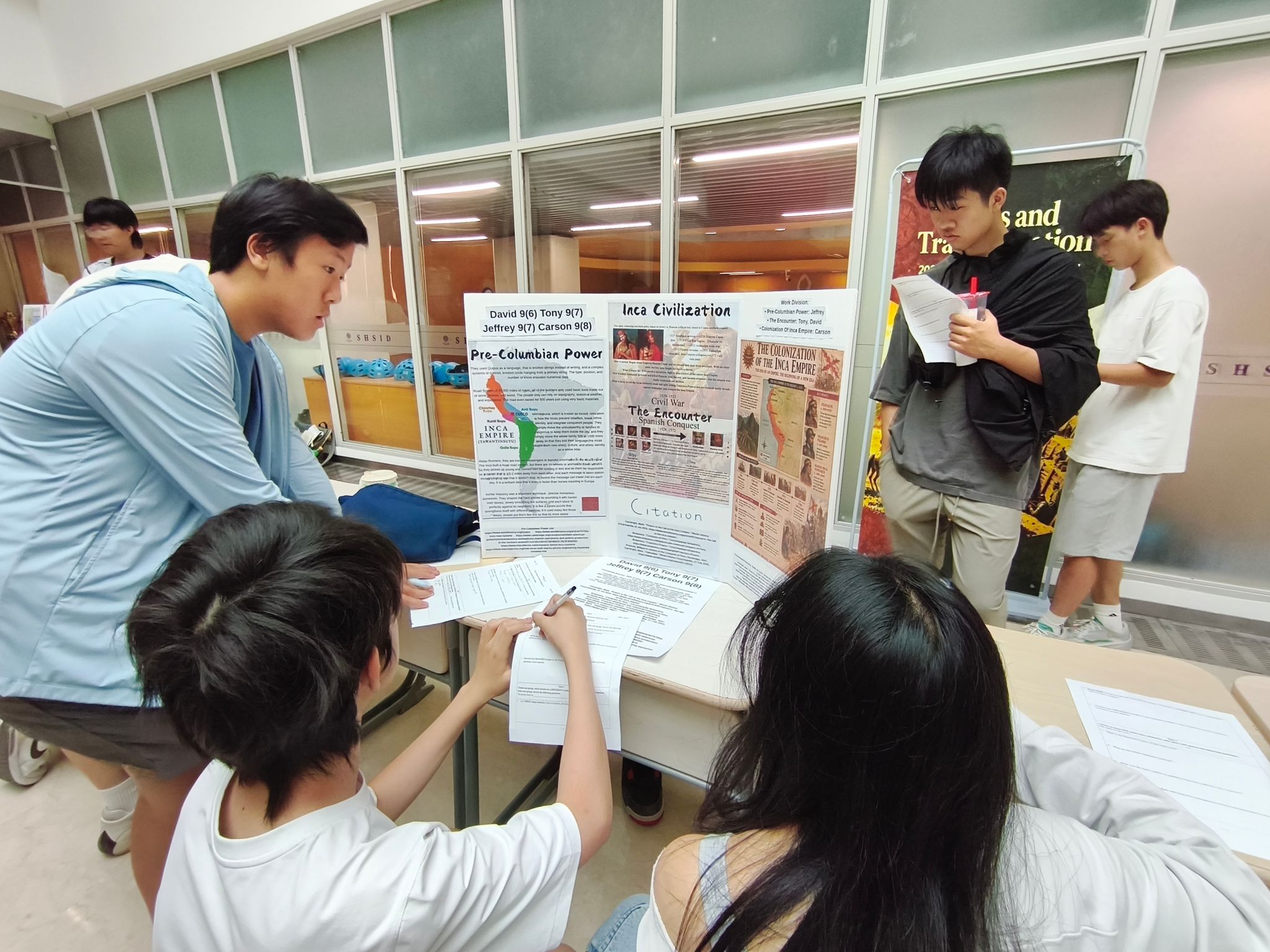
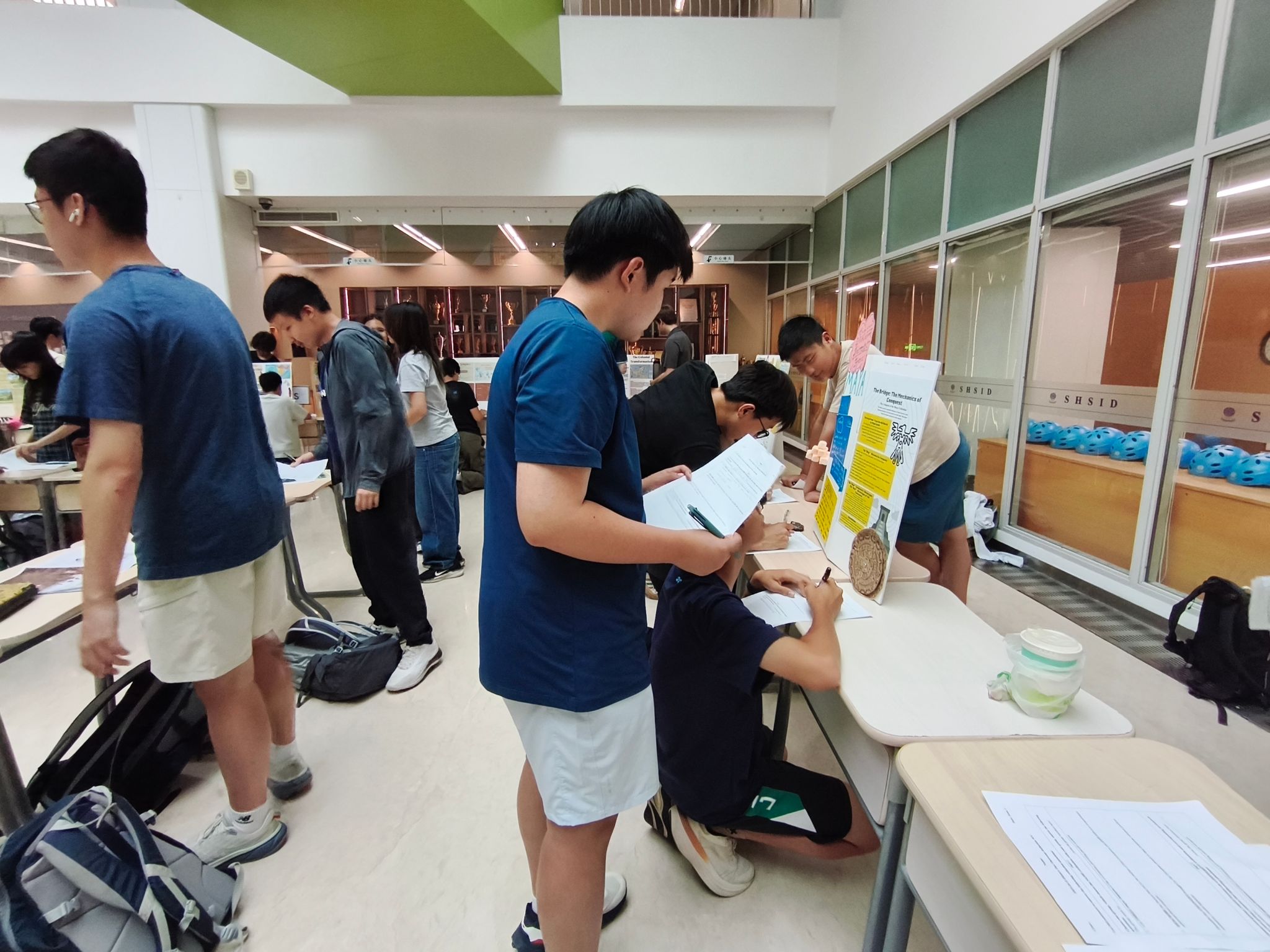
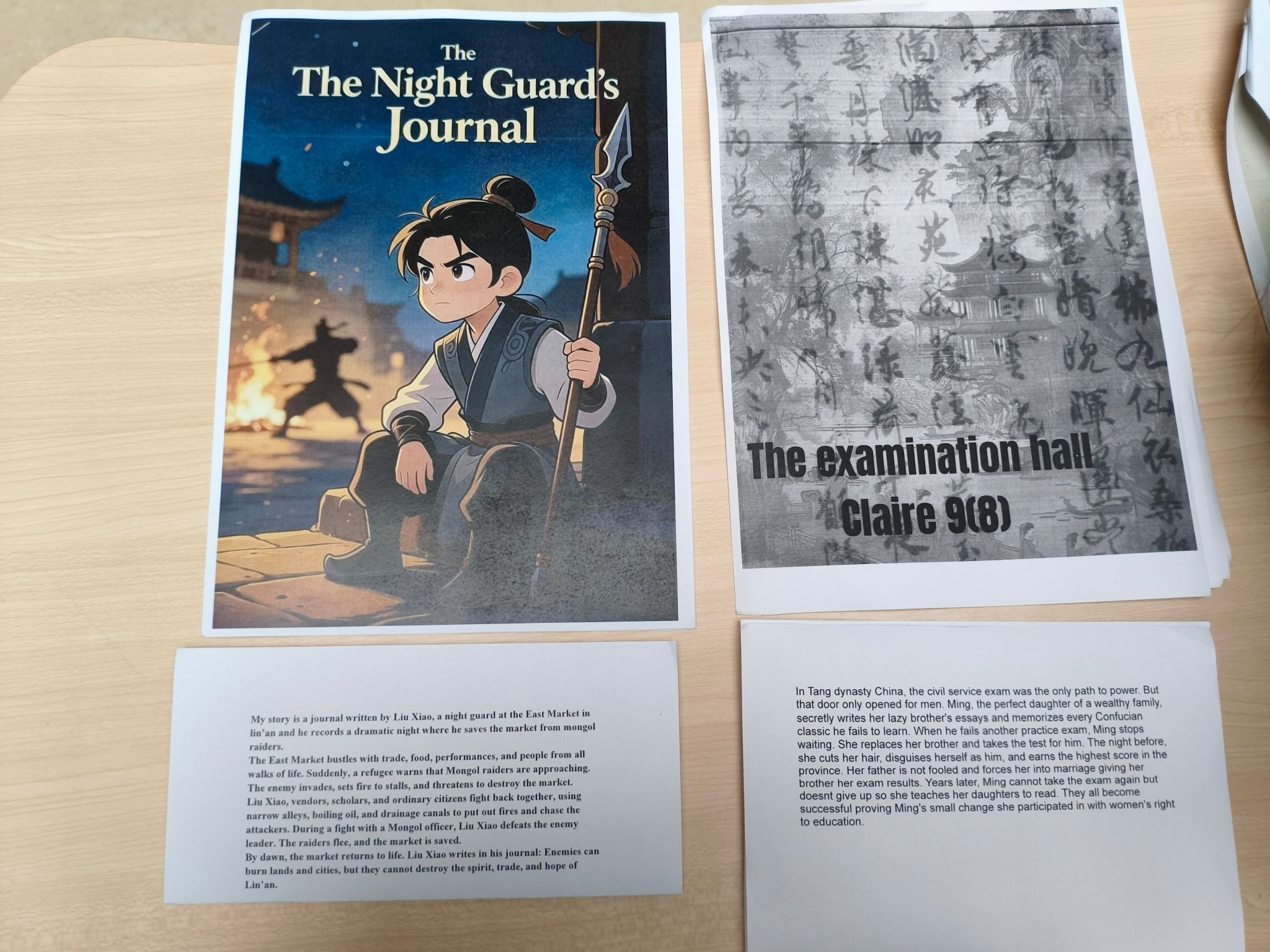
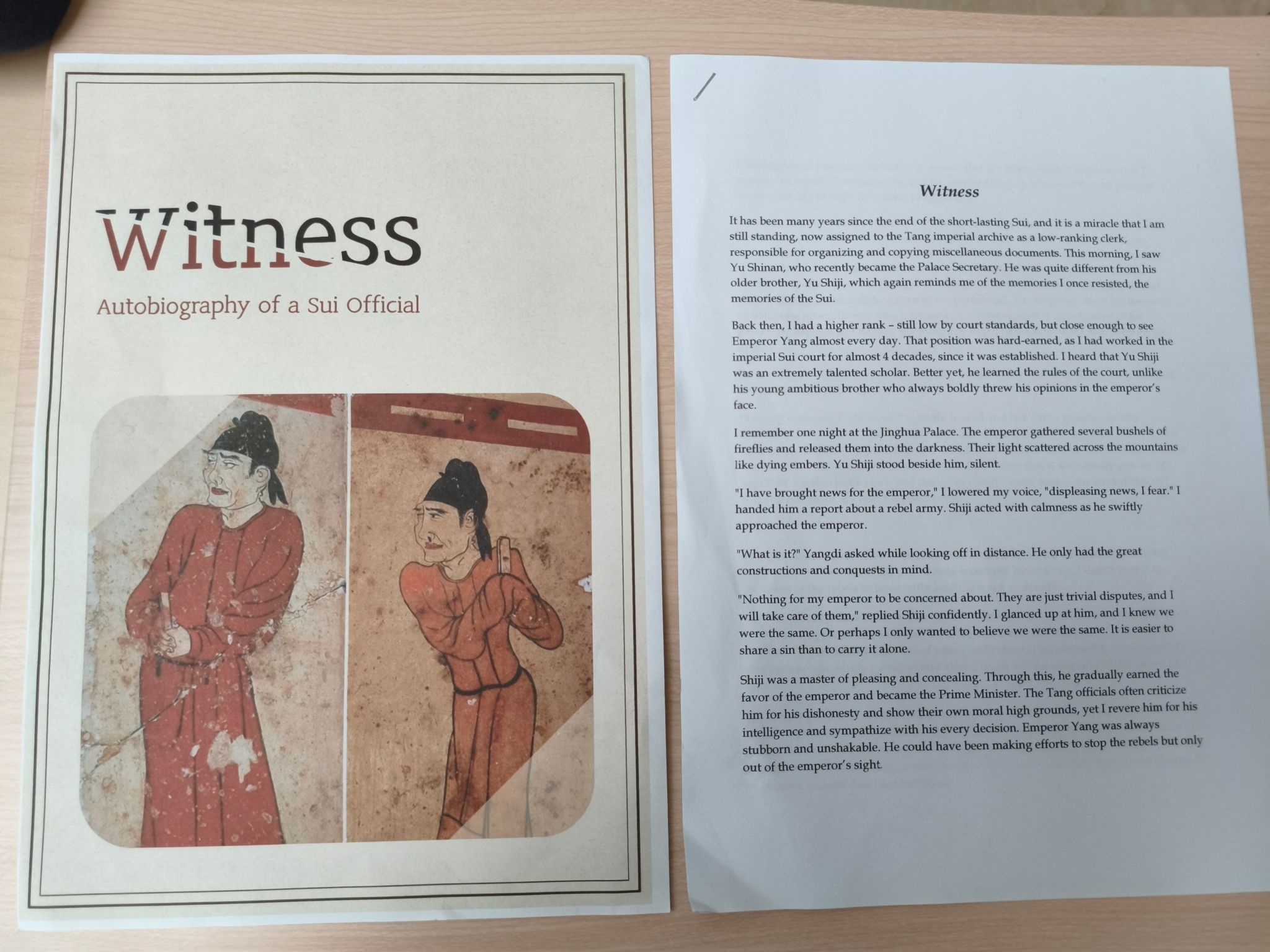
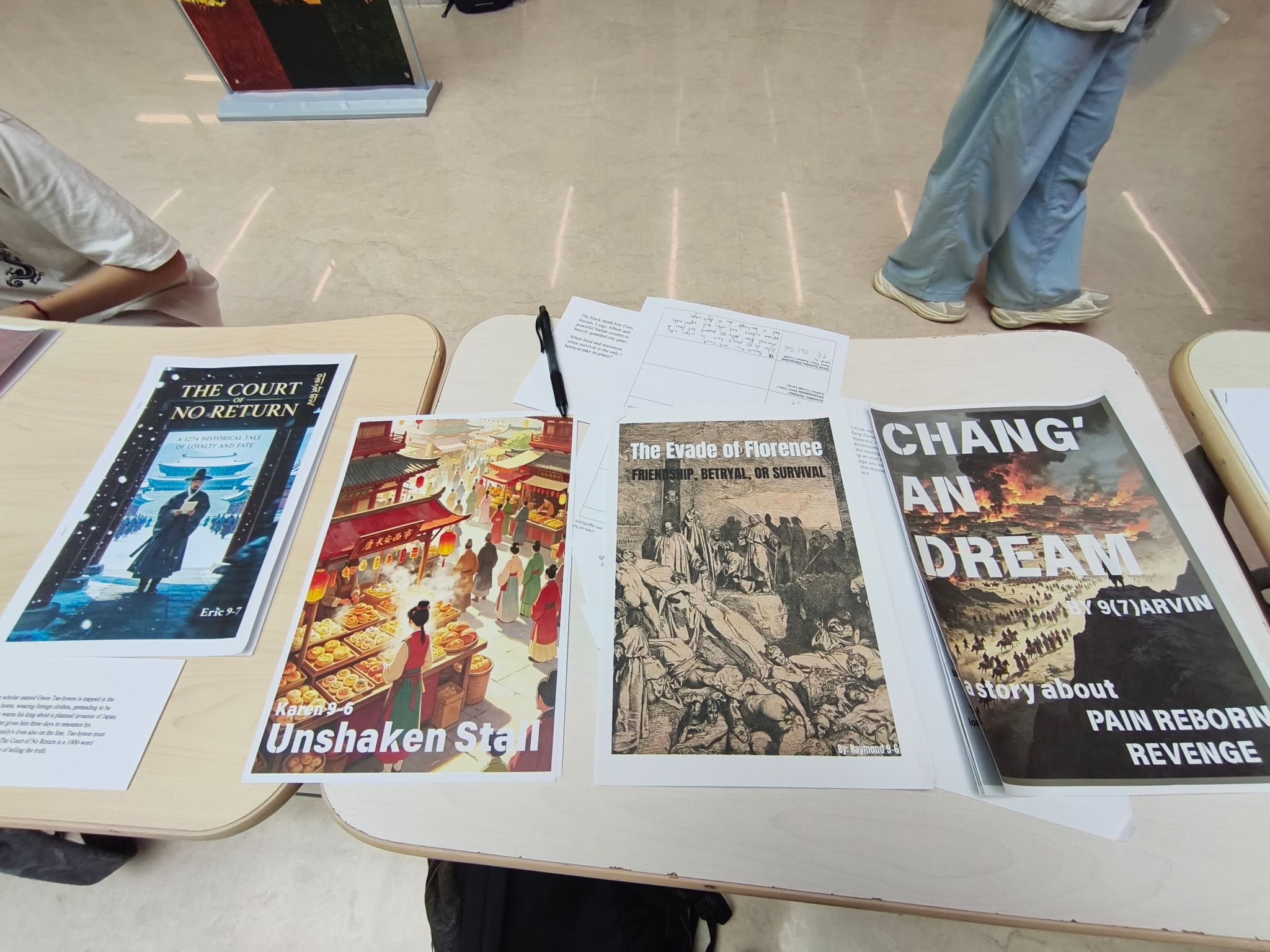
Others brought history to life through fact-based creative works spanning the Late Medieval to Early Modern periods across the globe, in varied forms including short stories, autobiographies, plays, compiled letters and journals. Their cast of characters is remarkably diverse, for example, figures from ancient China range from Sui-dynasty officials and Tang imperial examination candidates to merchants and night guard patrolling the eastern market during the Mongol invasions. These creative pieces adopt intimate micro-perspectives brimming with originality. By stepping into the shoes of historical figures and re-examining pivotal events from alternative viewpoints, students gained sharp insights into the Black Death, the Renaissance, European expeditions to Asia in the Age of Discovery, and early colonization of the Americas. Wandering from one exhibit to another, the students embarked on a whirlwind historical journey: shifting from Japanese samurai ethics to Aztec warriors’ resistance, from Tang imperial examination halls to the flourishing Renaissance, and from transatlantic voyages of American discovery to the heartbreaking tragedies aboard slave ships, experiencing a spectacular array of history in a single day.
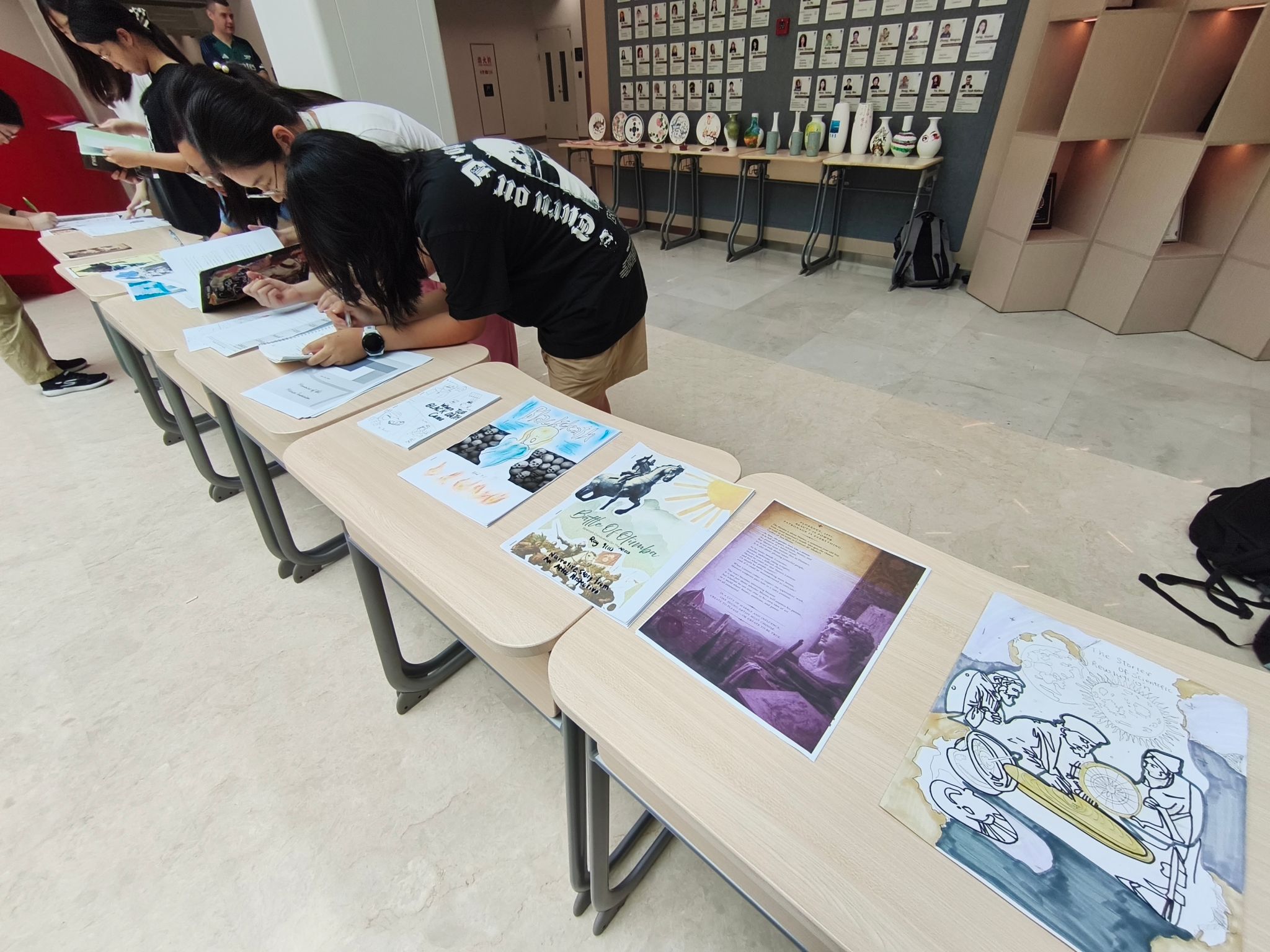
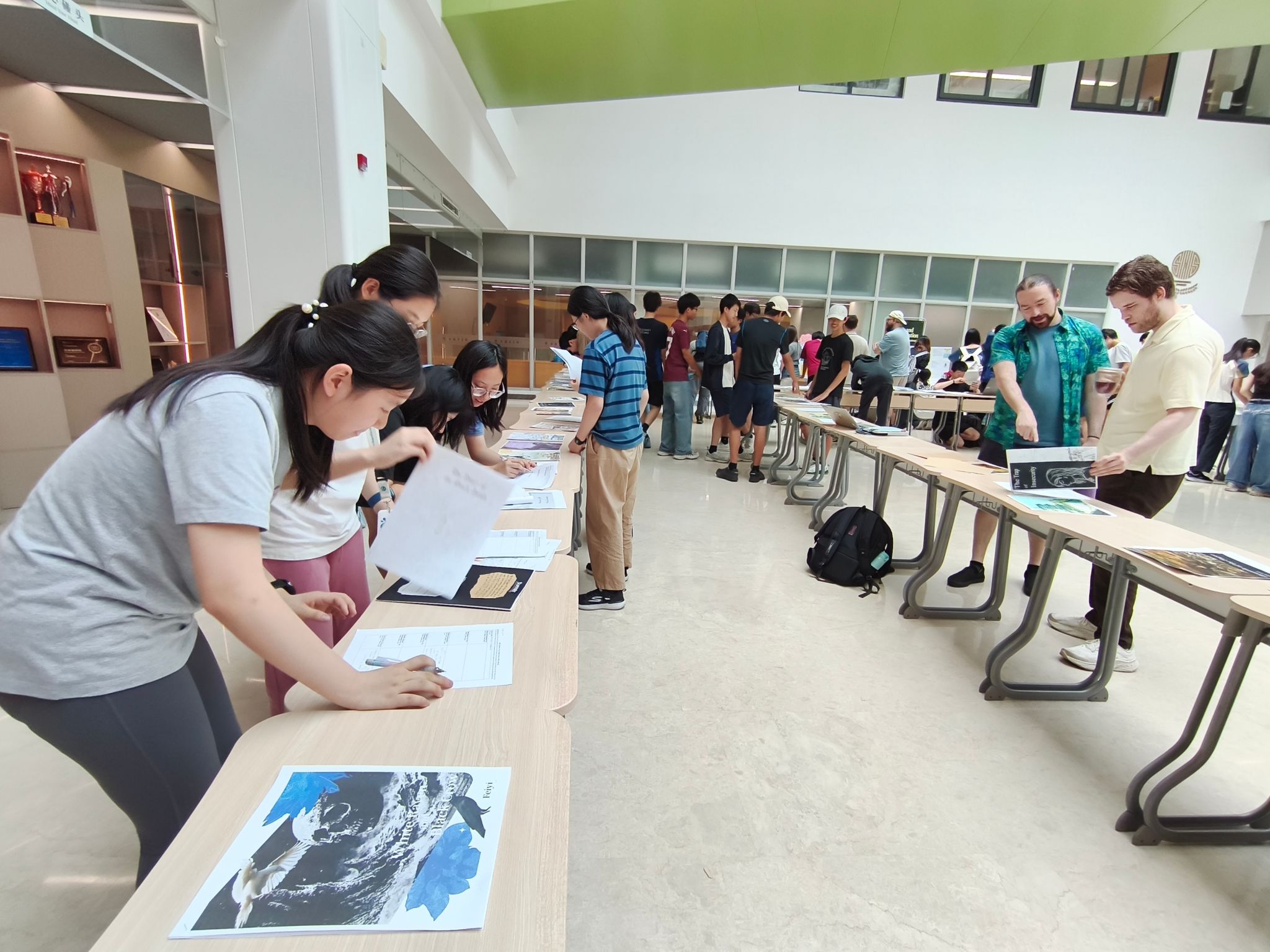
On June 4, during their 10th-grade history class, students focused on the themes of the world wars and postwar decolonization movements, presenting the impacts of war through a variety of methods. Some compiled their learning outcomes from both world wars—including letters from World War I, book reviews, analyses of the impacts of the Great Depression and World War II, and reflections on the interdisciplinary lecture—into a composite presentation; or used authentic historical photographs to investigate the people and events depicted, analyzing the photographers, their intentions, and the resulting impacts to create mind maps; or focused on the decolonization processes of specific post-war nations—such as the Philippines, Vietnam, Cambodia, Malaysia, Algeria, Zambia, and Angola—introducing key leaders, pivotal moments, and connections to the Cold War.
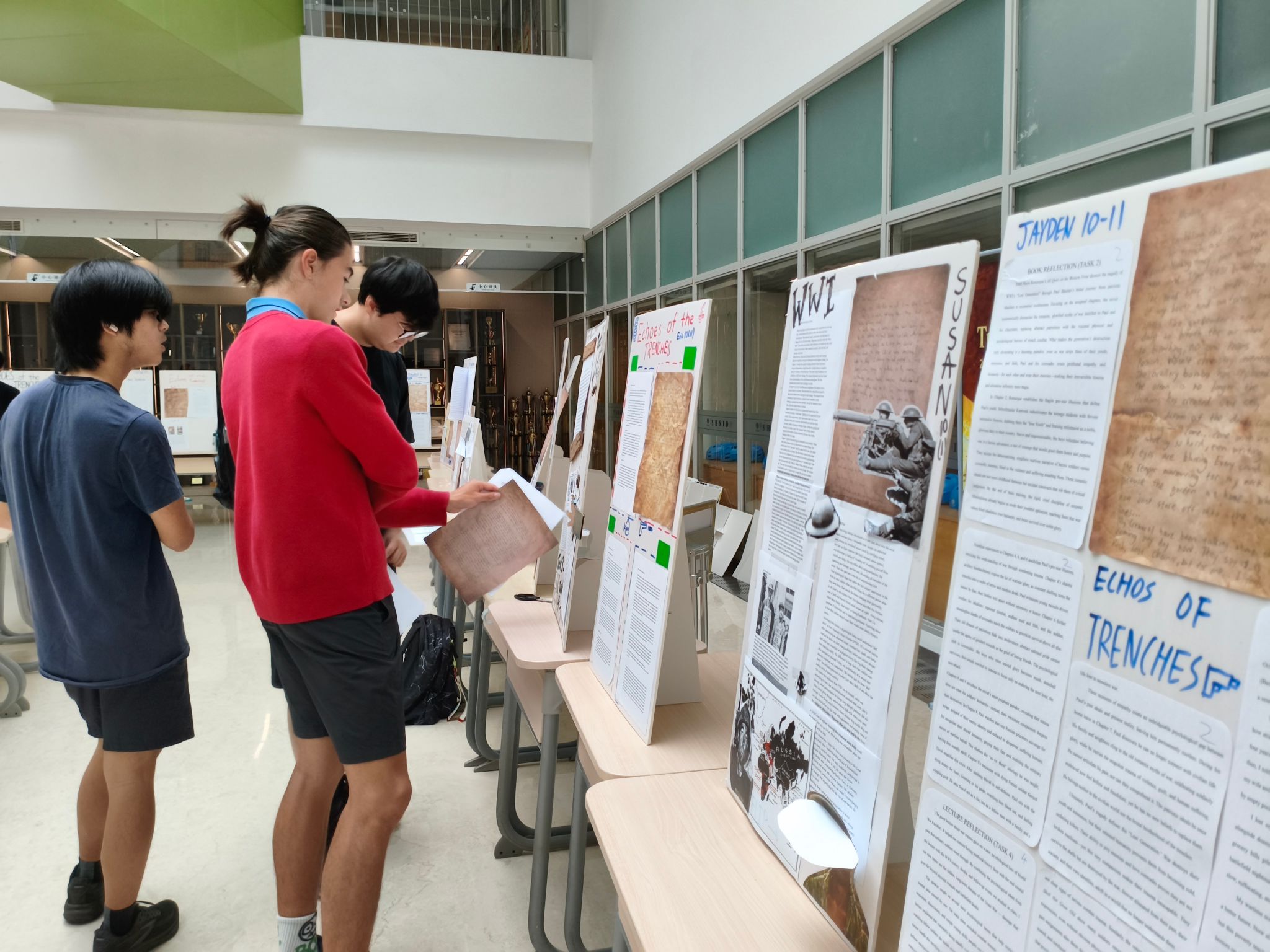
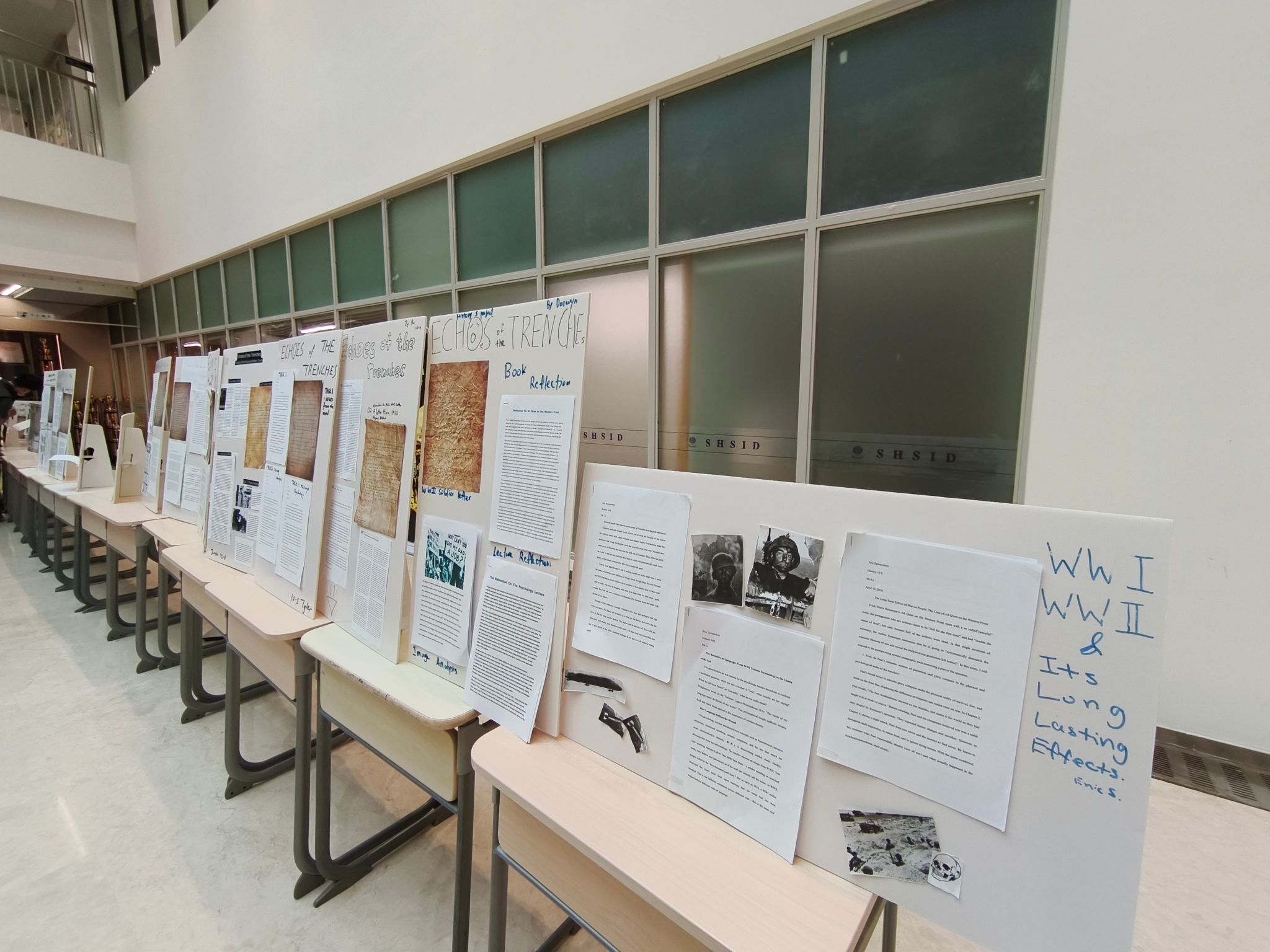
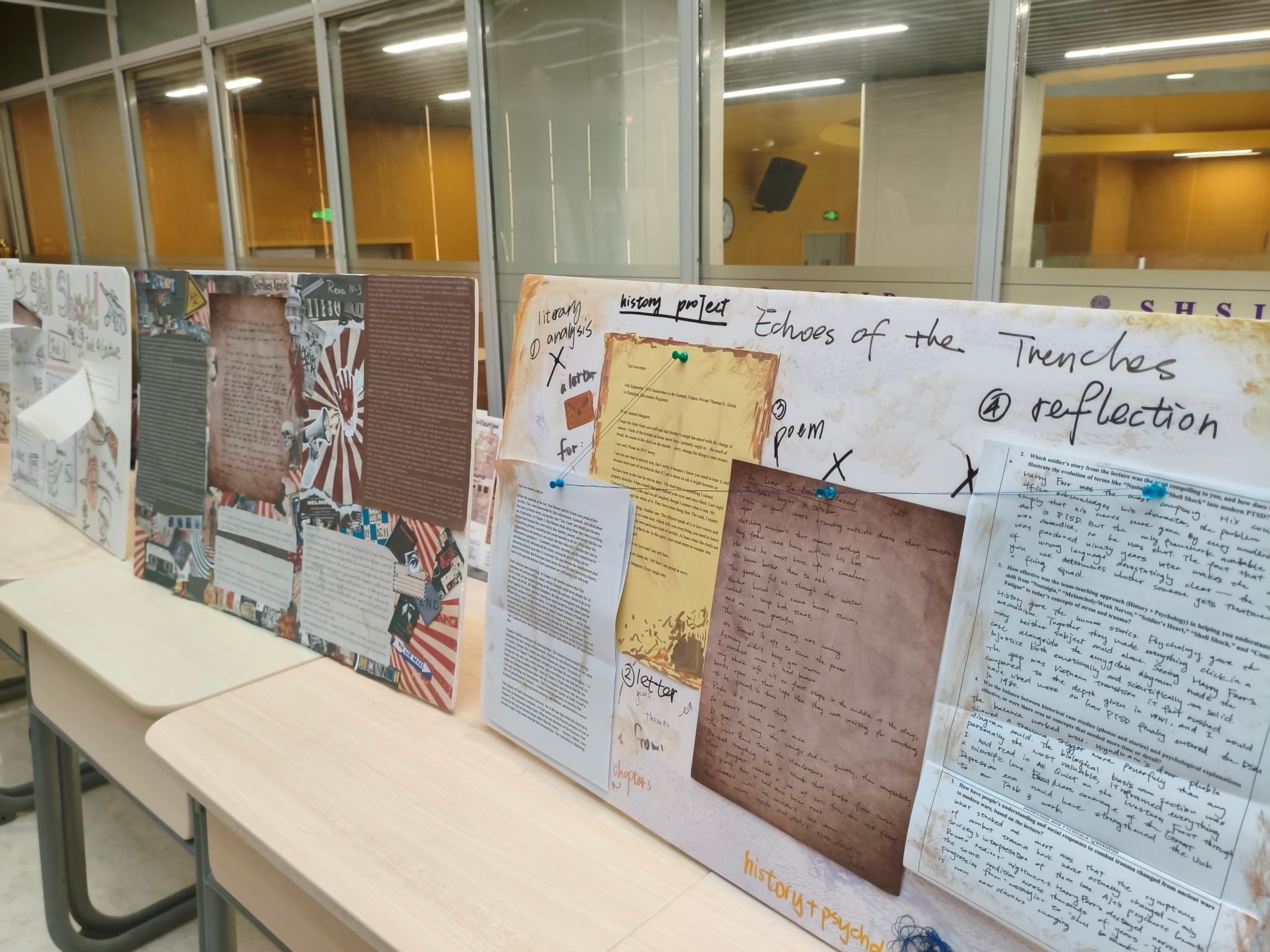
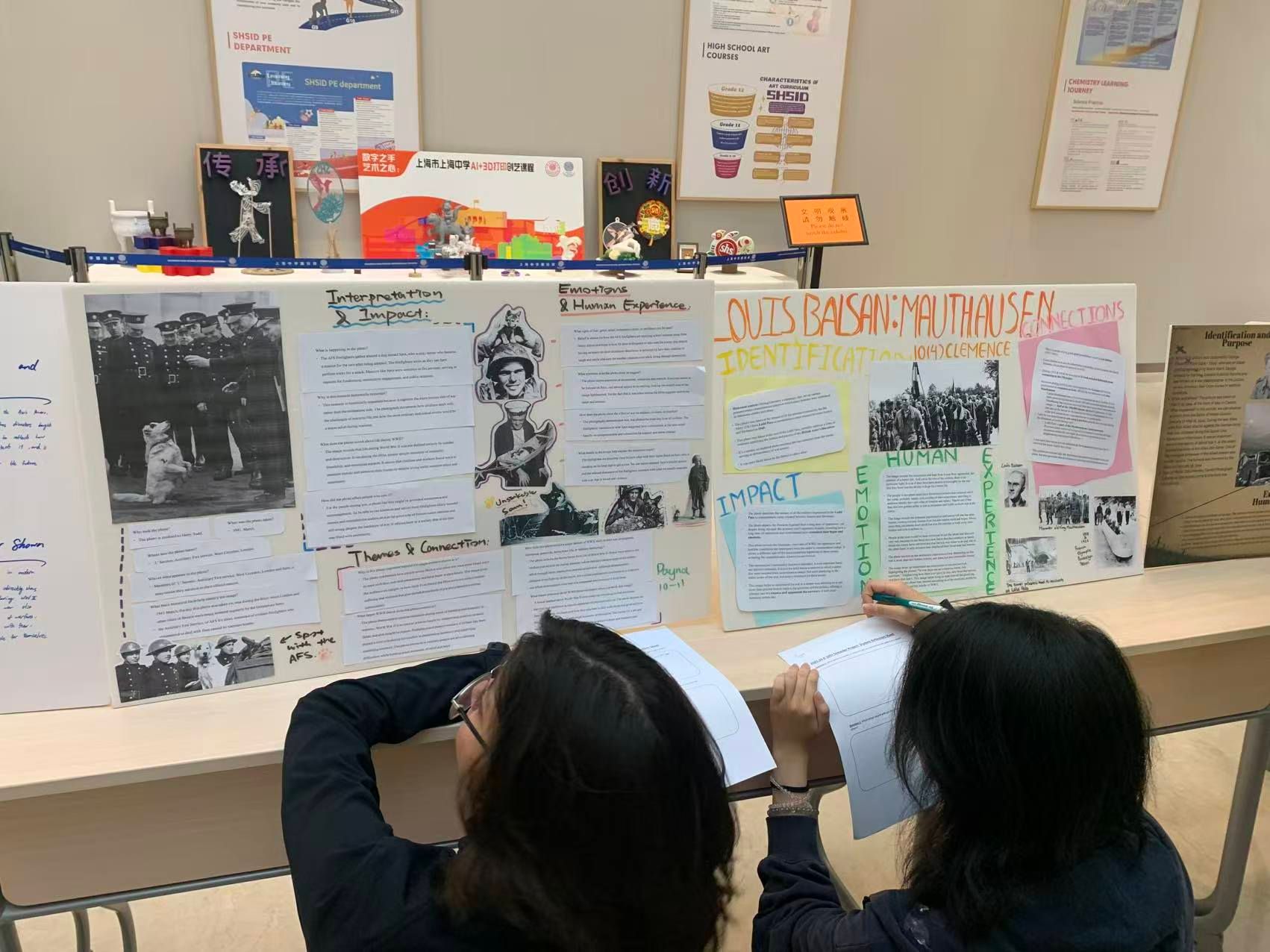
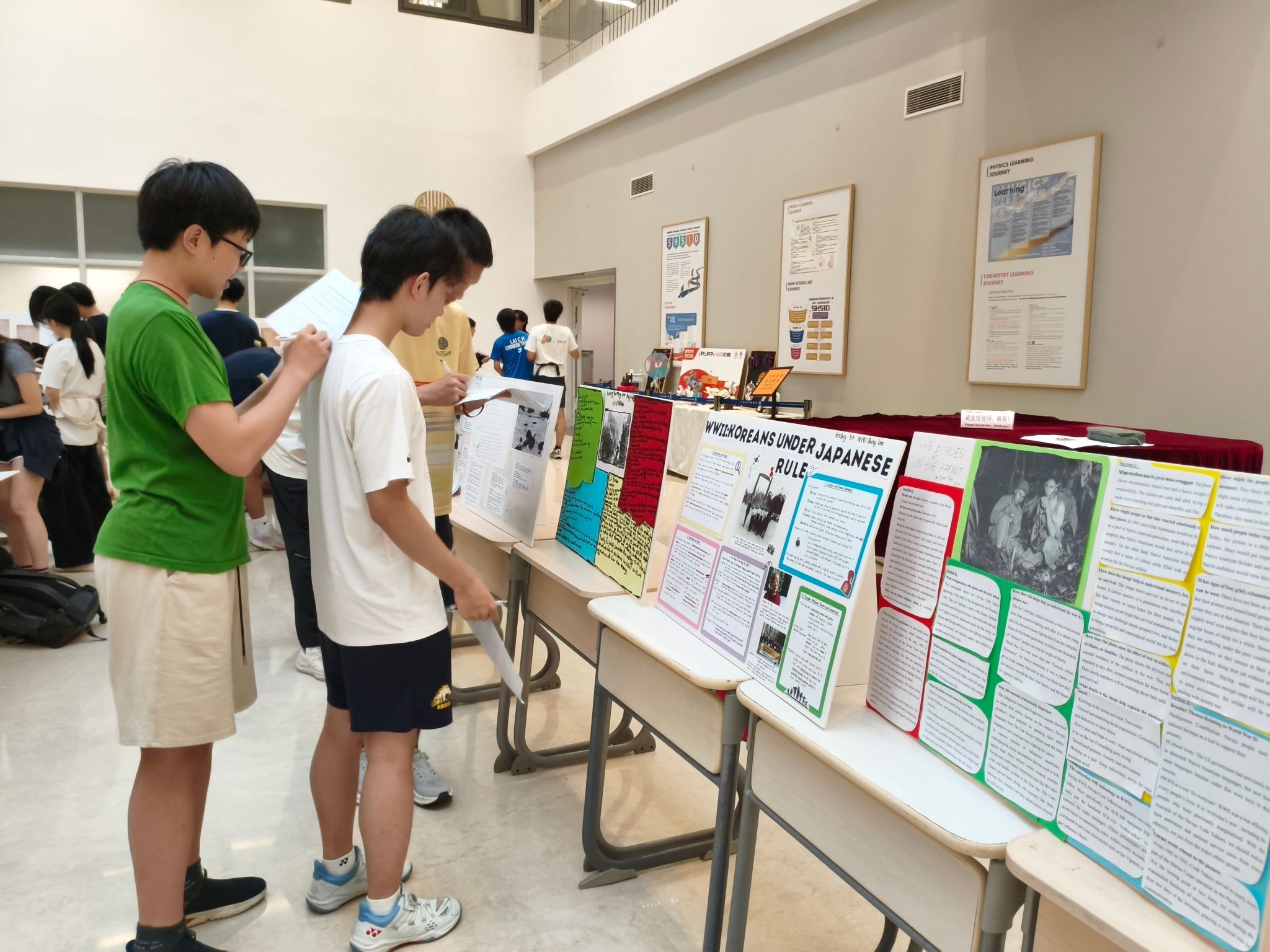
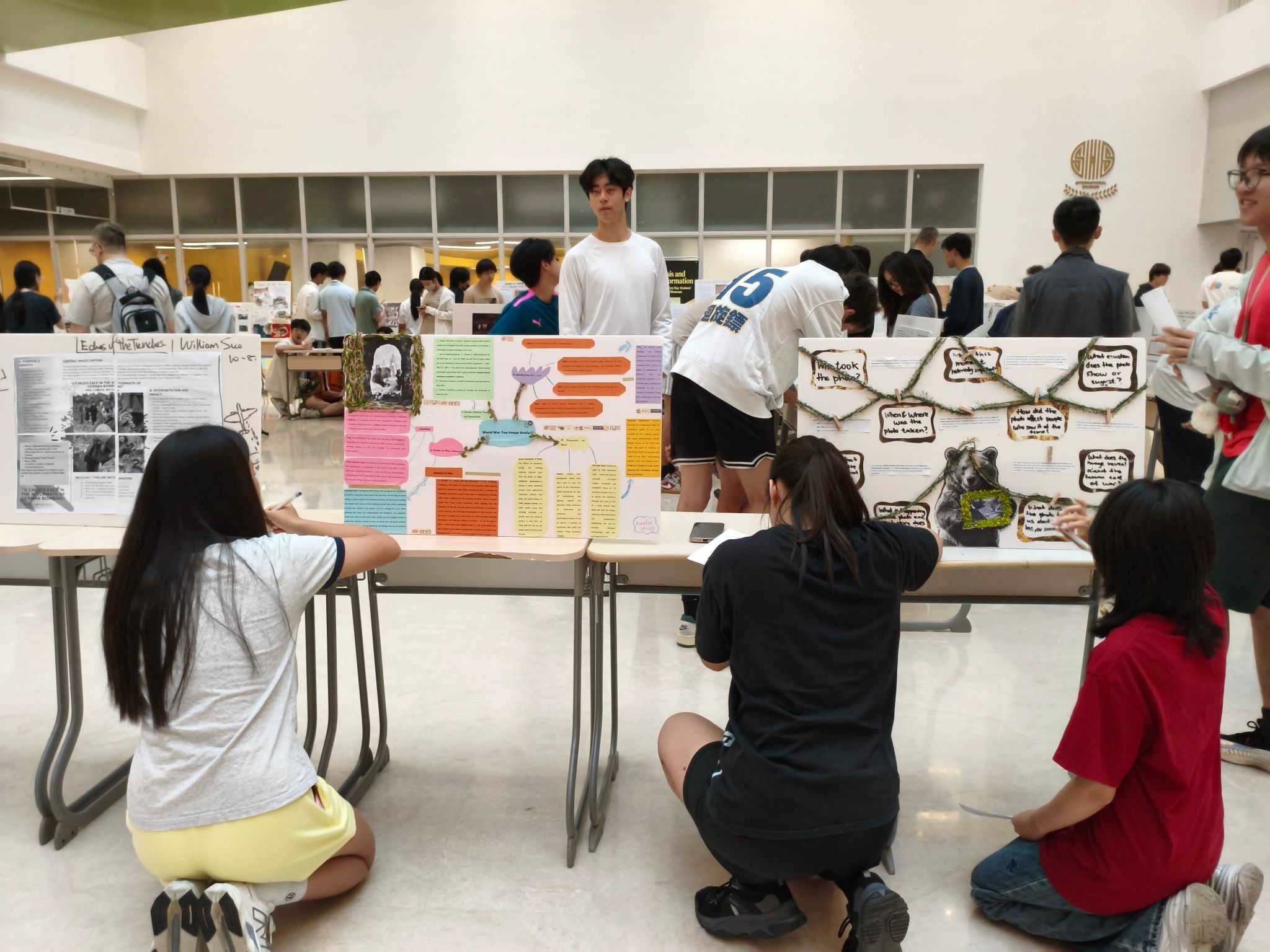
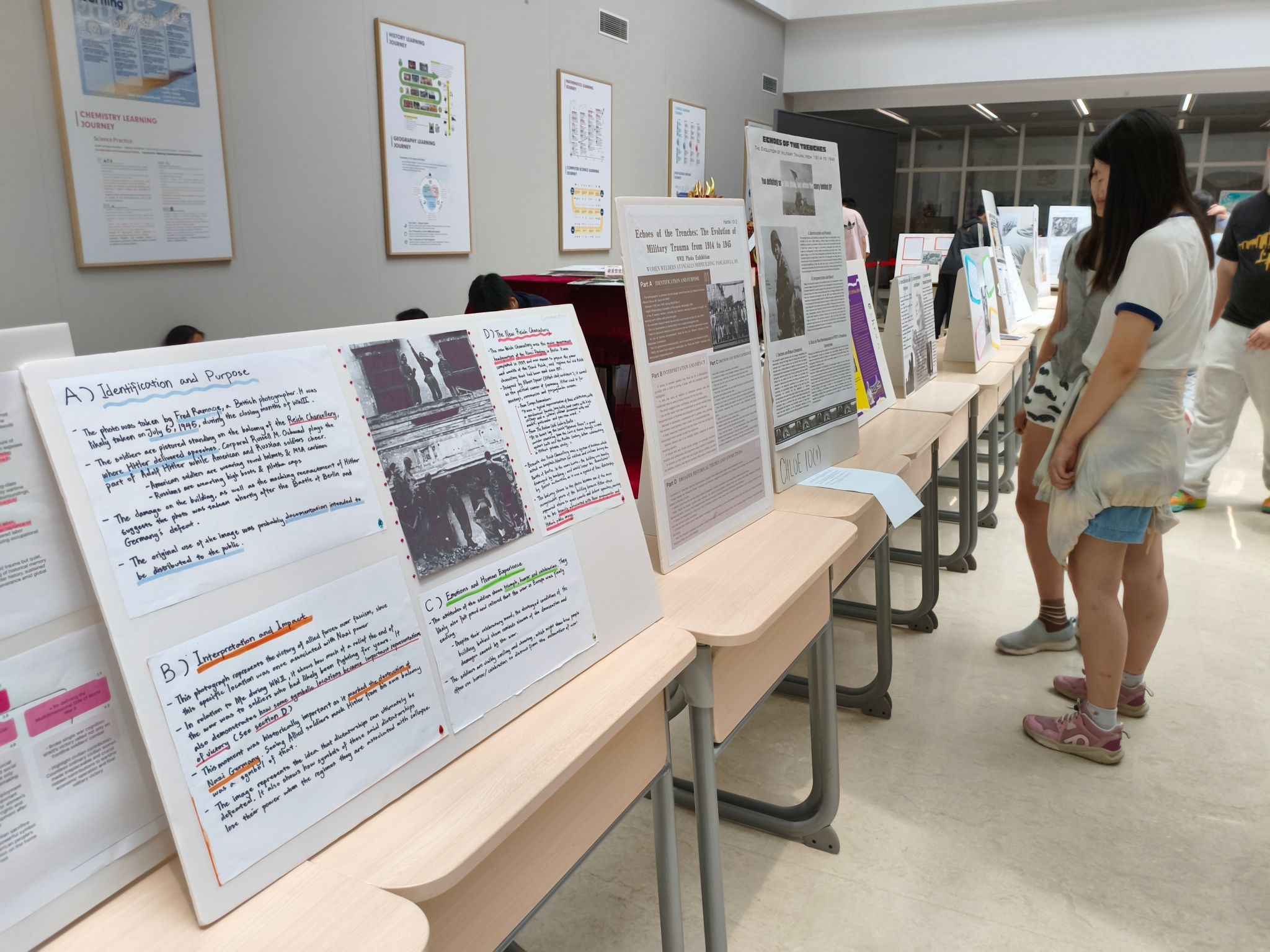
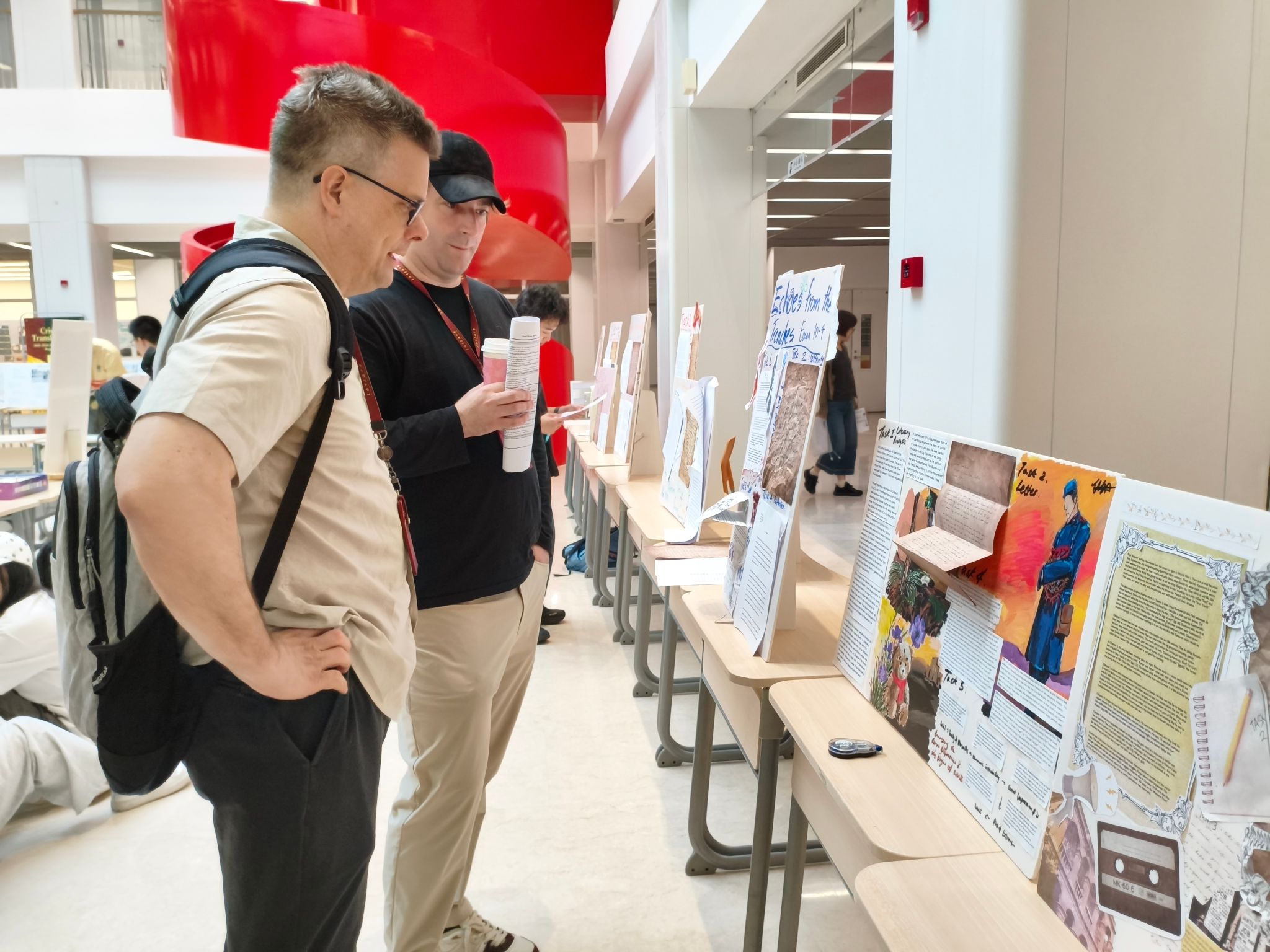
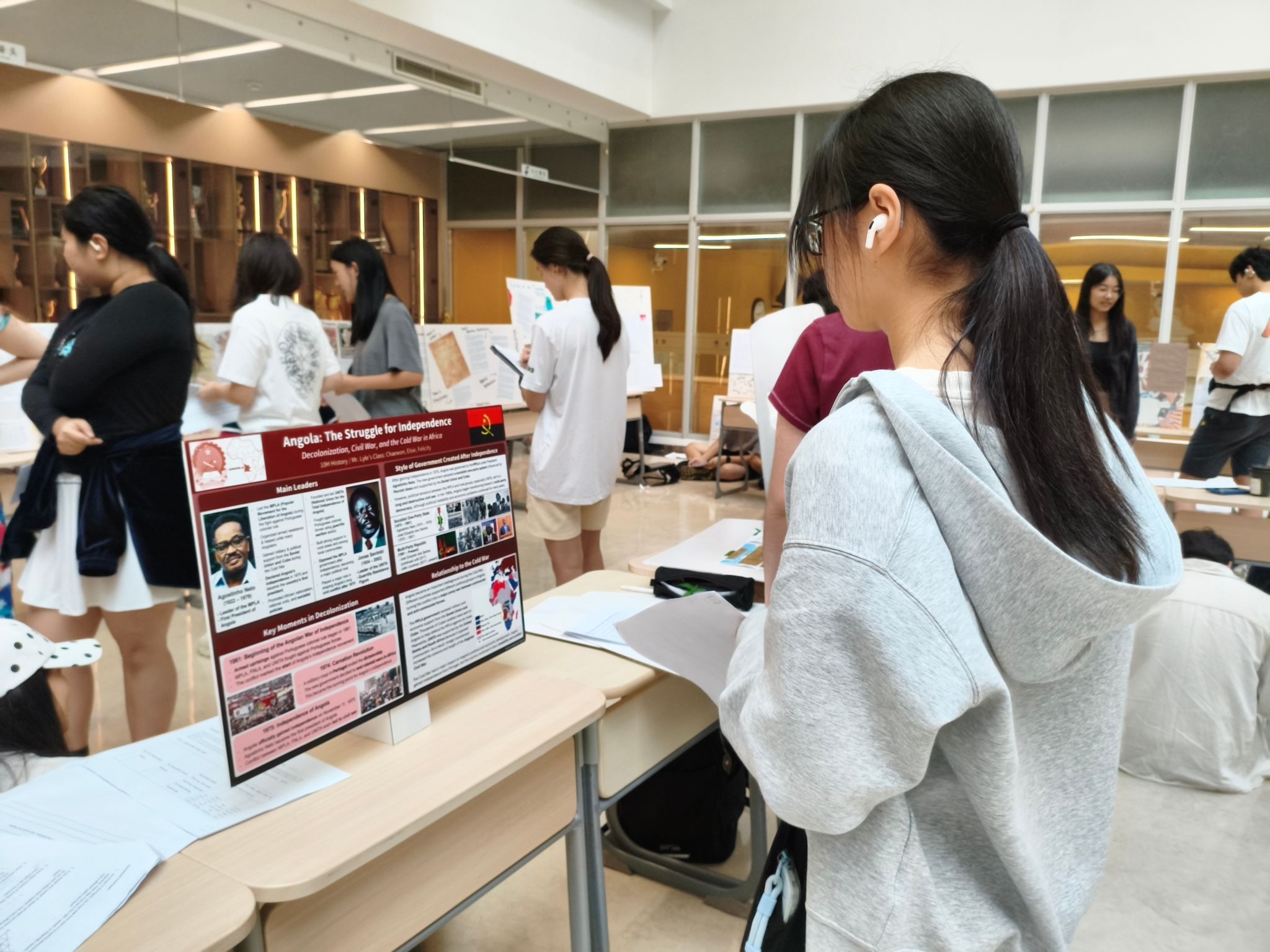
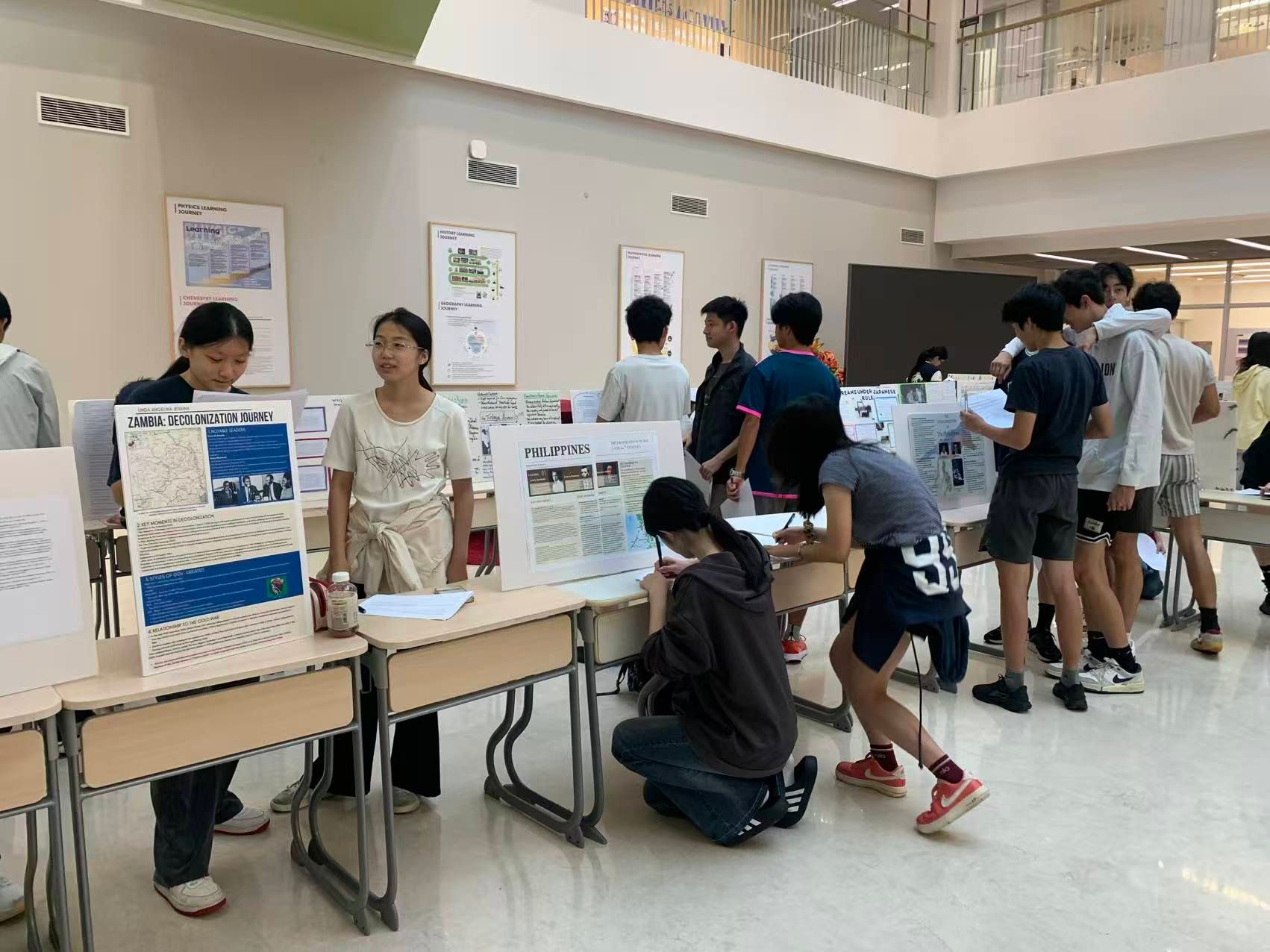
This project showcase provided students with a platform to express and share what they had learned and thought. It served not only to reinforce their existing knowledge but also to extend their classroom learning, fully demonstrating their analytical and interpretive skills, critical thinking, and creativity. Teachers from many different subjects also attended to observe and interact with the students, fostering mutual learning as the event unfolded.
(Written by Shen Zhou Pictures by Shen Zhou, James Tanner Reviewed by Qian Zuo)