-
ABOUT US
-
ACADEMICS
Curriculum Program
Departments
- English
- High School Chinese
- Primary and Junior School Chinese.
- High School Mathematics
- Middle School Mathematics
- Primary School Mathematics
- Music and Fine Arts
- Physical Education
- Physics
- Chemistry
- History and Geography
- Physical Science and Optional courses Department
- Middle School Biology
- High School Biology
- Social Sciences
- Computer Science
- Courses in Primary School
Achievements and Matriculations
College Counseling
Science & Technology Innovation Contest
Subject Competition
-
ARTS
-
ATHLETICS
-
AT SHSID
SHSID ∣ TIMES
PTSA
Club Exhibition
- 龙吟社
- Live 2 Drama
- Choir
- Hip-pop Dance Club
- The Primary School Dance Troupe
- Symposiums Club
- Biology Workshop
- You Shan
- VEX Robotic
- Peking Opera Club
- Baseball Club
- Model United Nations
- The World Scholar’s Cup
- Future Problem Solving Club
- United States Academic Pentathlon
- OM Club
- AMC Club
- Music for Patients
- SHSID Gazette
- Smile Charity
- Cultural Moments
- SciAcademy
- Stem Doge Alliance
- Chinese Debate Club
- IAA
- Mock Trial Club
- Zhengming Club
- Furry Friends
- GT-Racing
- Village Radio
- IMMC Club
- Creative Design and Intelligent Fabrication
- Future City Research Project
- ECOCAP
- AdvocaSEA
- SPDC
- Medishine
- Floorball Club
- Animusic MTC
- Wings Up
- All Booked
- Cyano
- Birding Community
Health and Wellness
Campus Safety
Cafeteria Service
-
ADMINISTRATION
-
ADMISSIONS
-
ALUMNI
Alumni Information
Honors Students
- Class of 2025
- Class of 2024
- Class of 2023
- Class of 2022
- Class of 2021
- Class of 2020
- Class of 2019
- Class of 2018
- Class of 2017
- Class of 2016
- Class of 2015
- Class of 2014
- Class of 2013
- Class of 2012
- Class of 2011
- Class of 2010
- Class of 2009
- Class of 2008
- Class of 2007
- Class of 2006
Who Studied at SHSID
SHS Foundation
-
DOCUMENTS
Middle School Chinese Department: Special Events to Learn Culture—Chinese Culture Week (II)
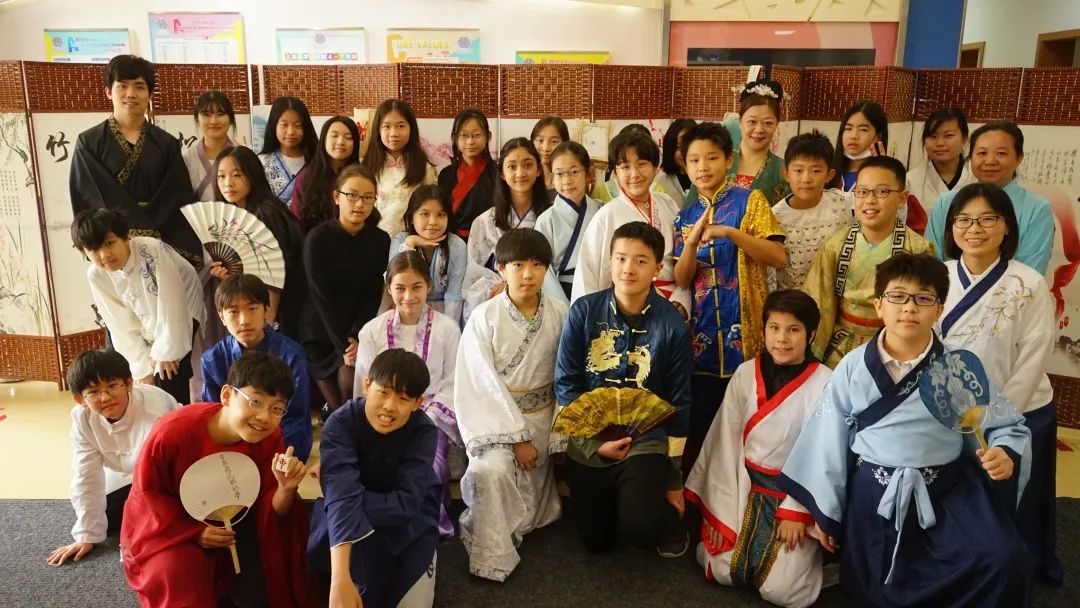
Chinese cultureis certainlyworthexplorationin terms of its long history and profound influence on philosophy and traditions. SinceOctober 19th, allnon-native ChinesestudentsofGrades6 and 7havebeen participating in a series of fun activities to celebrate this year’s Chinese Culture Week. Students learned more about Chinese culture with these memorable experiences of exploring Chinese traditions and arts.
G7 Creative Work: “Oracle Bone Script” and “Twenty-Four Solar Terms”
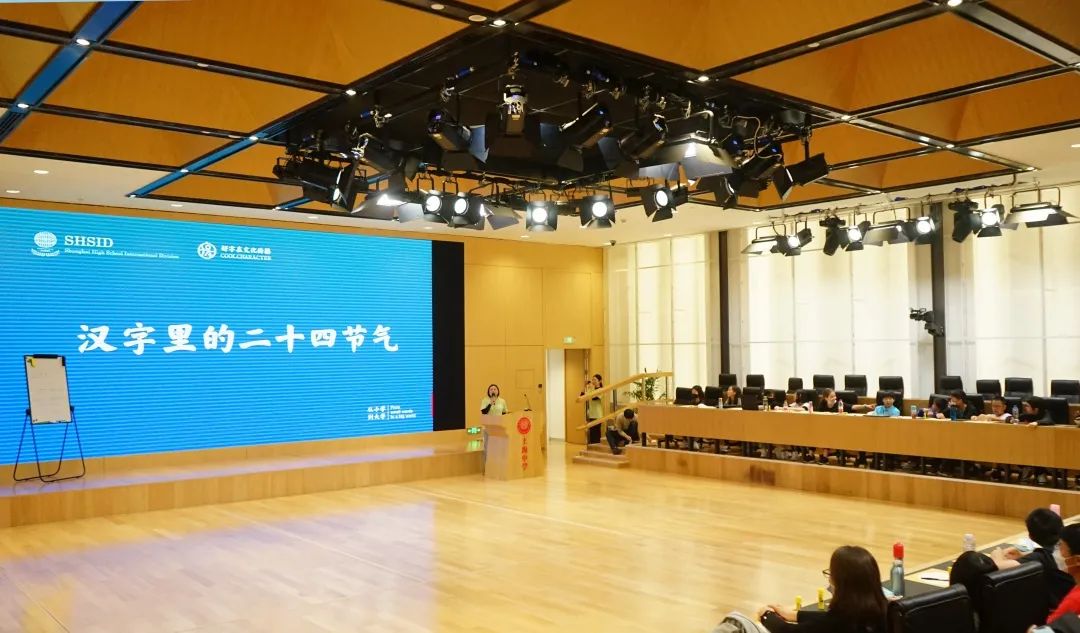
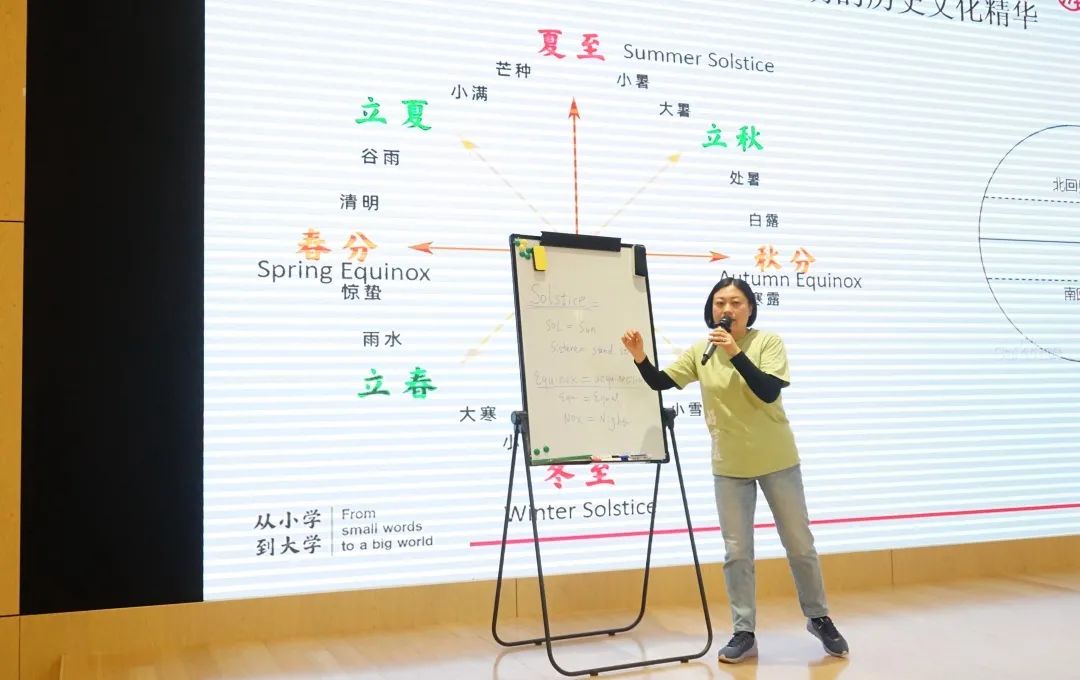
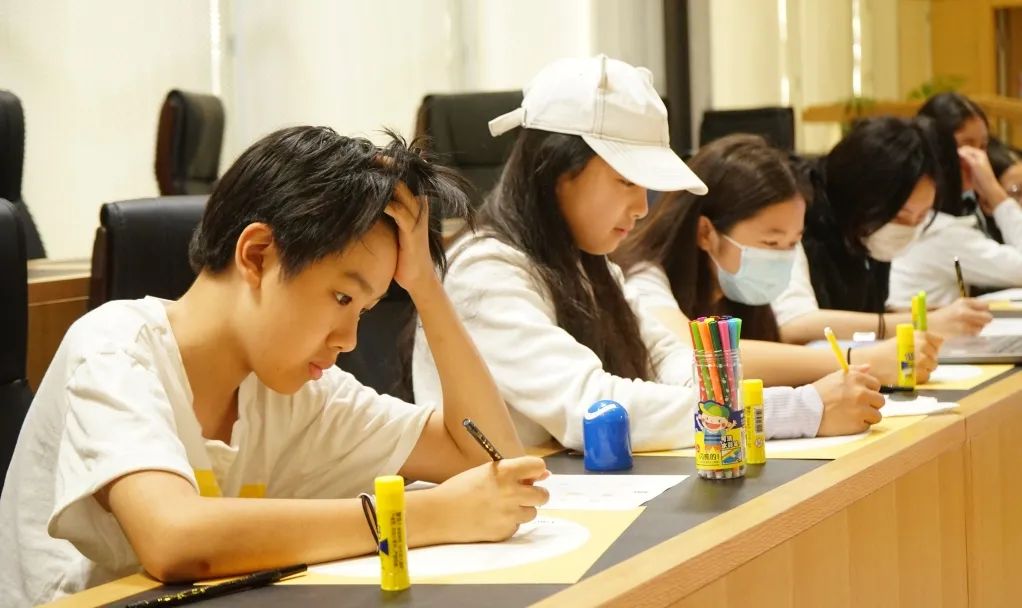
Chinese characters, known as “汉字(Han Characters),” have an origin that can be traced back to more than 3000 years ago. Grade 7 students in non-native Chinese classes attended an interesting workshop on Chinese solar terms and the oracle bone script (甲骨文). They were divided into four groups representing four seasons—spring, summer, autumn, and winter. Each student was able to create their unique solar terms project by using oracle bone script, poems, drawings, and other decorative items like dried flowers and leaves to complete their artwork on the season.
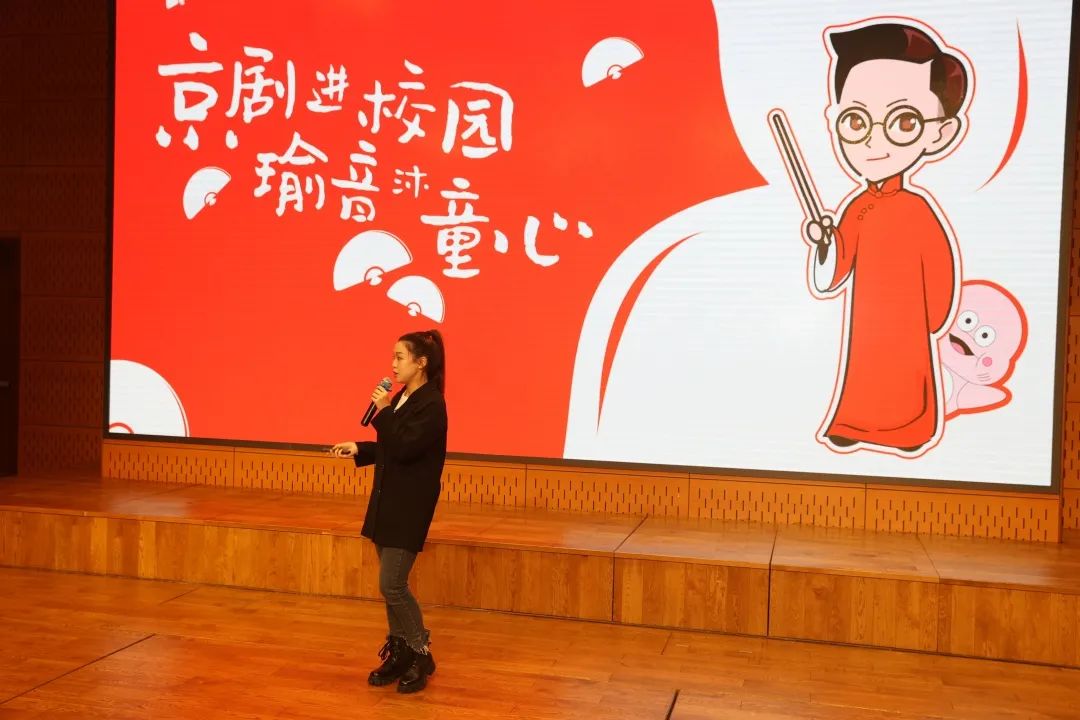
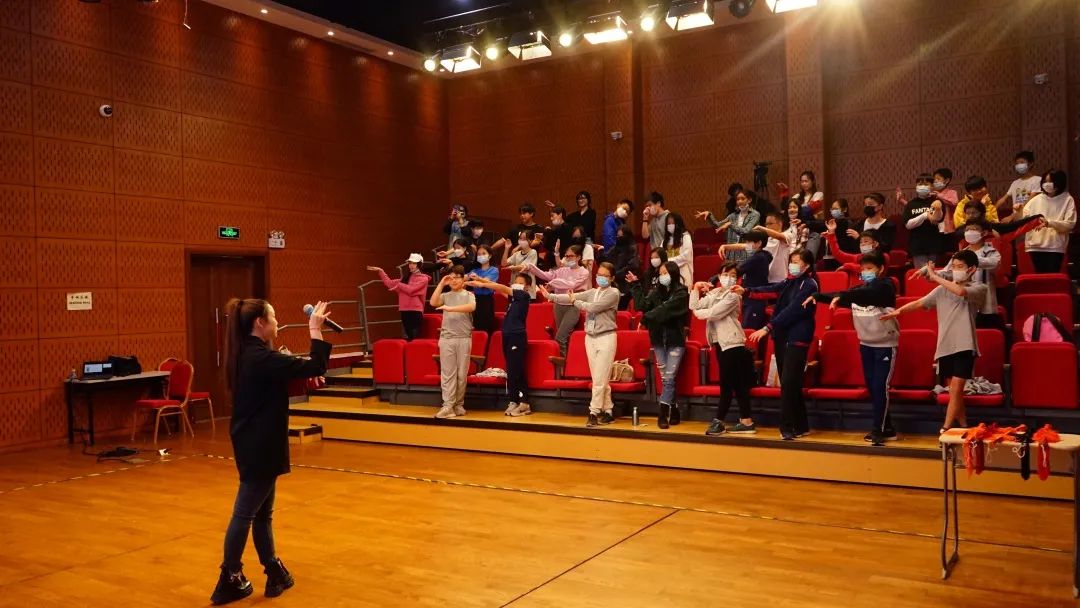
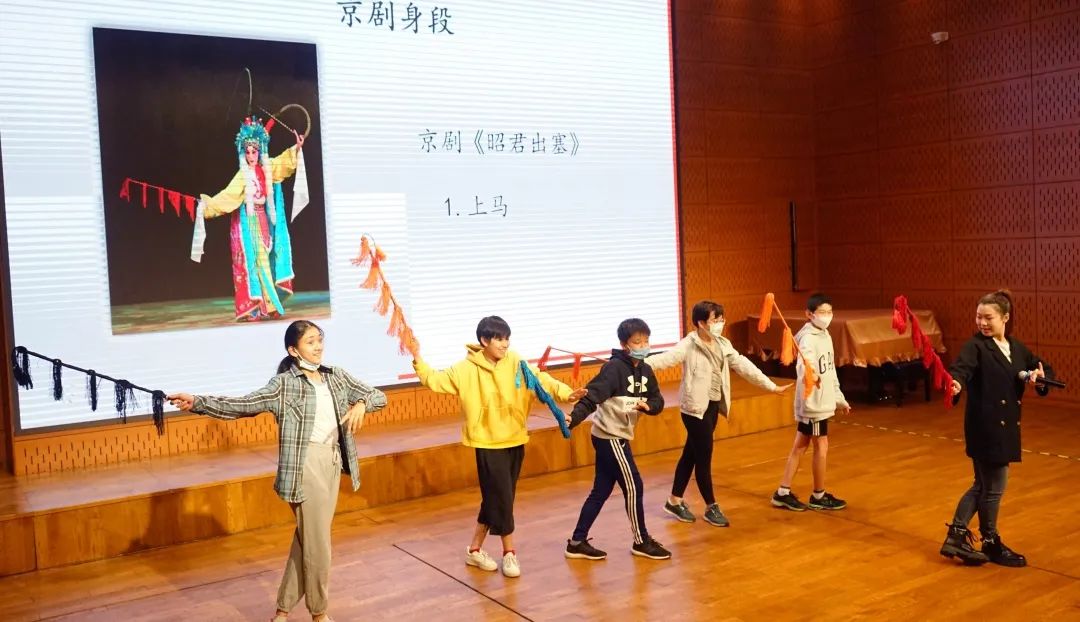
G7 Yuyinshe Lecture: Promoting Beijing Opera Among the Younger Generation
Beijing Opera, also called Pingju and Jingxi, is the most dominant form of Chinese opera. For this year’s G7 Chinese Culture Week, we invited teachers from Yuyinshe to give students a lecture on the origin and development of Beijing Opera. By imitating the mannerisms of opera actors, students quickly grasped the four roles of Sheng, Dan, Jing, and Chou in Jingju (京剧) as well as the four skills involved, including speaking, singing, dancing, and combat.
G6 Language Immersion: Five Cultural Aspects
This year, the Grade 6 Chinese teachers chose five aspects of Chinese culture to allow students to explore Chinese history, food culture, traditions, and arts.
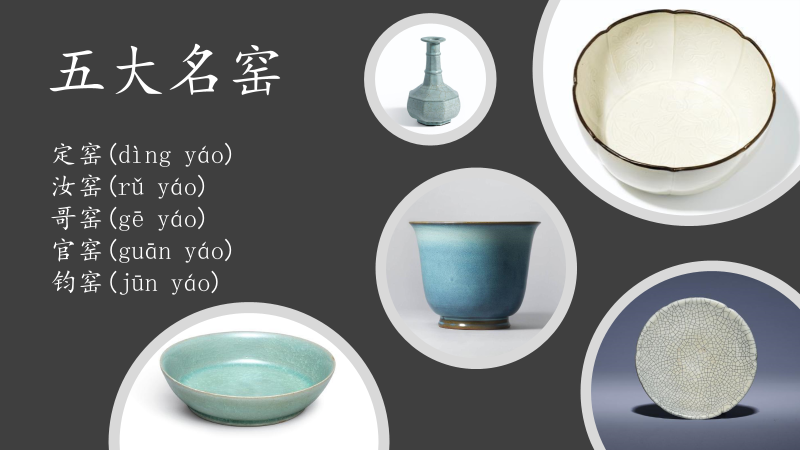
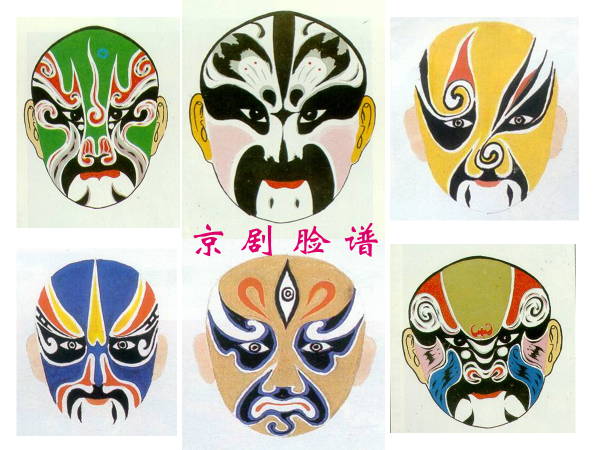
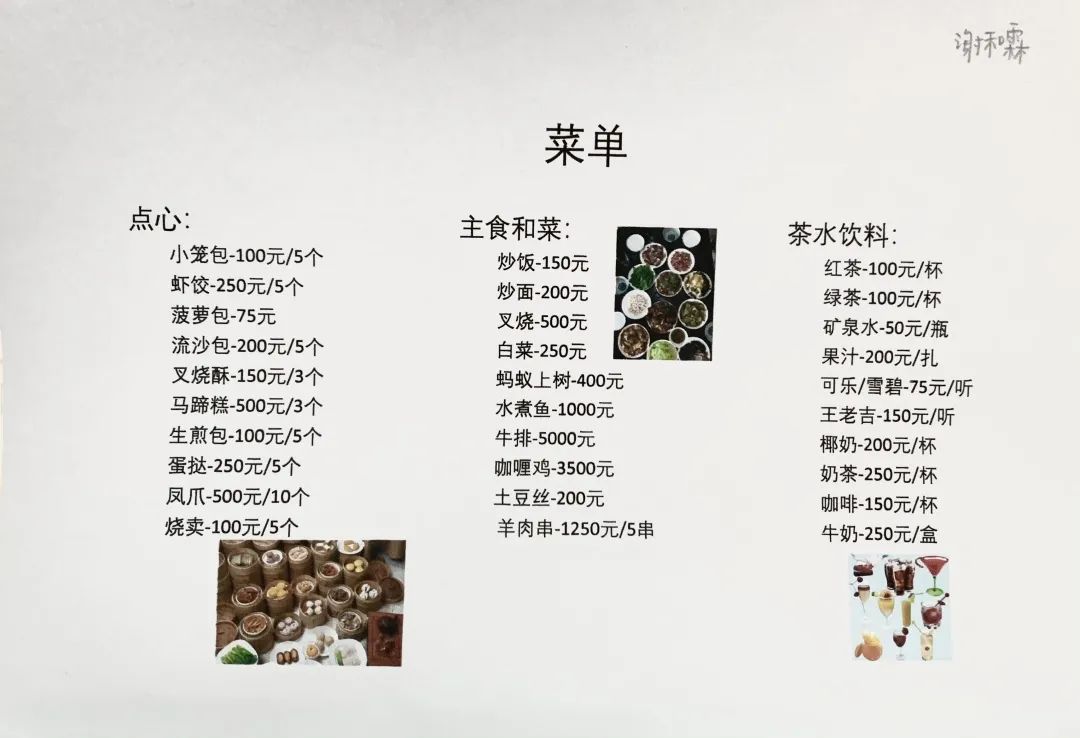
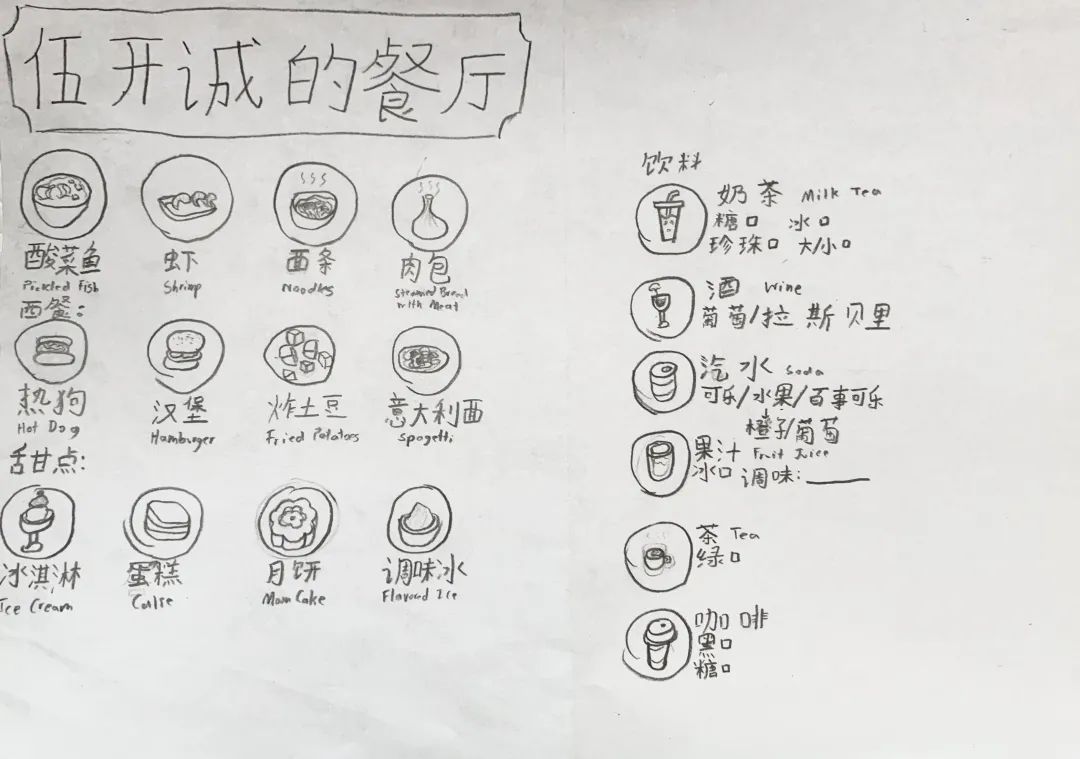
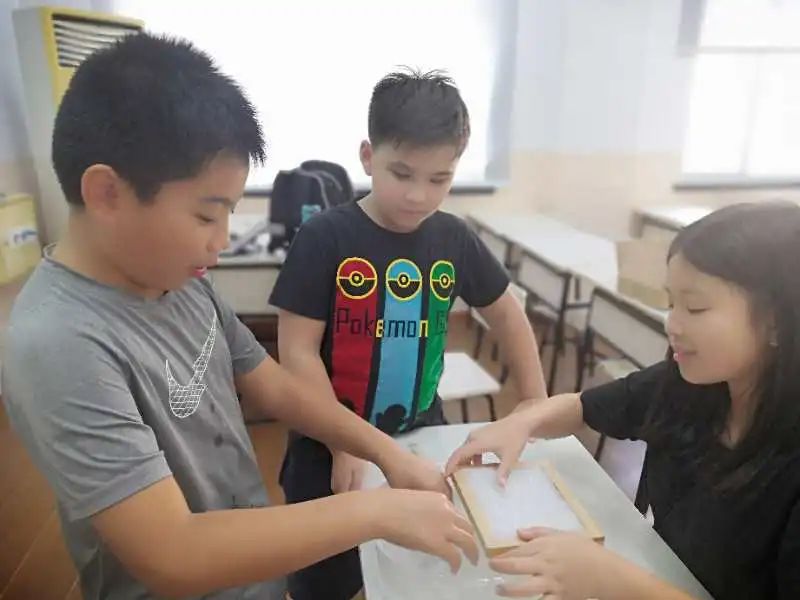
In the “Traditional Chinese Handicrafts” themed class, students learned about plenty of handicrafts such as lacquerware, bronze ware, silk, ceramics, and many more. In the “Beijing Opera Masks” class, students were not only amazed by the meaning of the colors used in masks, but they also started making their own unique masks and tried singing in the style of the opera. The “Eight Cuisines of China” class unlocked the door to China’s best cuisines; students became chefs who specialize in Chinese cuisine and designed the menus for their Chinese restaurants. Want to know the historical development of papermaking and make a sheet of paper? The “Paper-Making” themed class allowed students to realize the importance lowering paper usage in offices. Last but not least, the teachers introduced the “Papercutting Art” class and explained how papercutting evolved uniquely in China and what the meanings behind it were. Students then created various hand-made pieces for window decoration.
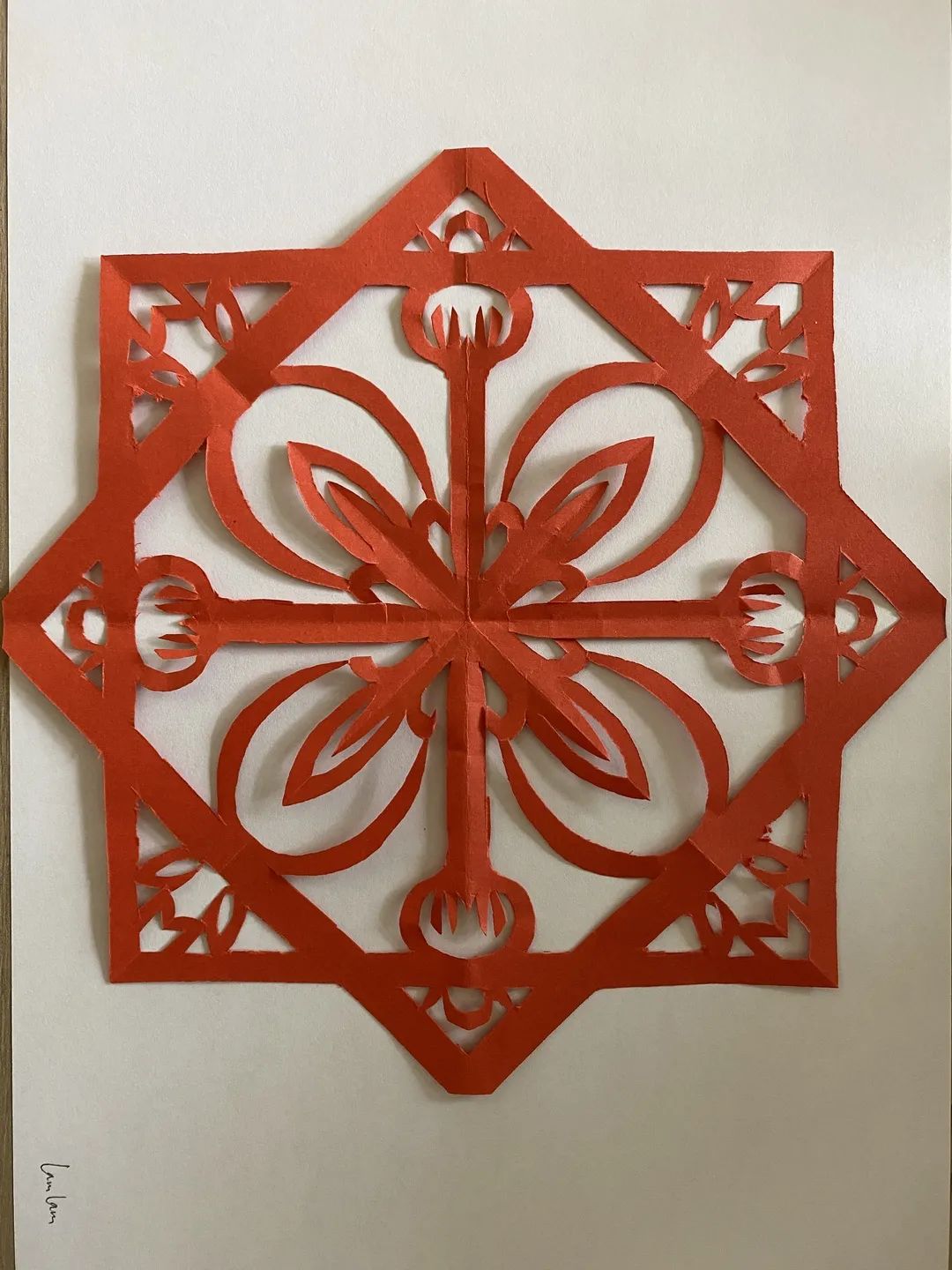
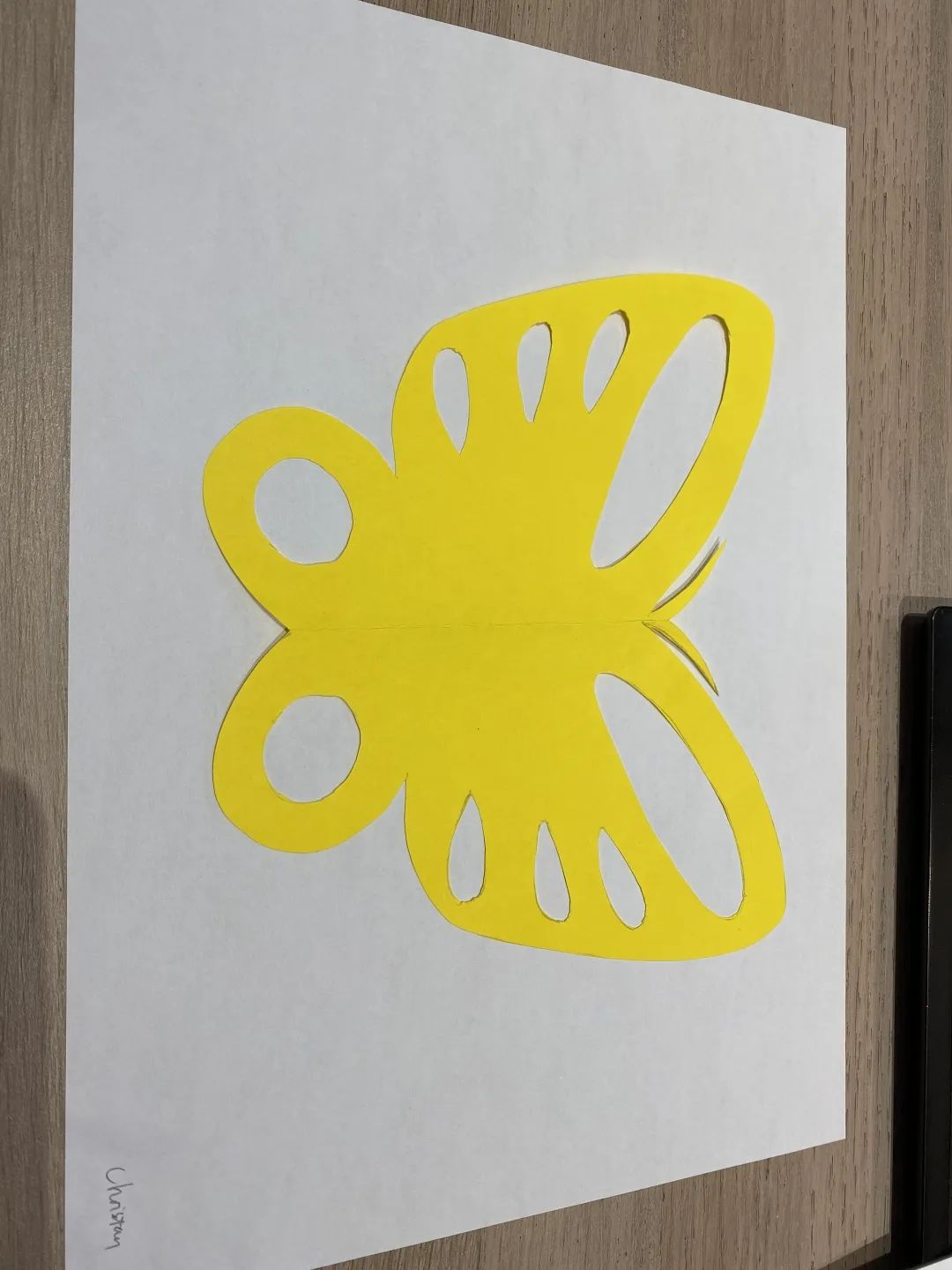
Middle school Chinese teachers have been devising ways to create better language learning experiences for our students. The study of Chinese culture helps students bridge the cultural gap and learn more Chinese. As this year’s Chinese Culture Week comes to an end, we are happy to see how comprehending Chinese culture can positively impact students’ Chinese learning.
(Written by Liu Cong, Huang Shiyuan Pictures by Middle School Chinese Department)