-
ABOUT US
-
ACADEMICS
Curriculum Program
Departments
- English
- High School Chinese
- Primary and Junior School Chinese.
- High School Mathematics
- Middle School Mathematics
- Primary School Mathematics
- Music and Fine Arts
- Physical Education
- Physics
- Chemistry
- History and Geography
- Physical Science and Optional courses Department
- Middle School Biology
- High School Biology
- Social Sciences
- Computer Science
- Courses in Primary School
Achievements and Matriculations
College Counseling
Science & Technology Innovation Contest
Subject Competition
-
ARTS
-
ATHLETICS
-
AT SHSID
SHSID ∣ TIMES
PTSA
Club Exhibition
- 龙吟社
- Live 2 Drama
- Choir
- Hip-pop Dance Club
- The Primary School Dance Troupe
- Symposiums Club
- Biology Workshop
- You Shan
- VEX Robotic
- Peking Opera Club
- Baseball Club
- Model United Nations
- The World Scholar’s Cup
- Future Problem Solving Club
- United States Academic Pentathlon
- OM Club
- AMC Club
- Music for Patients
- SHSID Gazette
- Smile Charity
- Cultural Moments
- SciAcademy
- Stem Doge Alliance
- Chinese Debate Club
- IAA
- Mock Trial Club
- Zhengming Club
- Furry Friends
- GT-Racing
- Village Radio
- IMMC Club
- Creative Design and Intelligent Fabrication
- Future City Research Project
- ECOCAP
- AdvocaSEA
- SPDC
- Medishine
- Floorball Club
- Animusic MTC
- Wings Up
- All Booked
- Cyano
- Birding Community
Health and Wellness
Campus Safety
Cafeteria Service
-
ADMINISTRATION
-
ADMISSIONS
-
ALUMNI
Alumni Information
Honors Students
- Class of 2025
- Class of 2024
- Class of 2023
- Class of 2022
- Class of 2021
- Class of 2020
- Class of 2019
- Class of 2018
- Class of 2017
- Class of 2016
- Class of 2015
- Class of 2014
- Class of 2013
- Class of 2012
- Class of 2011
- Class of 2010
- Class of 2009
- Class of 2008
- Class of 2007
- Class of 2006
Who Studied at SHSID
SHS Foundation
-
DOCUMENTS
High School Biology Department: Biology Week Lecture – “Anesthesiology”
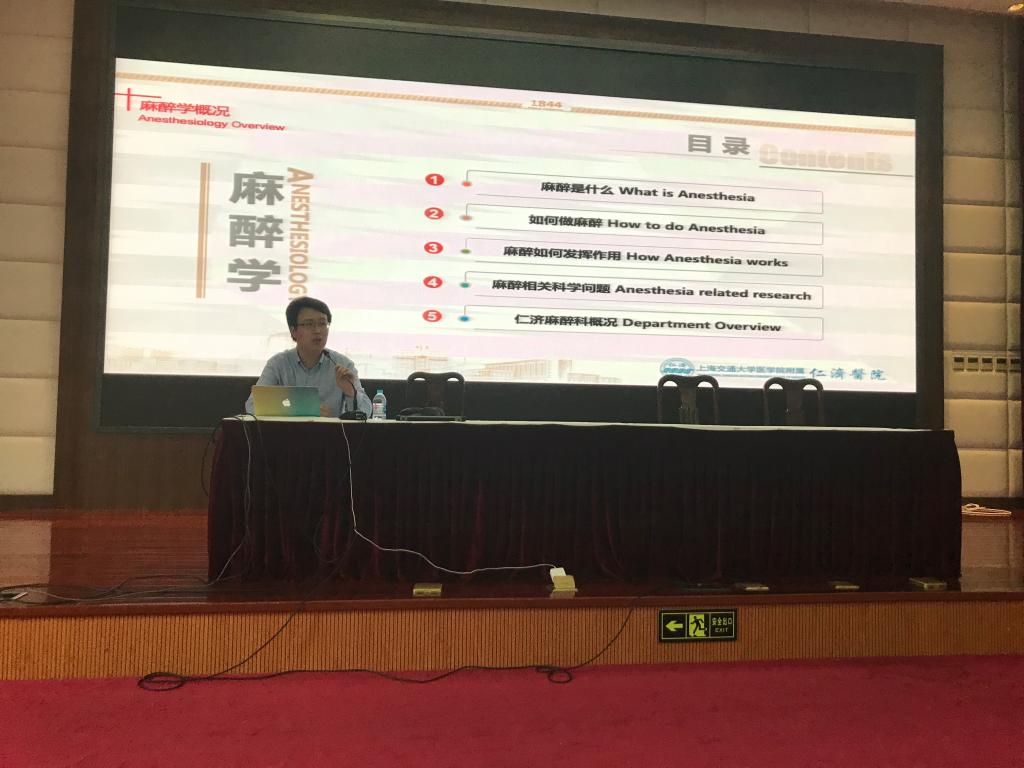
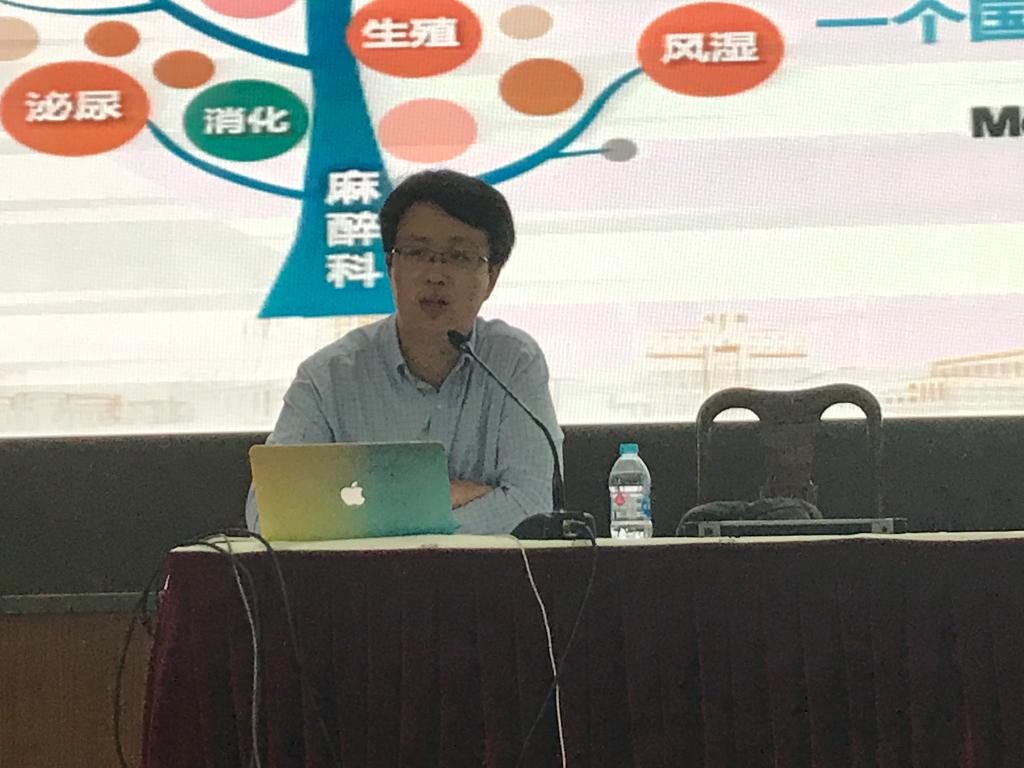
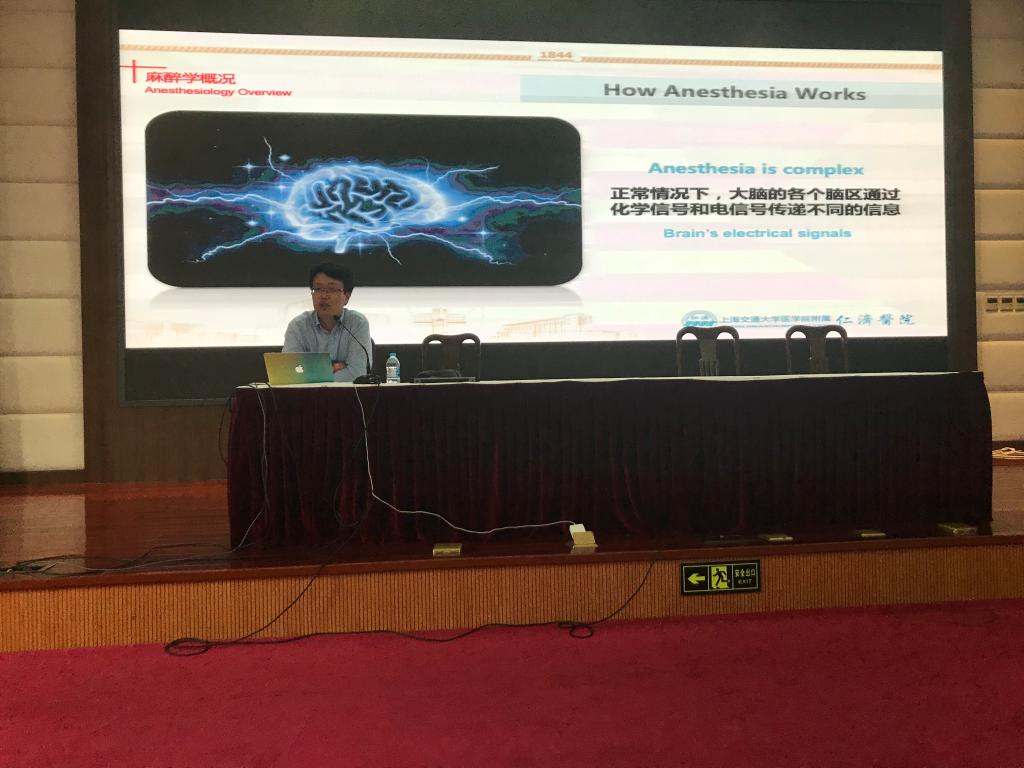
What were surgeries like before the discovery of anesthesia? Are anesthesiologists only responsible for administering anesthesia? How does anesthesia work? The answers to these questions could be heard in the biology week lecture: “Anesthesiology”. On June 6th, Doctor Gu Xiyao, a doctor from Shanghai Jiao Tong University Renji Hospital, shared knowledge and stories about anesthesiology with students at SHSID.
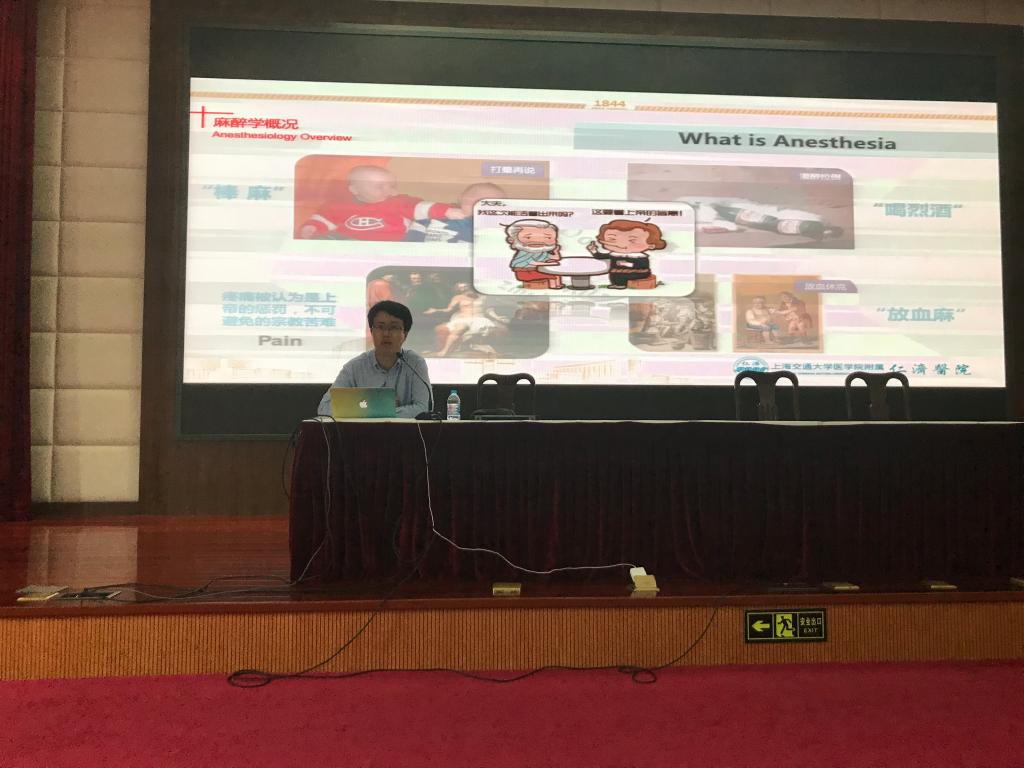
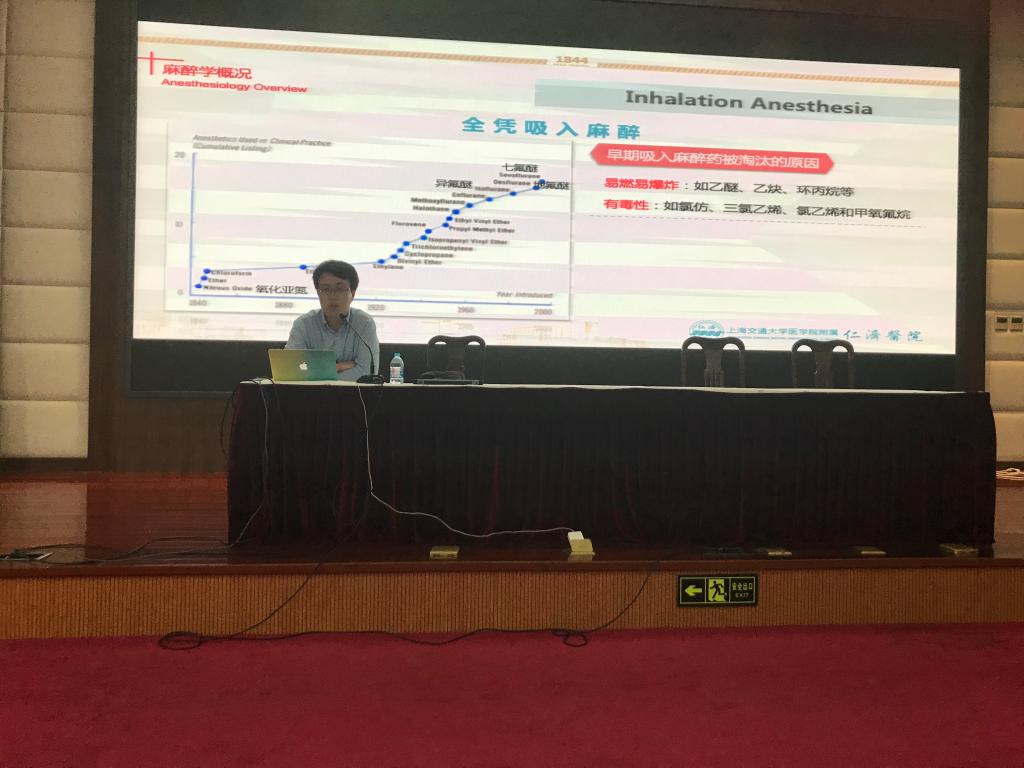
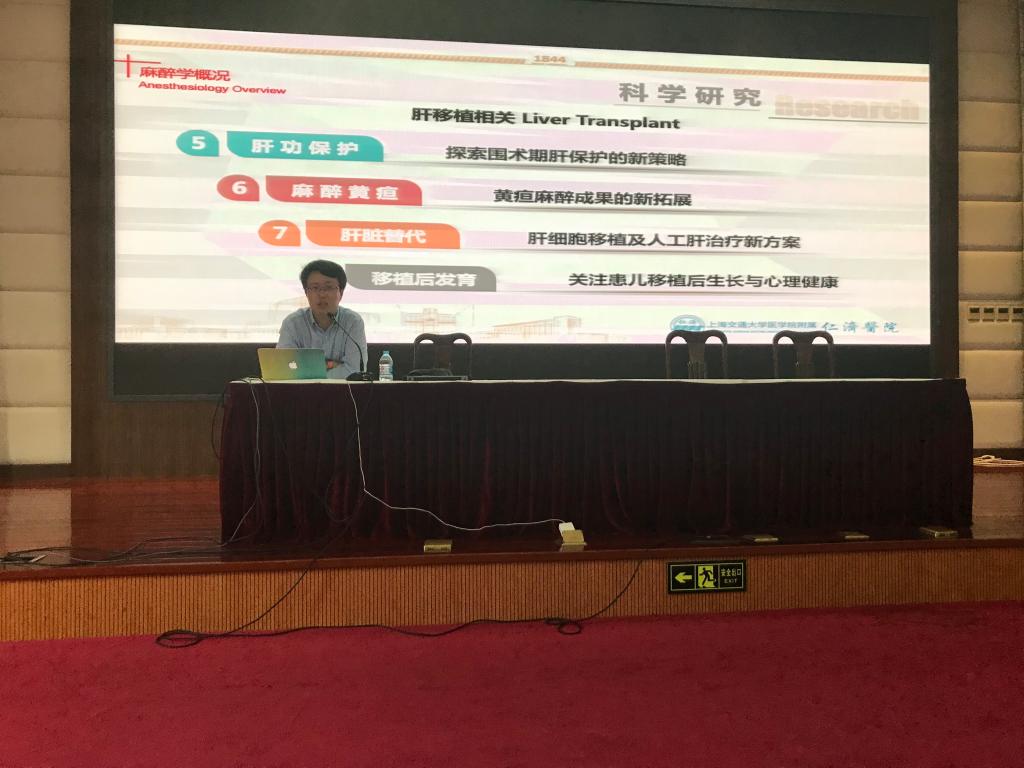
Surgery without anesthesia causes extreme physical pain to patients. To relieve pain in the past, doctors made patients unconscious by knocking them out, gave them alcohol, and even used bloodletting. These methods are not only dangerous but have a very limited effect. As a result, operating rooms were filled with the screams of patients being operated on. The discovery and development of anesthetics greatly reduced patients’ pain. In addition to blocking one’s perception of pain, anesthetics can also relax muscles and prevent exaggerated autonomic reflexes, thus significantly improving the safety of surgeries. Regarding how anesthetics are applied, administration is divided into inhalation anesthesia and intravenous anesthesia. The duties of anesthesiologists are not limited to administering anesthesia. For example, when a patient is in danger during a surgery, anesthesiologists react to the problem and take necessary steps rather than the surgeon, as is commonly believed. In addition, anesthesiologists have other essential responsibilities, such as intensive care. Anesthesia is also divided into general anesthesia and local anesthesia. Patients under general anesthesia look like they are asleep. Anesthesia and sleeping are similar in some ways but different in others. For example, similar brain areas are activated during awakening from anesthesia and from sleep. However, sleep can be interrupted by external stimuli such as sound, while deep anesthesia cannot be awakened by such stimuli. Anesthetics take effect by suppressing communications among different brain regions. Can anesthetics harm the brain or affect IQ? There is no clear answer to this question. IQ is closely related to consciousness, the biological basis of which is not yet fully understood. At the end of the lecture, Dr. Gu briefly introduced current research topics in anesthesiology and the anesthesia department of Renji Hospital.
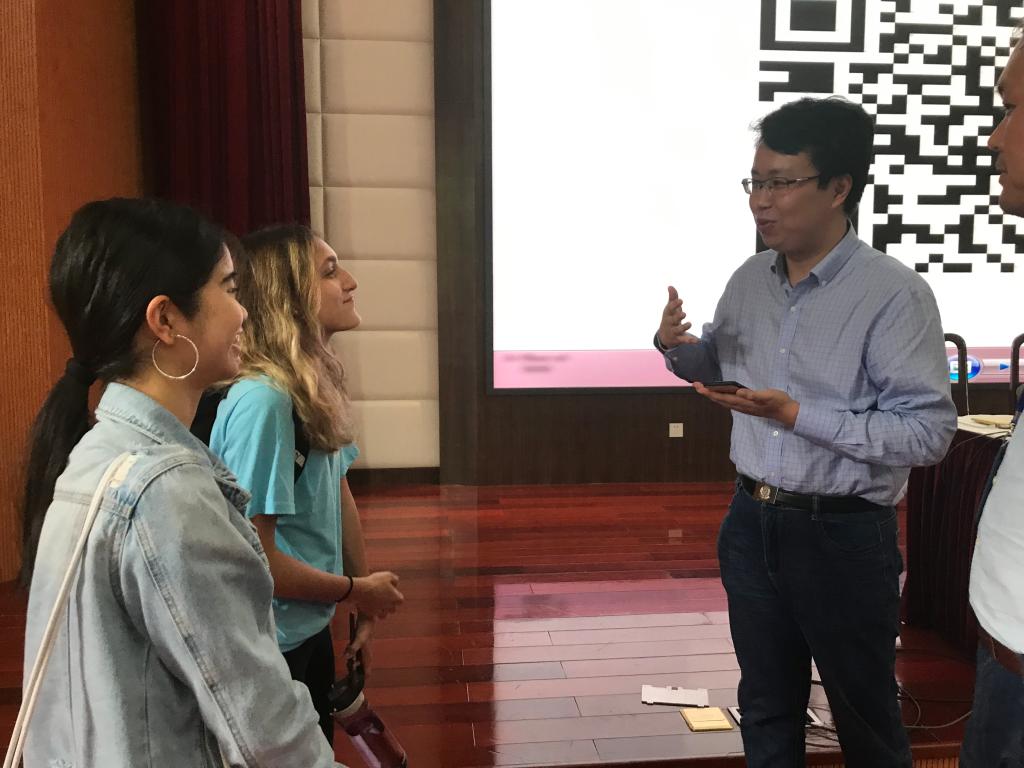
Dr. Gu’s lecture was professional and easily understood. Numerous interesting examples in the lecture made students laugh, for example, the surgery with the highest mortality rate (300%) in history. After the lecture, students asked many interesting questions, for example, “Can people dream under general anesthesia? If so, can they talk in their dream?” Some students were concerned about the safety of anesthesia, for example, “Will people get addicted to anesthesia?” Some students are interested in various anesthetics: “Is Propofol able to block pain?” One student even started to worry that she may tell her secrets when she is not fully awakened from anesthesia: “How can I stop myself from talking after anesthesia?” Dr. Gu answered every question with patience. Through this lecture, students realized the importance of anesthesia, learnt knowledge about anesthesia, and grew interested in related areas.

(Written by Chengbo Zhou Pictures by Chengbo Zhou)